

Carnival (Rio de Janeiro, Brazil)
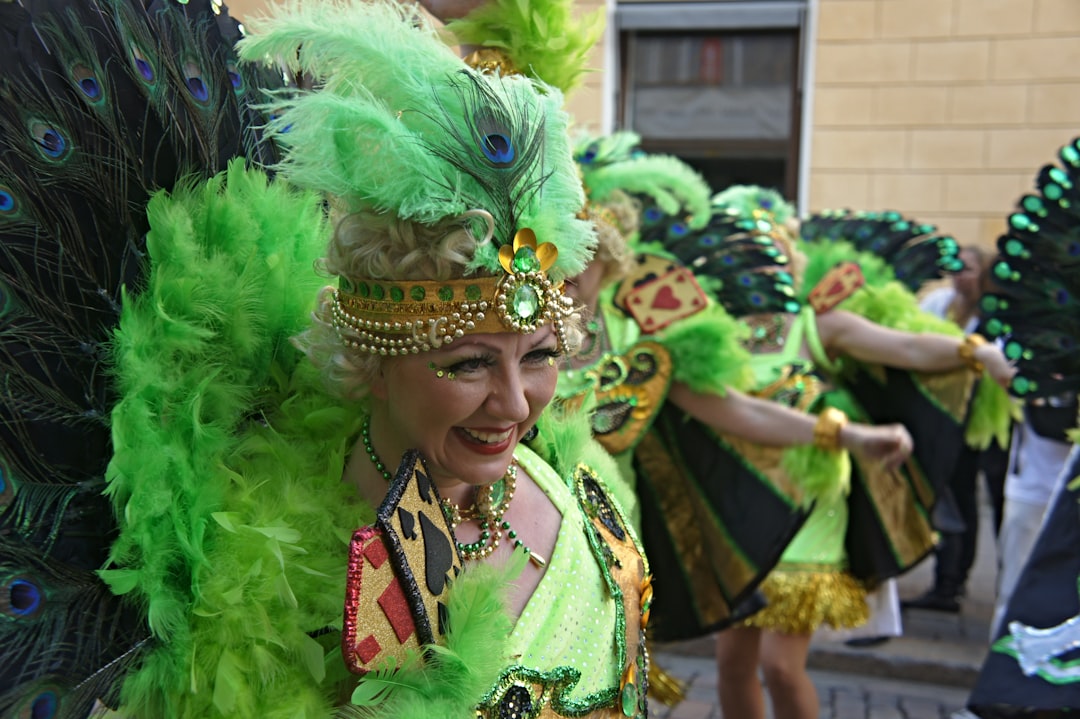
Picture this: over 6 million people dancing in the streets while samba music blasts from every corner, with costumes so elaborate they’d make Broadway jealous. Rio de Janeiro’s carnival alone drew 6 million people in 2018, with 1.5 million being travelers from inside and outside Brazil. Rio’s carnival is the largest in the world according to Guinness World Records. Brazil braces for a monumental Carnival 2025, with over 53 million participants expected nationwide, an 8% increase from last year, according to the Ministry of Tourism.
The financial impact alone is staggering – the mayor’s office estimates that the city pulls in 3.5 billion reais ($1.06 billion) in tourism revenues. What makes this celebration truly special is the incredible organization behind it. The typical Rio Carnival parade is filled with revelers, floats, and adornments from numerous samba schools which are located in Rio (more than 200 approximately, divided into five leagues/divisions). Street parades, blocos, and bandas take place throughout the city of Rio during Carnival, the most famous and largest carnival celebration of the world. There can be more than 300 bandas taking place at any given point in time.
The best part? You don’t need expensive tickets to experience magic. In 2012, more than 2 million revelers took to the streets of Rio de Janeiro to participate in the Cordão da Bola Preta bloco. According to police estimates, more than 5 million people attended a bloco during Rio Carnival 2012 and there was not one reported incident of crime. The atmosphere is electric, the energy infectious, and the memories absolutely priceless.
Holi (India & Nepal)
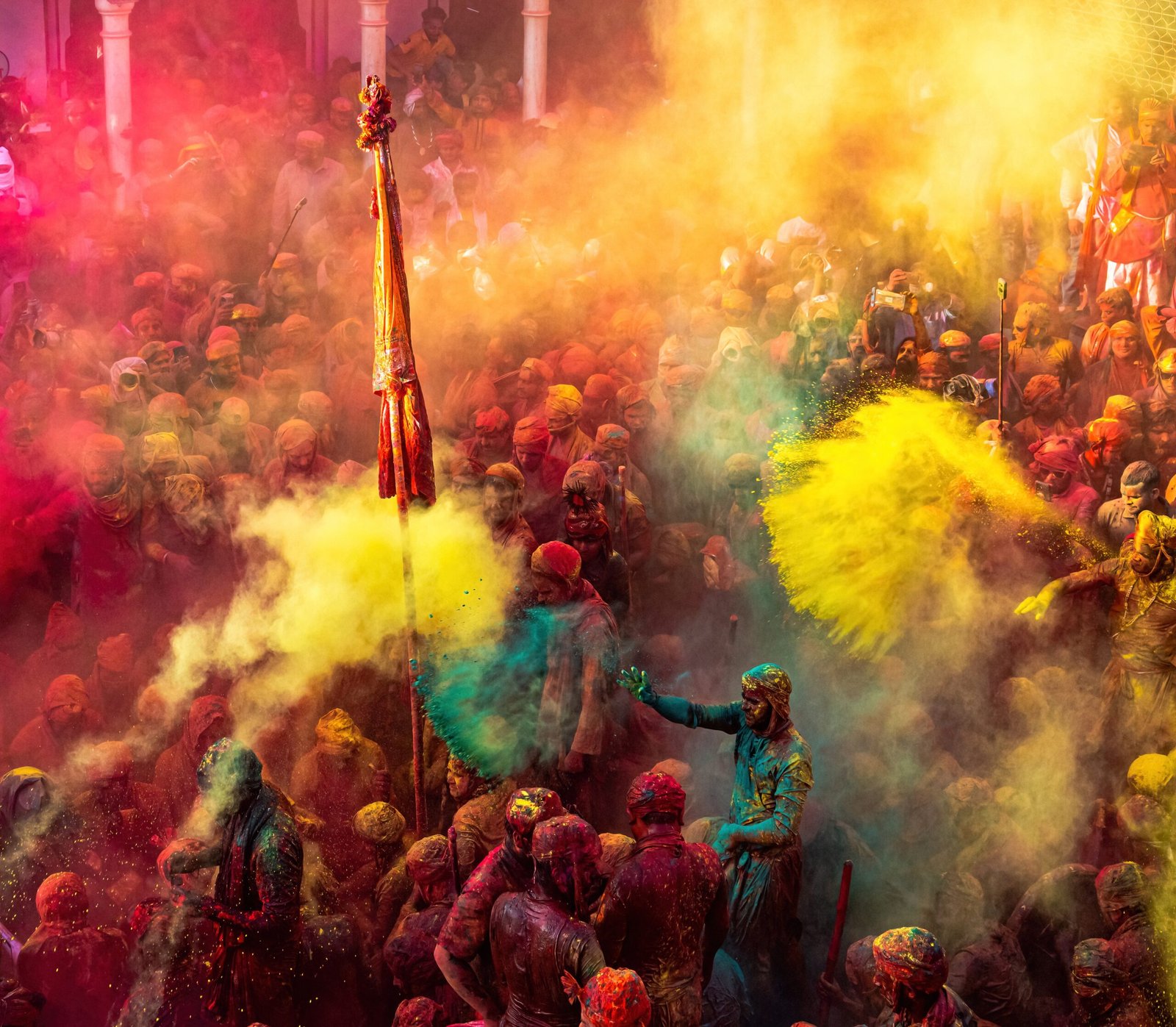
Have you ever wanted to throw paint at strangers and have them thank you for it? Welcome to Holi, where social norms disappear faster than white clothes in a paint fight. Millions of people in South Asia are celebrating Holi, the Hindu festival of colors, by smearing each other with brightly colored powder, dancing to festive music and feasting on traditional sweets prepared for the occasion. In 2025, Holi will be celebrated on 14th March, Friday.
But here’s what most people don’t realize – Holi isn’t just about throwing colors around. Holi is the most colorful and joyous festival of the Hindu calendar, celebrated at the end of the winter season to welcome spring. At this festival, distinctions of caste, class, age, and gender are forgotten as people have fun throwing paint and colored water at each other. It’s like society hits a reset button for one magical day.
The festival varies dramatically by location, and choosing the right spot can make or break your experience. The holy towns of Mathura and Vrindavan will be drenched with colors. The best of all celebrations is found in Banke Bihari temple, where the celebrations start the day before Holi. During the eve of Holi, people throw flowers at each other. A procession starts early in the morning before Holi from Banke Bihari Temple and leads to Mathura.
Oktoberfest (Munich, Germany)
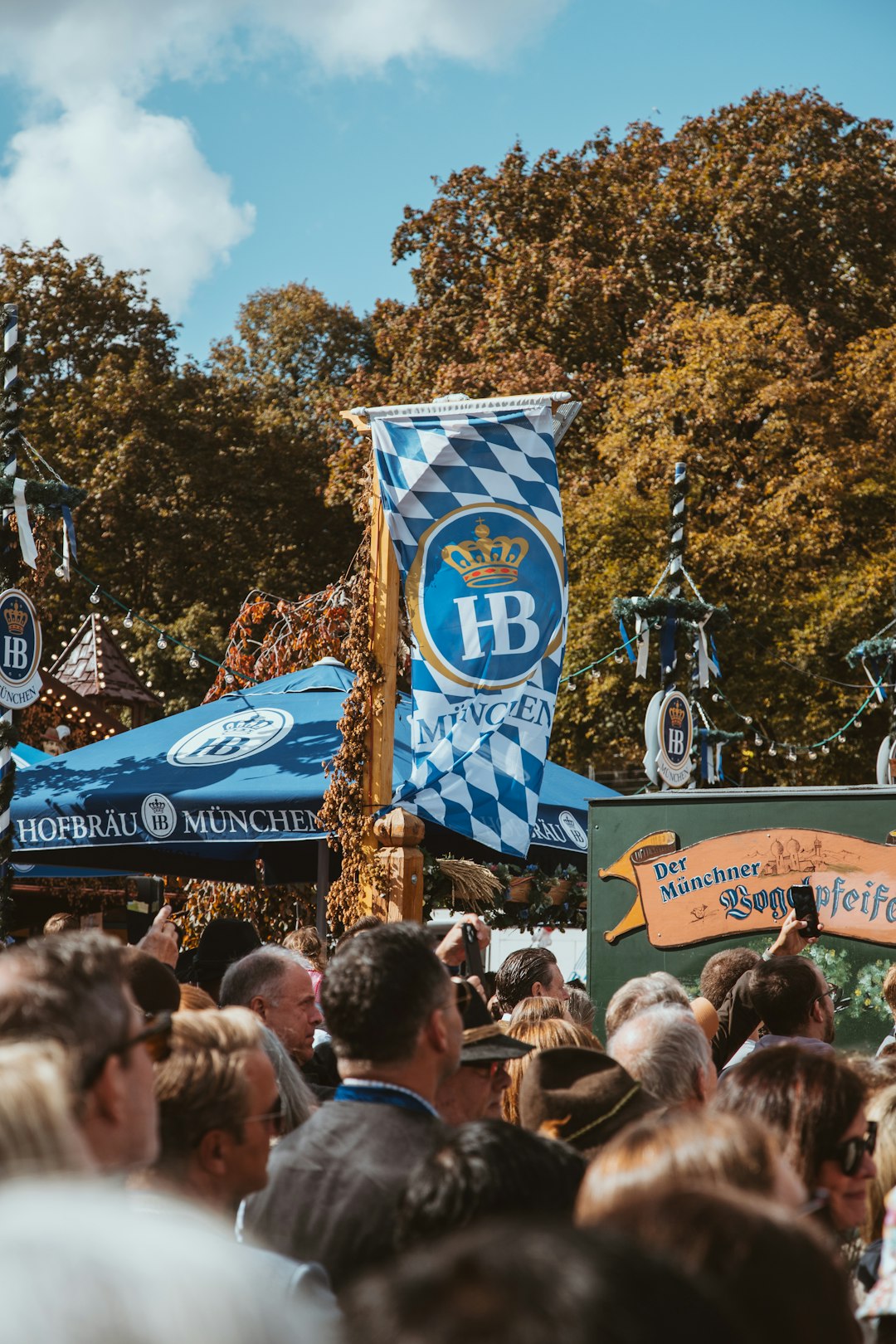
Think you know beer? Think again. In 2024, there were around 6.7 million visitors to Munich’s Oktoberfest celebration. The attendance record was set a year earlier with 7.2 million visitors. Oktoberfest 2024 finished on Sunday October 6th and, as in previous years, beer consumption hit a mind-boggling 7 million Liters at the festival in just 16 days.
The scale is almost incomprehensible. With more than six million guests a year, the Oktoberfest is the largest public festival in the world. No wonder: The Oktoberfest celebrates Bavarian tradition with delicious food, Munich beer and countless rides and attractions on the festival grounds and in the tents. While the majority of visitors came from Munich and surrounding areas, international guests made up significant numbers again. These came mostly from the USA, Italy, the UK, Austria, Poland, France, Switzerland, Spain, the Netherlands and, for the first time, increasingly from India.
But don’t think it’s just about drinking – the cultural experience runs deep. Traditional dress was once again very popular, with the majority of visitors wearing this. There seems to be a trend toward higher quality, locally made traditional dress. The atmosphere inside those massive beer tents is unlike anything else on Earth – imagine being part of a 10,000-person toast while oompah bands play.
La Tomatina (Buñol, Spain)
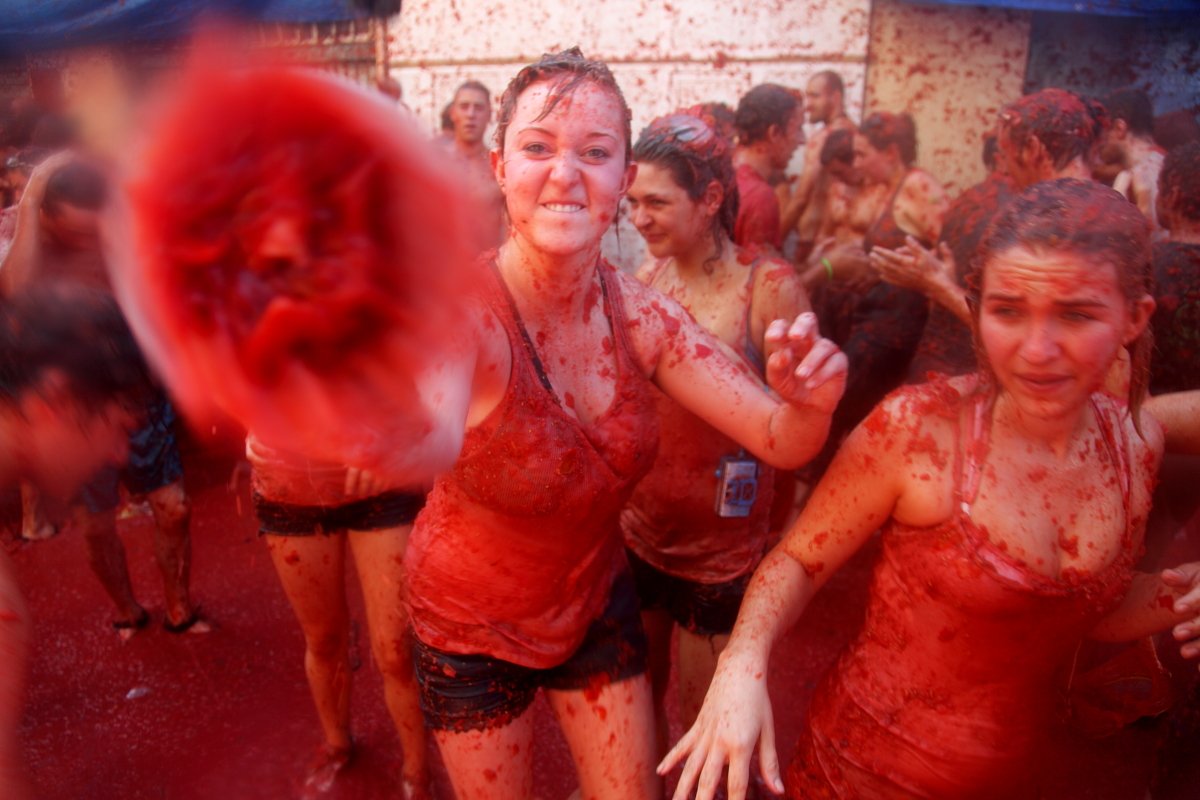
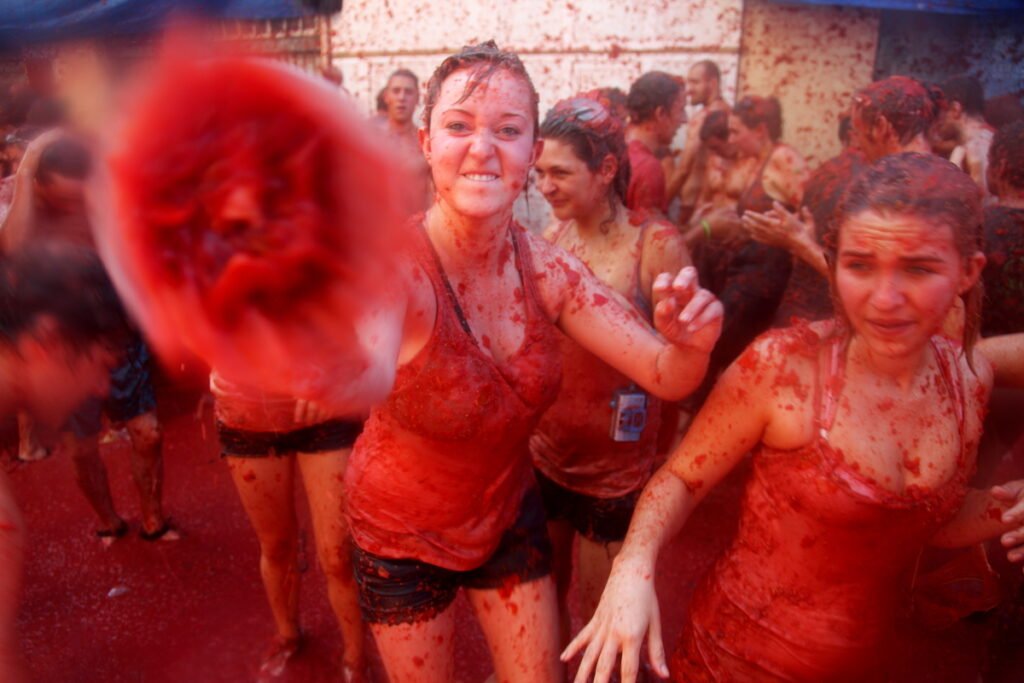
Sometimes the most ridiculous ideas create the most unforgettable experiences. La Tomatina transforms the quiet Spanish town of Buñol into a battlefield where the weapons are overripe tomatoes and the casualties are measured in stained clothing. For exactly one hour on the last Wednesday of August, chaos reigns supreme as 20,000 people converge on narrow streets for what can only be described as the world’s largest food fight.
What started as a local dispute in 1945 has evolved into a carefully orchestrated madness that attracts visitors from over 100 countries. The rules are simple: no hard objects, squish tomatoes before throwing, and stop when the second cannon fires. But the experience is anything but simple – imagine being in a sea of red pulp, laughing until your sides hurt, covered head to toe in tomato juice with complete strangers who’ve become instant friends.
The logistics alone are mind-blowing. Trucks dump over 150 tons of specially grown tomatoes into the streets, while fire trucks spray water to create the perfect slippery conditions. The cleanup afterwards is almost as spectacular as the event itself – within hours, the streets are spotless thanks to the tomato’s natural cleaning properties and the efficient Spanish cleanup crew.
Day of the Dead (Día de los Muertos) (Mexico)
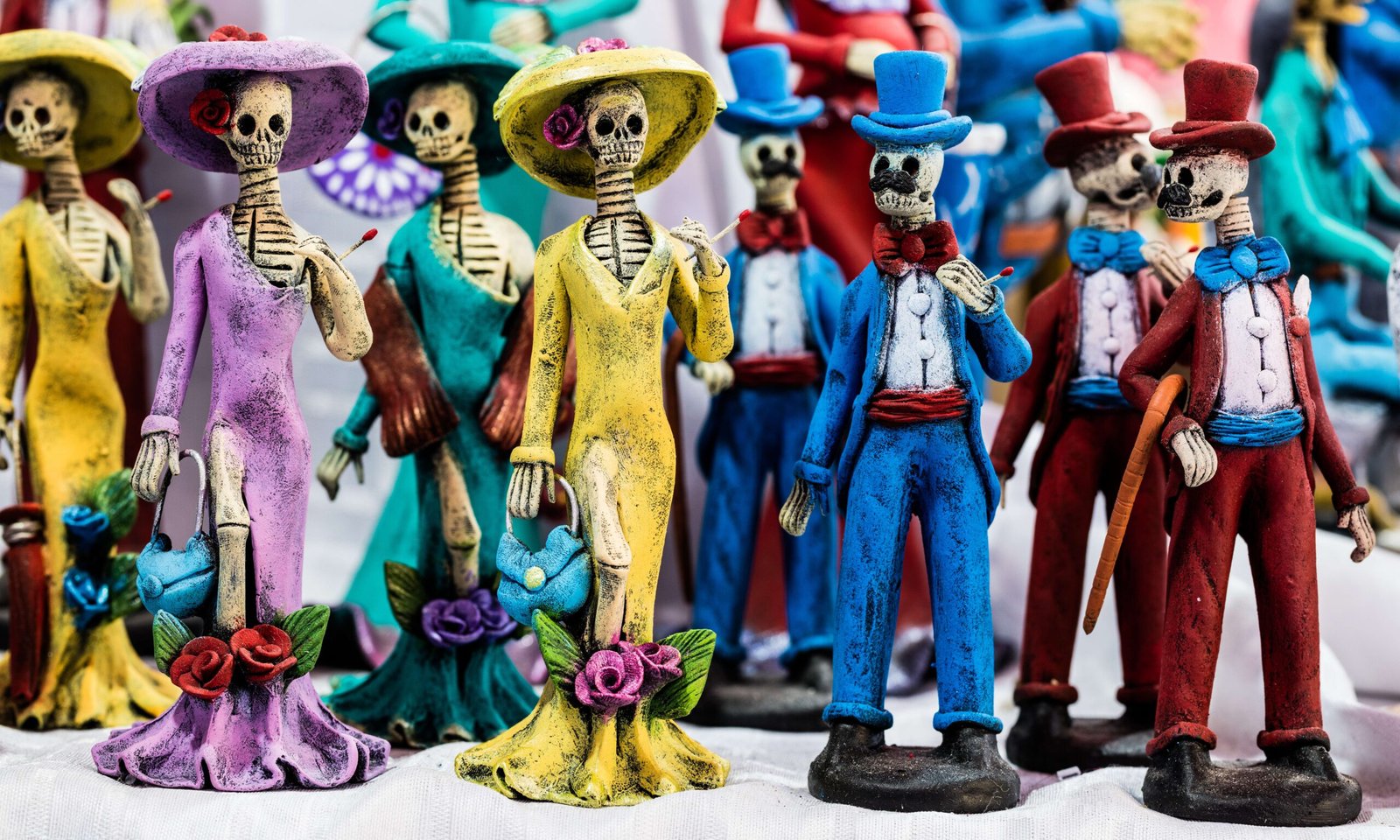
Forget everything you think you know about how cultures handle death. Día de los Muertos turns grief into celebration, creating one of the most beautiful and misunderstood festivals in the world. From November 1st to 2nd, Mexico transforms into a vibrant celebration of life, death, and the thin line between them, where families welcome back the spirits of their loved ones with joy rather than sorrow.
The visual spectacle is breathtaking – sugar skulls decorated with bright colors, marigold petals carpeting cemetery paths, and elaborate ofrendas (altars) loaded with the deceased’s favorite foods, drinks, and possessions. But what makes this festival truly special isn’t just the aesthetics – it’s the profound cultural philosophy that death is simply another phase of existence, not an ending.
In Oaxaca, the celebration reaches its peak intensity. Families spend entire nights in cemeteries, not in mourning but in celebration, sharing stories, playing music, and literally partying with their ancestors. The contrast between this joyful approach to death and most Western traditions is so stark that experiencing it firsthand can fundamentally shift your perspective on mortality itself.
Songkran (Thailand)
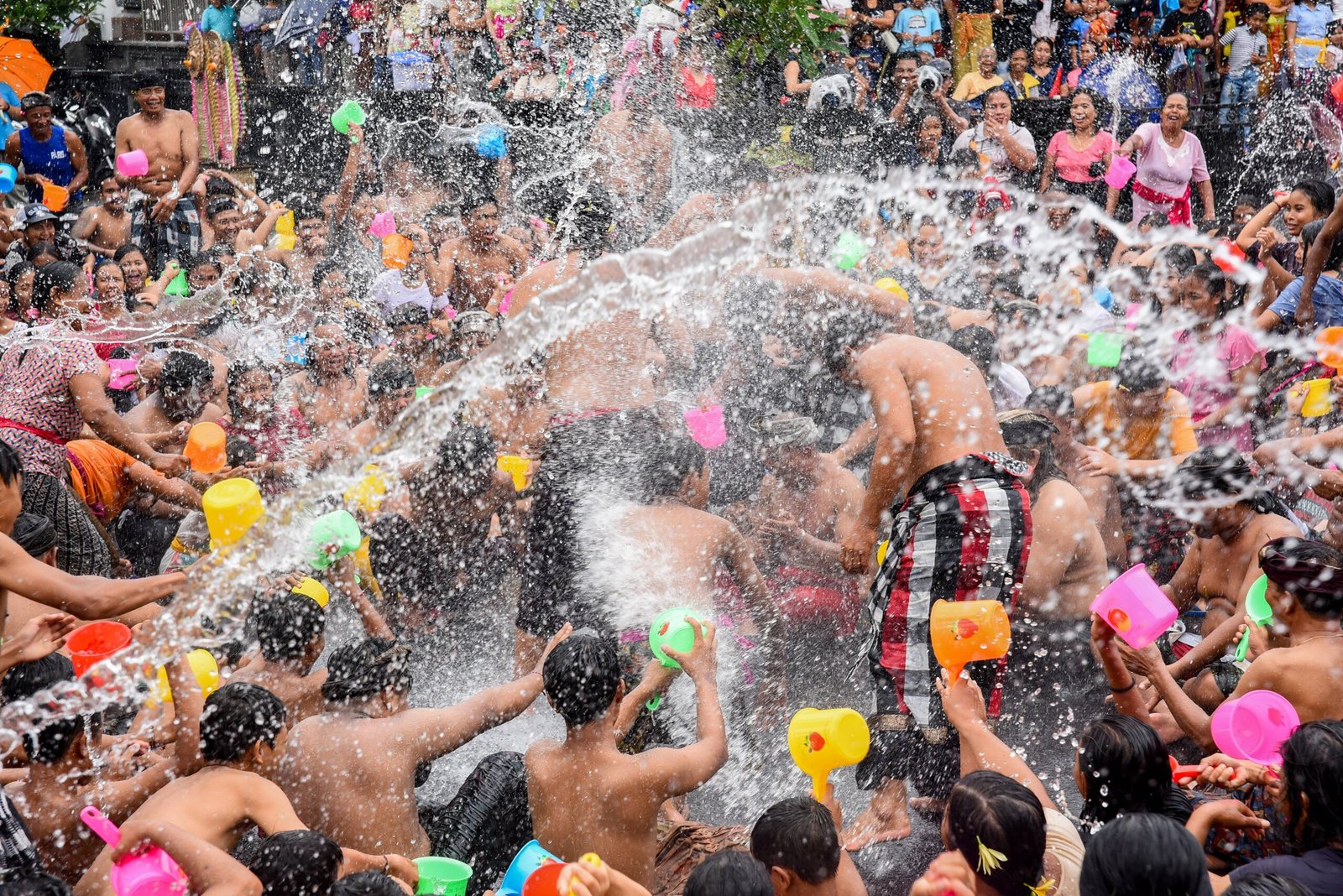
Imagine a country declaring war on heat and seriousness simultaneously. That’s Songkran – Thailand’s New Year celebration that transforms the entire nation into the world’s biggest water fight from April 13th to 15th. What began as a gentle tradition of sprinkling water on Buddha statues for good luck has evolved into an all-out aquatic battle where nobody stays dry and everyone ends up laughing.
The scale is unprecedented – entire city blocks become war zones with elaborate water stations, industrial-sized water guns, and pickup trucks converted into mobile water cannons. In Bangkok alone, millions of gallons of water are deployed in the ultimate battle against the scorching Thai heat. The economic impact is massive, with hotels, restaurants, and water gun manufacturers experiencing their busiest period of the year.
But beneath the chaos lies deep cultural significance. The water symbolizes washing away bad luck and sin from the previous year, while the communal nature of the celebration breaks down social barriers in ways that would be impossible in normal circumstances. Watching a CEO get thoroughly soaked by a street vendor’s water gun while both laugh hysterically captures the beautiful democracy of Songkran.
Mardi Gras (New Orleans, USA)
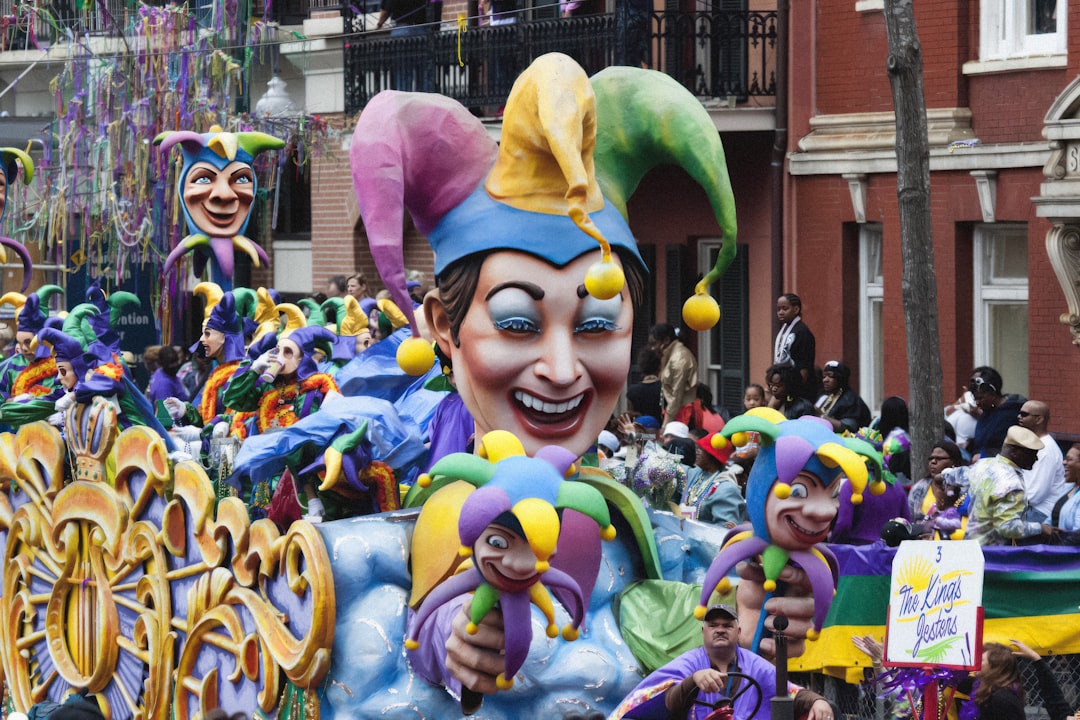
New Orleans doesn’t just host Mardi Gras – it becomes Mardi Gras. For weeks leading up to Fat Tuesday, the city transforms into a surreal wonderland where normal rules don’t apply and the phrase “let the good times roll” isn’t just a slogan – it’s a way of life. The economic impact alone is staggering, with over $1 billion pumped into the local economy during carnival season.
The parade system is incredibly complex, with over 60 different krewes (organizations) creating elaborate floats and throwing millions of beads, cups, and trinkets to screaming crowds. But the real magic happens between the official parades – in the jazz clubs of the French Quarter, at impromptu street corner performances, and in the countless house parties where strangers become family over shared king cake and hurricane cocktails.
What sets New Orleans Mardi Gras apart from Rio’s carnival is its accessibility and authenticity. You don’t need tickets to experience the magic – just show up, wear purple, gold, and green, and prepare to catch flying beads while jazz music fills the air. The tradition of “throws” creates an strange but wonderful economy where people literally give away millions of dollars worth of trinkets just to see others smile.
Chinese New Year (China & Worldwide)
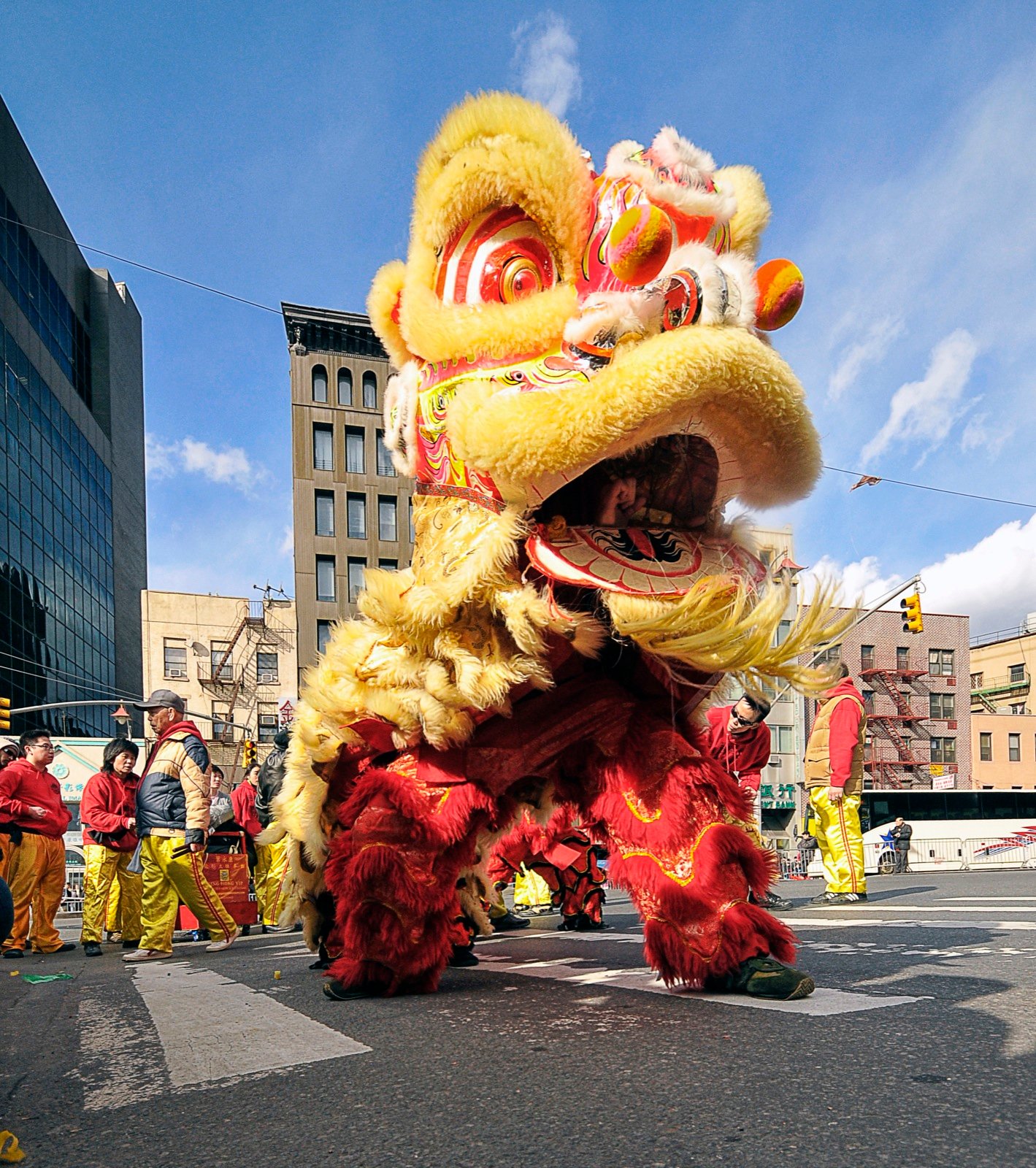
Chinese New Year makes every other new year celebration look like a quiet dinner party. With over 1.4 billion people celebrating simultaneously, it’s the largest human migration in history as families reunite for the most important holiday in Chinese culture. The 15-day celebration combines ancient traditions with modern spectacle, creating a sensory overload that’s both overwhelming and beautiful.
The fireworks display alone defies description – imagine entire cities lighting up the night sky with coordinated pyrotechnics that can be seen from space. Dragon dances wind through streets as performers manipulate massive, colorful beasts that seem to come alive through collective human effort. The economic impact is astronomical, with billions of dollars spent on decorations, food, gifts, and travel.
But the true magic lies in the cultural details that outsiders rarely see. Red envelopes filled with money are exchanged with specific etiquette, massive family reunion dinners feature dishes loaded with symbolic meaning, and the entire celebration follows a lunar calendar that connects modern celebrants to thousands of years of tradition. The contrast between ancient customs and modern China creates a fascinating cultural collision that’s uniquely beautiful.
Burning Man (Black Rock City, USA)
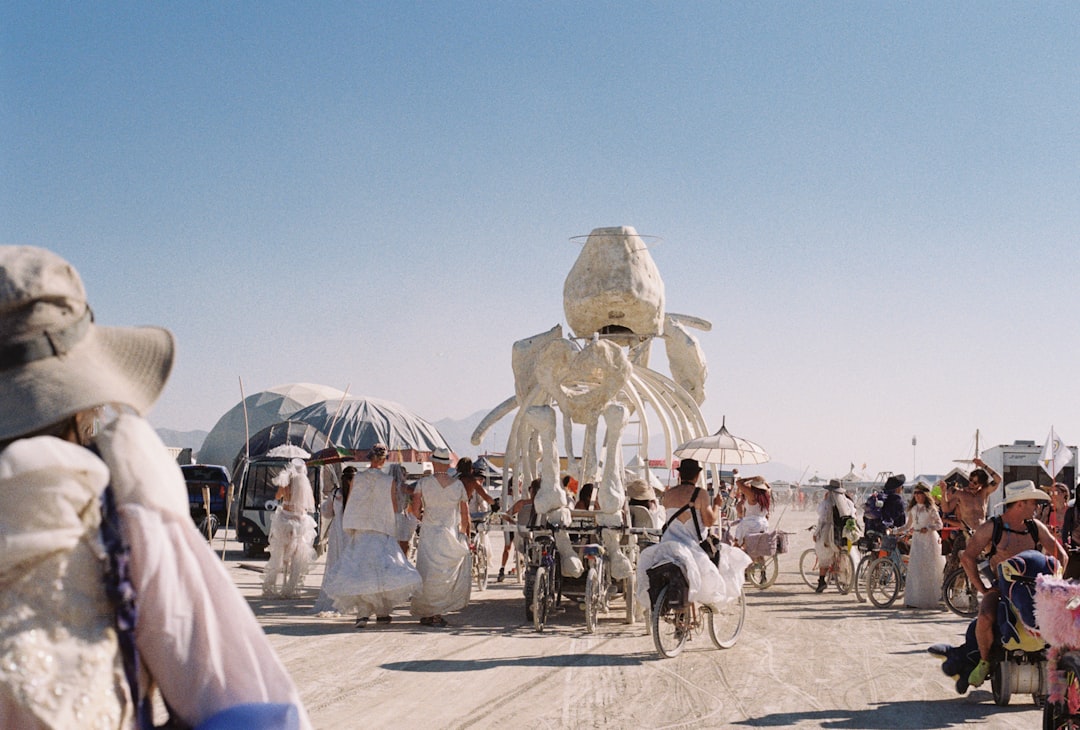
Burning Man isn’t just a festival – it’s a temporary city that materializes in the Nevada desert for one week, operates on principles that defy normal society, then disappears completely as if it never existed. With over 70,000 residents, Black Rock City briefly becomes one of Nevada’s largest cities, complete with its own postal system, airport, and governing principles based on radical self-reliance and gifting.
The art installations are unlike anything else on Earth – massive sculptures that would be museum centerpieces anywhere else are built, displayed for a week, then intentionally destroyed. The famous Man, a 40-foot wooden figure, becomes the focal point for a ritual burning that creates one of the most primal and cathartic experiences possible. The scale of creativity is overwhelming, with participants spending months and thousands of dollars creating art that’s designed to be temporary.
What makes Burning Man truly special is its gift economy – money is officially banned, and participants survive through sharing resources, skills, and experiences. The result is a temporary utopia that demonstrates alternative ways of organizing society. The environmental responsibility is extreme too – “Leave No Trace” principles mean that after 70,000 people party in the desert for a week, the landscape is restored to its original pristine condition.
Glastonbury Festival (Somerset, England)
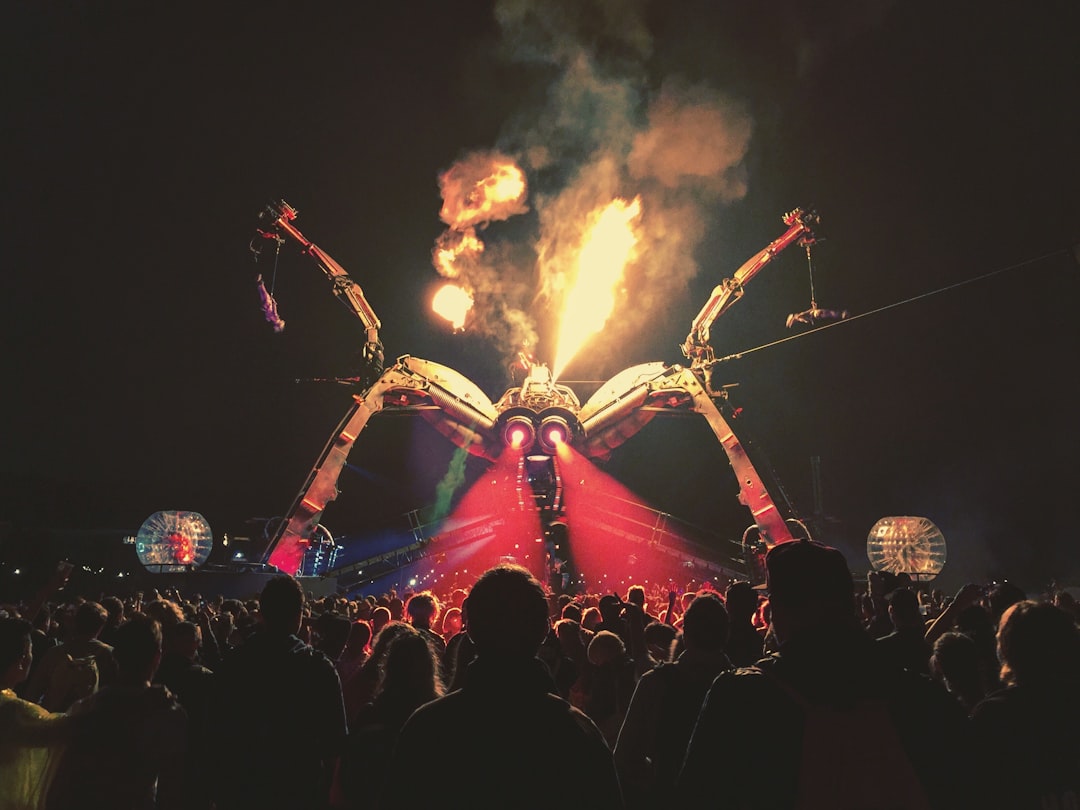
Glastonbury isn’t just a music festival – it’s a cultural phenomenon that defines British summer and sets the global standard for large-scale outdoor events. With over 200,000 attendees spread across 900 acres, it’s like a temporary city that appears in the English countryside, complete with its own economy, social structure, and cultural identity that exists nowhere else.
The lineup reads like a who’s who of music history – from Paul McCartney to Beyoncé, from David Bowie to Radiohead, performing on stages that become legendary in their own right. The Pyramid Stage has hosted some of the most iconic performances in music history, while smaller stages showcase emerging artists who might become tomorrow’s headliners. The diversity is staggering – you might catch a world-famous rock band, then stumble upon a jazz ensemble, then discover electronic music in a hidden dance tent.
But the music is just the beginning. Glastonbury features everything from circus performances to political activism, from healing fields to comedy tents, from Shakespearean theater to environmental exhibits. The festival operates as a fundraising event for local charities, donating millions of pounds annually. The famous mud has become part of the experience – when it rains, the entire festival transforms into a giant mud bath that somehow makes the experience more memorable, not less.
Venice Carnival (Italy)
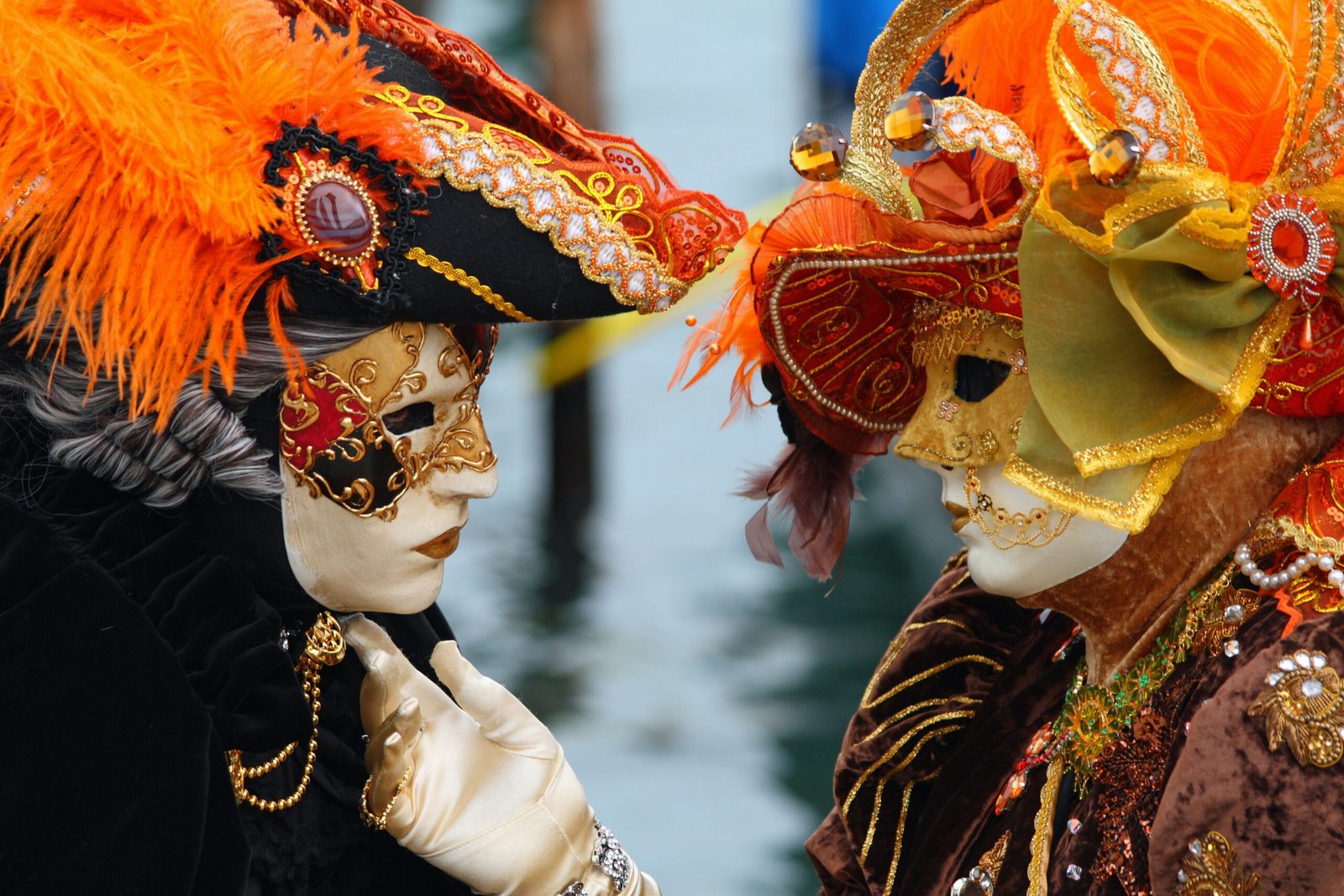
Venice Carnival transforms one of the world’s most beautiful cities into a living museum where the 18th century collides with the 21st in the most elegant way possible. For two weeks in February, the narrow canals and ancient squares fill with masked figures in elaborate costumes that cost thousands of dollars and take months to create, creating a surreal atmosphere where reality and fantasy blur completely.
The masks aren’t just costumes – they’re works of art created by skilled craftsmen using techniques passed down through generations. The famous bauta, moretta, and volto designs each carry historical significance and social meaning that transforms wearers into anonymous participants in a centuries-old tradition. The anonymity created by masks allows for social interactions that would be impossible in normal circumstances.
The private balls held in actual Venetian palaces are the stuff of dreams – imagine dancing in 500-year-old ballrooms while wearing a mask that cost more than most people’s rent, surrounded by people from around the world who’ve invested enormous time and money to participate in this shared fantasy. The contrast between the elegant masks and the decaying beauty of Venice creates a haunting atmosphere that’s both beautiful and melancholic.
Albuquerque International Balloon Fiesta (USA)
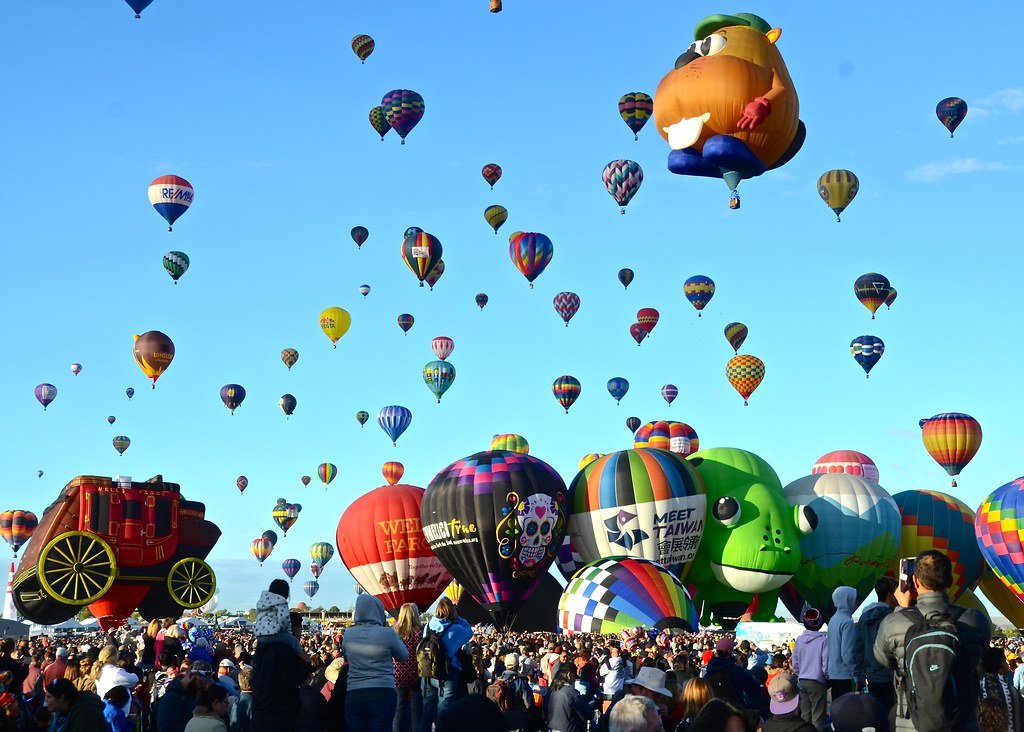
Every October, Albuquerque becomes the ballooning capital of the world as over 600 hot air balloons create the largest balloon festival on Earth. The morning “Mass Ascension” is a sight that defies description – imagine hundreds of colorful balloons simultaneously lifting off against the backdrop of the Sandia Mountains, creating a scene so beautiful it seems computer-generated.
The scale is unprecedented – with over 850,000 visitors, the economic impact exceeds $180 million for the local economy. The unique weather conditions in Albuquerque, including the famous “Albuquerque Box” wind pattern, create perfect flying conditions that allow balloons to launch, change direction, and land in predictable patterns. This makes it the only place in the world where such a large-scale balloon event is possible.
But the real magic happens at dawn when hundreds of balloons inflate simultaneously in the darkness, creating a field of glowing orbs that looks like a field of giant light bulbs. The “Balloon Glow” evening event transforms the balloons into enormous lanterns that illuminate the night sky. The accessibility is remarkable – visitors can walk among the balloons during inflation, meet the pilots, and even volunteer to help with launches.
Up Helly Aa (Shetland, Scotland)
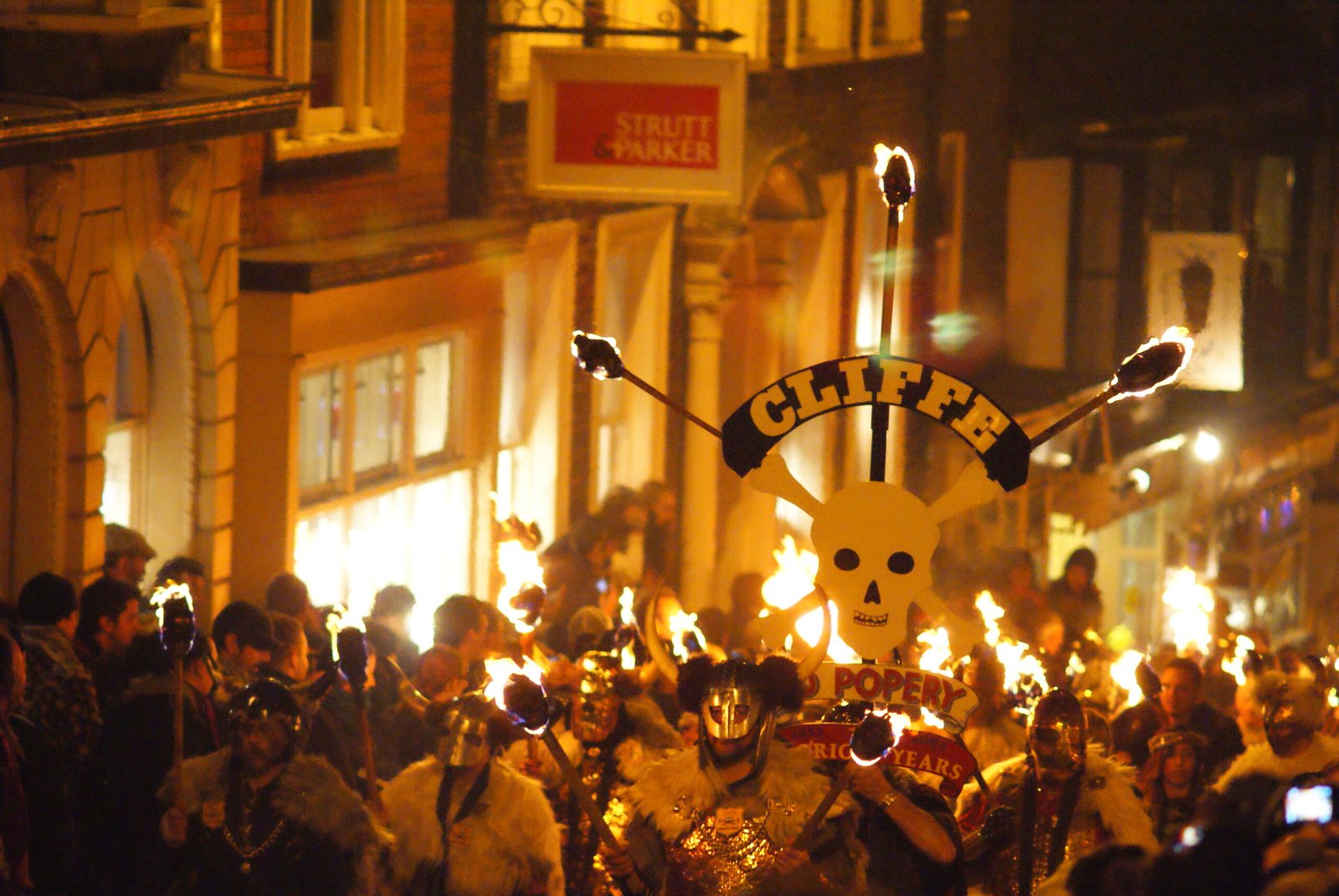
Up Helly Aa proves that the most remote locations can host the most spectacular festivals. On the last Tuesday of January, the Shetland Islands transform into a Viking battlefield as over 1,000 participants dressed as Norse warriors carry flaming torches through the streets of Lerwick in a celebration that’s both ancient and timeless.
The centerpiece is a full-scale Viking longship, meticulously crafted over months by local volunteers, that’s paraded through the town before being ceremonially burned in a massive bonfire. The craftsmanship is museum-quality – the ship is historically accurate down to the smallest detail, making its destruction both spectacular and poignant. The flames can be seen for miles across the North Sea.
What makes this festival truly special is its authenticity – this isn’t a tourist attraction but a genuine community celebration that’s been practiced for over 140 years. The “guizers” (participants) are organized into squads that perform at dozens of private parties throughout the night, creating a community-wide celebration that continues until dawn. The combination of fire, costumes, music, and community creates an atmosphere that’s both primal and civilized.
Cherry Blossom Festival (Hanami) (Japan)
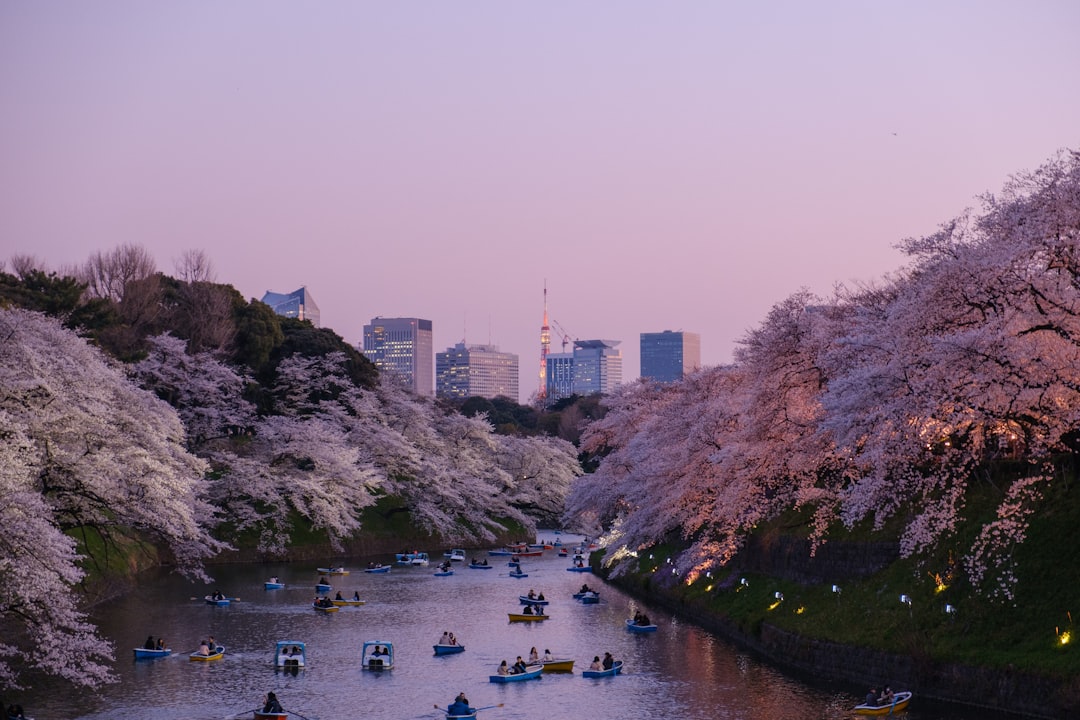
Hanami transforms Japan into a pink paradise for just a few weeks each spring, creating one of the most beautiful natural festivals in the world. The cherry blossoms bloom in a wave that sweeps across the country from south to north, creating a national obsession that’s tracked by meteorologists and celebrated by millions of people who plan their lives around this ephemeral beauty.
The timing is everything – the blossoms last only about a week at peak bloom, creating a sense of urgency and preciousness that intensifies the experience. In Tokyo alone, over 10 million people participate in hanami celebrations, transforming parks into massive outdoor parties where families, friends, and coworkers gather under the blossoming trees for elaborate picnics that can last all day.
The cultural significance runs deep – the temporary nature of the blossoms reflects the Japanese concept of mono no aware, the bittersweet awareness of the impermanence of all things. This philosophical framework transforms a simple nature viewing into a profound meditation on beauty, time, and mortality. The economic impact is enormous, with the “sakura economy” generating billions of dollars in tourism, food sales, and related products.
Pushkar Camel Fair (India)
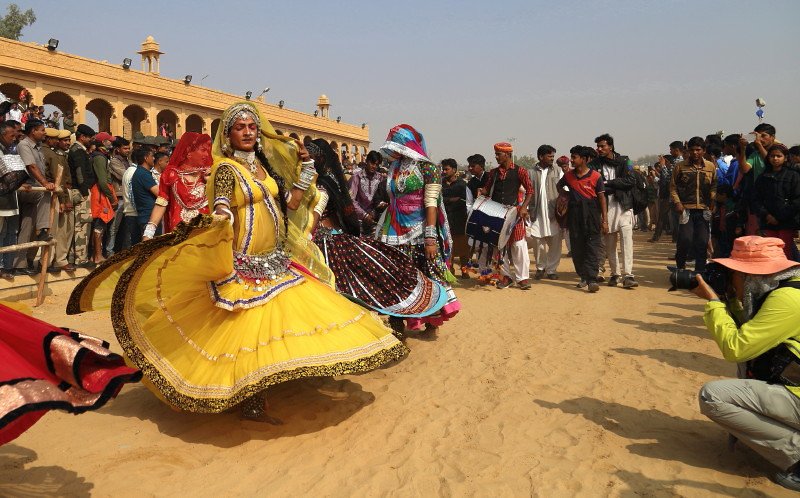
The Pushkar Camel Fair is like stepping into a living fairy tale where 50,000 camels, horses, and cattle converge in the Rajasthani desert for what’s officially a livestock trading fair but practically a cultural explosion that defies easy categorization. For five days in November, the small desert town of Pushkar swells from 15,000 to over 200,000 people, creating a temporary city that exists nowhere else in the modern world.
The business side is serious – millions of dollars worth of livestock change hands in transactions that follow centuries-old trading customs. Camel races, horse dances, and cattle competitions create entertainment that’s both genuine and spectacular. The “camel beauty contest” sounds absurd but is actually a serious competition where animals are judged on everything from their gait to their decorative accessories.
But the real magic happens in the cultural performances that transform the desert into an open-air theater. Rajasthani folk musicians, dancers, and storytellers create an atmosphere that feels like time travel. The contrast between ancient traditions and modern tourism creates fascinating cultural collisions – imagine medieval trading customs happening while tourists take selfies with Instagram-worthy camels.
Edinburgh Fringe Festival (Scotland)
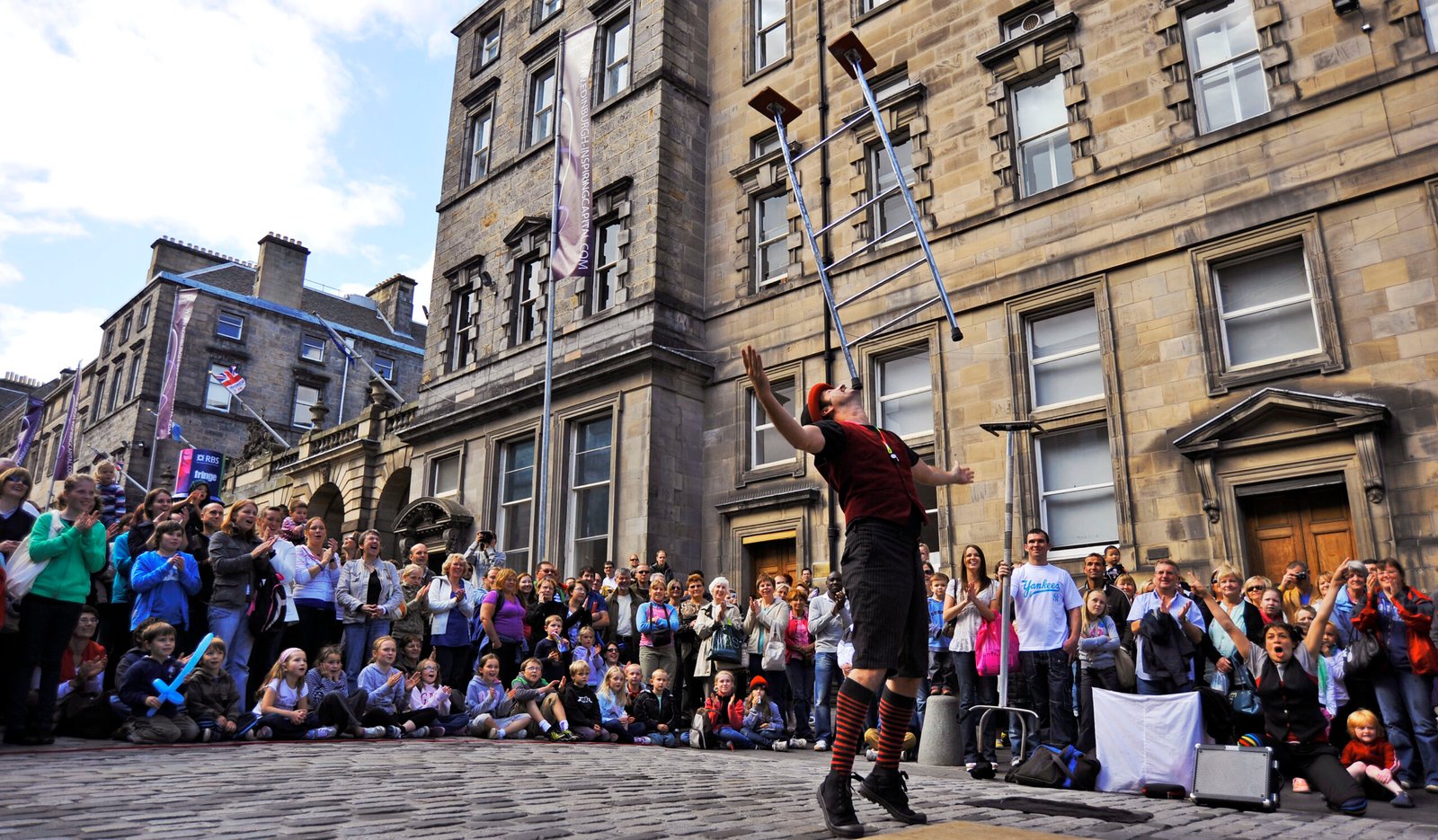
The Edinburgh Fringe transforms Scotland’s capital into the world’s largest arts festival, with over 3,500 shows performed in 300 venues across the city during August. The scale is mind-boggling – more performances happen in Edinburgh during the Fringe than
CEO-Co-Founder
