

- 10 pop stars who passed away too soon. - April 10, 2026
- 12 Great Debut Albums That Made Music History - April 10, 2026
- 12 Legendary Fashion Items That Defined an Entire Generation - April 10, 2026
There is something almost magical about the way pop culture works. It seeps into every corner of everyday life, shaping how people dress, speak, fall in love, protest, and grieve. It is not just entertainment. It is, honestly, a kind of living autobiography of humanity itself.
Pop culture is a mirror. From music and movies to fashion, memes, and television, it reflects the values, concerns, and identities of the society that creates it. Think about how a single song can define an entire decade, or how one film can shift the way millions of people see the world overnight. That is a remarkable kind of power. Pop culture spans fashion, music, film, memes, and more – it both influences and reflects the values, struggles, and identities of each generation, serving as a mirror of the times, evolving alongside societal shifts and offering insight into what matters most to people in any given era. The story of pop culture is, in many ways, the story of us. Let’s dive in.
The Silver Screen Dreams of Early Cinema
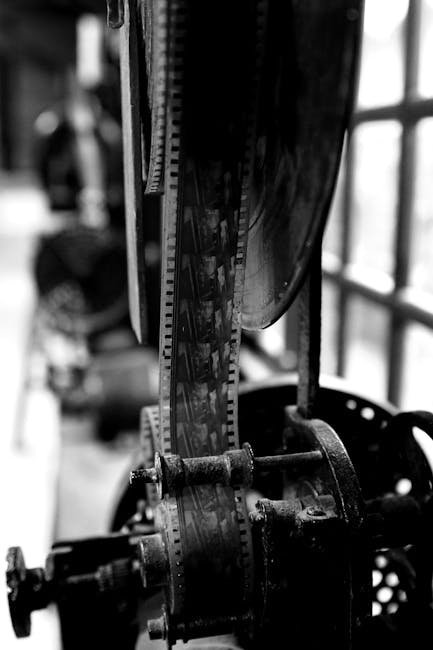
One of the most significant developments in the 19th century was the invention of cinema. The first moving pictures were shown to audiences in the late 1800s, and the medium quickly gained popularity. By the early 20th century, silent films had become a dominant form of entertainment, with stars like Charlie Chaplin and Buster Keaton becoming household names. It sounds almost surreal to imagine it now, but back then, watching a flickering black-and-white image on a screen was a genuinely mind-bending experience for people who had never seen anything like it.
In the early 1900s, cinema became one of the cornerstones of pop culture. Hollywood rose as the center of the global film industry, and many classic films began to reflect cultural norms and societal values. The invention of sound in cinema, known as “talkies,” revolutionized the film industry, allowing for more complex storytelling and performances. Hollywood became the center of the global film industry, producing iconic films and creating stars like Marilyn Monroe, Humphrey Bogart, and Audrey Hepburn. These early stars were not just performers. They became vessels for society’s deepest longings, anxieties, and aspirations.
Television Arrives and Changes Everything
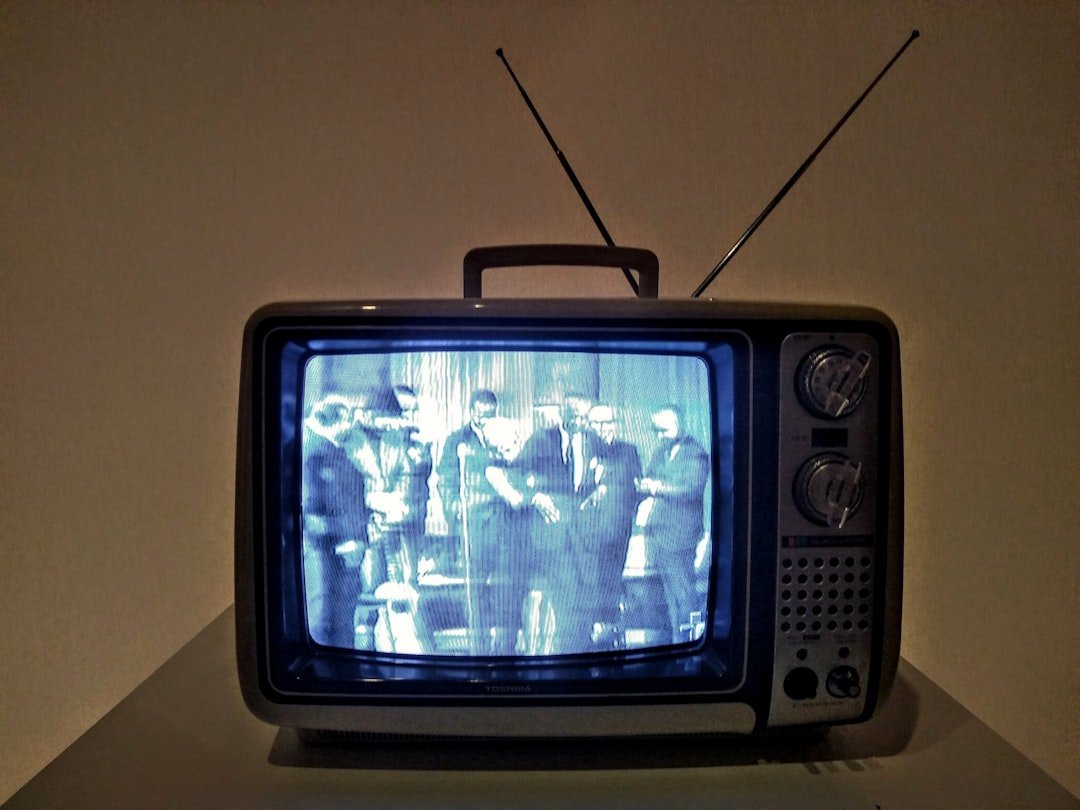
By far the greatest challenge to Hollywood came from the relatively new medium of television. Although the technology had been developed in the late 1920s, through much of the 1940s, only a fairly small audience of the wealthy had access to it. That changed fast, and with enormous consequences. Television, which became widely available in the 1950s, changed the way people consumed entertainment. TV shows, news broadcasts, and live events brought entertainment directly into people’s homes, creating a shared cultural experience.
Here’s the thing about television that often gets overlooked. It did not just entertain. It standardized culture in a way nothing had before. Popular TV shows like I Love Lucy, The Twilight Zone, and The Ed Sullivan Show shaped generations of viewers. Pop culture is more than entertainment – it reflects the times we live in. In the 1960s, television series like The Twilight Zone offered a blunt critique of Cold War paranoia. A sitcom could steer public opinion. A news broadcast could ignite a movement. Television was never just passive viewing.
Rock Music Tears Down the Walls of Convention
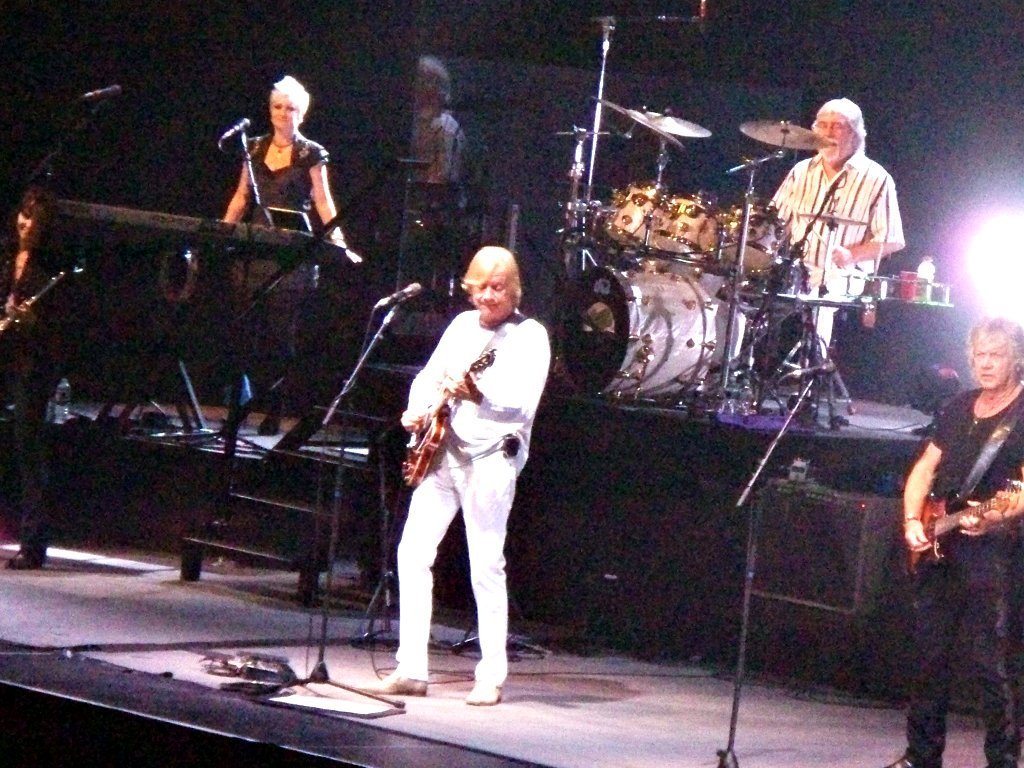
Rock and roll, which drew from African American roots in the blues, embraced themes popular among teenagers, such as young love and rebellion against authority. I think it’s almost impossible to overstate how radical this felt to the older generation at the time. Music had always been controlled. Suddenly, it was free, loud, and gloriously defiant. When Elvis Presley appeared on The Ed Sullivan Show, the camera deliberately focused on his torso and did not show his swiveling hips or legs shaking in time to the music. Despite adults’ dislike of the genre, or perhaps because of it, more than two-thirds of the music played on the radio in 1956 was rock and roll.
The 1960s marked a period of significant transformation in pop culture. Rock and Roll music created a new cultural expression among the youth, while the hippie movement became a cultural movement emphasizing freedom, peace, and individual rights. The Beatles’ genial personalities and catchy pop tunes made them an instant success in the United States, and their popularity was heightened by several appearances on The Ed Sullivan Show. When the Beatles arrived in New York in 1964, they were met by hundreds of reporters and police officers and thousands of fans. Their appearance on The Ed Sullivan Show a few days later was the largest audience for an American television program, with approximately one in three Americans – 74 million – tuning in. Rock music was not just entertainment. It was a generation claiming its identity.
MTV, Visuals, and the Reinvention of Music Culture
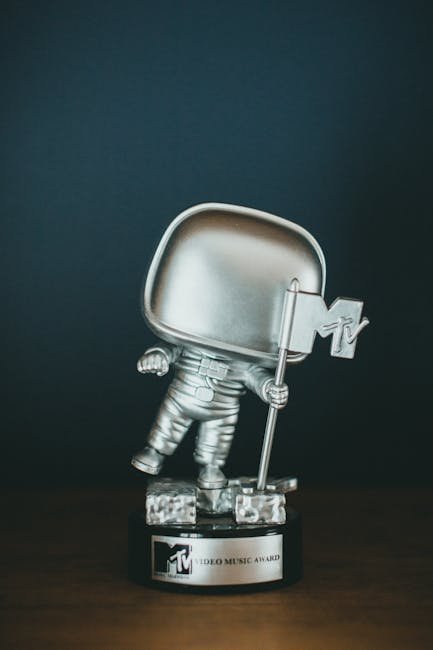
It wasn’t until the launch of MTV on August 1, 1981, that music videos began to take centre stage in popular culture. MTV was the first 24-hour music video channel and transformed the music landscape. The first video played on MTV was The Buggles’ “Video Killed the Radio Star,” which became symbolic of the changing music industry. This moment marked a significant shift in how music was consumed, as videos became a primary means of promotion.
The influence of MTV extended beyond music videos – it played a pivotal role in defining pop culture during the 1980s. The channel’s emphasis on visuals over audio changed how artists approached their music, often prioritizing video production alongside their musical releases. This shift marked a significant moment in the history of the music industry, as artists began to craft their public personas through their videos, blending music and imagery in unprecedented ways. The biggest pop star of the age, Michael Jackson, quickly capitalized on this new development. Often referred to as the King of Pop, Jackson single-handedly revolutionized the music video industry with his 1983 hit ‘Thriller’ on MTV, which remains one of the best-selling albums of all time. Looking back, MTV was basically the first algorithm. It decided what you saw, and therefore what you wanted.
The Digital Revolution and the Birth of Online Pop Culture
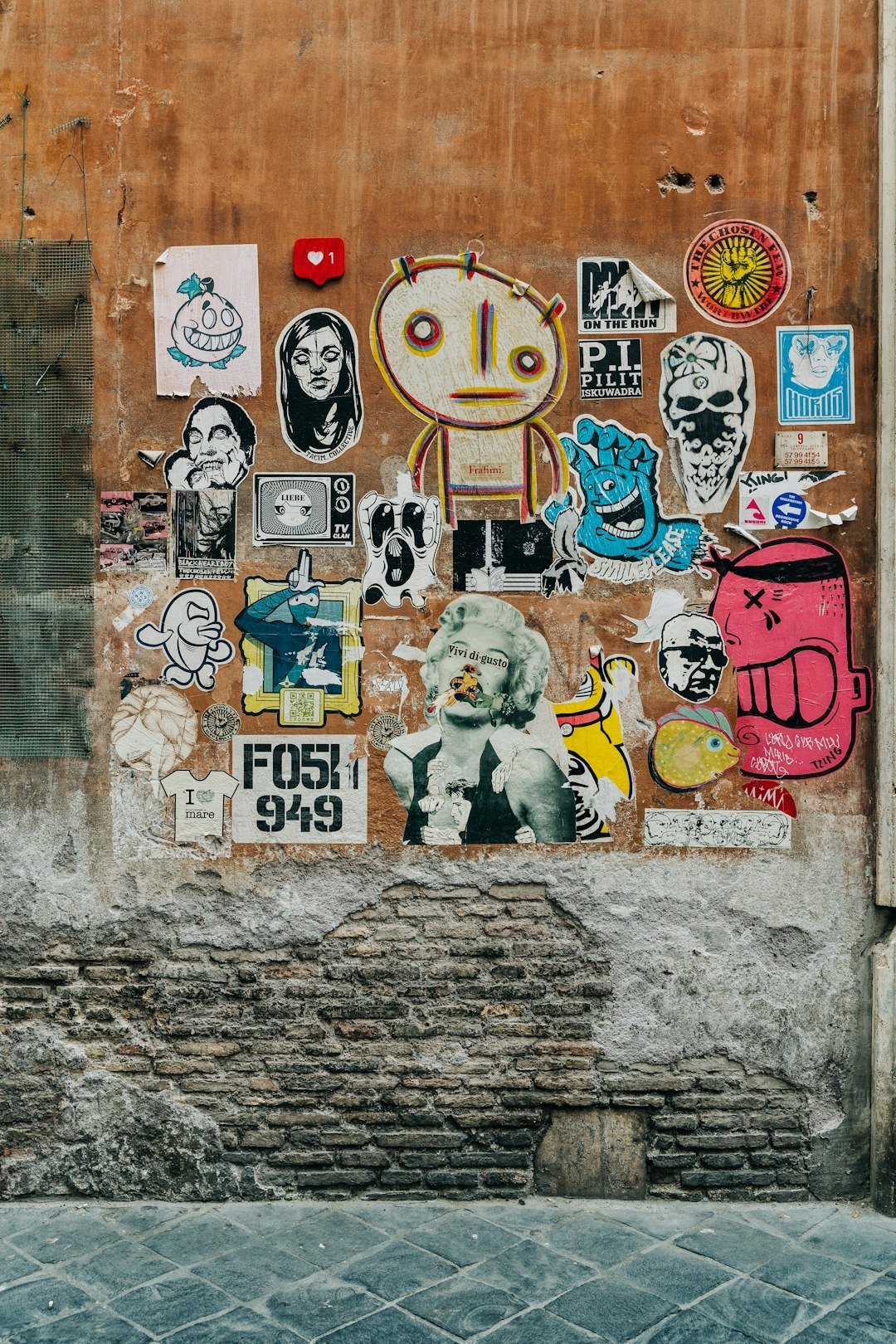
The introduction of the internet in the late 20th century completely revolutionized pop culture. The rise of social media platforms, streaming services, and digital content consumption reshaped how we consume and engage with cultural artifacts. People could now share ideas, art, and music instantaneously throughout the globe. This was not just a technological shift. It was a seismic cultural earthquake. Suddenly the gatekeepers were gone.
The early 2000s marked a decline in MTV’s influence as the internet began to reshape how music was consumed. The rise of digital platforms like YouTube revolutionized music video distribution, allowing artists to reach global audiences without the constraints of traditional media. Launched in 2005, YouTube quickly became a key player in music video consumption, enabling users to upload and share their content easily. This led to a proliferation of content and a shift in the power dynamics of the entertainment industry, with traditional gatekeepers such as record labels and movie studios losing some of their control over what becomes popular. In a sense, digital media gave pop culture back to ordinary people.
Social Platforms and the Era of the Everyday Celebrity

One of the biggest changes to pop culture in recent years has been the advent of social media platforms like Facebook in 2004 and Instagram in 2010. As an increasing number of people could afford new mobile phones, the way pop culture is created and consumed has drastically changed. Rather than relying on televisions or movies to spread trends, having a piece of technology in the hands of people throughout the day allowed for viral trends and global connectivity. Let’s be real, this completely redrew the map of fame and influence.
Influencers and digital stars have become the new pop culture icons in the age of social media. Instagram influencers, YouTube stars, and TikTok creators have gained popularity, competing with traditional celebrities. These figures not only shape cultural perception but also collaborate with brands and create advertising opportunities. In 2026, pop culture is no longer confined to national borders or traditional media. It lives in tweets, video clips, digital art, podcasts, and viral challenges. It’s also being used more actively for activism, awareness, and social change. Pop culture now serves as a lens through which people understand politics, mental health, gender, and identity. A teenager in rural Iowa and a student in Seoul can now share the same meme within seconds. That is unprecedented in human history.
Pop Culture as a Catalyst for Social Change

Pop culture can trigger social change. In the 1960s and 1970s, youth movements and musical trends became forms of resistance against social inequality. Similarly, today’s digital platforms allow young people to voice their opinions on issues like gender equality, climate change, and human rights. The two have always been linked, whether we acknowledge it or not. Pop culture has never been truly neutral.
Modern pop culture has led to significant changes in gender and identity discussions. Movies and TV shows are redefining traditional roles of men and women. Shows and films are increasingly embracing diversity and inclusivity, challenging societal norms and reflecting the ongoing shift in values. This transformation has given audiences the power to directly engage with creators and even become creators themselves, redefining the boundaries of popular culture. Unlike earlier decades when pop culture was shaped by centralized media, modern pop culture is driven by niche audiences and online communities. Honestly, this shift is one of the most empowering developments in cultural history.
Conclusion: A Never-Ending Human Story
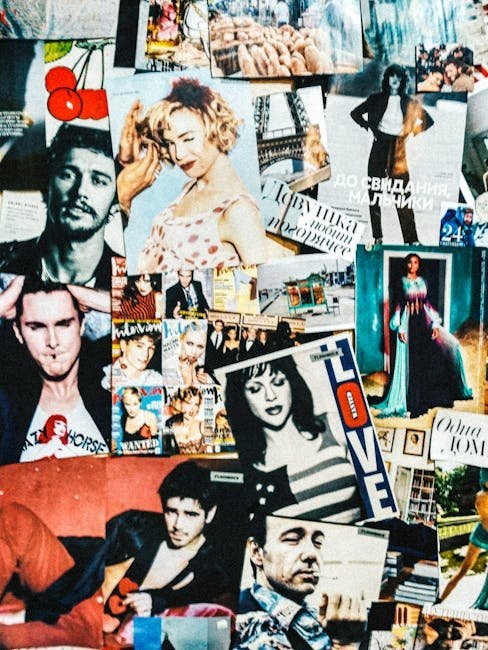
Pop culture is not something that happens to us. It is something we make, remake, fight over, and love fiercely, often without even realizing it. From a silent film flickering in a crowded hall to a TikTok video going viral in seconds, the thread connecting all of it is the same human impulse: to express, to connect, and to be understood.
Pop culture is a living, breathing reflection of who we are and what we value. From the characters we root for to the songs we sing, the clothes we wear, and the conversations we have online, pop culture documents our collective journey. Every era has its soundtrack, its icons, its scandals, and its breakthroughs. None of it happens by accident.
In every decade, iconic figures, groundbreaking art, and technological advances contributed to a cultural narrative that still echoes today. This dynamic evolution isn’t just nostalgic – it’s also deeply informative of who we were, who we are, and who we aspire to be. The next chapter of pop culture is already being written, somewhere right now, by someone you’ve probably never heard of yet. What part of today’s pop culture do you think future generations will look back on and say, “That was the moment everything changed?” Tell us in the comments.
CEO-Co-Founder
