


- The 20 Impossible 60s–70s Music Quiz for Hardcore Fans - December 21, 2025
- 14 Songs That Were Almost Never Released – And Changed Everything - December 21, 2025
- 20 Epic Coming-of-Age Books You Wish You Read Sooner - December 21, 2025
Gaming consoles have transformed from primitive electronic toys into sophisticated entertainment powerhouses that generate hundreds of billions in revenue. What started as simple dots on a television screen has evolved into immersive virtual worlds that captivate billions of players worldwide.
This remarkable journey spans over five decades of innovation, fierce competition, and technological breakthroughs. Each generation brought revolutionary features that redefined how we play, from the first interchangeable cartridges to online multiplayer experiences. Let’s dive into the fascinating evolution of gaming consoles and discover how each revolutionary machine shaped the industry we know today.
Magnavox Odyssey (1972) – The Pioneer That Started It All
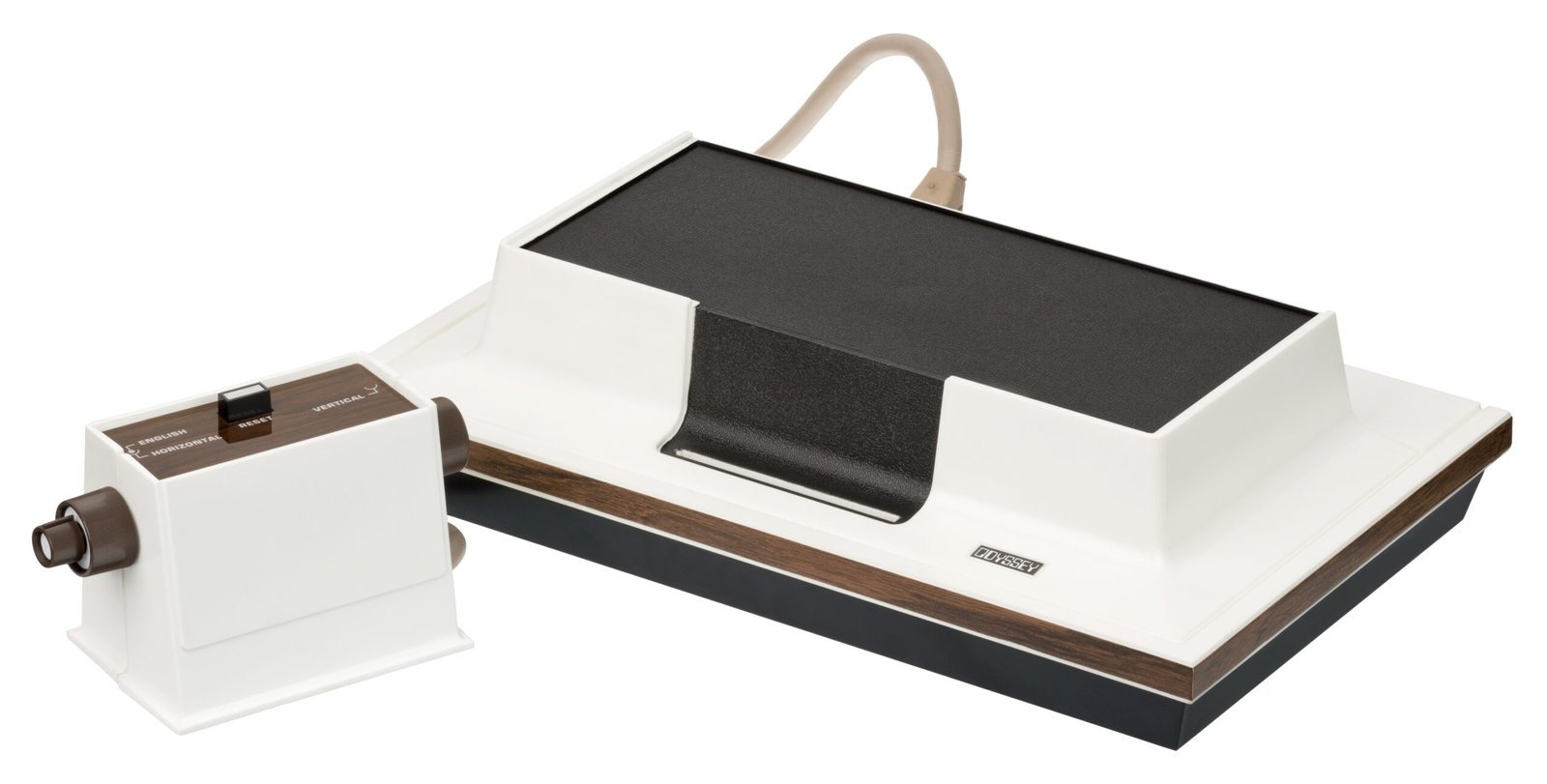
Picture this: a simple white and brown box that could display just three dots and a line on your television screen. The Magnavox Odyssey is the first commercial home video game console. The hardware was designed by a small team led by Ralph H. Baer at Sanders Associates, while Magnavox completed development and released it in the United States in September 1972. This unassuming device marked the birth of an entire industry.
The Odyssey’s capabilities were remarkably primitive by today’s standards. It is capable of displaying three square dots and one line of varying height on the screen in monochrome black and white, with differing behavior for the dots depending on the game played. Players place plastic overlays on the screen to display additional visual elements for each game. The console cannot generate audio or track scores.
The device retailed for US$99.99, or US$50 when purchased along with a Magnavox television. There are conflicting reports between Baer and Magnavox employees as to whether Magnavox produced 120,000 or 140,000 consoles in 1972; additionally, Odyssey product manager Bob Fritsche recalls selling 69,000 units that year, while Baer recalls sales being closer to 100,000. With approximately 350,000 units sold during its lifetime, the Odyssey wasn’t a commercial blockbuster, but it proved there was genuine demand for home gaming entertainment.
Atari 2600 (1977) – The Console That Conquered America
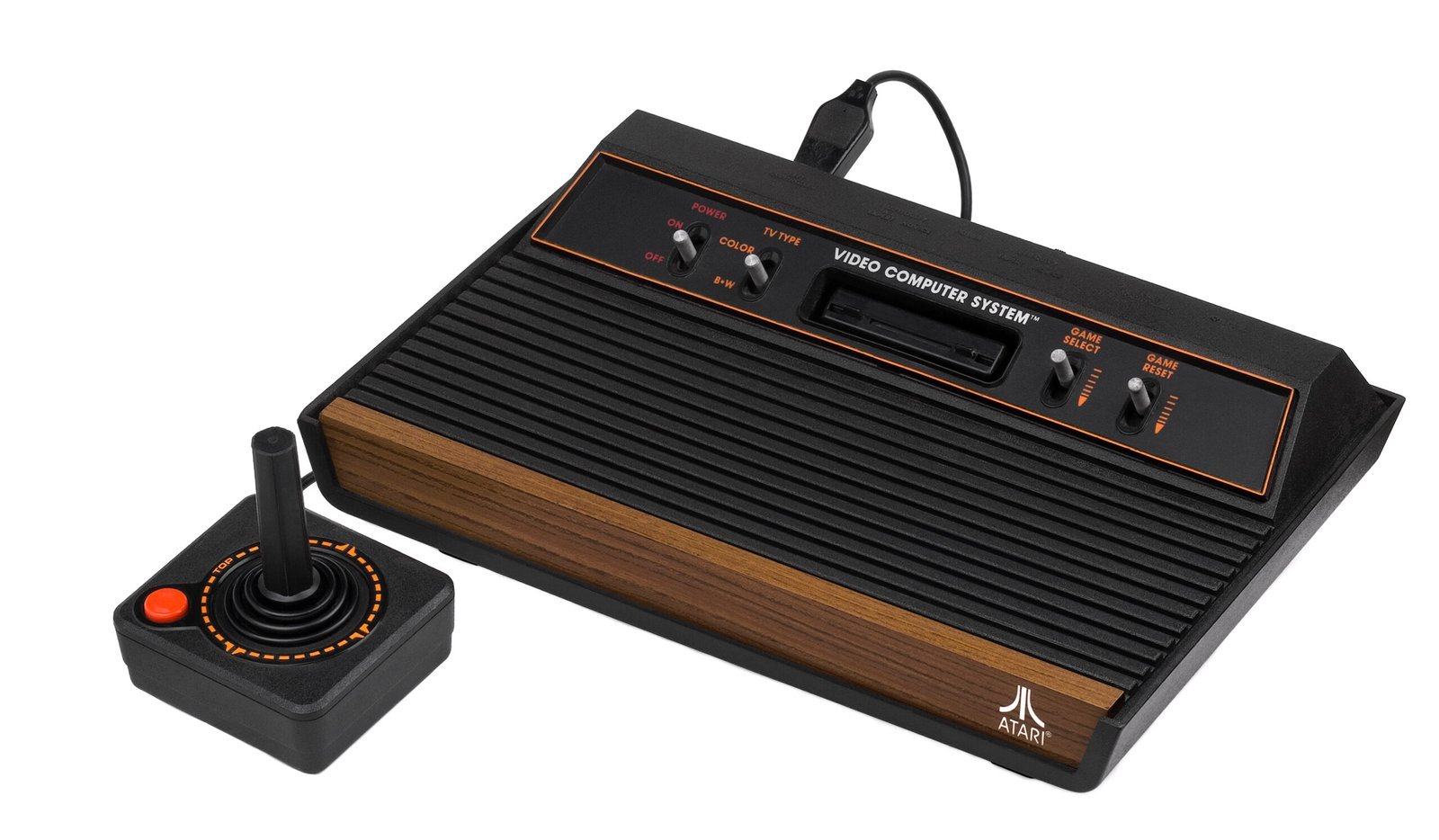
While the Odyssey broke ground, The first true leading game platform, The Atari 2600 made Atari a staple in the living room. While not the first, the 2600 made swappable cartridges the norm and the concept of developing an expanding software library based on one microprocessor-based platform. This revolutionary approach changed everything.
Atari that sold a home console version of Pong in 1975, and eventually its own Atari 2600 home console in 1977, which would become the first console to sell more than a million units. The 2600’s killer app came in spectacular fashion: The Atari 2600 version of Space Invaders, released in 1980, was considered the killer app for home video game consoles, helping to quadruple the console’s sales that year.
One of the key innovations of the Atari 2600 was the introduction of interchangeable game cartridges. This allowed gamers to expand their gaming library without needing to purchase an entirely new console. The system was a massive success, fundamentally establishing the console business model that still drives the industry today.
Nintendo Entertainment System (1983/1985) – The Savior of Gaming
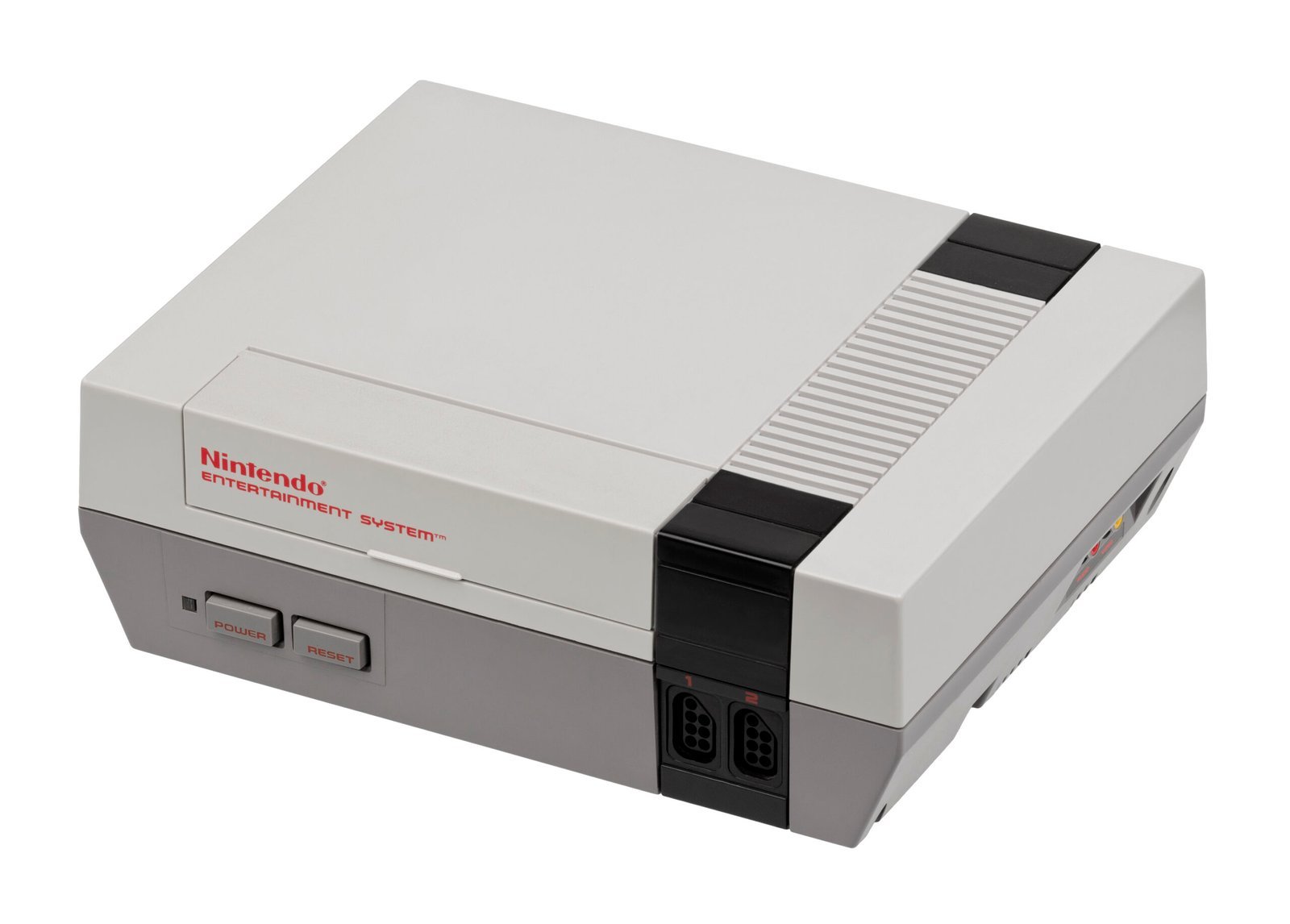
After the infamous video game crash of 1983, the industry needed a hero. The NES wasn’t just a console; it was a savior. After the crash, the NES revitalized the industry with groundbreaking titles like Super Mario Bros. and The Legend of Zelda. Its innovative licensing model with third-party developers, coupled with impressive sales of roughly 62 million units, cemented its place in gaming history.
The NES introduced quality control through its licensing system, ensuring that only approved games reached consumers. On the backs of games like Duck Hunt, Excitebike, and the introduction of Mario in Super Mario Bros, the massive success of the NES revived the console market. Nintendo’s strict policies may have been controversial, but they restored consumer confidence in home gaming.
This console didn’t just sell well; it established Nintendo as the dominant force in gaming. The NES proved that with the right games and marketing strategy, consoles could become cultural phenomena that transcended mere entertainment devices.
Sega Master System (1985) – The Underdog with Global Appeal
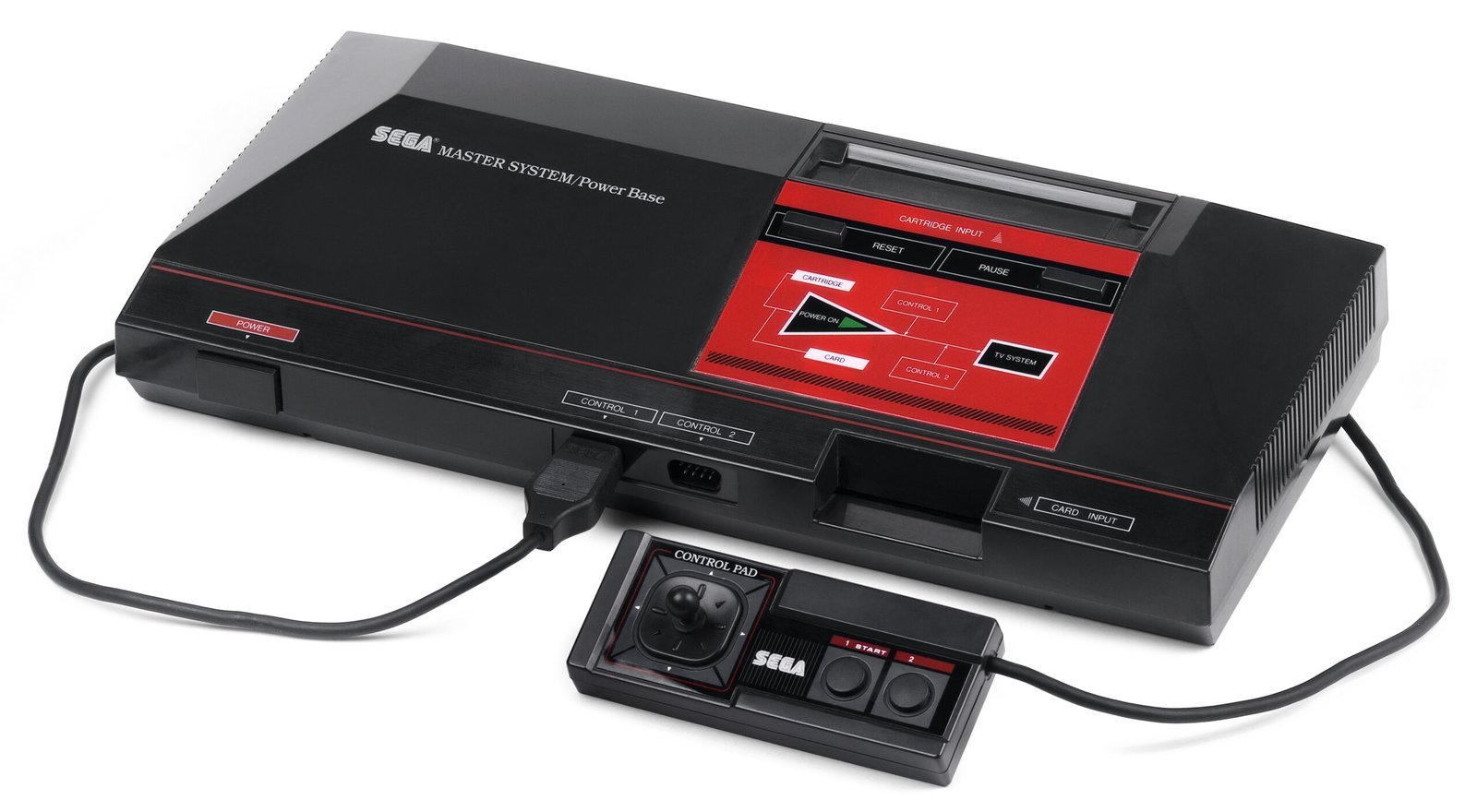
While Nintendo dominated North America and Japan, Sega found remarkable success elsewhere. In Europe the Master System sold near to 7 million units which was remarkably close to Nintendo’s sales figure of 8.3 million for their powerhouse console. However, the Master System struck a chord with the people in Brazil and became a local sensation with 8 million copies sold and counting – Brazil is the only country in the world where the Master System is still being produced and sold.
Sega Master System (~13 million sold) | (1985) Sega’s attempt to compete with the NES. While it offered some compelling games, its sales of approximately 13 million units paled in comparison to the NES’s dominance. Despite lower global numbers, the Master System proved that regional preferences could sustain platforms for decades.
The Master System showcased superior graphics and sound capabilities compared to the NES, but couldn’t overcome Nintendo’s first-mover advantage and exclusive licensing deals. Still, its longevity in certain markets demonstrates the power of localized appeal.
Super Nintendo Entertainment System (1990) – The 16-Bit Powerhouse
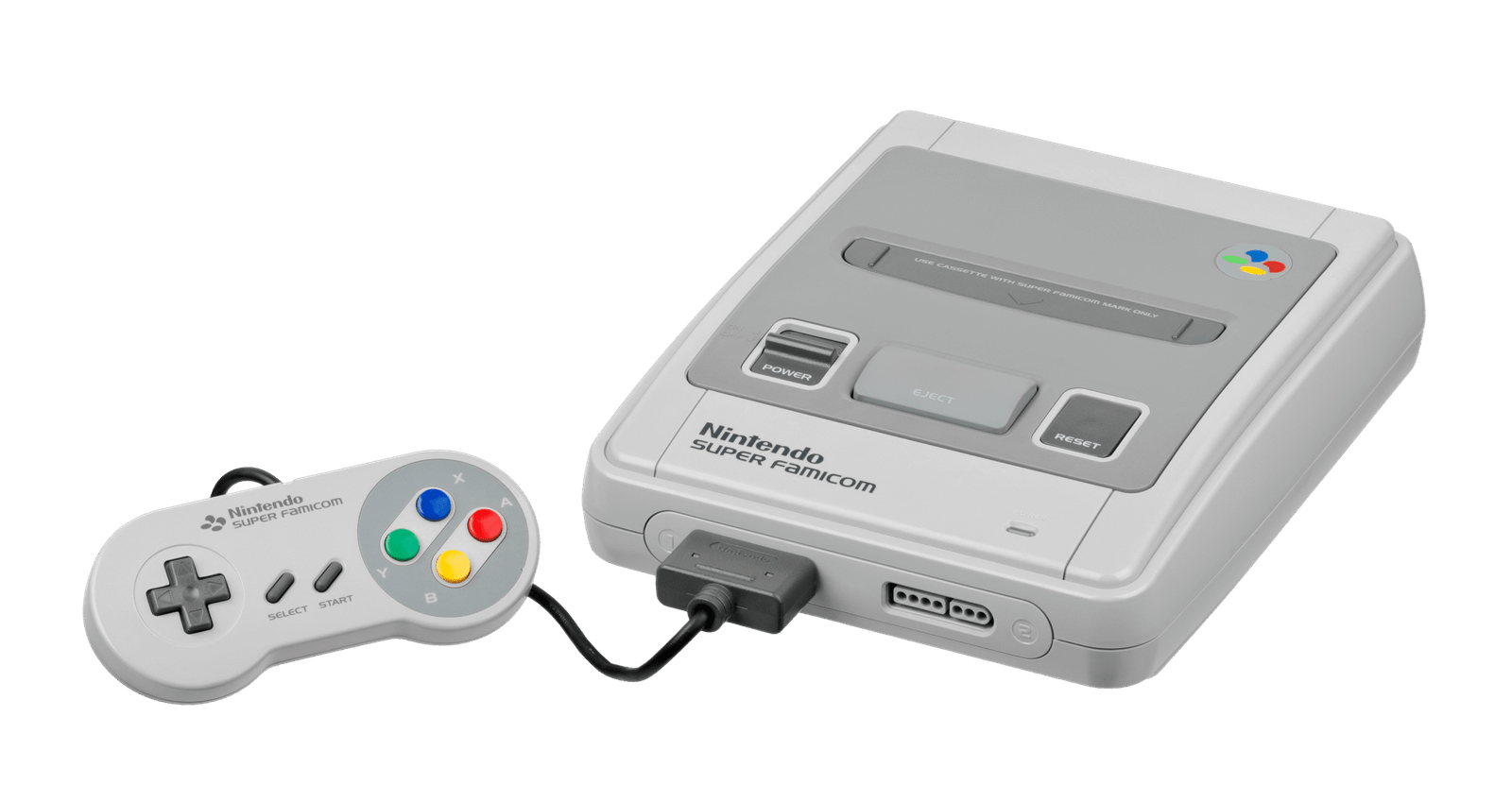
Nintendo’s follow-up to the NES was nothing short of spectacular. The 16-bit war between the SNES and Genesis defined the early 90s. The SNES, with sales of approximately 49 million units, boasted classics like Super Mario World and The Legend of Zelda: A Link to the Past. SNES received largely positive reviews and was a global success, becoming the best-selling console of the 16-bit era after launching relatively late and facing intense competition from Sega’s Genesis console in North America and Europe.
The Super Nintendo further solidified Nintendo’s place in videogame dominance and established new techniques in visual fidelity with its introduction of “Mode 7” graphics to create pseudo 3-D effects. The SNES was able to pump the most iconic retro games of all time including Super Mario World, F-Zero, Megaman X, Donkey Kong Country, Killer Instinct, and Earthbound. These technical innovations became industry standards.
The SNES represented the perfect balance of power and playability, creating experiences that remain beloved today. Its game library is considered among the finest in gaming history.
Sony PlayStation (1994) – The Industry Game Changer
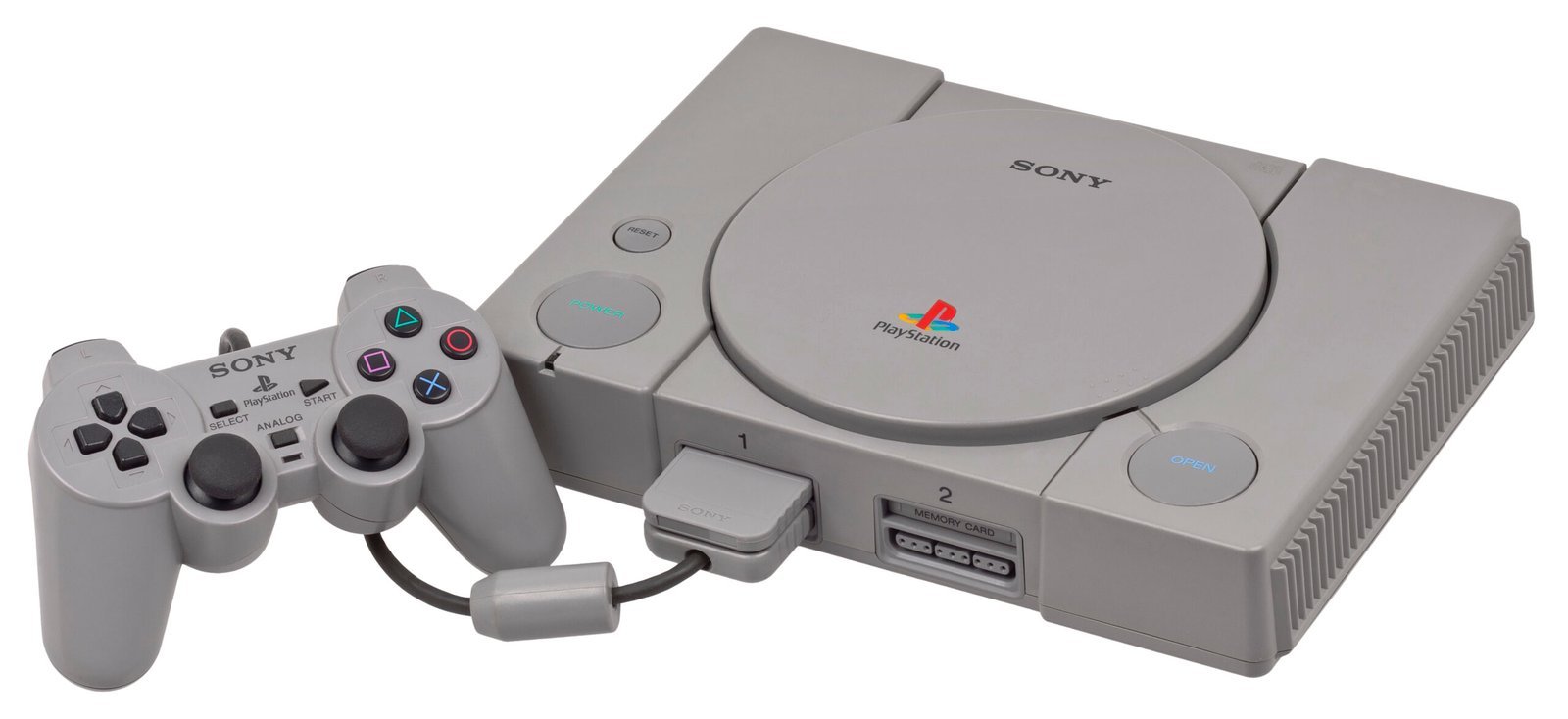
When Sony entered the gaming market, everything changed. Electronics maker Sony released the PlayStation in 1994, which used CD-ROMs instead of cartridges to enhance storage capacity for individual games. This technological leap opened doors to fuller gaming experiences with better audio, video, and more complex gameplay.
The PlayStation video game console is the most widely known product under the PlayStation umbrella. The first-generation PlayStation console was released in Japan in December 1994, and worldwide the following year. Sony’s entry into gaming brought corporate resources and marketing muscle that rivaled Nintendo’s dominance.
It became the first console in history to sell more than 100 million units, and the focus on software formats would carry on with the PlayStation 2 (DVDs) and PlayStation 3 (Blu-rays). The PlayStation didn’t just compete; it redefined what consoles could achieve.
Nintendo 64 (1996) – The 3D Revolution
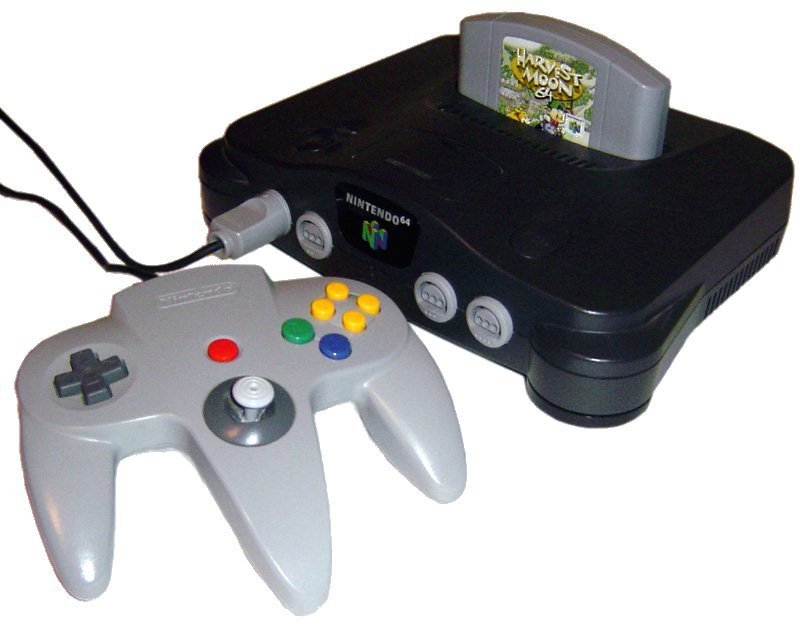
Nintendo’s response to the CD-ROM revolution was bold and different. Sporting a 64-bit NEC VR4300 CPU at clock rate of 93.75 MHz and a performance of 125 MIPS, the previously named “Ultra 64,” introduced to the world some of the most iconic games of all time including Super Mario 64, Star Fox 64, Mario Kart 64, the original Super Smash Brothers and The Legend of Zelda: The Ocarina of Time. Aided by strong second-party support from RARE that would also add Banjo Kazooie, Perfect Dark, Diddy Kong Racing and Goldeneye 007 to the N64’s library, the platform would become ubiquitous with the terms “split-screen multiplayer.”
The N64 would also be the first console to establish analog controls out of the gate, and posses the ability to have resolution modes up to 480p. While the perception of the platform was often conveyed as the system for “kids,” the Nintendo 64 was a polygon-pushing beast that had more than the chops to provide developers the ability to create deep gameplay mechanics not bounded by technical limitations.
The N64’s cartridge format limited storage but provided fast loading times and durability. Its innovative controller design and local multiplayer focus created gaming experiences that defined a generation.
Sony PlayStation 2 (2000) – The Undisputed Champion
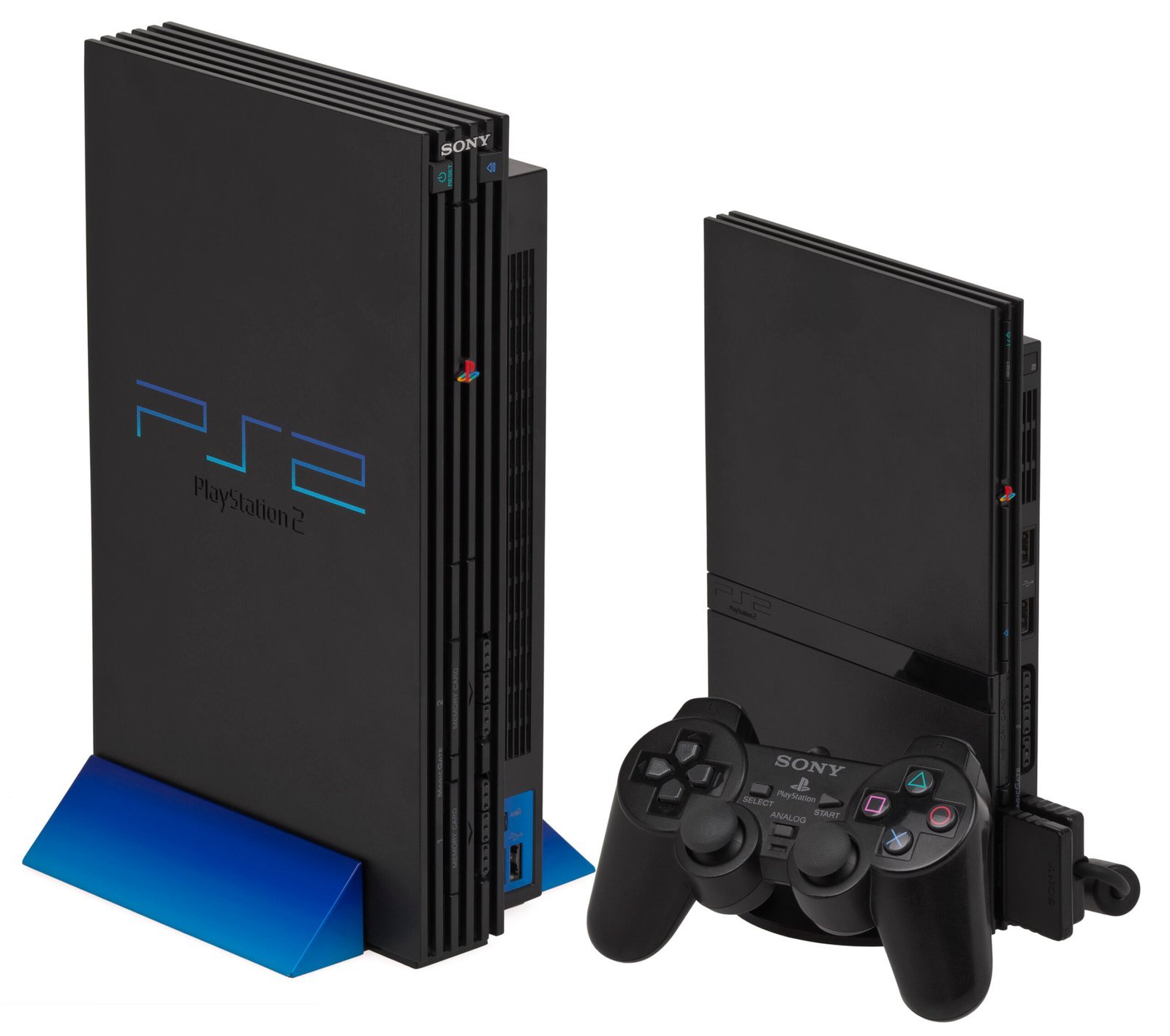
The PlayStation 2 achieved something no console has matched since: absolute market dominance. Sony’s PlayStation 2 ranks first in the list of best-selling video game consoles of all time (160 million units sold). This staggering success came from a perfect storm of factors.
Still, Sony holds the top spot for the console that has sold the most of all time with the legendary PS2. The classic console’s sales were largely boosted by its ability to play DVDs, which helped it continue moving record numbers of units even after the company had moved on to the PS3. The PS2 wasn’t just a gaming console; it was an entertainment system that replaced multiple devices in living rooms worldwide.
The PlayStation 2 changed the gaming industry with its immense popularity and sales success. Its massive game library, backward compatibility, and multimedia functionality created unprecedented value for consumers. This remains the gold standard for console success.
Microsoft Xbox (2001) – The Tech Giant Enters the Arena
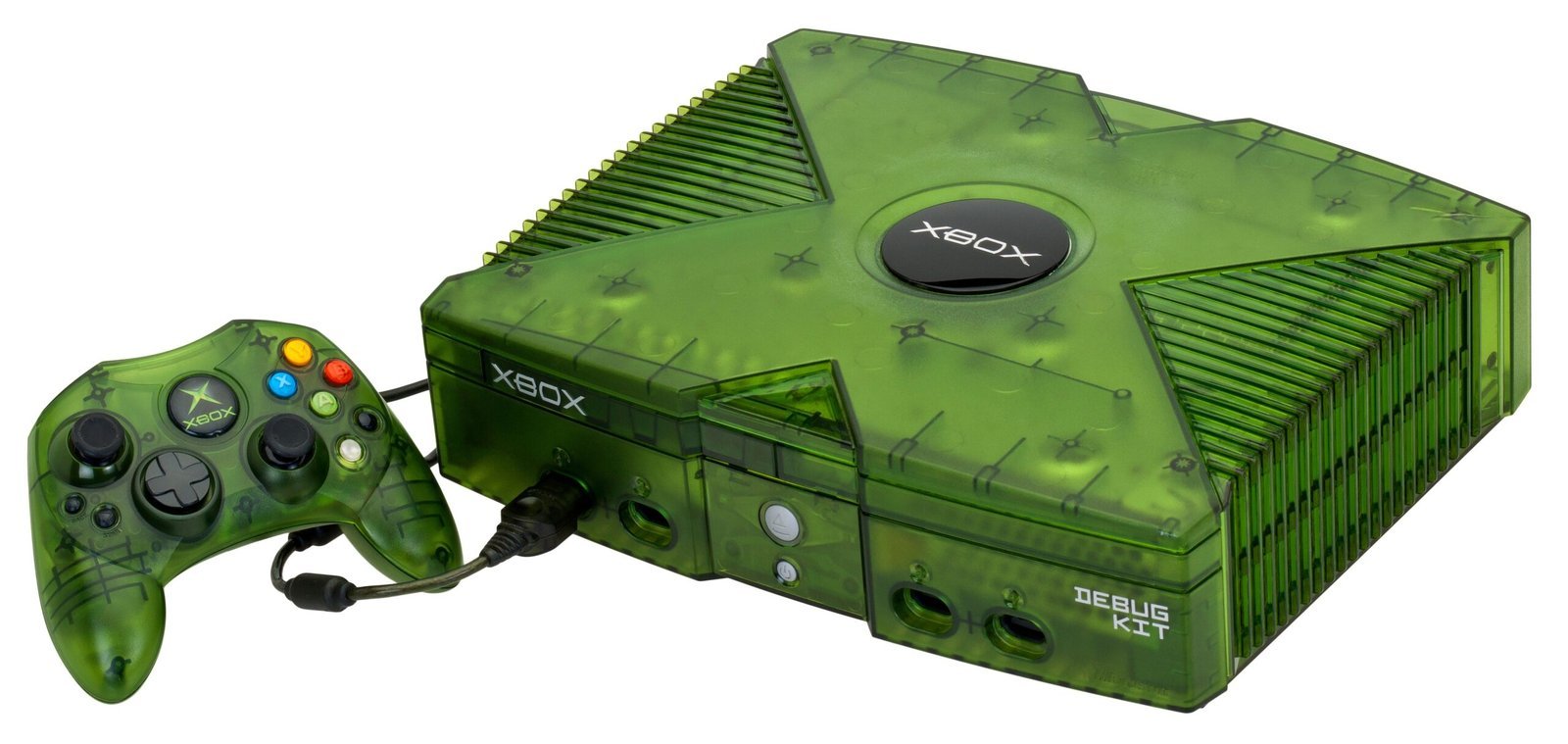
Microsoft’s entry into console gaming brought PC-level power and online gaming focus. That “X” branding would make its way to the company’s entry into the console market, the Xbox. The original Xbox introduced built-in hard drives and Ethernet connectivity as standard features.
In 2001, Microsoft launched the Xbox Live online gaming platform for a monthly subscription fee, giving players access to multiplayer matchmaking and voice chat services, quickly becoming a must-have for consumers. This service revolutionized console gaming by making online multiplayer accessible and standardized.
While the original Xbox sold modestly compared to the PS2, it established Microsoft as a serious competitor and laid the groundwork for future success. The Xbox proved that new entrants could compete with established giants through innovation and substantial investment.
Nintendo GameCube (2001) – The Powerful Underdog
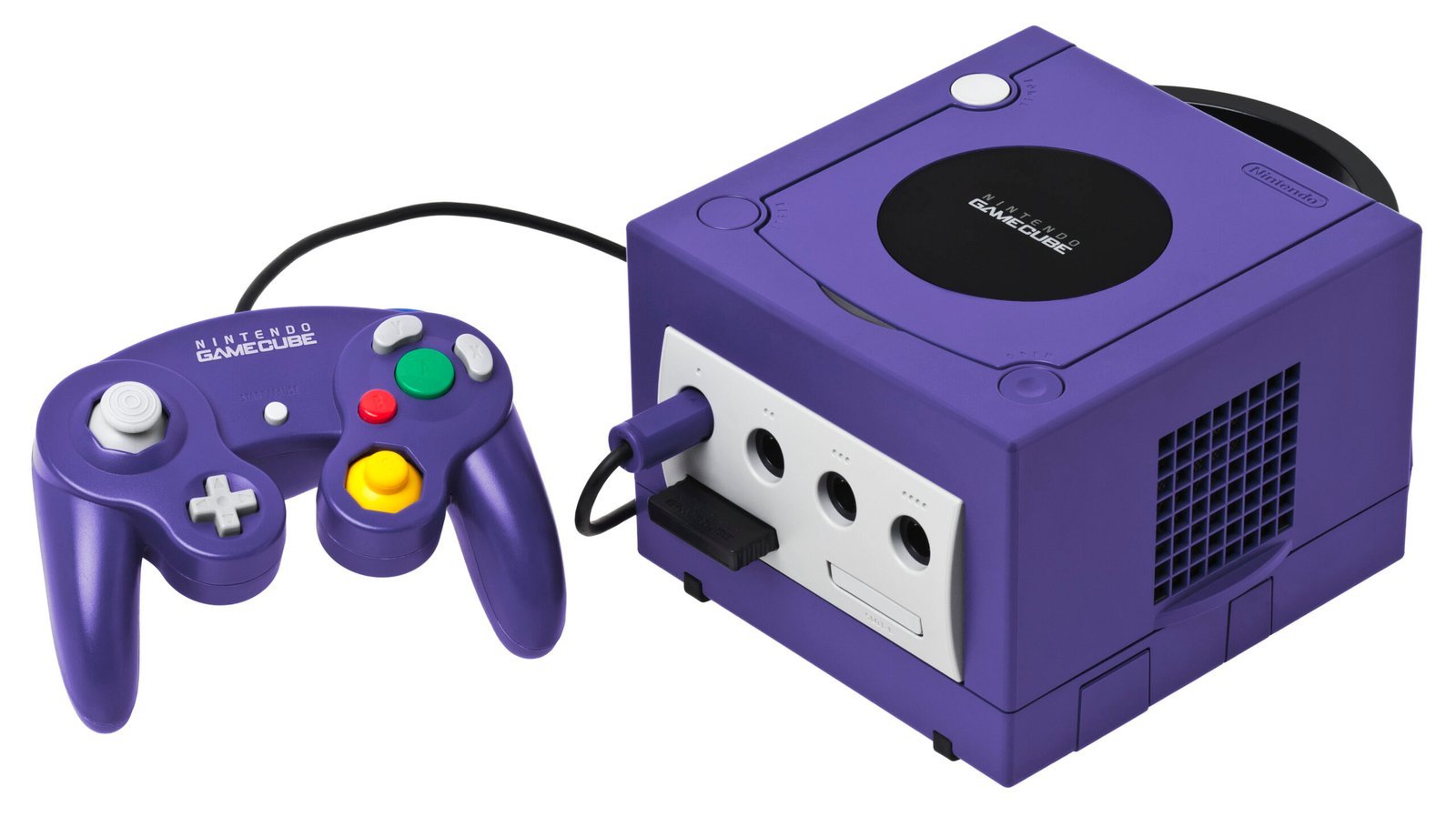
Nintendo’s GameCube represented a return to traditional gaming values. Despite featuring impressive technical specifications and innovative controller design, the GameCube struggled against the PS2’s momentum and Xbox’s online features. The console sold roughly twenty million units worldwide.
The GameCube’s miniDVD format and lack of DVD movie playback limited its appeal as an entertainment center. However, it delivered outstanding first-party games like Metroid Prime, Super Mario Sunshine, and The Legend of Zelda: The Wind Waker that showcased Nintendo’s software expertise.
Though commercially disappointing, the GameCube proved that innovative hardware design and exceptional games could create passionate fan communities even without massive sales numbers.
Xbox 360 (2005) – Microsoft’s Moment of Glory
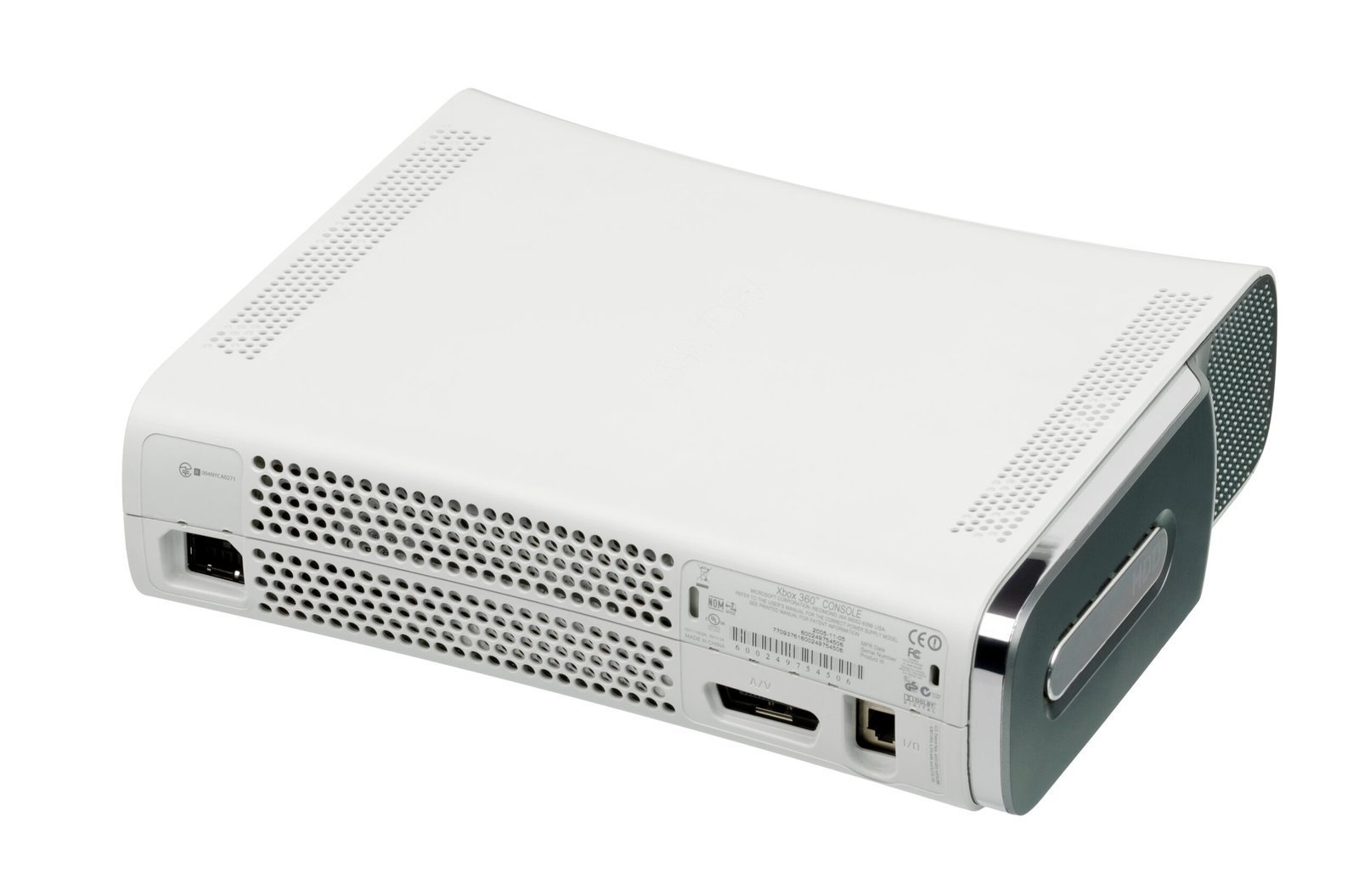
The Xbox 360 represented Microsoft’s most successful console generation. The Xbox 360 remains Microsoft’s lone entry in the all-time top tier at 85.8 million units. Aggressive online features, competitive pricing, and a broad Western game lineup propelled the 360 ahead of Sony’s PS3 in North America, though it fell short globally.
Xbox 360: Production ended in 2016; 84 million in total lifetime sales. The 360’s early launch gave Microsoft a crucial head start over Sony’s delayed PlayStation 3. Xbox Live became the gold standard for console online services.
In fact, the Xbox 360 was even outselling the PlayStation 3 initially. The first was the infamous Red Ring of Death hardware failure during the 360 era. At that point, the console was already a mainstream success, so it didn’t actually damage the company’s reputation as much as it could have. Despite hardware issues, the 360 proved Microsoft could compete at the highest level.
Sony PlayStation 3 (2006) – The Expensive Recovery
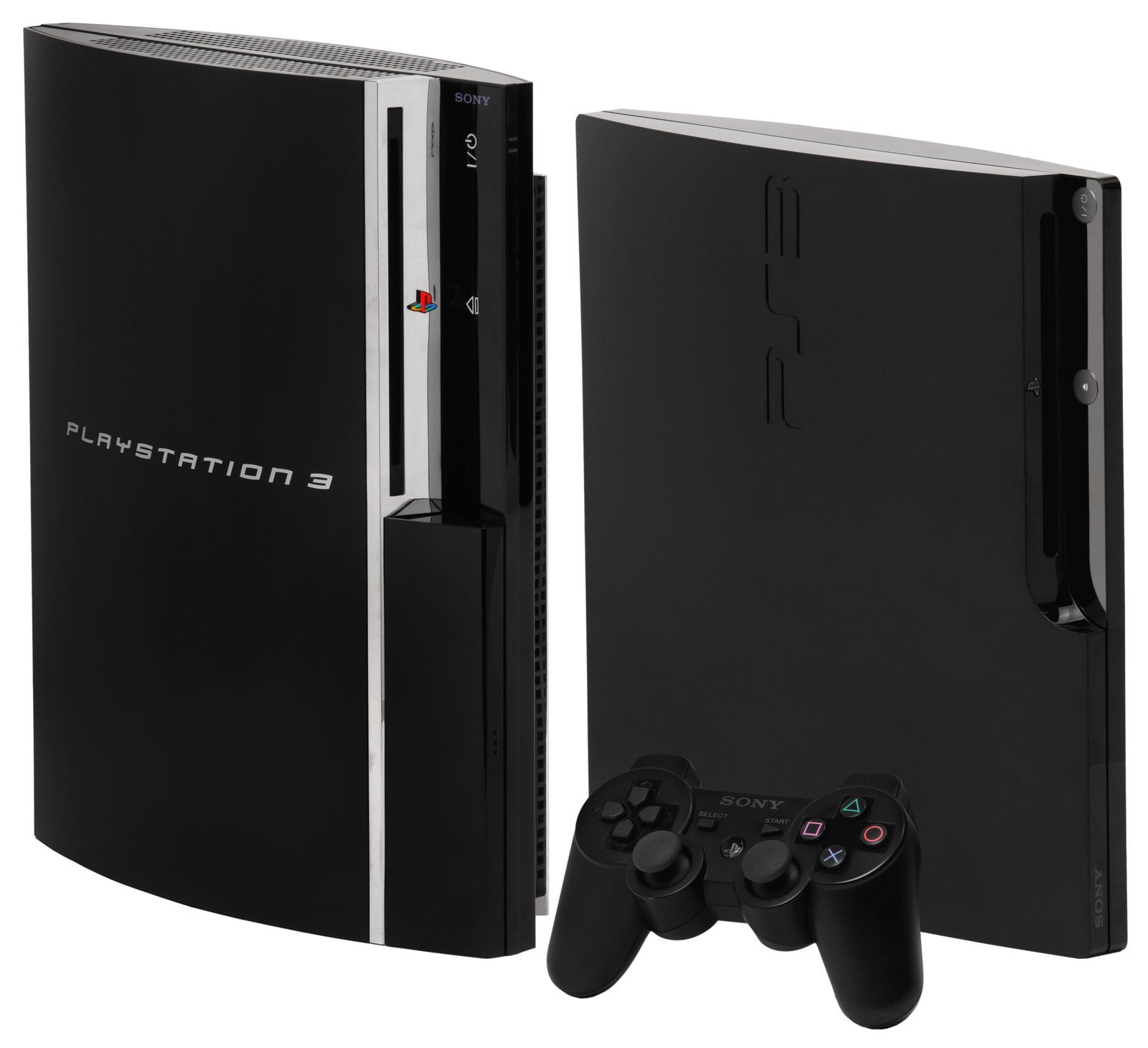
Sony’s PlayStation 3 launched with sky-high expectations and an even higher price tag. The inclusion of Blu-ray technology and the powerful Cell processor made the PS3 prohibitively expensive at launch, with the premium model costing six hundred dollars.
The PS3’s complex architecture challenged developers, leading to multiplatform games often performing better on the Xbox 360. Sony’s online service, PlayStation Network, launched free but couldn’t match Xbox Live’s features initially.
However, the PS3 eventually found its footing through price cuts, exclusive games like The Last of Us and Uncharted series, and the eventual victory of Blu-ray over HD-DVD. The console sold roughly eighty-seven million units lifetime, proving Sony’s brand strength even during difficult launches.
Nintendo Wii (2006) – The Unexpected Revolution
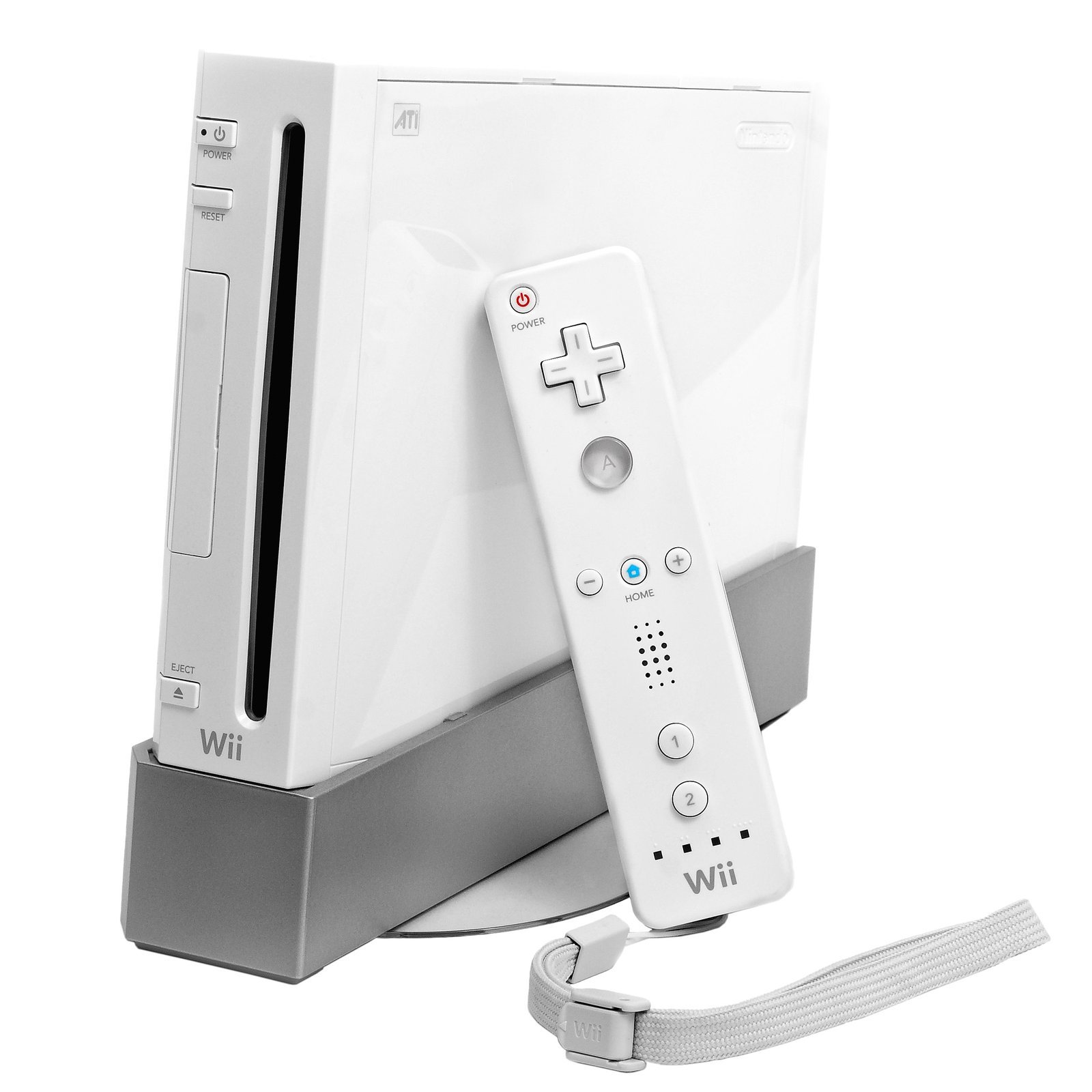
Nobody expected Nintendo’s motion-controlled console to become a cultural phenomenon. In 2006, Nintendo released the Wii, the popular home console with motion control features. The Wii expanded gaming beyond traditional demographics by making video games accessible to everyone.
Wii Sports became the perfect showcase for motion controls, creating magical moments for families and casual players. The console sold over one hundred million units worldwide, proving that innovation trumps raw power when executed correctly.
The Wii created a new category of motion-controlled gaming that influenced competitors to develop their own motion systems. However, third-party support remained limited due to the console’s unique control scheme and lower technical specifications compared to HD consoles.
Nintendo Wii U (2012) – The Misunderstood Innovation
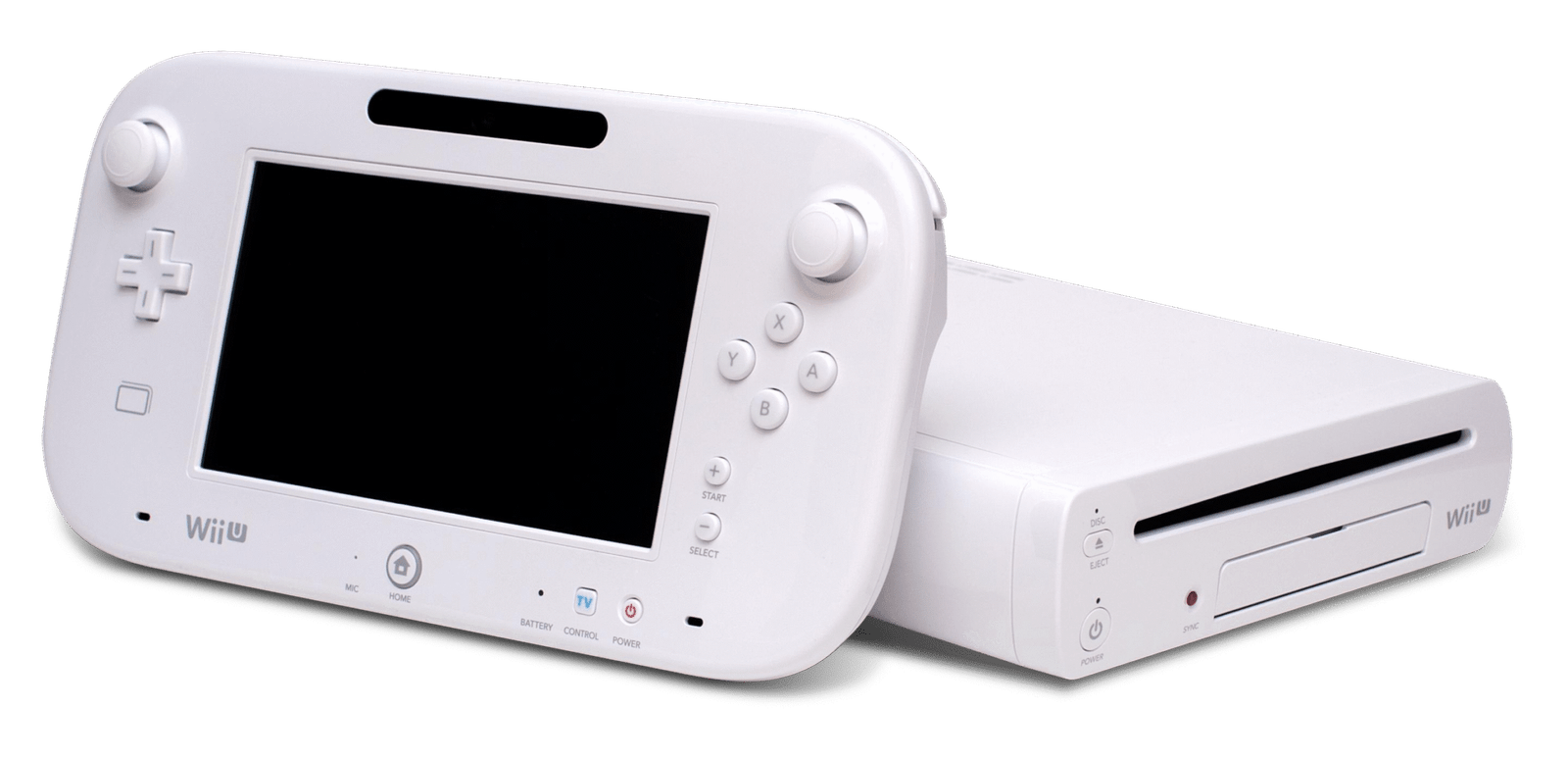
The Wii U represented Nintendo’s attempt to bridge console and handheld gaming with its dual-screen GamePad controller. Furthermore, the Wii U struggled with limited third-party support, which was a significant drawback for the console. Many popular game developers and publishers were hesitant to invest resources into developing games for the Wii U due to its relatively low sales figures compared to its competitors. As a result, the console’s game library lacked the breadth and diversity that gamers had come to expect, leading to diminished interest from potential buyers.
Despite innovative features like off-TV play and asymmetric multiplayer gameplay, the Wii U confused consumers who weren’t sure if it was an accessory or a new console. Marketing failed to communicate the system’s unique value proposition effectively.
Ultimately, these challenges contributed to the Wii U’s transition to the next generation. Nintendo recognized the need to reevaluate their approach and make significant changes in order to remain competitive in the gaming market. This led to the development of the Nintendo Switch, which would address some of the Wii U’s shortcomings and introduce a hybrid console that could be used both as a handheld device and a home console. The Wii U sold only about thirteen million units but laid crucial groundwork for Nintendo’s next success.
PlayStation 4 (2013) – Sony’s Triumphant Return
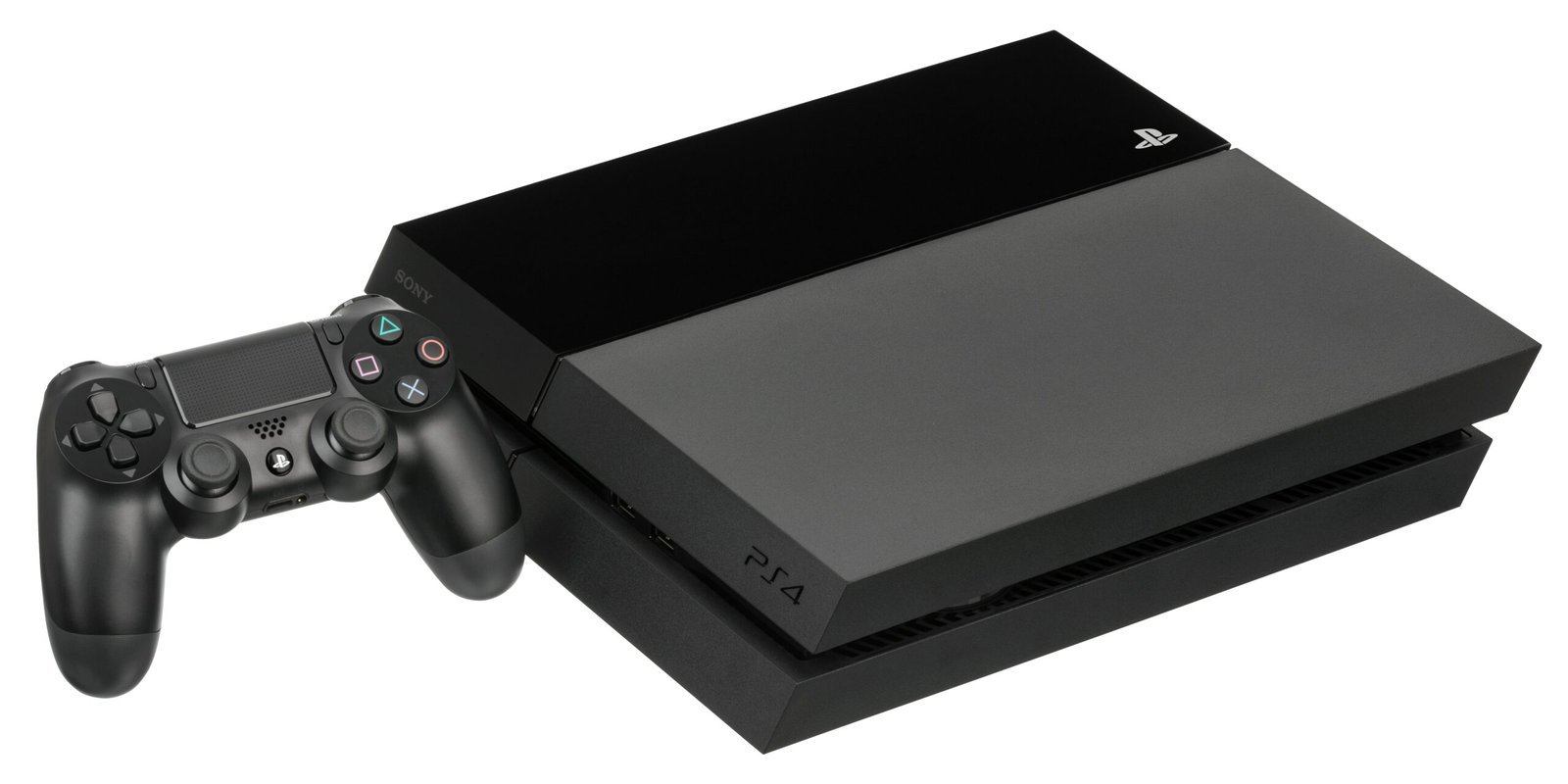
Sony learned from the PS3’s mistakes and delivered exactly what gamers wanted with the PlayStation 4. Launching at a reasonable four hundred dollar price point with developer-friendly architecture, the PS4 dominated the eighth console generation.
However, while PlayStation 4 sales in Europe reached more than 45 million units alone, Microsoft’s global Xbox One Sales are yet to reach 60 million units worldwide. The PS4’s success came from strong exclusive games, competitive pricing, and Sony’s renewed focus on gaming rather than multimedia.
The console eventually sold over one hundred seventeen million units worldwide, reestablishing Sony’s dominance in the console market. PlayStation VR compatibility and the mid-generation PS4 Pro upgrade showed Sony’s commitment to pushing boundaries throughout the generation.
Xbox One (2013) – Microsoft’s Stumble and Recovery
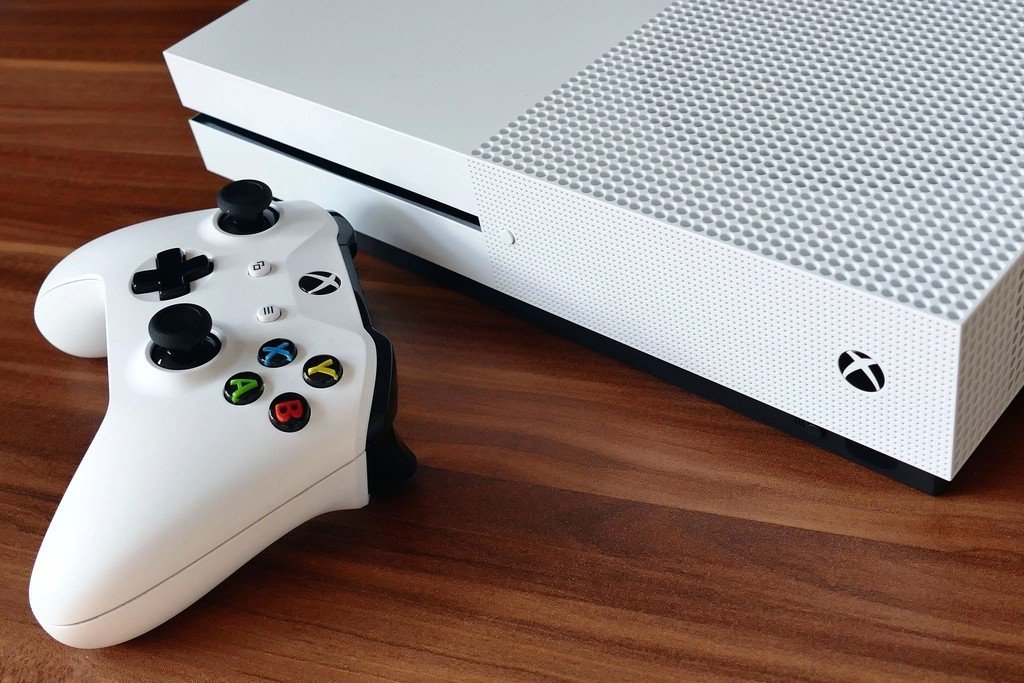
Microsoft’s Xbox One launched with ambitious multimedia goals but lost focus on gaming fundamentals. On top of that, Microsoft forcing the Kinect as a pack-in with the Xbox One drove its price up to a staggering $499. This was over $100 more than the PS4 at launch. Suffice to say, it felt like Microsoft was never able to fully regain its momentum from the 360 era following these two blunders.
Xbox One: Microsoft CEO Satya Nadella unveiled at a December 3, 2014, shareholder presentation that 10 million units were sold. Most third-party estimates put the total number of Xbox One units sold by the end of 2019 at “around 50 million”. Market data and analytics firm Ampere Analysis Insights estimated the Xbox One had sold 51 million units by Q2 2020.
Despite the rocky start, Microsoft recovered through leadership changes, exclusive game investments, and services like Xbox Game Pass. The Xbox One X delivered the most powerful console hardware of the generation, though it came too late to change the generation’s outcome.
Nintendo Switch (2017) – The Perfect Hybrid
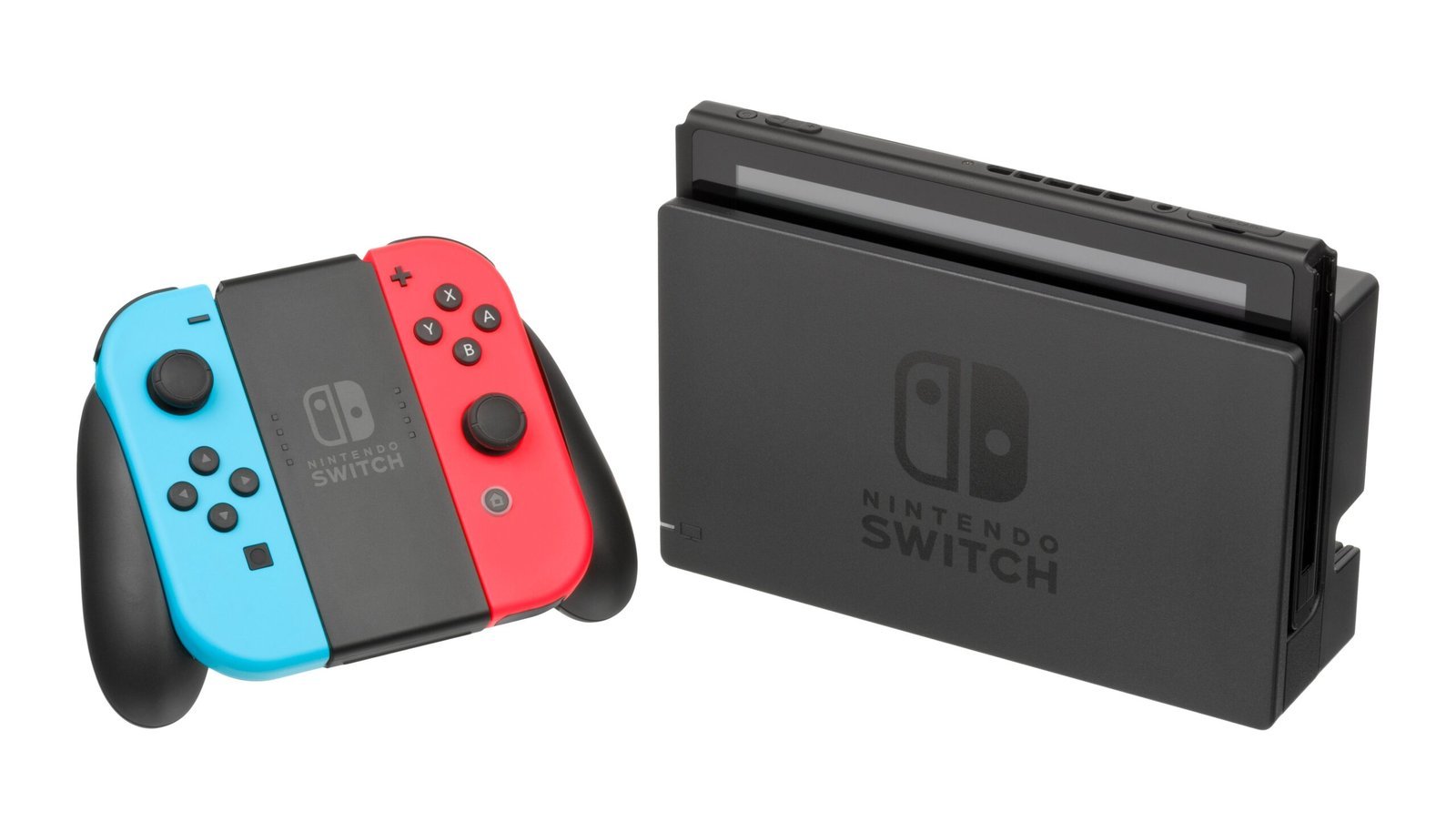
Nintendo’s Switch solved the Wii U’s problems with elegant simplicity: truly seamless handheld and home console gaming. While Sony’s PlayStation 2 still reigns supreme at 155 million sold, Nintendo’s versatile Switch has mounted a serious challenge, coming in at over 146 million units as of late 2024. After the Wii U stumble, Nintendo rebounded with the Switch, a handheld-to-TV hybrid that has now surpassed 146 million sales. Its appeal to both casual and core audiences, plus a steady cadence of exclusive titles, have helped it nearly tie the PS2 benchmark.
Nintendo’s latest home console, the Nintendo Switch, was first released in 2017. The Switch’s innovative form factor created entirely new ways to play games, from tabletop multiplayer sessions to gaming on long commutes.
The system’s massive success came from Nintendo’s exceptional first-party software, third-party support from indie developers, and the unique flexibility of handheld-console hybrid gaming. Games like The Legend of Zelda: Breath of the Wild and Super Mario Odyssey showed that Nintendo’s creative vision remained unmatched.
PlayStation 5 (2020) – The Current Generation Leader
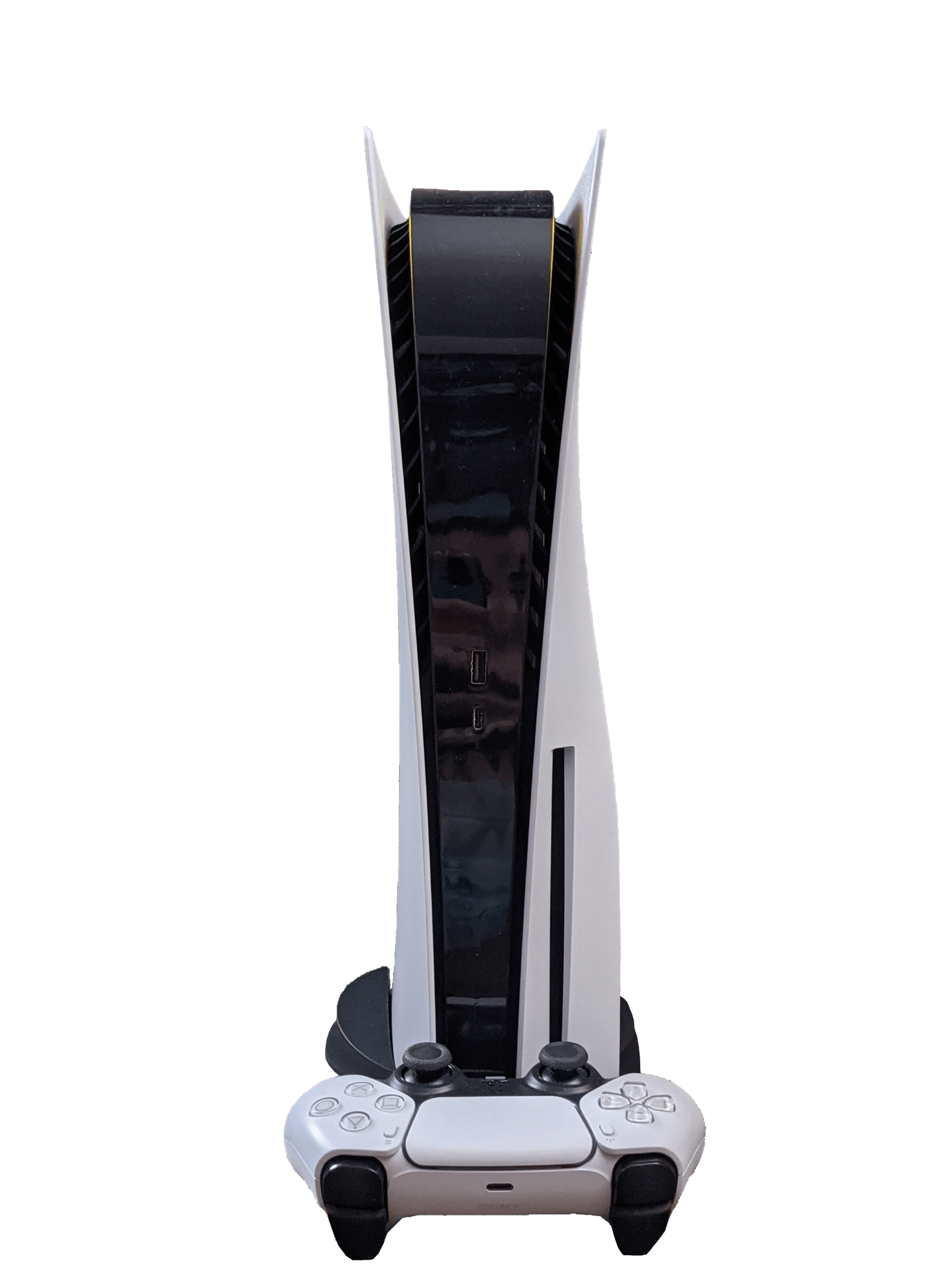
Sony’s PlayStation 5 launched during the global pandemic with incredible demand and limited supply. In recent financial reports, Sony revealed that the PS5 has sold 65.5 million units as of September 2024. The console’s boosted sales were likely due to the launch of Ghost of Yotei in October, which Sony has also recently called a “massive success.” Based on reported figures, the PS5 has now outsold the Xbox 360, which moved a total of 84 million units.
So yeah, let’s just say the PS5 has now outsold every Xbox console Microsoft has ever released. With the PS5 now having sold more than every Xbox Microsoft has ever released, you may be wondering where Sony ranks among the highest-selling consoles of all time. The PS5’s custom SSD technology eliminated loading times and enabled entirely new gameplay experiences.
The PS5 has sold 80.25 million units lifetime. Exclusive games like Spider-Man: Miles Morales, Demon’s Souls, and Horizon Forbidden West showcased the console’s impressive capabilities while maintaining backward compatibility with PS4 games.
Xbox Series X/S (2020) – Microsoft’s Split Strategy

Microsoft took a bold approach with two distinct consoles: the powerful Series X and the affordable Series S. This strategy aimed to capture both premium and budget-conscious gamers simultaneously.
2025 year-to-date, the Nintendo Switch 2 has sold 10.68 million units, the PlayStation 5 has sold an estimated 10.50 million units, the Nintendo Switch 1 has sold 3.69 million units, and the Xbox Series X|S has sold 1.89 million units. While sales haven’t matched the Xbox 360’s peak, Microsoft’s focus has shifted toward services like Xbox Game Pass.
The Series X/S generation represents Microsoft’s commitment to backward compatibility, consumer choice, and subscription services rather than purely hardware sales. Smart Delivery and Quick Resume features showed genuine innovation in user experience.
Nintendo Switch 2 – The Anticipated Next Evolution
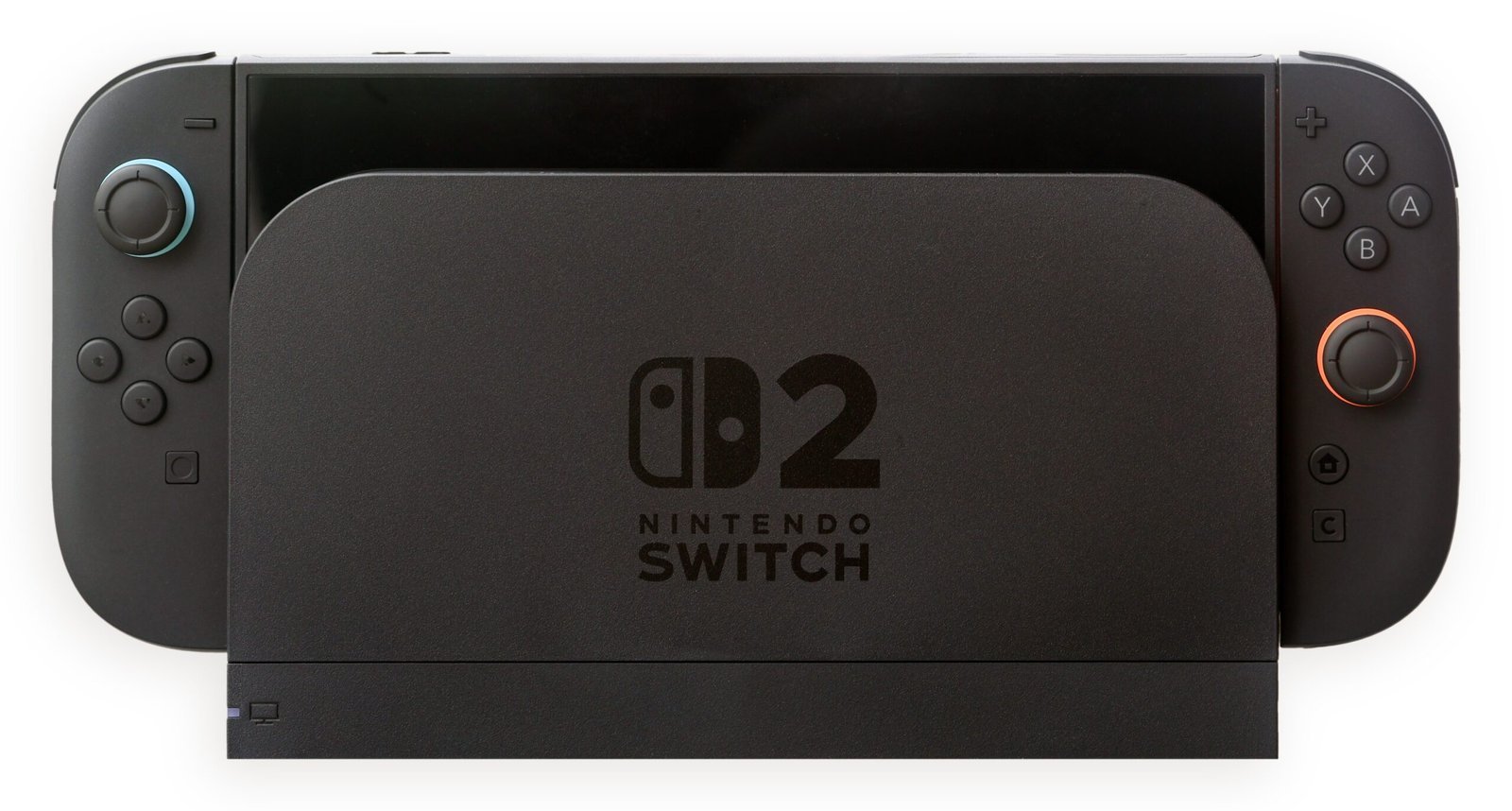
Nintendo has not yet officially announced or released the Switch 2, though industry analysts widely expect a successor to the successful Switch console. Rumors and speculation suggest Nintendo is developing a next-generation hybrid console that would build upon the Switch’s innovative portable-home console concept.
While unofficial reports have suggested various specifications and release timeframes, Nintendo has not confirmed any details about pricing, features, or availability for a potential Switch successor.
Conclusion

From the Magnavox Odyssey’s simple dots to today’s photorealistic gaming worlds, console evolution reflects humanity’s endless drive to push technological boundaries. Each generation brought innovations that seemed impossible just years earlier: cartridge swapping, CD-ROM storage, online multiplayer, motion controls, and portable-console hybrids.
Well, at a glance, it’s that Nintendo and Sony PlayStation have continued to dominate the console gaming space since the ’90s. Even decades later, the two titans still have a tight grasp on the industry. The console wars continue driving innovation as companies compete for living room dominance.
What surprises you most about this incredible journey from simple electronic games to billion-dollar entertainment empires? Which console revolution changed gaming forever in your mind?

Besides founding Festivaltopia, Luca is the co founder of trib, an art and fashion collectiv you find on several regional events and online. Also he is part of the management board at HORiZONTE, a group travel provider in Germany.
