


There is something quietly extraordinary about picking up a book written a century ago and feeling, in your gut, that it is talking directly to you. Not to some abstract reader from the past. To you, in 2026, with your smartphone, your anxieties, your complicated world. No matter how much life has changed, certain things stay the same: people continue to suffer loss, hardship, self-doubt, and societal conflicts. In every era, literature is an attempt to make sense of a confusing world.
Classic literature continues to play a subtle but powerful role in shaping modern values and perspectives. Many of today’s ethical discussions, social ideals, and cultural debates are rooted in ideas first explored in these enduring works. Themes like justice, freedom, equality, and human dignity are not new – they have been examined for centuries through storytelling, philosophy, and poetry. Honestly, that’s what makes this list feel so urgent right now. These fifteen books are not museum pieces. They are living, breathing mirrors. Let’s dive in.
1. “1984” by George Orwell

A haunting vision of a dystopian future, 1984 remains an essential read in today’s world. George Orwell’s prophetic novel portrays a totalitarian society where Big Brother watches your every move. As we witness the struggle for individuality and truth, 1984 serves as a stark warning against the erosion of freedom and the manipulation of information. I think what truly sets this novel apart is its eerie precision. Orwell wasn’t just imagining a future – he was diagnosing a pattern of power he had already seen emerging.
1984 by George Orwell is considered a classic for several reasons. First and foremost, it is a highly influential work of dystopian fiction that has had a significant impact on popular culture and political discourse. In an age of algorithmic surveillance, misinformation campaigns, and governments rewriting historical narratives, the book feels less like fiction and more like a field guide. The word “Orwellian” didn’t enter our vocabulary by accident.
2. “To Kill a Mockingbird” by Harper Lee
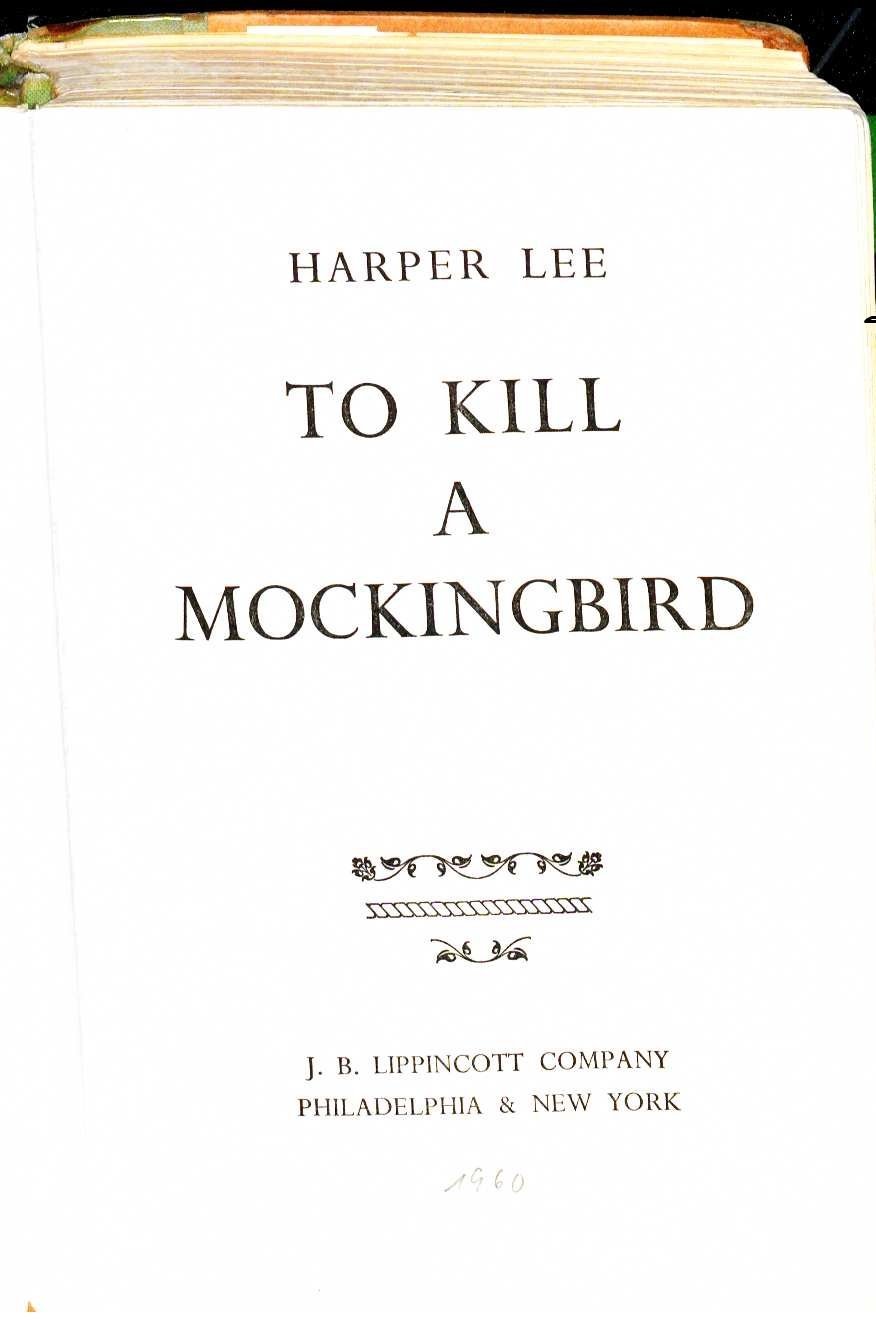
To Kill a Mockingbird by Harper Lee is considered a classic due to its enduring relevance and impact on readers across generations. The novel was first published in 1960, and since then it has become a staple in the canon of American literature, with its themes of racism, prejudice, justice, and morality resonating with readers worldwide. The story’s moral core is delivered through the innocent eyes of young Scout Finch, which makes it all the more devastating.
One of the main reasons why To Kill a Mockingbird has become a classic is its universal appeal. The novel explores complex issues that are still relevant in today’s society, such as the effects of racism and inequality on individuals and communities. In a world still wrestling with racial justice, representation, and systemic bias, Harper Lee’s Pulitzer Prize-winning novel does not just hold up – it hits harder than ever.
3. “Pride and Prejudice” by Jane Austen
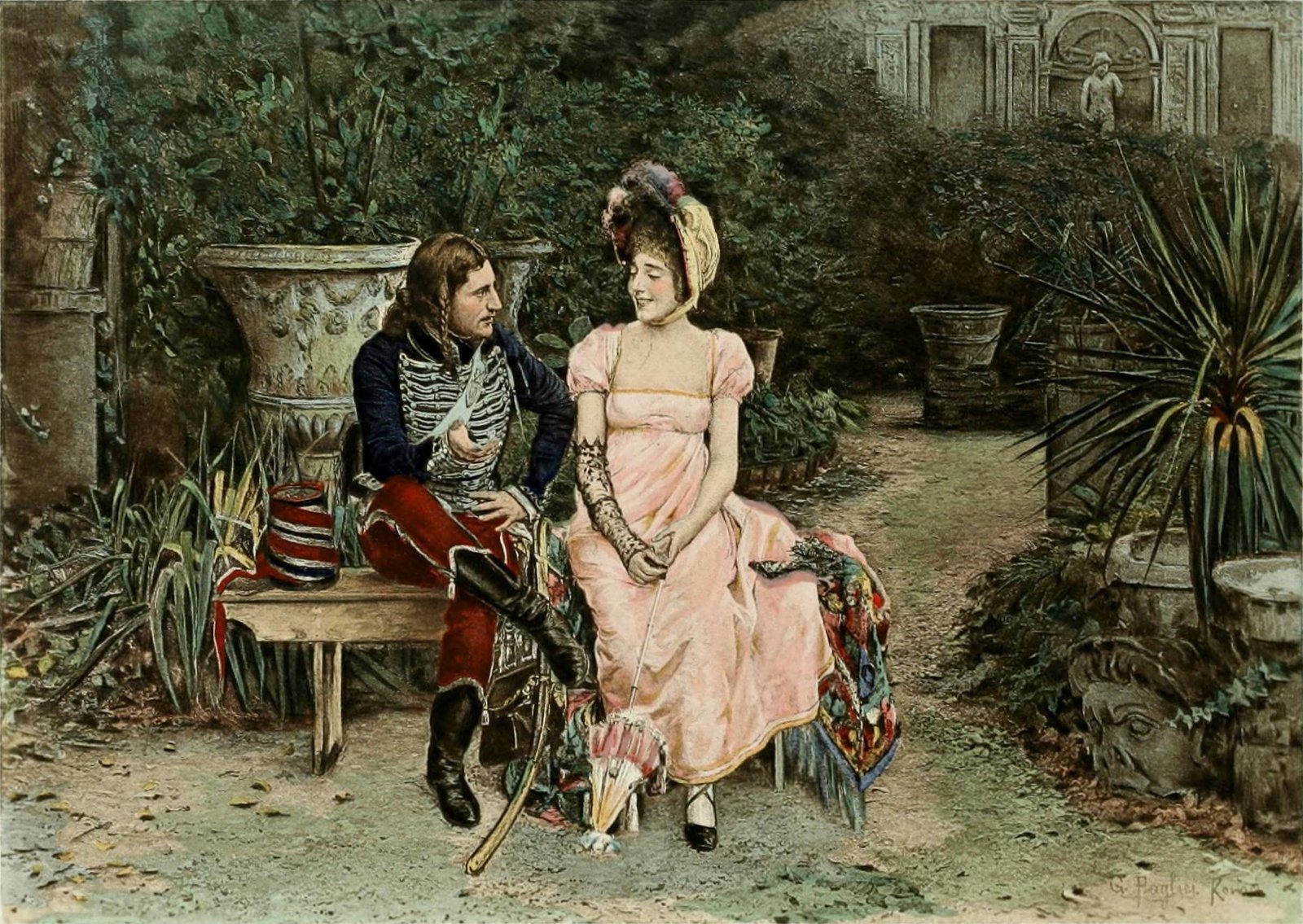
The themes of love, loss, and the pursuit of happiness explored in Jane Austen’s Pride and Prejudice are still relevant to modern readers. The novel’s portrayal of societal expectations and the struggle to find one’s own identity is something that many readers can still relate to. Austen wrote with a precision of social observation that would make a modern-day sociologist envious. She understood, deeply, how class and gender shape the choices people think they are making freely.
Here’s the thing about Pride and Prejudice that people underestimate: it is not just a romance. It is a sharp, often satirical examination of how institutions, family pressure, and economic survival collide with personal desire. The universality of themes found in classics like Pride and Prejudice allows them to retain their appeal for successive generations. Every generation seems to discover Austen as if for the first time, and that’s no coincidence.
4. “Meditations” by Marcus Aurelius
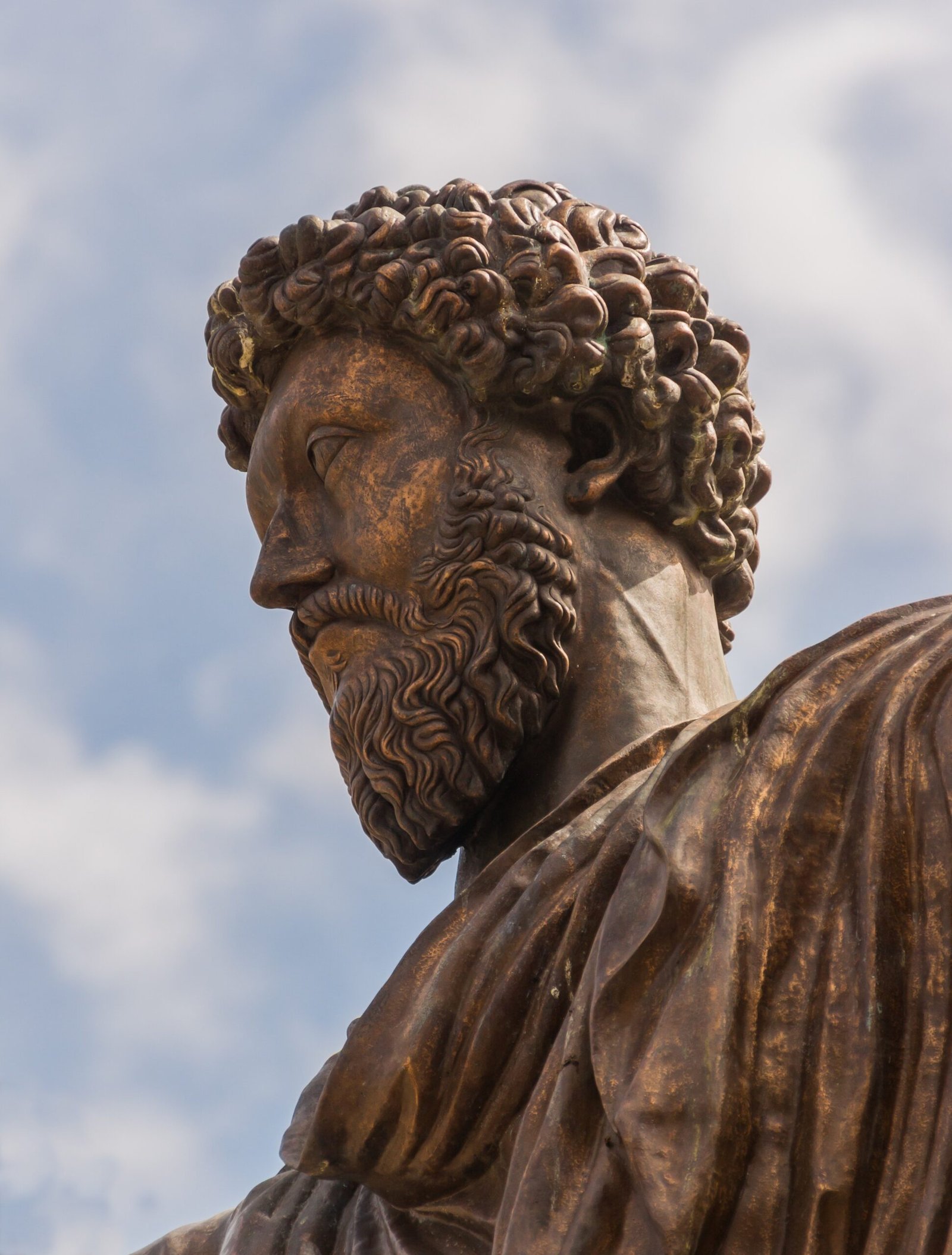
Written by a Roman Emperor facing war, illness, and immense responsibility, Meditations is a collection of private reflections on Stoic philosophy. Marcus Aurelius writes not to impress but to remind himself to live with virtue, humility, and resilience. The intimacy of this text is what makes it so disarming. You’re essentially reading someone’s private journal – a man in one of history’s most powerful positions reminding himself, daily, to stay humble.
In a world where chaos, distraction, and comparison dominate daily life, these ancient words offer powerful clarity. His insights help readers cultivate emotional discipline, perspective, and inner peace in an unsteady world. For leaders, creatives, and anyone striving for meaning, Meditations is a timeless mental reset, both grounding and elevating. Reading it feels less like studying history and more like receiving quiet, personal advice from someone who truly got it.
5. “Crime and Punishment” by Fyodor Dostoevsky
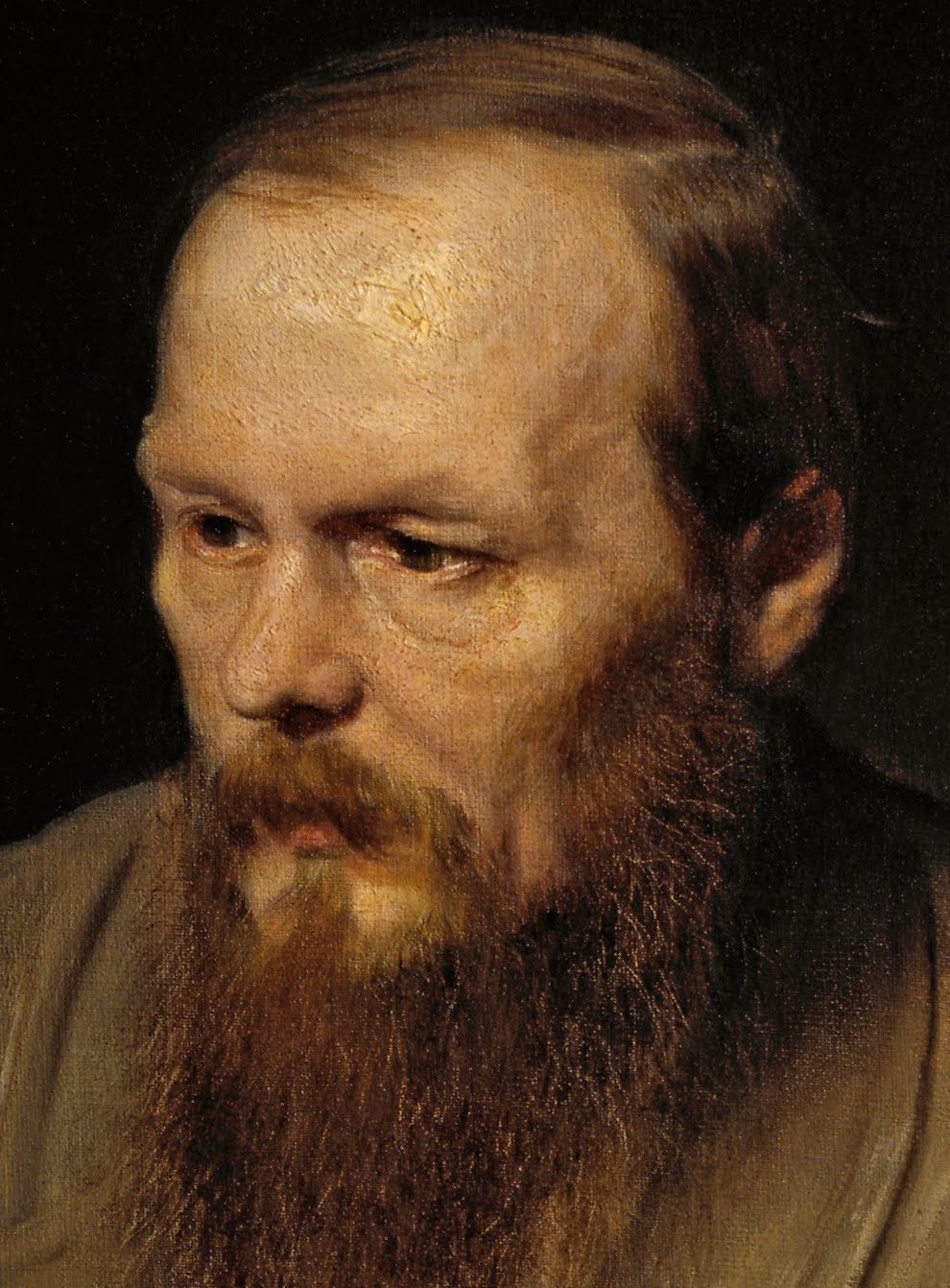
Works like Crime and Punishment offer profound insights into the human condition, featuring heartfelt introspection in the face of both joy and adversity. Dostoevsky’s novel follows Raskolnikov, a brilliant but impoverished student who convinces himself that extraordinary individuals can justify extraordinary actions – including murder. The psychological unraveling that follows is as gripping today as it was in the 1860s.
The moral dilemmas explored in Fyodor Dostoevsky’s Crime and Punishment have inspired countless psychological thrillers, including modern works like Gillian Flynn’s Gone Girl or Paula Hawkins’ The Girl on the Train. The novel’s central question – can a person justify wrong actions through a “greater good” framework – has never felt more relevant in a world of moral relativism and political doublespeak. Dostoevsky’s answer is devastating and completely unforgettable.
6. “The Great Gatsby” by F. Scott Fitzgerald
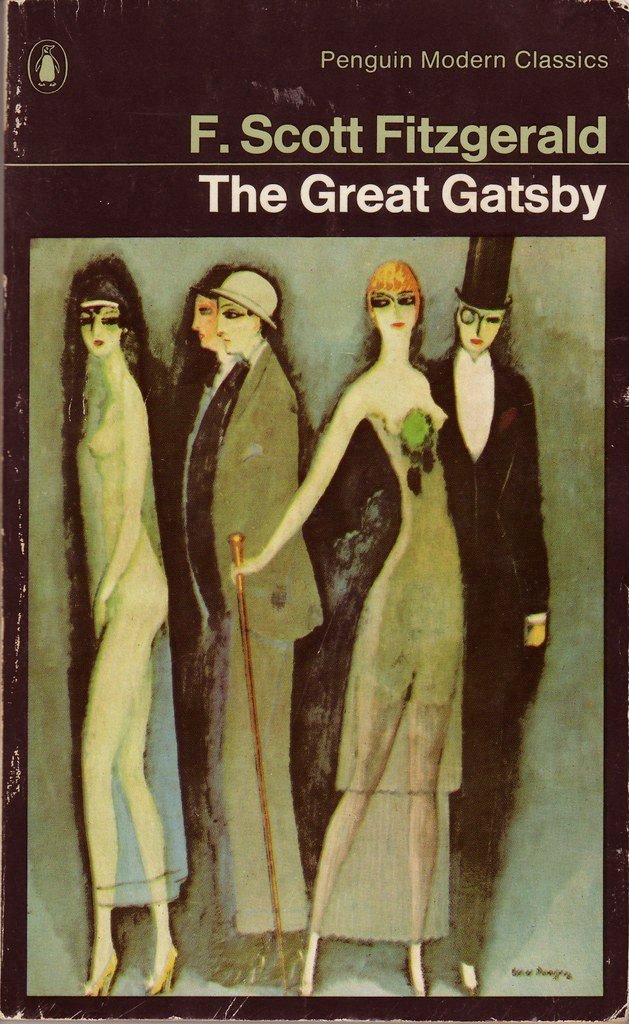
No book captures the seductive lie of the American Dream quite like this one. Fitzgerald’s Gatsby is a man who reinvents himself entirely, chasing a vision of wealth, status, and love that is, at its core, empty. The Great Gatsby and its themes of wanting to recapture the past make it a classic that helps readers understand contemporary issues through different points of view. Gatsby doesn’t want the future – he wants a corrected version of the past.
In 2026, when social media has turned personal branding into an art form, Gatsby feels almost prophetic. We curate idealized versions of ourselves, perform wealth and happiness online, and chase validation from people we barely know. These stories resonate because they reflect the core of human experience. Readers can see themselves in the characters, their decisions, and their dilemmas. This emotional connection ensures that classic literature continues to feel relevant, even in a modern context.
7. “Brave New World” by Aldous Huxley
If Orwell feared a world of pain and coercion, Huxley feared something subtler: a world of pleasure and distraction so total that no one would notice the loss of freedom. Classics like Brave New World continue to be staples in educational curricula, ensuring continued influence and relevance. Huxley’s dystopia isn’t built on suffering – it’s built on comfort, and that’s precisely what makes it so unsettling.
Think about it. A society engineered for happiness, where discomfort is chemically suppressed and individuality is quietly engineered away. Sound familiar? Ideas such as existential fears and portrayals of very possible dystopian futures pervade classic literature. Huxley’s vision of a world addicted to instant gratification and shallow pleasure reads today not as distant speculation but as a quiet, uncomfortable mirror held up to our own scrolling, binge-watching, dopamine-chasing lives.
8. “One Hundred Years of Solitude” by Gabriel García Márquez

One Hundred Years of Solitude was first published in 1967 and was unexpectedly popular in its time, introducing the world to “magic realism.” García Márquez weaves the entire life cycle of a family, a town, and a civilization into a single sweeping narrative. In 1982, Gabriel García Márquez won the Nobel Prize for Literature because of this novel. It is one of those rare books that feels both deeply personal and cosmically universal at the same time.
The novel explores how families inherit patterns of behavior across generations – cycles of ambition, jealousy, obsession, and love that repeat themselves no matter how much time passes. It’s a meditation on memory, solitude, and what gets lost when we stop paying attention. Classic literature deals with universal themes such as love, morality, identity, and the human condition – issues that remain as relevant today as they were centuries ago. These timeless literary themes serve as the backbone of countless modern narratives.
9. “The Odyssey” by Homer
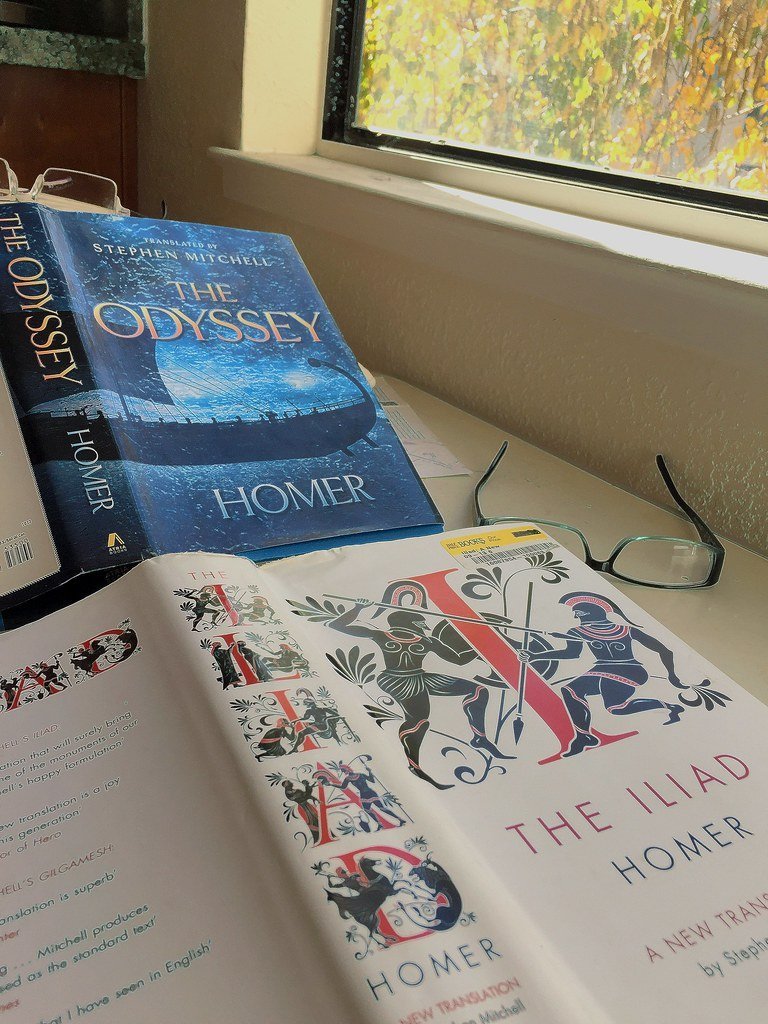
Let’s be real: not many people pick up a nearly 3,000-year-old epic poem for a casual evening read. Yet the journey of Odysseus remains one of the most emotionally resonant stories ever told. Epics like Homer’s Odyssey give readers a glimpse into the past; they not only entertain with their writing style, but they offer their own interpretation of life in ancient times by showcasing how those in bygone eras lived and what they believed in and why.
At its heart, The Odyssey is a story about the longing for home. Not just a physical place, but an identity, a sense of self, a return to what matters most. Margaret Atwood’s The Penelopiad retells Homer’s The Odyssey from the perspective of Penelope, Odysseus’ wife, proving that the story still inspires powerful new imaginings today. When a poem written before the birth of most modern religions continues to generate fresh retellings, you know it’s tapping into something deeply, stubbornly human.
10. “Jane Eyre” by Charlotte Brontë
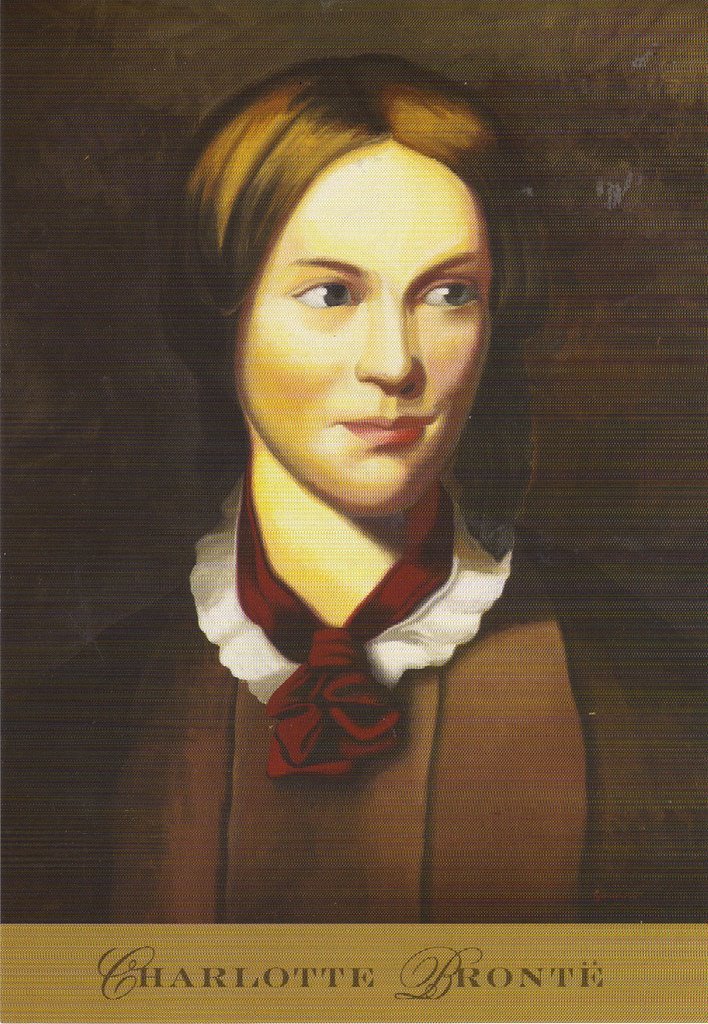
Charlotte Brontë’s Jane Eyre is, on the surface, a Victorian Gothic romance. Dig a little deeper, though, and it is one of literature’s most defiant explorations of independence, self-respect, and the refusal to compromise one’s identity for the sake of social acceptance. Themes of love, loss, ambition, and betrayal are just as relevant today as they were when these books were first penned. One of the reasons classic literature continues to resonate is the way it delves into the intricacies of human nature.
Jane is not extraordinary by the world’s standards. She is plain, poor, and powerless by birth. Still, her moral compass never wavers. Jean Rhys’ Wide Sargasso Sea offers a prequel to Charlotte Brontë’s Jane Eyre by telling the story of Bertha Mason, the “madwoman in the attic,” showing just how many layers Brontë’s original world contains. That a novel from 1847 can still spark entirely new literary works in the twenty-first century says everything about its enduring power.
11. “The Brothers Karamazov” by Fyodor Dostoevsky
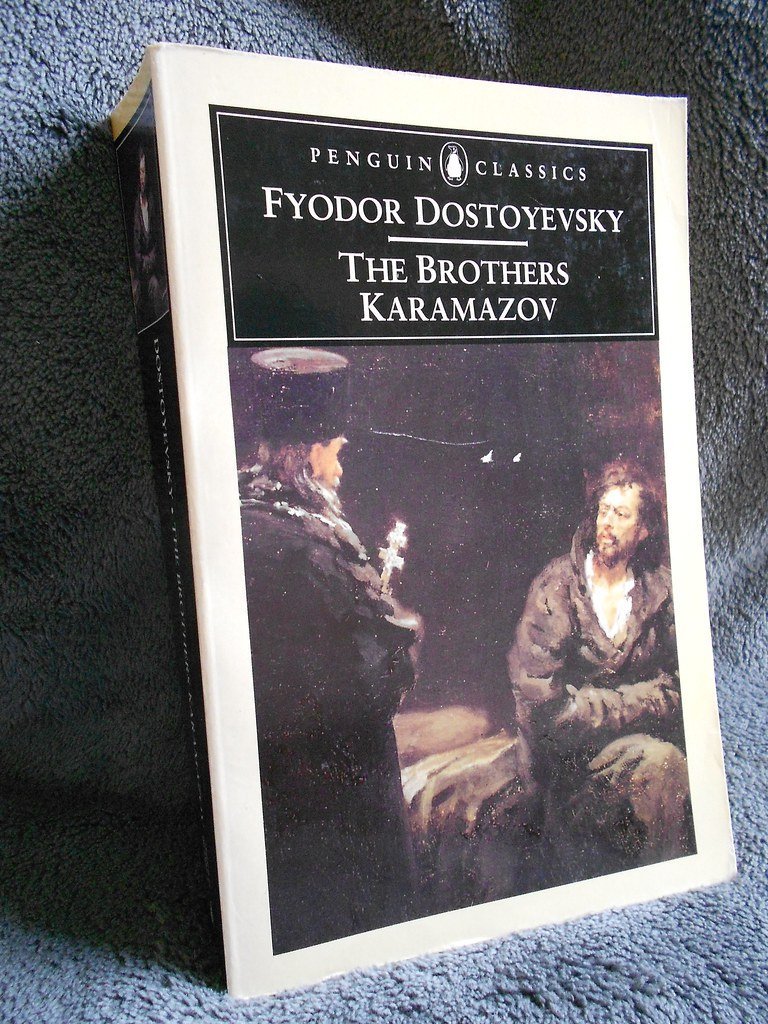
If Dostoevsky only wrote Crime and Punishment, he would still be a titan of literature. The Brothers Karamazov, his final novel, is widely considered one of the greatest ever written. It wrestles with faith, doubt, free will, and the nature of evil through the lives of three very different brothers. Classic literature often dives deep into the human experience, offering unique perspectives on love, life, and the world. These works of art possess a timeless quality because they tap into the complexities and nuances of emotions and relationships.
The “Grand Inquisitor” chapter alone – where Christ returns to earth only to be imprisoned by a church that no longer wants him – is one of the most powerful pieces of philosophical writing in any language. It asks whether human beings actually want freedom, or whether they secretly prefer the comfort of authority and certainty. In a world increasingly divided between dogma and doubt, that question stings.
12. “Don Quixote” by Miguel de Cervantes

Published in the early 1600s, Don Quixote is often called the first modern novel. Its story of a man so intoxicated by tales of chivalry that he loses his grip on reality and sets out as a knight-errant is, on one level, hilariously funny. On another level, it is profoundly melancholic. The classical definition of classic literature refers to the great works of ancient civilizations, but that has evolved to include any works that have endured over time thanks to timeless themes and cultural significance.
Cervantes was asking something timeless with this novel: what happens when our ideals collide head-on with reality? Quixote refuses to surrender his vision of a noble world, even when that world mocks him for it. It’s hard to say for sure whether that makes him a fool or a hero, and I think Cervantes intended exactly that ambiguity. That tension between idealism and reality has never gone out of fashion.
13. “The Scarlet Letter” by Nathaniel Hawthorne

The Scarlet Letter is a novel that explores themes of guilt, revenge, and redemption in Colonial America, as well as the shaming of a person’s sexuality and policing of supposed promiscuity. Hester Prynne, forced to wear a scarlet letter as a badge of public shame, endures her punishment with a dignity that gradually transforms from humiliation to quiet power. The real horror of the story, though, lies in the hypocrisy of the community condemning her.
In an era of public call-outs, online shaming, and the permanent record of digital history, Hawthorne’s exploration of guilt and communal punishment is uncomfortably current. Many of the issues explored in classic literature, such as inequality, justice, and human rights, remain relevant today. This connection between past and present adds to their enduring value. The scarlet letter has simply moved from chest to screen.
14. “Hamlet” by William Shakespeare

To reduce Hamlet to “a play about a prince who can’t make up his mind” would be a spectacular underestimation. Shakespeare’s masterwork is a profound examination of grief, moral paralysis, the corrupting nature of power, and the impossibility of certainty in a deceptive world. Another timeless aspect of studying the classics is what they can teach about emotional intelligence. Emotional intelligence is the foundation of healthy interpersonal relations.
Hamlet’s central struggle – the gap between knowing what is right and actually being able to act on it – is one that virtually every human being has experienced. The enduring influence of classic literature can also be seen in the numerous adaptations and reinterpretations it has inspired. Whether on stage, in movies, or in contemporary novels, these old stories continue to be reimagined, reinforcing their relevance and resonance in our lives. Hamlet has been performed, adapted, and reimagined more times than can be counted, and it still has something new to say.
15. “Moby-Dick” by Herman Melville
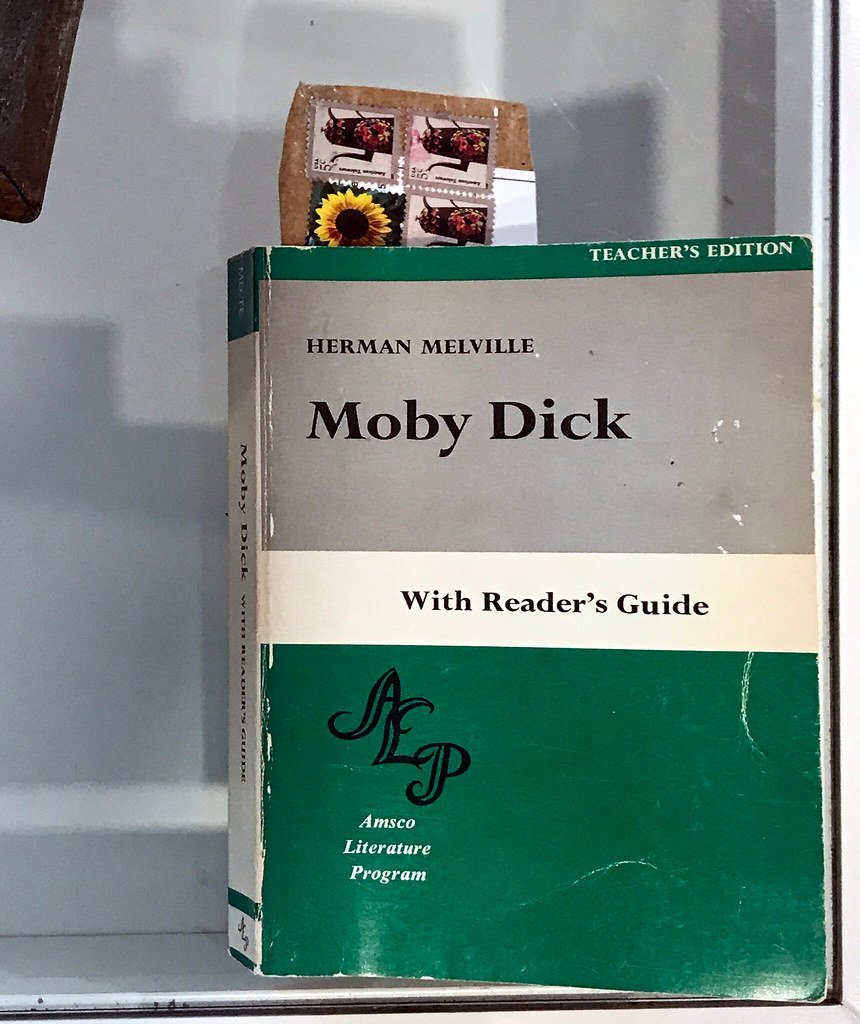
Melville’s epic tale of Captain Ahab’s obsessive quest to hunt a white whale is many things at once: an adventure novel, a philosophical treatise, a tragedy, and a deeply strange meditation on the nature of obsession itself. Moby Dick helps us understand American society in the 19th century. Yet its themes speak far beyond any one era or culture. Ahab’s all-consuming fixation destroys everything around him – and ultimately, himself.
Honestly, the story of a man who sacrifices everything – crew, ship, sanity – in pursuit of a single, symbolic enemy feels almost too relevant in a world of ideological fanaticism and zero-sum thinking. In a world reshaped by rapid technological change, climate anxiety, economic uncertainty, and social upheaval, timeless wisdom isn’t just comforting – it’s essential. Books that once served as mirrors to their time now feel startlingly prescient, offering profound insights into our current challenges. Moby-Dick is one such mirror, held up to every generation that insists on repeating the same ancient mistakes.
The Timeless Case for Reading the Classics

In a world that constantly moves forward, classic literature offers a sense of continuity. It reminds us that while times may change, the essence of being human remains the same – and that is what makes these works truly timeless. There is something almost rebellious about reaching for a centuries-old book in the age of infinite content. It says: some things cannot be compressed into a feed.
Whether a reader is turning a critical eye inward or outward, the universal themes exploring the roles of the self and the “other” are not likely to ever grow irrelevant. These fifteen books do not offer easy answers. They offer something rarer and more valuable: the right questions. Questions about justice, identity, obsession, freedom, love, and what it means to be human in a world that rarely slows down long enough to ask.
In a world filled with digital distractions, turning to classic books offers a refuge of intellectual engagement and emotional depth. Amidst fleeting trends, they remind us to slow down and savor the richness of language, the power of storytelling, and the profound wisdom they contain. The wisdom in these pages wasn’t written for any particular century. It was written for whoever needed it most. And right now, that might just be us.
Which of these fifteen books has stayed with you the longest? Tell us in the comments.

Besides founding Festivaltopia, Luca is the co founder of trib, an art and fashion collectiv you find on several regional events and online. Also he is part of the management board at HORiZONTE, a group travel provider in Germany.
