


- Unsung Heroes of Music History Deserve Their Rightful Place in the Pantheon of Legends - April 9, 2026
- Certain Historical Events Are So Bizarre, They Seem Ripped From the Pages of Fiction - April 9, 2026
- Iconic Cultural Artifacts Are More Than Objects; They Are Time Capsules of Human Experience - April 9, 2026
Think about the last time a story genuinely stopped you in your tracks. Maybe it was a novel you stayed up too late reading, or a film that left you sitting in silence long after the credits rolled. Or perhaps it was something simpler. A grandparent’s voice around a table, spinning a tale you’d heard a dozen times before but somehow needed to hear again. That feeling, that almost physical pull toward a narrative, is one of the oldest things about being human.
Storytelling is universal and is as ancient as humankind. Before there was writing, there was storytelling. It occurs in every culture and from every age. Honestly, I find that deeply moving. No matter where you travel on this planet, no matter what language you hear, someone somewhere is telling a story. Stories are universal. Since the beginning of time, every person, in every generation, culture, and language has told stories. It’s how people communicate and connect with others, whether they realize it or not. So what is it, exactly, that makes a story endure? Let’s dive in.
The Ancient Roots: When the First Stories Were Told
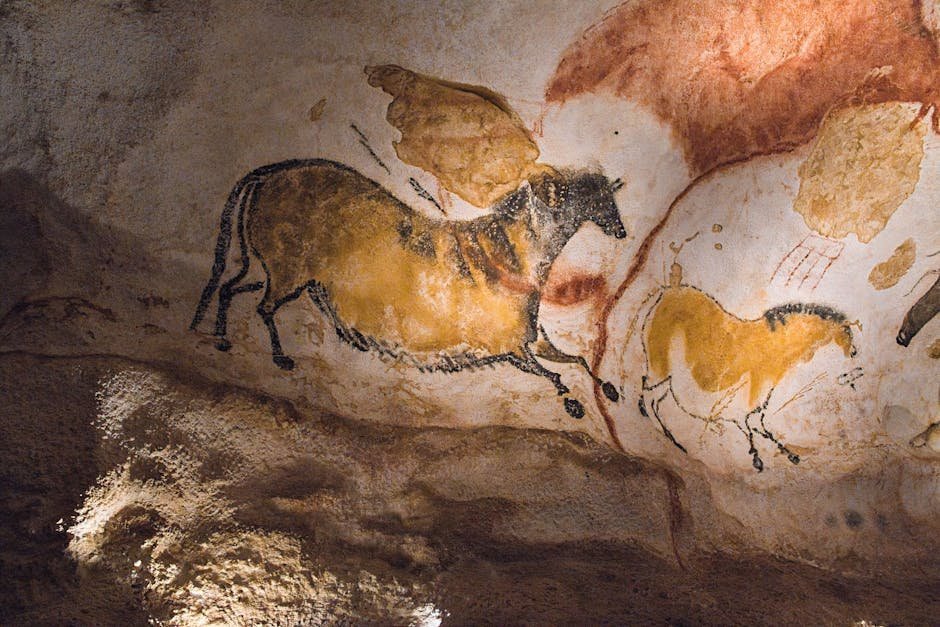
Here’s a stunning thought to sit with. The human brain is wired for storytelling, because people have been telling stories as a means of creative expression and comprehension of the world since Paleolithic humans painted the animals and warriors on the walls of the Lascaux caves in southwestern France twenty thousand years ago. Twenty thousand years. That’s not a tradition. That’s practically a biological instinct.
It is likely that oral storytelling has existed as long as human language. Storytelling fulfills the need to cast personal experiences in narrative form. Early humans didn’t have books, archives, or Wikipedia. They had voices, memory, and firelight. Community storytelling offered the security of explanation – how life and its many forms began and why things happen – as well as entertainment and enchantment. Communities were strengthened and maintained through stories that connected the present, the past, and the future.
Traced back to pre-historic periods, storytelling, or the art of narrating stories, experiences and customs has been rooted at the earliest pinnacles of human civilization. However, due to its non-generic nature, the art and practice of narration and retelling of stories has been highly fluid, developing and evolving with each new advancement in mannerisms, cultural evolution as well as technological innovation. In other words, stories have always been alive, always breathing, always changing shape to survive.
The Written Word: Literature as Living Memory
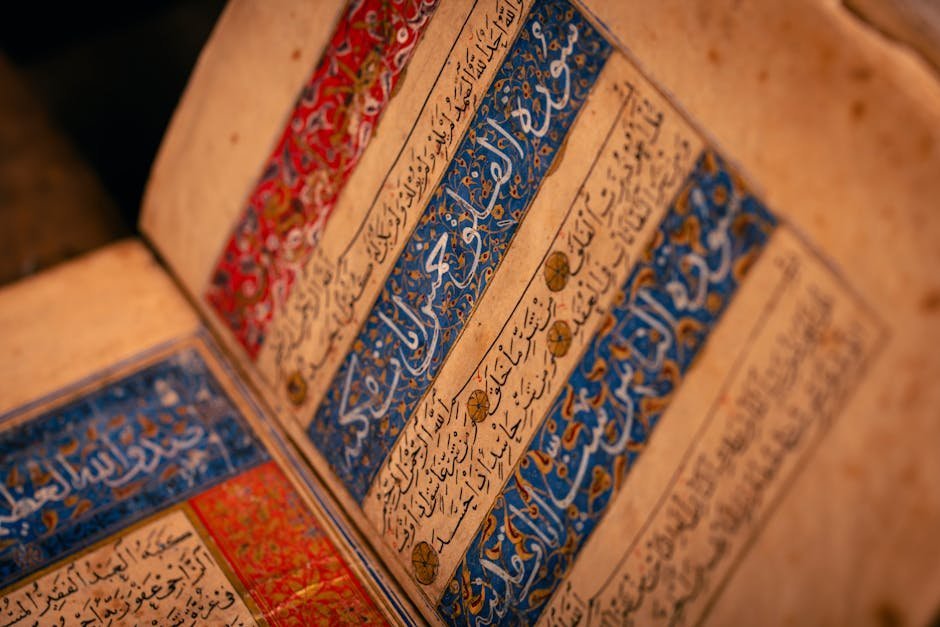
When humans began pressing their voices into written form, something extraordinary happened. Stories didn’t just travel further. They became immortal. Since the dawn of civilization, oral storytelling has been a primary method for the transmission of history, cultural practices, moral lessons, and entertaining tales. It has not only shaped our understanding of the world, but also ultimately served as the bedrock for literature, theater, cinema, and many more contemporary arts.
Think of the Homeric epics as a perfect example. The stories of the Greek myths and legends have been told for thousands of years, and they are still being told today. There are works of literature that have come out of Ancient Greece, such as Hesiod’s Theogony and Homer’s the Iliad and the Odyssey, but the stories had already been around before they were written down by these poets. In other words, there is a strong oral tradition attached to these stories. The written word didn’t replace the oral story. It preserved it, like amber around a living thing.
Epics such as the Homeric poems, Mahabharata, and Ramayana stand as testaments to storytelling’s expansion into the realm of written literature. Linear narratives of yore gave way to more intricate structures, inviting complexities that resonate across generations. It’s hard to say for sure where oral tradition ends and literature begins. The line was always blurry, and maybe that’s the point. The story was never really the medium. It was always the human need behind it.
The Oral Tradition: Stories Carried on the Breath
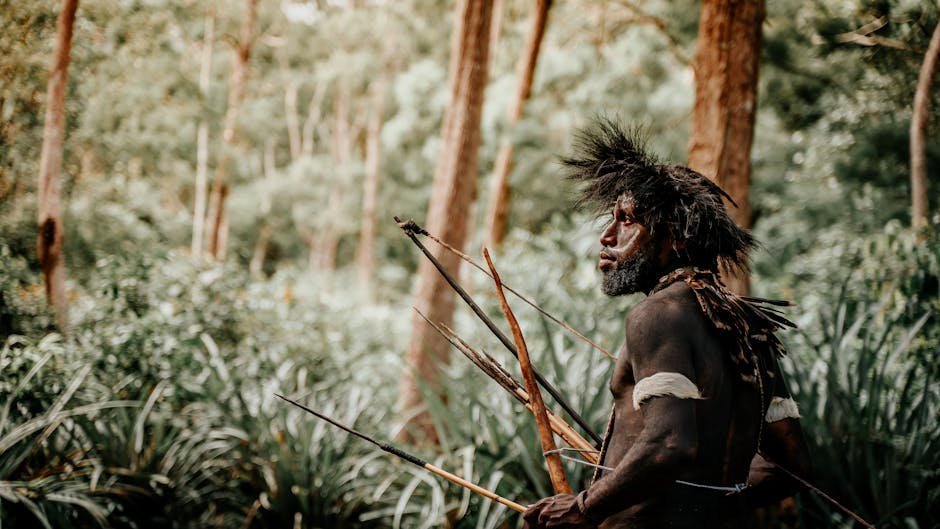
Let’s be real. The written word is a relatively new invention. For most of human history, the story lived in the body, in the breath, in the rhythm of a voice that knew when to pause for effect. The oral tradition is the oldest form of recording human experience. Ancient people used this means of communication to preserve aspects of law, lore, history, art, religion, and ideas.
Early storytelling combined stories, poetry, music, and dance. Those who excelled at storytelling became entertainers, educators, cultural advisors, and historians for the community. Through storytellers, the history of a culture is handed down from generation to generation. Imagine holding the entire legal and moral code of your people in your memory, and performing it, night after night, so the next generation could carry it forward. That’s not just storytelling. That’s civilization itself.
The indigenous Ngadjonji tribe is credited with the oldest datable story on earth, a ten-thousand-year-old tale of the creation of Australia’s lakes and mountains. Modern geological dating techniques have identified the exact formations described in these stories, and the stories in turn lend insight into the volcanic and cultural events that shaped Australia. Let that sink in. A story passed mouth to ear for ten thousand years, and it’s still geologically accurate. I find that more astonishing than almost anything I’ve ever read in a textbook.
Mythology: When Stories Became Sacred
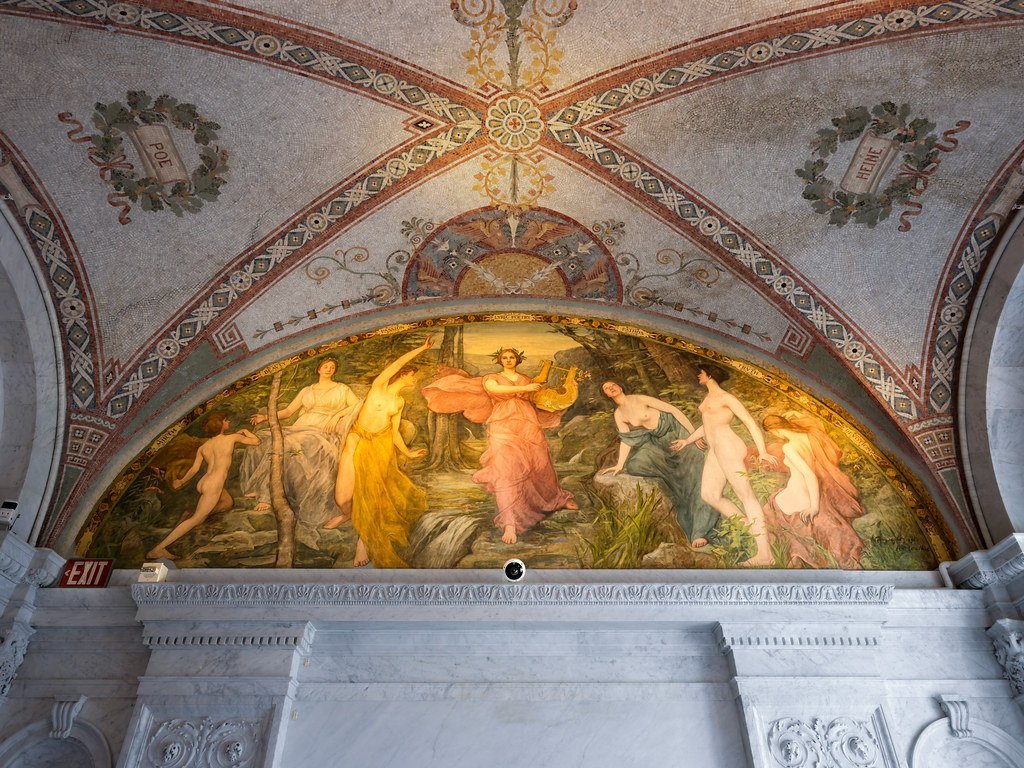
There is a special category of story, the kind that doesn’t just entertain or inform, but reaches for something larger. Mythology. Common elements of stories across many different cultures include ways to explain the changing faces of nature, descriptions of the origins of people, and the exploits of people with superhuman attributes. As stories developed over generations, they often became central to the identity of the storyteller’s culture, laying the foundations for religious beliefs and mythology that would in turn influence later stories and storytelling rituals.
In mythologies, storytelling techniques have embraced diverse forms. Symbolism, allegory, and archetypal characters become the tools for crafting narratives that transcend temporal and cultural confines. Consider Greek myths where allegorical elements breathe life into gods and goddesses, infusing stories with profound layers of meaning. The Greeks weren’t simply telling entertaining yarns about Zeus throwing lightning bolts. They were making sense of power, jealousy, love, and mortality. The gods were mirrors of the human condition, just bigger and louder.
Star Wars, The Lord of the Rings, Titanic, Batman – all are deeply informed by ancient myth, folklore, and oral traditions. One reason is that the deep stories of myth and folklore act as a bridge between our personal lives and the profoundest aspects of the human condition – they offer a way to understand our lives and how to live them. That’s the thing about mythology. It never really goes away. It just changes costumes.
Storytelling Across World Cultures: A Mosaic of Voices
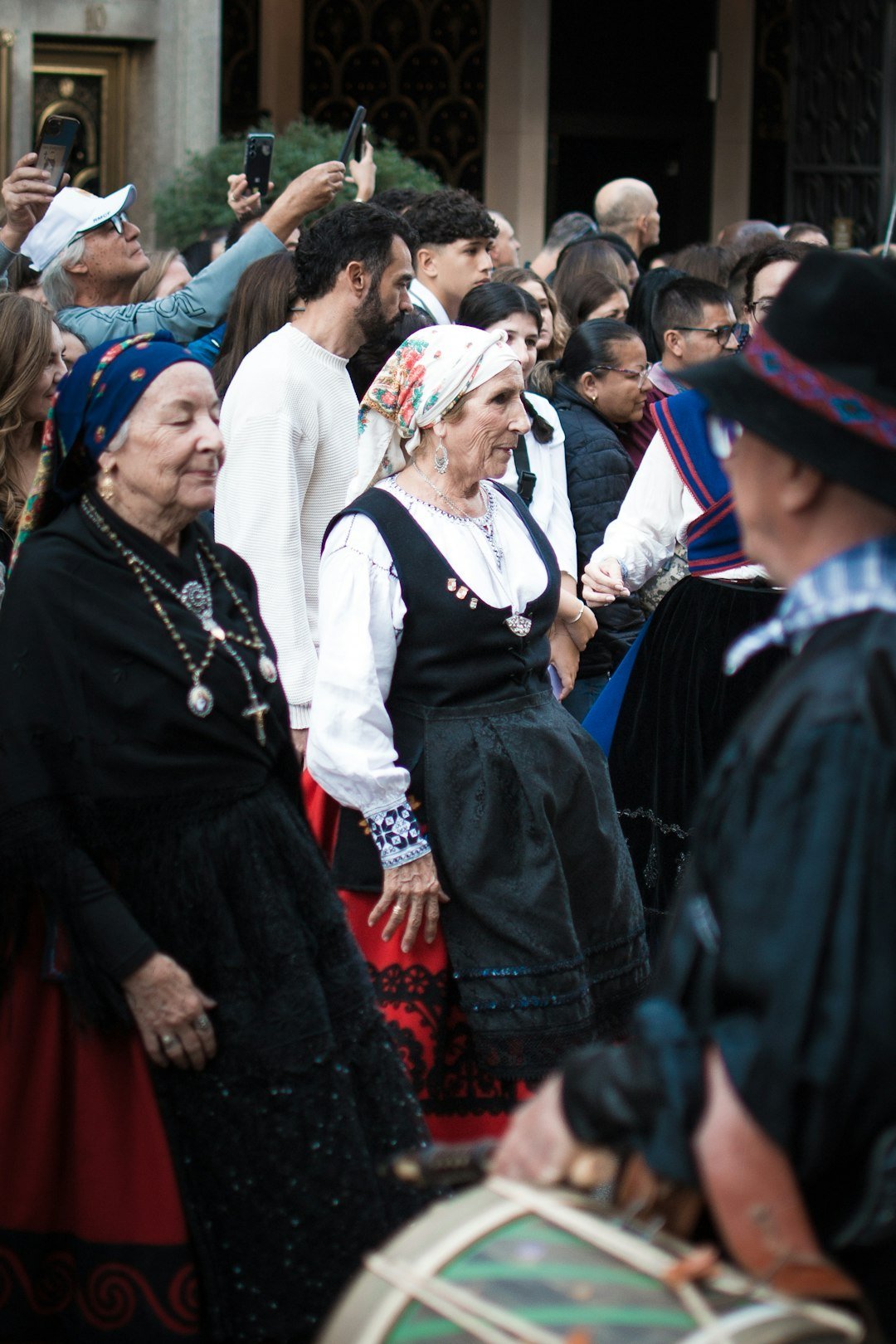
One of the most beautiful things about storytelling is that while it is universal, it is also wonderfully particular. Every culture has developed its own rituals, its own characters, its own styles. The peoples of sub-Saharan Africa have strong storytelling traditions. In many parts of Africa, after dinner, the village congregates around a central fire to listen to the storyteller. As in other cultures, the role of the storyteller is to entertain and educate. Long part of western African culture are the griots: storytellers, troubadours, and counsellors to kings.
In Japan, the rakugo tradition is performed in monologues by a single storyteller, called a hanashika. The storytellers are similar to comedians, and they tell tales of daily life and reinforce historical and moral lessons. Meanwhile, in the Hawaiian tradition, the word for story is “moʻolelo,” which also means history, legend, and tradition. The term combines mo’o (succession) and olelo (language or speaking), reflecting the oral nature of storytelling. Hawaiian storytelling integrated spoken words, mele (song), oli (chant), and hula (dance).
Despite the vast diversity of cultures, certain themes in storytelling are universal. Themes such as love, heroism, adventure, and overcoming adversity are found in stories from all corners of the globe. These universal themes resonate with people regardless of their cultural background, highlighting the commonalities in human experiences and emotions. Different voices, same deep hunger. I think that says something profound about us as a species.
Literature Through the Ages: From Scrolls to Shelves

The invention of writing was, among many things, an act of radical preservation. With the advent of writing and the use of stable, portable media, storytellers recorded, transcribed and continued to share stories over wide regions of the world. Suddenly a story didn’t need a living human to carry it. It could survive drought, war, and the death of its author.
Literature is omnipresent in human life and society and it both represents and shapes important human sentiments, civilization, and intellect. Written literature did something that even the most gifted oral tradition struggled to do consistently. It allowed a single author’s inner world to land, intact, in the minds of readers separated by centuries. The echoes of ancient storytelling reverberate through literature, shaping its core and leaving an everlasting imprint. Cultural heritage finds refuge in tales passed down through generations, whether in the oral traditions of yore or meticulously written manuscripts. The stories continue to inspire contemporary literature, where authors draw from archetypal characters and allegorical elements, creating a rich tapestry of intertextuality.
Narratives shape our worldview by providing context and meaning. They inform our beliefs, values, and behaviors, often operating beneath our conscious awareness. The stories we hear during childhood significantly influence our understanding of right and wrong, shaping our moral compass. In this way, narratives are not just passive reflections of culture; they actively construct and reinforce the societal norms that govern our lives. That’s a sobering thought. The stories we read as children don’t just entertain us. They quietly wire us.
Storytelling in Modern Media: The Ancient Art in New Clothes

Here’s the thing. People sometimes speak about modern media as if storytelling has somehow been diluted or cheapened. I’d push back on that. The form has changed. The need hasn’t. In contemporary contexts, storytelling encompasses a wide array of formats, including films, video games, and social media, where narratives can be collaboratively developed across distances.
In the 21st century, oral storytelling has found new life in the digital world. Podcasts, short-form video, immersive streaming series – these are all, at their core, fireside stories told at a planetary scale. Today, storytelling in culture is preserved through videos, films, audio recordings, social media, and other digital formats. These mediums have expanded the ways in which culture is shared globally, creating hybrid cultures where traditional narratives adapt to new forms and settings.
As digital technologies alter how stories are told and consumed, contemporary writers progressively incorporate non-linear storytelling, multimodal formats, and interactive elements into their works. This research explores how innovations like social media, virtual reality, and data-driven culture impact narrative techniques, character development, and thematic focus. Think of a great streaming series that unfolds across multiple seasons, building a world that millions of people live inside simultaneously. That is mythology for the modern age. It just comes with a subscription fee.
Why Stories Still Move Us: The Neuroscience of Narrative

Beyond culture, beyond history, there is something happening in the human brain when a story takes hold. Storytelling is a means for sharing and interpreting experiences. Human life is narratively rooted, as humans construct their lives and shape their world in terms of these groundings and memories. Stories are universal in that they can bridge cultural, linguistic and age-related divides.
Research suggests that humans are naturally inclined to engage with stories, which often reflect universal themes related to nature, human origins, and extraordinary figures. Think of it like this. Data is a list of ingredients. A story is the meal. One informs us. The other feeds us. Telling stories is a nurturing act for the listener, who is connected to the storyteller through the story, as well as for the storyteller, who is connected to the listeners through the story.
The power of a well-told story lies in its ability to cut through the noise and build lasting emotional connections. That’s true whether the “noise” is the ambient chaos of ancient village life or the overwhelming scroll of a social media feed. A genuinely good story always finds a way through.
The Narrative Thread That Connects Us All
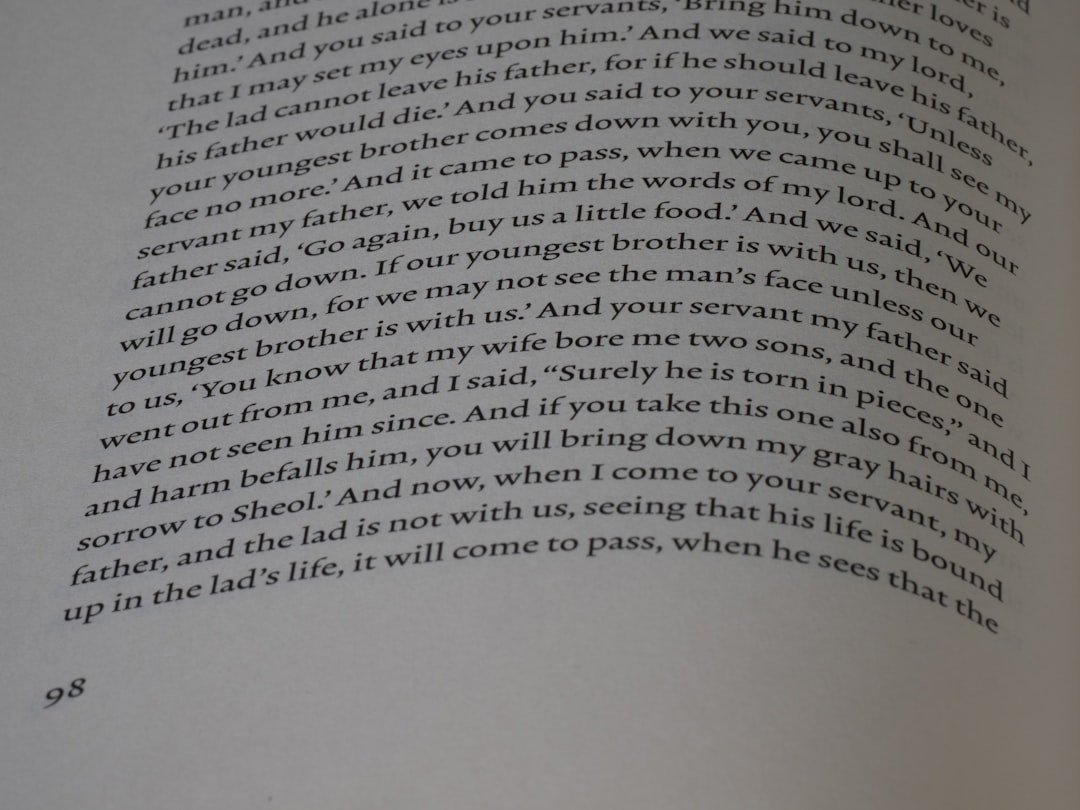
We are living in a time of enormous technological change, and it’s easy to wonder whether the oldest human traditions can survive it. Yet storytelling has weathered every revolution, from the invention of writing to the printing press, from radio to cinema, from television to the internet. Storytelling has persisted across centuries, evolving in form while retaining its fundamental role in preserving and transmitting cultural values.
Storytelling, in its many forms, remains a vital part of the human experience. It is a universal language that transcends borders and connects us to our past, to each other, and to the world around us. As societies continue to evolve, the stories we tell and how we tell them will also change, but their importance in our cultural and personal identities will remain constant.
Story is the avenue that allows us to know and understand other people. Without the ability to share stories, the world would be empty, because ultimately, meaningful conversations and interactions happen through the medium of storytelling. A world void of stories would lack connection, and humanity would be marked by isolation and loneliness. Somehow, across every rupture in human history, the story has always returned. Not because it is traditional. Because it is necessary.
Conclusion: The Story Is Never Really Over

The Paleolithic artist pressing her hand to a cave wall and the podcaster recording in her apartment in 2026 are, in the most essential sense, doing the same thing. They are reaching across the darkness, hoping someone on the other side will understand. Hoping to be less alone.
The art of storytelling is not just a relic of the past but a beacon for the future, guiding us through the complexities of life and reminding us of our shared humanity. Every generation inherits the stories of those before and then adds its own chapter, its own voice, its own particular way of saying: this is what it felt like to be alive.
Advanced technology has transformed storytelling methods, bringing narratives from cave walls to movies, digital technology, and video games. But despite increasingly sophisticated technology, the human need to tell individual and collective stories remains the same. The tools will keep changing. The fire at the center of the circle will not. In the end, perhaps the most enduring story of all is the one about a species that, no matter what it faced, never stopped telling stories.
What story has stayed with you longest, and do you think you know why?

Besides founding Festivaltopia, Luca is the co founder of trib, an art and fashion collectiv you find on several regional events and online. Also he is part of the management board at HORiZONTE, a group travel provider in Germany.
