


- 15 Forgotten Musical Instruments That Deserve a Comeback on Today’s Charts - March 25, 2026
- 10 Most Iconic American Books Ever Written - March 25, 2026
- 10 Little-Known Gardening Secrets That Professional Growers Swear By - March 25, 2026
Every year, millions put on masks, fill the streets with music, and surrender to days of wild celebration. Carnival seems like pure joy, doesn’t it? A glorious excuse to dance, feast, and forget the rules for a while. Yet beneath those glittering costumes and pounding drums lies a history far stranger and more complex than most realize. This isn’t just a party that appeared out of nowhere.
The roots run deep, twisting through ancient rituals, power struggles, and attempts by empires to control the uncontrollable. What you see today is only the surface. Let’s be real, what’s hiding under those masks goes back thousands of years, and not all of it is pretty.
Ancient Rome’s Wild Festivals That Broke Every Rule
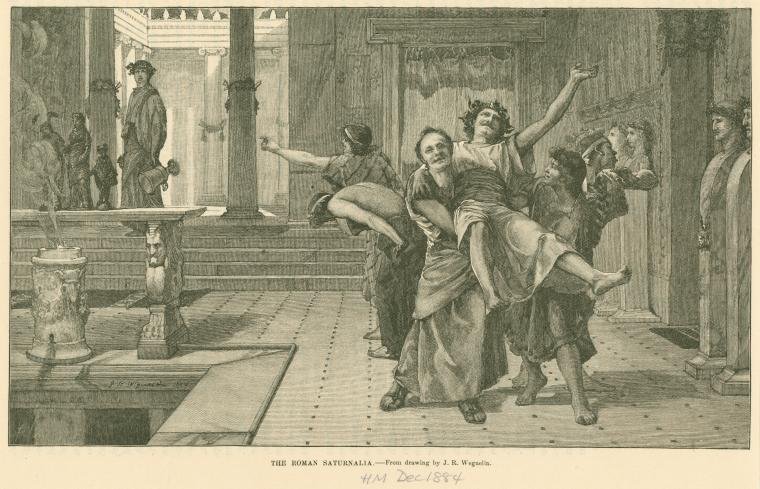
Saturnalia, held in mid-December, is an ancient Roman pagan festival honoring the agricultural god Saturn. Think of it as controlled chaos. Romans spent Saturnalia gambling, singing, playing music, feasting, socializing and giving each other gifts. Sounds fun, right?
Here’s the thing though. The Roman poet Catullus famously described it as ‘the best of times.’ Slaves temporarily became equals. Masters served their servants. Social order flipped upside down for a few precious days. Imagine that kind of reversal happening in your world right now.
Lupercalia, also known as Lupercal, was a pastoral festival of Ancient Rome observed annually on February 15 to purify the city, promoting health and fertility. This one gets even wilder. Picture young priests running nearly naked through the streets. The rituals involved animal sacrifice and weren’t exactly family friendly by today’s standards.
Christianity’s Clever Takeover Strategy
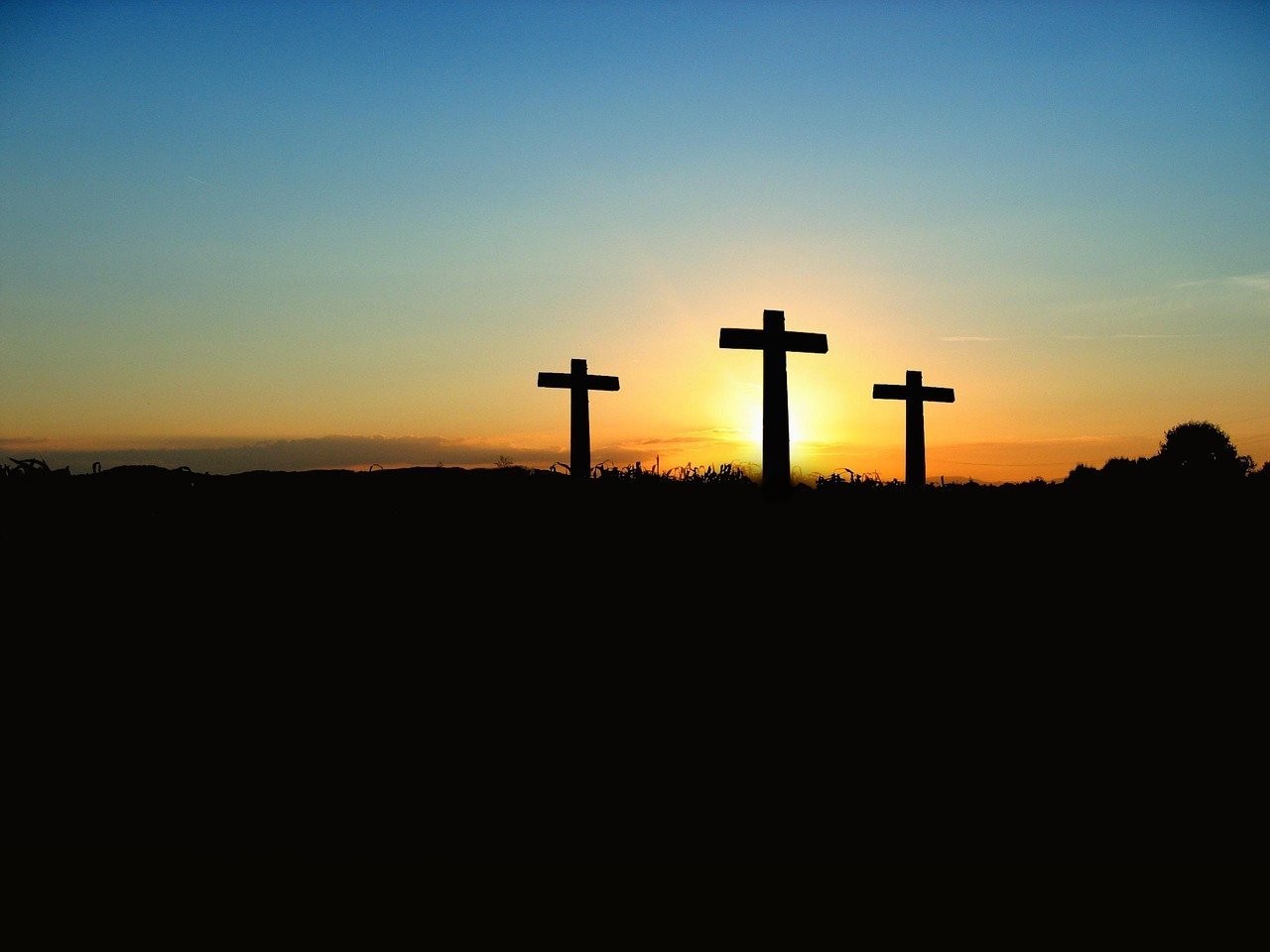
When Christianity spread across Europe, Church leaders faced a problem. People loved their pagan festivals way too much to just give them up. So instead of banning these celebrations outright, something smarter happened.
By the fourth century A.D., Western Christian churches settled on celebrating Christmas on December 25, which allowed them to incorporate the holiday with Saturnalia and other popular pagan midwinter traditions. The Church essentially repackaged old festivals with new Christian meaning. It’s hard to say for sure, but this might be one of history’s most successful rebranding campaigns.
Carnival got placed right before Lent, the forty days of fasting before Easter. The timing wasn’t accidental. It gave people one last chance to indulge before weeks of restraint. Think of it as a pressure valve for society.
What the Word ‘Carnival’ Really Means
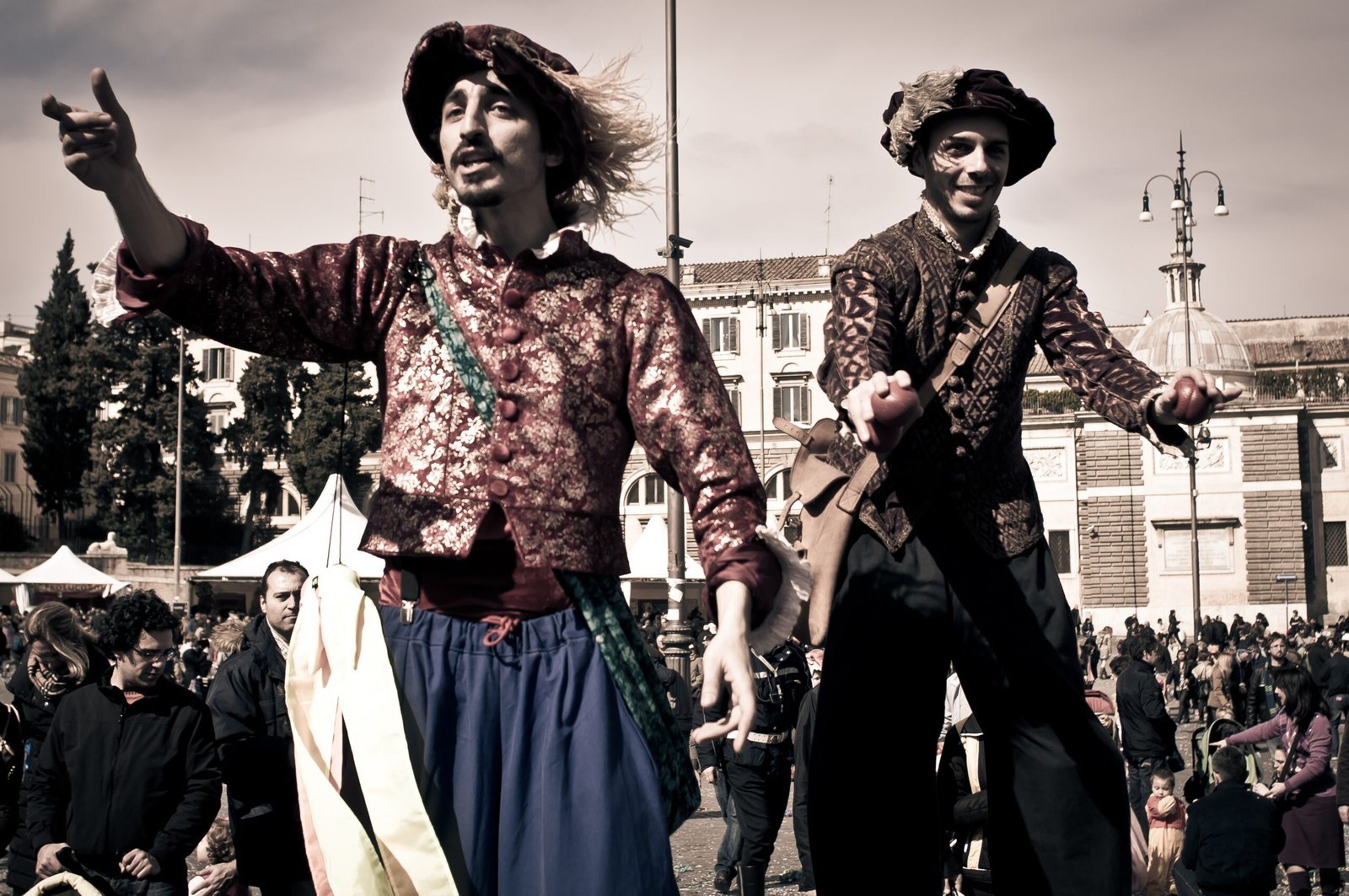
The word carnival is said to come from the Late Latin expression carne levare, which means ‘remove meat’; a folk etymology derives it from carne vale, ‘farewell to meat’. Both explanations point to the same reality. This signifies the approaching fast of Lent.
There’s another theory though. Other scholars argue that the origin of the word is a common meat-based country feast (in Latin carnualia) or the festival of the Navigium Isidis (‘ship of Isis’), where the image of Isis was carried to the seashore to bless the start of sailing season. So which is correct? Honestly, scholars still debate this. The true origin might be lost to time.
What matters is what it represented. One final feast, one last burst of freedom before entering a period of denial and reflection.
Venice’s Masks That Let People Become Someone Else
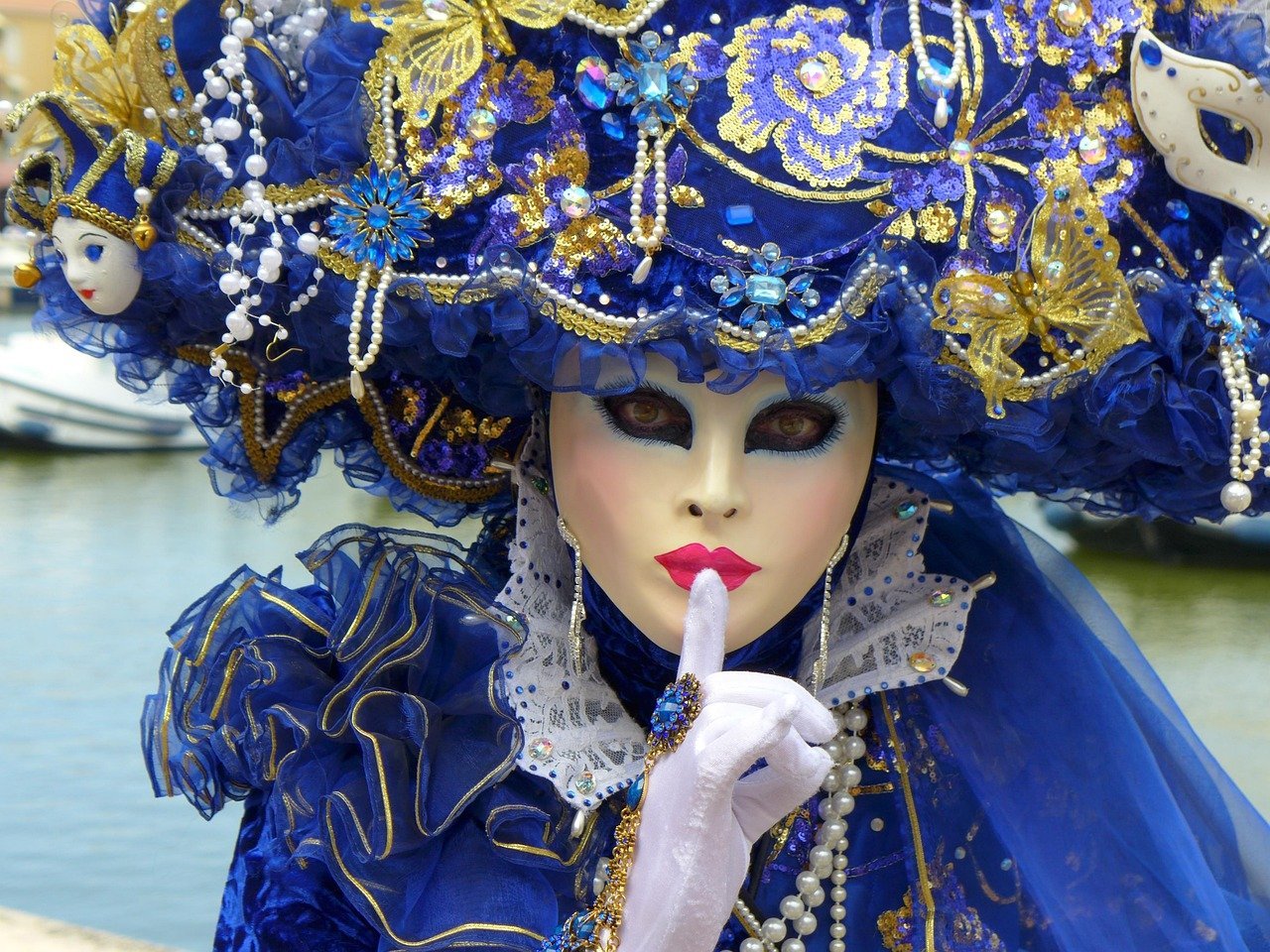
The Carnival of Venice was, for a long time, the most famous Carnival (although Napoleon abolished it in 1797 and only in 1979 was the tradition restored). Venice turned masking into an art form. For months each year, people hid their identities behind elaborate masks and costumes. Social barriers dissolved. A noble might chat with a commoner and never know it.
People have been wearing masks in Venice for over a thousand years. The Venice carnival was, therefore, not born out of any desire for tourist entertainment. Masquerade balls became legendary spaces where intrigue, romance, and danger mixed freely.
The masks served a deeper purpose. They allowed people to escape rigid social hierarchies, if only temporarily. Behind a mask, you could be anyone. You could do things your normal identity wouldn’t permit.
How African Rhythms Transformed Brazil’s Celebration
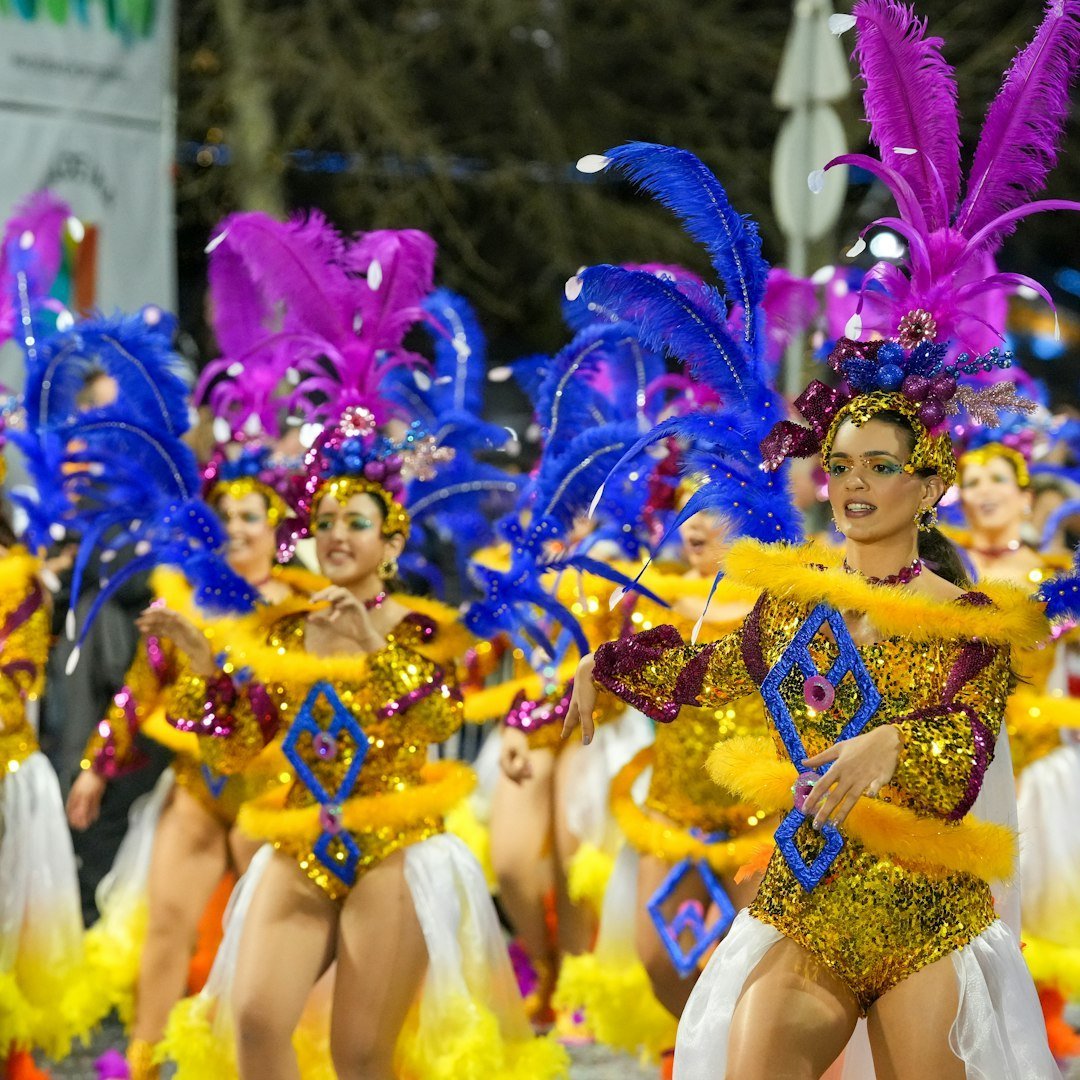
Brazilian carnival in essence is a synthesis of European, Native American, and Afro-Brazilian cultural influences, each group has played an important role in the development of the structure and aesthetic of the Brazilian carnival of today. Brazil’s version didn’t just copy European traditions. It created something entirely new.
Brazilian Carnival has roots in both Portuguese and African traditions. Back in the 16th century, the Portuguese introduced a pre-Lenten festival called ‘Entrudo.’ As Entrudo was brought to Brazil, it began to blend with the traditions of Indigenous and African cultures, which brought vibrant rhythms and dances to the celebration.
Traits seen as quintessentially Brazilian and central to Carnaval – such as the music and dance of samba – originated in the slave communities of Northeast Brazil, developed by people whose very humanity was denied for most of Brazil’s history. There’s the paradox. Enslaved people created what became Brazil’s most celebrated cultural expression. Their suffering produced art that now defines national identity.
Samba emerged from pain, resistance, and survival. Those rhythms carried memories of Africa mixed with the harsh reality of plantation life. Today it’s nearly impossible to imagine Brazilian Carnival without it.
New Orleans Made It Uniquely American

The first record of Mardi Gras being celebrated in Louisiana was at the mouth of the Mississippi River in what is now lower Plaquemines Parish, Louisiana, on March 2, 1699. Iberville, Bienville, and their men celebrated it as part of an observance of Catholic practice. French colonists brought the tradition to North America. It took root in the swampy soil of Louisiana and grew into something distinctly different.
Mardi Gras has been celebrated in Louisiana since the 18th century, brought by French settlers. Today’s traditions stem from European carnival customs mixed with local culture, creating a uniquely New Orleans spectacle.
Organizations called krewes became central to the celebration. They founded New Orleans’ first and oldest krewe, the Mistick Krewe of Comus. These secret societies organized elaborate parades that still roll through the streets each year. The tradition blends French sophistication, African American creativity, and American showmanship into one intoxicating mix.
Caribbean Islands Added Their Own Spice
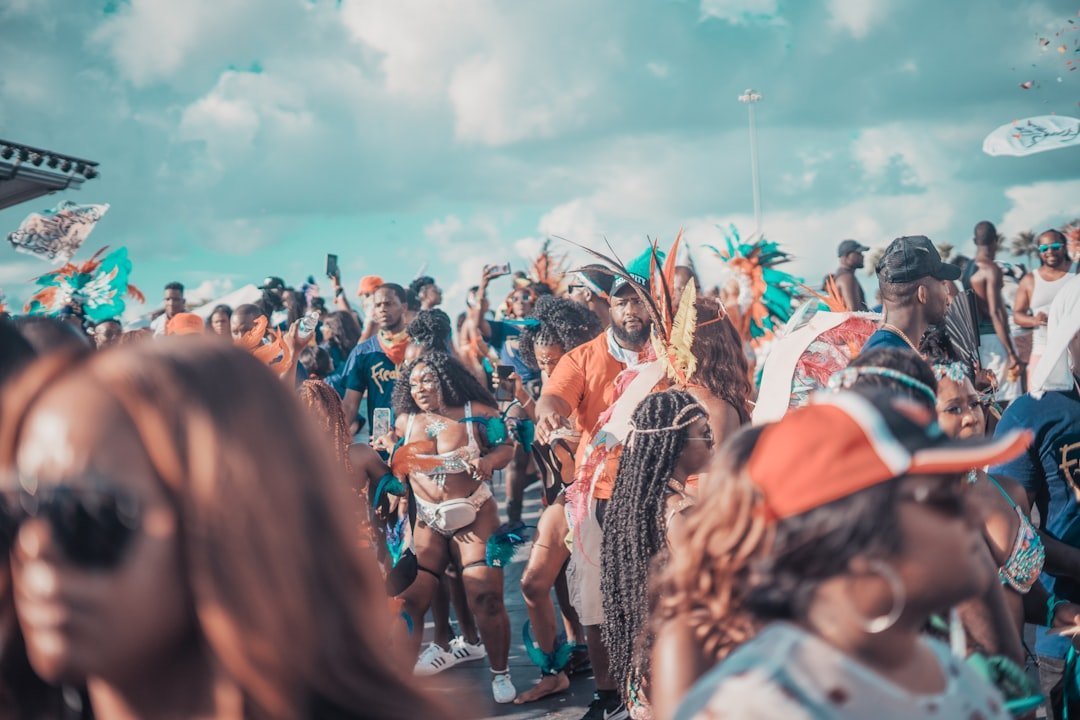
Caribbean Carnival evolved with its own distinct flavor, shaped by colonial history and African diaspora cultures. Islands throughout the region developed unique styles. Trinidad’s Carnival became famous for calypso music and steel pan drums. Other islands added their particular ingredients to the mix.
The Caribbean versions often carry stronger connections to resistance and liberation. Many celebrations commemorate the end of slavery. Costumes and performances tell stories of survival, triumph over oppression, and cultural resilience.
What connects all these celebrations across the Caribbean is that sense of reclaiming space and time. For people whose ancestors endured unimaginable hardship, Carnival represents freedom made visible.
The Social Inversion That Made Masters Serve Slaves
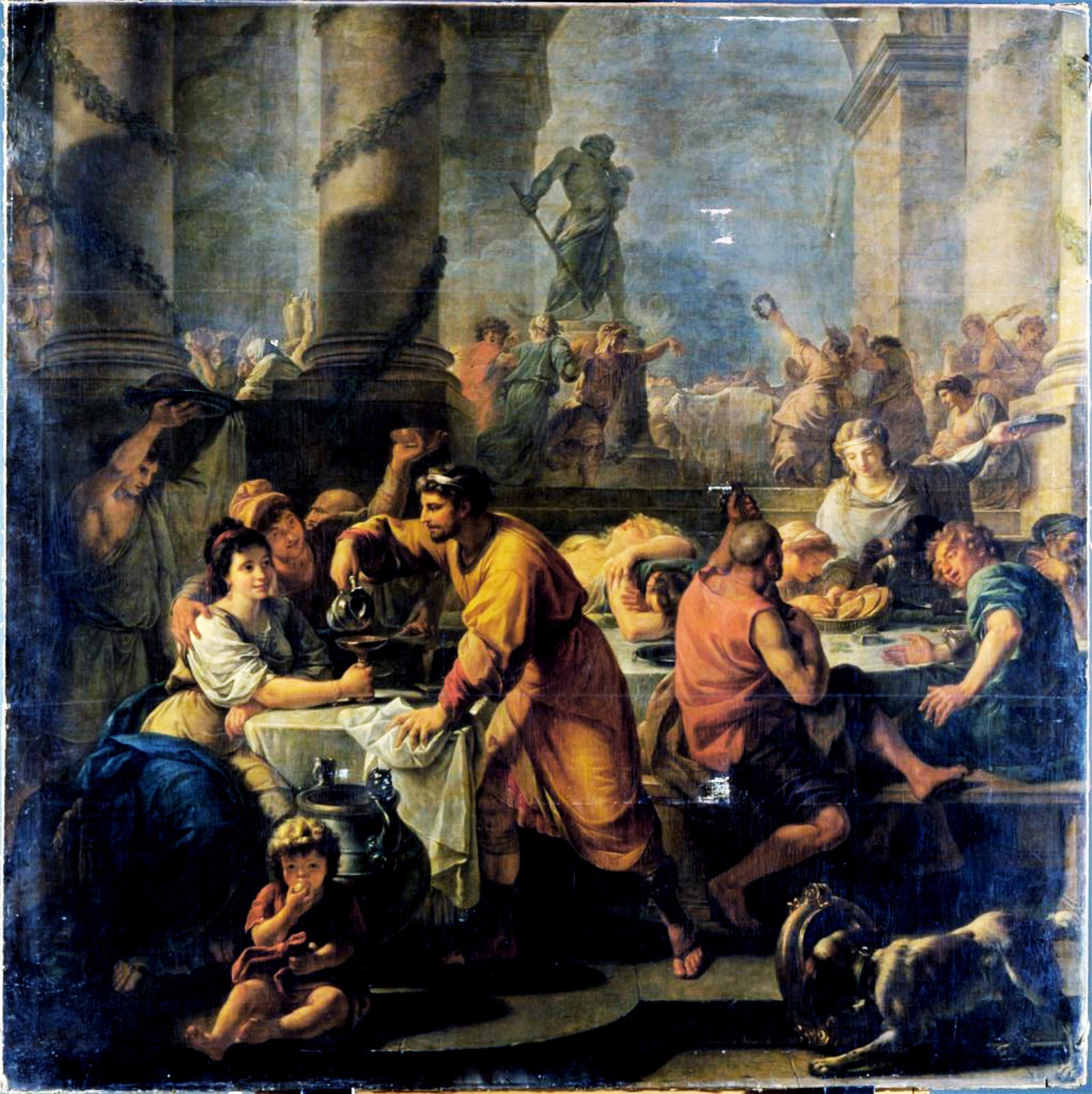
Macrobius describes the reign of Justinus’s ‘king Saturn’ as ‘a time of great happiness, both on account of the universal plenty that prevailed and because as yet there was no division into bond and free – as one may gather from the complete license enjoyed by slaves at the Saturnalia.’ During these festivals, the normal order simply stopped applying.
A mock king was chosen: the Saturnalicius princeps, or ‘leader of Saturnalia,’ sometimes also called the ‘Lord of Misrule.’ The idea was that he ruled over chaos, rather than the normal Roman order. Authorities allowed this temporary madness because it served a purpose. Better to let people blow off steam in controlled bursts than risk real revolution.
This inversion wasn’t accidental. It functioned as society’s safety mechanism. Give people a taste of equality, let them mock authority, then return everything to normal. Clever, when you think about it.
When the Church Tried (and Failed) to Stop It
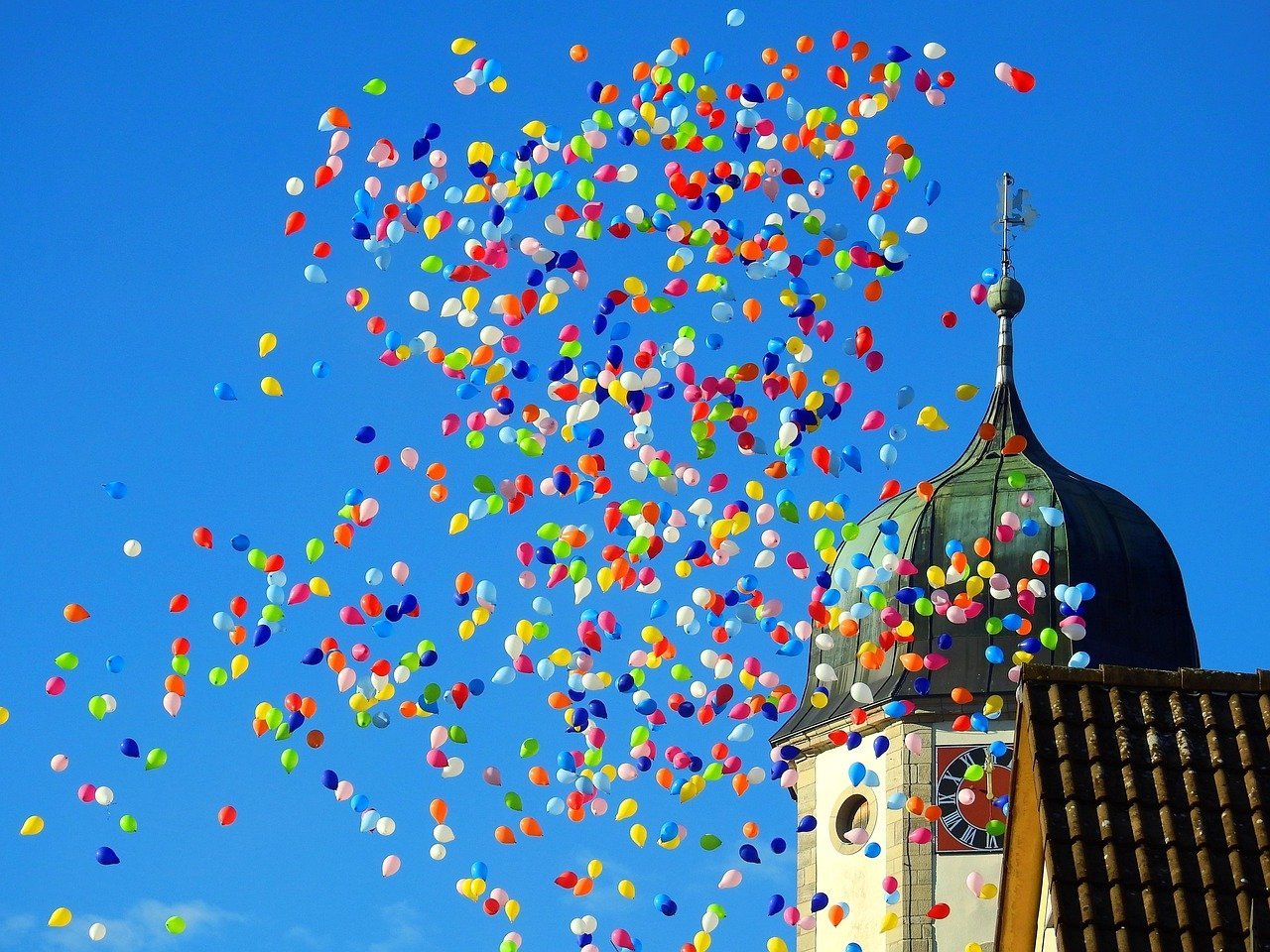
Church authorities often viewed Carnival with suspicion. Too much drinking. Too much flesh on display. Too much disorder. Around AD 200, Tertullian had berated Christians for continuing to celebrate the pagan Saturnalia festival. The complaints continued for centuries.
Yet the celebrations persisted. Despite the banning in 391 of all non-Christian cults and festivals, the Lupercalia was celebrated by the nominally Christian populace on a regular basis into the reign of the emperor Anastasius. People refused to let go of their festivals, regardless of official disapproval.
Eventually, the Church stopped fighting and started absorbing. If you can’t beat them, rebrand them as your own. That pragmatic approach explains why so many pagan elements survived within Christian celebrations.
The Masks That Protected Identity and Enabled Transgression
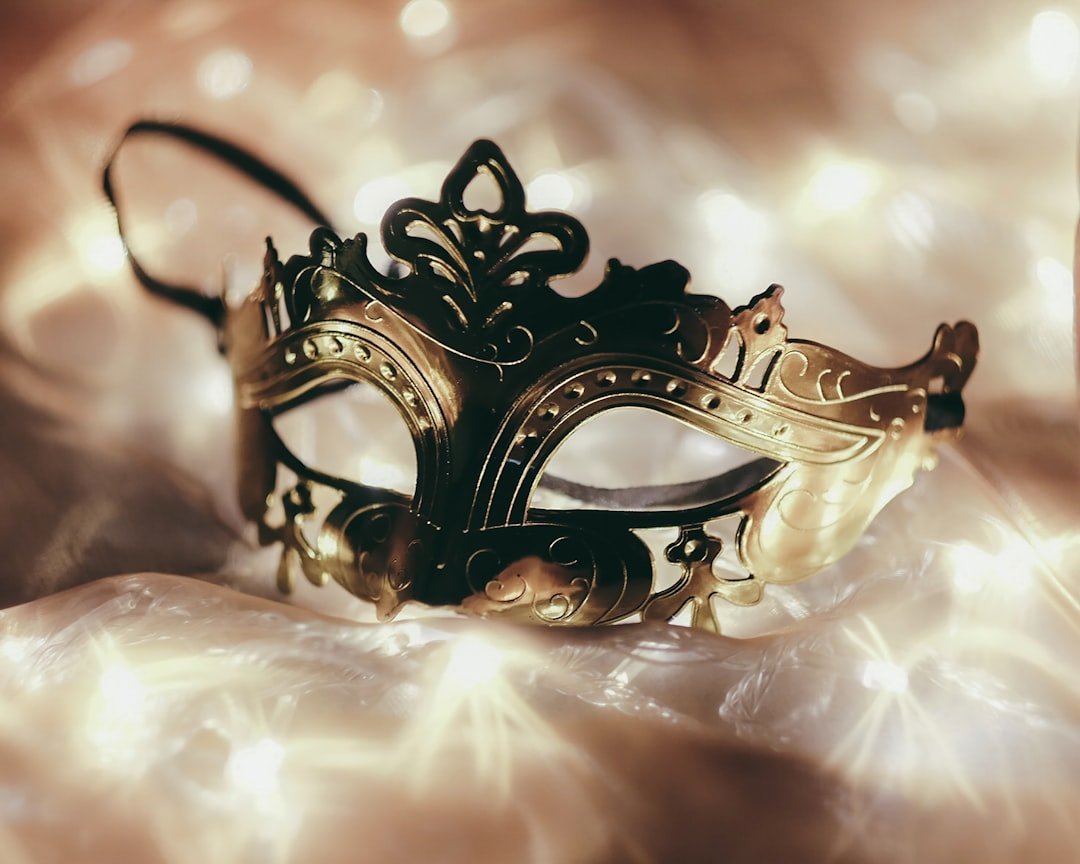
Masks do more than hide your face. They create psychological distance from your everyday self. Behind a mask, normal rules don’t quite apply. You can flirt more boldly. Mock authority more freely. Cross boundaries you’d never approach otherwise.
In Venice, masks became so common that laws eventually restricted when people could wear them. Authorities worried about crimes committed by masked individuals who couldn’t be identified. The very thing that made Carnival liberating also made it potentially dangerous.
Throughout Carnival traditions worldwide, masks serve this dual purpose. They protect and they permit. They’re tools of freedom and tools of mischief. That tension has always been part of the appeal.
Modern Carnival’s Complicated Relationship With Its Past

Today’s Carnivals walk a strange line. They celebrate traditions born from oppression while often obscuring that history. Carnaval presents a sanitized version of the Afro-Brazilian experience for national consumption, elevating the cultural contributions of Black Brazilians while eliding the violence that has been done to the Black body in Brazil.
Tourism plays a massive role now. Rio de Janeiro’s carnival alone drew 6 million people in 2018, with 1.5 million being travelers from inside and outside Brazil. That kind of economic impact transforms traditions. What began as grassroots celebrations become highly commercialized spectacles.
The tension between authentic cultural expression and tourism-driven performance shapes modern Carnival everywhere. Some argue commercialization destroys the soul of these traditions. Others say it keeps them alive and relevant. Both might be right.
Why We Still Need This Madness
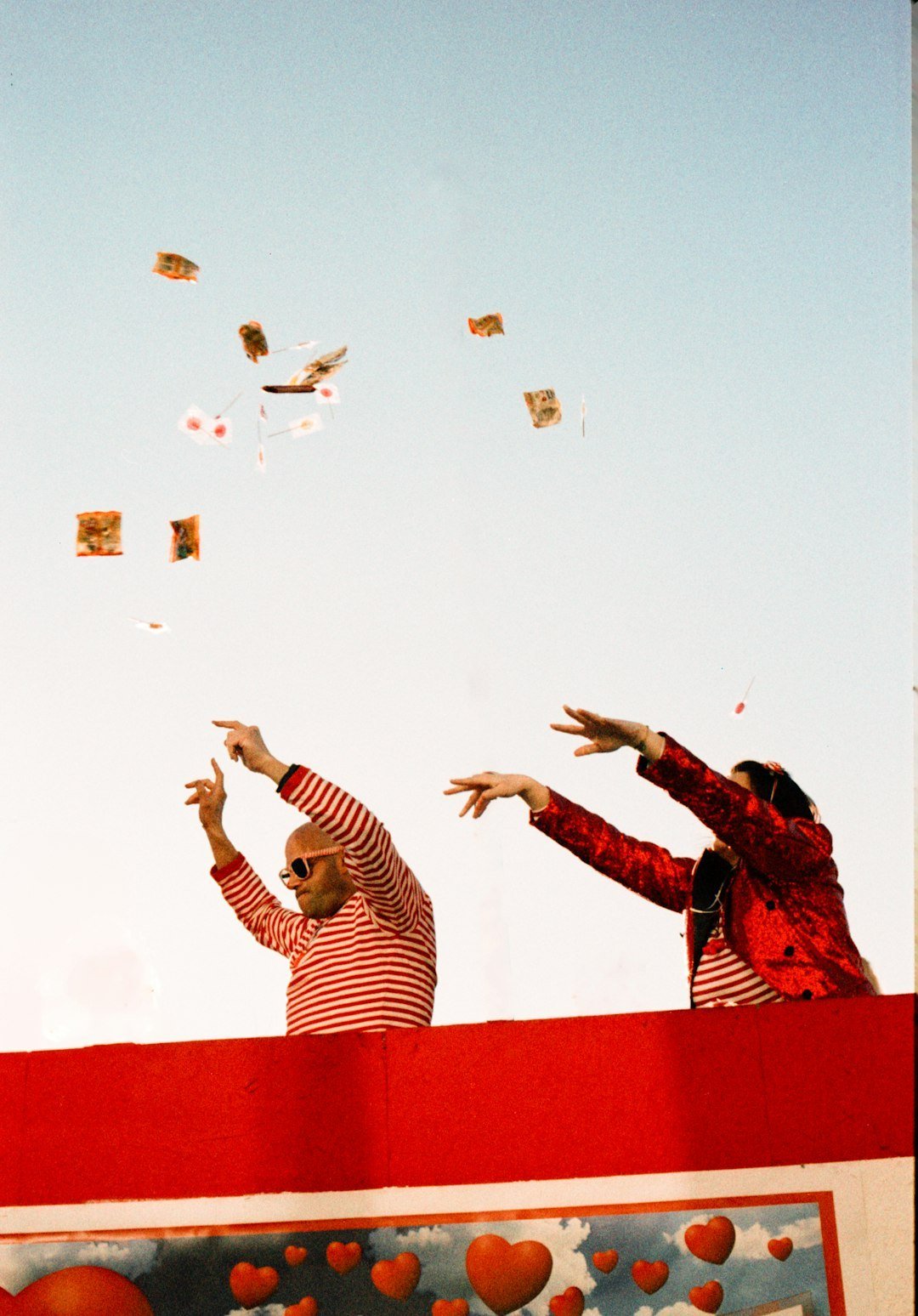
At its core, Carnival fulfills something fundamental in human nature. We need periodic release from constraint. We need moments when the usual rules don’t apply. We need to remember that social hierarchies aren’t natural law, just agreements we can temporarily suspend.
Carnaval (Karneval, Fasching or Fastnacht in Germany) mixed pagan traditions with Christian traditions. Every culture found its own way to create these pressure release valves. The specific forms differ, but the underlying need remains constant.
Think about your own life. When do you get to truly let go? When can you be someone different for a day? That’s what Carnival offers, and why it persists despite centuries of authorities trying to control or eliminate it.
The Beautiful Contradiction at Carnival’s Heart

Carnival embodies contradiction. It’s celebration and critique. Liberation and containment. Authentic tradition and performed spectacle. Ancient ritual and modern entertainment. All at once.
These contradictions don’t weaken Carnival. They make it powerful. Real life is contradictory. Carnival acknowledges that truth in ways more rigid celebrations never could.
The masks and costumes aren’t meant to deceive. They reveal. Behind disguises, people show aspects of themselves normally kept hidden. The madness is honest in ways everyday politeness never allows.
So when you watch Carnival footage or perhaps attend one yourself, remember you’re seeing something ancient and strange dressed up as a party. Those traditions carry ghosts of Roman slaves tasting temporary freedom. African rhythms born from suffering. Medieval peasants mocking their lords. All woven together into one glorious, complicated, utterly human celebration.
What do you think lies beneath the masks at Carnival? Is it mostly about fun today, or do those darker historical threads still run through the celebration? Share your thoughts.

Besides founding Festivaltopia, Luca is the co founder of trib, an art and fashion collectiv you find on several regional events and online. Also he is part of the management board at HORiZONTE, a group travel provider in Germany.
