

For any feedback please reach out to info@festivalinside.com
- 10 Best Feel Good Movies of All Time - March 13, 2026
- 8 Smart Money Habits We Should All Adopt Now - March 13, 2026
- 8 Mind-Boggling Coincidences From History That Will Make You Question Everything - March 10, 2026
Cinderella’s Violent Transformation
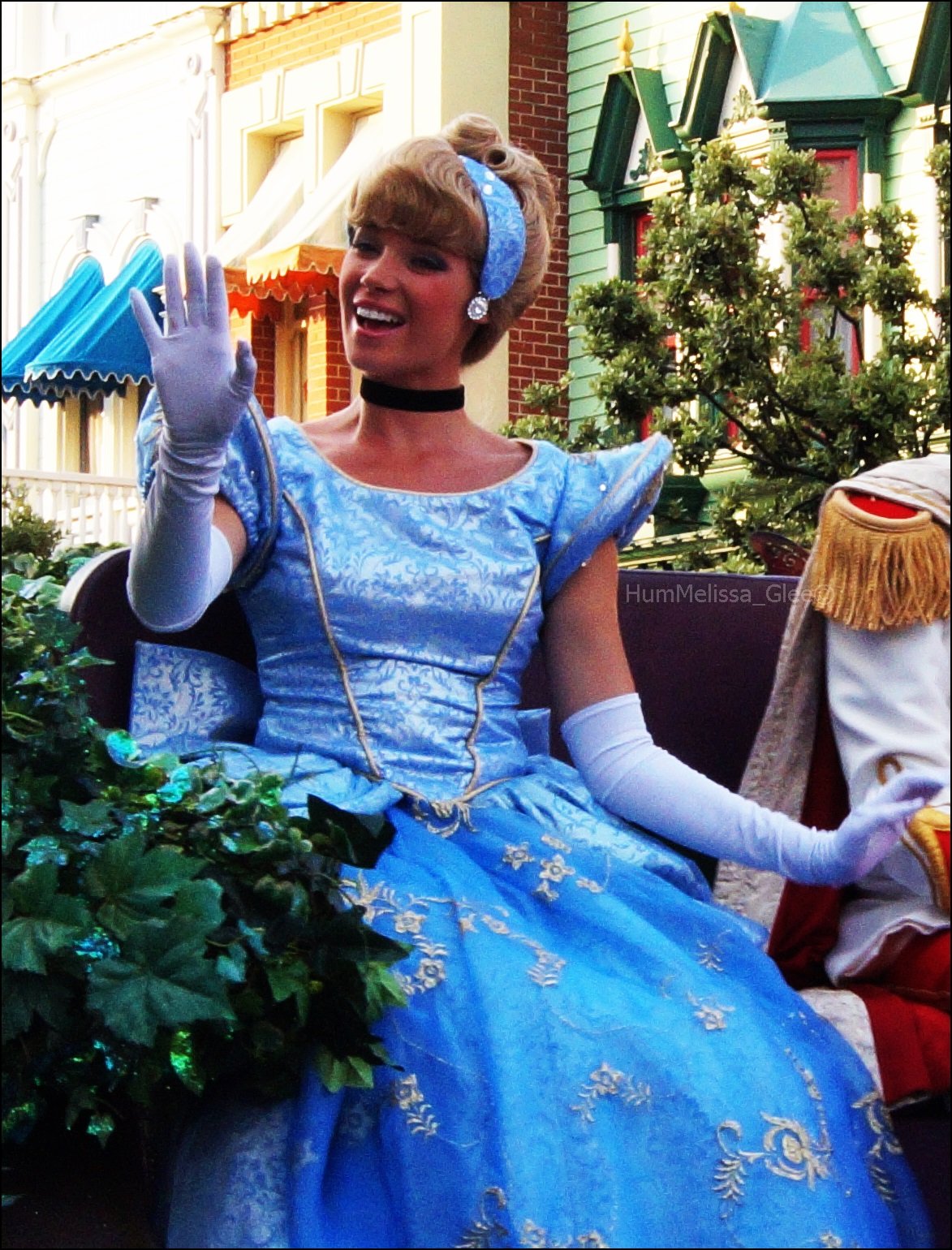
The glass slipper scene might seem romantic today, but the stepsisters cut off different parts of their feet in order to fit into the tiny slipper, but the blood dripping from their shoes gives them away. This brutal detail from the Brothers Grimm version showcases how desperate these women were to secure their future. At their wedding, the magic doves reappear to peck out the evil sisters’ eyes, providing a gruesome finale that makes Disney’s version look like a gentle bedtime story. The fairy godmother didn’t exist in the original German tale either.
There’s no fairy godmother, just white doves sent to help Cinderella by her dead mother, and the prince actually holds three balls. Even earlier versions contained cannibalistic elements where family members consumed each other’s flesh. In the original “Cinderella,” her two stepsisters cut off parts of their feet to try to fit into the glass slipper, proving that the quest for power and status came at any cost in these ancient tales.
Sleeping Beauty’s Horrific Awakening
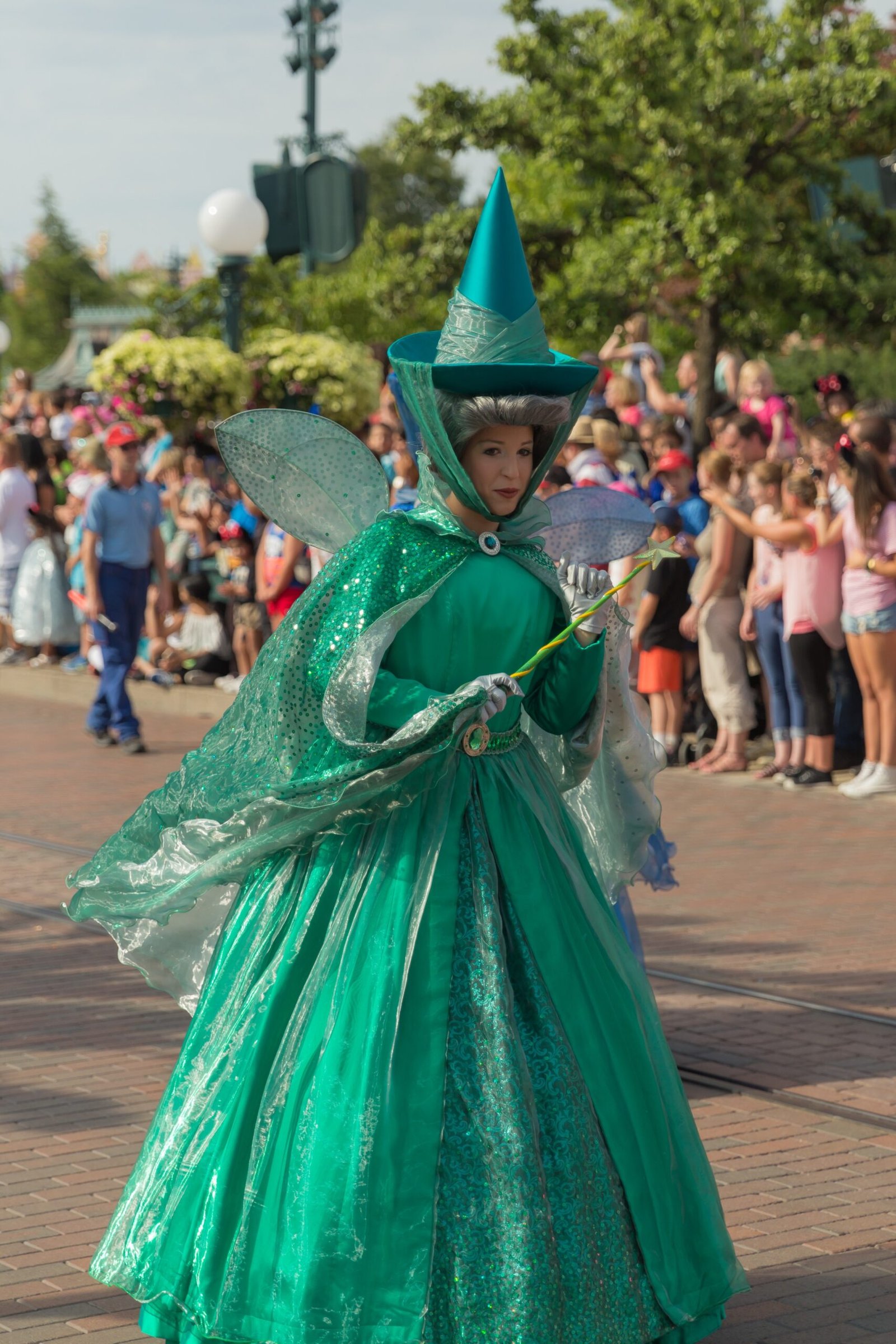
This photograph was taken by Medium69 (William Crochot) and released under the license stated below. You are free to use it for any purpose as long as you credit the author (William Crochot), the Source (Wikimedia Commons) and the license (CC-BY-SA 4.0) in close relation to the image.
Please do not upload an updated image here without consultation with the Author. The author would like to make corrections only at his own source RAW. This ensures that the changes are preserved.Please if you think that any changes should be required, please inform the author.Otherwise you can upload a new image with a new name. Please use one of the templates derivative or extract., CC BY-SA 4.0, https://commons.wikimedia.org/w/index.php?curid=45632554)
She is discovered in her palace by a wandering prince, who “carrie[s] her to a bed, where he gather[s] the first fruits of love.” He abandons her there after the assault and she later gives birth to twins while still unconscious. Giambattista Basile’s 1634 version “Sun, Moon, and Talia” contains no gentle kiss or romantic awakening. One day, the girl cannot find her mother’s breast; instead, she begins to suck her finger and draws the flax splinter out. This disturbing detail shows how one of her own children literally saves her by accident.
The story doesn’t end there, though. Talia sends her twins to the “king” and the queen tells the cook to kill the twins and make dishes out of them. She wants to feed the king his children; instead, the cook takes the twins to his wife and hides them. Every time the king enjoyed his meal, his wife would taunt him saying he was eating his own flesh. The attempted cannibalism and rape make this version completely unsuitable for children, yet it remained popular for centuries.
Little Red Riding Hood’s Grim Fate
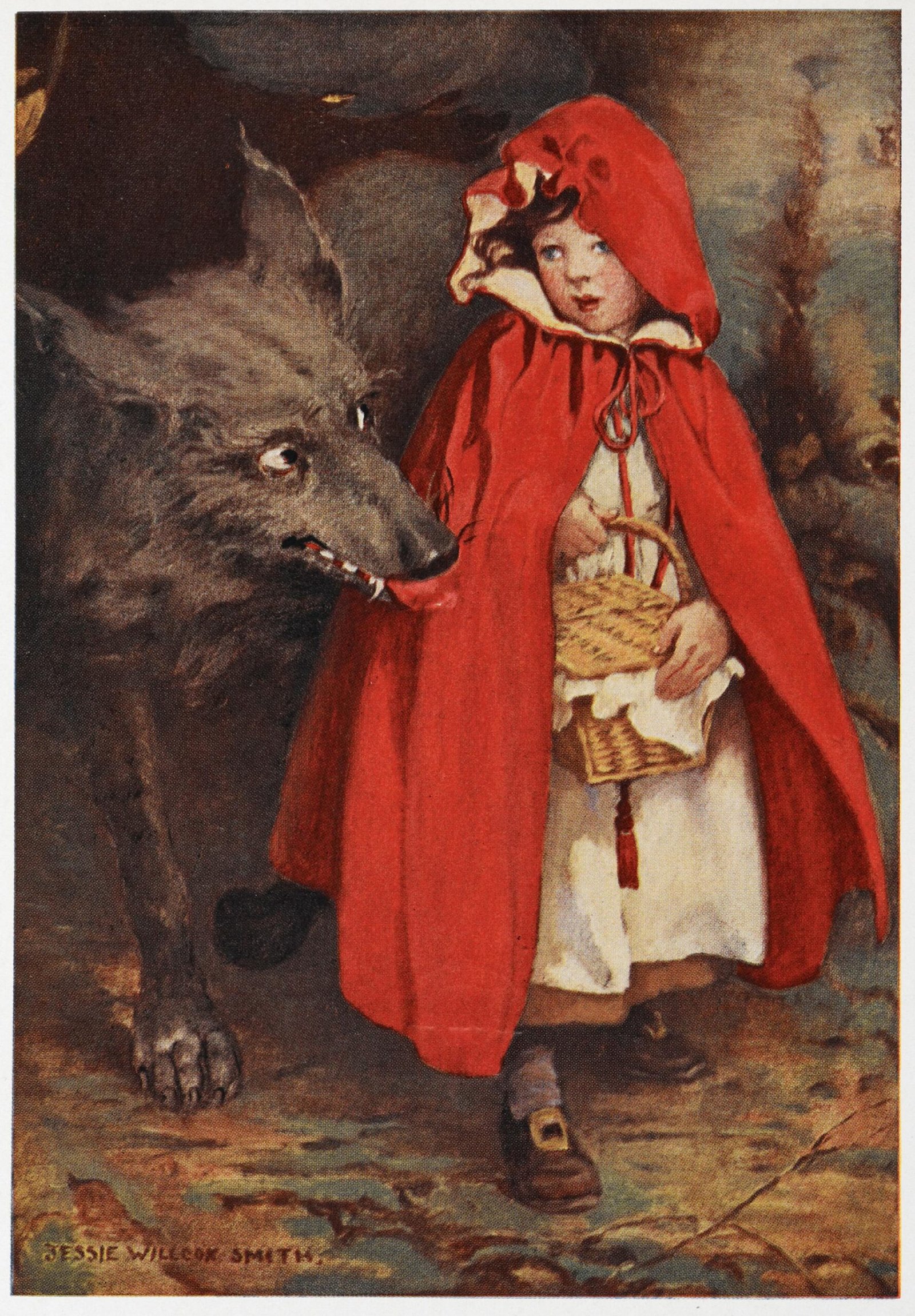
The Perrault version actually ends with Little Red Riding Hood being eaten by the wolf; no one arrives to rescue her. Charles Perrault’s 1697 version served as a warning to young women about predatory men rather than a simple children’s story. Both the Grimm Brothers’ version, and that of French author Charles Perrault, imply that Little Red Riding Hood is the one at fault, not the wolf. She shouldn’t have disobeyed her mother’s orders by veering off the path, and she shouldn’t have spoken to a stranger.
Even more disturbing elements existed in early oral versions. Some variants described the wolf tricking Red into consuming her grandmother’s flesh and blood before devouring her. In the Grimm Brothers’ version, the woodcutter, fortunately, does arrive, although he must cut the wolf’s stomach open to extract Red Riding Hood and her grandmother. He then fills the beast’s stomach with stones and throws him into the river. The violence remained graphic even in the “rescued” versions.
Snow White’s Cannibalistic Queen
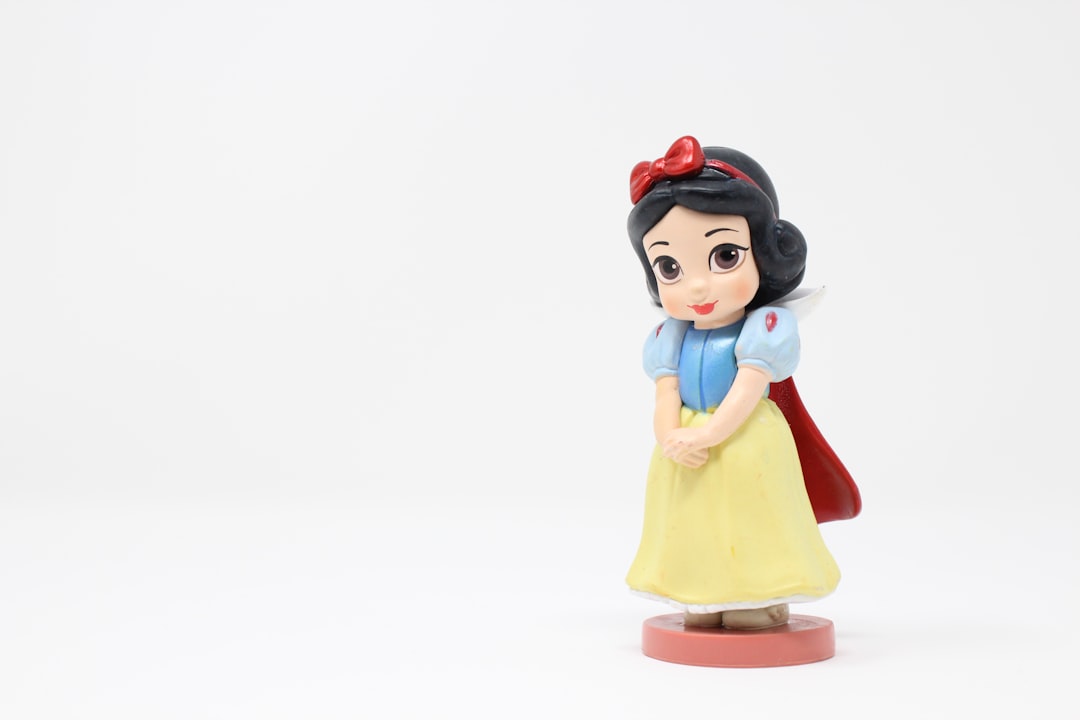
In the early 19th-century version published by the German brothers Jakob and Wilhelm Grimm, the queen wants to devour Snow White’s lungs and liver. This cannibalistic desire wasn’t merely symbolic but reflected the queen’s belief that consuming these organs would restore her youth and beauty. In the original version of the myth, Snow White’s evil stepmother is actually her real mother, who sends assassins to kill Snow White so she can eat her liver and lungs. This brutal cannibalism will supposedly restore the evil queen’s youth.
The wedding punishment was equally severe. In “Snow White” the wicked queen dies after being forced to dance in red-hot iron shoes at the wedding celebration. When the prince rescues and marries Snow White, her evil mother is forced to wear hot iron shoes and dance to death at their wedding. The Brothers Grimm later changed the evil mother to a stepmother, probably to make the story more palatable for family audiences.
Hansel and Gretel’s Famine Origins
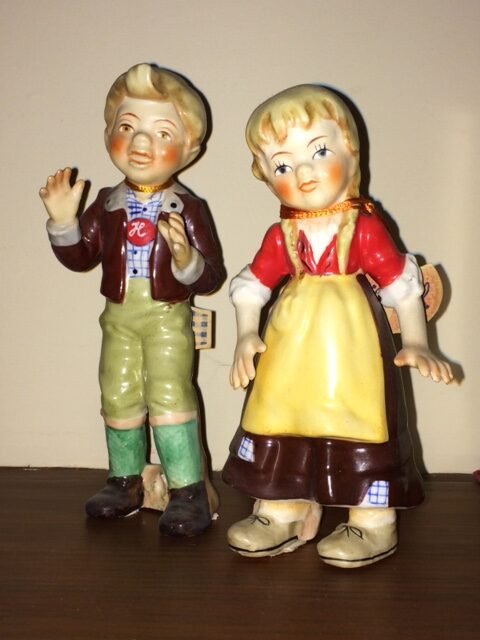
The tale of Hansel and Grendel was inspired by a great famine that devastated Europe during the 14th century. In the 1812 version of “Hansel and Gretel,” a wife persuades her husband to abandon their children in the woods because they don’t have enough food to feed them. This wasn’t just a fictional plot device but reflected real-world conditions where families faced impossible choices during food shortages.
However, the story takes on a different context when one learns that people were resorting to cannibalism at the time. The witch’s desire to fatten up children for consumption would have resonated with audiences who understood the desperation of starvation. The Grimms turned both of these characters into stepmothers in subsequent editions, and mothers have essentially remained off the hook ever since in the retelling of these stories. The original version featuring biological mothers abandoning their children was too disturbing for later audiences.
The Little Mermaid’s Painful Sacrifice
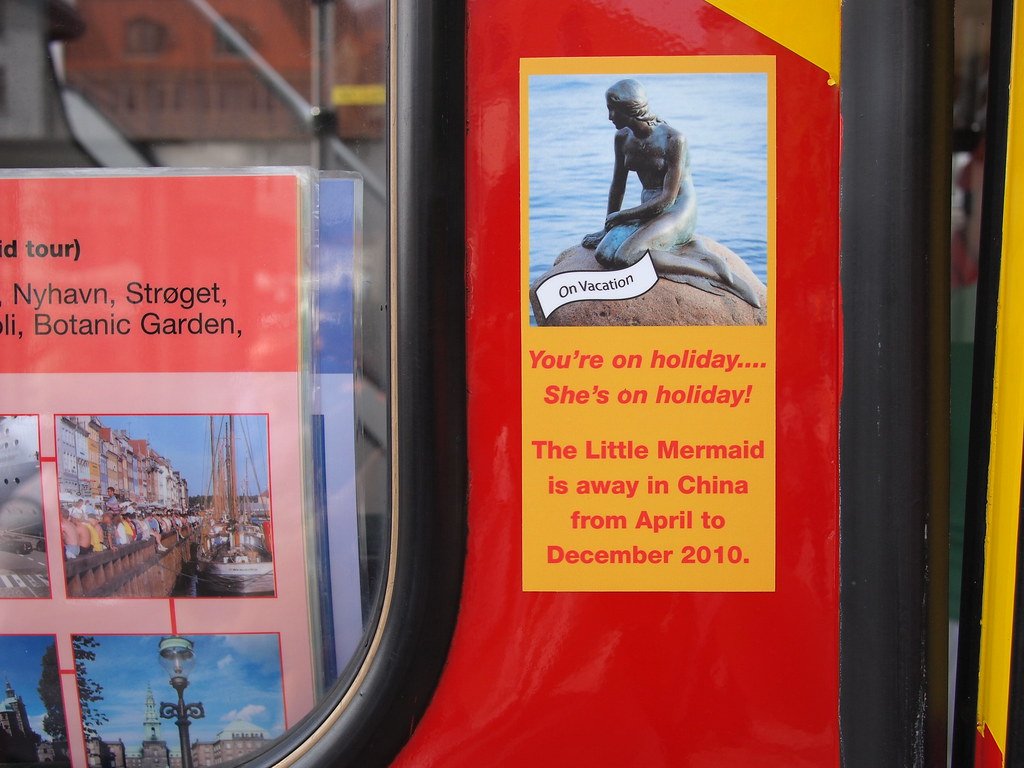
Unlike the movie, the original story doesn’t end happily ever after. Instead, the little mermaid loses her prince to a human bride and smiles at him one last time as she and her sisters rise slowly to heaven. Hans Christian Andersen’s 1837 version contained no happy ending or romantic fulfillment. In Andersen’s telling, the witch silences the little mermaid by cutting off her tongue rather than simply taking her voice.
The physical torture continued throughout the story. Every step the mermaid took on land felt like walking on sharp knives, causing excruciating pain. She endured this agony for love that was never reciprocated, ultimately dissolving into sea foam when the prince married another woman. The story served as a meditation on unrequited love and sacrifice rather than romantic wish fulfillment.
Rumpelstiltskin’s Violent End
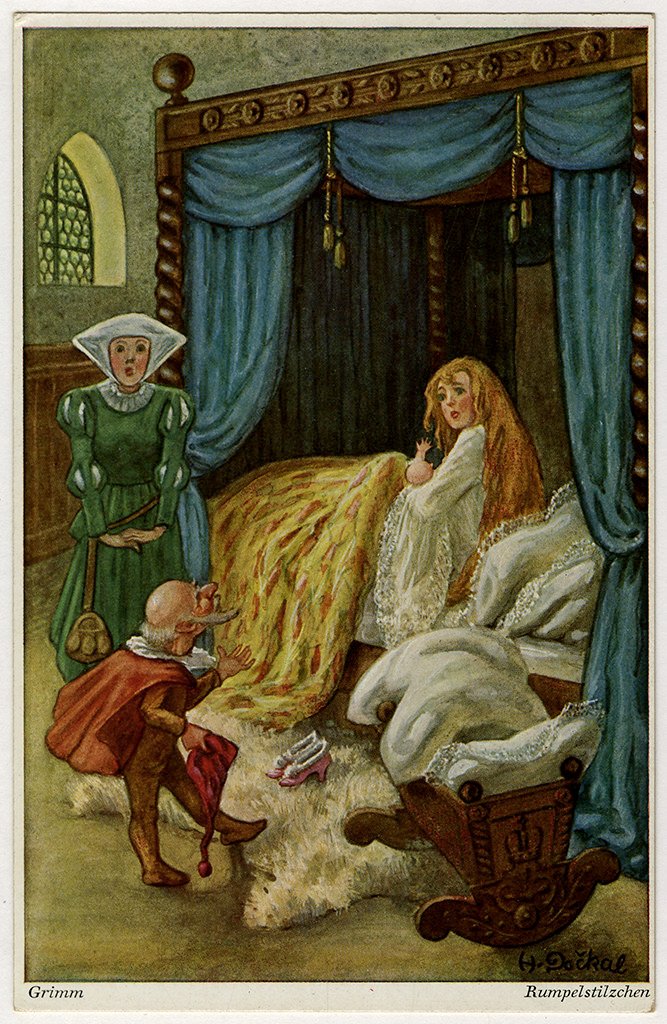
When the queen successfully guesses his name, Rumpelstiltskin doesn’t simply disappear in anger. In “Cinderella” the evil stepsisters cut off their toes and heels trying to make the slipper fit and later have their eyes pecked out by doves. The original Grimm version describes how he literally tears himself in half in his rage, providing a graphic conclusion that emphasizes the consequences of his supernatural bargain.
Earlier versions suggested demonic origins for the character, making him more than just a greedy magical being. His ability to spin straw into gold and his knowledge of the future painted him as a supernatural entity with dark powers. The violent self-destruction reinforced the moral lesson about the dangers of making deals with mysterious supernatural forces.
The Pied Piper’s Historical Reality
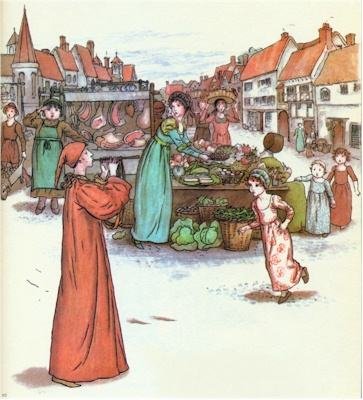
Between the manuscripts, inscriptions, and the glass window of the church, the basic details seem to be that a quantity of roughly 130 children vanished from Hamelin on June 26th, 1284. Most versions also include a “pied” or colorfully dressed musician leading the children away. Historical records suggest that the story of the Pied Piper of Hamelin was a real event that took place. This could stoke real fear in parent’s hearts – worrying whispers that a number of real children have been lost to some frightening unknown force.
The story that the window tells could simply be written off as local legend if not for a snippet of the town’s record from 1384 which states that it had been “one hundred years since our children left.” All the children who heard his pipe, in the number of 130, followed him to the East Gate and out of the town to the so-called execution place or Calvary. There they proceeded to vanish, so that no trace of them could be found. The mothers of the children ran from town to town, but they found nothing.
Dancing Mania and Mass Hysteria
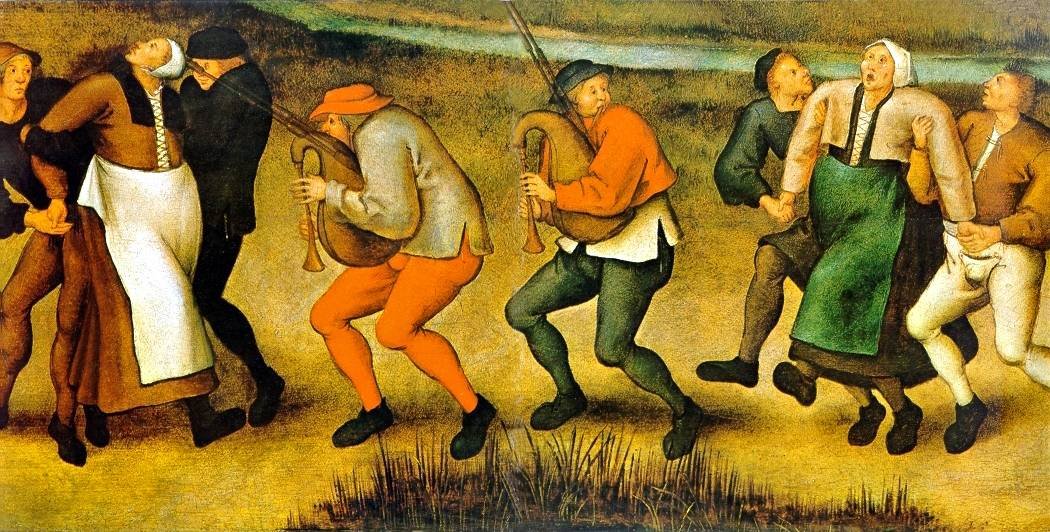
Some theories have linked the disappearance of the children to mass psychogenic illness in the form of dancing mania. Dancing mania outbreaks occurred during the 13th century, including one in 1237 in which a large group of children travelled from Erfurt to Arnstadt (about 20 km), jumping and dancing all the way, in marked similarity to the legend of the Pied Piper of Hamelin. These episodes of collective behavior might explain how 130 children could simultaneously follow a stranger out of town.
Medieval chronicles document several instances of dancing mania affecting entire communities. In Schwäbisch-Hall on the Thursday following Pentecost in the year 1484 it happend that the town’s boys suddenly were overcome with an obsession to make a pilgrimage to Mont Saint-Michel in Normandy. Against the will of their parents two hundred of them were thus inflamed and could not be restrained, even by their mothers. The few who were held back by force soon died. These documented cases suggest that mass psychological phenomena could explain the Hamelin incident.
The Children’s Crusade Connection
![The Children's Crusade Connection (image credits: [1], Public domain, https://commons.wikimedia.org/w/index.php?curid=123910)](https://festivaltopia.com/wp-content/uploads/2025/07/1752008865770_Gustave_dore_crusades_the_childrens_crusade.jpg)
Still more theories propose that the children were borne away to participate in a “children’s crusade” in which hordes of children and youths would attempt to reclaim Jerusalem. An unsuccessful children’s crusade took place decades earlier in 1212. This incident is reported to have involved up to 30,000 children from Germany and France. The original Children’s Crusade is said to have ended in the deaths of many children via a shipwreck, or alternatively, the sale of the underaged army into slavery in Tunisia.
The timing and scale of the Hamelin disappearance align with patterns of religious fervor that swept through medieval Europe. Some theories suggest that these children had taken part in the Children’s Crusade or were victims of the Black Death. Some historians believe the story might have originated with young men from Hamelin who were killed at the Battle of Sedemunder in 1259. Religious movements often attracted young people seeking purpose and adventure, making this explanation plausible.
The Grimm Brothers’ Dark Legacy
![The Grimm Brothers' Dark Legacy (image credits: [1], Public domain, https://commons.wikimedia.org/w/index.php?curid=78917236)](https://festivaltopia.com/wp-content/uploads/2025/07/1752008867345_Brothers_Grimm_Blow.jpg)
Their first volume of stories, Kinder- und Hausmärchen (or Children’s and Household Tales) contained 86 stories, gathered together from the Grimms’ research, and from their friends and acquaintances. The Grimms included stories commonly told in other regions of the world if they thought they had German roots somewhere along the line. The first volumes were much criticized because, although they were called “Children’s Tales”, they were not regarded as suitable for children, both for the scholarly information included and the subject matter.
Although the brothers Grimm toned down the sex in later editions of their work, they actually ramped up the violence. They removed sexual references—such as Rapunzel’s innocently asking why her dress was getting tight around her belly, and thus naively revealing to the witch Dame Gothel her pregnancy and the prince’s visits—but, in many respects, violence, particularly when punishing villains, became more prevalent. This editorial decision shaped how we understand fairy tales today.
From Oral Tradition to Written Horror
The Grimm brothers’ original publication was aimed at adults. When it didn’t sell well, they republished it in child-friendly form, but the abridged version was still much darker than modern retellings. Indeed, the beloved fairy tales of today initially featured acts of child abuse, extreme violence, anti-semitism and more. These stories served different purposes for adult audiences, functioning as cautionary tales about real-world dangers.
The transformation from oral folk tradition to written literature changed these stories fundamentally. The Brothers Grimm, Jacob (1785–1863) and Wilhelm (1786–1859), were scholars best known for their lifelong dedication to collecting and publishing ancient German folk tales. Their groundbreaking Kinder- und Hausmärchen (Children’s and Household Tales) was published in seven different editions between 1812 and 1857. Each edition became progressively sanitized, removing the most disturbing elements while preserving the core narratives that continue to influence popular culture today.
The fairy tales we grew up with weren’t always meant for children’s bedtime stories. These dark origins reveal how our ancestors used storytelling to process trauma, explain natural disasters, and warn about real-world dangers. The blood, violence, and psychological horror weren’t gratuitous—they reflected the harsh realities of medieval life where child mortality was high, famines were common, and survival often required difficult choices. What would you have guessed about your favorite childhood story?

Christian Wiedeck, all the way from Germany, loves music festivals, especially in the USA. His articles bring the excitement of these events to readers worldwide.
For any feedback please reach out to info@festivalinside.com
