

- 12 Cities So Beautiful, They Seem Straight Out of a Fairy Tale - March 31, 2026
- 10 Iconic Film Directors Whose Early Works Will Blow Your Mind - March 31, 2026
- 8 Gardening Hacks That Will Make Your Roses Bloom Like Never Before - March 31, 2026
Picture this: innocent tunes that soothe babies to sleep or get toddlers giggling in circles. Yet beneath those cheerful melodies, many nursery rhymes whisper tales from a grim past. They sprang from historical upheavals, plagues, taxes, and persecutions, disguised as playful ditties to pass down warnings or mock the powerful.
Folklore often cloaked harsh realities this way, making bitter truths easier to share orally across generations. These songs evolved into children’s entertainment, their dark roots fading like old ink. Let’s uncover the shadows behind ten favorites.[1][2]
Baa, Baa, Black Sheep
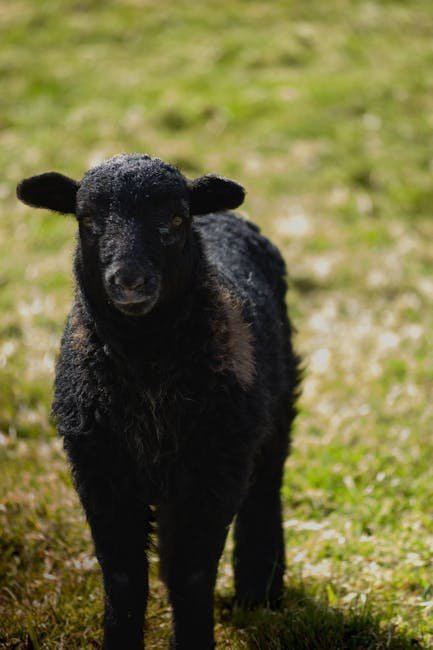
In medieval England, wool was gold, and King Edward I squeezed every fleece with brutal taxes starting in 1275. The rhyme divides the wool sack into thirds: one for the master, one for the dame, one for the little boy who cries down the lane. This mirrors the Great Custom, where farmers handed over shares to the king, church, and lord, leaving shepherds empty-handed.[1]
Over centuries, the tune stuck around, printed first in 1731, shedding its tax gripe to become a simple farmyard sing-along. Kids now mimic sheep without a clue about those oppressive levies. Honestly, it’s clever how resentment turned into rhythm.[2]
Goosey Goosey Gander

Protestant England hunted Catholic priests hiding in homes during the Reformation. The rhyme paints a goose chasing wanderers upstairs, finding an old man who “won’t say his prayers.” That man? A priest clinging to Latin rites, yanked by the leg and tossed down stairs for defiance.[1]
First in print by 1784, it morphed into a whimsical chase game for little ones. The violence blurred into nonsense fun, a perfect mask for old grudges. Here’s the thing: such secrecy kept the faith alive through song.[3]
Jack and Jill
![Jack and Jill (Three children - two climbing a hill, one riding on the back of one of the children. [front], CC BY 2.0)](https://festivaltopia.com/wp-content/uploads/2026/03/1774959721300_1774959709582_three_children_-_two_climbing_a_hill-2c_one_riding_on_th.jpeg)
One tale ties it to King Charles I’s failed bid to hike liquor taxes in the 1600s. Jacks and gills were measures; he shrank them, prices tumbled after. Another grim spin: a Somerset couple’s hilltop tryst ending in his fatal fall and her death in childbirth.[4]
Published in 1765, it simplified into a tumbling bucket romp for playgrounds. The heartbreak or policy bite softened over time. I know it sounds crazy, but everyday mishaps echo louder than royal plots today.
London Bridge Is Falling Down

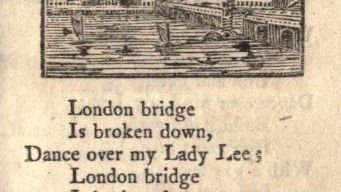
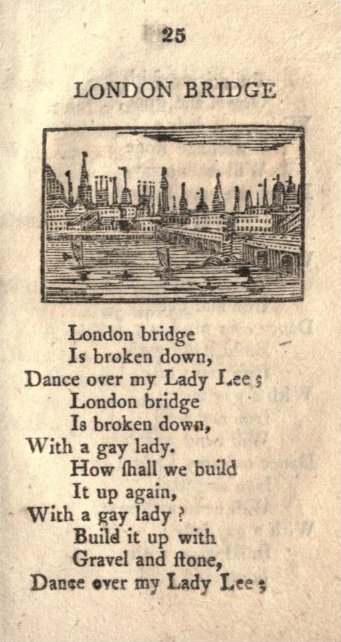
Vikings under Olaf II wrecked the bridge in 1014, or so one saga claims, with ropes pulling it asunder. Wilder whispers speak of child sacrifices buried in foundations for stability, a pagan holdover. Reality likely mixed decay and attacks, fueling the endless rebuild chant.[1]
By 1744 in print, it became a hand-holding circle game worldwide. The destruction theme lost its terror, turning structural woes into kid-friendly collapse. Still, bridges do crumble, don’t they?
Mary, Mary Quite Contrary

Bloody Mary, Queen Mary I, filled her 1550s reign with Protestant burnings. Her “garden” grew with graves, silver bells as thumbscrews, cockle shells torturing men below. Pretty maids? Guillotined heads on spikes, quite the contrary court.[1]
Entering books in 1744, it bloomed into a gardening nonsense rhyme. The blood faded, leaving floral whimsy for tots. Yet that contrary streak lingers like a thorn.
Three Blind Mice

Queen Mary I targeted bishops Latimer, Ridley, and Cranmer for heresy plots. She “cut off their tails” with fire at the stake, their blind faith to her doctrine the real sightless folly. The farmer’s wife wields the knife in vengeful glee.[1]
Printed 1805, it scampered into chase games and cartoons. Religious strife vanished, pure animal antics now. Mice squeak on, oblivious to the pyres.
Rock-a-Bye Baby
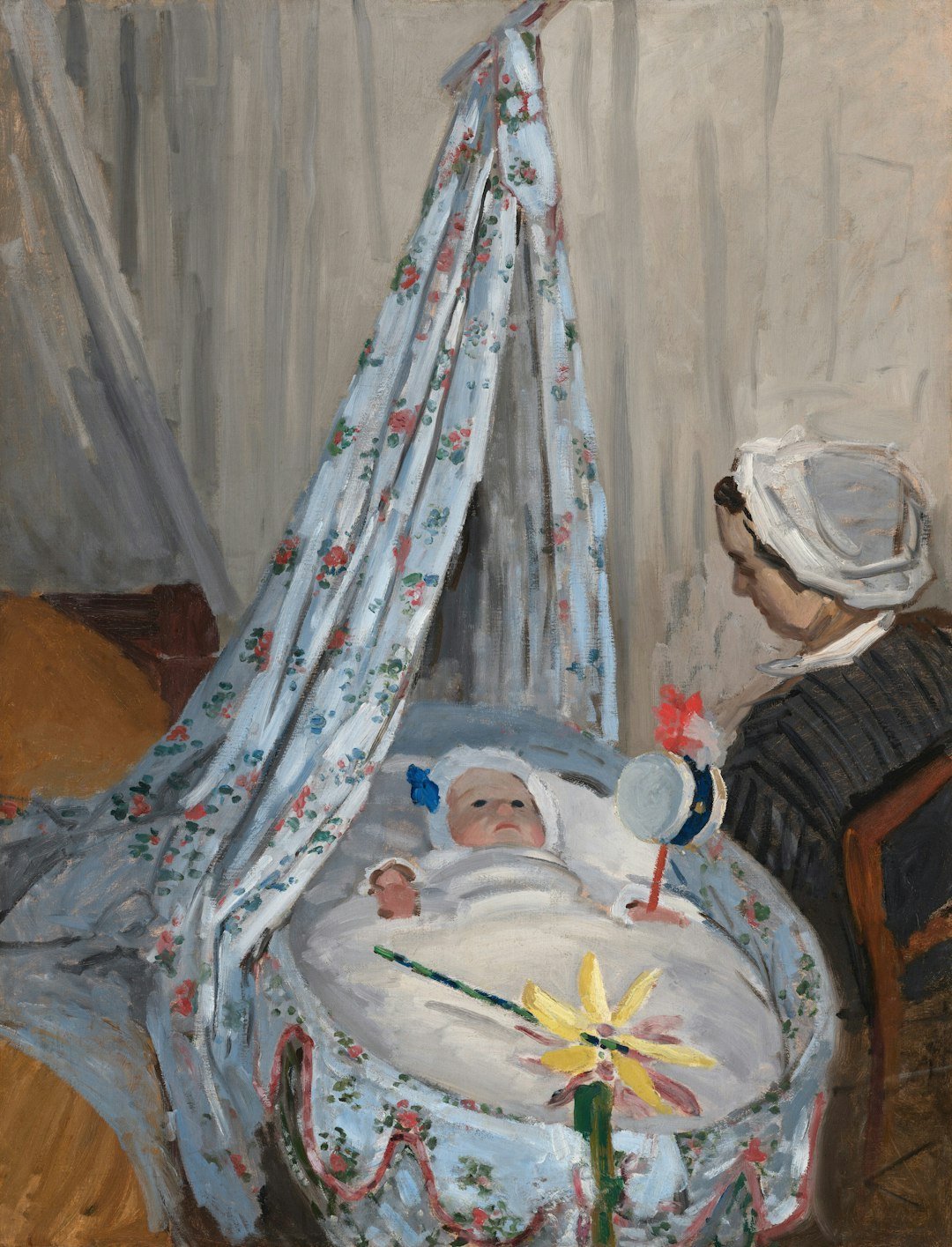
King James II allegedly swapped his baby for a Catholic heir in 1688, fooling Protestants. The bough breaks like the Stuart line, wind from Dutch invaders toppling the cradle plot. A lullaby laced with dynastic deceit.[1]
From 1765 onward, it rocked cradles harmlessly, melody soothing despite the fall. Theories abound, but sleep wins out. Cradles sway, secrets hushed.
Here We Go Round the Mulberry Bush

Female prisoners at Wakefield Prison circled a mulberry tree for exercise since 1594. The repetitive march became this 1840 rhyme, echoing confined routines. Kids’ energy channeled the inmates’ grim circuit.[1]
Now a playground staple, the bush spins freely outdoors. Prison walls dissolved into open play. Freedom’s full circle, ironically.
Ring Around the Rosie
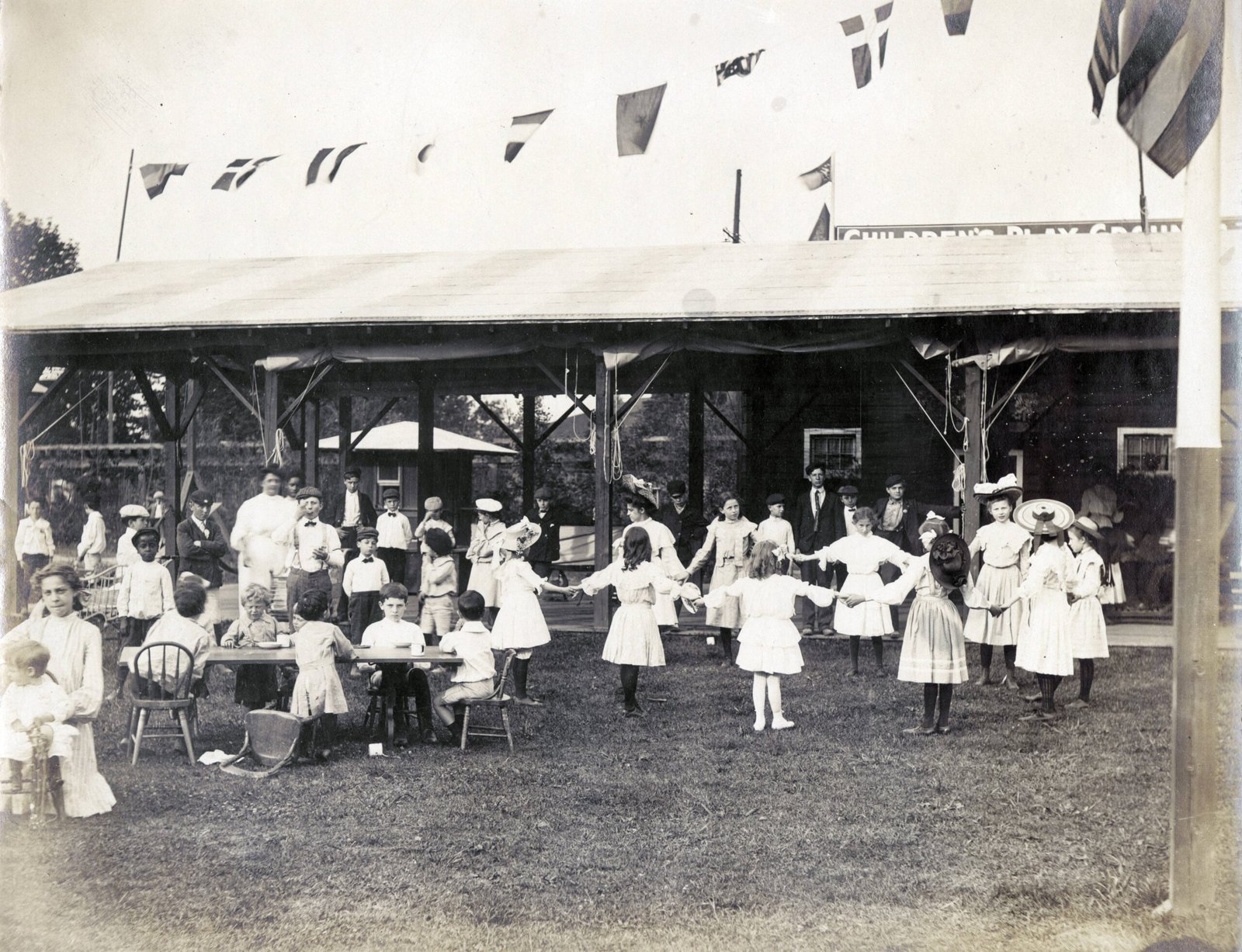
Popular lore pins it on the 1665 plague: rosie rash, posies against stench, sneezes and fall to mass death. Experts debunk this; the rhyme dates to 1881, likely from ring games dodging dance bans. Still, the macabre sticks.[1]
It circles kids in joyful collapse today. The plague shadow? Mostly myth, yet chilling. Dance on, unaware.
Humpty Dumpty
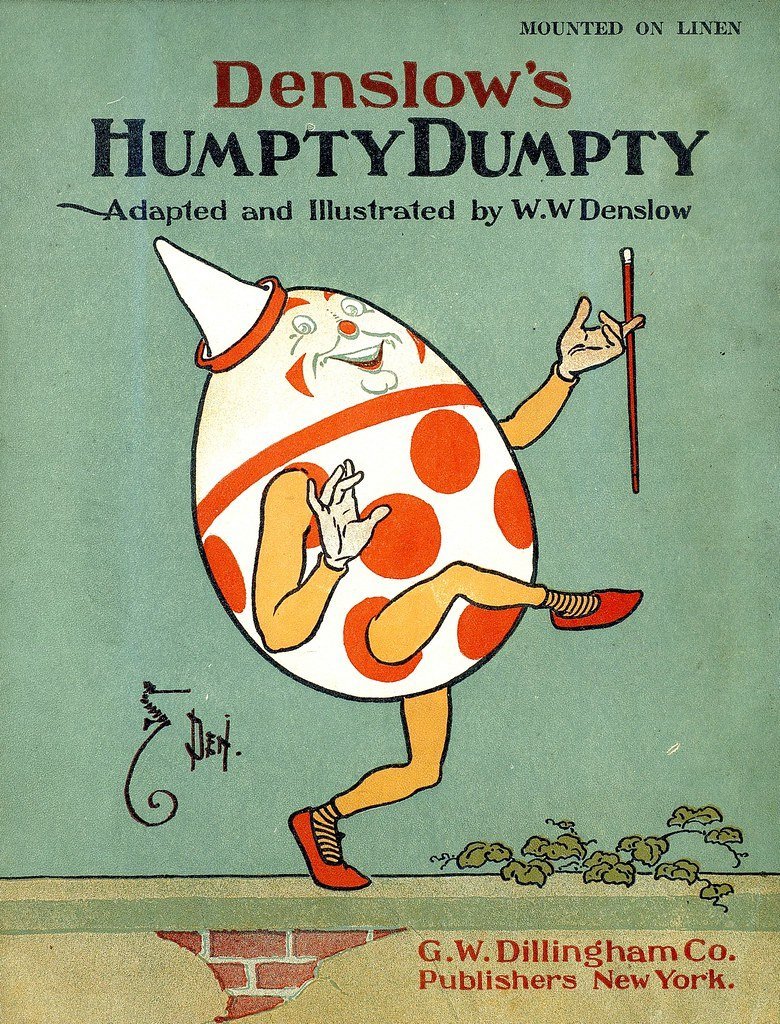
During the 1648 English Civil War, a Royalist cannon named Humpty atop a church wall tumbled when Parliament blew the base. King’s men couldn’t reassemble the egg-shaped barrel. Siege to nursery flop.[4]
Evolving sans war, it puzzles over walls and falls for all ages. The cannon cracked open to whimsy. Pieces stay scattered.
Conclusion
Folklore like these rhymes bottles history’s bite, preserving plagues, plots, and pains in playful packages. Generations sing on, unaware of the echoes. What shadows hide in your favorite tune?[5]

Besides founding Festivaltopia, Luca is the co founder of trib, an art and fashion collectiv you find on several regional events and online. Also he is part of the management board at HORiZONTE, a group travel provider in Germany.
