

For any feedback please reach out to info@festivalinside.com
- 10 Most Beautiful Buildings in The US - March 26, 2026
- 12 Highly Educated Rock Musicians. - March 26, 2026
- 10 Sad Songs Influenced By Heartbreaking Real Life Tragedies - March 26, 2026
Thanksgiving – The Bloodshed Behind the Turkey

Picture this: you’re sitting around a table, carving turkey and sharing gratitude, while the history books tell a completely different story. The day after the massacre, William Bradford, the governor of Massachusetts Bay Colony, writes that from that day forth shall be a day of celebration and thanksgiving for subduing the Pequot and “For the next 100 years, every Thanksgiving Day ordained by a Governor was in honor of the bloody victory, thanking God that the battle had been won.” Yeah, that’s right – some of the earliest Thanksgiving proclamations weren’t about harvest feasts, but about celebrating massacres. In truth, massacres, disease and American Indian tribal politics are what shaped the Pilgrim-Indian alliance at the root of the holiday The sanitized version we learned in elementary school, with happy Pilgrims and Native Americans sharing corn, completely erases the violent reality. Thanksgiving day is a reminder of the genocide of millions of Native people, the theft of Native lands, and the relentless assault on Native culture. When you dig deeper, you realize that the Wampanoag people who helped the settlers survive their first winter were later betrayed, decimated by disease, and systematically removed from their lands.
Brazilian Carnival – Dancing on Chains
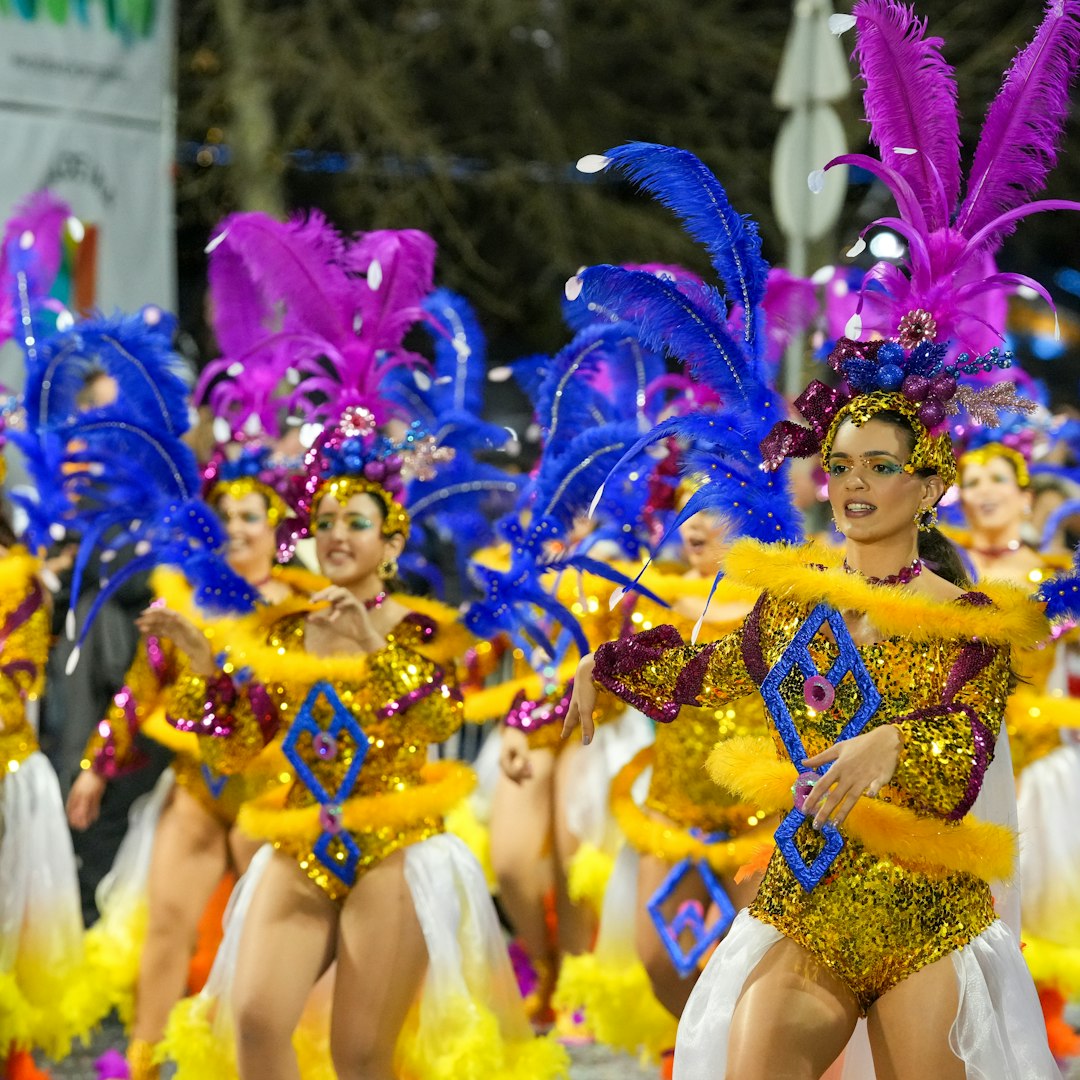
Those vibrant feathers, pulsating rhythms, and intoxicating energy of Brazil’s Carnival? They’re built on a foundation of unimaginable suffering. The origins of Carnival combine the Catholic festival celebrations of Portuguese colonialists and the music and dancing of African slaves. What we see today as pure celebration emerged from an estimated 6 million Africans to Brazil forcibly transported over more than 350 years of the slave trade. The samba, Brazil’s signature dance that defines Carnival, has roots that run deep into pain. But the African people did not wish to give up their religious practices, and iso they began to secretly integrate them into other activities, such as song, music and dance. Samba was one of the results. Those captivating hip movements and rhythmic beats? They were originally expressions of resistance, ways for enslaved people to maintain their cultural identity while being systematically dehumanized. Yet, Carnaval presents a sanitized version of the Afro-Brazilian experience for national consumption, elevating the cultural contributions of Black Brazilians while eliding the violence that has been done to the Black body in Brazil.
Guy Fawkes Night – Burning More Than Effigies
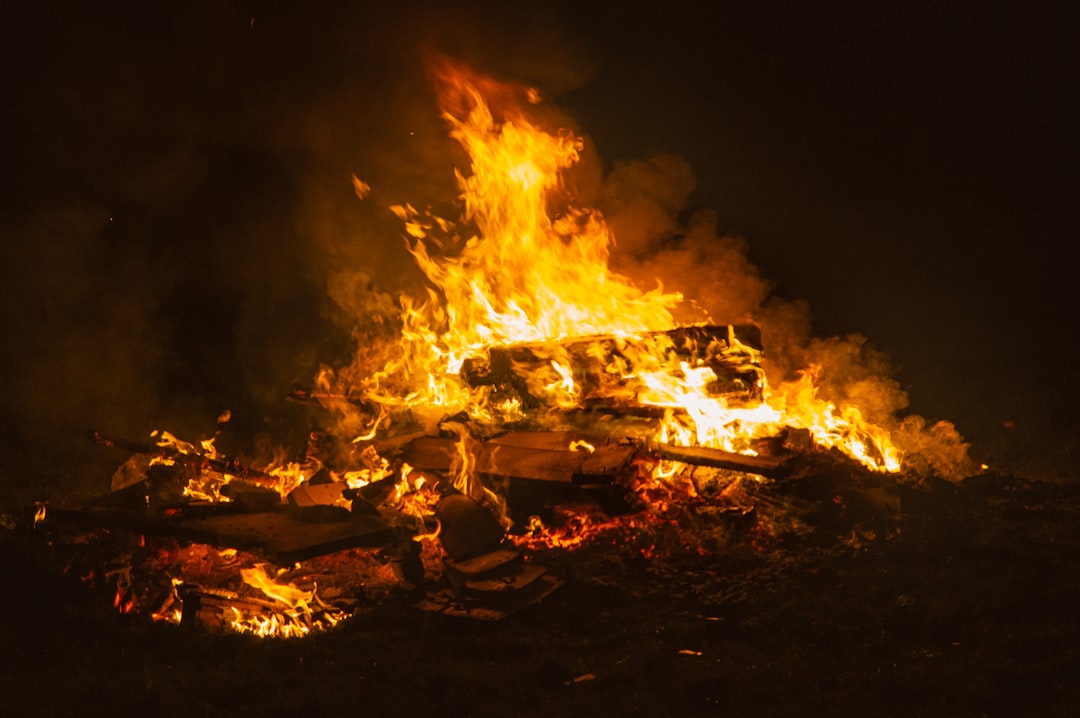
Every November 5th, British families gather around bonfires, watching Guy Fawkes effigies burn while fireworks light up the sky. But this cheerful tradition masks centuries of religious persecution and gruesome public executions. Priests who were caught leading secret services were tortured and executed. The Gunpowder Plot wasn’t just about Catholic extremists trying to blow up Parliament – it emerged from decades of religious persecution under Protestant rule. Fawkes was sentenced to be hanged, drawn and quartered. However, at his execution on 31 January, he died when his neck was broken as he was hanged, with some sources claiming that he deliberately jumped to make this happen; he thus avoided the agony of his sentence. The “drawing and quartering” part meant being castrated, disemboweled, and chopped into pieces while still alive – and this horror show was considered public entertainment. No, the celebration of Guy Fawkes Day has a distinctive anti-Catholic flavor about it. And really, its continued observance is an ongoing testament to anti-Catholic bigotry to this very day.
Oktoberfest – Beer, Pretzels, and Propaganda
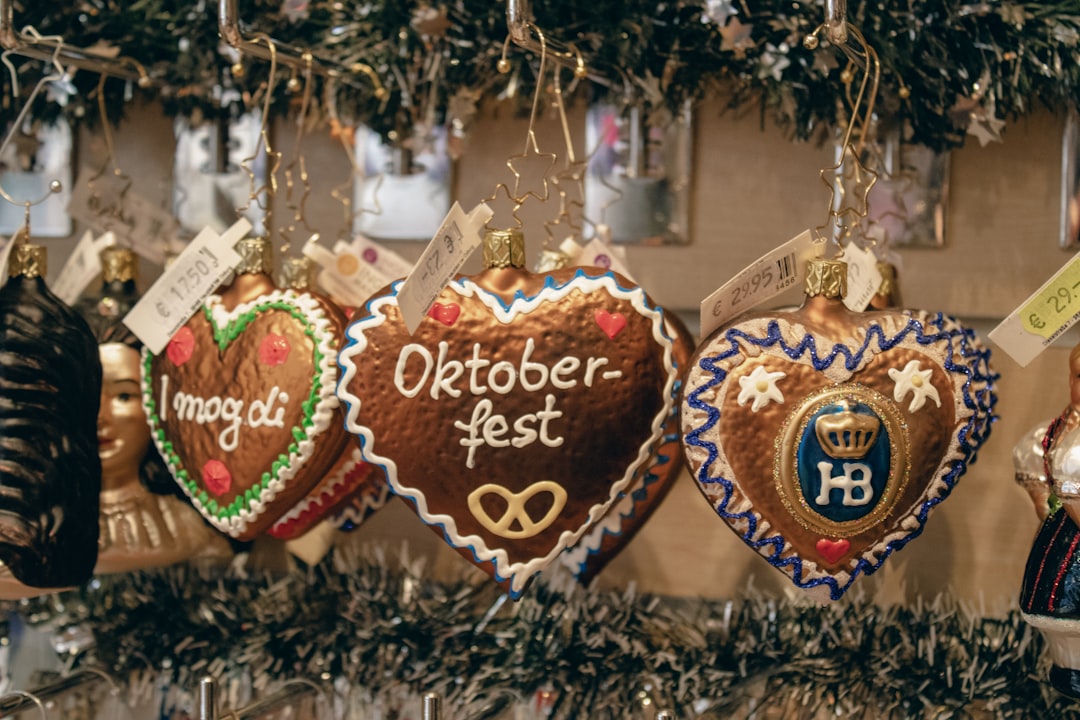
Munich’s Oktoberfest seems innocent enough – just millions of people drinking beer, eating bratwurst, and dancing to oompah bands. But this “traditional” festival has been weaponized by political movements throughout history. The original 1810 celebration was a royal wedding party for Crown Prince Ludwig and Princess Therese, designed to boost the monarchy’s popularity after Napoleon’s defeat. During the Nazi era, the festival became a showcase for Aryan culture and German superiority, with Hitler’s regime using the event to promote their ideology to both domestic and international audiences. The traditional lederhosen and dirndls we associate with “authentic” German culture were often romanticized versions created for tourism and political messaging. Even the festival’s survival through various political upheavals shows how cultural events can be manipulated to serve whoever’s in power. What seems like harmless fun actually carries the DNA of royal propaganda and nationalist messaging.
Coachella – Music Festival on Stolen Land
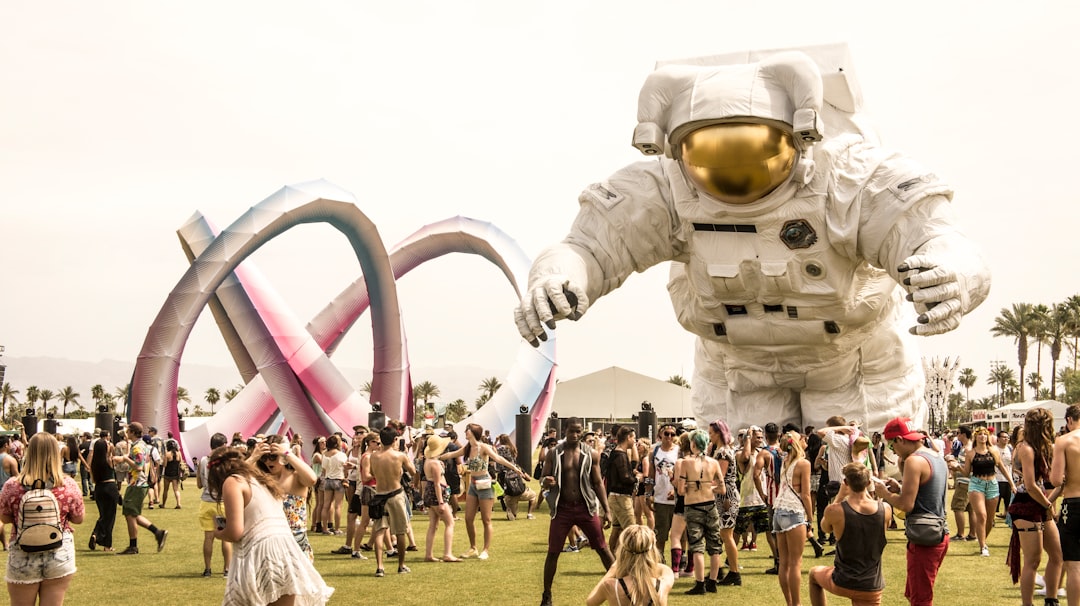
Coachella’s Instagram-worthy palm trees and celebrity performances happen on land that once belonged to the Cahuilla people, who were systematically displaced during American colonization. The festival’s location in California’s Coachella Valley carries the weight of Indigenous removal and cultural erasure. But the problems don’t stop with historical injustices. The festival has faced criticism for its ties to conservative political donors, particularly Philip Anschutz, whose company owns the event and has donated to anti-LGBTQ+ organizations. Workers at the festival have reported exploitation, with temporary staff facing poor working conditions and inadequate pay while ticket prices soar into the thousands. The festival has also been accused of cultural appropriation, with attendees regularly wearing Native American headdresses and other sacred items as fashion statements. What started as a music festival has become a symbol of how modern entertainment often ignores both historical trauma and contemporary inequality.
Diwali – Light Dimmed by Caste Shadows
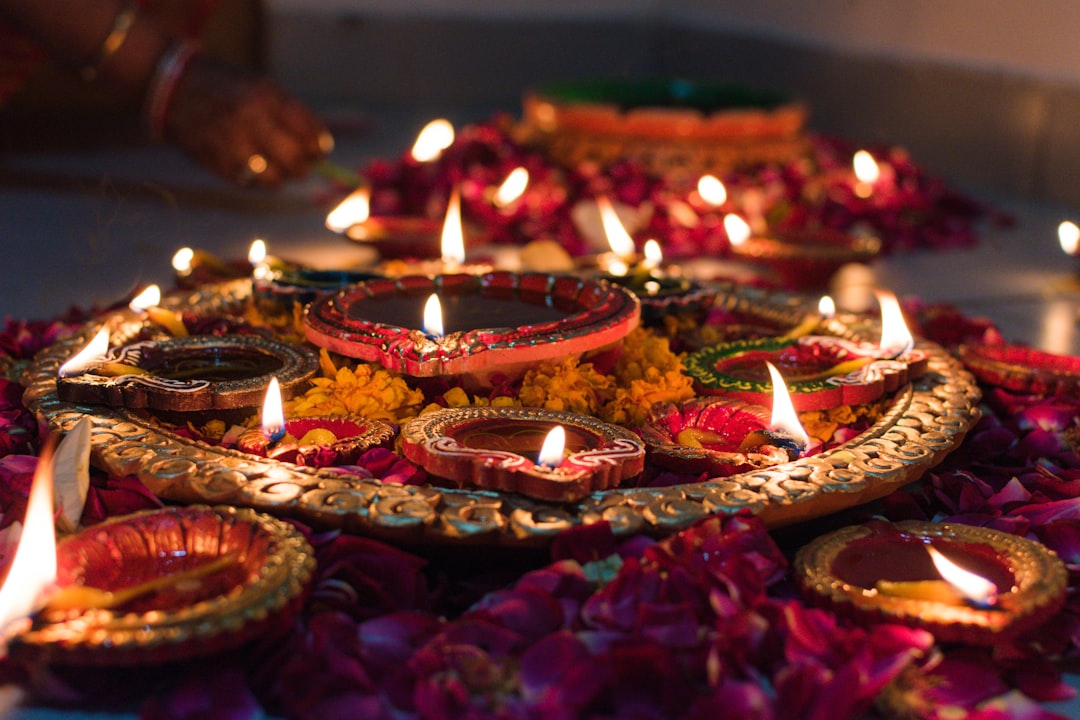
Diwali, the beautiful festival of lights celebrating good triumphing over evil, carries an uncomfortable contradiction. While millions of people light diyas and celebrate together, India’s caste system has historically excluded Dalits (formerly called “untouchables”) from participating in many festivities. In some regions, Dalit communities have been banned from entering temples during Diwali celebrations or prevented from participating in community events. The festival’s message of universal light and prosperity rings hollow when entire communities face discrimination based on their birth. Even today, despite legal protections, caste-based violence and exclusion persist, with incidents regularly reported during festival seasons. Housing societies in urban areas have been known to prevent Dalit families from celebrating Diwali in common areas. The festival’s emphasis on prosperity and good fortune also highlights India’s massive wealth inequality, where lavish celebrations happen alongside extreme poverty. It’s heartbreaking when a festival about defeating darkness is overshadowed by the darkness of social injustice.
Mardi Gras – Masks Hiding Racist History
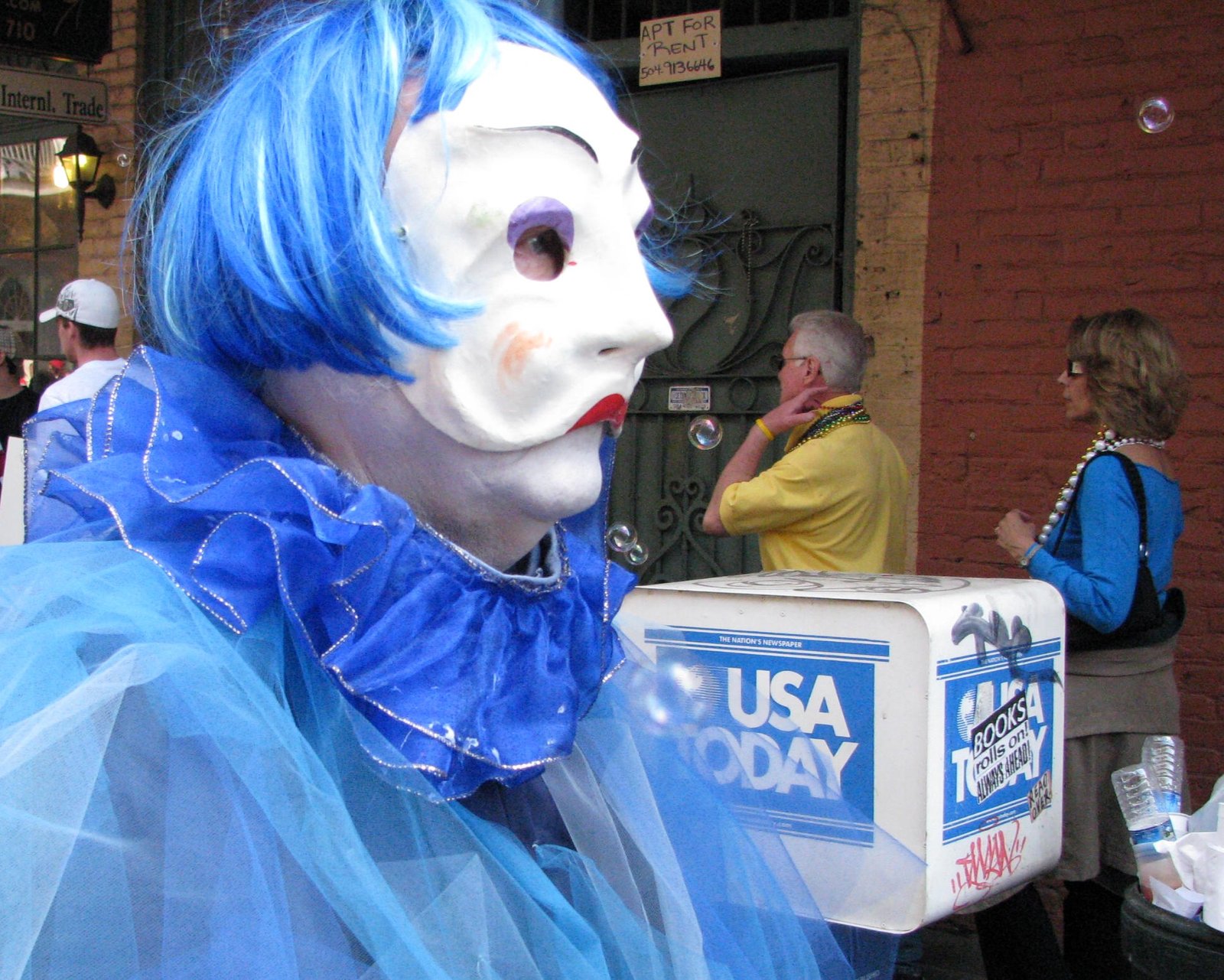
New Orleans’ Mardi Gras appears to be pure, flamboyant fun – colorful floats, wild parties, and carnival chaos. But behind those festive masks lies a history of racial segregation and white supremacy. The earliest Mardi Gras krewes (carnival organizations) were exclusively white and often included Confederate veterans and white supremacist groups. Many krewes maintained racial segregation well into the 1960s, long after the civil rights movement had begun. Some organizations used their parades to display Confederate imagery and racist symbolism, turning public celebrations into demonstrations of white power. Black residents were systematically excluded from participating in major parades and often faced violence if they tried to join the festivities. Even when segregation was officially banned, many traditional krewes found ways to maintain their exclusivity through expensive membership fees and social barriers. The famous “throw me something, mister!” tradition takes on a darker meaning when you realize that for decades, those “throws” were only meant for white hands.
La Tomatina – From Revolution to Tourist Trap
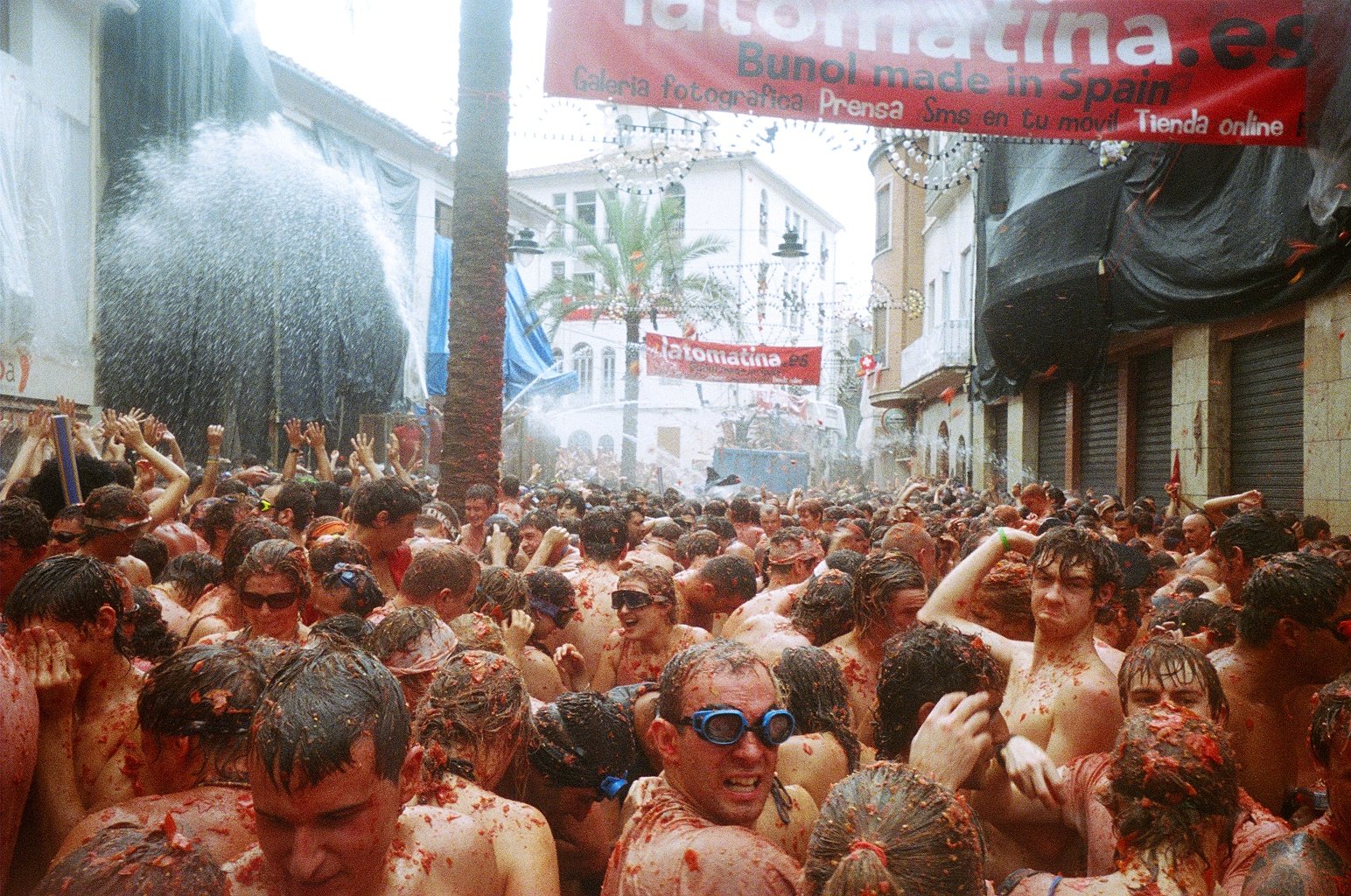
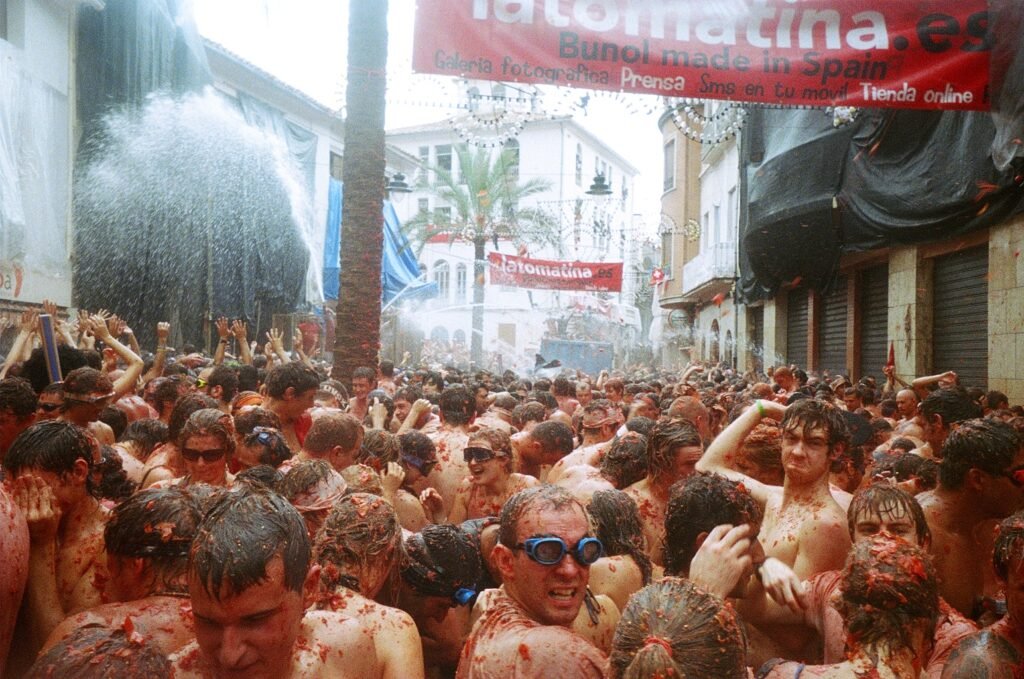
Spain’s La Tomatina, where thousands gather to throw tomatoes at each other, looks like harmless chaos. But this messy festival began as an act of political rebellion against authority in the 1940s. The original tomato fight started when young people disrupted a local parade, throwing tomatoes at officials as a form of protest against the Franco dictatorship’s restrictions on public gatherings. For years, authorities tried to ban the event because they recognized its subversive potential – people coming together to literally throw things at symbols of power. The festival represented a small act of defiance in a repressive political climate where public assembly was heavily controlled. Over the decades, this authentic expression of resistance has been completely sanitized and commercialized. Today’s La Tomatina is a carefully managed tourist spectacle where the original political meaning has been scrubbed away in favor of Instagram-friendly fun. The transformation from genuine protest to packaged entertainment shows how even acts of rebellion can be co-opted and sold back to us as harmless recreation.
Holi – Colors Hiding Gender Violence
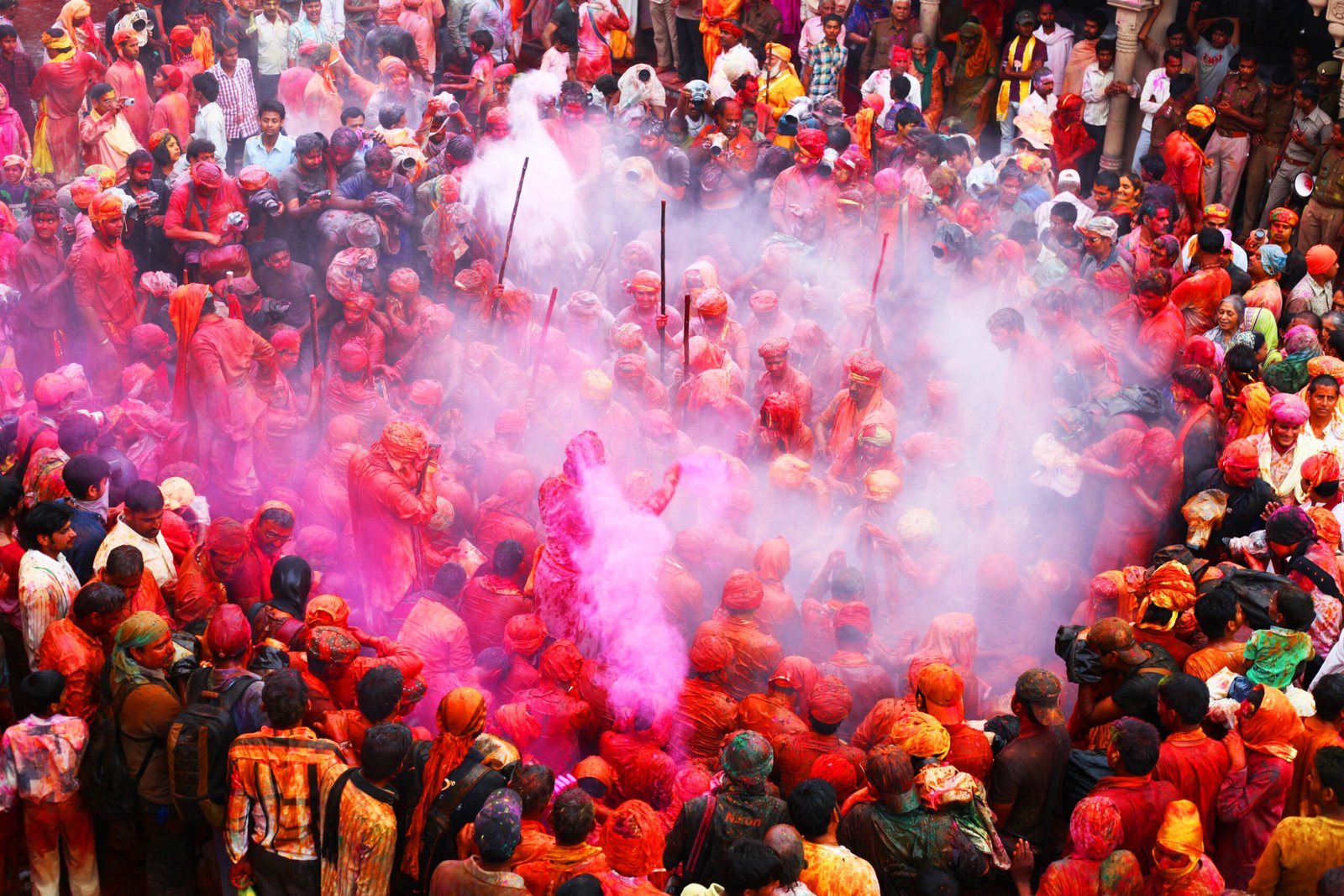
Holi, India’s joyous festival of colors, should be a celebration of love, renewal, and community. The festival’s message of breaking down social barriers and embracing equality is beautiful in theory. But in practice, Holi has become associated with alcohol-fueled harassment and assault, particularly against women. The “anything goes” atmosphere of the festival has been used as an excuse for inappropriate touching, sexual harassment, and violence. Women report being groped, harassed, and assaulted under the guise of “playing Holi.” The tradition of applying colors has been perverted into opportunities for unwanted physical contact. Many women now avoid public Holi celebrations entirely, staying home to protect themselves from harassment. The festival’s emphasis on breaking social norms has been twisted to justify behavior that would be criminal any other day of the year. Reports of drinks being spiked and women being targeted have become so common that many families now celebrate only in private, secure environments.
Burning Man – Counterculture or Corporate Cash Grab?

Burning Man markets itself as a radical experiment in community, art, and anti-commercialism in Nevada’s Black Rock Desert. The festival’s principles include “decommodification” and “radical self-reliance,” suggesting a break from capitalist society. But critics argue that it has become exactly what it claims to oppose – an expensive playground for wealthy tech executives and celebrities. Tickets cost hundreds of dollars, and many attendees spend thousands on elaborate camps, costumes, and transportation to the remote desert location. The festival has been criticized for gentrification of counterculture, with Silicon Valley entrepreneurs using it for networking and business deals. Environmental activists have raised concerns about the massive ecological footprint of transporting 70,000 people and their supplies to a fragile desert ecosystem. The event also takes place on traditional Paiute and Shoshone tribal lands, with little acknowledgment of Indigenous history or involvement of local communities. The irony is thick: a festival supposedly about rejecting materialism has become a status symbol where displaying wealth is essential to the “authentic” experience.
Did you expect your favorite celebrations to carry such heavy baggage?

Christian Wiedeck, all the way from Germany, loves music festivals, especially in the USA. His articles bring the excitement of these events to readers worldwide.
For any feedback please reach out to info@festivalinside.com
