
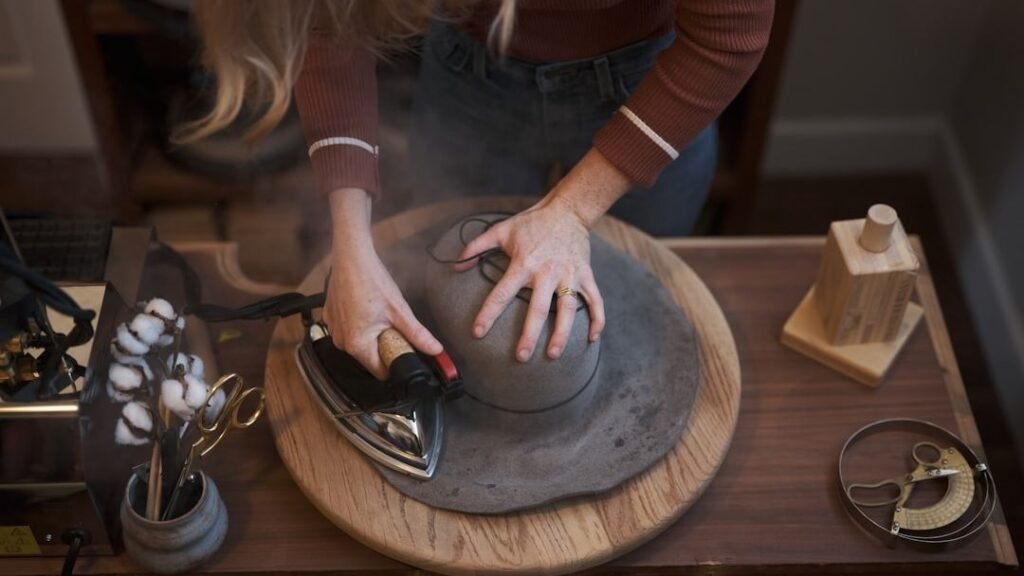

Handmade goods carry a depth that factory lines rarely touch. Each piece holds the mark of its maker’s hands, time, and intent. This personal imprint creates an emotional bond for the owner, something mass-produced items struggle to replicate.
These objects also weave cultural threads through generations. They preserve techniques passed down, echoing histories and traditions in every curve or stitch. In a world of uniformity, that story becomes a quiet rebellion against the disposable.
Woodworking
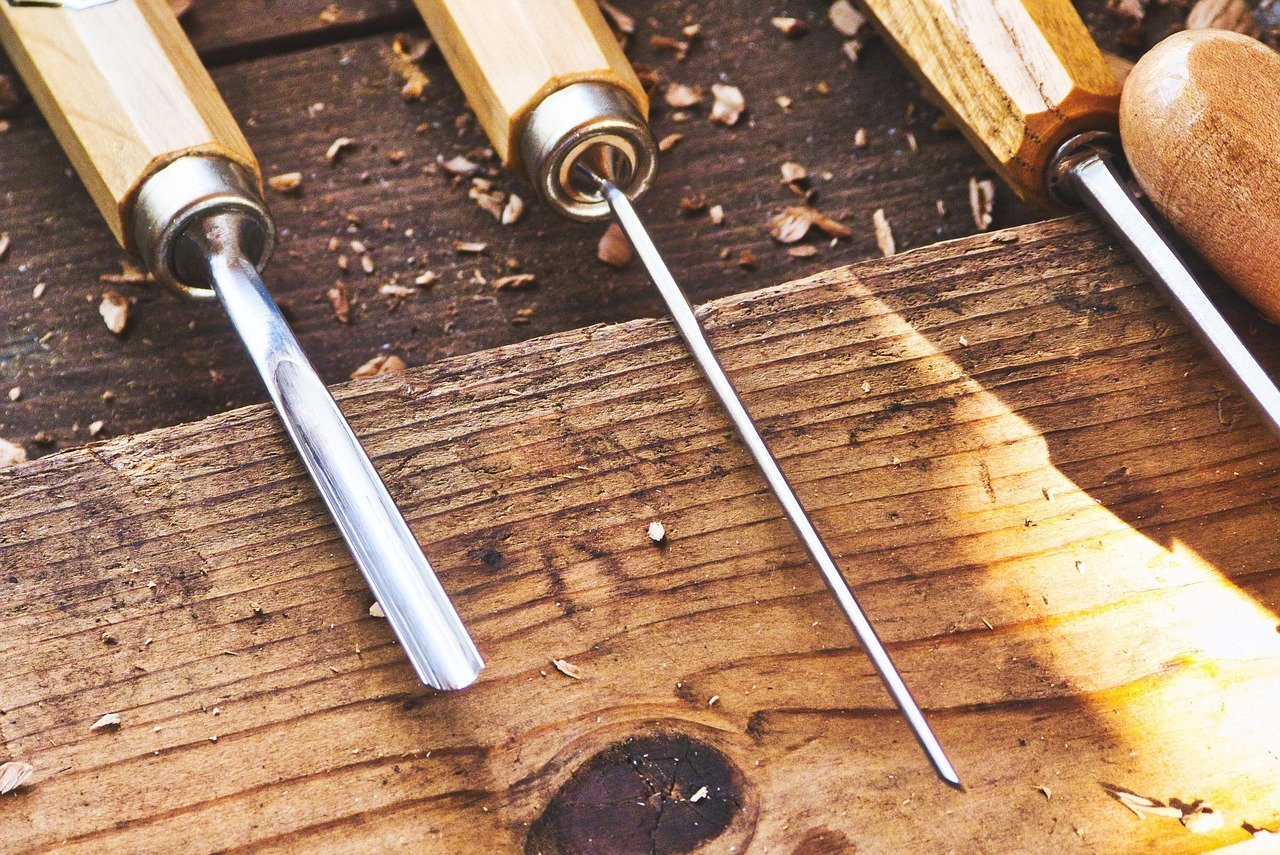
Woodworkers select timber with care, often choosing local woods like oak or walnut for their unique grains. They plane surfaces by hand, feeling the wood’s resistance to reveal its natural beauty. Chisels carve intricate joinery, such as dovetails that interlock without glue, demanding precision honed over years.
This craft tells of patience and harmony with nature. A handmade chair might bear subtle imperfections, like a knot filled with care, that speak to the tree’s life and the artisan’s respect. Owners sense this narrative, making the piece feel alive rather than inert.
Ceramics
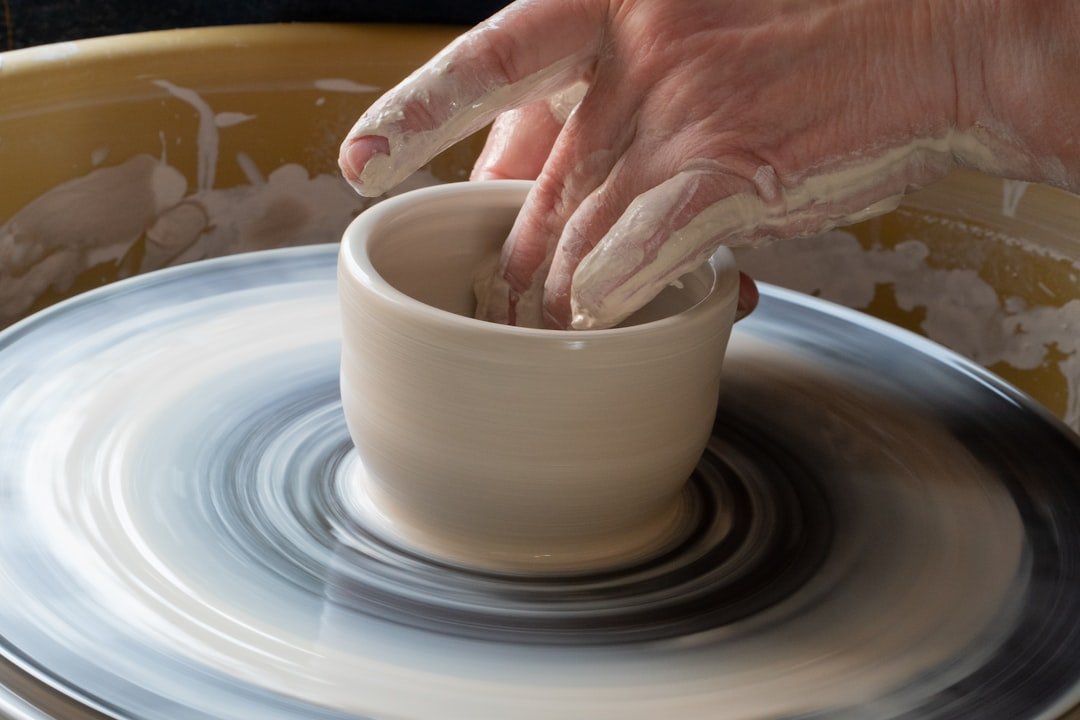
Potters center clay on a wheel, their fingers shaping wet earth into forms that emerge from steady pressure. They coil slabs or throw vessels, then refine with tools that scrape and smooth. Firing in kilns transforms fragile pots into enduring stoneware, colors blooming from glazes mixed by hand.
Each ceramic holds stories of earth and fire. Subtle asymmetries or thumbprints on the base remind us of the human touch amid elemental forces. These vessels invite rituals, from daily tea to communal feasts, carrying cultural weight beyond mere utility.
Textiles
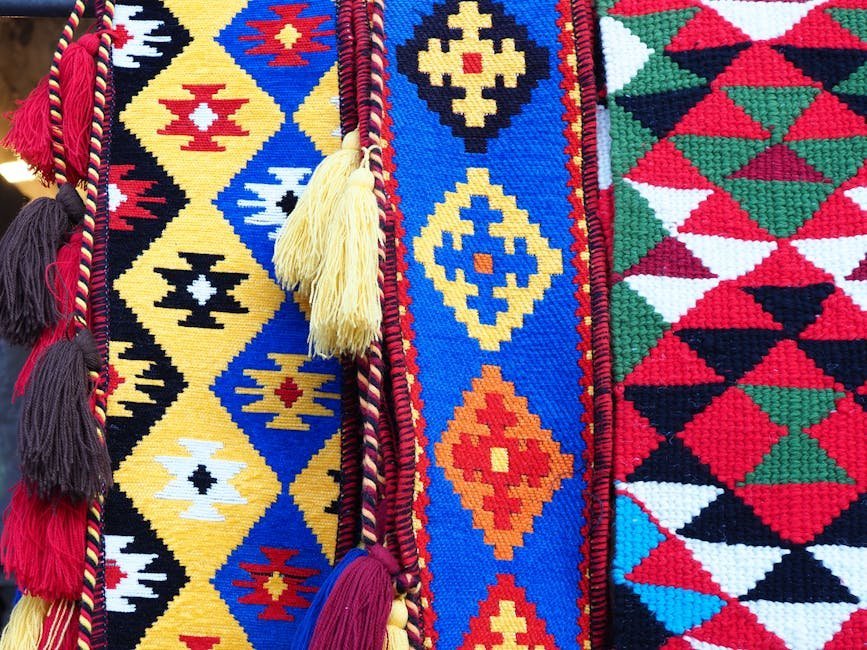
Weavers thread looms with fibers like wool or cotton, dyed in small batches from natural sources. They interlace warp and weft, creating patterns through deliberate repetition or intricate motifs. Spinning wheels twist raw fleece into yarn, each strand bearing the rhythm of the maker’s foot.
These fabrics narrate heritage and labor. A blanket’s fringe or faded dyes hint at seasons of use and family lore. Unlike printed synthetics, handmade textiles warm with stories of community gatherings or solitary evenings by the fire.
Metalwork
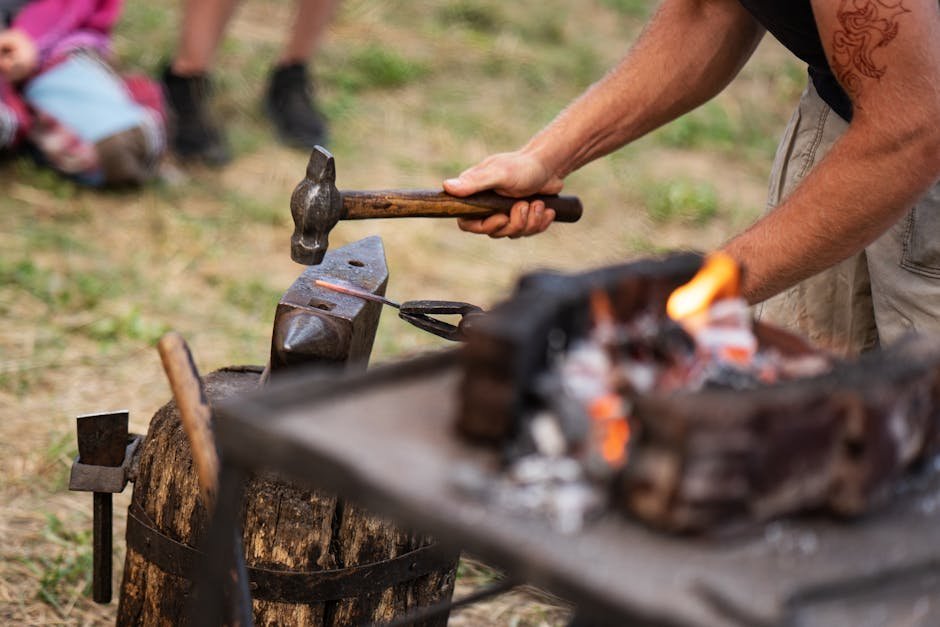
Blacksmiths heat metal in forges until it glows, then hammer it on anvils to forge blades or ornaments. They anneal and quench, balancing hardness with flexibility through ancient metallurgy. Etching or chasing adds fine details, revealing patterns under light.
Such work embodies resilience and transformation. A hand-forged knife’s subtle hammer marks evoke the spark of creation and trials endured. It connects users to a lineage of smiths, where every edge cuts with purpose beyond the mechanical.
Leatherwork
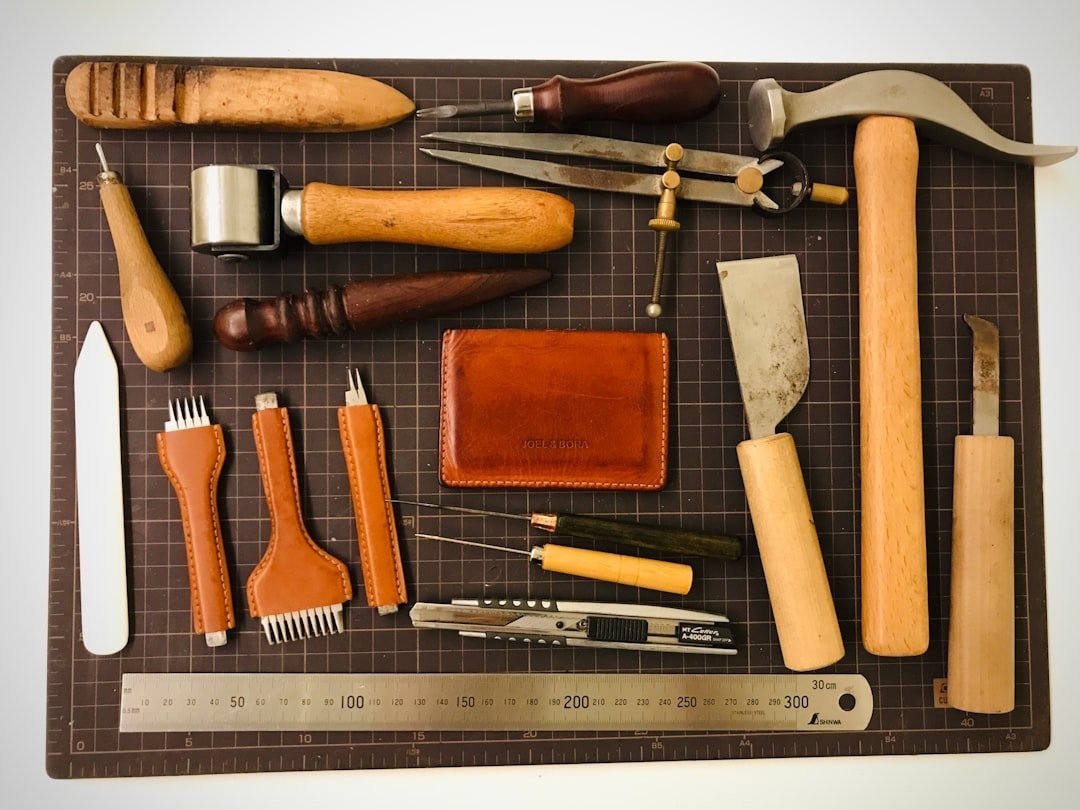
Tanners prepare hides through soaking and stretching, then stitchers saddle them with awls and waxed thread. They tool surfaces with stamps for embossed designs, burnishing edges to a soft sheen. Vegetable tannins color the leather deeply, aging gracefully over time.
These goods whisper of endurance and adaptation. A wallet’s creases map a life of pockets carried, far richer than molded plastic. The craft honors animal lives while crafting heirlooms that patina with personal history.
Traditional Tools
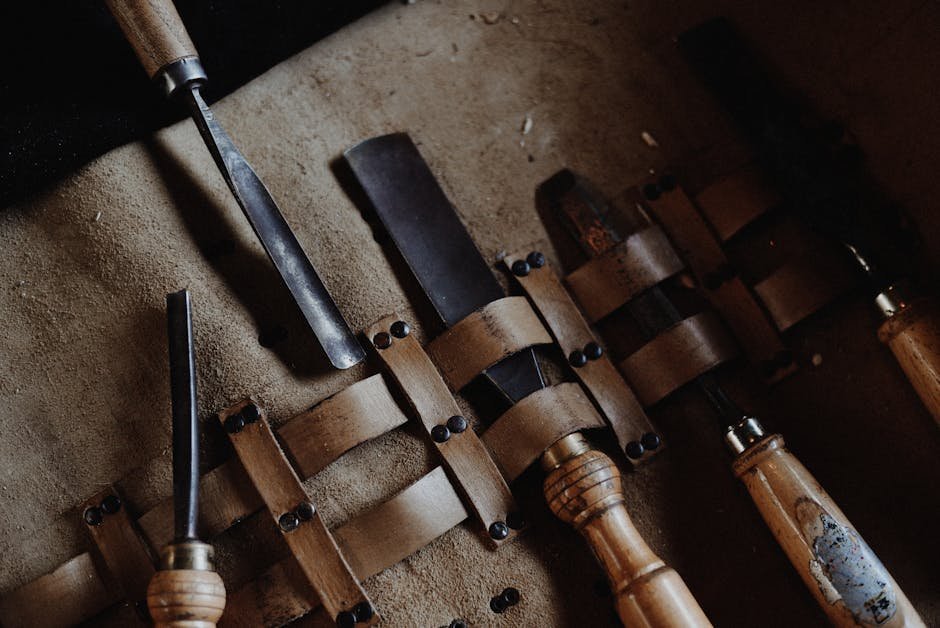
Craftsmen sharpen planes and adzes on whetstones, maintaining edges that slice wood cleanly. They forge drawknives or spinning wheels from basic steel, tuning them for balance and flow. These tools evolve through use, handles wearing to fit callused hands perfectly.
Tools themselves become storytellers. A well-worn mallet carries generations of strikes, its patina a testament to skilled hands. They remind us that creation starts with instruments alive with accumulated wisdom, not sterile machines.
Preserving Craftsmanship Traditions
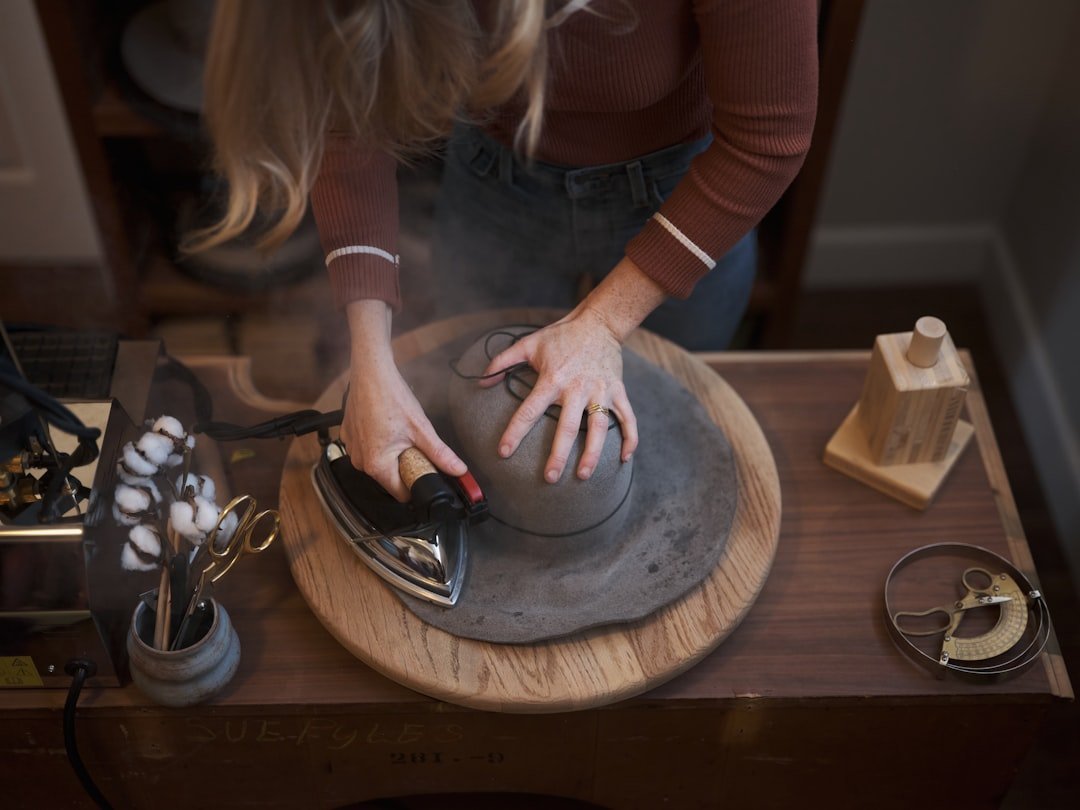
In 2026, workshops and guilds keep these arts alive amid digital haste. Artisans teach apprentices, ensuring techniques endure beyond trends. Museums and markets celebrate handmade wares, fostering appreciation for their depth.
Yet preservation demands intention. Supporting local makers sustains not just skills, but the human narratives they embed. In cherishing these goods, we reclaim a slower, more meaningful way of making and owning.
CEO-Co-Founder
