


For any feedback please reach out to info@festivalinside.com
- 10 Massive Books Worth Every Last Page - April 12, 2026
- The Most Misunderstood Song Lyrics - April 12, 2026
- The Comfort of Music: Ten Relaxing Classical Pieces - April 12, 2026
There’s something about classical music that works quietly on the nervous system in ways that conversation, screens, and the general noise of daily life simply cannot. It doesn’t demand your attention or push an agenda. It simply unfolds. For centuries, composers have created works that hold a kind of emotional intelligence, pieces that seem to meet a listener exactly where they are and guide them somewhere gentler.
Research has shown that listening to classical music can significantly reduce stress levels. The soothing qualities of classical compositions can lower blood pressure, reduce heart rate, and decrease levels of stress hormones such as cortisol. Music engages a diverse network of brain regions and circuits, including sensory-motor processing, cognitive, memory, and emotional components, and listening to preferred music can grant easier access to these brain functions. The ten pieces below are among the most widely recognized for their ability to support relaxation, reflection, and emotional balance. Each one earns its place for a distinct reason.
Bach: Air on the G String (from Orchestral Suite No. 3, BWV 1068)
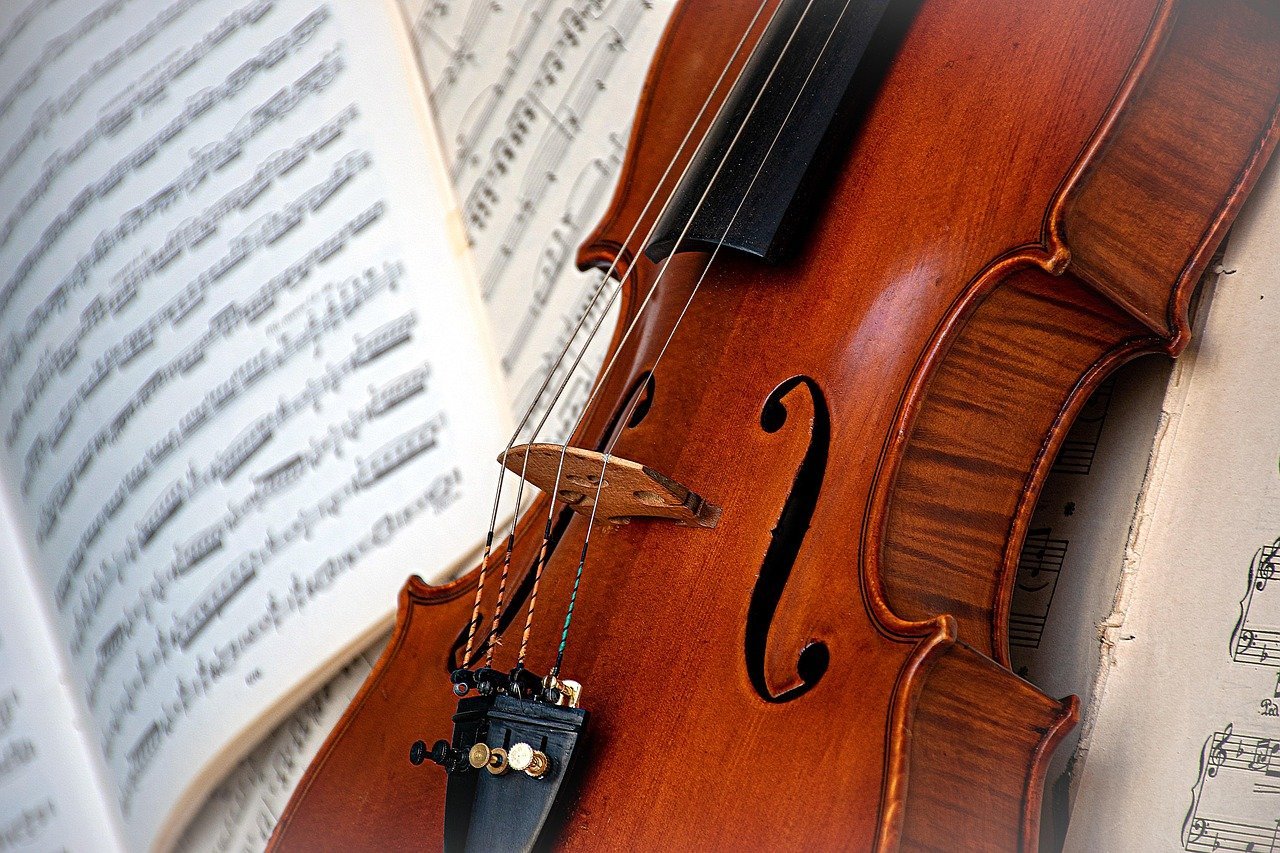
Few pieces in the classical repertoire have the immediate settling effect of Bach’s Air. Bach’s Air on the G String from Orchestral Suite No. 3 in D Major is renowned for its serene and meditative qualities. The gentle violin melody and subdued accompaniment help create a soothing atmosphere, perfect for maintaining concentration over extended sessions while keeping your heart rate low. The melody moves with a kind of unhurried patience that feels almost architectural, as if the notes themselves know exactly where they are going and are in no rush to arrive.
Bach’s third Orchestral Suite in D major, composed in the first half of the 18th century, has an “Air” as its second movement. The suite is composed for three trumpets, timpani, two oboes, strings, and basso continuo. In the second movement, however, only the strings and the continuo play. That reduction to strings alone is part of what gives the Air its intimate warmth. It feels personal in a way the full orchestral sound never quite manages, and that intimacy is precisely what makes it so well-suited to quiet evenings or moments of genuine stillness.
Debussy: Clair de Lune (from Suite bergamasque)

The third movement of his Suite bergamasque for solo piano, Debussy’s “Clair de Lune” is a masterpiece of tranquility. Its gentle, flowing melodies and soft harmonies create a dreamlike atmosphere that soothes stress and anxiety. The slow, delicate pacing encourages deep breathing and relaxation, much like meditation. It’s one of those rare pieces that seems to create its own light, a particular quality of soft shadow and shimmer that other music rarely achieves.
Debussy is often called an “impressionist” composer. This piece shows how great Debussy was at painting a musical picture. In Clair de Lune, he uses pared-back pianism to create a musical picture of a still, moonlit night. Clair de Lune’s impressionistic quality evokes peaceful imagery, helping to quiet an overactive mind. The piece’s dynamic swells and gentle resolutions provide an emotional release, fostering a sense of calm and introspection.
Satie: Gymnopédie No. 1
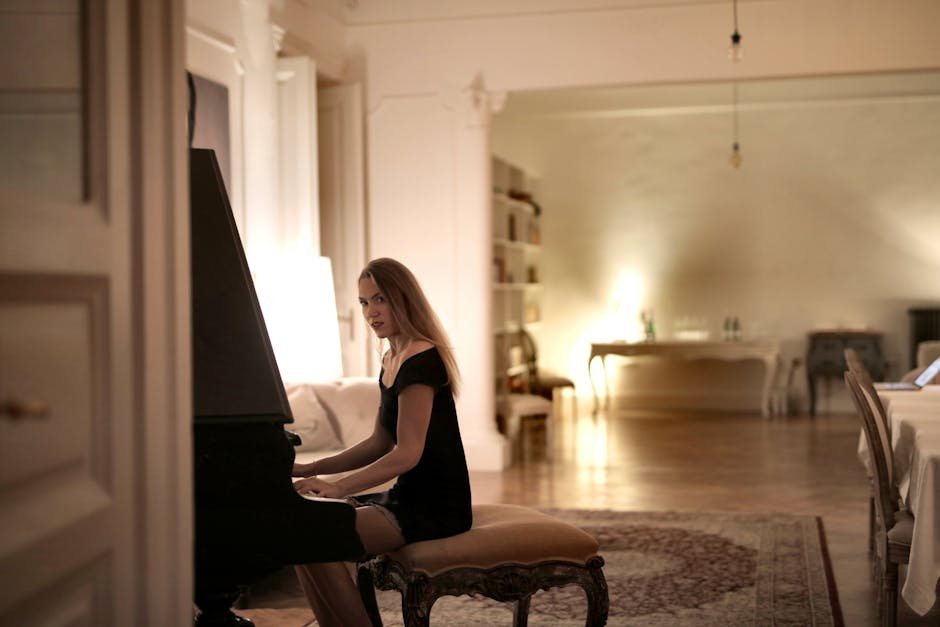
Erik Satie was a bit of an eccentric in life, but wrote some of the early 20th century’s most sublime and visionary music. In his Gymnopédies, there’s a wonderful sense of musical distillation: the melodies are beautifully simple; nothing is rushed, and everything feels just as it should be. It’s almost impossible to hear them and not feel relaxed afterwards. That quality of simplicity is harder to achieve than it looks; many composers have tried and produced only flatness.
French composer Erik Satie composed these three solo piano pieces that are deliberate, mild, and harmonious. The lilting melodies may seem melancholic, but they don’t make you sad or depressed. Instead, you find the harmony soothing, relaxing yet energizing. This minimalistic calm music is just what you need when you want to get far away from the madding crowd. The Gymnopédies occupy a mood that is uniquely their own: wistful without being sorrowful, still without being empty.
Vaughan Williams: The Lark Ascending

Vaughan Williams’ masterpiece for solo violin and orchestra, The Lark Ascending, was inspired by the flight and song of the lark, as well as a poem of the same name. The composer’s second wife, Ursula, wrote that in The Lark Ascending Vaughan Williams had “taken a literary idea on which to build his musical thought” and had made the violin become both the bird’s song and its flight. The result is something that feels genuinely airborne, wide, and unhurried.
The Lark Ascending draws on the composer’s use of modes. The work begins in the Dorian mode, and switches between that and the Aeolian mode interspersed with extensive use of the pentatonic scale. With violin melodies that inspire gentle joy and optimism, The Lark Ascending transports listeners to pastoral England. In polls of listeners to classical music stations in Australia, Britain, New Zealand, and the US, the work has frequently topped or been high in the polling. That enduring popularity across cultures speaks to something universal in its pastoral calm.
Beethoven: Moonlight Sonata, First Movement

The Moonlight Sonata is a solo piano work by Ludwig van Beethoven, admired particularly for its mysterious, gently arpeggiated, and seemingly improvised first movement. The piece was completed in 1801, published the following year, and premiered by the composer himself, whose hearing was still adequate but already deteriorating at the time. Knowing the circumstances under which it was written adds a quiet depth to the listening experience, a sense of someone reaching toward beauty precisely when the world was narrowing.
The nickname Moonlight Sonata traces to the 1830s, when German Romantic poet Ludwig Rellstab published a review in which he likened the first movement to a boat floating in the moonlight on Switzerland’s Lake Lucerne. With its meditative arpeggios and a gentle, hypnotic pulse, the iconic Moonlight Sonata first movement is sure to draw anyone into a contemplative state. Perfect for introspection, it’s no surprise that this somber piano composition has been a favorite of numerous film directors when setting the score for a thoughtful scene.
Arvo Pärt: Spiegel im Spiegel

Written originally for piano and violin, Arvo Pärt’s meditative Spiegel im Spiegel is a masterpiece of musical minimalism, offering a profound sense of peace and introspection. Its slow, repetitive structure, with gently unfolding piano arpeggios and sustained violin notes, creates a meditative, almost hypnotic effect. The title, which translates as “mirror in the mirror,” refers to a state of infinity, and there is something genuinely boundless in the way the piece unfolds.
In Pärt’s masterpiece, a simple arpeggio on the piano is combined with a slow-moving melody line from the cello. The simplicity and stillness of the result is just divine. The title translates as “mirror in the mirror,” referring to a state of infinity. This simplicity allows the mind to slow down, reducing stress and anxiety while promoting deep relaxation. The spaciousness in the music encourages mindfulness, helping you focus on the present moment. It is perhaps the most uncluttered piece on this list, and that uncluttered quality is exactly its gift.
Grieg: Morning Mood (from Peer Gynt Suite No. 1)

Evocative, rich, and lyrical, Grieg’s music is always very special. “Morning Mood,” from the Peer Gynt Suite No. 1, is Grieg’s depiction of the sun rising in the Moroccan desert, in music. It begins with a light touch, before expanding into a glorious, full-bodied work for symphony orchestra. The opening flute melody is one of the most instantly recognizable in all of classical music, carrying a brightness that feels effortless without ever becoming trivial.
“Morning Mood” is a gentle, uplifting piece that evokes feelings of renewal and tranquility. Its natural, pastoral quality connects listeners to the serenity of nature, promoting mindfulness and relaxation. Whether used for meditation, stress relief, or simply as background music, “Morning Mood” encourages a peaceful mindset and enhances overall mental well-being. There is also something to be said for its brevity. The piece doesn’t overstay its welcome; it arrives, illuminates, and gently recedes.
Mozart: Clarinet Concerto in A Major, K. 622, Second Movement
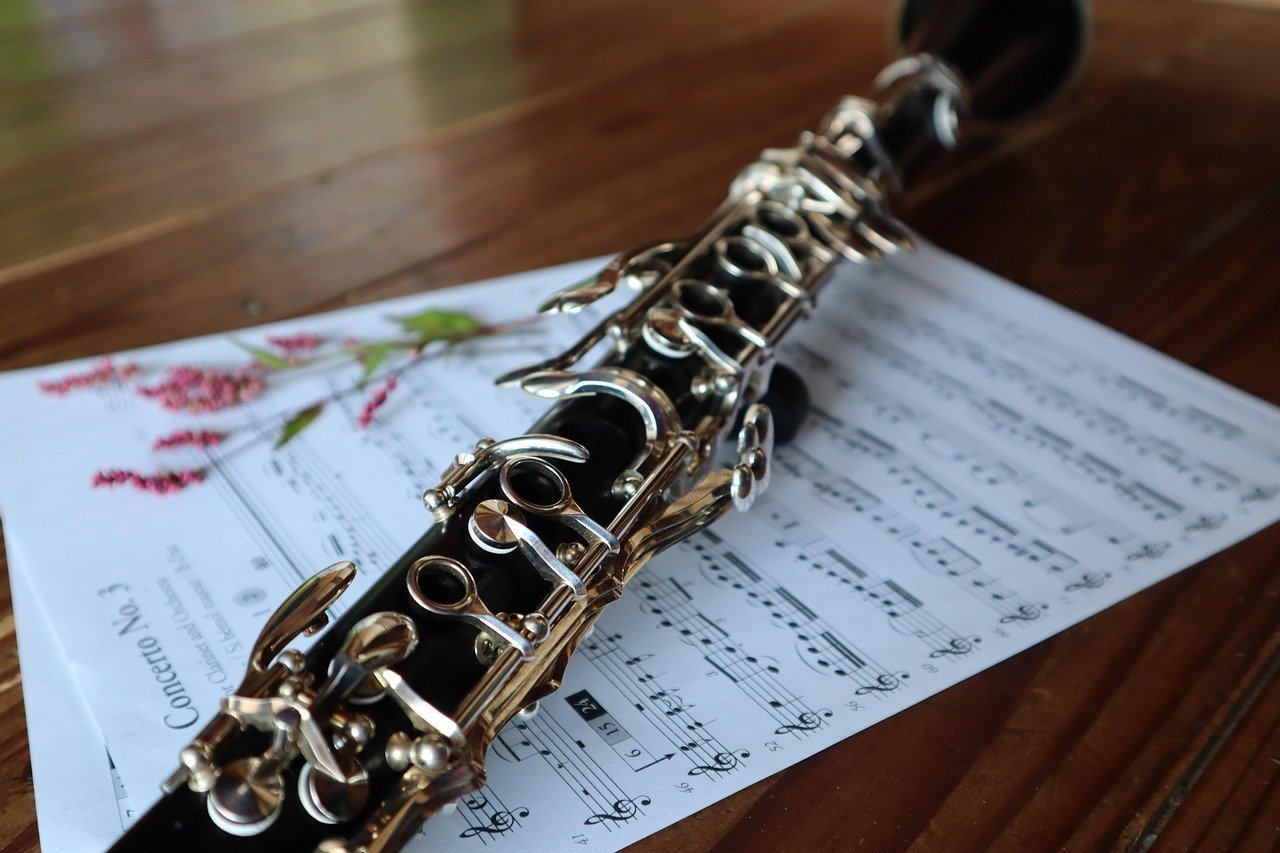
Mozart’s Clarinet Concerto has become one of the composer’s best-known works and is one of the best pieces of relaxing classical music. It was written in October 1791 for his friend, the clarinetist Anton Stadler, to perform. The slow second movement, marked “Adagio,” is just the thing to help wind down after a long week. Mozart composed it in the final months of his life, and the Adagio carries a warmth that feels both deeply human and quietly consoling.
The clarinet is particularly well-matched to this kind of emotional register. Its tone sits somewhere between a human voice and a string instrument, and Mozart understood that better than anyone. The Clarinet Concerto’s second movement, performed with the right balance of tenderness and restraint, consistently appears on curated playlists for relaxation and stress relief. The melody unfolds with such inevitability that it feels less composed than simply discovered, as if it had always existed and Mozart merely wrote it down.
Pachelbel: Canon in D
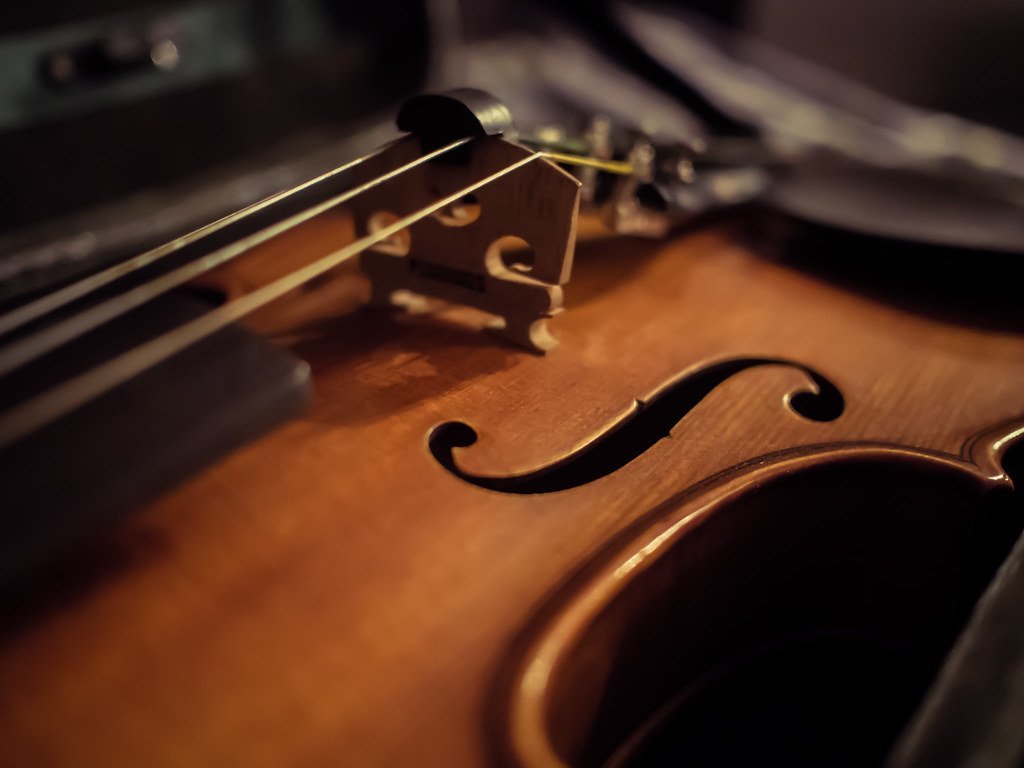
Pachelbel’s Canon is an accompanied canon by the German Baroque composer Johann Pachelbel. The canon was originally scored for three violins and basso continuo and paired with a gigue. Both movements are in the key of D major. The piece is constructed as a true canon at the unison in three parts, with a fourth part as a ground bass throughout. That repeating ground bass is the foundation everything else rests upon, steady and unhurried through every variation above it.
Like his other works, Pachelbel’s Canon went out of style and remained in obscurity for centuries. A 1968 arrangement and recording by the Jean-François Paillard chamber orchestra gained popularity over the next decade, and in the 1970s the piece began to be recorded by many ensembles. This beautifully melodic composition features a repetitive and soothing structure that creates a meditative and peaceful atmosphere. The gentle strings, layered harmonies, and steady progression of the piece contribute to its ability to evoke a sense of tranquility. Listening to it can provide a moment of respite and relaxation, allowing the mind to unwind.
Saint-Saëns: The Swan (from The Carnival of the Animals)
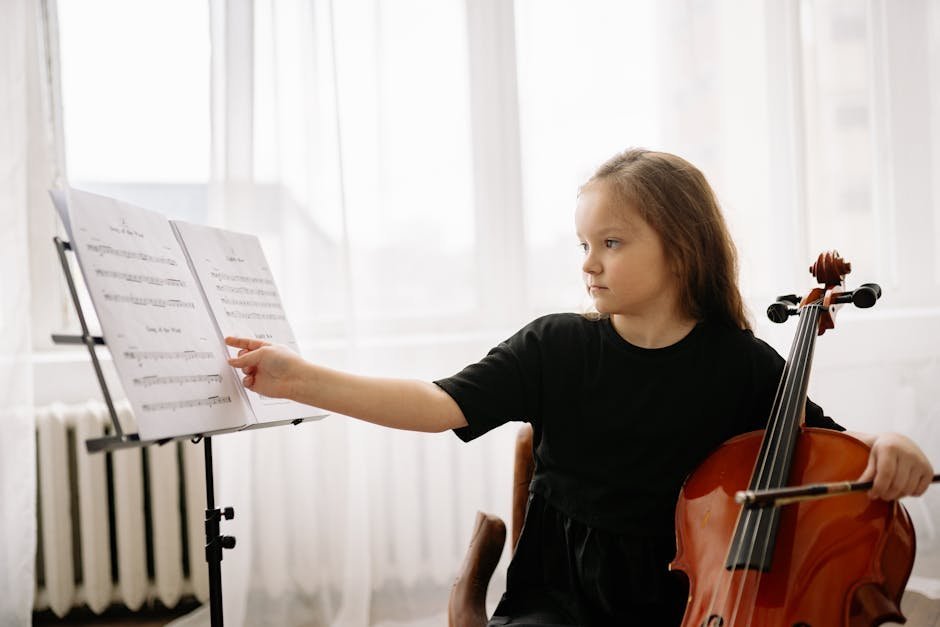
Saint-Saëns’ “The Swan” glides in with cello warmth, melting away deadline stress in minutes. The cello carries the primary melody while the piano provides a gentle, rippling accompaniment underneath, evoking the unhurried movement of a swan on still water. It’s a remarkably efficient piece of emotional architecture: under three minutes long, yet somehow it says everything it needs to.
The Swan comes from Saint-Saëns’ suite The Carnival of the Animals, composed in 1886, originally intended as a private entertainment rather than a public work. It is, fittingly, the only movement the composer allowed to be performed publicly during his lifetime. It is a beautiful string melody that tingles and has a reverberating effect on the senses. Its combination of cello eloquence and pianistic restraint gives it a dignity that makes it one of the most enduringly moving short pieces in the entire chamber music canon.
The Quiet Power of Listening

Classical music can be a powerful tool for relieving everyday stress, helping you sleep, and supporting your mental health. The ten pieces above work through different means: some through simplicity, others through harmonic richness; some through the intimacy of a solo piano, others through the spaciousness of orchestra and strings. What they share is a quality of care in their construction, a sense that every note belongs exactly where it is.
Music affects the cardiovascular system through multiple potential mechanisms including the autonomic nervous system and the vagus nerve, which responds to musical vibrations by triggering the body to relax. Classical music holds a crucial place in therapy sessions focused on mental health. It can serve as a method for relaxation to alleviate anxiety, encourage mindfulness, and strengthen the bond between therapist and client. This is not a new idea. Cultures across history have recognized what science is now measuring in controlled studies.
The deeper point may be this: music at its best is not just pleasant background noise. Classical music possesses remarkable therapeutic qualities that can positively impact our mental health and emotional well-being. From stress reduction and relaxation to mood enhancement and cognitive stimulation, classical compositions have the potential to promote mental well-being in profound ways. Whether you return to these pieces weekly or encounter one for the very first time, the invitation is the same. Sit with it. Let it do its quiet work.

Christian Wiedeck, all the way from Germany, loves music festivals, especially in the USA. His articles bring the excitement of these events to readers worldwide.
For any feedback please reach out to info@festivalinside.com
