

For any feedback please reach out to info@festivalinside.com
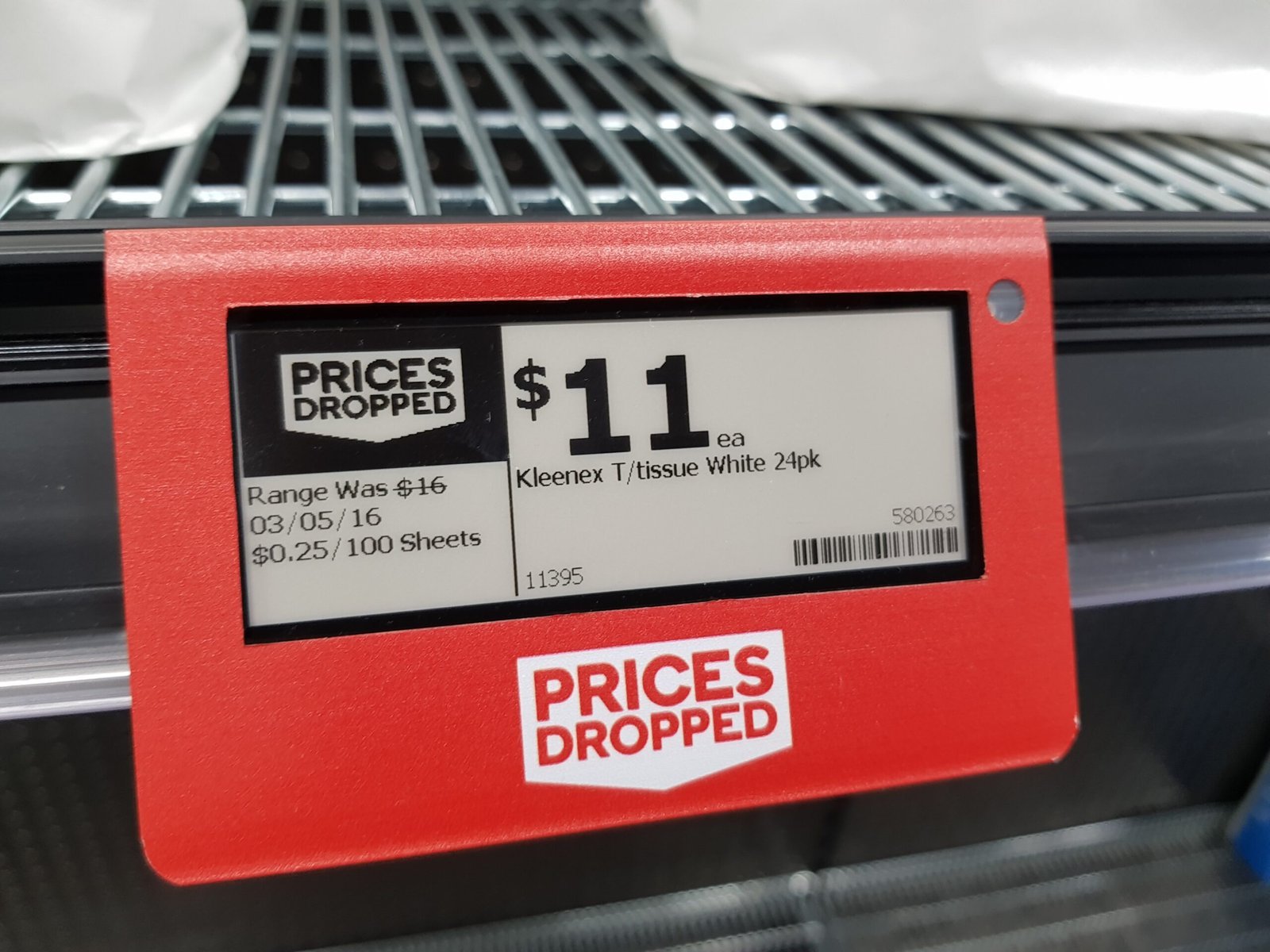
Shoppers navigating crowded grocery aisles face a hidden danger these days. Criminals quietly tamper with price tags, exchanging labels from premium meats and produce with those from discount items nearby. This low-effort fraud lets thieves snag luxury goods at rock-bottom prices, especially at self-checkout kiosks. Reports indicate a sharp uptick in cases across the U.S., coinciding with inflation squeezing household budgets. Retailers from Walmart to independent grocers report mounting losses, prompting urgent countermeasures.
What Is the Changing Price Tag Scam?
Criminals target everyday essentials like steak, dairy, and seafood in busy stores. They peel off legitimate tags from high-value products and replace them with cheaper ones from bargain sections. Adhesive removers or even homemade labels make the switches nearly invisible to the naked eye. Victims rarely notice until unpacking at home, discovering they’ve been shortchanged on quality. Law enforcement notes this scam’s appeal lies in its subtlety and minimal risk compared to outright shoplifting. Busy staff and distracted customers create the perfect environment for it to thrive.
How the Scam Works Step by Step
Scammers scout high-traffic stores during peak hours to blend in. One often distracts employees while the other swaps tags on perishable items like ground beef or salmon. They favor self-checkout lanes, where altered labels scan without scrutiny. Retail analytics show over 70 percent of incidents happen there, exploiting absent human oversight. Thieves peel tags carefully, sometimes using tools for clean adhesion. Walking out with premium cuts for pennies on the dollar completes the heist.
Real-World Examples Shocking Communities
In California, families have unpacked supposed wild-caught salmon only to find cheaper farmed fish billed at half price. Texas shoppers report similar swaps on ground beef, costing stores $50 or more per hit. A Florida man faced 25 larceny counts after switching tags on Pokemon cards at Target self-checkout. Social media buzzes with viral posts under #PriceTagScam, from Midwest chains logging 200 cases quarterly. These stories reveal a pattern favoring perishables to dodge quick detection. Community forums now share vigilance tips amid the outrage.
The Massive Financial Toll on Everyone Involved
Industry reports peg overall retail shrink at over $112 billion annually, with price manipulation a key contributor. Giants like Walmart and Kroger absorb millions through write-offs, hiking prices indirectly for all customers. Small grocers suffer worst, some closing aisles or shutters entirely. Food safety risks emerge from mislabeled items, eroding shopper trust. Supply chains disrupt as inventory mismatches pile up. Experts warn unchecked growth could double losses without swift action.
Why Self-Checkout Fuels the Fraud Explosion
Over 80 percent of major chains now rely on self-checkout, handing scammers a golden opportunity. No real-time verification lets fake tags ring up unchallenged. AI scales meant to verify weights falter against precise swaps. Recent surveys confirm self-checkout theft surging into 2026. Retailers add audits and facial recognition, but thieves counter with digital forgeries. This tech arms race exposes deep flaws in automated shopping.
Law Enforcement Strikes Back Against the Tide
Police in Florida and New York formed task forces, netting dozens of arrests yearly. A Miami bust recovered $20,000 in swapped luxury wines from an organized ring. Felony charges under theft statutes carry up to five years in prison. Many perps link to broader retail crime networks. Community apps like Citizen enable real-time suspicious activity reports. Proactive policing marks a welcome shift from reactive measures.
Prevention Tips and Retail Innovations Ahead
Inspect tags for tampering residue, odd fonts, or glue marks before scanning. Snap photos of high-value items and use barcode apps for price checks. Stick to staffed lanes when possible. Stores deploy tamper-evident labels, UV inks, and RFID tags for instant alerts. Kroger’s computer vision pilots slashed scams by 40 percent. Vigilance programs cut incidents 30 percent, proving consumer power packs a punch.
Final Thought
This insidious scam preys on everyday trust in grocery shopping, but awareness changes the game. Simple habits like double-checking labels can thwart thieves and save stores big. Retail tech promises tighter defenses, yet human smarts remain key. What suspicious swaps have you spotted lately? Share in the comments below.
Source: Original YouTube Video

Christian Wiedeck, all the way from Germany, loves music festivals, especially in the USA. His articles bring the excitement of these events to readers worldwide.
For any feedback please reach out to info@festivalinside.com
