

- 10 Most Heartbreaking Stories Behind Famous Songs - March 26, 2026
- 10 Unexpected Facts About Your Favorite Pop Culture Icons Over 50 - March 26, 2026
- The 10 Most Iconic Music Festivals of the 20th Century: Were You There? - March 26, 2026
The Festival Renaissance That’s Taking America by Storm
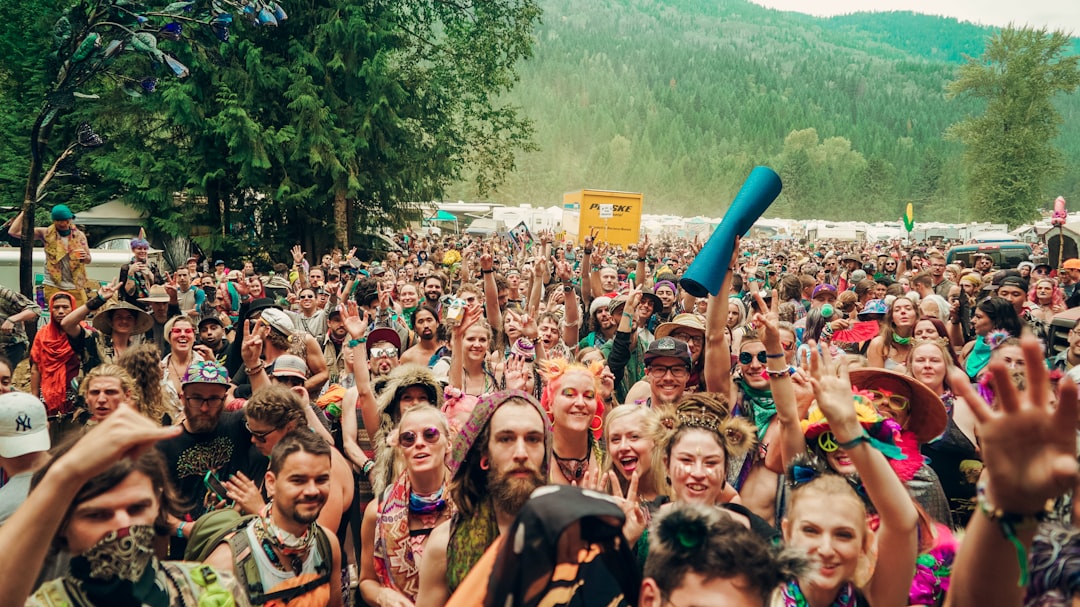
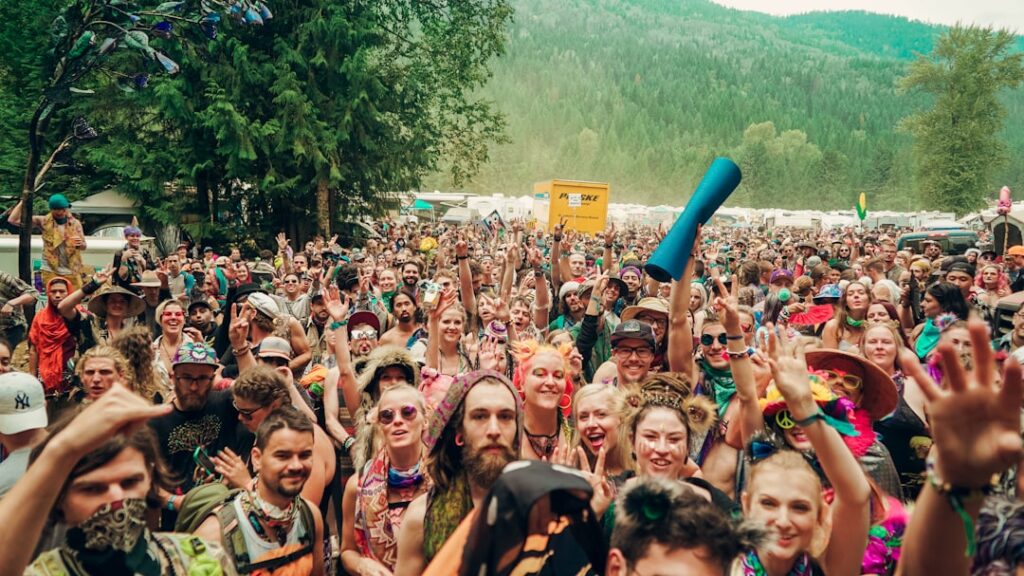
Something incredible is happening in the music world right now. After years of uncertainty, 2025 is shaping up to be the year that live music truly roars back to life. We’re talking about festivals that don’t just host concerts—they create entire universes where music, art, and human connection collide in the most spectacular ways. The numbers alone are staggering: some of these events will draw crowds that could fill entire small cities. But here’s what makes it even more exciting—each festival has carved out its own unique identity, attracting different tribes of music lovers who are hungry for authentic experiences.
Essence Music Festival: Where Culture Meets Celebration
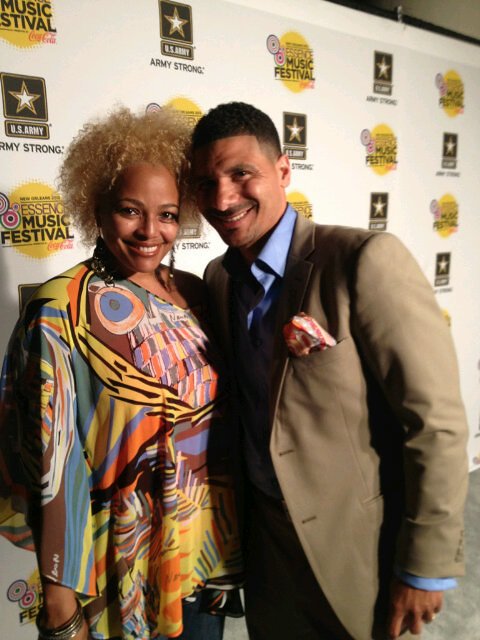
New Orleans becomes the epicenter of Black excellence every July 3-6, and Essence Festival proves that music festivals can be so much more than just entertainment. This isn’t your typical festival experience—it’s a cultural movement that happens to feature incredible music. The French Quarter buzzes with an energy that’s almost electric as over 500,000 people descend on the city for four days of R&B royalty, hip-hop legends, and gospel powerhouses. What sets Essence apart is how it weaves together music with empowerment panels, business expos, and conversations that matter. You might find yourself dancing to Alicia Keys one moment and attending a panel about entrepreneurship the next. The festival has become a pilgrimage site for anyone who wants to celebrate Black culture at its finest.
Lollapalooza Chicago: The Skyline Soundtrack
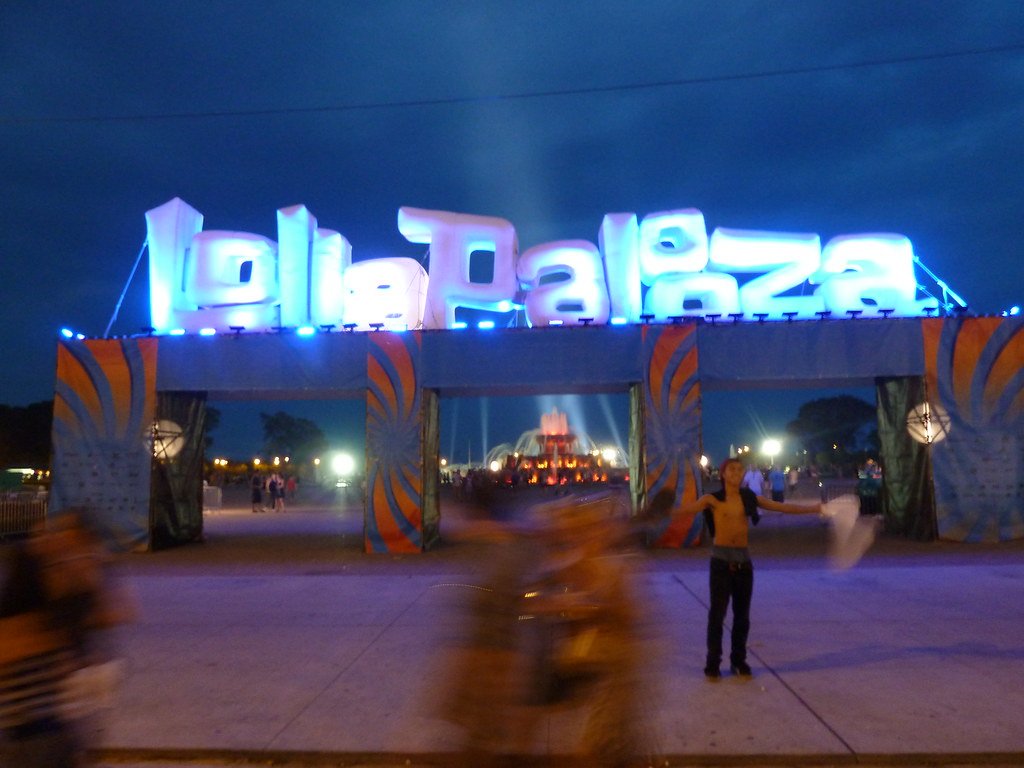
Grant Park transforms into a musical wonderland every July 31-August 3, and honestly, there’s nothing quite like seeing your favorite band perform with Chicago’s iconic skyline as the backdrop. Lollapalooza has this magical ability to make you feel like you’re part of something bigger than yourself. Eight stages spread across the park means you’re constantly making tough choices—do you catch the indie darlings on the smaller stage or head to the main stage for the headliner everyone’s talking about? The festival attracts around 400,000 people over four days, creating this incredible melting pot of music fans from teenagers experiencing their first festival to seasoned concert-goers who’ve been coming since the ’90s. The food trucks alone could keep you busy for hours, but let’s be honest—you’re here for those moments when a song hits just right and 50,000 people are singing along.
Hard Summer: California’s Electronic Playground
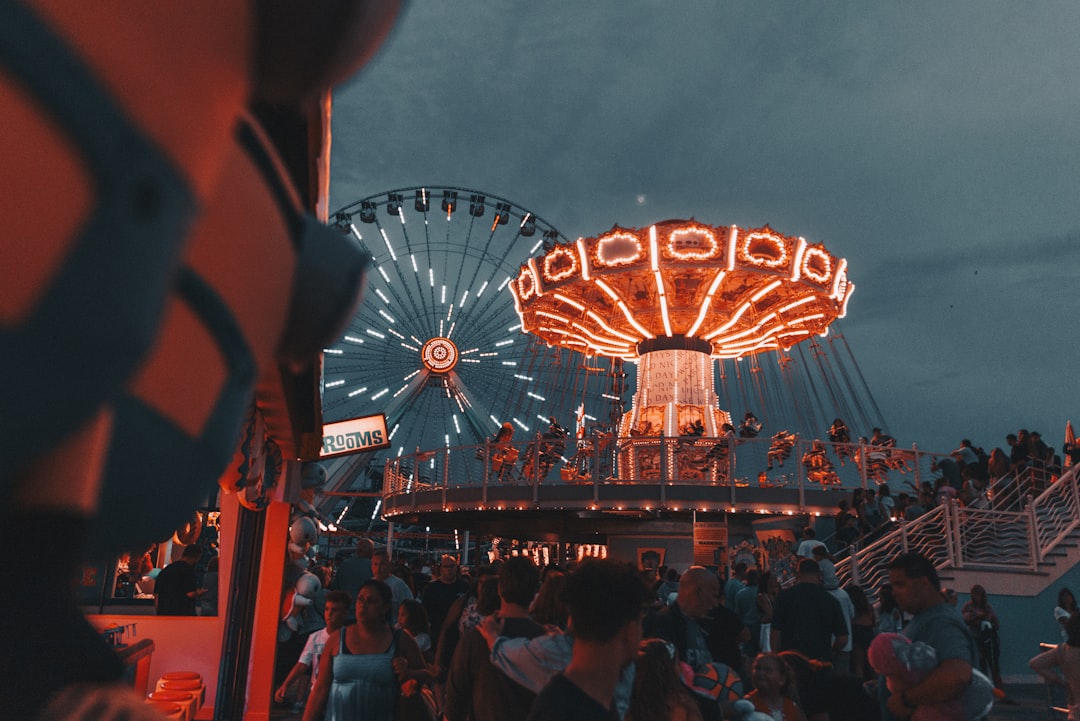
Los Angeles gets wild every August 2-3, and Hard Summer proves that the West Coast knows how to throw a party. This festival is like that friend who always knows where the best underground shows are happening—except now it’s happening in broad daylight with massive production values. The combination of electronic dance music and hip-hop creates this incredible energy that you can literally feel in your chest. Picture this: you’re surrounded by palm trees, the California sun is beating down, and the bass is so heavy it’s practically moving through your bones. The crowd here isn’t just listening to music—they’re living it, breathing it, becoming part of the rhythm itself. Hard Summer attracts over 160,000 electronic music enthusiasts who come prepared to dance until they can’t feel their feet anymore.
Outside Lands: San Francisco’s Musical Utopia
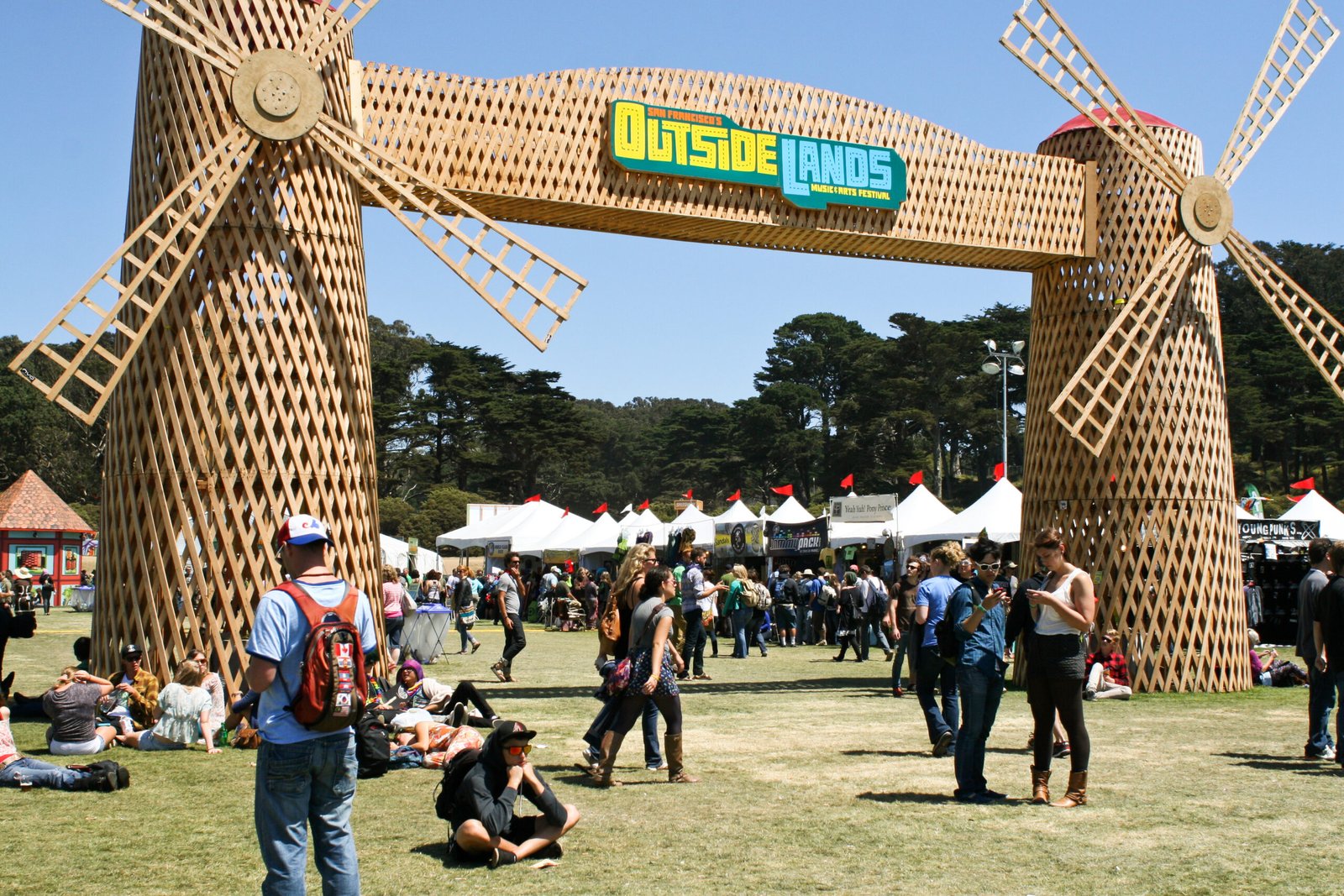
Golden Gate Park becomes a three-day paradise every August 8-10, and Outside Lands might just be the most civilized way to experience a massive music festival. This event attracts over 200,000 people, but somehow it never feels overwhelming—maybe it’s the San Francisco vibe, or maybe it’s because they’ve perfected the art of festival organization. The food scene here is legendary, featuring everything from local food trucks to Michelin-starred chef pop-ups. You can catch a funk band, grab some artisanal tacos, check out local art installations, and still make it to the electronic tent before sunset. The festival has this unique ability to feel both massive and intimate at the same time. Plus, where else can you see world-class musicians perform while fog rolls in from the Pacific Ocean?
Austin City Limits: Texas-Sized Musical Madness
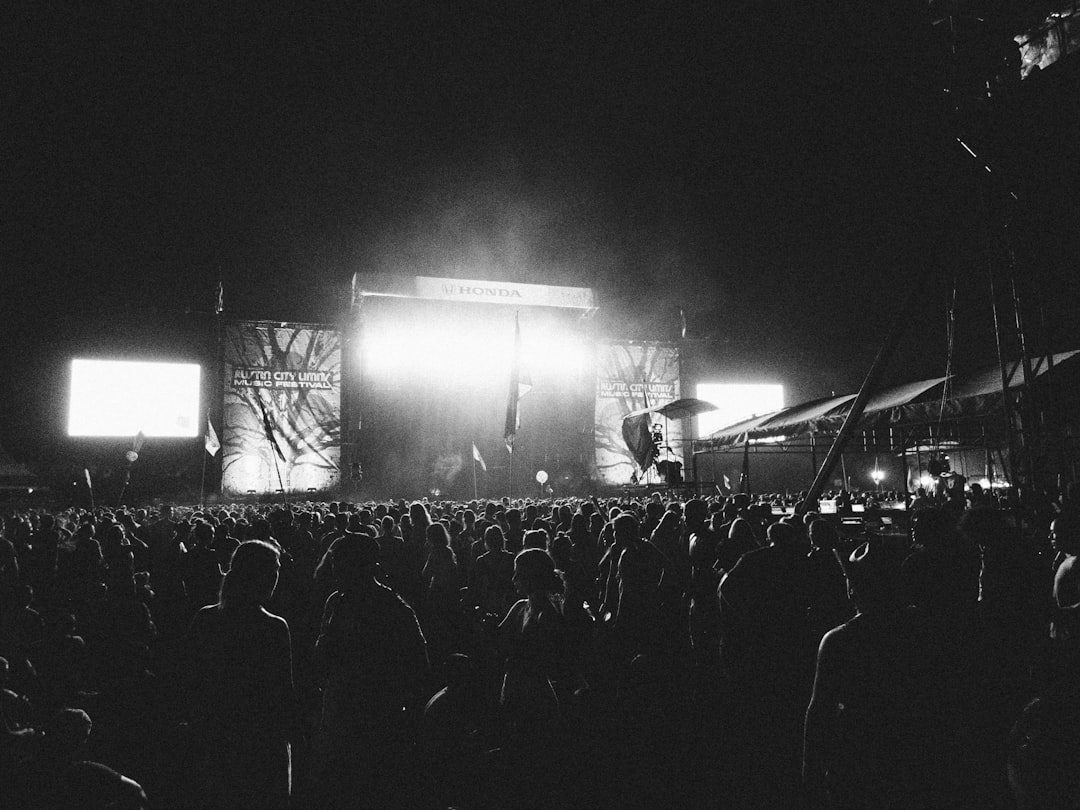
Zilker Park becomes the center of the musical universe for two incredible weekends, October 3-12, and ACL proves that everything really is bigger in Texas. This festival is like a marathon, not a sprint—two weekends mean double the chances to see your favorite artists, but also double the decisions about which weekend to attend. The festival draws around 450,000 people across both weekends, creating this incredible atmosphere where music fans from around the world converge in one of America’s most music-loving cities. Austin’s “Keep It Weird” motto perfectly captures the festival’s spirit—you’ll see everything from folk singers to electronic producers, often on the same day. The heat can be brutal, but there’s something magical about experiencing live music under the Texas sky. The local food scene takes center stage too, with BBQ and tacos that are almost as memorable as the headliners.
When We Were Young: The Ultimate Nostalgia Trip
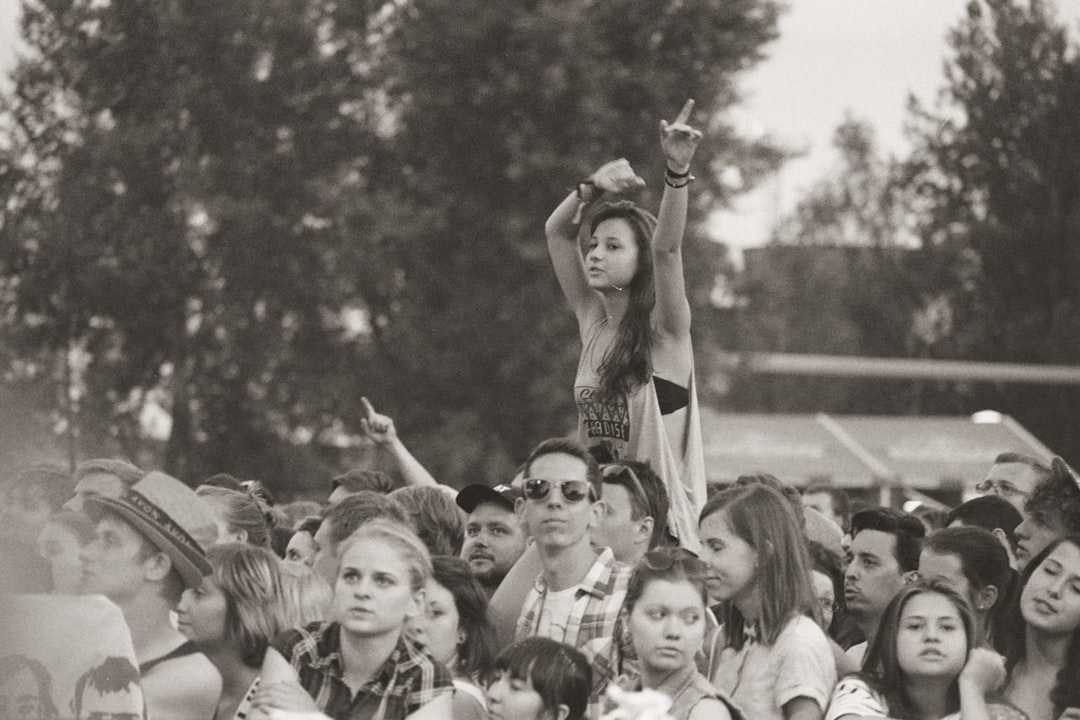
Las Vegas becomes a time machine every October 18-19, and When We Were Young Festival is pure emotional chaos in the best possible way. This festival understands something profound about music—sometimes you need to go backward to move forward. Imagine being surrounded by 50,000 people who all know every word to “Mr. Brightside” or who scream along to Fall Out Boy like they’re teenagers again. The festival lineup reads like a playlist from 2005, featuring bands like Blink-182, Panic! at the Disco, and Avril Lavigne. But here’s what makes it special: it’s not just about nostalgia, it’s about community. You’ll see people in their 30s crying during Dashboard Confessional, not because they’re sad, but because music has this incredible power to transport us back to moments when everything felt possible. The festival has created this safe space for millennials to feel young again, even if just for a weekend.
EDC Orlando: Where Electronic Dreams Come Alive
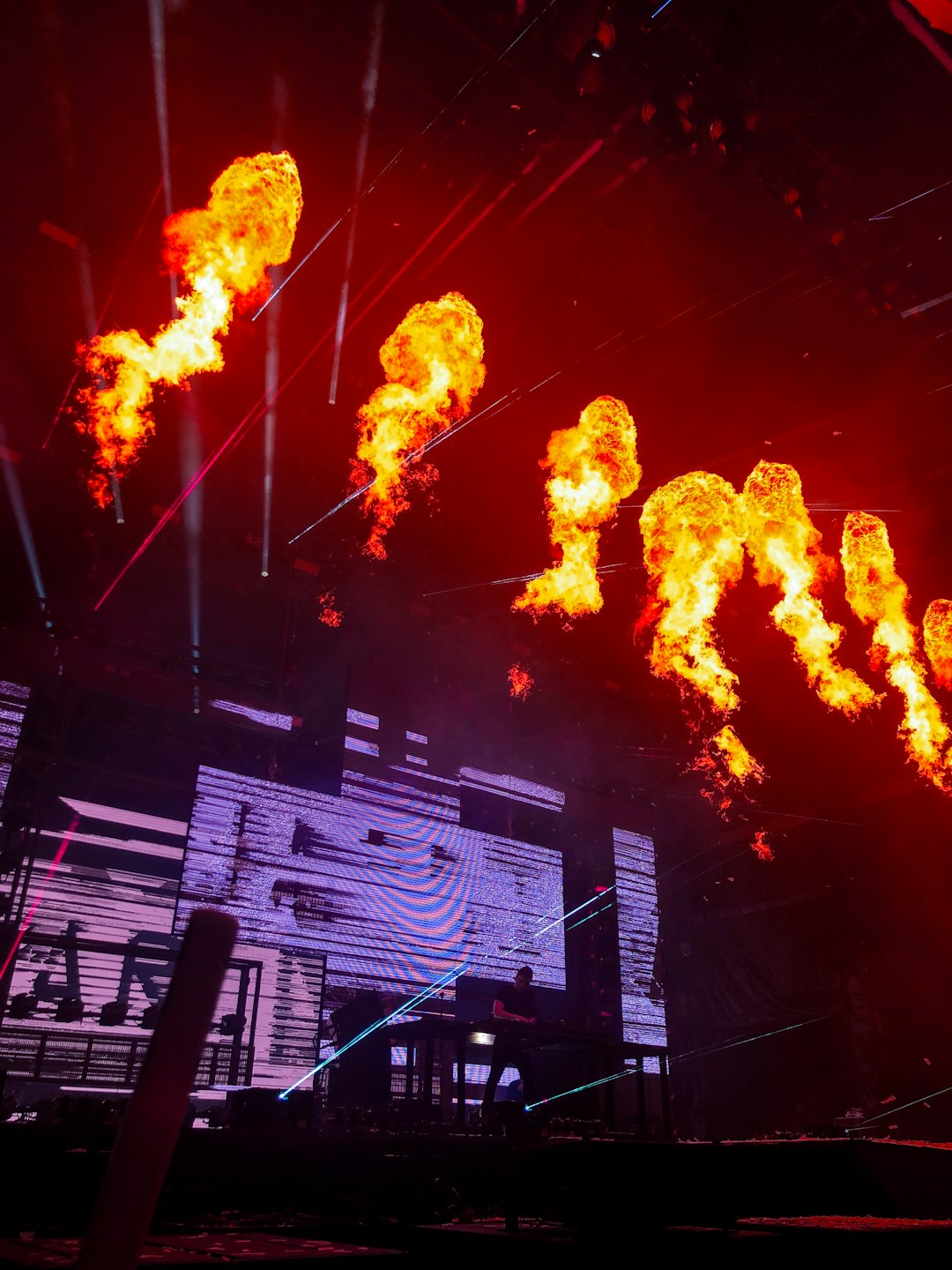
Orlando transforms into a neon wonderland every November 7-9, and EDC Orlando proves that electronic music festivals are about so much more than just the music. This festival is like stepping into a parallel universe where art installations glow in the dark, strangers become instant friends, and the music literally never stops. Drawing over 75,000 electronic music fans, EDC Orlando creates this incredible sense of unity that you have to experience to believe. The production values are insane—we’re talking about stages that look like they belong in a sci-fi movie, complete with performers, dancers, and visual effects that sync perfectly with the music. The rave culture here is all about PLUR (Peace, Love, Unity, Respect), and you can feel it in every interaction. People trade friendship bracelets like they’re currency, and the dance floors become these incredible spaces where individual expression meets collective euphoria.
The Festival Fashion Revolution
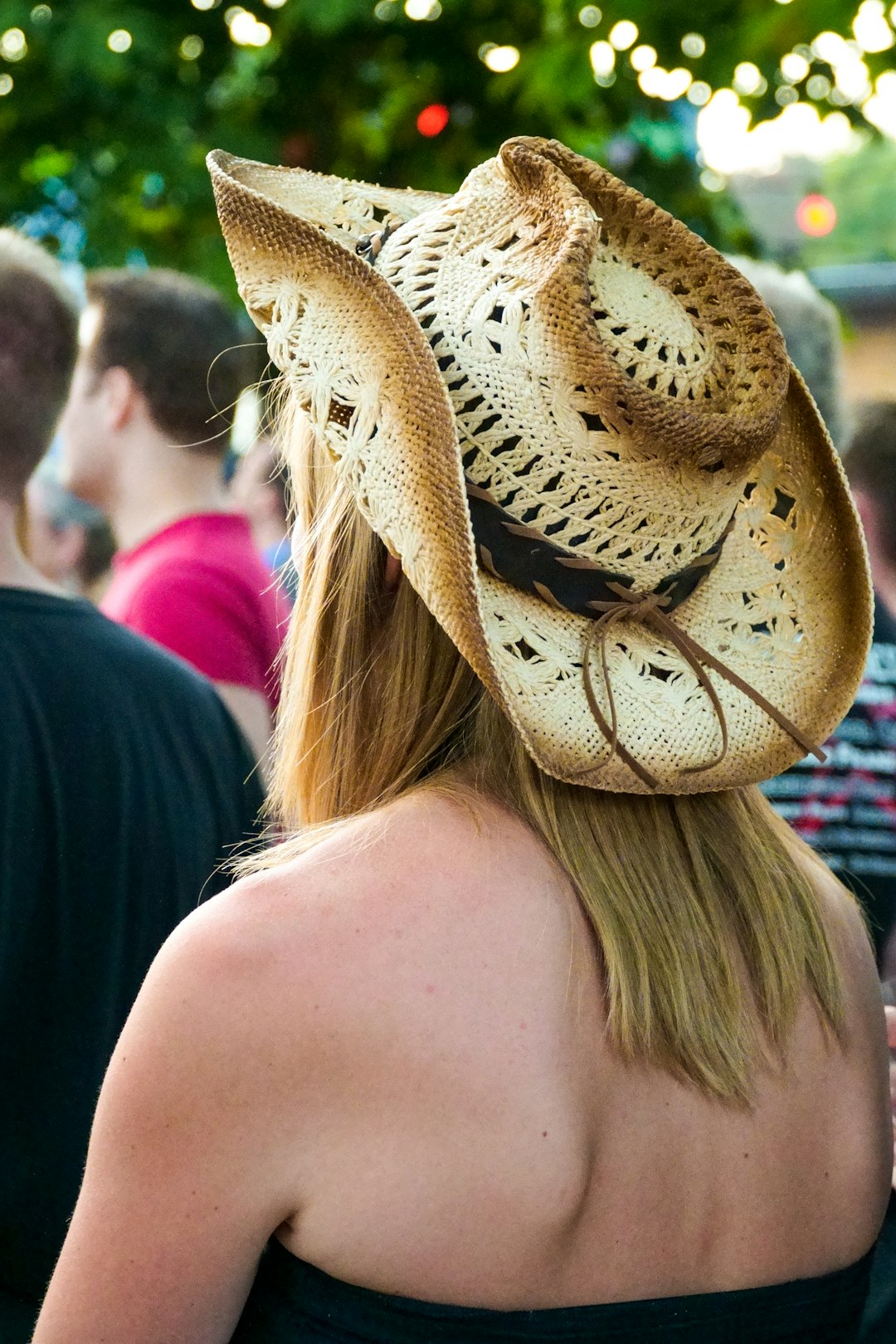
Music festivals have become runways where creativity meets comfort, and 2025’s festival fashion is taking self-expression to entirely new levels. Gone are the days when festival outfits were just about looking cute for Instagram—now it’s about creating a persona that matches the music and the vibe. From the flower crowns and boho chic of Coachella-inspired looks to the neon and glitter explosions at EDM festivals, what you wear has become part of the experience itself. Festival fashion allows people to experiment with styles they’d never wear in their daily lives. You’ll see accountants dressed as unicorns, teachers wearing LED light-up outfits, and college students sporting vintage band tees that cost more than their textbooks. The beauty of festival fashion is that there are no rules—only the mandate to be authentically yourself, whatever that looks like.
The Food Revolution That’s Changing Festival Culture
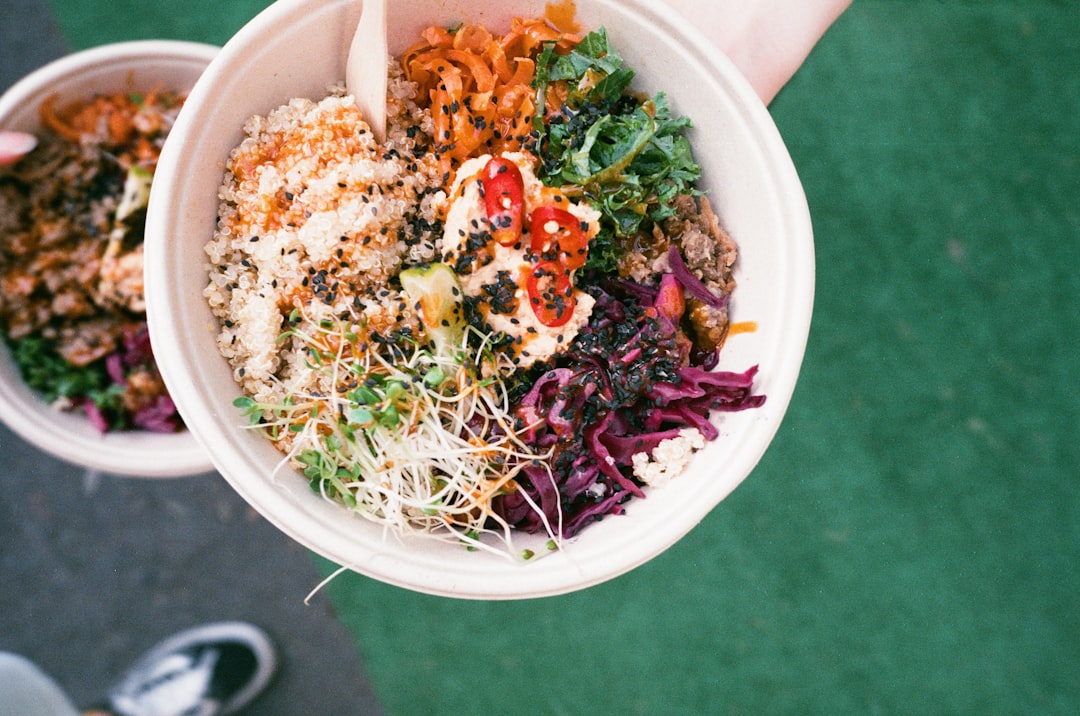
Festival food used to mean overpriced hot dogs and warm beer, but 2025’s festivals are serving up culinary experiences that rival the music for attention. These events have become showcases for local food scenes, with many festivals partnering with celebrated chefs and innovative food trucks to create menus that are Instagram-worthy and actually delicious. At Outside Lands, you might find yourself choosing between a Korean BBQ fusion taco and a gourmet grilled cheese with truffle oil. Coachella’s food game has become so legendary that some people admit they’re almost as excited about the dining options as the headliners. The shift toward diverse, high-quality food options reflects a broader change in festival culture—these events are no longer just about the music, they’re about creating complete sensory experiences. Plus, having actually good food means you can fuel up properly for those marathon dance sessions.
The Technology Revolution Behind the Scenes
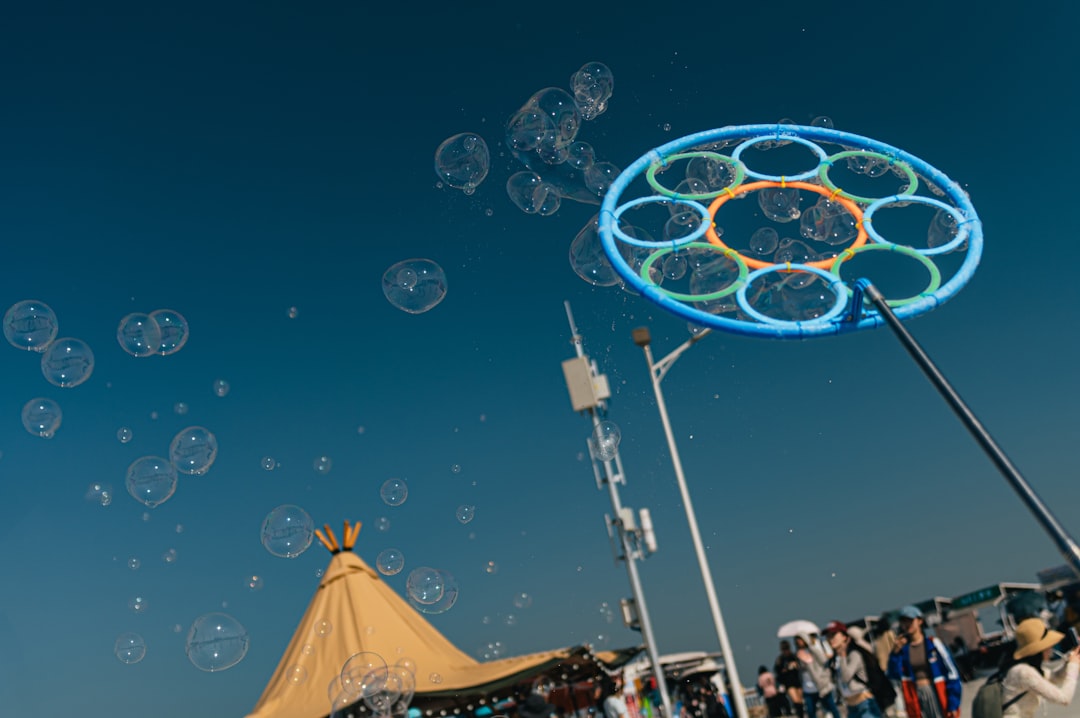
Behind every seamless festival experience is a technological marvel that most attendees never see, and 2025’s festivals are pushing the boundaries of what’s possible with live event production. We’re talking about sound systems that can deliver crystal-clear audio to 100,000 people simultaneously, lighting rigs that sync with the music down to the millisecond, and stage designs that transform throughout the day. The logistics alone are mind-boggling—imagine coordinating the movement of hundreds of thousands of people, ensuring everyone stays hydrated, and managing everything from security to bathroom facilities. Mobile apps now let you create custom schedules, find your friends in crowds of 50,000+ people, and even order food to your location. Some festivals are experimenting with cashless payment systems, RFID wristbands that serve as your ticket, payment method, and social media connector all in one. The technology isn’t just making festivals more convenient—it’s making them safer and more connected than ever before.
The Economic Impact That’s Reshaping Cities
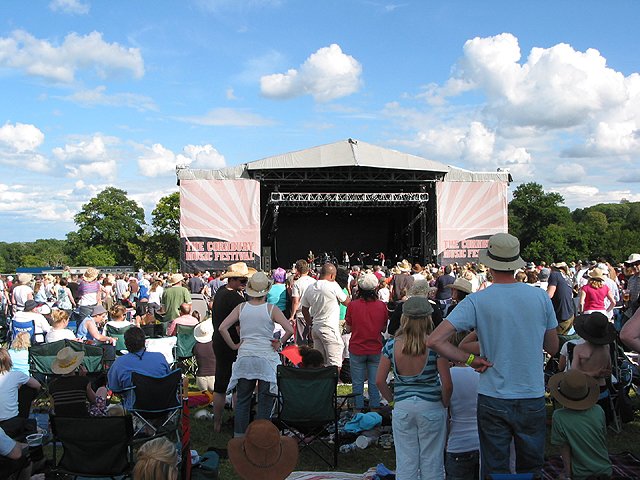
Music festivals have become economic powerhouses that can transform entire cities for weeks at a time, and the numbers are absolutely staggering. When 400,000 people descend on Chicago for Lollapalooza, they’re not just buying tickets—they’re booking hotels, eating at restaurants, shopping at local stores, and pumping millions of dollars into the local economy. Some cities now plan their entire summer tourism strategies around major festivals, with businesses adjusting their inventory and staffing months in advance. The ripple effect extends far beyond the festival grounds, benefiting everyone from Uber drivers to souvenir shop owners. Austin, for example, sees such a massive influx of visitors during ACL that hotel prices triple and restaurants stay open later to accommodate the crowds. These festivals have become cultural and economic anchors for their host cities, creating jobs and generating tax revenue that supports local communities year-round.
The Environmental Movement That’s Going Green
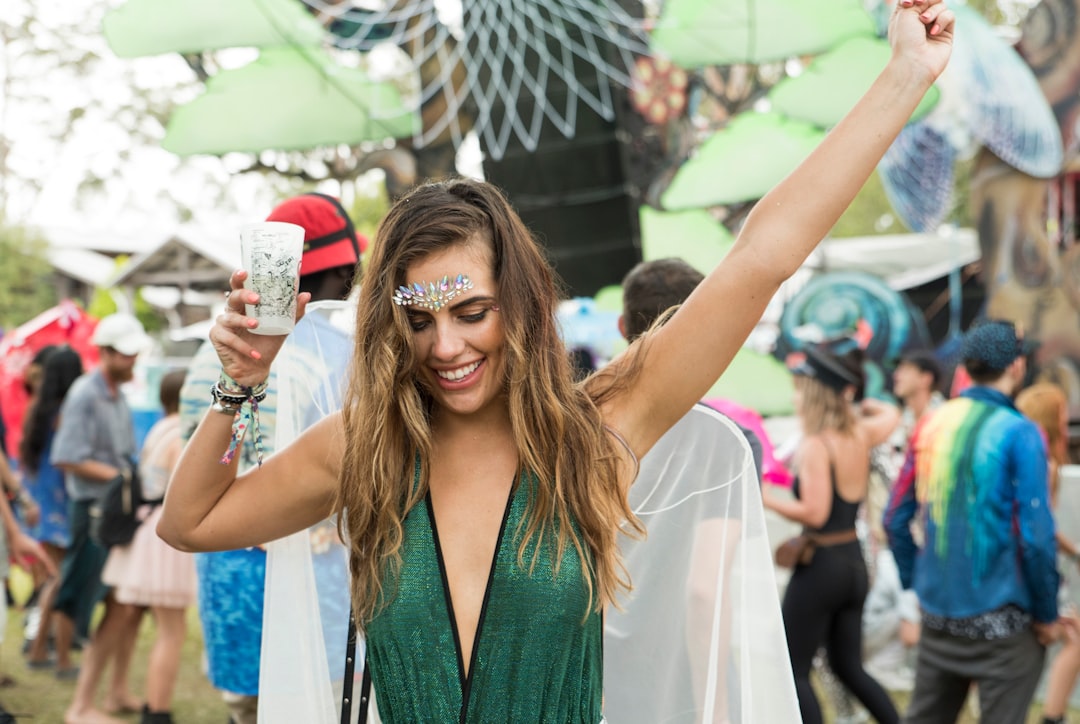
The festival industry is undergoing a green revolution, and 2025’s events are proving that massive gatherings don’t have to come at the expense of the planet. Many festivals are now implementing comprehensive sustainability programs that go far beyond basic recycling bins. We’re seeing solar-powered stages, compostable food containers, and water refill stations that eliminate thousands of plastic bottles. Some festivals have partnered with environmental organizations to offset their carbon footprint, while others are using their platforms to educate attendees about climate change and conservation. The shift toward sustainability isn’t just about doing the right thing—it’s about creating a festival culture that can continue for generations. Festival-goers are increasingly conscious about environmental impact, and events that prioritize sustainability are finding that green practices can actually enhance the overall experience. After all, there’s something special about dancing to your favorite band while knowing you’re not contributing to environmental destruction.
Did you expect that these massive gatherings could create such ripple effects across culture, technology, and entire cities?
CEO-Co-Founder
