

- 10 pop stars who passed away too soon. - April 10, 2026
- 12 Great Debut Albums That Made Music History - April 10, 2026
- 12 Legendary Fashion Items That Defined an Entire Generation - April 10, 2026
Hollywood’s golden age churned out legends that still dazzle, yet plenty of treasures gather dust on the sidelines. These films, born in the 1930s through 1950s, faced box-office flops, overshadowed stars, or simply bad timing amid war and shifting tastes. Their genius lies in bold risks, raw emotions, and techniques that shaped modern movies.
Overlooked doesn’t mean unworthy. These eight pack surprises that hit harder today, blending wit, chills, and heart in ways blockbusters rarely touch. Ready to unearth some cinematic gold? Let’s dive right in.[1][2][3]
Bringing Up Baby (1938)
source, Public domain)
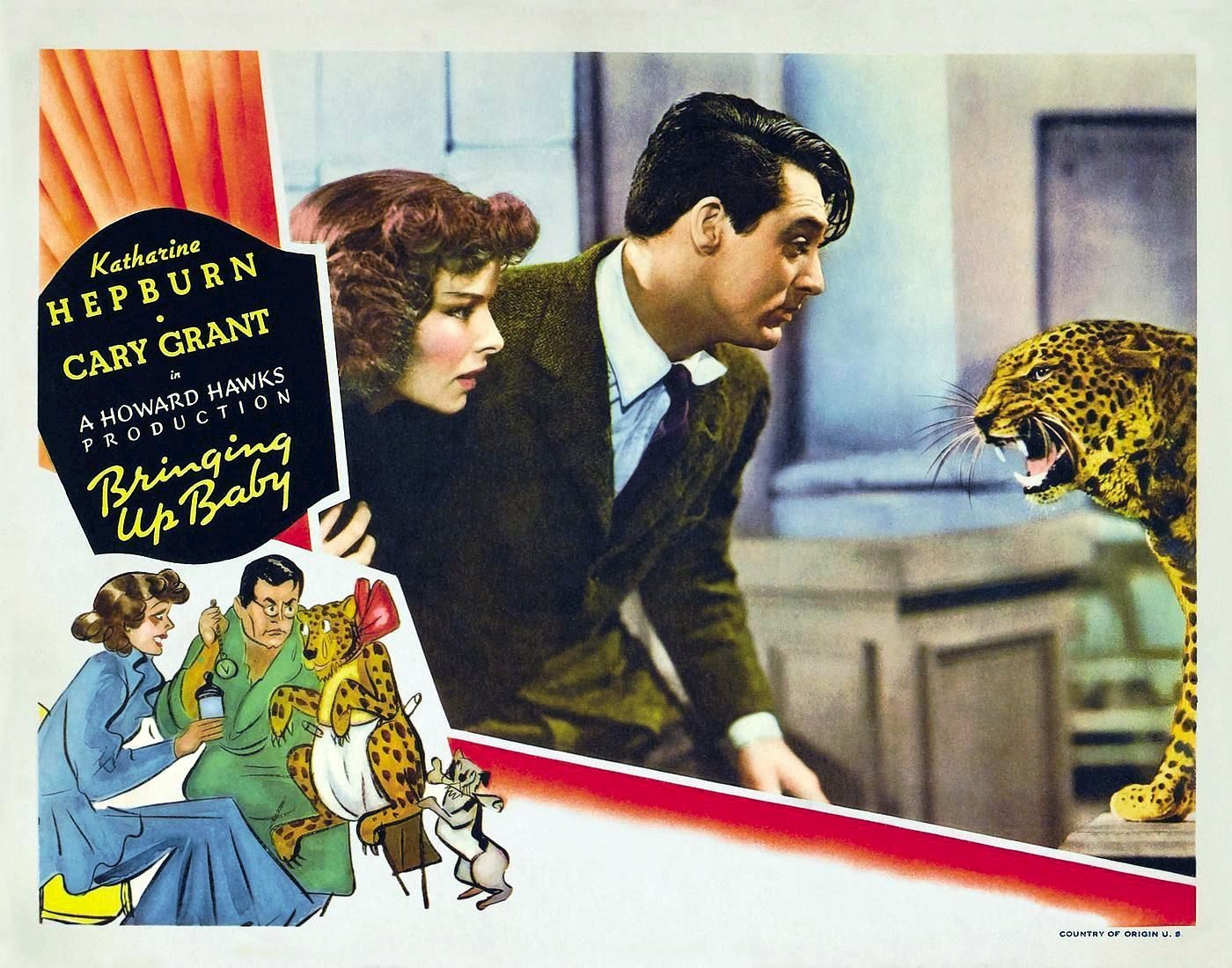
Picture a mild-mannered paleontologist chasing a missing dinosaur bone while dodging a wild leopard. That’s the frenzy Howard Hawks unleashes in this screwball comedy gem from the late 1930s, starring Cary Grant as absent-minded David Huxley and Katharine Hepburn as the zany heiress Susan Vance. Released amid the genre’s peak, it flopped commercially due to Hepburn’s string of box-office duds, but Hawks’ rapid-fire direction captured chaotic energy like no other.
The plot spirals when Susan ropes David into transporting her pet leopard “Baby” to her Connecticut farm, sparking a whirlwind of mix-ups and mishaps. Its influence echoes in every modern rom-com, from the battle-of-the-sexes banter to improvised physical gags that feel utterly alive. Today, it deserves cheers for flipping gender roles and delivering pure, unfiltered joy in a scripted world.[4][2]
Double Indemnity (1944)
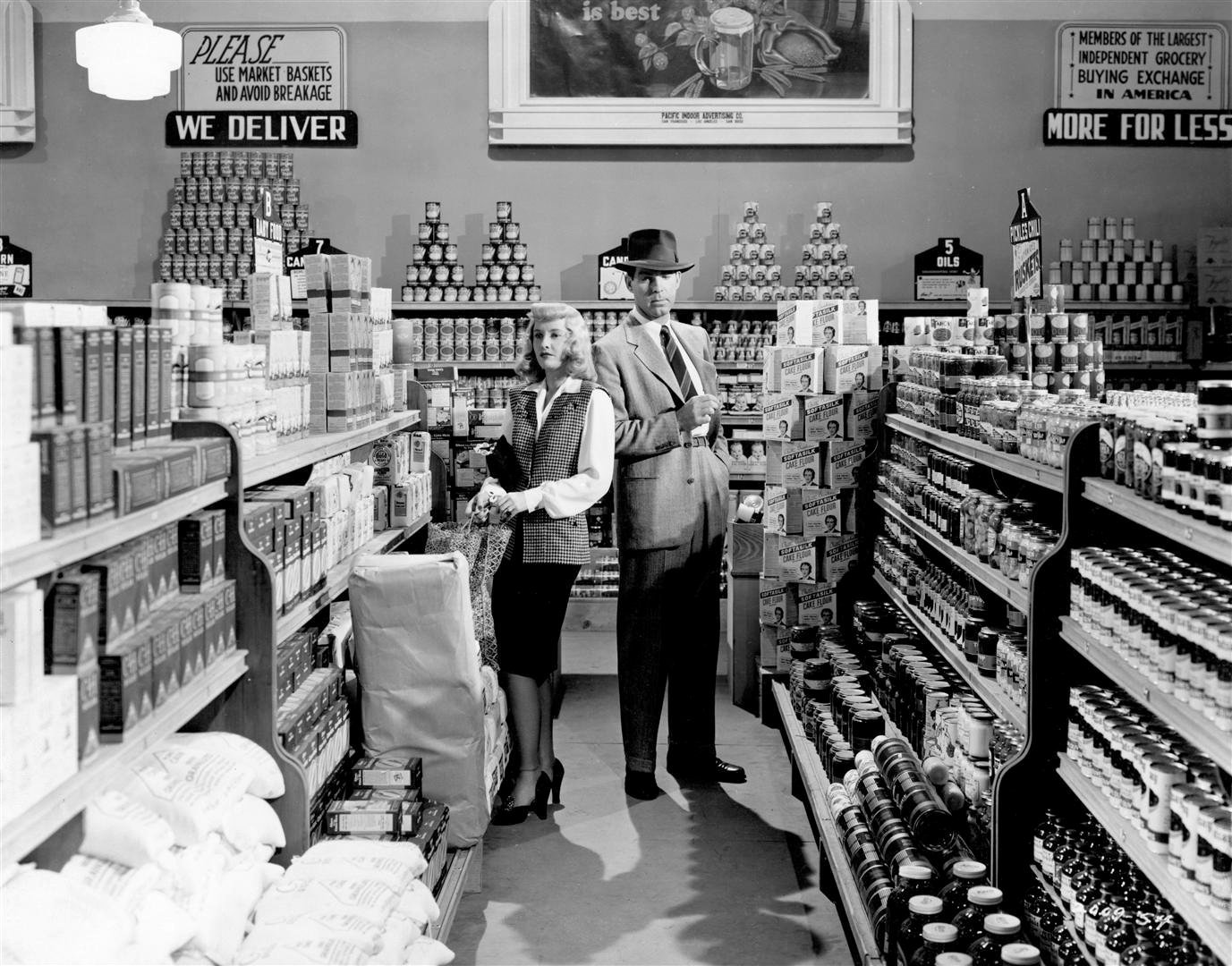
Film noir exploded in the 1940s shadows of World War II, and Billy Wilder’s taut thriller stands tall among them. Insurance salesman Walter Neff, played by Fred MacMurray, falls for sultry Phyllis Dietrichson (Barbara Stanwyck) in a scheme that twists fate into knots. Shot in crisp black-and-white, it pushed boundaries with cynical dialogue that the Hays Code barely contained.
The story unfolds through Neff’s confessional voiceover, detailing a perfect crime gone awry amid betrayal and obsession. Wilder co-wrote it from James M. Cain’s novel, pioneering the voiceover trope and femme fatale archetype that haunted detective tales for decades. Honestly, its razor-sharp take on greed and desire feels shockingly modern, begging for revival in our scam-filled era.[5]
The Lady Vanishes (1938)
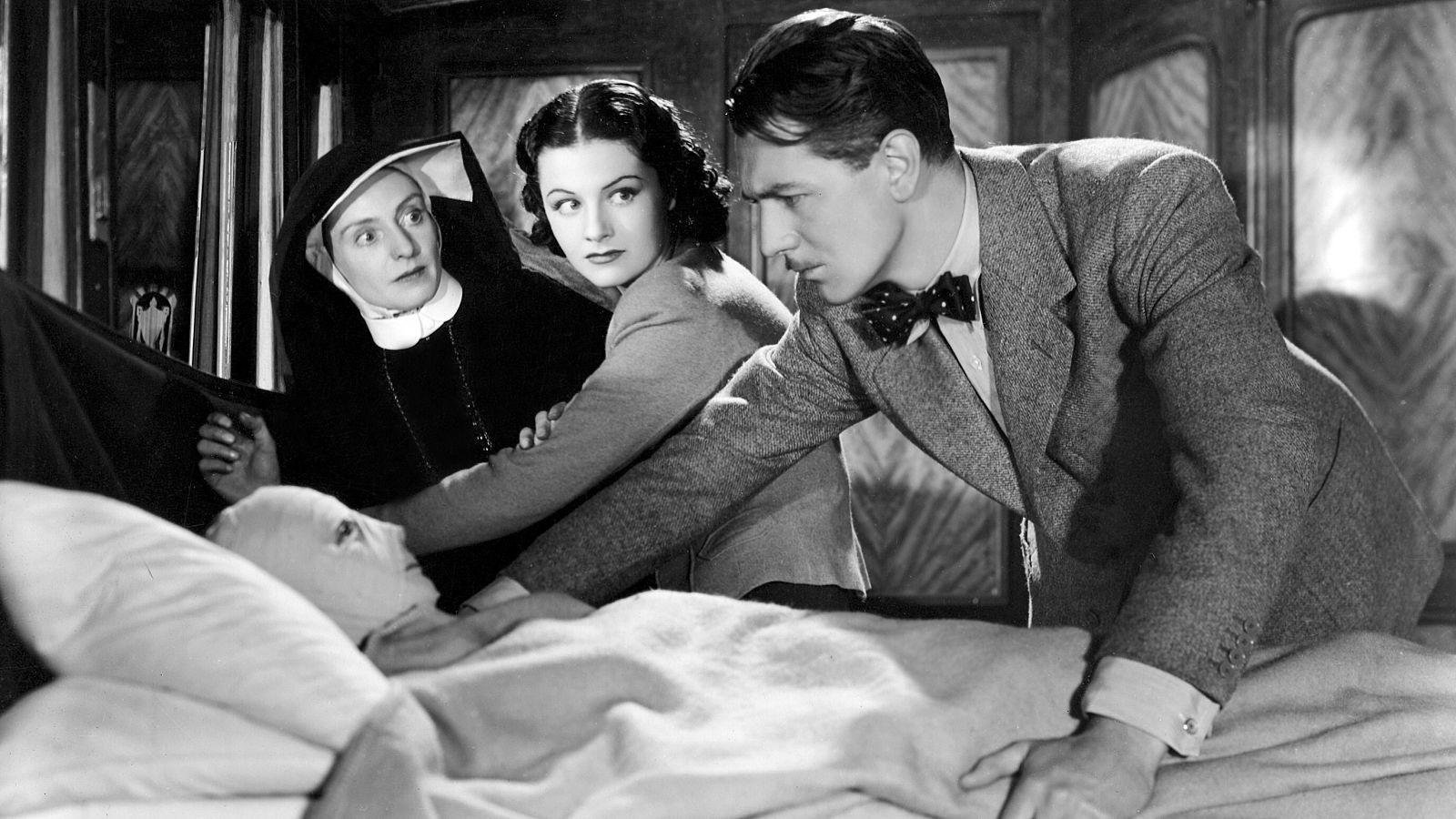
Before Hollywood claimed him, Alfred Hitchcock honed his suspense mastery in Britain with this train-bound thriller amid rising European tensions. Starring Margaret Lockwood as Iris Henderson, a vacationer who witnesses a governess’s eerie disappearance, it blends espionage and psychology seamlessly. Released just before World War II, its themes of doubt and deception mirrored the times perfectly.
As Iris teams with a cricket-playing Gilbert (Michael Redgrave), the vanishing sparks paranoia among passengers. Hitchcock’s mobile camera and tight editing influenced countless chase films, from thrillers to blockbusters. It shines now for smart female leads and that creeping dread, proving classics can outpace today’s jump-scare fests.[5]
Make Way for Tomorrow (1937)
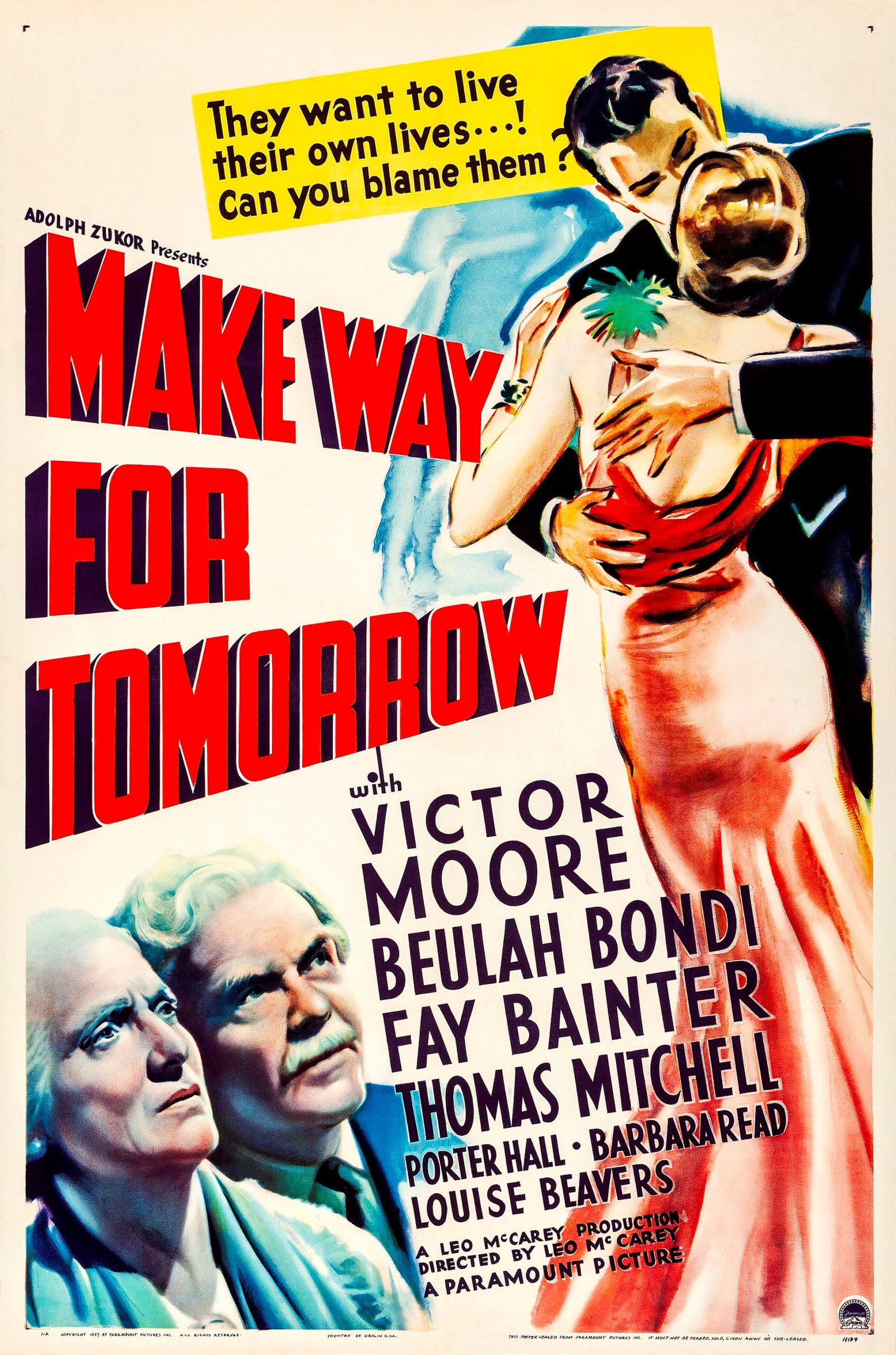
Leo McCarey crafted this quiet gut-punch during the Great Depression, when family strains hit home for millions. Victor Fleming’s era saw swashbucklers dominate, but this intimate drama about elderly couple Barkley and Lucy follows their grown kids shuffling them apart. No villains here, just heartbreaking realism that flopped then but stings eternally.
One last weekend together reveals faded dreams and quiet sacrifices. Its subtle power inspired Ozu’s Tokyo Story and modern indies on aging. In our isolated age, it demands attention for forcing empathy without melodrama.[3]
Libeled Lady (1936)
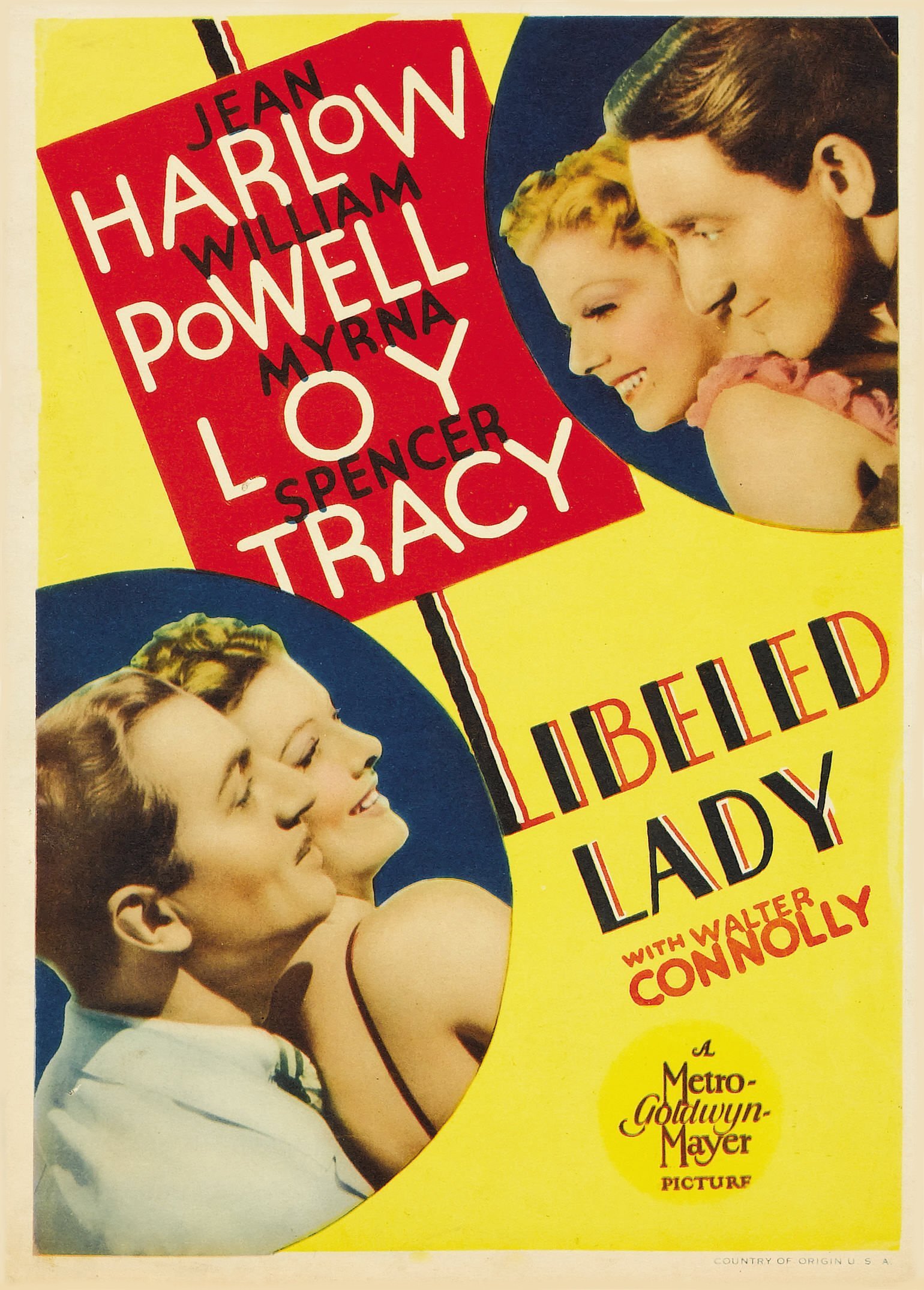
Screwball fever gripped the mid-1930s, and Jack Conway’s star-packed farce delivers non-stop laughs. Jean Harlow, William Powell, Myrna Loy, and Spencer Tracy tangle in a tabloid hoax gone wild, with a socialite suing a newspaper sparking romantic chaos. Pre-Code vibes lingered, allowing sharp wit that Hays enforcers later dulled.
Newspaper boss Warren (Tracy) hires playboy Bill (Powell) to compromise heiress Connie (Loy), but sparks fly instead. Its ensemble timing shaped ensemble comedies forever. Here’s the thing: its gleeful deception and chemistry feel fresher than most reboots today.[3]
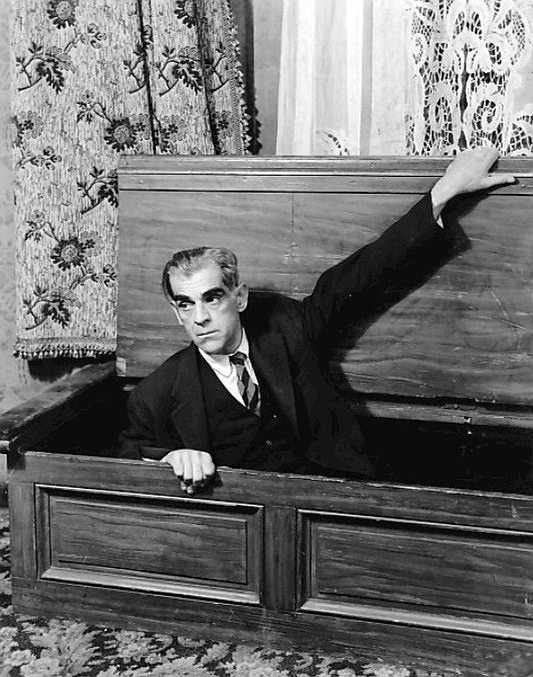
Arsenic and Old Lace (1944)
front
back, Public domain)
Frank Capra traded sentiment for dark laughs in this wartime black comedy, adapting a Broadway hit. Cary Grant shines as Mortimer Brewster, uncovering his sweet aunts’ habit of poisoning lonely men as “charity.” Shot swiftly amid war shortages, it bottled stage energy into film magic.
Family lunacy escalates with a brother resembling Teddy Roosevelt and another plastic surgeon carving faces. Capra’s blend of horror and hilarity paved roads for Coen brothers’ quirks. It begs rediscovery for proving sweetness hides madness, much like our own facades.[2]
The Night of the Hunter (1955)
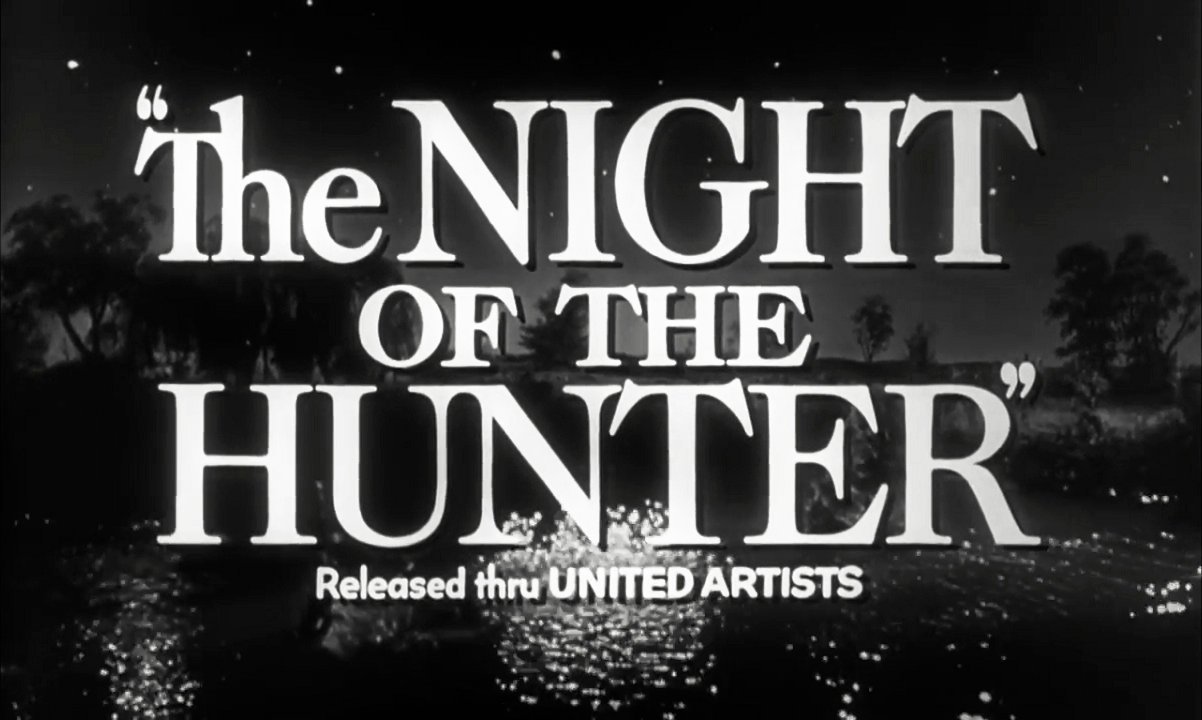
Charles Laughton’s sole directorial outing blends fairy tale nightmare with Depression-era grit in 1950s Hollywood. Robert Mitchum terrifies as preacher Harry Powell, tattooed hands spelling LOVE and HATE, hunting kids who know a hidden fortune’s secret. Flopped commercially, its expressionist shadows echoed silent films amid fading studios.
After their father’s execution, young John and Pearl flee the wolf in sheep’s clothing. Laughton’s visual poetry influenced horror masters like Guillermo del Toro. I know it sounds crazy, but its mythic evil lingers like no slasher ever could.[6][7]
Sweet Smell of Success (1957)
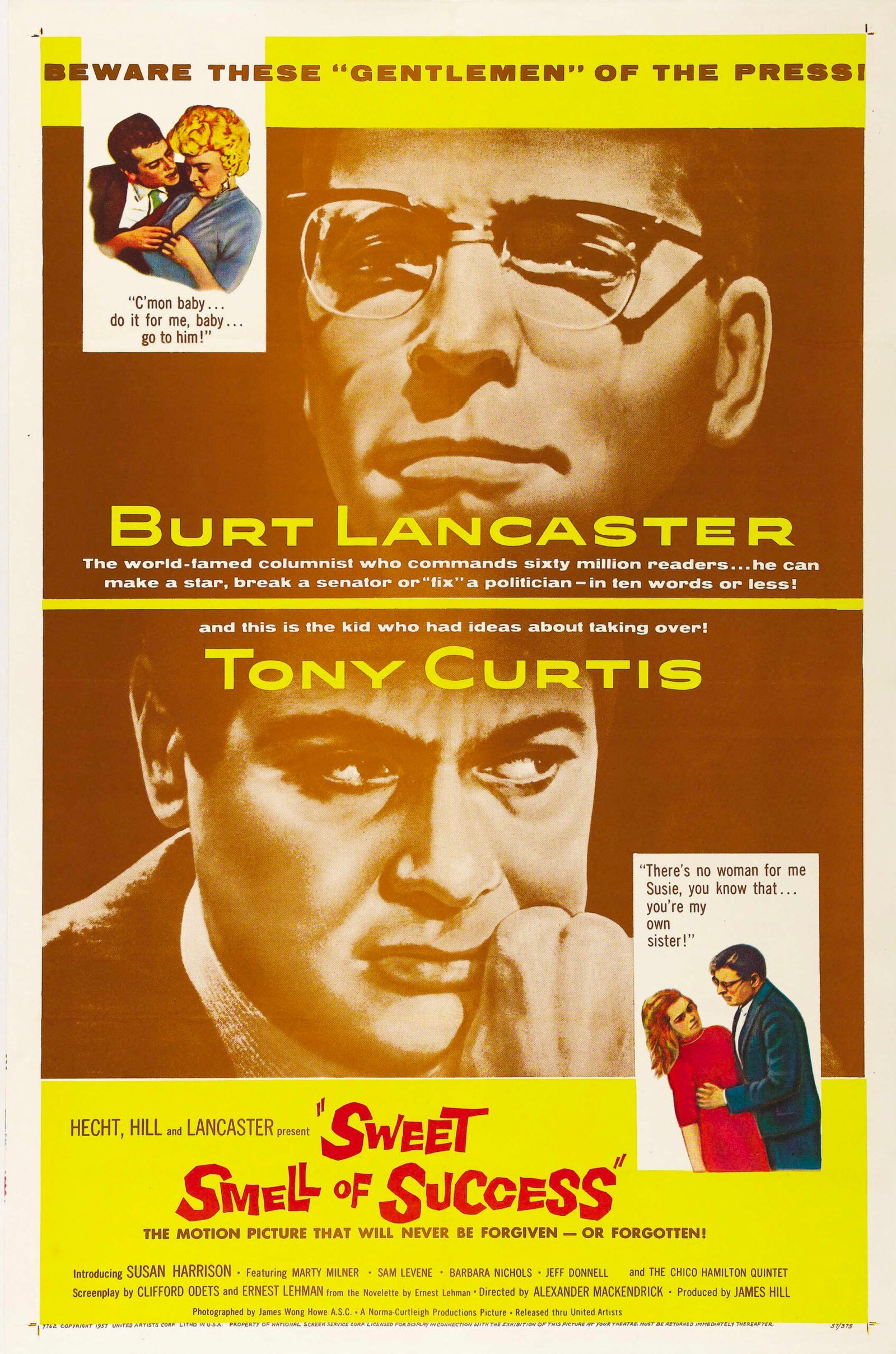
Alexander Mackendrick skewered New York’s power brokers in this cynical drama as studio system waned. Tony Curtis plays press agent Sidney Falco, groveling to columnist J.J. Hunsecker (Burt Lancaster) for favors that crush souls. Shot on gritty streets, it captured tabloid venom before Watergate.
Sidney schemes to split Hunsecker’s sister from her beau, trading ethics for ink. Its razor dialogue inspired Scorsese’s media bites. Today, amid influencer wars, its warning on fame’s rot hits brutally close.[8]
Why Rediscover These Hidden Gems
Digging into underrated classics reveals film’s raw evolution, from screwball anarchy to noir despair. They challenge tastes shaped by algorithms, offering depth that fleeting trends can’t match.
These eight deepen our grasp of cinema’s history, stirring laughs, chills, and tears long forgotten. Grab the popcorn – which one calls to you first?
CEO-Co-Founder
