

For any feedback please reach out to info@festivalinside.com
- 10 Most Mysterious Books in The World - March 23, 2026
- 8 Interesting Quirks About Mozart Not Everyone Knows - March 23, 2026
- 12 Olympic Athletes Who Were Stripped of Their Medals - March 23, 2026
Music charts are supposed to reflect talent, promotion budgets, radio connections, and a pinch of star power. Executives spend millions trying to predict the next hit, and industry insiders bet their careers on knowing what audiences want. Then something unexpected happens, and the whole carefully built system falls apart in the most spectacular way imaginable.
Some of the most thrilling moments in music history weren’t sold-out concerts or Grammy sweeps. They were chart movements that left professionals speechless, fans confused, and music historians scrambling for context. The stories behind these upsets are messy, fascinating, and genuinely surprising. So let’s get into it.
Lil Nas X and “Old Town Road”: The Chart Controversy That Broke the Internet
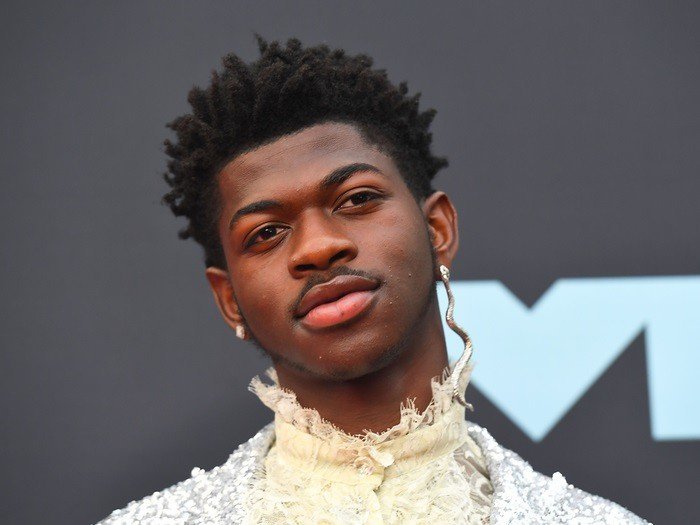
Let’s be real, nobody sitting in a Nashville boardroom in early 2019 could have predicted that a college dropout sleeping on his sister’s floor would produce the longest-running number one in Billboard Hot 100 history. Lil Nas X purchased the instrumental for just $30 and recorded “Old Town Road” in a single day, at a time when he had been living with his sister after dropping out of college. That is an origin story almost too wild to believe.
The song first went viral on social media, largely on the TikTok app, then made history by simultaneously charting on the pop, rap, and country charts on Billboard. Then it was controversially removed from the country charts for not being “country enough.” The backlash was instant and loud, with fans and fellow artists alike questioning the decision.
The song eventually broke the all-time Hot 100 record previously held by “One Sweet Day” by Mariah Carey and Boyz II Men and “Despacito” by Luis Fonsi featuring Daddy Yankee. Think about that for a second. A $30 beat, a kid on a borrowed laptop, and a viral cowboy meme rewrote music history in a matter of months.
Queen’s “Bohemian Rhapsody”: The Six-Minute Song No Radio Station Should Have Played
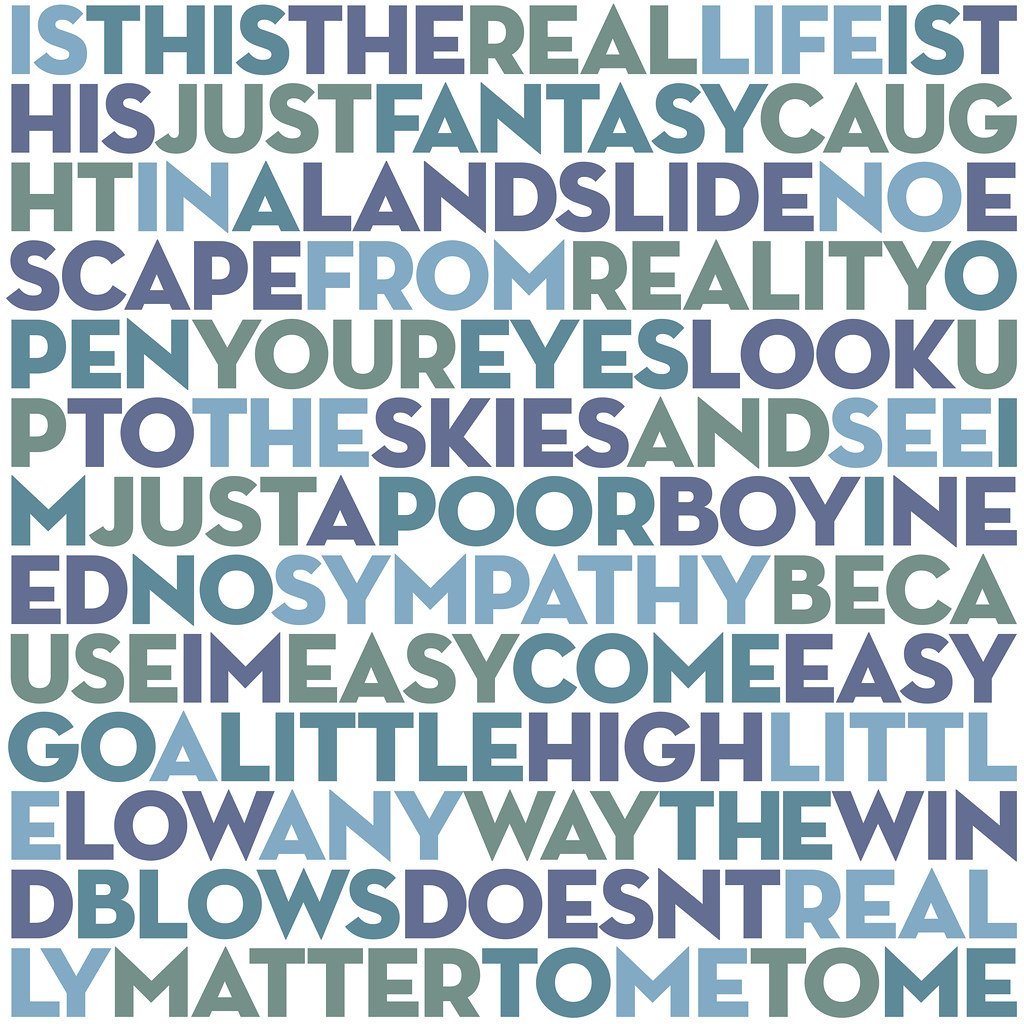
When Queen submitted “Bohemian Rhapsody” in 1975, radio programmers nearly had a collective meltdown. The song was nearly six minutes long, blended opera, rock, and balladry into one disjointed (yet somehow perfect) journey, and told a story nobody fully understood. Radio wisdom at the time was iron-clad: songs over three minutes don’t get played. Period.
The song became the 1975 UK Christmas number one, holding the top position for nine weeks. It was the first song ever to reach number one in the UK twice with the same version. The music industry had essentially told Queen it couldn’t be done, and Queen did it twice.
Following the release of the 2018 biopic also named “Bohemian Rhapsody,” it became the most streamed song from the 20th century. Honestly, that is the ultimate chart upset: a song defying music industry rules in 1975 and still breaking records over four decades later. The song simply refused to stop winning.
Psy’s “Gangnam Style”: When K-Pop Crashed the American Charts

Imagine pitching this to an American label in 2012: a Korean comedian in a tuxedo doing a horse-gallop dance in a music video sung entirely in a language most US listeners didn’t speak. You’d be laughed out of the room. Psy didn’t need their permission though.
Eclipsing Justin Bieber’s “Baby,” “Gangnam Style” became the first-ever music video to reach the billion-view mark. Before it became a figure of speech, Psy broke the internet. The sheer scale of the cultural earthquake this song triggered is genuinely hard to overstate.
When the music video hit 2.1 billion views in 2014, YouTube’s view counter had to undergo a redesign. It’s easy to take the currency of online fame for granted in the TikTok era. While the Lil Nas Xs of the world were breaking chart records in 2019, Psy was one of the first stars to parlay virality into the upper reaches of the Hot 100. In short, Psy didn’t just chart. He changed how charts work.
Chuck Berry’s Only Number One Was… a Novelty Song
Here’s a fact that might actually ruin your day if you’re a rock purist. Chuck Berry, the man who practically invented rock and roll guitar, wrote “Roll Over Beethoven,” “Johnny B. Goode,” and a string of genre-defining classics. None of them reached number one. His only chart-topper was something very different.
Pioneer of rock and roll Chuck Berry gave the world classics such as “Roll Over Beethoven” (1956) and “Johnny B. Goode” (1958), but his only number one was a little less cool. In 1972, he sang a cover of Dave Bartholomew’s novelty song “My Ding-a-Ling” at the Lanchester Arts Festival in England. Yes, a thinly veiled joke song became his commercial peak.
The music industry’s relationship with genius versus mass appeal has always been complicated, and Berry’s chart history is perhaps the most painfully clear example of that gap. It’s a bit like a world-class chef winning a prize for microwaveable mac and cheese. The public loved what they loved, and critics just had to live with it.
The Singing Nun Topples American Pop Royalty
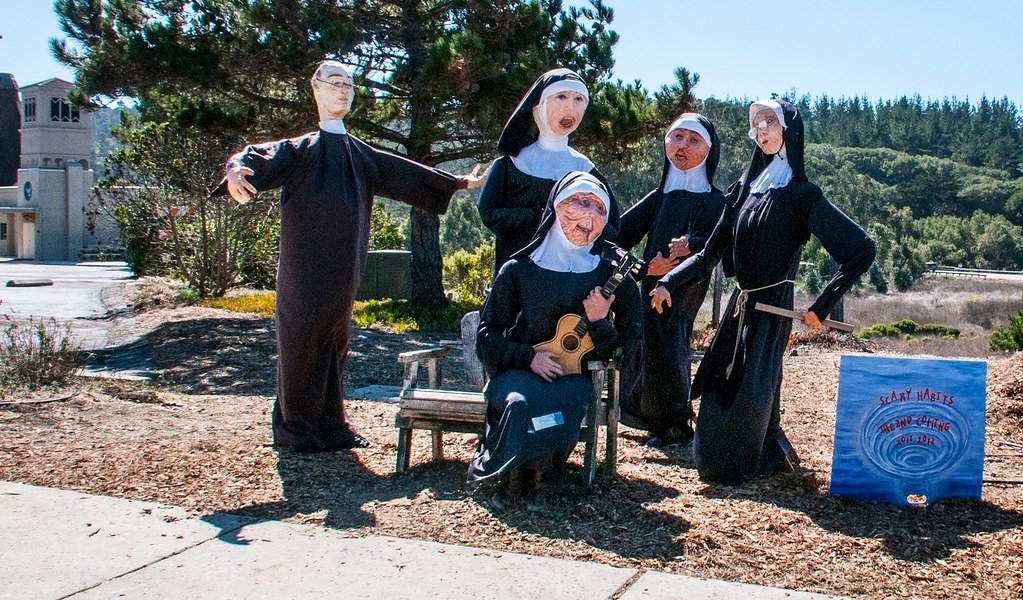
If you had to design the least likely pop star imaginable, you might land somewhere close to a Belgian Dominican convent nun singing in French. Yet that is exactly what happened in 1963, and the American charts had absolutely no idea how to handle it.
Sister Luc Gabrielle, known as “The Singing Nun,” placed her peppy French-language performance atop the US charts for a full month in 1963. Gabrielle became the first musician in American chart history to have a number one song and a number one album at the same time. That double achievement hadn’t even been accomplished by Elvis at that point.
The sheer cultural disconnect is what makes this so deliciously strange. This was the same America where rock and roll was considered rebellious and dangerous, and here came a nun from a Belgian convent conquering the entire country with a cheerful acoustic guitar song. Nobody in any marketing department dreamed this one up. It just happened.
Chumbawamba Goes from Anarchist Collective to Arena Anthem
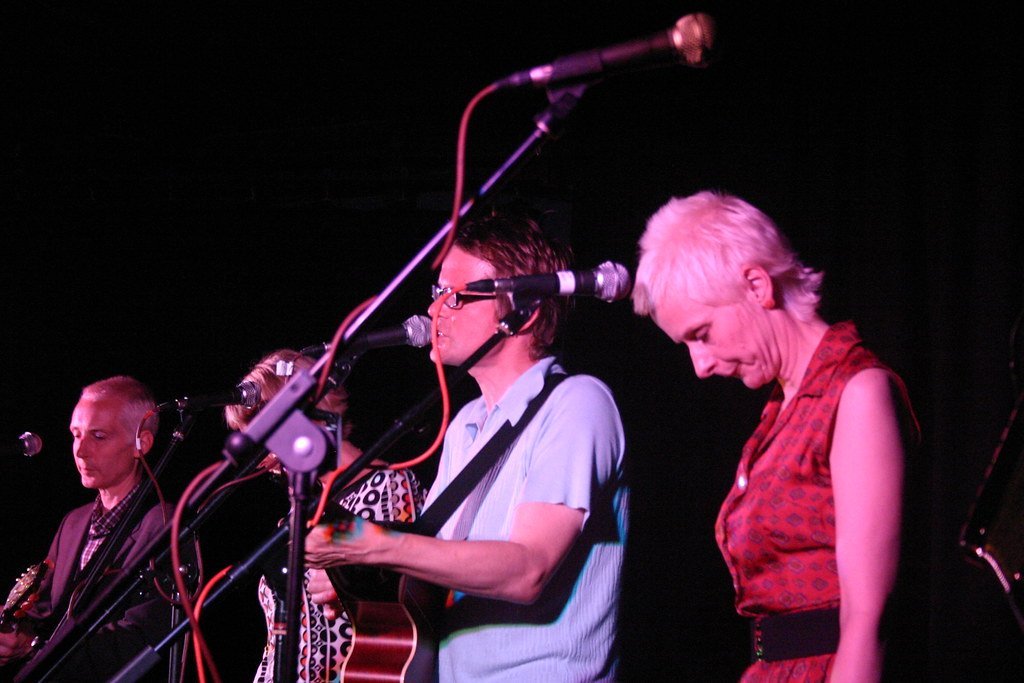
Few expected an anarcho punk collective singing a rowdy anthem to dominate mainstream radio. Chumbawamba’s ode to resilience about getting knocked down and rising again quickly became an inescapable singalong at sports arenas and parties everywhere. Radical politics faded into the background as audiences latched onto a chorus built for collective shouting.
Think about what Chumbawamba actually was before “Tubthumping” hit in 1997. They were a Leeds-based activist collective with a history of confrontational performance art, anti-establishment politics, and very deliberately underground credibility. They had literally poured a bucket of water over a British Deputy Prime Minister at a music awards ceremony. These were not stadium pop people.
The industry reaction was a mixture of disbelief and quiet admiration. A song that was supposedly a filler track about pub culture became the defining anthem of resilience for an entire generation. It even made it onto the soundtrack of countless sports montages around the world. I think that’s what makes it so poetic: the most anti-establishment band accidentally wrote the world’s most crowd-pleasing chorus.
“Winchester Cathedral” Beats The Beatles and The Beach Boys for a Grammy
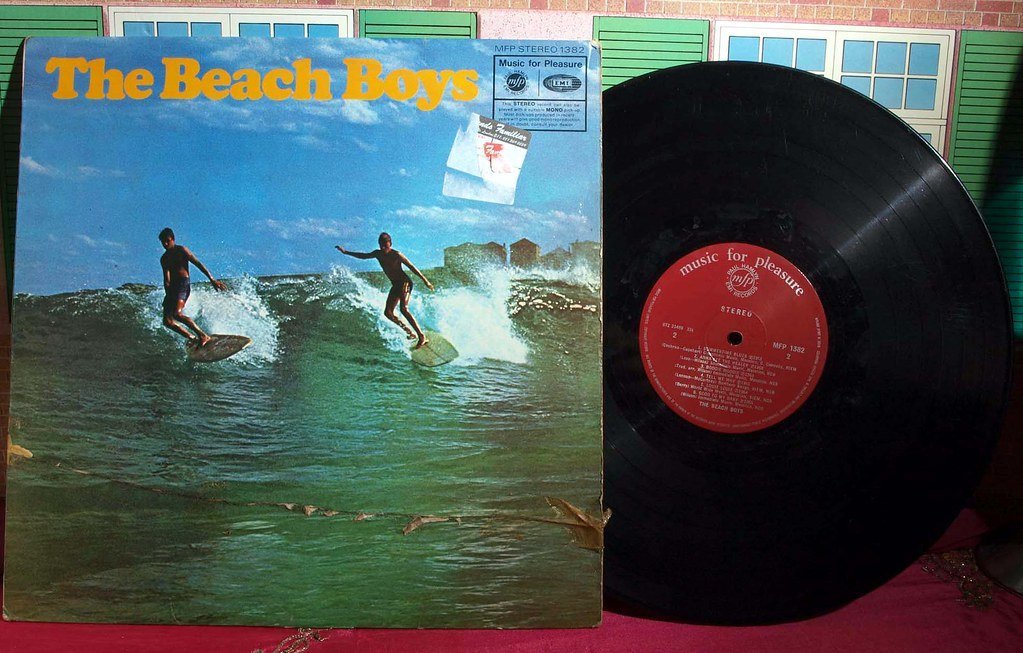
This one genuinely borders on the unbelievable. In 1967, a song recorded by session musicians using a novelty megaphone vocal style, made by a band that didn’t even truly exist yet, not only reached number one but won the Grammy Award for Best Contemporary Rock and Roll Recording. The competition it beat? “Good Vibrations” by The Beach Boys and “Eleanor Rigby” by The Beatles.
The New Vaudeville Band wasn’t a real band. The song was written by Geoff Stephens, who recorded it with session musicians. When the weird tune unexpectedly became a hit, Stephens formed a band so that he could perform it live. “Winchester Cathedral” also bafflingly won the Grammy for Best Contemporary Rock and Roll Recording, beating out incredible songs such as “Good Vibrations” by The Beach Boys and “Eleanor Rigby” by The Beatles.
It’s hard to say for sure whether this was the Recording Academy simply getting it wrong or whether audiences genuinely loved the vaudeville novelty of it all. Either way, watching two of the greatest songs ever recorded finish behind a megaphone novelty act is the kind of chart upset that makes music historians quietly weep into their notes. The industry moved on, but the story never stopped being jaw-dropping.
What These Upsets Tell Us About Music

Patterns emerge when you look at these moments together. None of these upsets happened in boardrooms or through conventional radio promotion. They happened through cultural timing, audience stubbornness, and moments of viral connection that no algorithm had yet learned to predict. A TikTok cowboy meme. A nun with a guitar. A Korean comedian on a horse. These were not formula.
The music industry continues to invest heavily in data-driven predictions, playlist placements, and algorithmic promotion. Still, every few years, something comes out of nowhere and destroys every expectation. That’s what makes chart history genuinely fascinating: the unpredictable human element always finds a way through.
Honestly, the best chart moments have always been the ones nobody saw coming. The next great upset is probably already brewing somewhere right now, in a bedroom studio or on a smartphone, being made by someone whose parents told them to get a real job. Which of these seven upsets surprised you the most? Drop your thoughts in the comments.

Christian Wiedeck, all the way from Germany, loves music festivals, especially in the USA. His articles bring the excitement of these events to readers worldwide.
For any feedback please reach out to info@festivalinside.com
