

For any feedback please reach out to info@festivalinside.com
There is something quietly astonishing about the fact that music composed hundreds of years ago can still move a room full of people to tears. No algorithm wrote it. No trending sound inspired it. Just one human mind, a quill, and an extraordinary understanding of what sound can do to the soul. Classical music has always been more than entertainment. It stands as one of humanity’s most profound cultural achievements, shaping societies and inspiring countless generations, with its intricate compositions, emotional depth, and timeless melodies transcending geographical and temporal boundaries, influencing everything from modern film scores to popular music genres.
Yet for many people, classical music feels like a locked room. The names on the door look intimidating. The works sound distant. Honestly, though, once you understand the people behind the music, something shifts. These were not statues. They were brilliant, sometimes obsessive, occasionally chaotic human beings who changed the course of art forever. Let’s dive in.
1. Johann Sebastian Bach – The Architect of Western Music
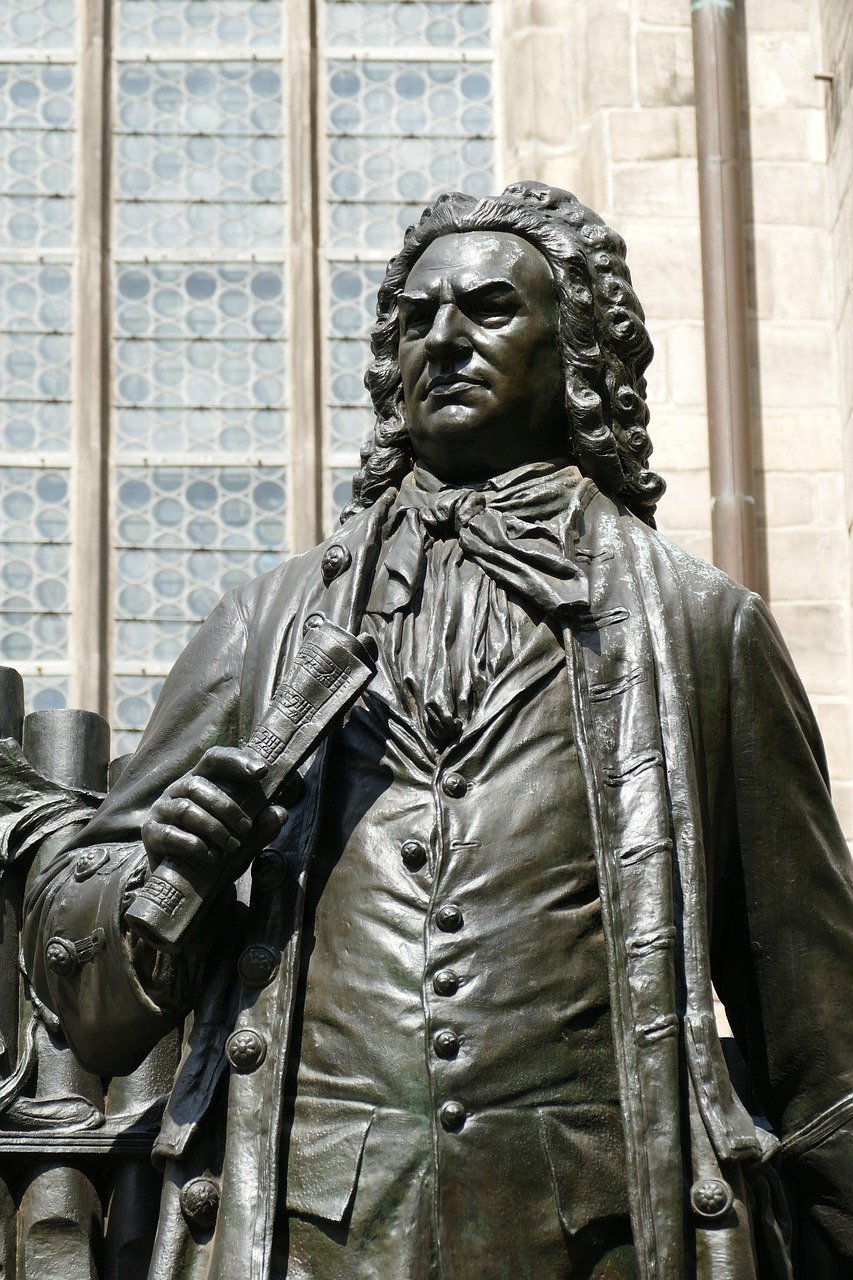
Let’s be real: if you had to point to one composer who essentially built the house that all Western music lives in, it would be Bach. Bach (1685–1750) is one of the most influential composers in Western music history, whose mastery of harmony, counterpoint, and form shaped the course of classical music. Think of him as the composer who figured out the grammar of music itself – and then wrote entire libraries using that grammar.
A virtuoso organist and a prolific composer of the Baroque era, Bach’s works range from intricate fugues and sacred choral masterpieces to lively orchestral concertos. Despite receiving little widespread recognition during his lifetime, his music has since become a cornerstone of classical repertoire, admired for its technical brilliance, emotional depth, and enduring beauty.
Bach’s innovations in form, such as the development of the fugue and his exploration of new harmonic territories, laid the foundation for Western classical music and influenced generations of composers who followed. It is a staggering thought. Mozart studied him. Beethoven revered him. Ludwig van Beethoven had learned The Well-Tempered Clavier in its entirety by the time he was 11 in 1781 and called Bach the Urvater der Harmonie – the progenitor of harmony.
Mendelssohn’s efforts in the 19th century to revive Bach’s music, particularly through the performance of the St Matthew Passion, rekindled interest in Bach’s compositions and underscored his lasting impact on classical music. Even today, traces of Bach’s harmonic and contrapuntal language can be found in the compositions of artists ranging from jazz musicians to progressive rock bands. That, frankly, is an almost impossible legacy to wrap your head around.
2. Wolfgang Amadeus Mozart – The Prodigy Who Perfected Everything
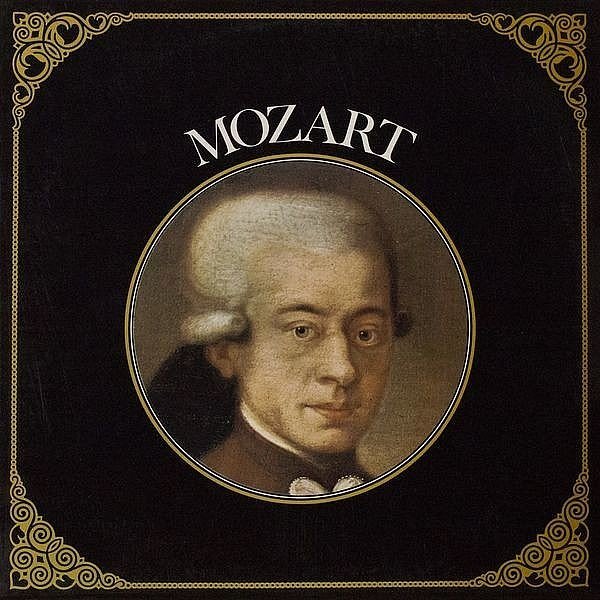
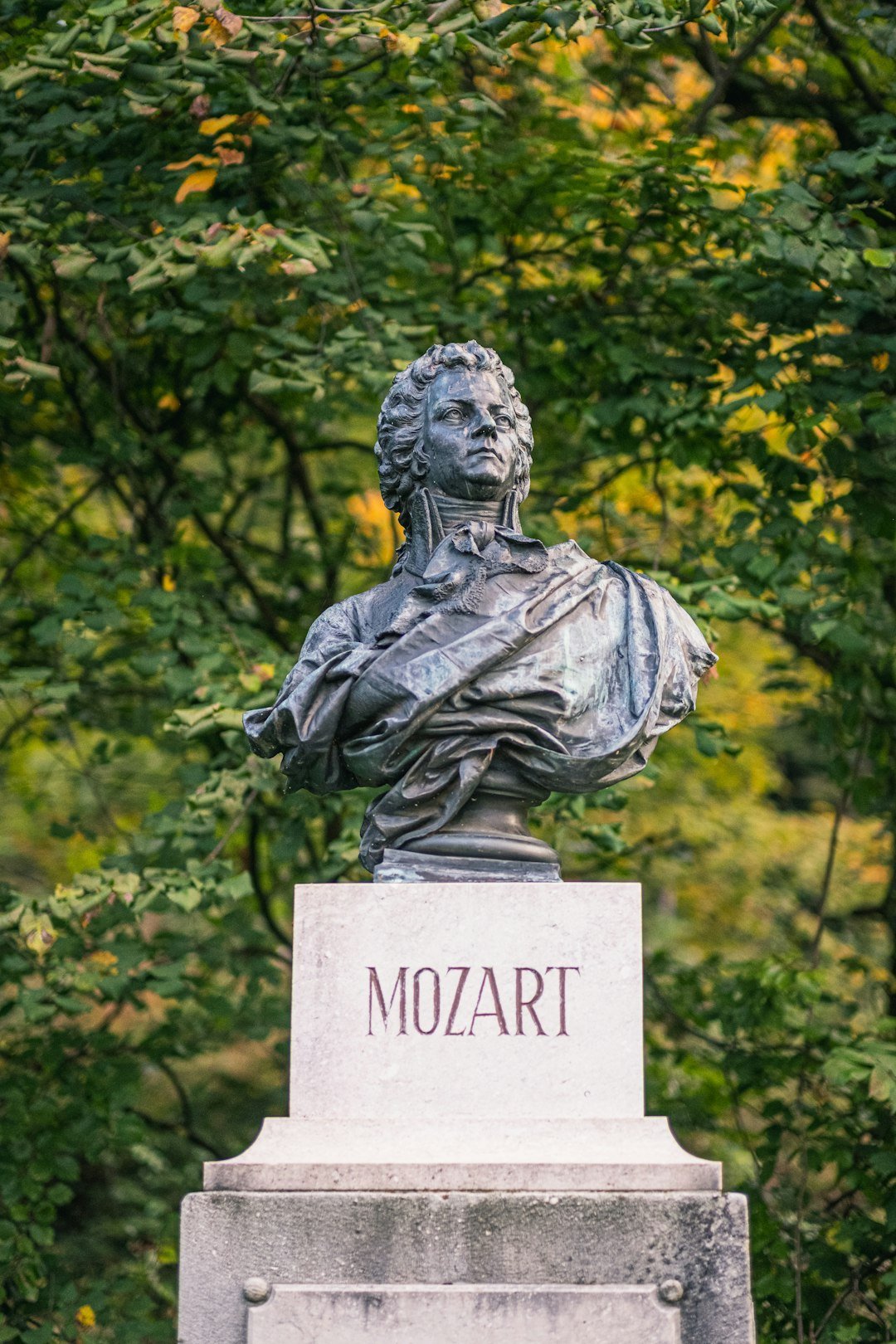
There is something almost unfair about Mozart. The man was composing symphonies by age eight. By the time most of us have figured out what we want to do with our lives, Mozart was already gone. Wolfgang Amadeus Mozart, a musical prodigy born in Salzburg, Austria in 1756, revolutionized classical music, with his extraordinary talent blossoming early and leading to a prolific career that produced over 600 works.
An Austrian composer of the Classical period, Mozart is widely recognized as one of the greatest composers of Western music. He is the only composer to write and excel in all of the musical genres of his time. That last point is worth pausing on. Not one genre. Not two. All of them.
His operas, such as “The Magic Flute” and “Don Giovanni,” are celebrated for their dramatic power and melodic brilliance. Beyond opera, his symphonies, concertos, and sonatas showcase unparalleled technical mastery and profound emotional depth. There’s a lightness to Mozart’s music, almost a conversational quality, like he was simply translating something he heard in his head without effort. I think that effortless quality is what makes him both beloved and, to some music historians, the most complete composer who ever lived.
3. Ludwig van Beethoven – The Revolutionary Who Rewrote the Rules
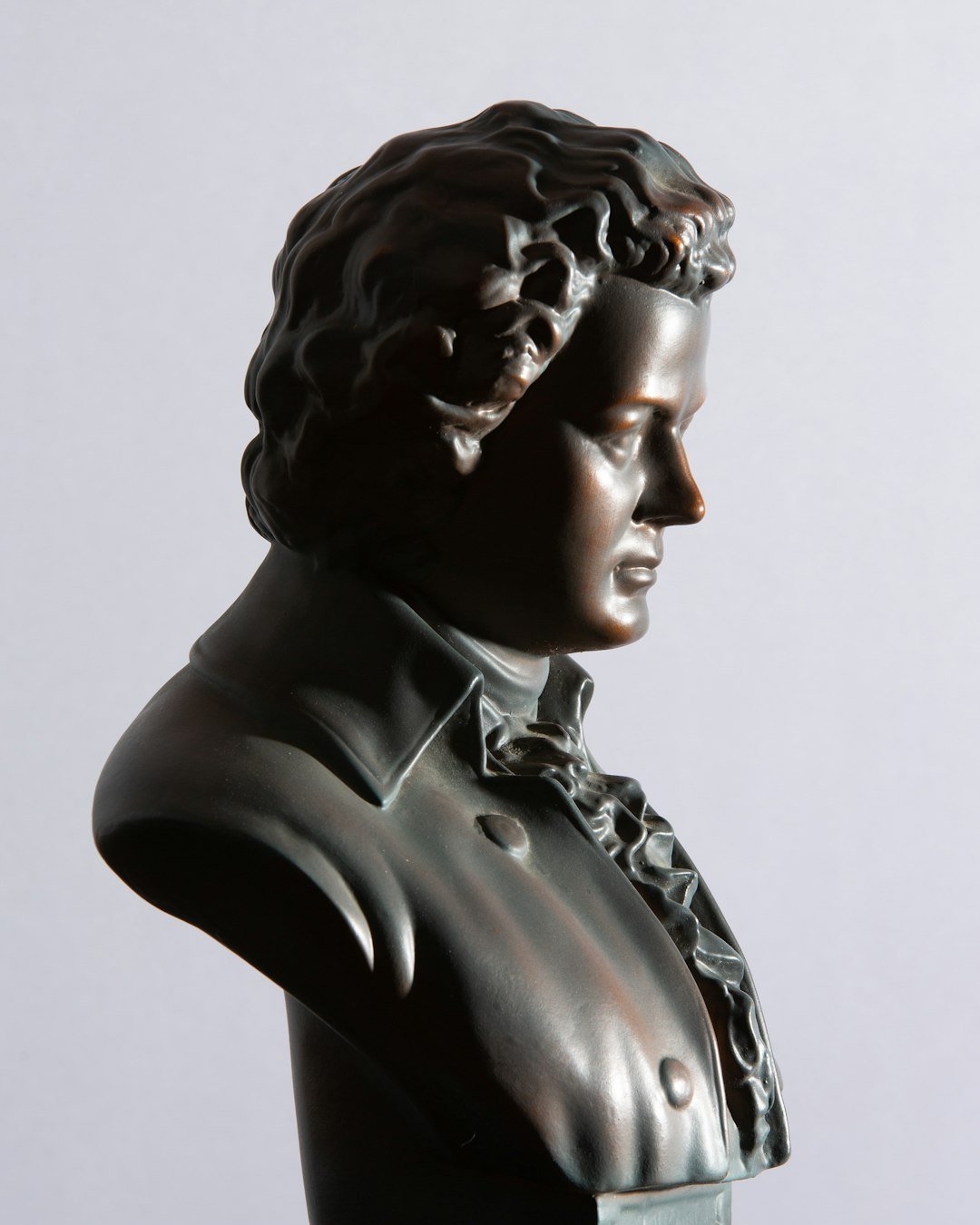
Here is a story that sounds impossible. A composer, arguably the most celebrated in history, goes deaf. Not gradually, in old age. In his early thirties, right in the middle of a blazing career. Most people would stop. Beethoven wrote some of his greatest masterpieces after losing his hearing entirely. That alone should make you feel something.
The German composer and pianist Ludwig van Beethoven is widely regarded as the greatest composer who ever lived. He expanded the Classical traditions of Joseph Haydn and Wolfgang Amadeus Mozart and experimented with personal expression, a characteristic that influenced the Romantic composers who succeeded him. His life and career were marked by progressive deafness, yet the malady did not prevent him from composing some of his most important works during the last 10 years of his life when he was nearly unable to hear.
Beethoven had a great impact because he introduced a new level of expressivity that music really hadn’t had before. He didn’t just compose. He redefined what music was allowed to feel like. Beethoven absolutely revolutionised orchestral music with his Third “Eroica” Symphony, writing music that captured the inner struggle of the individual alongside the sheer joy of life. The emotional rawness he poured into his compositions gave later Romantic composers a door they could walk through. Every composer who came after him had to reckon with what he had done.
4. Frédéric Chopin – The Poet of the Piano
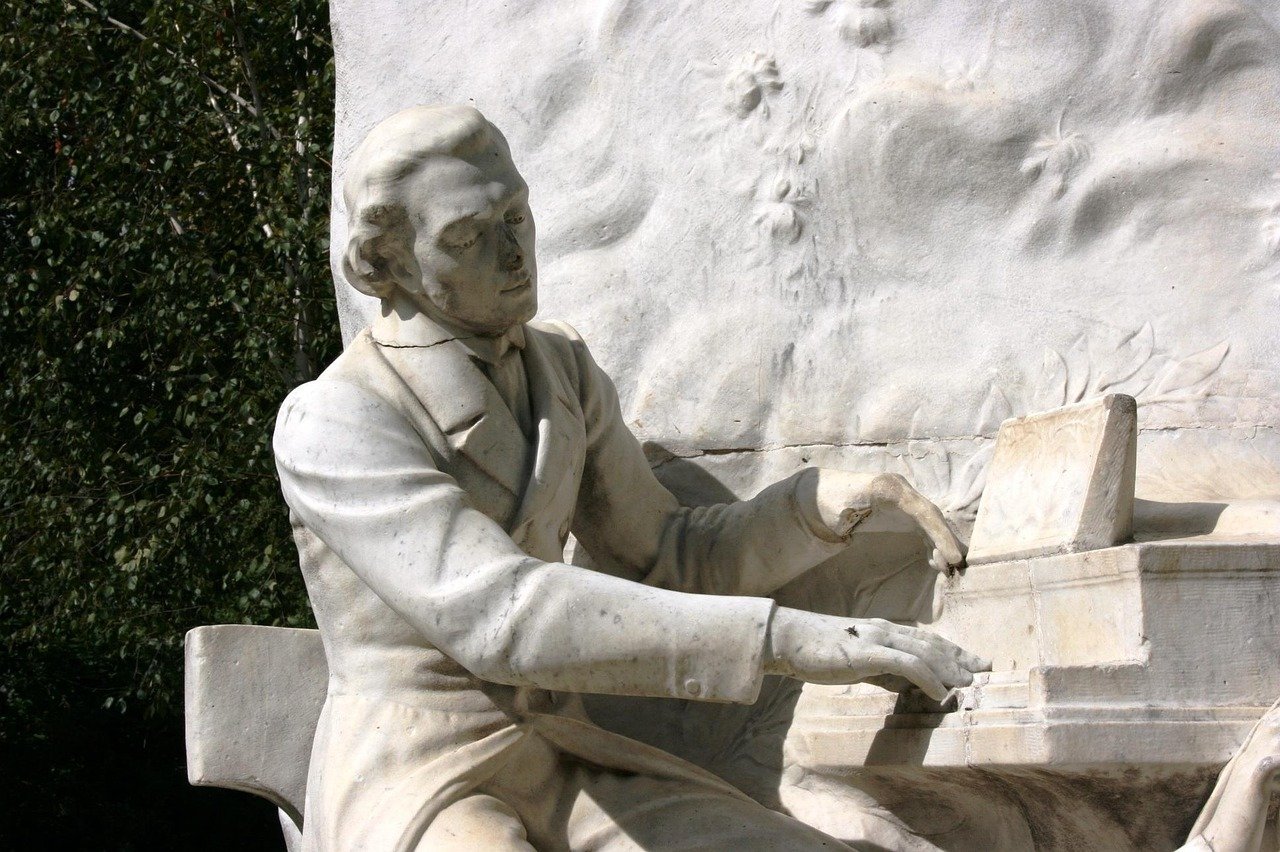
If Beethoven was the thunderstorm of classical music, Chopin was the rain at night. Quieter, more intimate, but somehow just as overwhelming. Frédéric Chopin, a Polish piano virtuoso born in 1810, redefined the romantic piano repertoire. His compositions, including nocturnes, waltzes, mazurkas, and études, are celebrated for their exquisite lyricism, technical brilliance, and deep emotional resonance. Chopin masterfully blended Polish folk elements with classical forms, creating a uniquely expressive style.
He didn’t write symphonies or operas; he knew where his gifts lay and relentlessly explored the technical and expressive possibilities within that realm. He has been the gateway and inspiration for millions of pianists, teachers and composers of all stripes. That focus was a kind of genius in itself. Rather than trying to do everything, Chopin went deeper and deeper into a single instrument until he found its soul.
Among the influences on his style of composition were Polish folk music, the classical tradition of Bach, Mozart, and Schubert, and the atmosphere of the Paris salons of which he was a frequent guest. He died at just 39, almost certainly from tuberculosis, leaving behind a catalogue of piano music so rich that concert halls around the world are still entirely devoted to performing it. It’s hard to say for sure, but I suspect no other composer has made the piano feel quite as human.
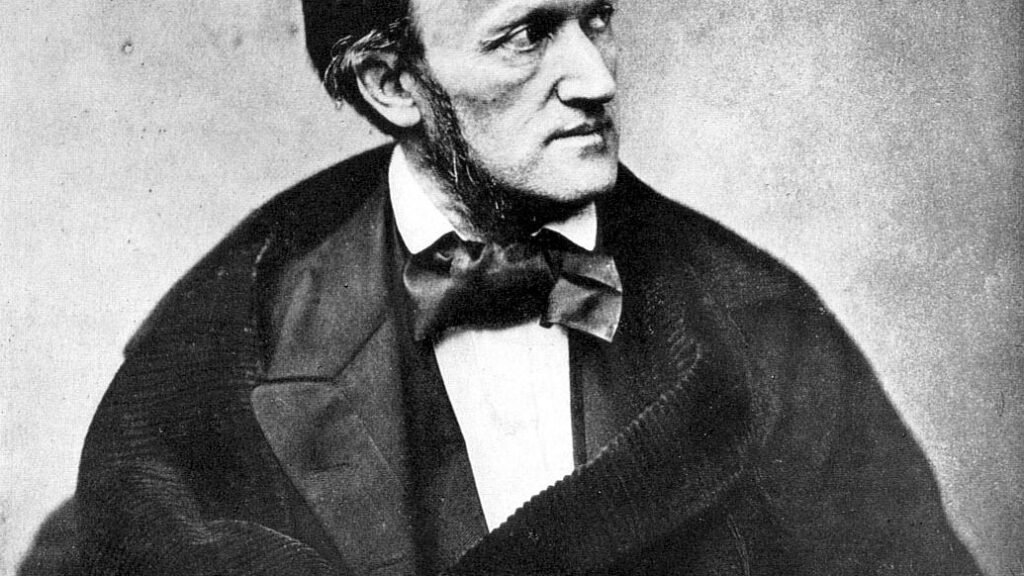
5. Richard Wagner – The Force of Nature Who Changed Opera Forever
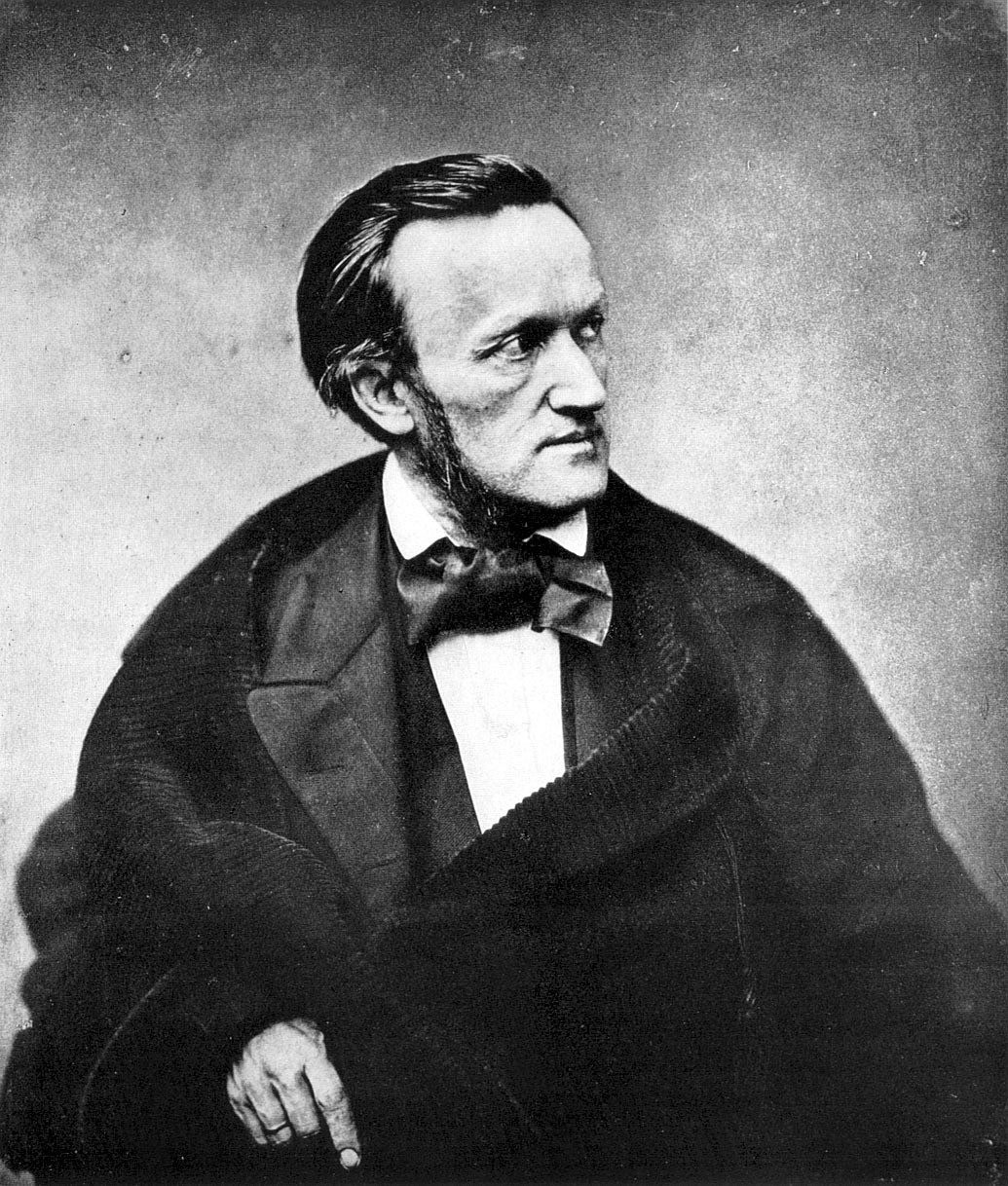
Wagner is a complicated figure. Deeply flawed as a person, undeniably revolutionary as a composer. The German composer and theorist Richard Wagner extended the opera tradition and revolutionized Western music. His dramatic compositions are particularly known for the use of leitmotifs, brief musical motifs for a character, place, or event, which he skillfully transformed throughout a piece. Think of a leitmotif as a musical name tag for a character – every time they appear, their musical theme appears with them. It sounds simple. The execution was anything but.
Wagner had a revolutionary impact on harmony, orchestration, opera as Gesamtkunstwerk, and chromaticism that led toward late Romanticism and modernism. The concept of Gesamtkunstwerk, a total artwork combining music, poetry, drama, and visual design into a unified whole, was his grand ambition. Richard Wagner revolutionized opera with works like the Ring Cycle, known for their epic scale and emotional intensity.
His influence stretched far beyond the concert hall. Hollywood film scores would be bland without him. The sweeping orchestral themes that accompany heroes and villains in cinema? That’s Wagnerian thinking at work. One of the most controversial figures in classical music, his work transcends his character. Separating the art from the artist has rarely been more difficult, or more debated.
6. Pyotr Ilyich Tchaikovsky – The Master of Melody and Emotion
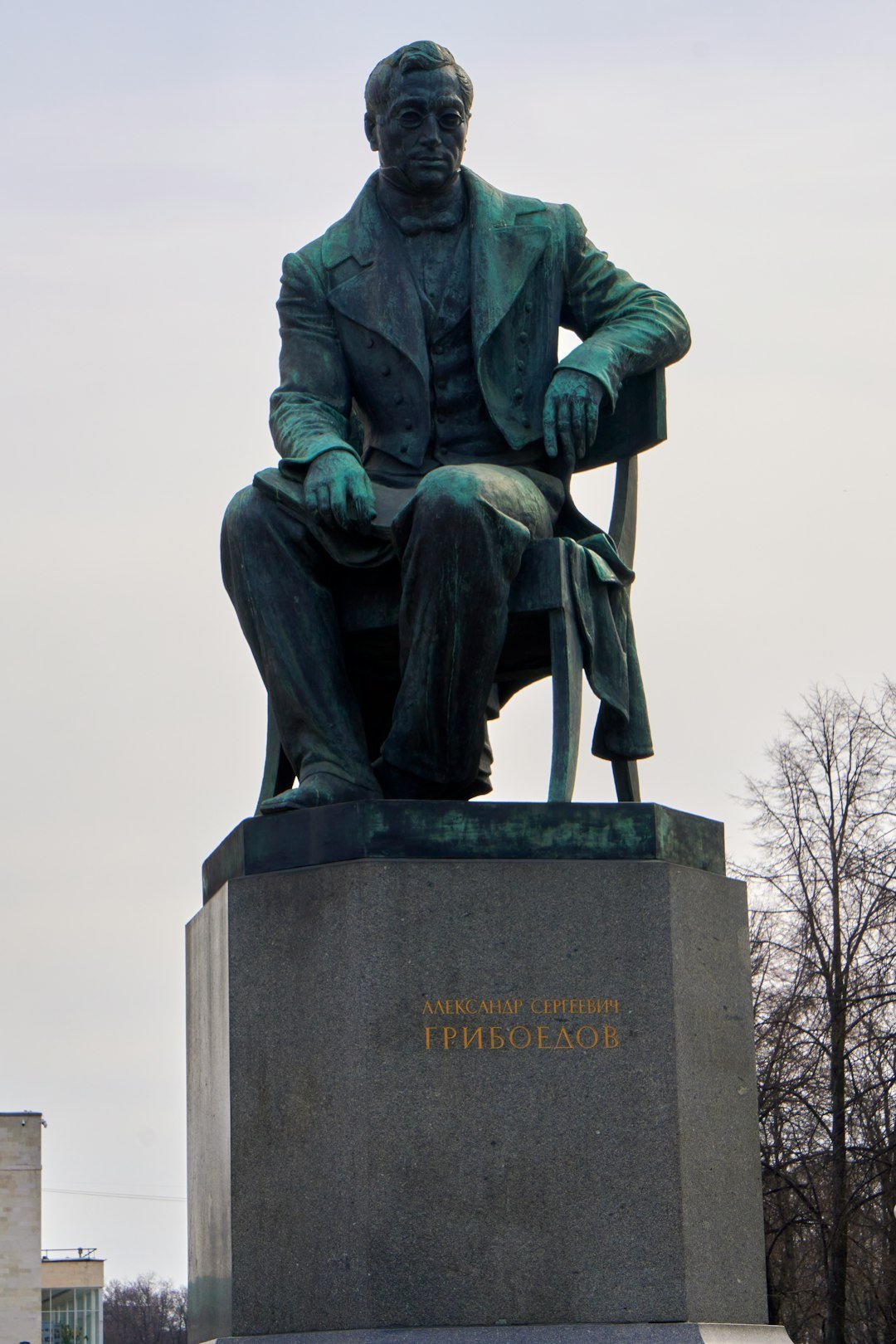
Few composers have managed to write music this immediately recognizable. Even people who claim to know nothing about classical music know Tchaikovsky. They’ve heard The Nutcracker at Christmas, or seen Swan Lake at some point, or caught the 1812 Overture setting off fireworks somewhere. Writing music with broad emotional appeal during the Romantic period, Pyotr Ilyich Tchaikovsky became one of the most popular Russian composers of all time. He was schooled in the western European tradition and assimilated elements from French, Italian, and German music with a personal and Russian style.
Tchaikovsky’s orchestral masterpieces, including Symphony No. 6 “Pathétique” and the “1812 Overture,” highlight his exceptional skill in orchestration and deep emotional expression. His fusion of Western and Russian musical styles has left a lasting impact on classical music, captivating audiences around the world.
What makes Tchaikovsky stand apart from so many of his peers is pure melodic instinct. His tunes don’t just stick; they haunt you. As a composer, teacher, and critic, he changed the course of Russian music in ways not anticipated by his colleagues. His ballets in particular elevated an entire art form, transforming what was often seen as entertainment into something genuinely profound. The emotional weight he brought to orchestral writing still resonates every time a full orchestra performs one of his symphonies in a packed concert hall.
7. Claude Debussy – The Father of Modern Sound
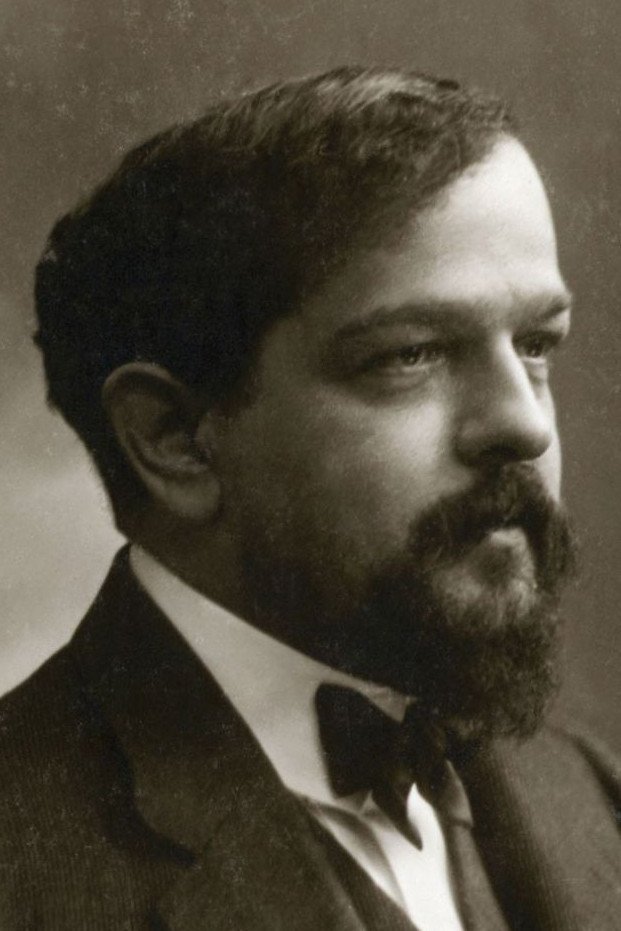
There is a before-Debussy and an after-Debussy. That’s not an exaggeration. The French composer Claude Debussy is often regarded as the father of modern classical music. Debussy developed new and complex harmonies and musical structures that evoke comparisons to the art of his contemporary Impressionist and Symbolist painters and writers. He treated music the way the Impressionists treated paint: not to depict things sharply, but to suggest them, to capture the feeling of light on water rather than the water itself.
Debussy was one of the most influential composers of the late 19th and early 20th centuries and is regarded as the founder of musical impressionism. Reacting against the dominant influence of Germanic music with its logical rigours of form and development, he sought a new music of colour, sensation, fleeting mood and relaxed form. He developed a highly original system of harmony and musical structure.
The innovations of Debussy, particularly in harmony, have been deeply influential. The kinds of sounds he made not only found an enthusiastic welcome among a wide spectrum of classical composers but rapidly jumped the fence into popular genres, notably jazz. That crossover is remarkable when you think about it. Jazz, one of the most distinctly American art forms, carries a piece of this French composer inside it. His major works include Clair de lune, La Mer, Prelude to the Afternoon of a Faun, and the opera Pelléas et Mélisande – each of them sounding, even today, like something just slightly ahead of its time.
The Lasting Legacy – Why These Composers Still Matter
It would be easy to think of these seven composers as historical monuments, fascinating to study but distant from everyday life. The truth is far more interesting. Their intricate compositions, emotional depth, and timeless melodies continue to influence everything from modern film scores to popular music genres. The foundations they built are still load-bearing.
Streaming statistics show classical music is alive – Beethoven and Mozart top charts, Tchaikovsky spikes at Christmas, and Debussy is a study-session favorite. They’re not just history; they’re the soundtrack to our lives, proving classical composers are timeless.
Each of these seven represents more than a name in a music textbook. Each one broke something open. Bach gave us structure. Mozart gave us perfection. Beethoven gave us raw feeling. Chopin gave us intimacy. Wagner gave us spectacle. Tchaikovsky gave us melody that lives in the bones. Debussy gave us color. Together, they gave us a language we are still speaking.
Music history is not a closed book – it’s an ongoing conversation, and these composers started some of its most important sentences. The question worth sitting with is this: which one of them speaks to you most? What do you think about it? Tell us in the comments.

Christian Wiedeck, all the way from Germany, loves music festivals, especially in the USA. His articles bring the excitement of these events to readers worldwide.
For any feedback please reach out to info@festivalinside.com
