


- The 5 Most Underrated Literary Figures You Absolutely Need to Read Now - March 24, 2026
- 14 Practical Gardening Tips That Reduce Pests Naturally - March 24, 2026
- The Sad Truth Behind Glen Campbell’s “I’m Not Gonna Miss You” - March 24, 2026
Every now and then, you stumble across a book that absolutely floors you – and then you discover the author has been almost entirely ignored by mainstream culture for decades. It’s baffling, honestly. The literary world is filled with celebrated names, but for every widely known author, there are countless others whose work has faded into obscurity. Some were ahead of their time, writing stories too radical or complex for their eras. Others were overshadowed by more prominent voices, their masterpieces left to gather dust on forgotten bookshelves.
This is not just a sad footnote in literary history. It’s a genuine injustice. These are writers who tackled isolation, identity, race, love, and the human condition with devastating clarity – yet somehow never made it onto the required reading list. Thankfully, it’s never too late to discover them. Let’s dive in.
John Williams – The Man Who Wrote the Perfect Novel Nobody Read
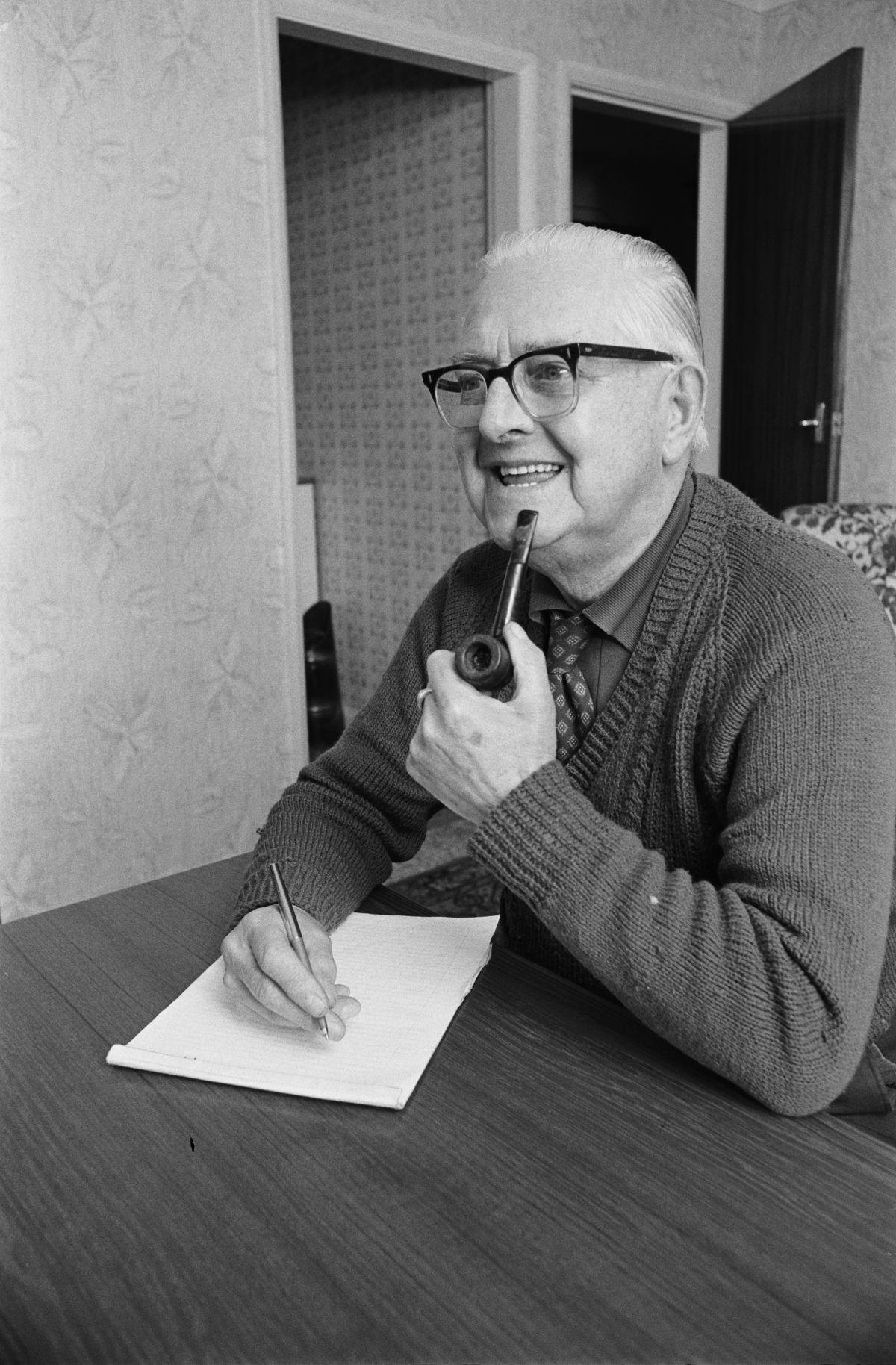
Here’s the thing about John Williams: he spent most of his career as a quietly devoted English professor at the University of Denver, writing novels of staggering beauty while the literary world mostly looked the other way. His third novel, Stoner, which chronicled the somewhat insular and tragic life of a University of Missouri assistant English professor, has achieved an almost cult-like legendary status as a lost masterpiece, after it went out of print the year following its publication.
When Stoner was first published in 1965, it sold only two thousand copies and failed to gain wider recognition among readers. After going out of print, it was republished in the 1970s and again in the early 2000s, when it was translated into many languages and became a major bestseller, achieving almost cult status. Sadly, John Williams died in 1994 and never witnessed the enormous success of Stoner. There’s something painfully fitting about that. The man who wrote a book about being forgotten was himself forgotten.
A quiet yet devastating novel about an unremarkable professor’s life, Stoner is a masterclass in understated prose and emotional depth. Williams’ ability to craft stories filled with quiet sorrow and human fragility places him among the greatest novelists you may not have heard of. Think of it like this: if most literary novels are cathedrals, loud and imposing, Stoner is a single candle burning in a dark room. It shouldn’t work. It’s absolutely unforgettable.
Published on April 23, 1965 by Viking Press, the novel received little attention on first release, but saw a surge of popularity and critical praise since its republication in the 2000s. It has been championed by authors such as Julian Barnes, Ian McEwan, Bret Easton Ellis, and John McGahern. That’s a remarkable list of admirers. If four writers of that caliber are shouting about a book, perhaps it’s time the rest of us paid attention.
Carson McCullers – The Southern Voice That Shook the World (Quietly)
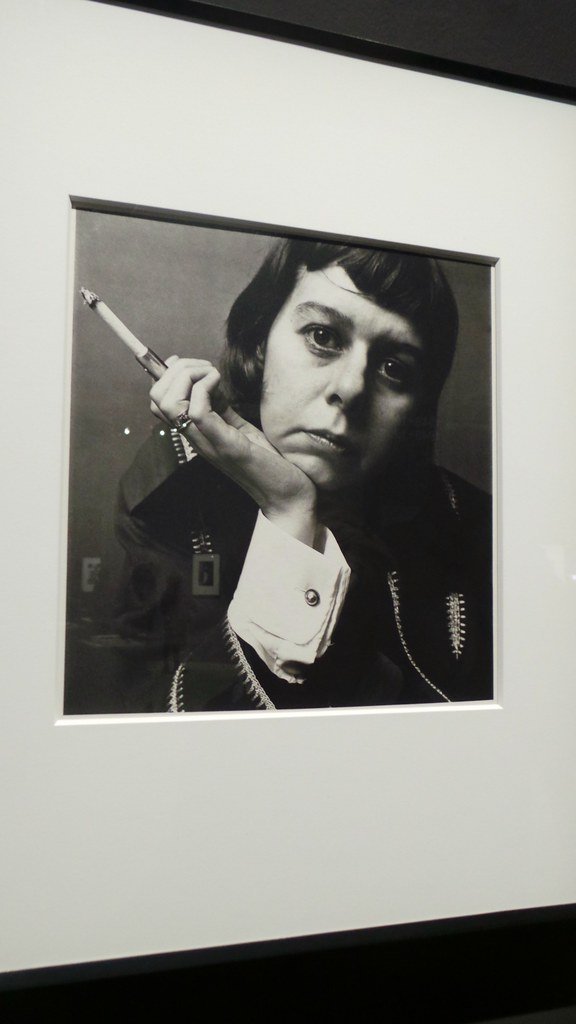
Carson McCullers was only 23 years old when The Heart Is a Lonely Hunter, her debut novel, launched her literary career. Published in 1940, the novel was an overnight sensation and bestseller. So why, you might ask, is she on a list of underrated authors? Because despite that initial flash of fame, McCullers has been steadily boxed into a narrow Southern Gothic corner for decades, her full genius rarely recognized on a global scale.
Absolutely underrated, McCullers has been relegated to the “southern gothic” ghetto. She had the immense power of transcendence and was able to represent all kinds of people far outside of her personal experience. From the gay, Jewish deaf mute of Heart is a Lonely Hunter, to the magnetic dwarf of Sad Cafe, her work is a singular lesson in human identification. That range is extraordinary. She wasn’t just a regional writer. She was a universal one.
McCullers’s fiction often explores themes of spiritual isolation and loneliness, particularly among misfits and outcasts in the American South. Her most acclaimed works include the novels The Heart Is a Lonely Hunter, Reflections in a Golden Eye, and The Member of the Wedding, as well as the novella The Ballad of the Sad Café. Though her writing is often categorized as Southern Gothic, McCullers considered her style to be Southern realism influenced by Russian literature.
I think that Russian influence is key to understanding her work. There’s a weight to her sentences, a deliberate moral seriousness, that places her closer to Dostoevsky than to Faulkner. The most impressive aspect of The Heart Is a Lonely Hunter is the astonishing humanity that enables a white writer, for the first time in Southern fiction, to handle Black characters with as much ease and justice as those of her own race. This seems to stem from an attitude toward life which enabled McCullers to rise above the pressures of her environment and embrace white and black humanity in one sweep of apprehension and tenderness. That was Richard Wright’s own assessment, and it still rings true today.
Jean Rhys – The Master of Beautiful Alienation
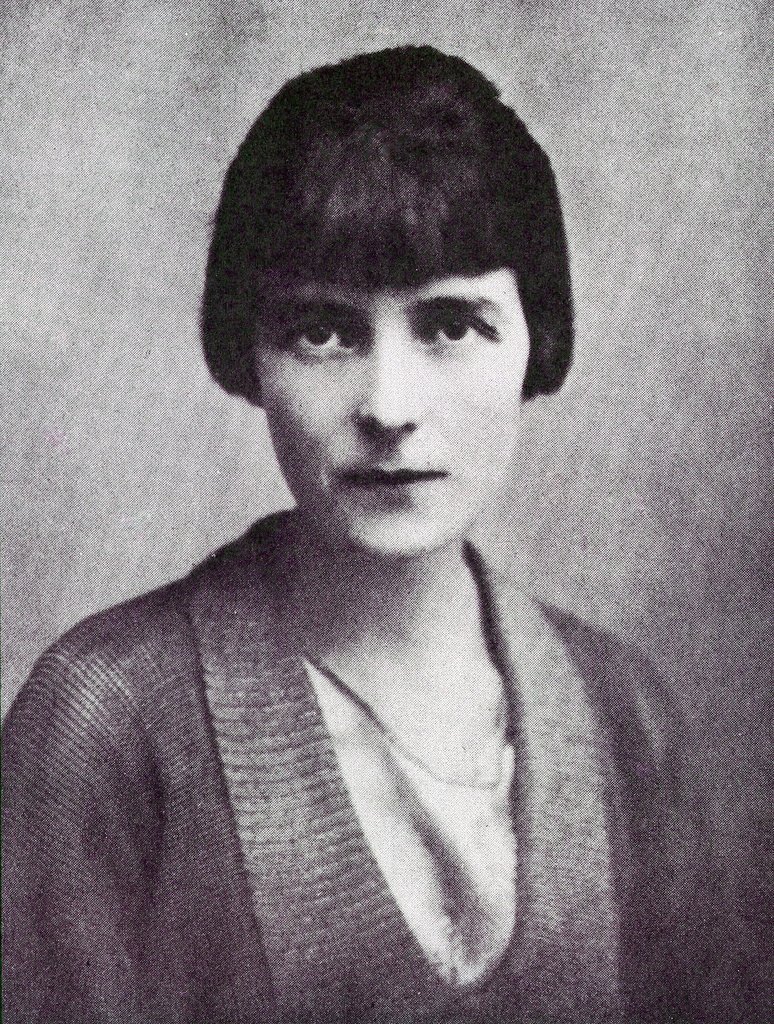
If you know Jean Rhys at all, it’s probably because of Wide Sargasso Sea. That’s a magnificent book, no argument there. Jean Rhys is best known for Wide Sargasso Sea (1966), a brilliant prequel to Jane Eyre, but much of her earlier work remains undiscovered by modern readers. Her deeply introspective novels, such as Voyage in the Dark and Good Morning, Midnight, explore themes of alienation, gender dynamics, and colonial identity. With lyrical yet piercing prose, Rhys deserves a much wider readership.
Here’s what makes Rhys so striking and, honestly, so uncomfortable: she doesn’t let you off the hook. Her heroines are not likeable in the conventional sense. They drift, they drink, they make choices that frustrate you – and that’s entirely the point. She is writing the experience of women who fall through the cracks of society, rendered invisible by both poverty and gender. Reading her early work feels like reading dispatches from a place most novels refuse to visit.
There’s a rawness in Rhys that modern readers, accustomed to sanitized emotional arcs, sometimes find jarring. Her stories challenge conventions, expand the imagination and reveal perspectives that remain as relevant today as they were when first penned. In a world where conversations about gender, colonialism, and identity feel more urgent than ever, Rhys is not just worth reading. She is essential. Her prose is spare, haunting, and devastatingly precise – like a thin blade of light cutting through a closed room.
Bessie Head – Africa’s Most Criminally Forgotten Voice

Let’s be real: the Western literary canon has done a poor job of amplifying African writers, and Bessie Head is perhaps the most glaring example of that failure. One of Africa’s most powerful yet often forgotten voices, Bessie Head’s work captures the complexities of identity, race, and exile. Her novel Maru (1971) is a poetic exploration of social ostracisation and cultural hybridity in Botswana. Despite her incredible talent, her name rarely appears alongside literary giants, making her an essential discovery for those interested in African literature.
Head’s biography alone is staggering in its emotional weight. Born in South Africa to a white mother and a Black father at a time when such a union was both illegal and socially devastating, she lived through exile, institutional mental illness, and displacement before settling in Botswana. That life experience saturates her novels with a kind of hard-won wisdom that is almost painful to read. She knew what it meant to belong nowhere, and she wrote about it with extraordinary grace.
It’s hard to say for sure why Head remains so obscure in mainstream literary circles, but I suspect part of it is geography – her Botswana setting unfamiliar to Western readers – and part of it is the relentless tendency to overlook African women’s voices. Think of how impoverished the global literary conversation is without her. Maru reads like poetry disguised as fiction. Her novel A Question of Power is one of the most psychologically daring novels of the twentieth century. She should be studied alongside Chinua Achebe and Ngugi wa Thiong’o without a second thought.
Robert Walser – The Swiss Dreamer Who Changed Everything in Secret
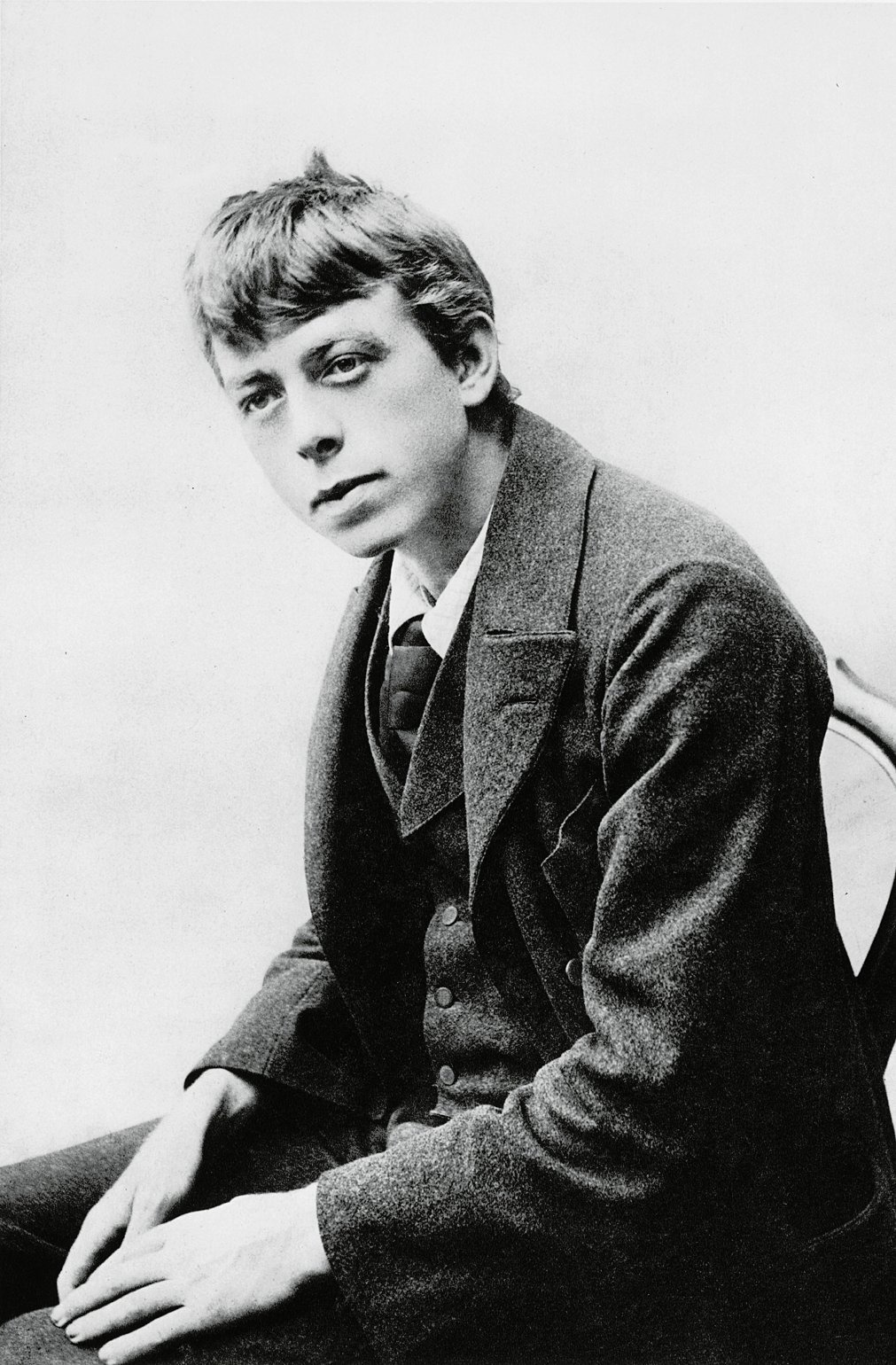
Robert Walser is one of those writers who is better known for his influence than for his actual readership. Robert Walser (1878-1956) is the dreamy confectionary snowflake of German language fiction. He also might be the single most underrated writer of the 20th century. Even though his prose is quite delicious – and no matter how many times his perfect novel, Jakob Von Gunten, is reissued – booksellers rarely stock him. Walser is a sentence artist of the highest magnitude who spent his last 27 years in an asylum in Switzerland.
A Swiss writer of exquisite miniature prose, Robert Walser’s work is both whimsical and melancholic, playful yet profound. Those contradictions are precisely what make him so hard to categorize and, as a result, so easy to overlook. He doesn’t fit neatly into any school or movement. He is too strange for the realists, too grounded for the surrealists, too gentle for the modernists. He exists in a literary space entirely his own.
His influence, though, is enormous and quietly everywhere. Franz Kafka deeply admired him. W.G. Sebald’s melancholic, wandering prose carries unmistakable echoes of Walser’s sensibility. His short prose pieces – some of them barely a page long – achieve an emotional complexity that most novelists cannot manage in three hundred pages. Reading Walser is like wandering through a beautiful dream that you know, somehow, will end in sadness. It’s intoxicating.
The tragedy is that Walser spent the last 27 years of his life in a psychiatric institution, largely cut off from writing. Some authors were ahead of their time, writing stories too radical or complex for their eras. Walser fits that description almost perfectly. He was, in the plainest possible terms, a genius born into a world that wasn’t quite ready for him.
The Case for Reading the Overlooked
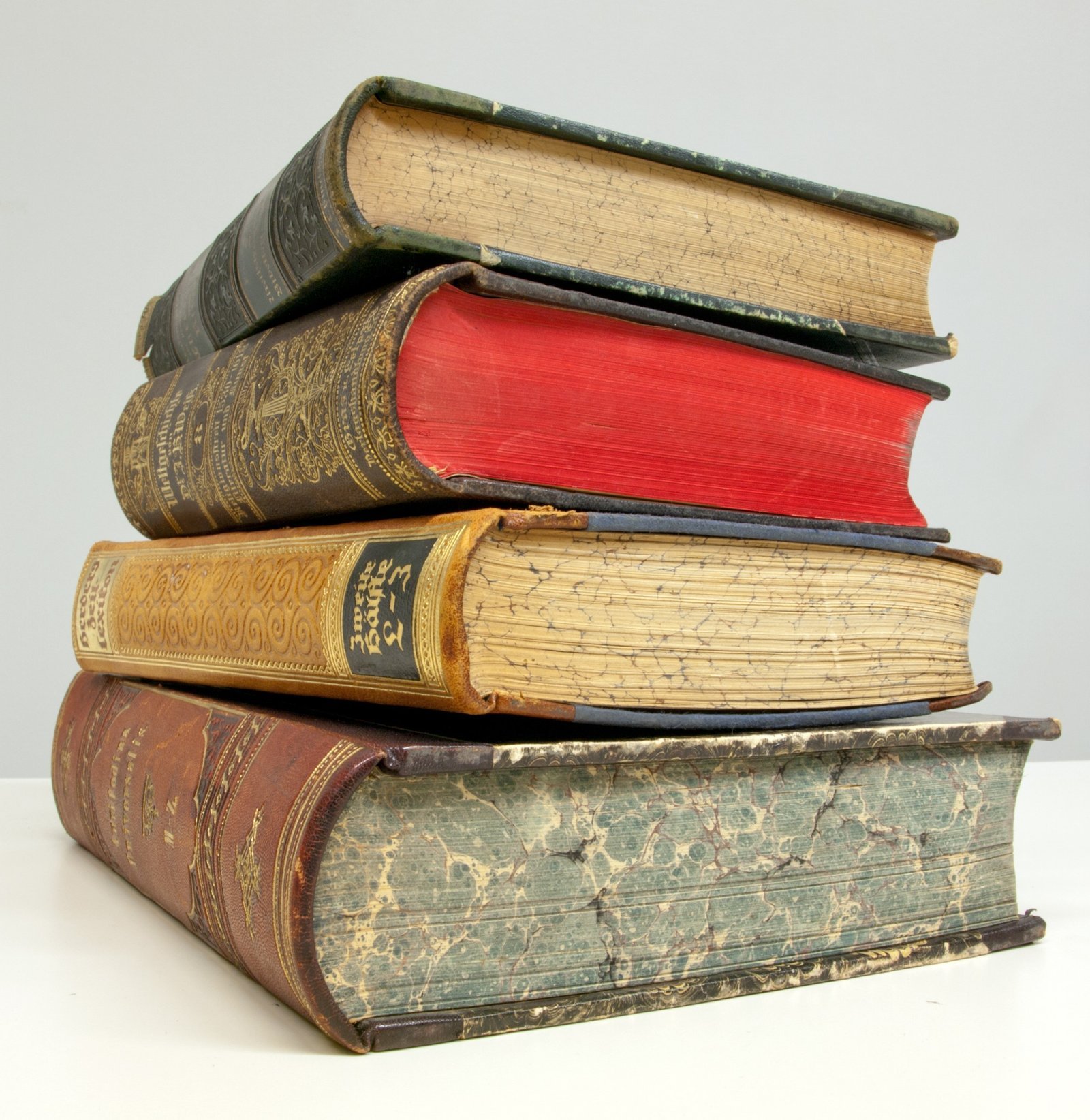
There’s something quietly radical about choosing to read outside the usual canon. There’s an argument to be made that most literary writers are underrated – by virtue of the fact that these days they are sorely under-read by the culture at large. Even within the sphere of the literary community, some great writers get forgotten or ignored, and others are simply not appreciated as much as they should be. That applies to every single writer on this list.
John Williams, Carson McCullers, Jean Rhys, Bessie Head, Robert Walser. Five very different voices from five very different corners of the world. All connected by the shared experience of being passed over, misclassified, or simply left off the list. Each of them – and this is what makes their neglect so infuriating – produced work that speaks directly to the essential questions of what it means to be human.
We live in an age of bestseller lists and algorithmic recommendations, where visibility and quality are often treated as the same thing. They are not. Some of the most profound literary experiences of your life may be waiting in a novel you’ve never heard of, by an author whose name doesn’t ring a bell. The literary canon is not a fixed truth. It’s a living, breathing conversation – and it’s one you have the power to change, one book at a time. Which of these five voices will you pick up first?

Besides founding Festivaltopia, Luca is the co founder of trib, an art and fashion collectiv you find on several regional events and online. Also he is part of the management board at HORiZONTE, a group travel provider in Germany.
