


For any feedback please reach out to info@festivalinside.com
- 8 Mind-Boggling Coincidences From History That Will Make You Question Everything - March 10, 2026
- Classic Rock Anthems That Defined a Generation - March 8, 2026
- What Made 1975 One of the Best Years in Music? - March 8, 2026
Mark Twain – Roughing It (1872)
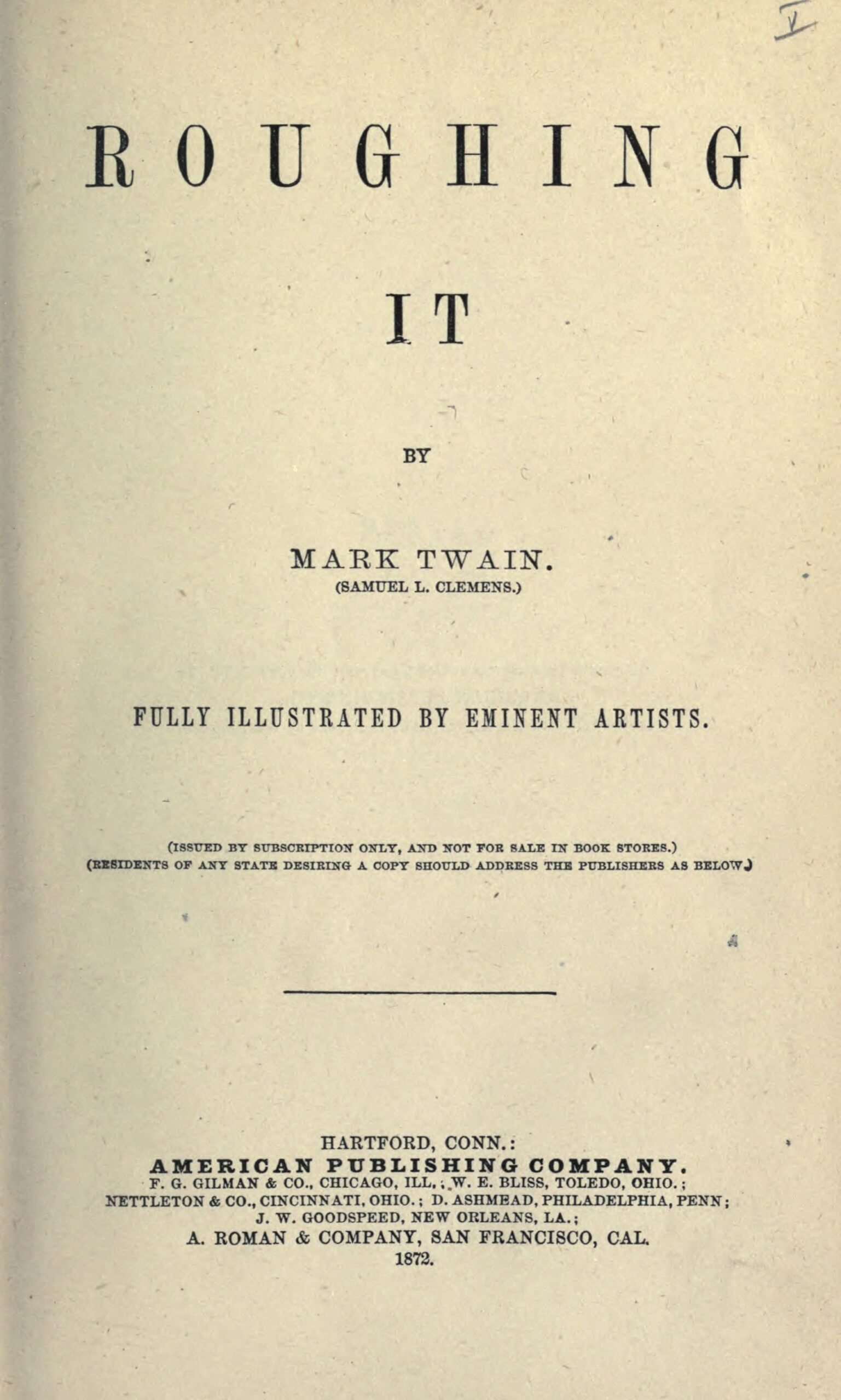
Mark Twain’s “Roughing It” stands as one of the earliest pillars of American road trip literature, though it predates the automobile by decades. This semi-autobiographical travelogue documents Twain’s adventures across the Wild West, capturing the raw spirit of American frontier exploration. The book chronicles his journey from Missouri to Nevada Territory, then to California and Hawaii, painting vivid pictures of stagecoach travel, mining camps, and the untamed wilderness.
What makes “Roughing It” revolutionary is how Twain transforms the traditional travel narrative into something uniquely American. Unlike European travel writing that focused on established cultural landmarks, Twain celebrates the chaos and unpredictability of American expansion. He describes encounters with desperados, Mormon settlers, and gold prospectors with a humor that would define American travel writing for generations. The book sold over 75,000 copies in its first year, proving Americans were hungry for stories about their own vast continent.
Jack London – The Road (1907)
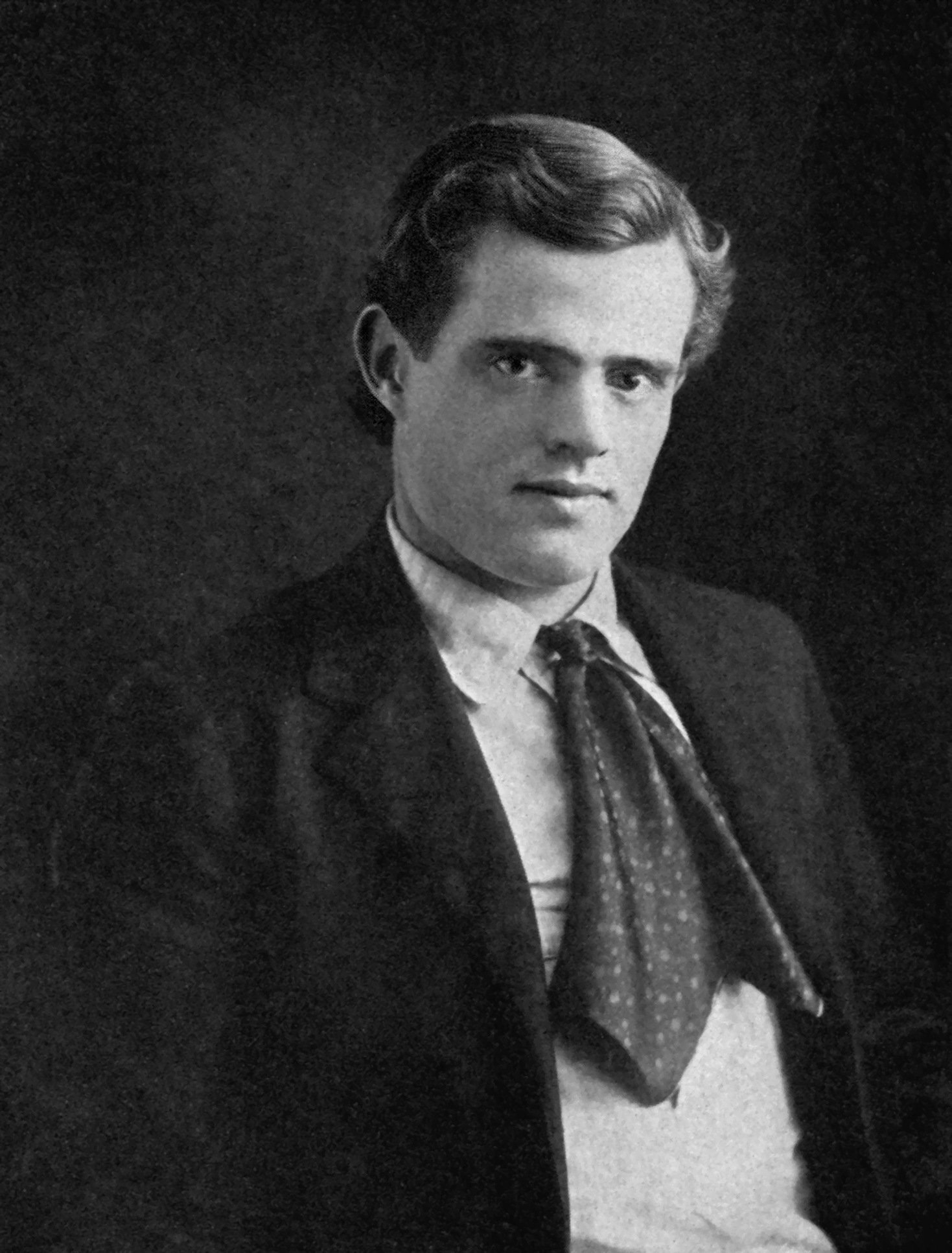
Jack London’s “The Road” offers a grittier perspective on American mobility, documenting his experiences as a hobo during the economic depression of the 1890s. This collection of essays captures life on the rails when millions of unemployed Americans rode freight trains searching for work. London’s vivid descriptions of hobo camps, railroad bulls, and the underground economy of vagrancy provide an unvarnished look at the darker side of American wandering.
The book reveals how economic necessity, not romantic wanderlust, drove much of America’s internal migration. London writes about sleeping in haystacks, dodging authorities, and the complex social hierarchies among the homeless. His account influenced later writers like John Steinbeck and established the tradition of examining how class and economics shape American movement. The work remains relevant today as homelessness and economic displacement continue to define American mobility patterns.
John Steinbeck – The Grapes of Wrath (1939)

Steinbeck’s “The Grapes of Wrath” transformed the American road trip from adventure story to social protest, following the Joad family’s desperate migration from Oklahoma to California during the Dust Bowl. The novel sold 430,000 copies in its first year and won the Pulitzer Prize, cementing its place as the definitive Depression-era road narrative. Steinbeck’s meticulous research included traveling with migrant families and documenting their struggles firsthand.
The book’s power lies in how it connects individual journeys to broader social forces. The Joads’ broken-down truck becomes a symbol of American resilience and desperation, while Route 66 transforms into a river of human suffering. Steinbeck doesn’t romanticize the road—he shows how it can destroy families while also revealing their capacity for survival. The novel’s influence extends beyond literature, inspiring folk songs, films, and continuing debates about economic inequality in America.
Jack Kerouac – On the Road (1957)

Kerouac’s “On the Road” revolutionized American travel writing by celebrating spontaneity and spiritual seeking over traditional goals. Written on a continuous scroll of paper in a three-week burst of creativity, the novel captures the restless energy of postwar America. The book follows Sal Paradise and Dean Moriarty as they crisscross the continent, seeking authentic experiences in jazz clubs, with farmers, and among America’s marginalized communities.
The novel’s publication coincided with the Interstate Highway System’s expansion, making cross-country travel accessible to millions of Americans. Kerouac’s prose style—flowing, jazz-influenced, and immediate—matched the speed and rhythm of highway travel. The book sold slowly at first but exploded in popularity during the 1960s counterculture movement, selling over 4 million copies and inspiring countless real-life road trips. Its influence on American culture extends far beyond literature, shaping everything from rock music to advertising.
Vladimir Nabokov – Lolita (1955)
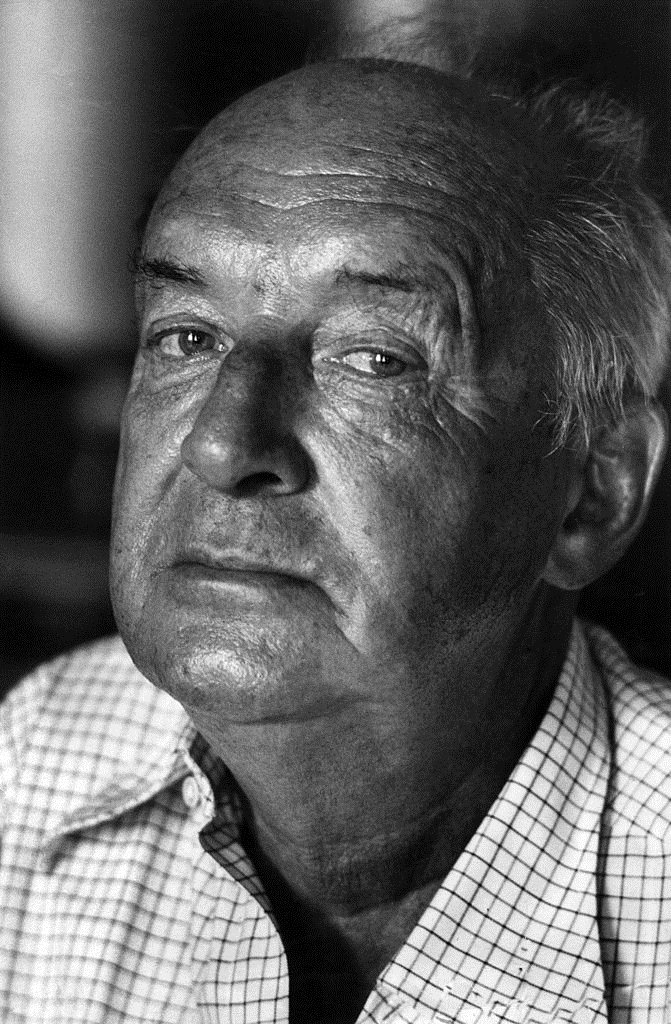
Nabokov’s controversial “Lolita” presents one of literature’s most disturbing road trips, as narrator Humbert Humbert travels across America with his captive stepdaughter. Despite its shocking subject matter, the novel offers brilliant observations about American culture, from roadside motels to tourist attractions. Nabokov’s precise prose transforms the American landscape into a series of vivid, often satirical snapshots.
The novel’s road trip structure serves multiple purposes—it shows America through foreign eyes (Nabokov was a Russian immigrant), provides a framework for examining American consumerism, and creates a sense of rootlessness that mirrors the protagonist’s moral displacement. The book was banned in several countries but became a bestseller in America, selling over 100,000 copies in its first three weeks. Its influence on American literature includes inspiring writers to use road trips as vehicles for moral and cultural criticism.
John Steinbeck – Travels with Charley (1962)
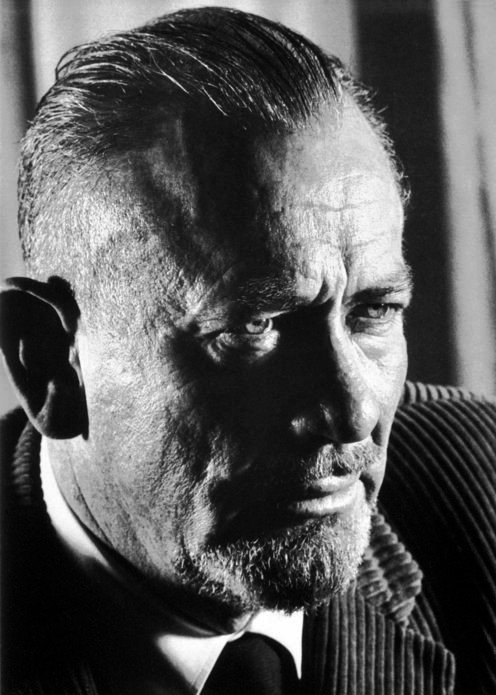
Steinbeck’s “Travels with Charley” marked his return to road trip literature, chronicling his journey across America with his poodle Charley in a truck camper named Rocinante. The book emerged from Steinbeck’s feeling that he’d lost touch with his own country and needed to rediscover it through direct contact with ordinary Americans. His journey covered 10,000 miles through 34 states, from New York to California and back.
The book captures America during a time of rapid change—the civil rights movement, suburban expansion, and growing environmental awareness. Steinbeck’s observations about racial tensions in the South, the loneliness of interstate travel, and the disappearance of regional dialects prove remarkably prescient. Recent scholarship has questioned some of the book’s factual accuracy, but its emotional truth about American isolation and the desire for authentic connection remains powerful. The book won critical acclaim and commercial success, spending a year on the bestseller lists.
Tom Wolfe – The Electric Kool-Aid Acid Test (1968)

Wolfe’s “The Electric Kool-Aid Acid Test” chronicles Ken Kesey and the Merry Pranksters’ LSD-fueled bus trip across America in 1964, creating a psychedelic road trip narrative that captures the counterculture movement’s spirit. The book follows their journey in a converted school bus named “Furthur,” documenting their attempts to create a mobile community based on drug experimentation and rejection of conventional society. Wolfe’s immersive journalism places readers inside the bus, experiencing the confusion, euphoria, and chaos of the journey.
The book revolutionizes road trip literature by showing how altered consciousness can transform the travel experience. Instead of external destinations, the Pranksters seek internal transformation through drugs, music, and communal living. Wolfe’s innovative prose style—featuring unconventional punctuation, stream-of-consciousness passages, and onomatopoeia—mirrors the disorienting effects of LSD. The book became a cultural phenomenon, selling over 1 million copies and inspiring countless young Americans to seek similar experiences on the road.
Hunter S. Thompson – Fear and Loathing in Las Vegas (1971)

Thompson’s “Fear and Loathing in Las Vegas” transforms the American road trip into a drug-fueled nightmare, following journalist Raoul Duke and his attorney Dr. Gonzo as they drive to Las Vegas ostensibly to cover a motorcycle race. The book becomes a savage critique of the American Dream, using the desert highway as a metaphor for the country’s moral and spiritual emptiness. Thompson’s gonzo journalism style blends fact and fiction, creating a hallucinogenic narrative that captures the paranoia and excess of early 1970s America.
The book’s power lies in its use of the road trip format to examine American culture’s dark underbelly. Las Vegas becomes a symbol of capitalist excess, while the desert highway represents the journey into America’s heart of darkness. Thompson’s vivid descriptions of drug-induced visions and encounters with bizarre characters create a uniquely American picaresque novel. The book has sold over 1 million copies and influenced countless writers, filmmakers, and musicians, establishing gonzo journalism as a legitimate literary form.
William Least Heat-Moon – Blue Highways (1982)
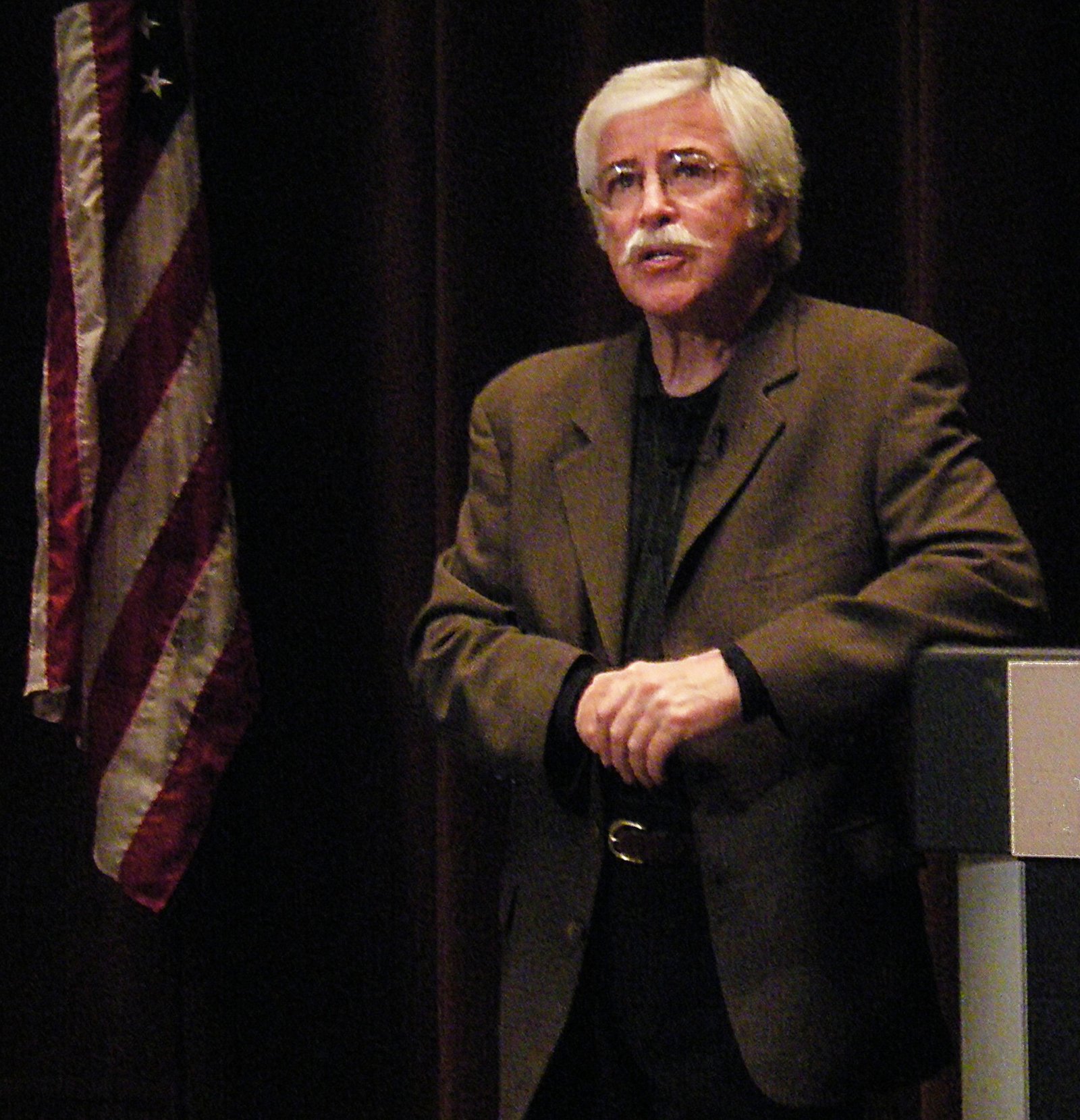
Heat-Moon’s “Blue Highways” revives the contemplative road trip tradition, chronicling his 13,000-mile journey along America’s back roads following his divorce and job loss. The book’s title refers to the blue lines on highway maps that indicate smaller, less-traveled roads—a metaphor for seeking authentic American experiences away from interstate highways. Heat-Moon’s journey takes him through small towns, Native American reservations, and forgotten corners of America, creating a portrait of a country often overlooked by mainstream media.
The book’s success surprised publishers, spending 42 weeks on the New York Times bestseller list and selling over 1 million copies. Heat-Moon’s philosophical approach to travel writing combines careful observation with historical research, creating a rich tapestry of American life. His encounters with ordinary people—farmers, shopkeepers, drifters—reveal the complexity and diversity of American experience. The book influenced a generation of travel writers and helped establish the literary travel memoir as a popular genre.
Peter Jenkins – A Walk Across America (1979)

Jenkins’ “A Walk Across America” takes the road trip concept to its logical extreme, chronicling his literal walk from New York to New Orleans in the mid-1970s. The book emerges from Jenkins’ disillusionment with American society following the Vietnam War and Watergate scandal, representing his attempt to rediscover faith in his country through direct contact with ordinary Americans. His journey covers 2,000 miles over several months, carrying only a backpack and relying on the kindness of strangers.
The book’s power lies in its slow pace, allowing Jenkins to develop deep relationships with people he meets along the way. From Pennsylvania farmers to Alabama civil rights workers, he encounters Americans struggling with the same questions about their country’s direction. The book spent 24 weeks on the bestseller list and inspired thousands of Americans to undertake their own walking journeys. Jenkins’ approach influenced later writers like Cheryl Strayed and helped establish walking narratives as a distinct subgenre of American travel literature.
Barbara Kingsolver – Animal Dreams (1990)

Kingsolver’s “Animal Dreams” represents a shift toward more literary and environmentally conscious road trip narratives, following Codi Noline as she returns to her Arizona hometown after years of aimless wandering. The novel combines the traditional return-home narrative with subtle road trip motifs, exploring themes of self-discovery, environmental destruction, and cultural identity. Kingsolver’s background as a biologist brings scientific accuracy to her descriptions of southwestern landscapes and environmental issues.
The book addresses contemporary concerns about climate change, cultural preservation, and women’s roles in American society. Codi’s journey becomes both literal and metaphorical, as she navigates relationships with her dying father, lost love, and the community she left behind. The novel won critical acclaim and commercial success, selling over 500,000 copies and establishing Kingsolver as a major voice in American literature. Its influence extends beyond literature, inspiring environmental activism and discussions about sustainable living.
Douglas Coupland – Generation X (1991)

Coupland’s “Generation X” captures the aimless mobility of young Americans in the late 20th century, following three characters as they drift through desert landscapes and suburban environments. The novel introduces the term “Generation X” to describe Americans born between 1965 and 1980, characterized by economic uncertainty, cultural fragmentation, and technological anxiety. Coupland’s characters use cars and movement as escape mechanisms from what they perceive as a meaningless consumer culture.
The book’s road trip elements differ from earlier traditions—instead of seeking authentic experiences, the characters flee from inauthenticity. Their journeys through Palm Springs, desert highways, and strip malls create a portrait of American alienation in the post-Cold War era. The novel became a cultural phenomenon, selling over 1 million copies and influencing discussions about generational identity. Its blend of pop culture references, dark humor, and social criticism established a new model for American road trip literature.
William Least Heat-Moon – River-Horse (1999)
Heat-Moon’s “River-Horse” reimagines the American journey by water rather than road, chronicling his 5,000-mile voyage from New York Harbor to the Pacific Ocean via rivers, canals, and lakes. The book represents a return to America’s pre-automotive travel traditions while addressing contemporary environmental concerns. Heat-Moon’s journey requires navigating not just waterways but also bureaucratic obstacles, as many of America’s rivers have been dammed, polluted, or privatized.
The book’s environmental message becomes increasingly urgent as Heat-Moon documents the destruction of America’s waterways. His journey reveals how industrialization has severed Americans’ connection to natural transportation networks that sustained indigenous peoples for millennia. The narrative combines adventure story with environmental advocacy, showing how alternative forms of travel can reveal different aspects of American geography. The book received critical acclaim for its innovative approach to travel writing and its important environmental message.
Cheryl Strayed – Wild (2012)

Strayed’s “Wild” modernizes the American road trip by replacing highways with hiking trails, chronicling her solo journey along the Pacific Crest Trail following her mother’s death and her own personal crisis. The book represents a shift toward more introspective and therapeutic approaches to American travel literature. Strayed’s 1,100-mile hike becomes a form of grief therapy, physical challenge, and spiritual seeking combined.
The book’s success—spending 7 weeks at number one on the New York Times bestseller list and selling over 1.5 million copies—demonstrates continued American fascination with transformative journeys. Strayed’s honest account of her struggles with addiction, divorce, and loss resonates with readers seeking authentic stories about recovery and self-discovery. The book inspired thousands of Americans to attempt similar hiking journeys and helped establish wilderness memoir as a popular genre. Its influence extends beyond literature, contributing to discussions about women’s independence and the therapeutic value of nature.
Jonathan Raban – Driving Home (2011)

Raban’s “Driving Home” offers a foreign perspective on American road trip culture, combining memoir with cultural criticism as the British-born author reflects on his decades living in America. The book collects essays written over 30 years, chronicling Raban’s journeys through American landscapes while examining the country’s political and cultural contradictions. His outsider perspective provides fresh insights into American mobility patterns and their cultural significance.
The book’s strength lies in Raban’s ability to see America with both intimate knowledge and critical distance. His observations about American car culture, suburban development, and political rhetoric reveal aspects of American life that native-born writers might overlook. The essays span from the Reagan era through the Obama presidency, providing a unique perspective on American social and political change. Raban’s literary reputation—he was shortlisted for major British literary prizes—brings international attention to American road trip literature.
Rachel Kushner – The Flamethrowers (2013)

Kushner’s “The Flamethrowers” represents a new direction in American road trip literature, combining cross-country motorcycle travel with art world satire and political commentary. The novel follows a young woman artist who rides motorcycles across western deserts while becoming involved in New York’s art scene and Italian political movements. Kushner’s background as an art critic brings sophistication to her analysis of American culture and its relationship to European politics.
The book’s motorcycle journeys serve multiple purposes—they provide thrills and adventure while also serving as metaphors for artistic and political rebellion. Kushner’s descriptions of speed, danger, and landscape create visceral reading experiences that capture the sensory aspects of motorcycle travel. The novel received widespread critical acclaim, winning the National Book Critics Circle Award and being longlisted for the National Book Award. Its influence on contemporary American literature includes inspiring discussions about women’s roles in traditionally male-dominated activities like motorcycling.
Jesmyn Ward – Sing, Unburied, Sing (2017)

Ward’s “Sing, Unburied, Sing” transforms the American road trip into a haunting exploration of racial trauma and family history, following a mixed-race family’s journey through Mississippi to pick up the father from prison. The novel combines realistic social commentary with supernatural elements, as ghosts from the past literally accompany the family on their journey. Ward’s Pulitzer Prize-winning novel addresses contemporary issues of mass incarceration while connecting them to historical patterns of racial oppression.
The book’s road trip structure allows Ward to examine how American landscapes hold memories of violence and injustice. The journey becomes both literal and metaphorical, as characters confront not just physical destinations but also generational trauma and systemic racism. Ward’s lyrical prose style combines elements of magical realism with unflinching social realism, creating a unique voice in American literature. The novel’s success—winning the National Book Award and spending weeks on bestseller lists—demonstrates American readers’ appetite for diverse voices in road trip literature.
Brit Bennett – The Vanishing Half (2020)

Bennett’s “The Vanishing Half” uses the road trip format to explore themes of racial identity and family separation, following twin sisters who take divergent paths across America after leaving their small Louisiana town. The novel examines how mobility and reinvention intersect with race in American society, as one sister passes for white while the other remains in Black communities. Bennett’s narrative spans decades and geographical locations, showing how American roads can both connect and separate families.
The book’s success during the COVID-19 pandemic—spending 30 weeks on the New York Times bestseller list—demonstrates continued American interest in stories about identity and belonging. Bennett’s exploration of racial passing provides historical context for contemporary discussions about racial identity and privilege. The novel’s structure shows how American mobility patterns have been shaped by racial discrimination and opportunity, making it both entertaining and educational. Its influence on American literature includes inspiring discussions about representation and the complexity of racial identity.
Charles Yu – Interior Chinatown (2020)

Yu’s “Interior Chinatown” revolutionizes road trip literature by making the journey metaphorical rather than literal, following a character navigating constructed identities in American culture. The novel uses the format of a television screenplay to explore how Asian Americans move through predetermined roles in American society. Yu’s innovative approach shows how cultural navigation can be as complex and challenging as any physical journey.
The book’s National Book Award win demonstrates American literature’s evolution toward more experimental and diverse forms. Yu’s background as a television writer brings unique perspective to his critique of American media representation and its impact on identity formation. The novel’s success—praised by critics and readers alike—shows how road trip literature can adapt to address contemporary concerns about representation and belonging. Its influence extends beyond literature, contributing to discussions about media diversity and cultural authenticity.
Patricia Engel – Infinite Country (2021)
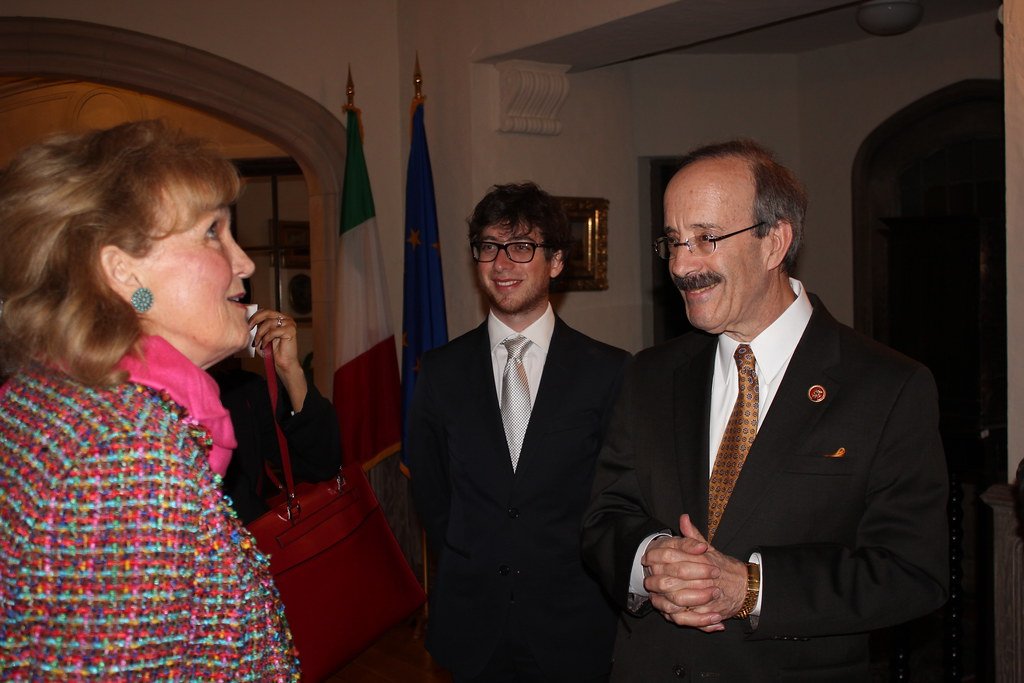
Engel’s “Infinite Country” expands American road trip literature to include transnational journeys, following a Colombian family’s experiences crossing borders and navigating American immigration policies. The novel shows how contemporary American mobility includes international migration and the complex relationship between movement and belonging. Engel’s bilingual background brings authenticity to her portrayal of immigrant experiences and the challenges of maintaining cultural identity while seeking American opportunities.
The book addresses contemporary political debates about immigration while maintaining focus on human stories and family relationships. Engel’s narrative structure shows how American roads connect to global networks of migration and economic opportunity. The novel’s critical success demonstrates American literature’s growing attention to diverse voices and experiences. Its influence on road trip literature includes expanding the genre’s scope to include international perspectives and addressing how American mobility intersects with global migration patterns.
David Gessner – Leave It As It Is (2020)

Gessner’s “Leave It As It Is” combines road trip narrative with environmental advocacy, following Theodore Roosevelt’s footsteps through American national parks while examining contemporary conservation challenges. The book uses Roosevelt’s conservation legacy to address current debates about climate change, public lands, and environmental protection. Gessner’s journey through parks like Yellowstone and Grand Canyon provides framework for discussing how American landscapes have been preserved and threatened.
The book’s environmental message gains urgency from contemporary climate data and political debates about public lands. Gessner’s background as an environmental writer brings scientific accuracy to his observations about ecosystem changes and conservation challenges. The narrative combines historical research with personal experience, showing how individual journeys can illuminate broader environmental issues. Its influence on American literature includes inspiring discussions about literature’s role in environmental advocacy and the importance of preserving natural landscapes for future generations.
What started as Mark Twain’s humorous frontier adventures has evolved into a complex literary tradition that continues to reflect American hopes, fears, and dreams through the simple act of hitting the road.

Christian Wiedeck, all the way from Germany, loves music festivals, especially in the USA. His articles bring the excitement of these events to readers worldwide.
For any feedback please reach out to info@festivalinside.com
