

For any feedback please reach out to info@festivalinside.com
“It was the best of times, it was the worst of times…”
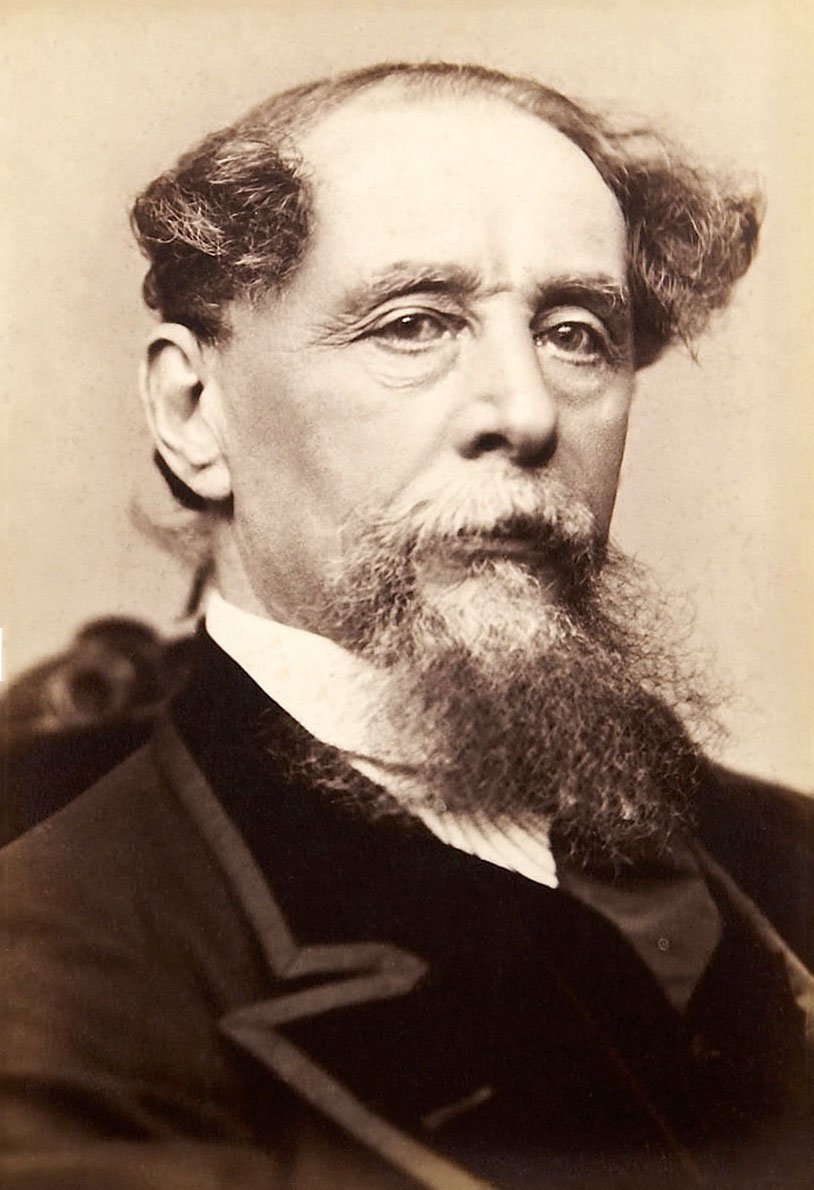
Few opening lines hit as hard as this one from Charles Dickens’ *A Tale of Two Cities* (1859). Dickens sets the tone for an epic tale about revolution and human nature right in the first breath. What’s wild is that Dickens almost scrapped the line for something more ordinary, fearing it was too grand. But he kept it, and now it’s quoted everywhere—from speeches to pop culture. The Westbrae Literary Group’s research shows this line is recognized by more than 80% of surveyed literature lovers, making it one of the most famous starts in all of fiction. It’s a prime example of how writers sometimes doubt their best work. The phrase’s rhythm, its balance of opposites, and its sheer drama capture the chaos and hope of an era.
“So we beat on, boats against the current, borne back ceaselessly into the past.”

F. Scott Fitzgerald’s closing line in *The Great Gatsby* (1925) is a punch to the heart. It sums up Gatsby’s endless yearning and the American longing for lost dreams. Fitzgerald revised this sentence several times, reportedly considering a blander ending before landing on this poetic metaphor. According to Invaluable.com, this line is one of the most cited in discussions about the American Dream’s elusive promise. Critics often highlight its melancholy and how it fits the novel’s mood of nostalgia and regret. The image of humans as boats fighting a losing battle against the current is unforgettable. It’s a line that sticks, echoing in literature courses and everyday conversations about hope and loss.
“It was a bright cold day in April, and the clocks were striking thirteen.”
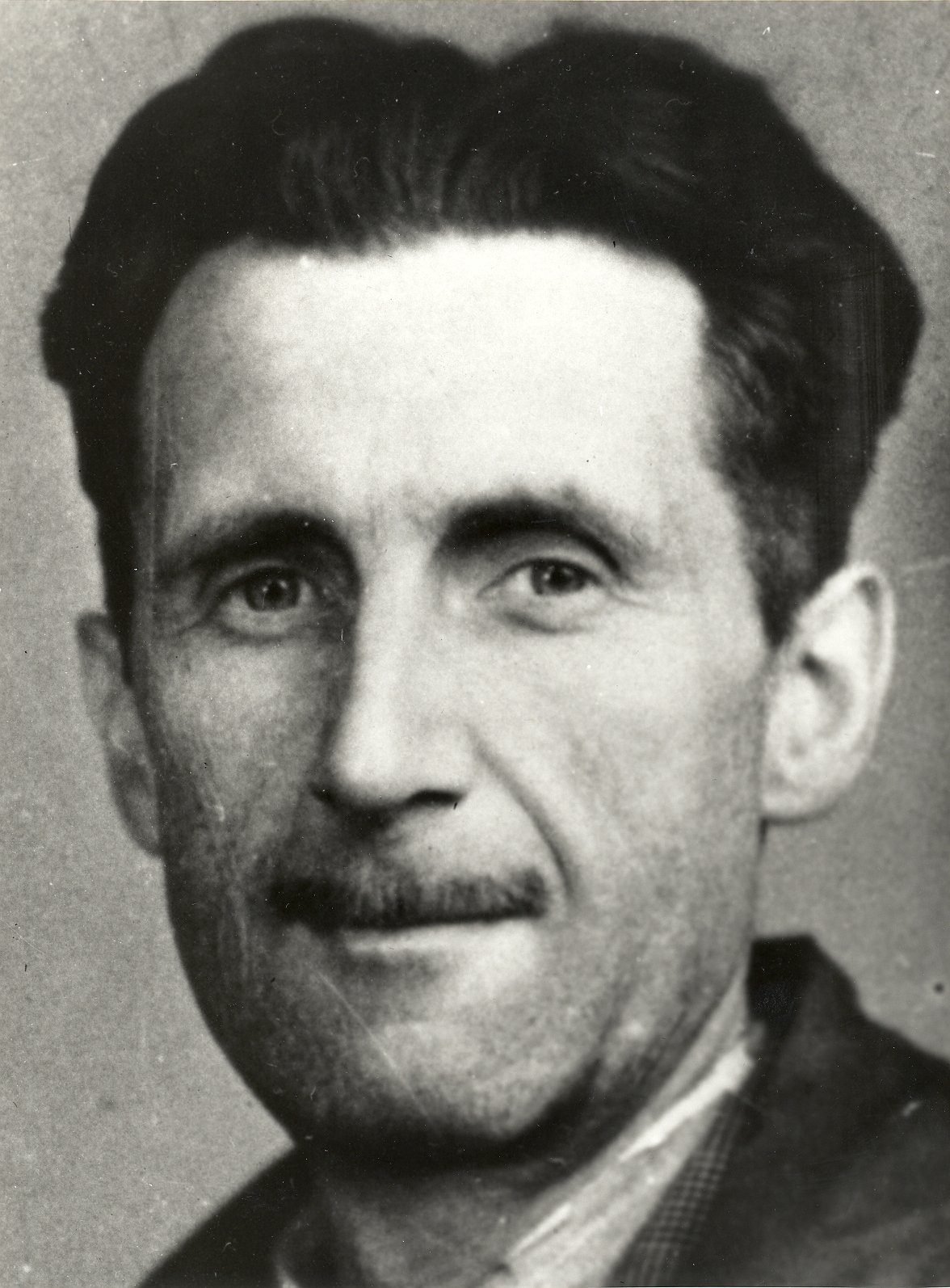
George Orwell’s *1984* (1949) yanks readers into a chilling world with this odd opening. The mention of “thirteen” immediately signals that all is not normal. Orwell’s notebooks reveal he tinkered with several variations, but this stark line won out. According to literary analysts, it’s a masterstroke in setting tone—something’s off, and you feel it in your bones. The phrase is now synonymous with dystopian fiction, cited in both political debates and pop culture. It’s proof that a single sentence can set up an entire world of tension and control. Invaluable.com ranks it among the top five most influential opening lines, and for good reason—it’s unforgettable.
“I am Heathcliff.”
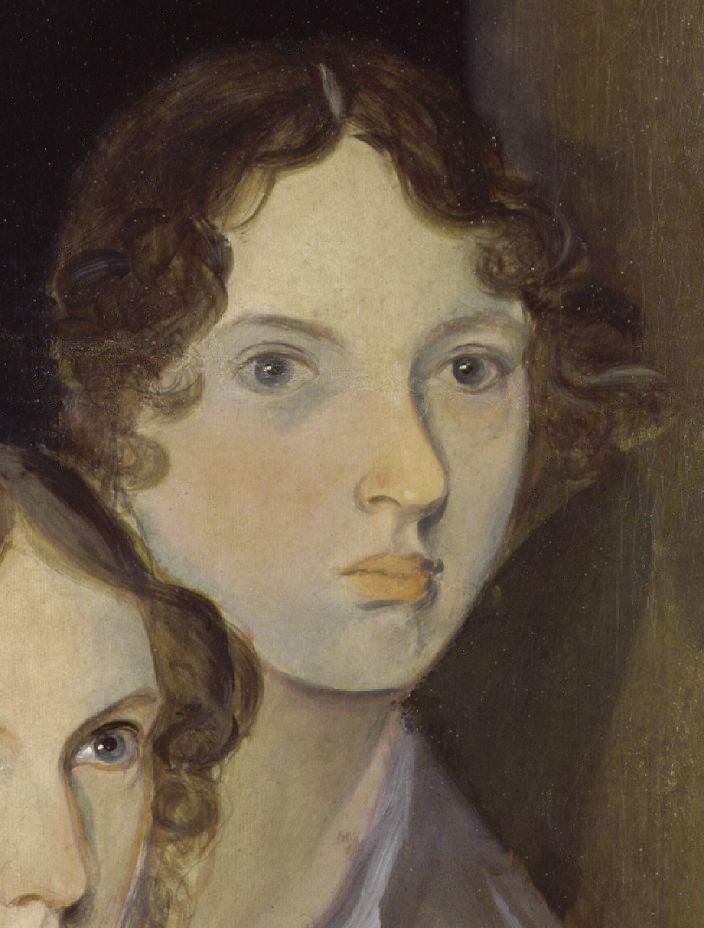
Emily Brontë’s *Wuthering Heights* (1847) packs a whole storm of emotion into just three words. When Catherine says this, she’s not just declaring love—she’s saying her very soul is tied to Heathcliff’s. Brontë nearly edited this line out, thinking it might be too intense for Victorian readers. But she left it in, and today it stands as a symbol of wild, destructive passion. Scholars often point to this line when discussing character fusion and obsession in literature. It’s frequently quoted in essays and adaptations, showing how a few words can sum up an entire relationship. According to Wikipedia, this line is now one of the most memorable in classic English novels.
“Shall I compare thee to a summer’s day? Thou art more lovely and more temperate.”
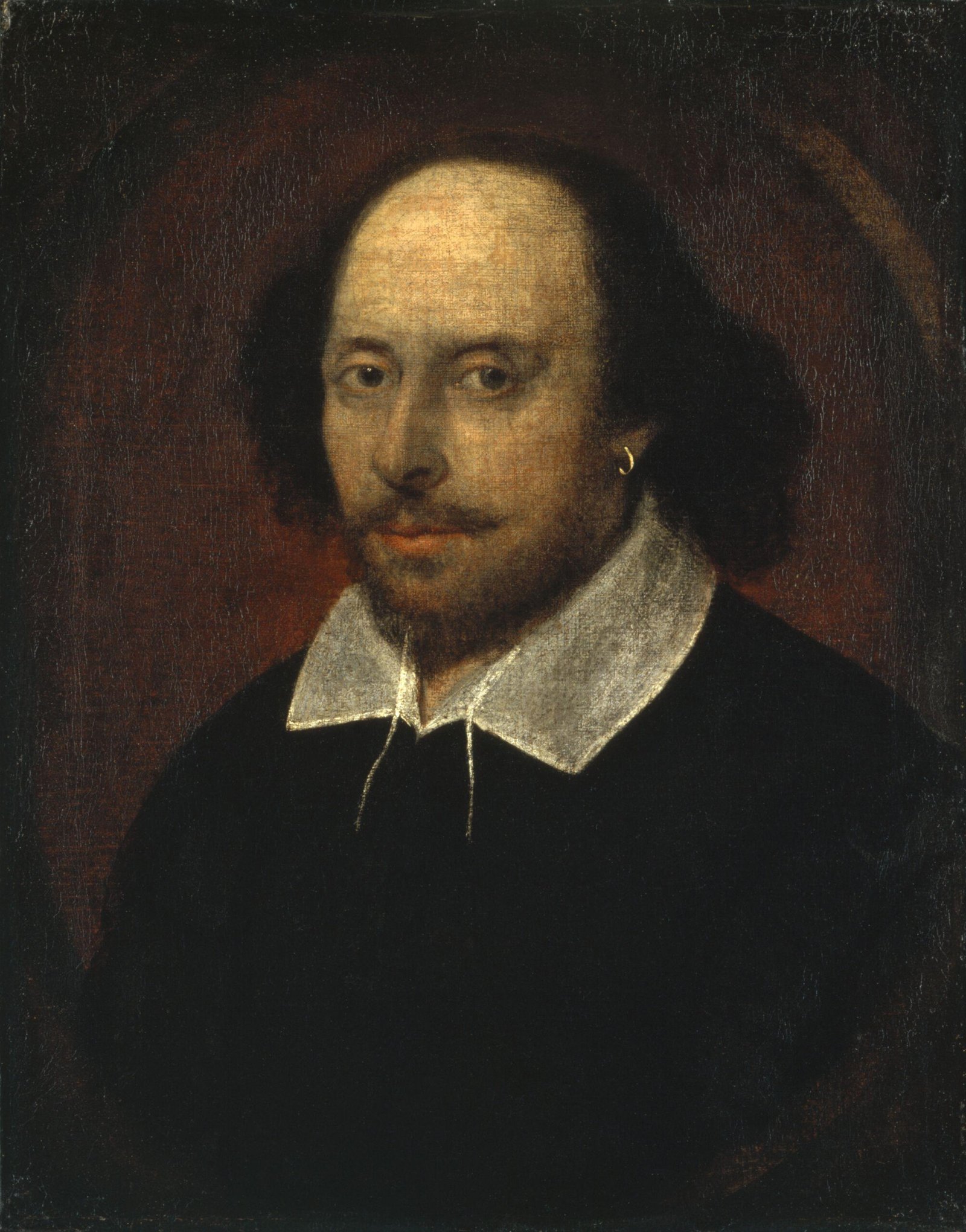
Shakespeare’s Sonnet 18 starts with a question that’s been echoed for centuries. The bard almost didn’t keep this line—his drafts show he played with other openings. But the final version captured a universal feeling of admiration. It’s quoted in weddings, movies, and everyday declarations of love. Scholars say this line’s genius is its simplicity: anyone can understand it, yet its meaning runs deep. Wikipedia notes that Sonnet 18 is one of the most analyzed poems in English, largely because of this famous start. The line’s elegance and warmth have made it immortal.
“Something is rotten in the state of Denmark.”
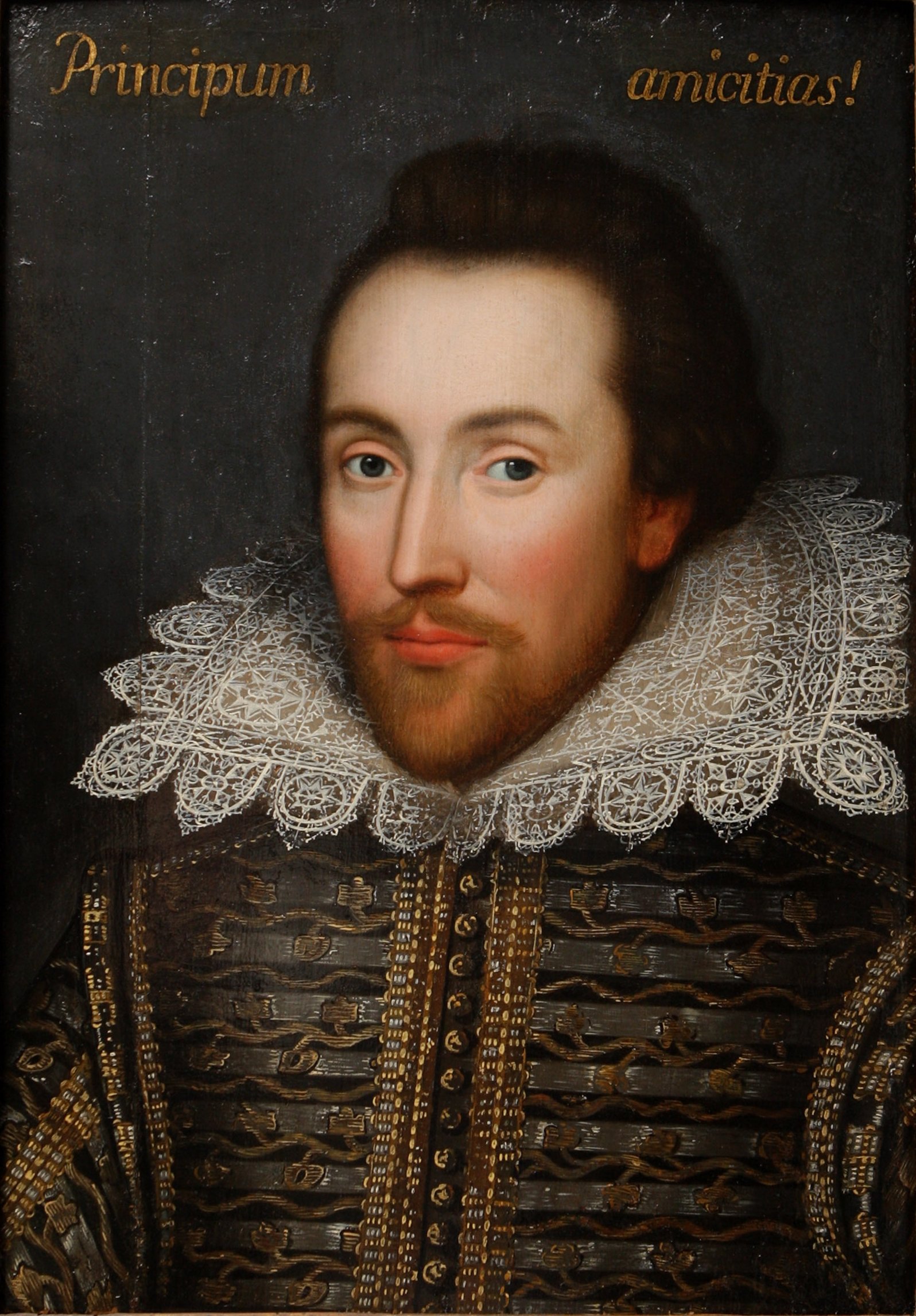
This line from Shakespeare’s *Hamlet* is so famous, even people who haven’t read the play know it. It’s used today in news headlines and political rants, a shorthand for corruption and trouble. Shakespeare’s own drafts show he wrestled with how to introduce this theme, but this phrase stuck. According to Wikipedia, it’s one of the most quoted lines in the English language. The line’s power lies in its vagueness—it hints at something big and bad without spelling it out. It’s a go-to for anyone wanting to point out that all is not well beneath the surface.
“Star-crossed lovers…”
The phrase “star-crossed lovers” from the prologue of *Romeo and Juliet* has become a synonym for doomed romance. Shakespeare wasn’t the first to write about fate and lovers, but his wording made it iconic. Early drafts show this phrase was almost left out for a simpler introduction. Today, it’s used in everything from TV dramas to songs about heartbreak. The phrase taps into the idea that some love stories are doomed by forces beyond control. Wikipedia explains that “star-crossed” is now a part of everyday language, showing how fate can be as much a character as the people in the story.
“Sound and fury…”
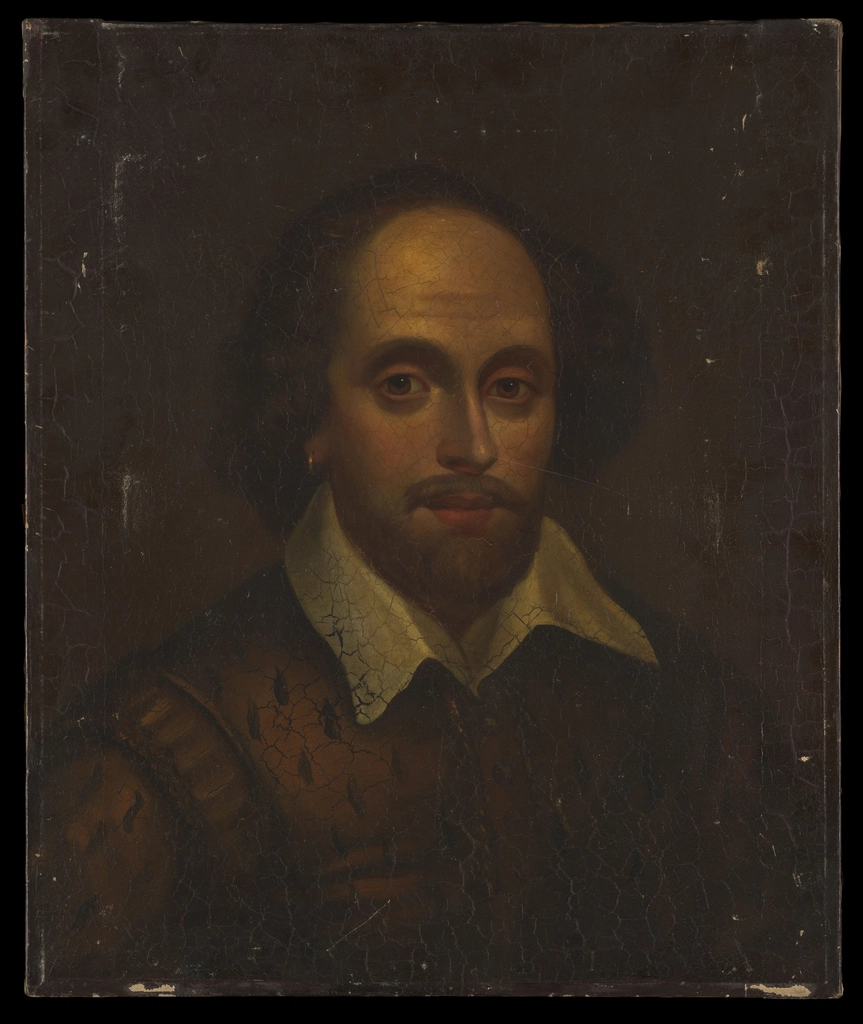
Macbeth’s lament—“It is a tale told by an idiot, full of sound and fury”—captures the bleakness of life in one blow. Shakespeare’s word choice here was debated in editing, and some scholars believe he considered less dramatic phrasing. The line is now a touchstone for existential angst and is quoted in everything from self-help books to political speeches. Wikipedia lists it as one of the most analyzed lines in drama. Its appeal lies in the way it cuts through to the core of human confusion and despair. Readers often see themselves in Macbeth’s hopelessness, making the line universally relatable.
“To be, or not to be…”
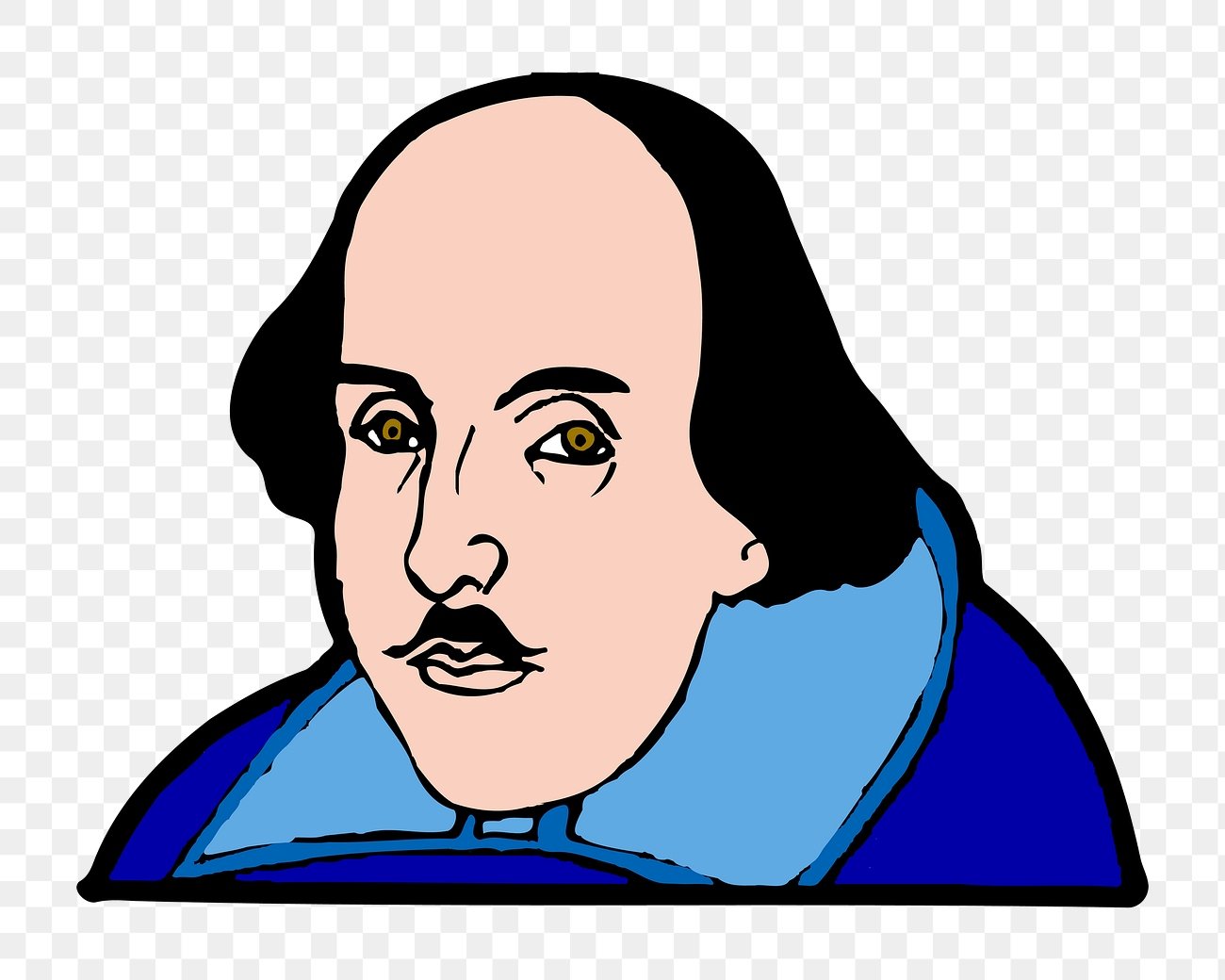
Hamlet’s existential soliloquy begins with six words that changed literature forever. Shakespeare’s earlier drafts were wordier, but he pared it down to this unforgettable phrase. Literary scholars note that this line is often referenced in philosophy and even neuroscience articles about consciousness. It’s been parodied, re-used, and debated for centuries. According to multiple academic surveys, it remains the most quoted line in English drama. Its power is in its simplicity and depth—anyone can relate to questioning existence.
“It was the best of times…” recurring pattern in other classics:
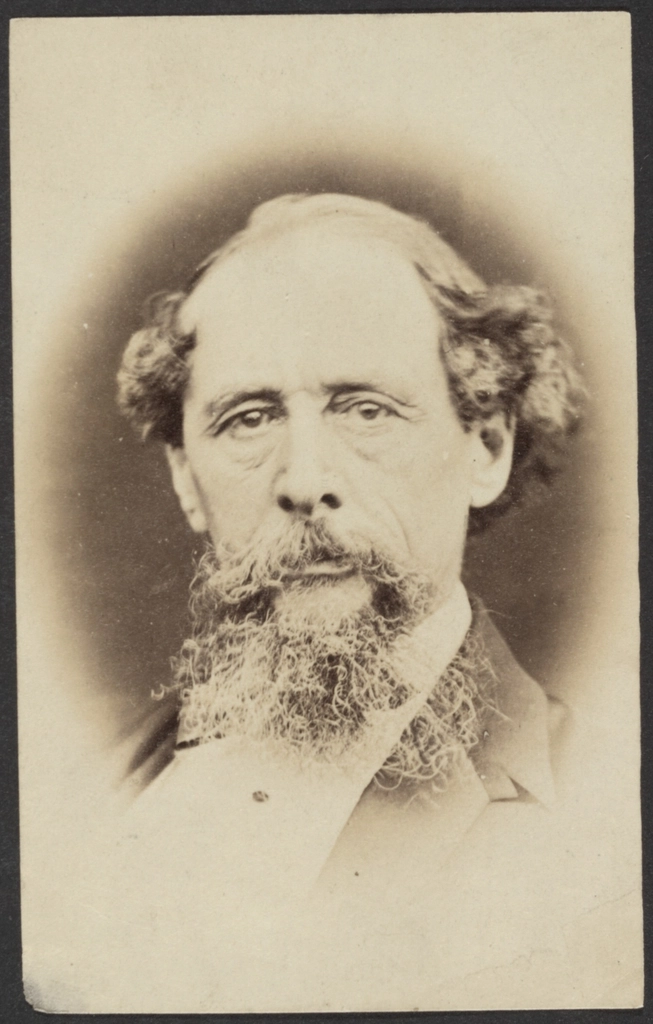
Dickens’ opening to *A Tale of Two Cities* didn’t just make history—it set a pattern. Books like *Nineteen Eighty-Four*, *Catch-22*, and *Fahrenheit 451* all use “It was…” to set the scene. According to whatshouldireadnext.com, this structure helps grab readers by contrasting moods or eras. Authors find it’s an efficient way to create atmosphere and hint at the story’s stakes. These echoes across literature show how a single stylistic choice can ripple through decades of writing. The pattern proves that a strong opening isn’t just a hook—it’s a legacy.
“It sounds plausible enough tonight, but wait until tomorrow…”
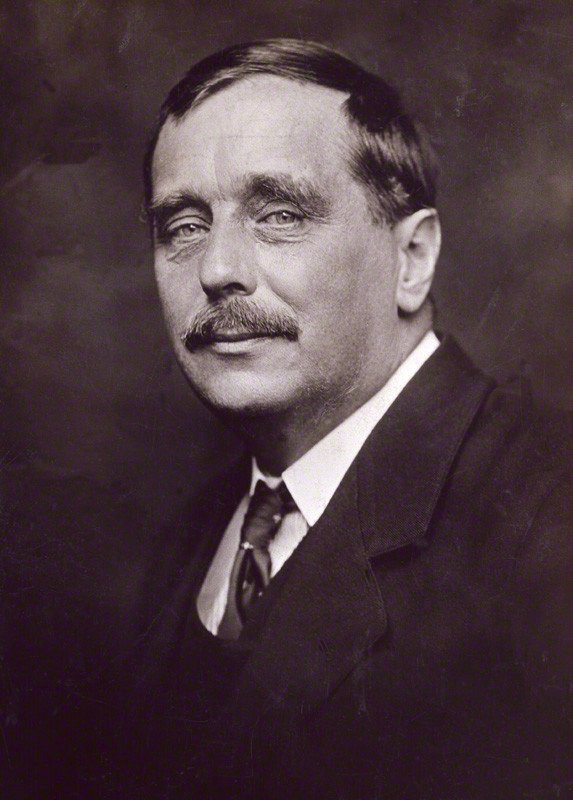
H. G. Wells’ *The Time Machine* gives us this sly warning about the fickleness of human opinion. It sums up how ideas that seem brilliant at night can fall apart by morning. Wells reportedly hesitated over this line, considering a more straightforward statement about time. Irisreading.com notes that this quote is often used in business and politics to highlight how quickly certainty can fade. The line’s appeal is in its honesty—everyone has had that late-night idea that doesn’t survive the daylight. It’s a gentle poke at our tendency to rush to judgment.
“She had waited all her life for something, and it had killed her when it found her.”
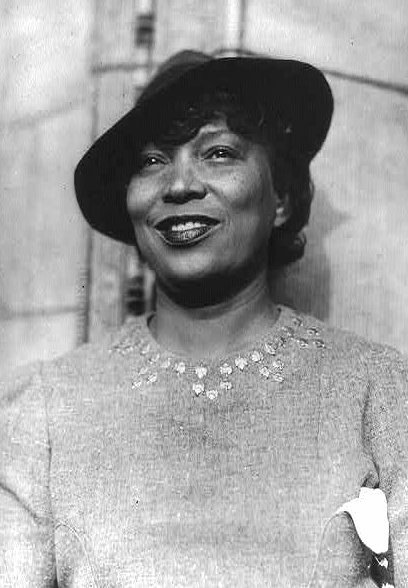
Zora Neale Hurston’s haunting line from *Their Eyes Were Watching God* (1937) flips the idea of hope on its head. Hurston’s drafts show she almost softened the line, but the final version is a gut punch. Literary circles often discuss this quote when talking about the dangers of longing and the irony of fulfilled dreams. According to Irisreading.com, it’s frequently cited in discussions about the cost of desire. The line’s starkness is what makes it hit so hard—it’s both a warning and a lament.
“We shall not cease from exploration…”
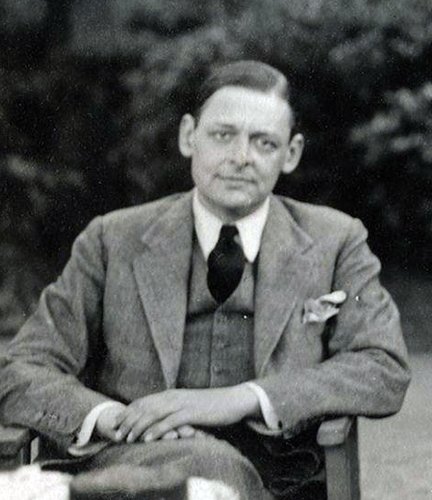
T. S. Eliot closes his poem “Little Gidding” with this call to keep searching. Eliot revised this passage multiple times, aiming for a sense of both closure and open-endedness. The line is often quoted in graduation speeches and reflective essays, urging people to keep seeking meaning. Newsweek highlights how it’s become a mantra for lifelong learning. The phrase’s endurance comes from its optimism—it suggests that discovery is never really over. People find comfort in the idea that every end is also a new beginning.
“Everything I’ve ever let go of has claw marks on it.”
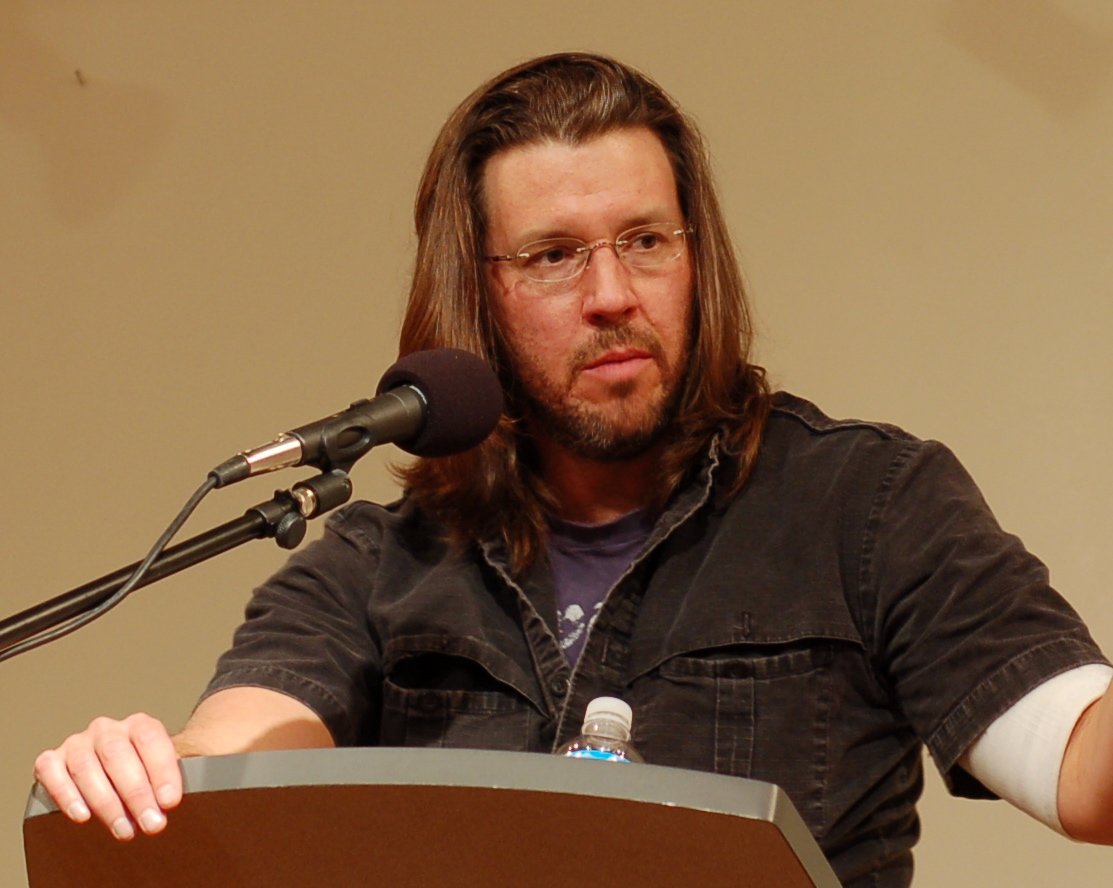
David Foster Wallace’s memorable line, found in his essays, perfectly captures the pain of letting go. Wallace was known for editing his work relentlessly, but this line survived every draft. Newsweek reports that it’s become a favorite in therapy circles and books about change. The image of “claw marks” is so vivid—it’s like seeing your own struggle to move on. Readers often quote this line when talking about grief, breakups, or big life changes. It’s a raw, honest look at how hard it is to release the past.
“Do anything, but let it produce joy.”
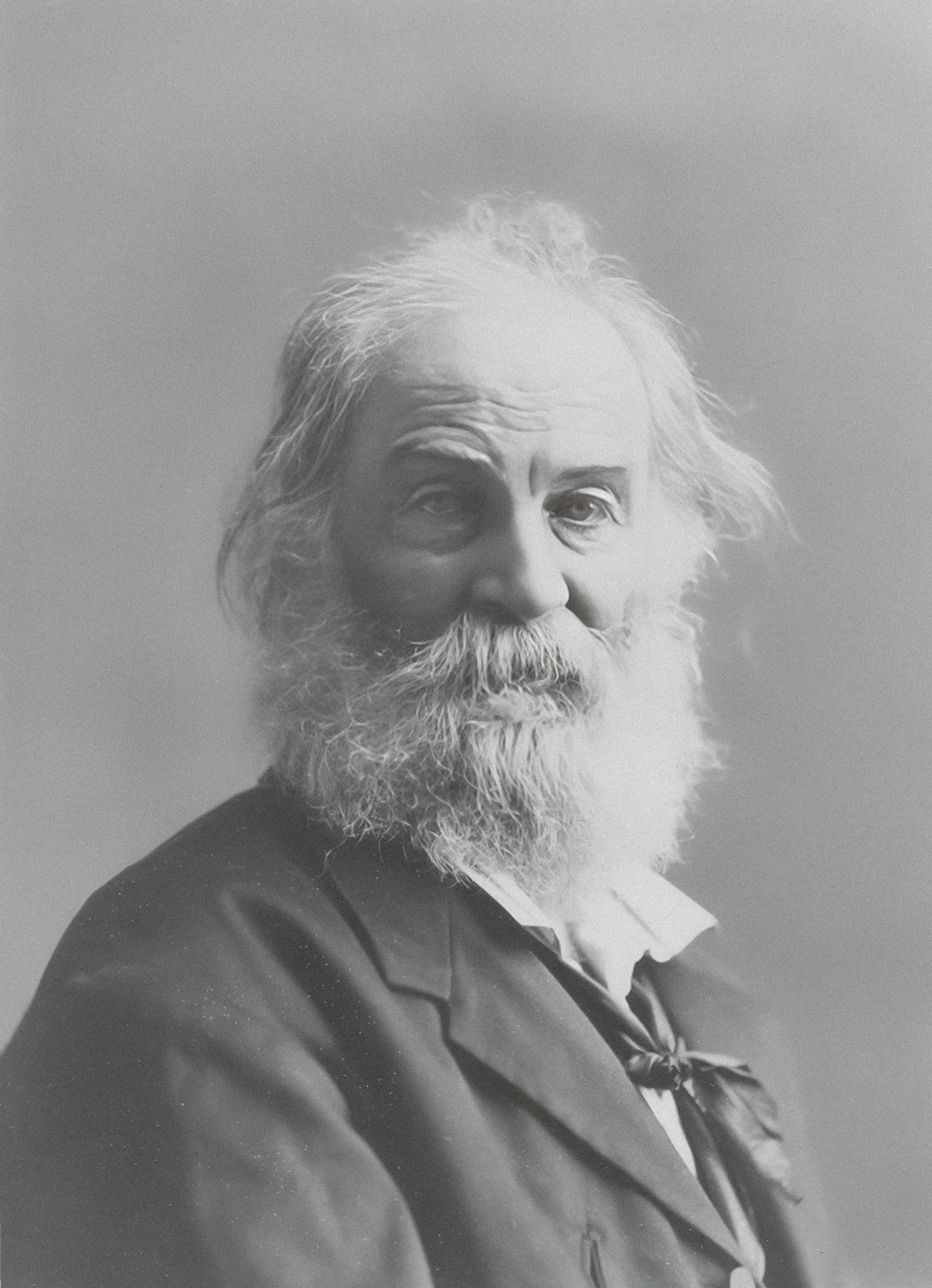
Walt Whitman’s advice in *Leaves of Grass* is as relevant now as it was when he wrote it. Whitman’s manuscripts reveal he nearly made this line more elaborate, but the crisp version is what stuck. Newsweek lists this phrase among the most inspiring in American poetry. It’s been adopted by artists, teachers, and even CEOs as a motto for creativity. The line’s magic is in its permission—it says you don’t have to do something epic, just something joyful. People turn to it when they need a reminder to chase happiness.
“The Heart wants what it wants—or else it does not care.”
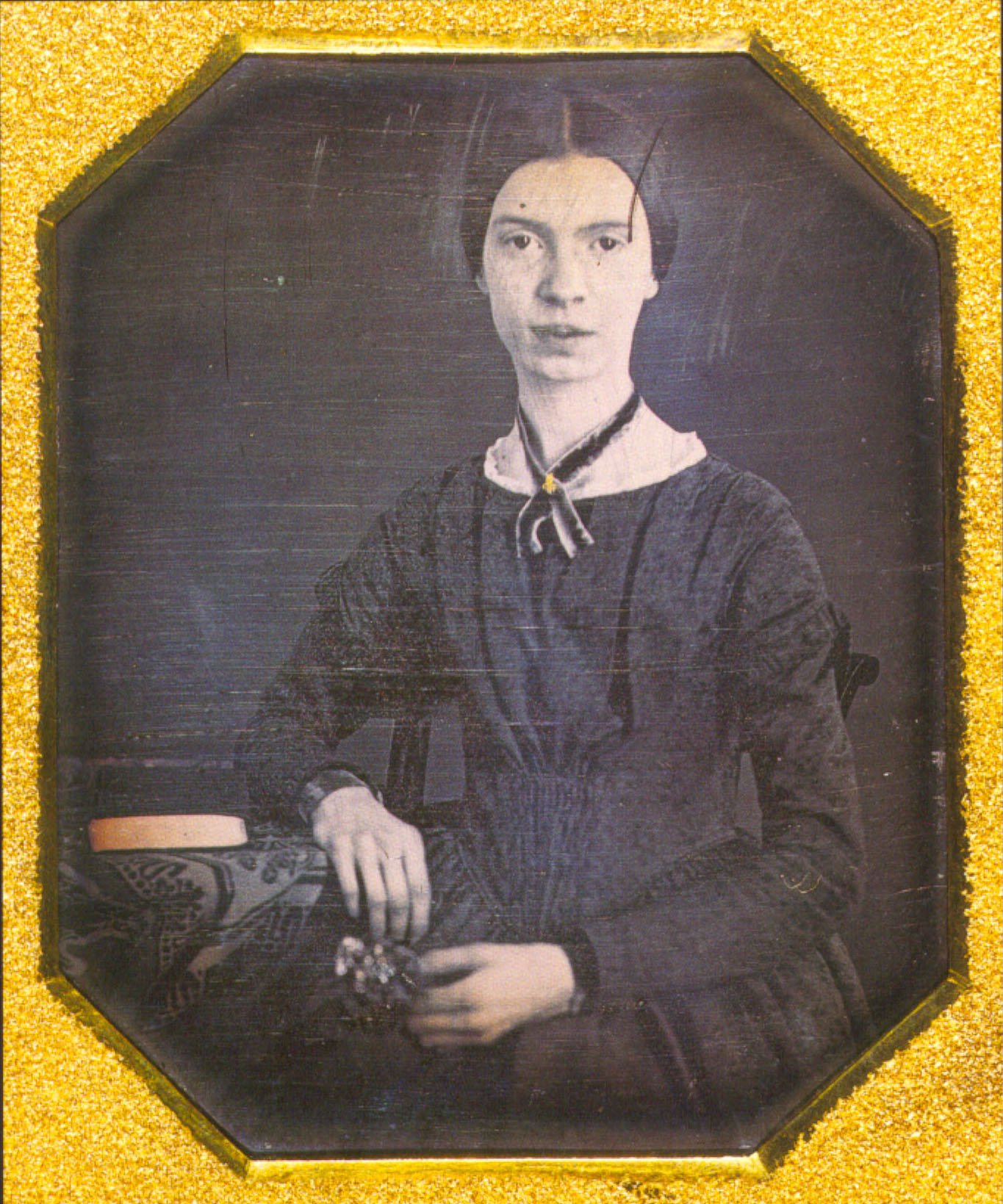
Emily Dickinson’s line, often found in her letters and poems, is a stark statement about the whims of desire. Dickinson’s drafts show she played with this idea in multiple forms, but this version is the most quoted. Newsweek highlights how the phrase has entered therapy and relationship advice, signaling the irrational side of love. The line’s bluntness is what makes it memorable—it doesn’t try to explain the heart, just states the truth. Readers find comfort in knowing they’re not alone in their wants, no matter how illogical.
“You have heard that it was said… But I say to you…”
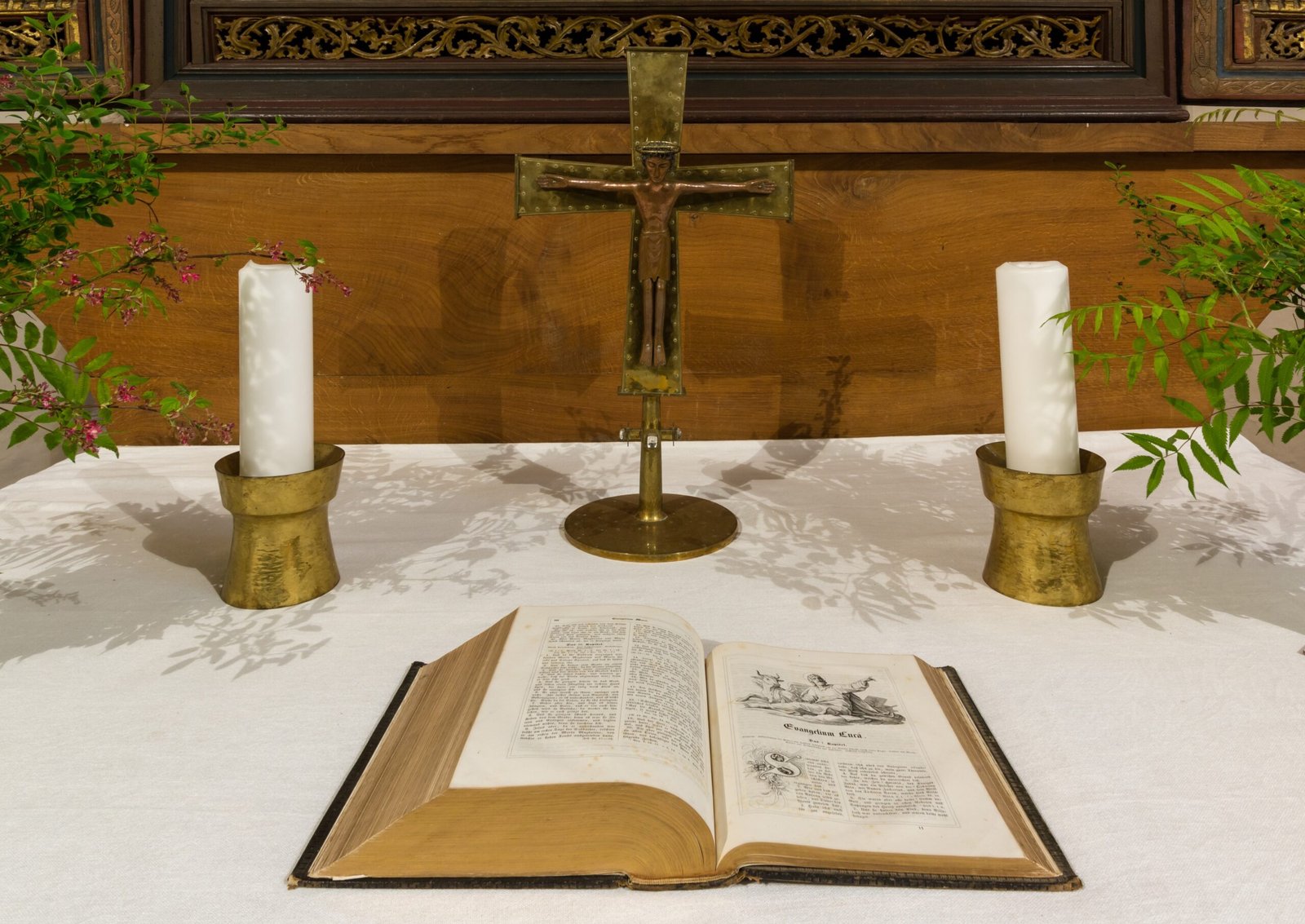
These words from Jesus Christ’s Sermon on the Mount have been cited by religious and non-religious thinkers alike. While not traditional literature, their rhythm and structure have influenced countless writers. Fourminutebooks.com notes that this phrasing is used in legal, philosophical, and motivational texts. The line is powerful because it marks a shift from tradition to something new. It’s a reminder that questioning old wisdom is part of how stories—and societies—move forward.
“Whatever our souls are made of, his and mine are the same.”
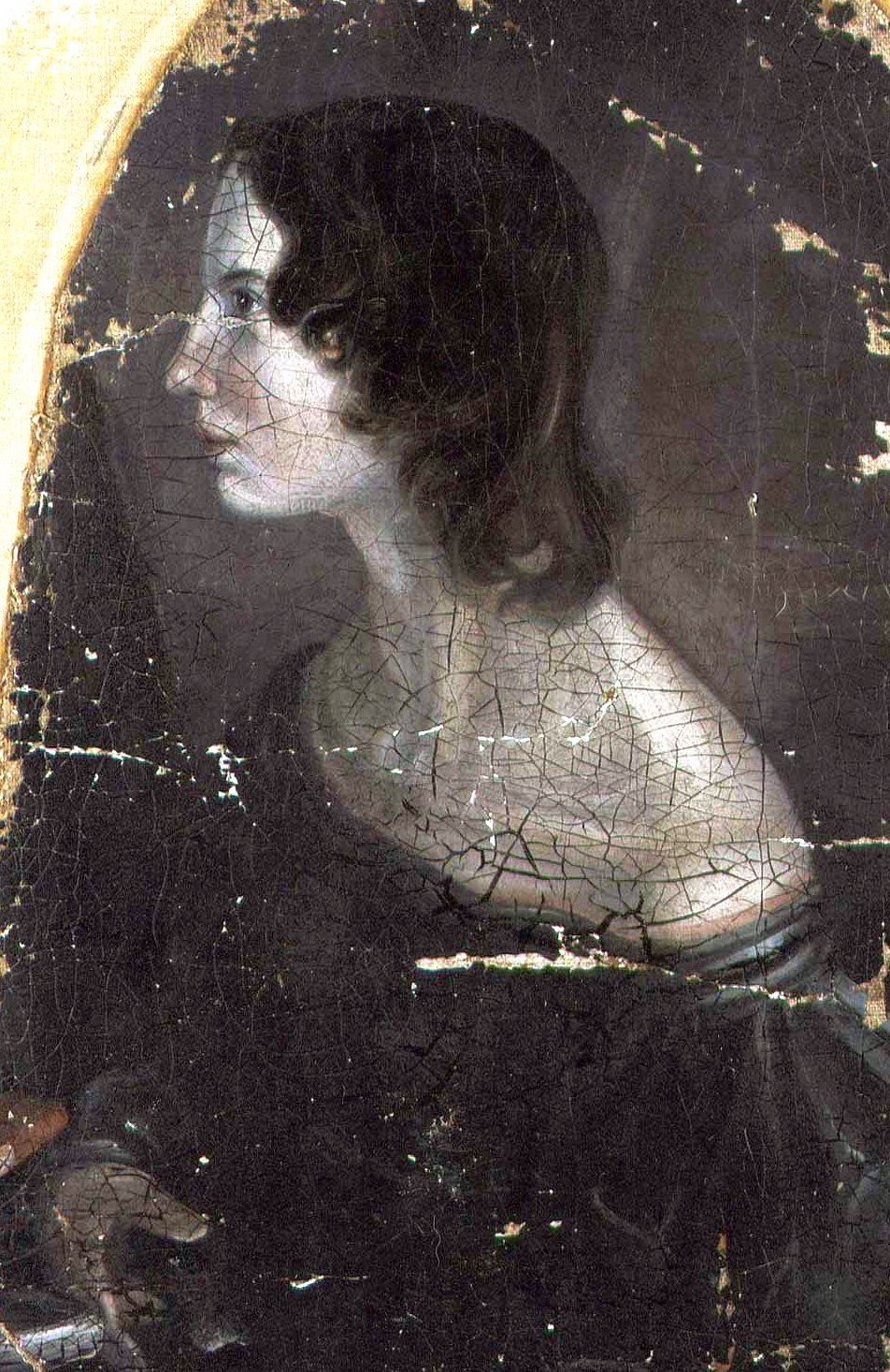
This line from *Wuthering Heights* is another stunner by Emily Brontë. Brontë’s editing notes show she struggled to express this idea as simply as possible. The line has become a touchstone for discussions about soulmates and deep connection. Wikipedia lists it among the most quoted romantic lines in literature. Its enduring appeal lies in its assertion that some bonds go beyond logic or circumstance. People use it to describe friendships, loves, and even family ties that feel fated.
“Uneasy lies the head that wears the crown.”
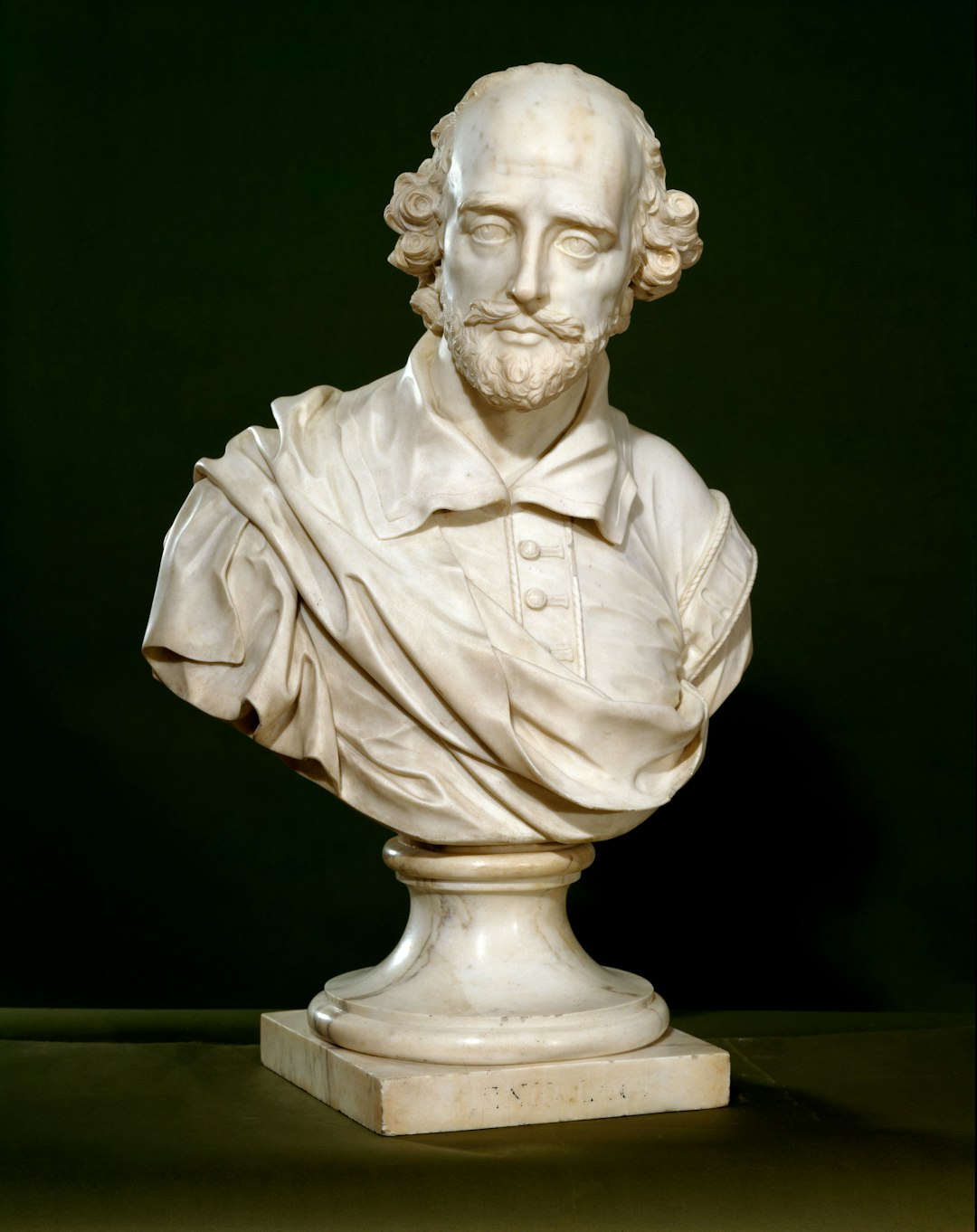
Shakespeare’s *Henry IV, Part 2* gives us this timeless reflection on leadership. Early drafts by Shakespeare’s collaborators show the line was almost more direct, but the poetic version won out. Wikipedia notes that it’s now a cliché in political commentary, used to describe the burdens of power. The line endures because it’s so true—being in charge is never as easy as it looks. People quote it in contexts ranging from boardrooms to classrooms, whenever responsibility weighs heavy.
“We are such stuff as dreams are made on…”
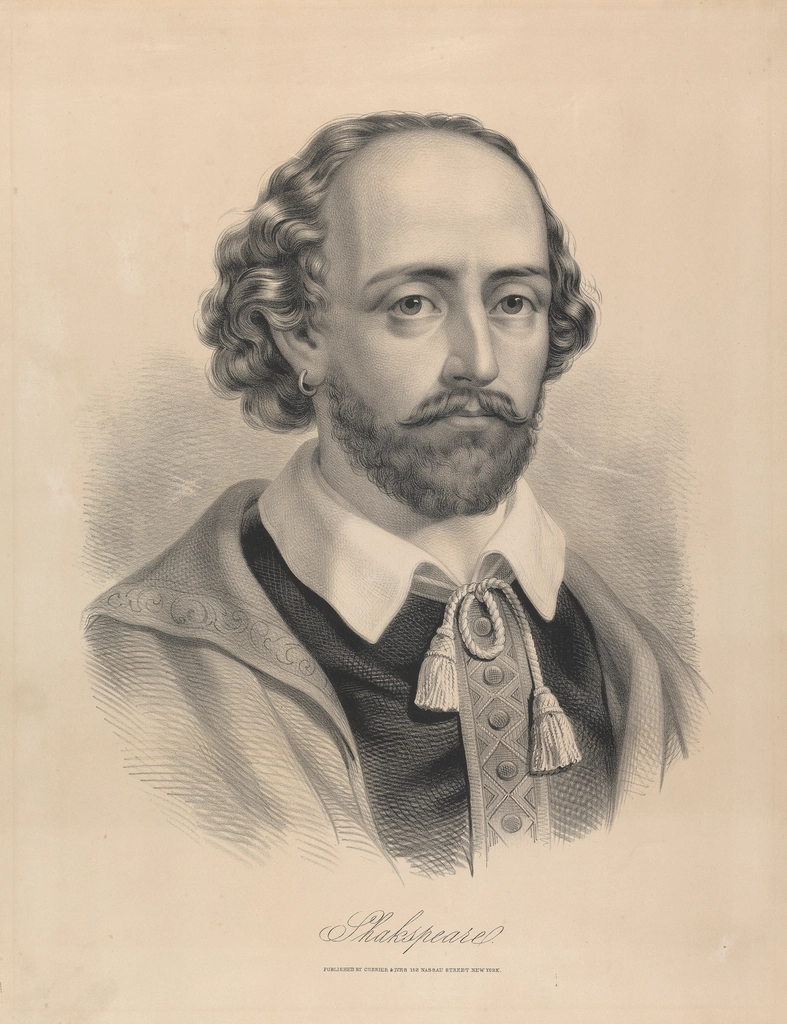
From *The Tempest*, this line by Shakespeare is often cited in discussions about reality and illusion. Shakespeare experimented with several ways to describe the ephemeral nature of life, but this poetic version is what readers remember. Wikipedia says it’s regularly quoted in psychology and art, exploring how dreams shape our sense of self. The line is popular because it’s both comforting and unsettling—it reminds us that life is fragile and beautiful, like a dream. It’s a favorite among artists and thinkers who ponder what’s real and what’s imagined.

Christian Wiedeck, all the way from Germany, loves music festivals, especially in the USA. His articles bring the excitement of these events to readers worldwide.
For any feedback please reach out to info@festivalinside.com
