There is something almost absurd about paying tens of millions of dollars for a book. Most of us grew up folding paperback spines and spilling coffee on our pages without a second thought. Yet somewhere out there, collectors have handed over fortunes that could buy entire city blocks, all for the privilege of owning a single volume. Why? The answers are stranger, more emotional, and more fascinating than you might expect.
These aren’t just old books. They are physical records of human genius, legal revolution, scientific curiosity, and religious devotion. Each sale tells a story not only about what’s inside the covers, but about the people who absolutely had to own them. Get ready to be surprised by what money, history, and obsession look like when they collide.
1. Codex Sassoon – $38.1 Million (Sotheby’s, 2023)
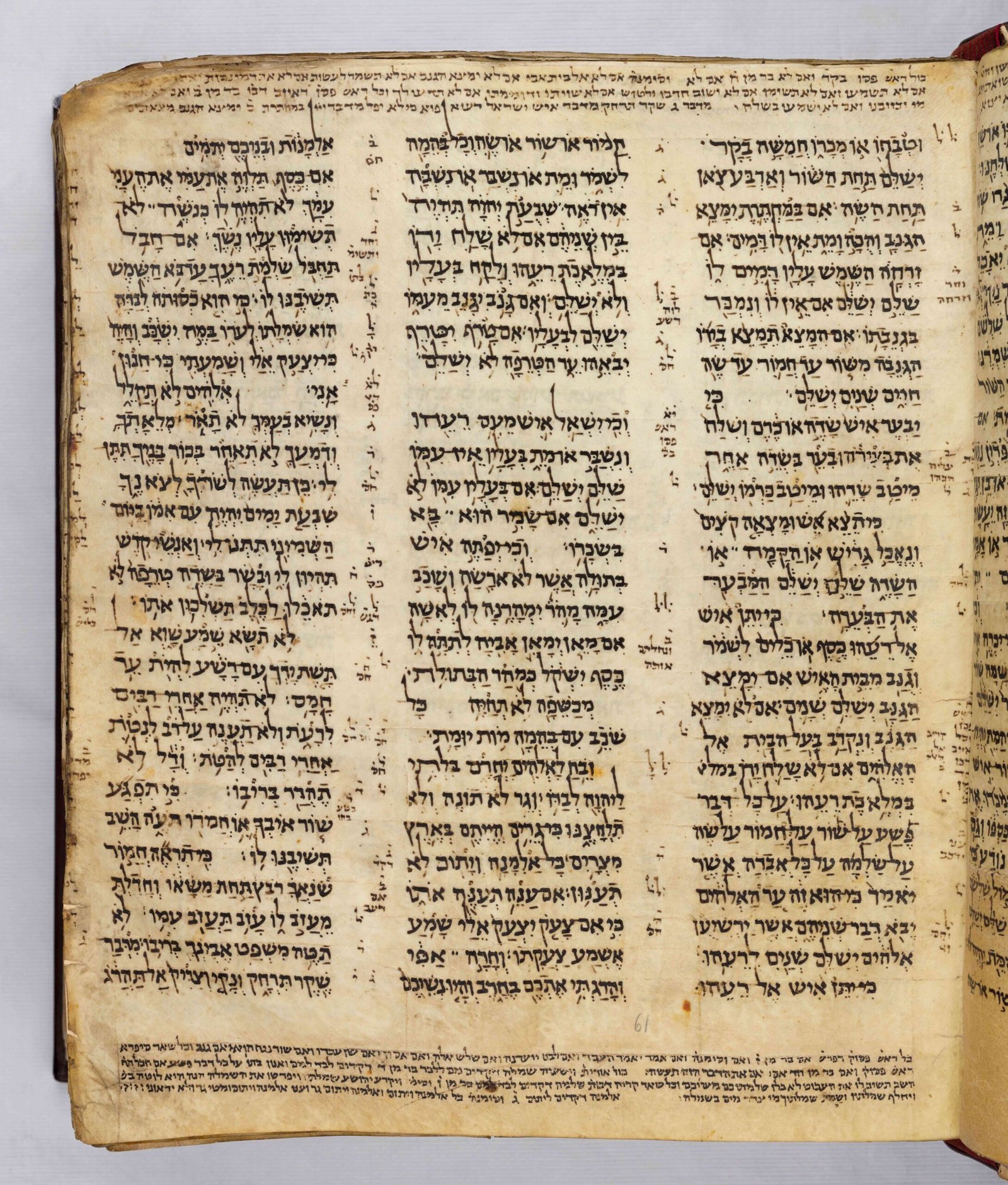
The Codex Sassoon is an early and nearly complete Hebrew Bible, crucial for understanding the evolution of Abrahamic religions and the transition from oral to literary traditions. Dating to the late 9th or early 10th century, it contains all 24 books of the Hebrew Bible, missing only 12 leaves, and predates the Leningrad Codex by nearly a century. After owning the Codex Sassoon since 1989, Swiss financier and collector Jacqui Safra put it up for auction at Sotheby’s in 2023, where it fetched a record-breaking $38.1 million, making it the most expensive book in the world. Named after collector David Solomon Sassoon, it features Masoretic notes ensuring accurate text transmission, and although scholars had known of its importance since the 1960s, the book had largely been out of public view for centuries.
2. The Original Manuscript of the Book of Mormon – $35 Million (Private Sale, 2017)
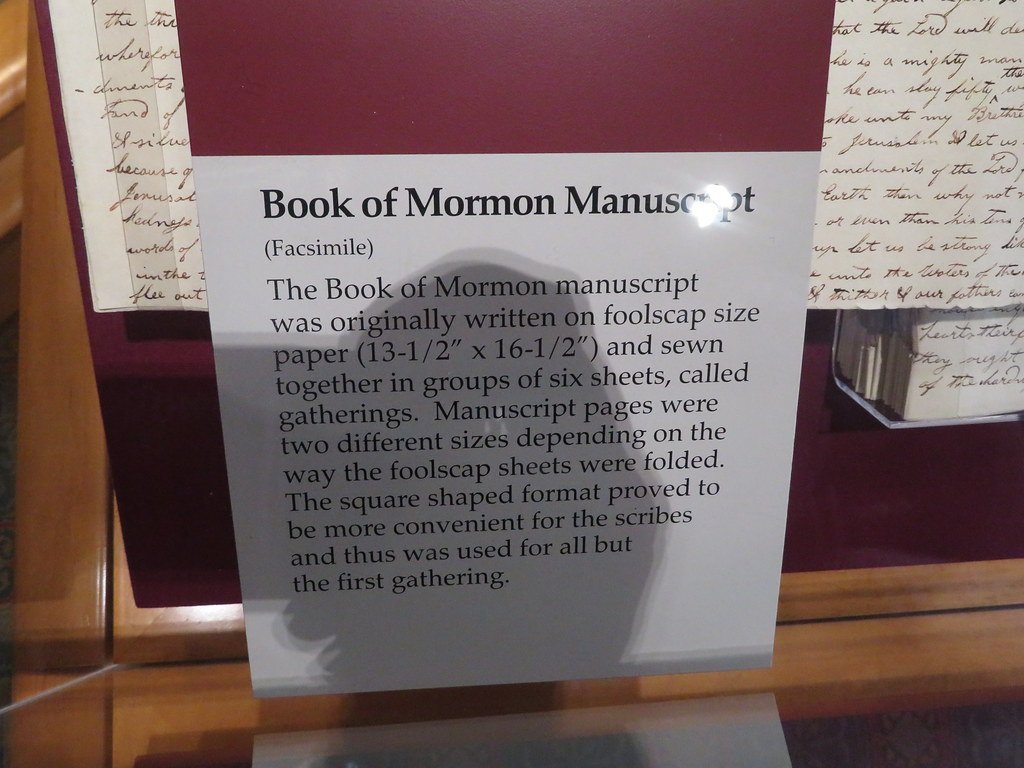
In 2017, the original handwritten printer’s manuscript of the Book of Mormon was reclaimed by the Church of Jesus Christ of Latter-Day Saints for a jaw-dropping $35 million, making it the most expensive manuscript ever sold, even beating Bill Gates’s previous record-breaking purchase of the Codex Leicester. It was written in 1830 by Joseph Smith and contains religious writings of ancient prophets who lived on the American continent, explaining the foundations of the Mormon religion. The original binding of the manuscript had stayed within the church’s possession until its sale in 1903, making the 2017 purchase a fitting return to the LDS archives.
3. Codex Leicester by Leonardo da Vinci – $30.8 Million (Christie’s, 1994)
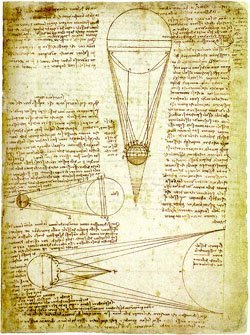
The Codex Leicester was sold to Bill Gates by Christie’s auction house on 11 November 1994 in New York for $30,802,500, and until 2021, it remained the most expensive book ever sold. Created between his stays in Milan and Florence, the codex features over 300 illustrations and backwards-written diary entries detailing da Vinci’s scientific observations and theories on subjects like astronomy, water movement, fossils, and lunar luminosity. It is the only major da Vinci notebook still in private hands and not in a museum. The Codex Leicester has been unbound and each page individually mounted between glass panes, and it is put on public display once a year in a different city worldwide.
4. Magna Carta (1297 Version) – $21.3 Million (Sotheby’s, 2007)
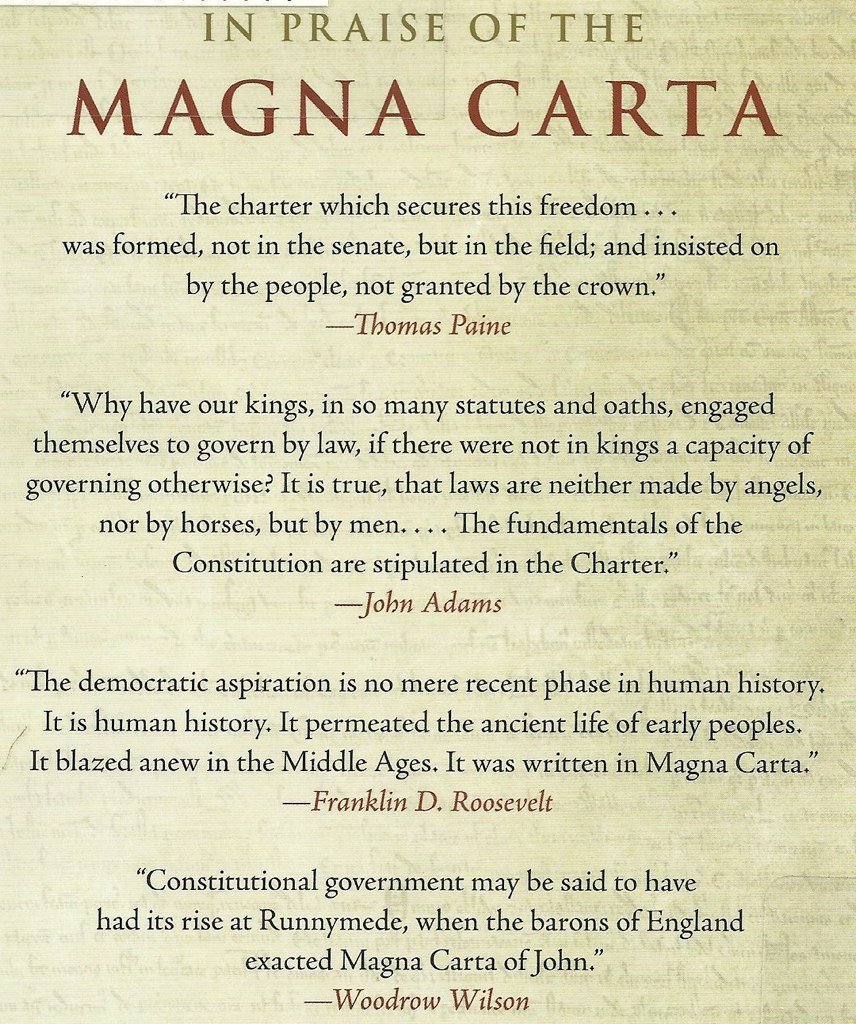
Issued in 1215, the Magna Carta is a royal charter of rights signed by King John of England, the first document to officially declare that the king and his government were not above the law, and designed to prevent monarchies from exploiting their power. David Rubenstein, co-founder of the Carlyle Group, paid $21.3 million to ensure that the 1297 version of the historic document would stay in the United States. The sale took place in 2007, when this particular version exchanged hands from one American billionaire, Ross Perot, to another, David Rubenstein. Honestly, the idea that two billionaires were essentially trading the cornerstone of Western democracy between themselves is something that history books will probably struggle to adequately explain.
5. The Northumberland Bestiary – ~$20 Million (J. Paul Getty Museum, 2007)
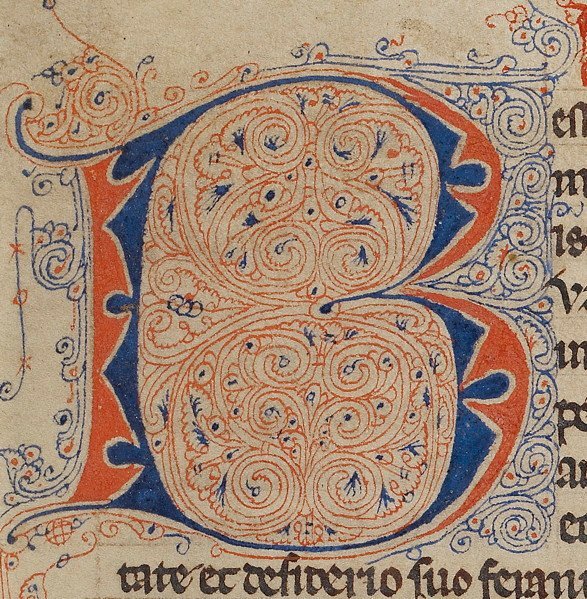
The Northumberland Bestiary, created in the 13th century in an English scriptorium, is an illuminated manuscript renowned for its Gothic-era depictions of both real and mythical beasts. This fantastical compendium contains over 100 exquisite medieval illustrations and text, and served as a teaching aid for clerics, including chapters on creation, animals, and human conditions. Its origins and creators remain unknown, adding to its mystique. First sold at auction by the Duke of Northumberland at Sotheby’s in 1990 for $5.8 million, it was later bought privately in 2007 by the J. Paul Getty Museum in a deal estimated at approximately $20 million.
6. The Bay Psalm Book – $14.2 Million (Sotheby’s, 2013)
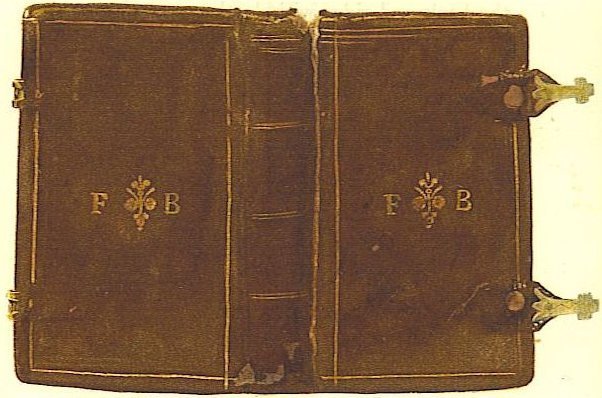
The Bay Psalm Book, the first book printed in British America, achieved a record price of $14.2 million in 2013. This 1640 publication is a landmark in American printing history and reflects early colonial religious and linguistic practices, with only 11 copies of the original edition known to exist, making it one of the rarest books in America. In 2013, David Rubenstein acquired one of these remarkable copies. The same man who bought the Magna Carta apparently also had a thing for collecting the very foundations of civilization. You have to admire the consistency, at least.
7. The St. Cuthbert Gospel – $14.3 Million (British Library, 2012)
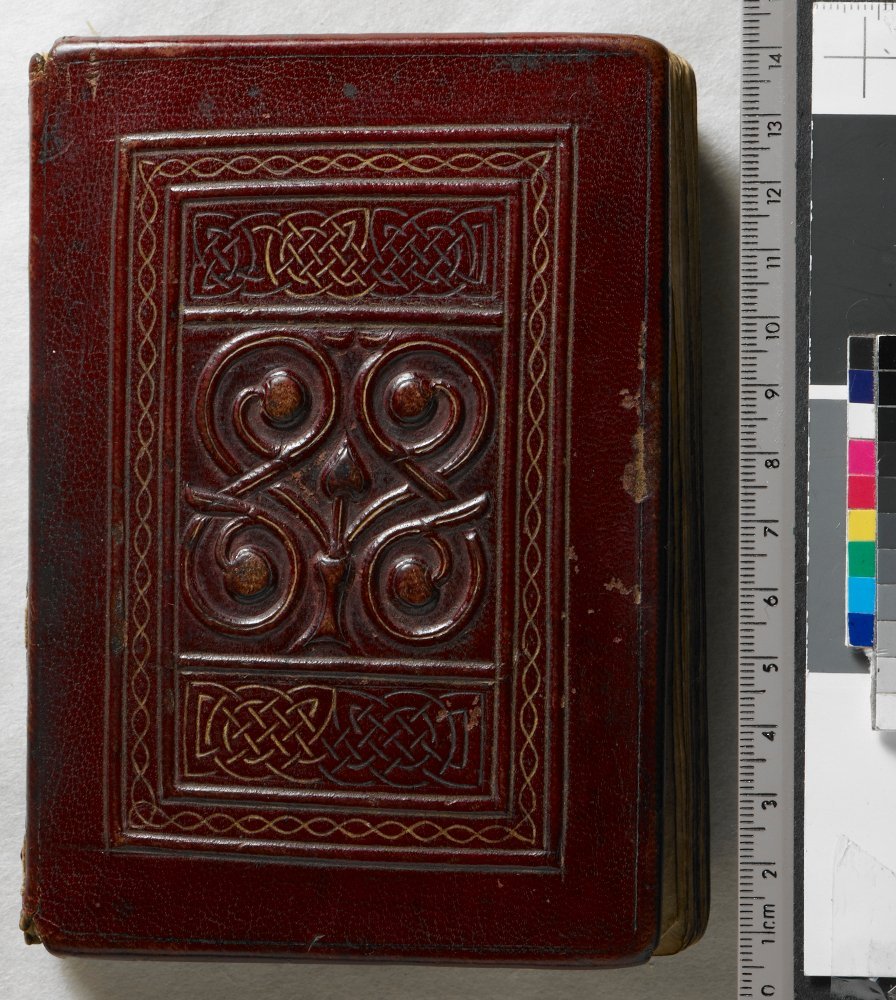
The St. Cuthbert Gospel, also known as the Stonyhurst Gospel, is an early 7th-century pocket gospel book written in Latin. It is the oldest preserved European book. It had been buried with St. Cuthbert in 687 and rediscovered in 1104 when his remains were moved. Its finely decorated leather binding is the earliest known Western bookbinding to survive, and both the 94 vellum folios and the binding are in outstanding condition for a book of this age. It was sold to the British Library in April 2012 for £9 million ($14.3 million). Think about what that means: a book buried with a saint in the 7th century is now sitting in London, better preserved than most things made last decade.
8. The Rothschild Prayerbook – $13.6 Million (Christie’s, 2014)
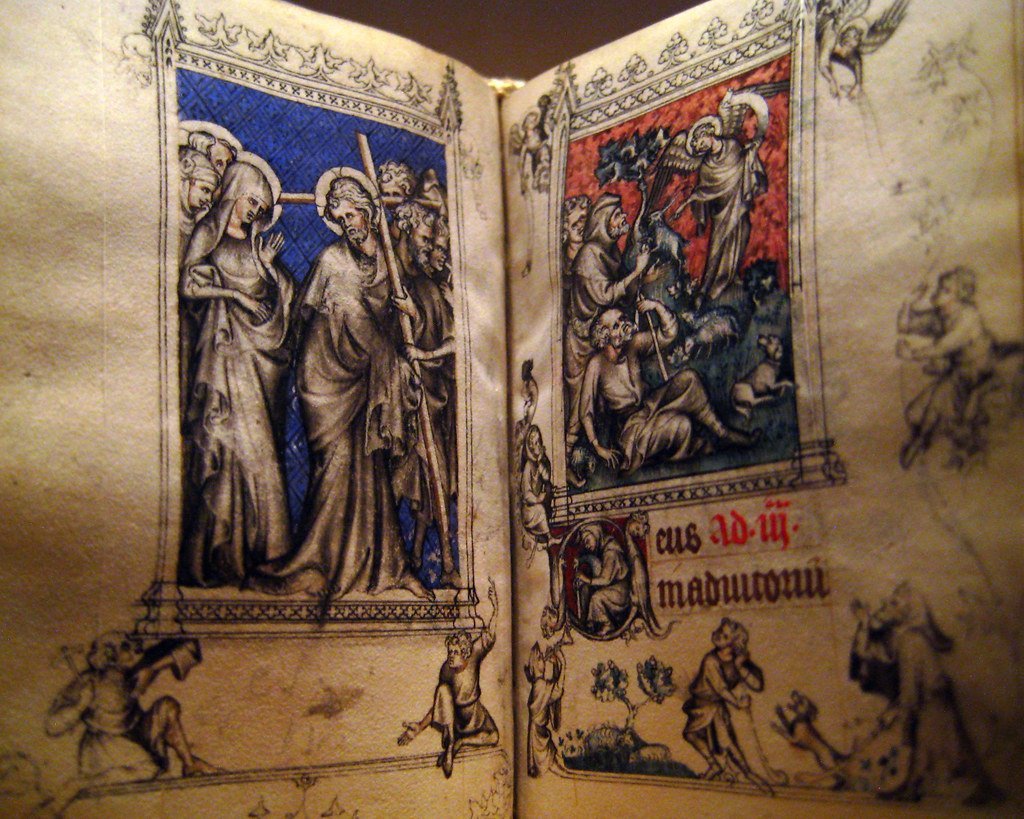
The Rothschild Prayerbook is a Renaissance masterpiece of illuminated manuscripts, created in Flanders around 1505 to 1510 for a member of the Habsburg court. This book of hours contains 67 full-page miniatures and 140 decorated borders, showcasing the work of several master artists, including Gerard Horenbout and Simon Bening. Before its 2014 sale, the Rothschild Prayerbook had an eventful history: it was confiscated by the Nazis during World War II and later returned to the Rothschild family. In 2014, it was sold at Christie’s auction house for $13.6 million. That combination of breathtaking artistry and heartbreaking wartime theft makes this one of the most charged stories in the entire world of rare books.
9. The Rothschild Prayerbook (Earlier Sale) – $13.4 Million (Private, 1999)
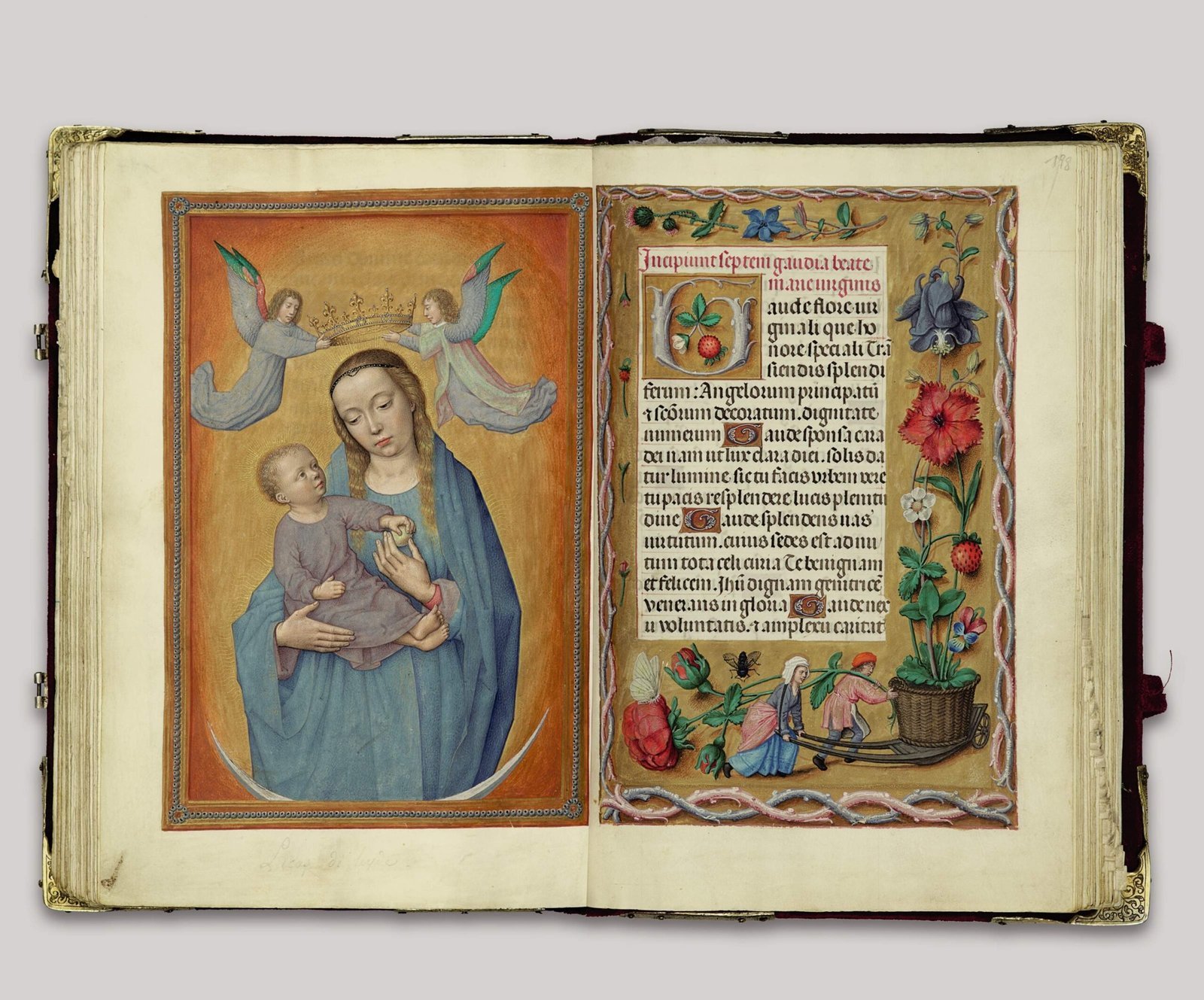
The Rothschild Prayerbook is an early 16th-century Flemish illuminated manuscript, a Christian devotional book painstakingly created by monastic scribes and numerous lauded artists, considered a Renaissance masterpiece. For centuries, the book was held in secret possession by the Rothschild dynasty. In 1938, it was stolen from the family’s estate by the Nazis. The Rothschild Prayerbook was purchased in 1999 for a world record-breaking $13.4 million at auction, and for the next five years the buyer remained a mystery until he was finally revealed to be Australian billionaire Kerry Stokes. It now resides at the National Library of Australia, which is quite a journey for a 500-year-old Flemish prayer book.
10. The Canterbury Tales (1477 First Edition) – $7.5 Million (Christie’s, 1998)
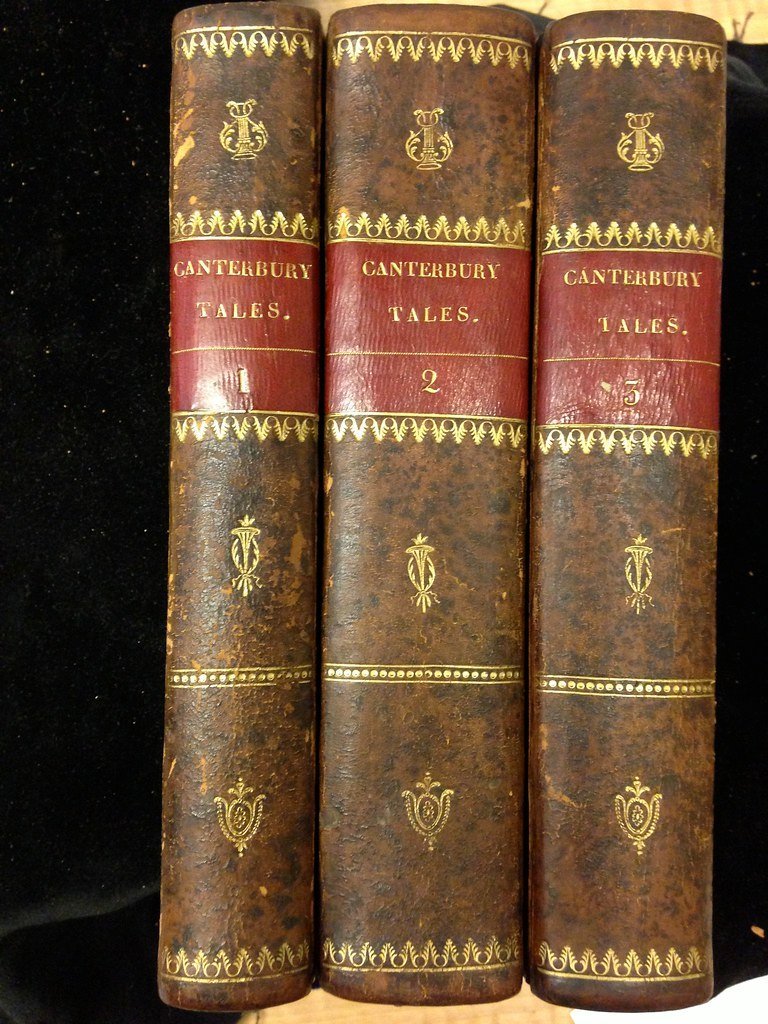
Geoffrey Chaucer’s Canterbury Tales is a cornerstone of English literature. A first edition, printed by William Caxton in 1477, sold for £4.6 million ($7.5 million) in 1998 at Christie’s auction house in London, purchased by Sir Paul Getty. Only 12 copies of this first edition are known to exist, and of these, only two remain in private hands. William Caxton was effectively the Gutenberg of England, and the fact that only a handful of his Canterbury Tales printings survived five centuries is exactly the kind of rarity that sends collectors into a bidding frenzy.
11. Shakespeare’s First Folio – $9.978 Million (Christie’s, 2020)
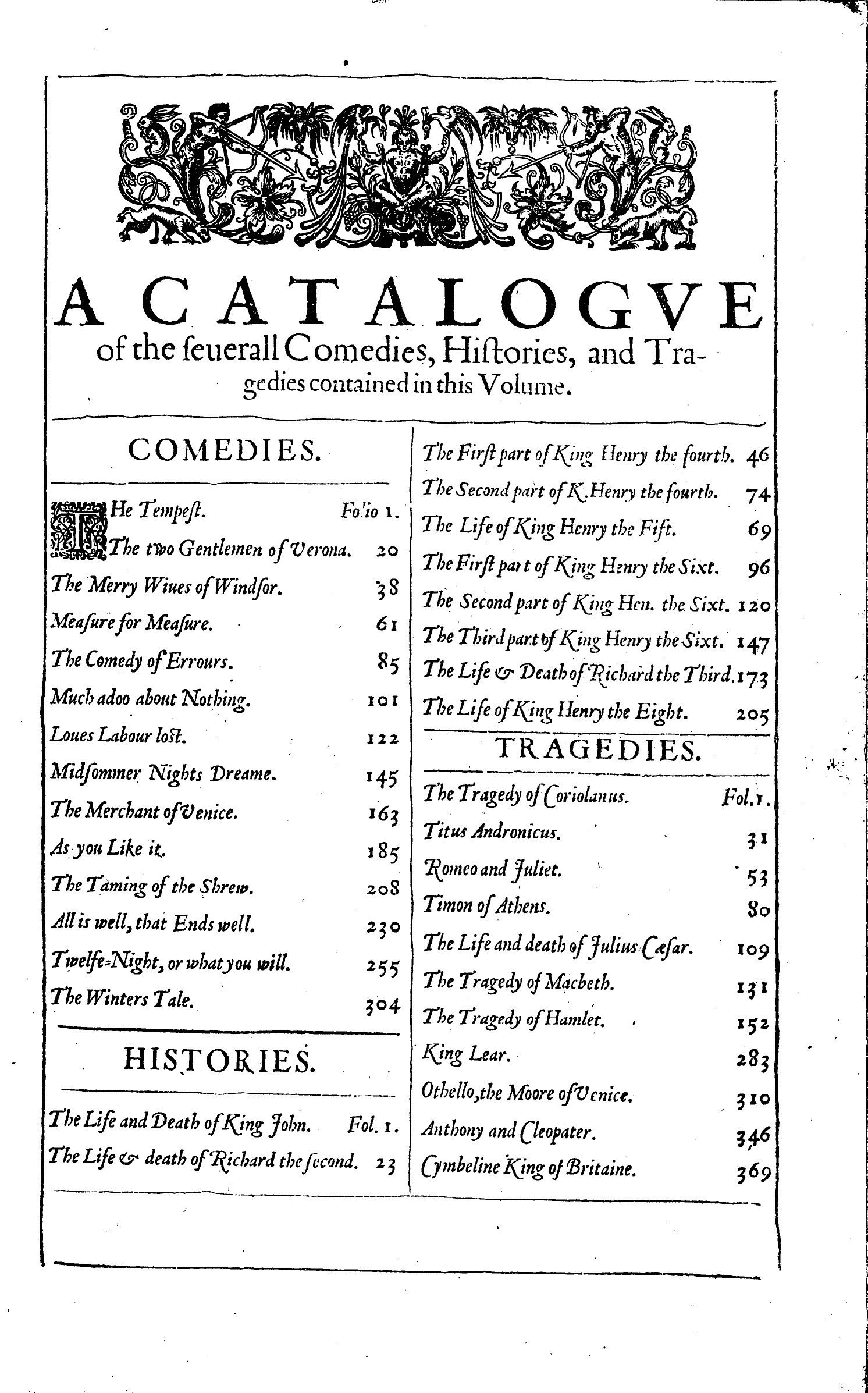
A first edition of William Shakespeare’s Comedies, Histories, and Tragedies, also known as the First Folio, sold for $9.978 million in a late 2020 auction. Within its pages are 36 of the famed playwright’s plays, organized with the input of John Heminge and Henry Condell, who were close associates of Shakespeare’s and helped compile these writings following his death. This edition, of which only six such complete copies remain today, was assured to sell at top value, far surpassing the sale price of the last copy that had appeared at auction, which was purchased by Paul Allen in 2001 for $6.166 million. It’s worth pausing on that: without this single volume, entire Shakespeare plays might have simply vanished from history forever.
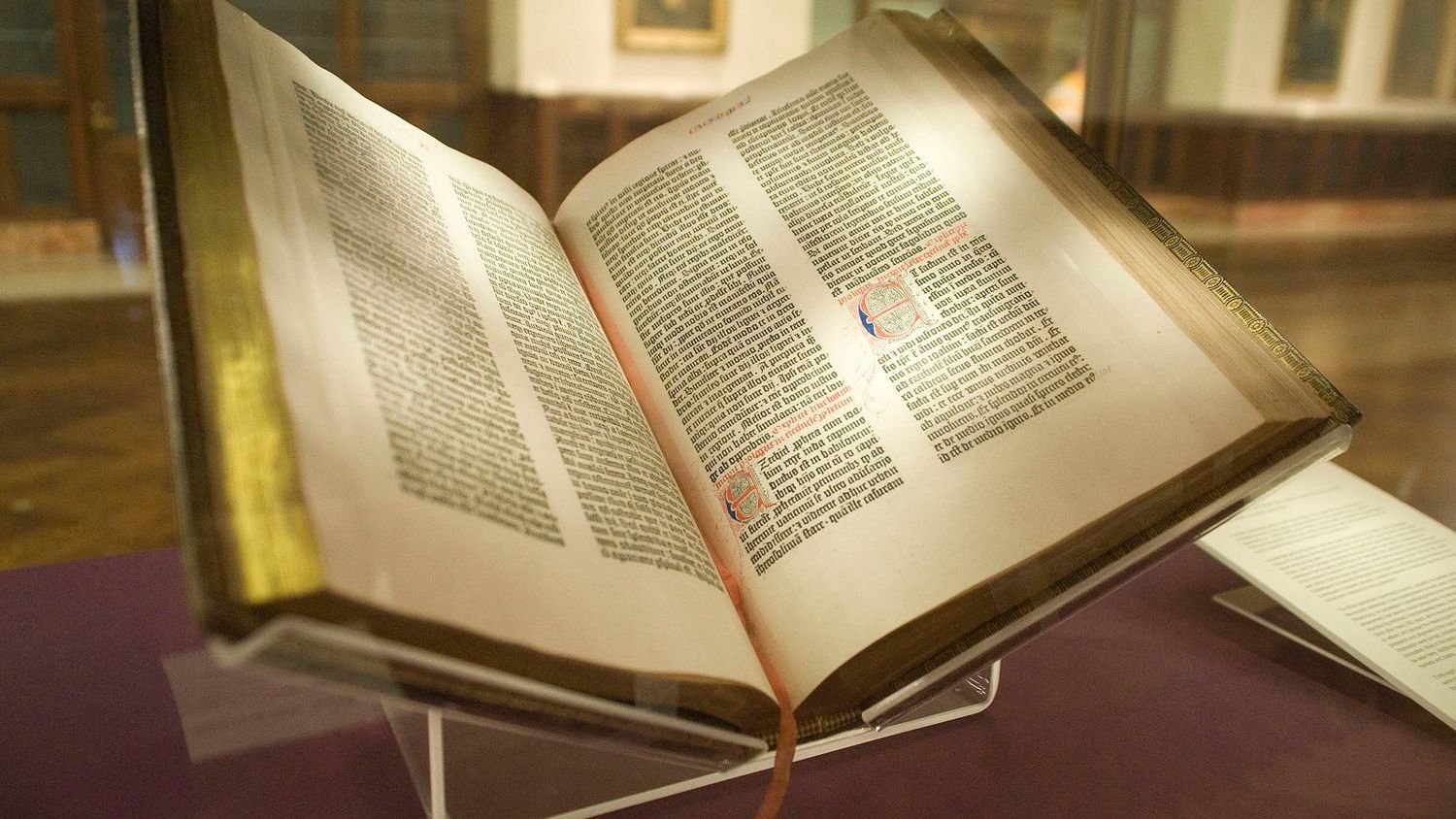
12. The Gutenberg Bible – $5.39 Million (Christie’s, 1987)
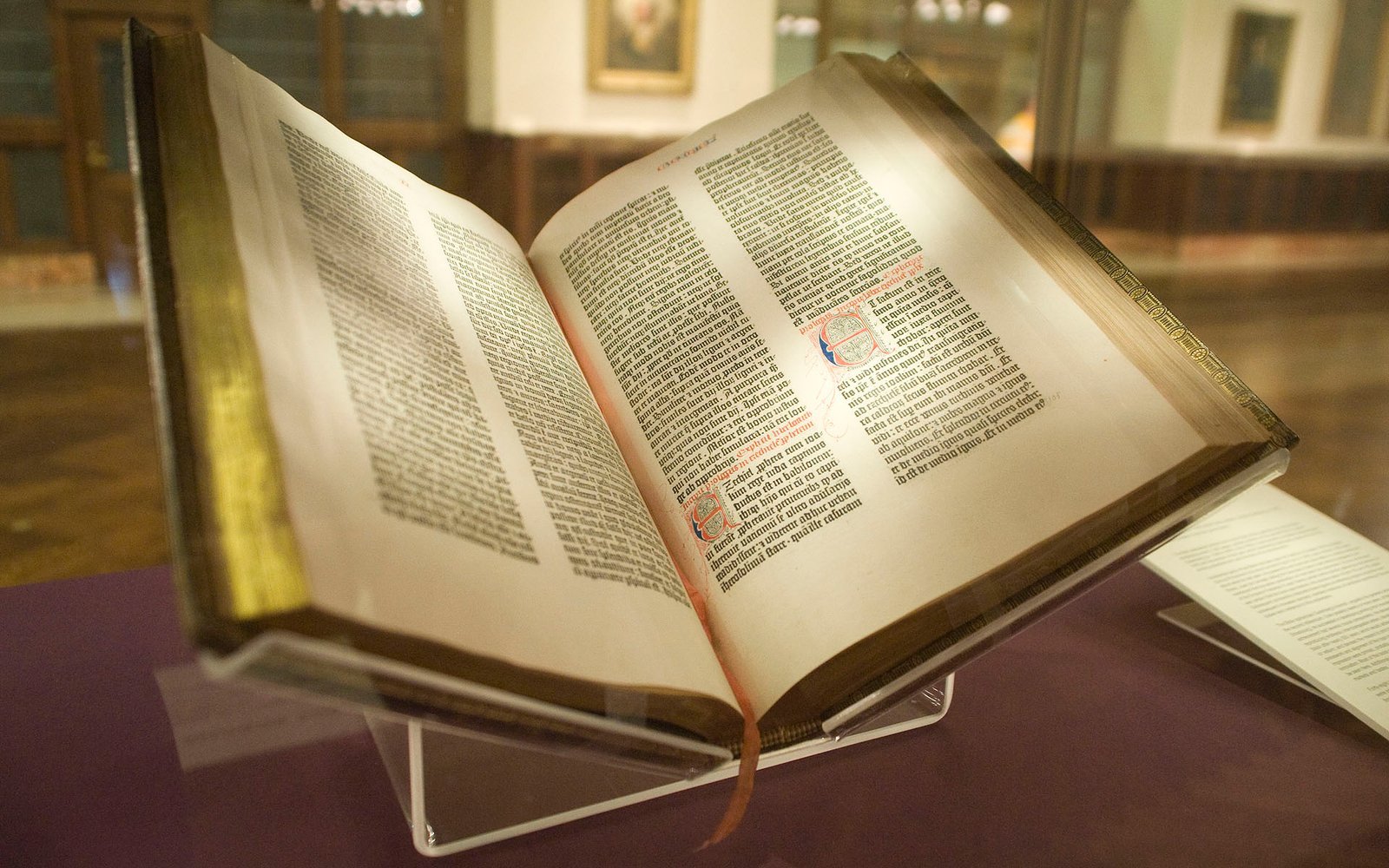
The Gutenberg Bible was the first complete book to be printed using moveable type, with Johannes Gutenberg’s printing press in 1455. One of the surviving copies, once owned by Carrie Estelle Doheny, sold in October 1987 for $5.39 million. It was bought by Maruzen, a Japanese bookseller, and later resold to Keio University in 1996. There are 49 Gutenberg Bibles known to exist, but only 21 are complete. The first book to ever achieve a sale price greater than $1 million was actually also a copy of the Gutenberg Bible, which sold for $2.4 million in 1978. Few objects in history have done more to reshape civilization than this one.
13. The Gospels of Henry the Lion – $11.7 Million (Sotheby’s, 1983)
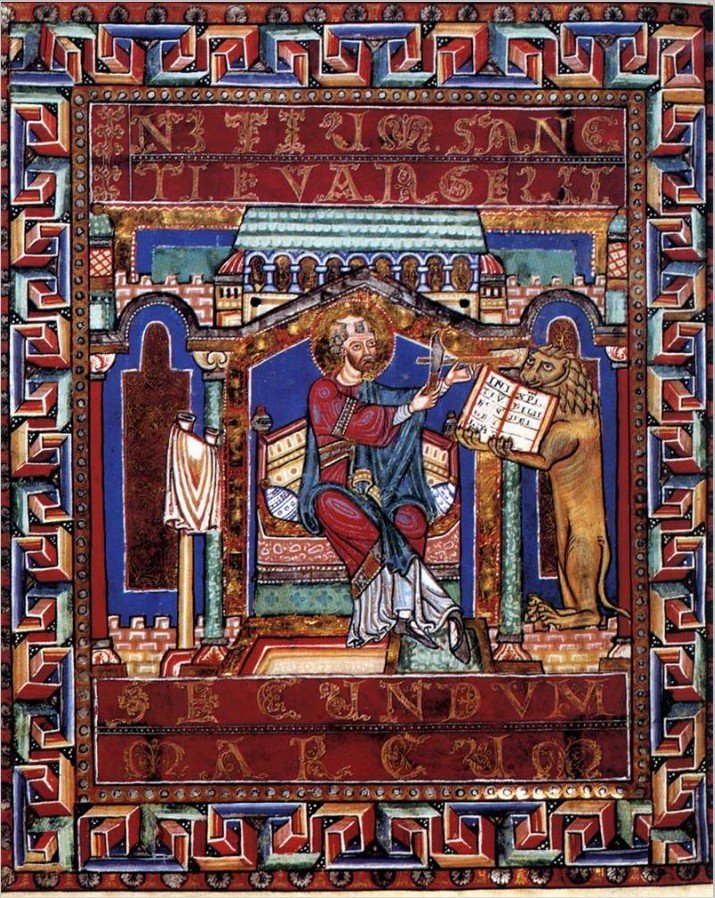
The gospel book was commissioned by Henry the Lion, Duke of Saxony, for adorning the altar of the Virgin Mary in the Brunswick Cathedral. It dates back to 1188 and is considered a masterpiece of Romanesque book illumination of the 12th century. The gospel book, preserved completely intact, contains 266 pages decorated with miniatures and 50 full-page illuminations, and is kept today in the Herzog August Bibliothek in Wolfenbüttel. In 1983, it was sold at a Sotheby’s auction in London to a group of bidders that included the German federal government and other private donors for $11.7 million. The Gospels of Henry the Lion held the title of the most expensive book in the world until Bill Gates purchased the Codex Leicester in 1994.
14. The Birds of America by John James Audubon – $11.5 Million (Sotheby’s, 2010)
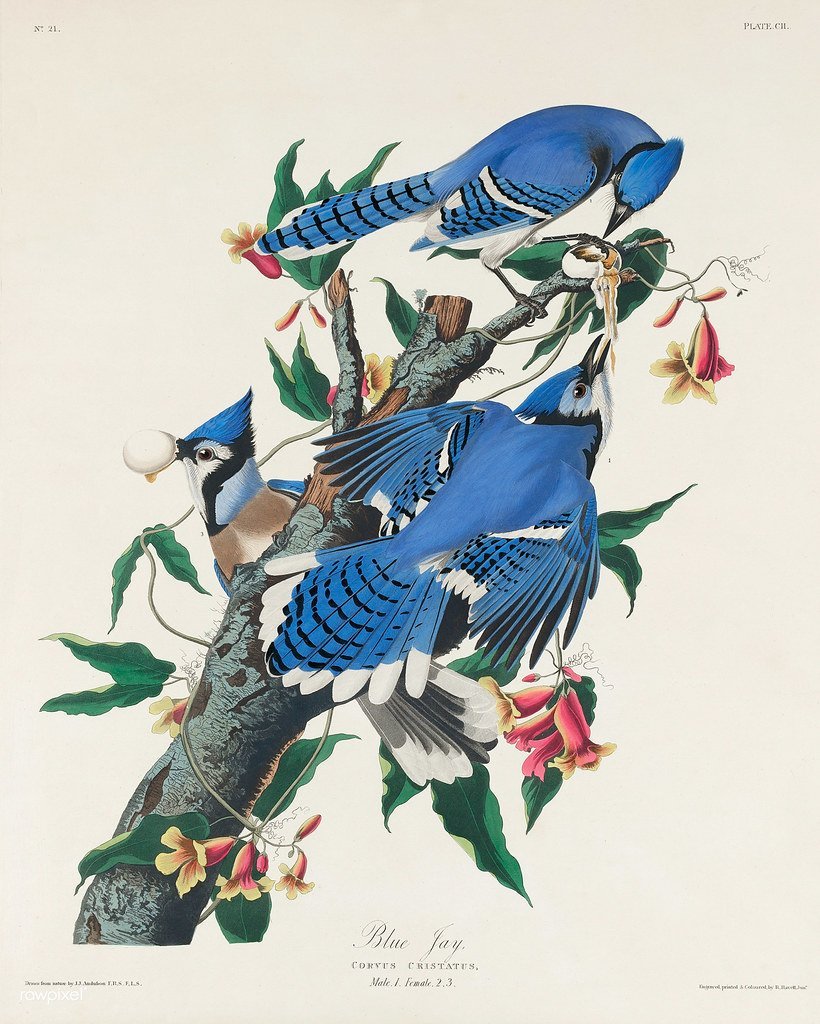
Michael Tollemache, a London dealer, was the winning bidder of a complete copy of Birds of America by John James Audubon in 2010, with the lot selling for $11.5 million at Sotheby’s, earning it the distinction of the most expensive printed book sold at auction, according to Bloomberg. From the American avocet to the Zenaida dove, Audubon’s Birds of America contains over 400 prints of birds that could be seen in the United States at the time of the artist’s research, and scholars value the work not only for its comprehensiveness but also for the artistry that went into Audubon’s depictions of each bird. It is estimated that approximately 200 complete copies of the folio were made, and today about 120 are accounted for, with only thirteen in private hands.
15. The Magna Carta (1215 Version) – Est. $21.3 Million (Sotheby’s, 2007)
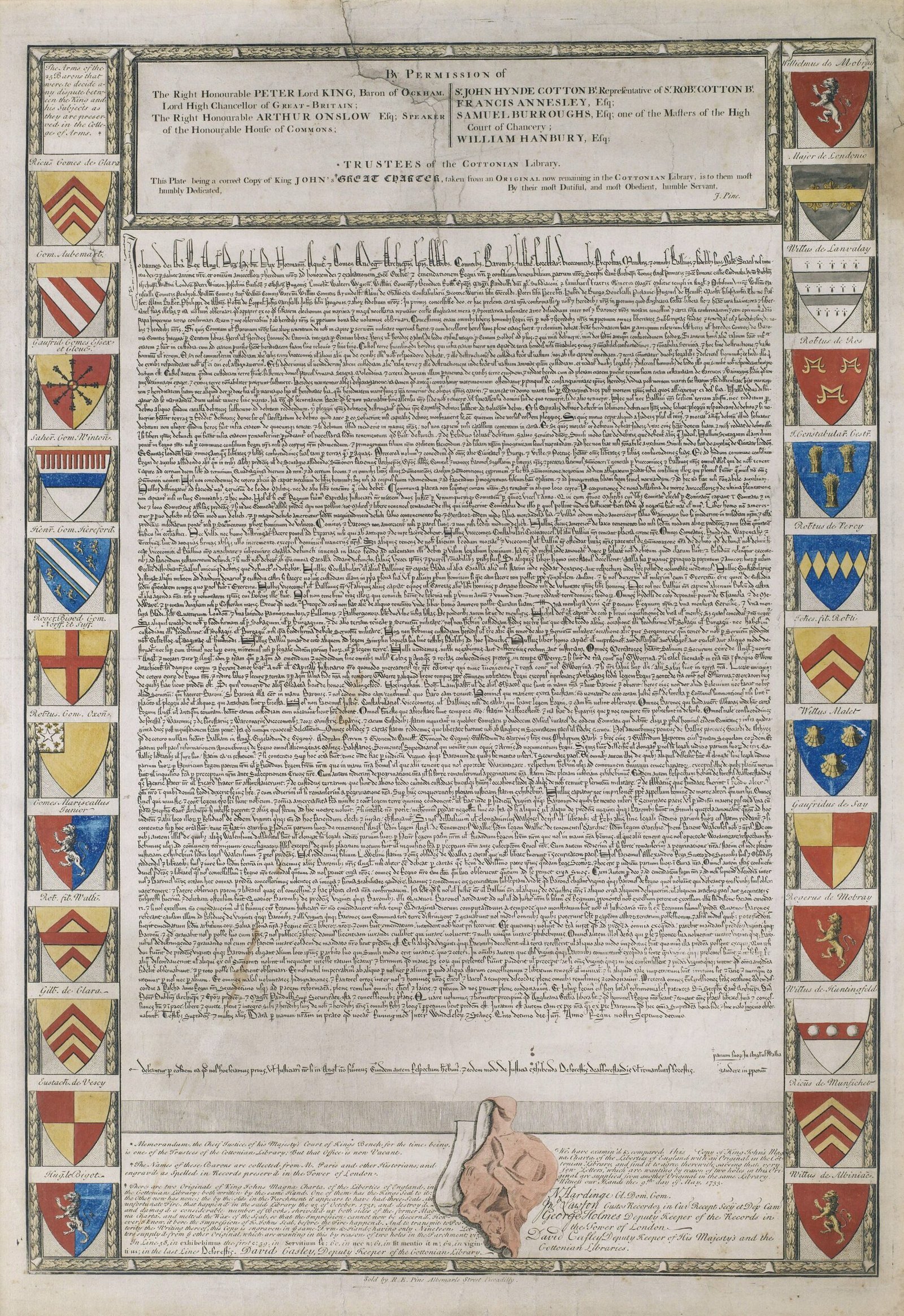
The Magna Carta Libertatum is a charter of rights agreed to by King John of England at Runnymede, and it is one of only four surviving exemplifications of the 1215 text. The word ‘Magna Carta’ literally means ‘The Great Charter,’ establishing the principle that everyone, including the king, is subject to the law, while assuring the rights of individuals, the right to justice, and the right to a fair trial. The Magna Carta was originally drafted in the 13th century as a royal charter developed primarily to regulate the actions of the English King and establish a sense of common law. While the initial impact was mixed, historians and politicians would point to it centuries later as one of the foundational pillars of the legal system as we know it today.
16. The Tales of Beedle the Bard by J.K. Rowling – $3.98 Million (Sotheby’s, 2007)
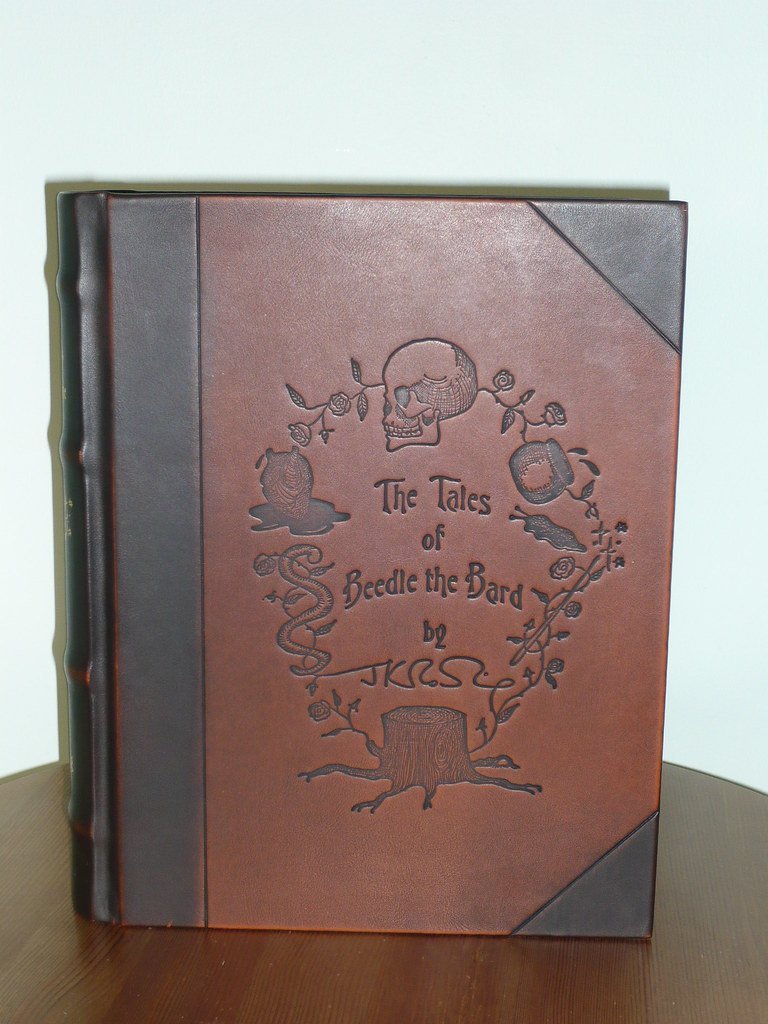
J.K. Rowling’s Tales of Beedle the Bard sold for a staggering £1.95 million ($3.98 million) at a Sotheby’s auction in 2007. This handwritten and illustrated book is one of only seven copies created by the author, each crafted with intricate details, including hand-drawn illustrations and semi-precious stones adorning the cover. The book contains five wizarding fairy tales mentioned in the Harry Potter series, and Amazon founder Jeff Bezos purchased this unique copy, with the proceeds from the sale donated to Rowling’s children’s charity, Lumos. This is the only genuinely modern work on this list, which says something remarkable about the power of the Harry Potter universe to inspire that level of collector passion.
17. Les Liliacées by Pierre-Joseph Redouté – $5.5 Million (1985)
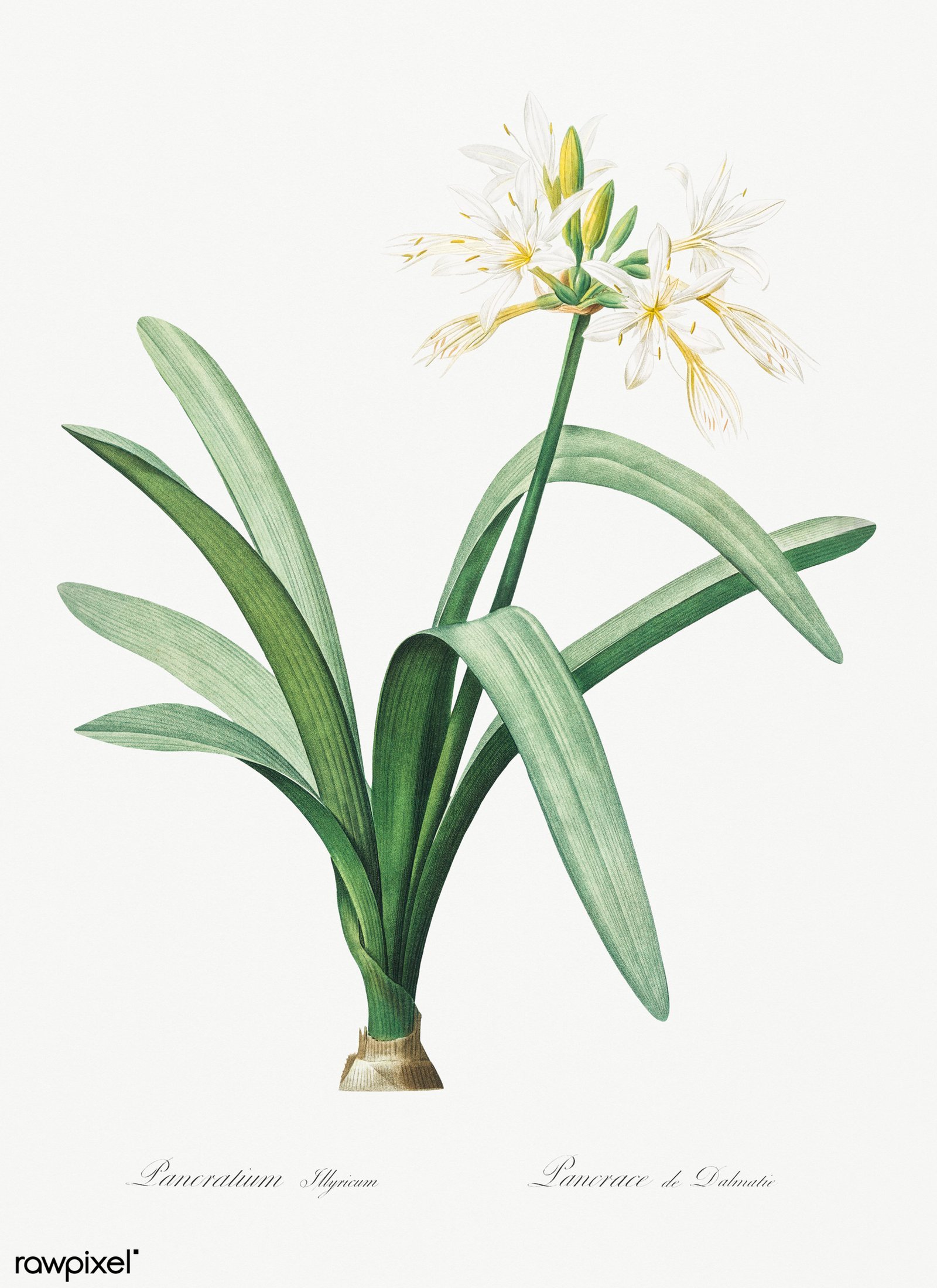
A copy of Les Liliacées by botanical artist Pierre-Joseph Redouté, once owned by Empress Joséphine, sold in November 1985 for $5.5 million, with the botanical plates in this edition remaining unmatched in quality. This botanical work was printed in 1802, and one special copy belonged to Empress Joséphine herself. It’s hard to say for sure what drove the bidding to such heights, but the combination of Napoleon’s wife as a provenance footnote and some of the most gorgeous flower illustrations in the history of print is, honestly, a pretty compelling package.
18. Cosmographia by Claudius Ptolemy – ~$3.9 Million (Sotheby’s, 2006)
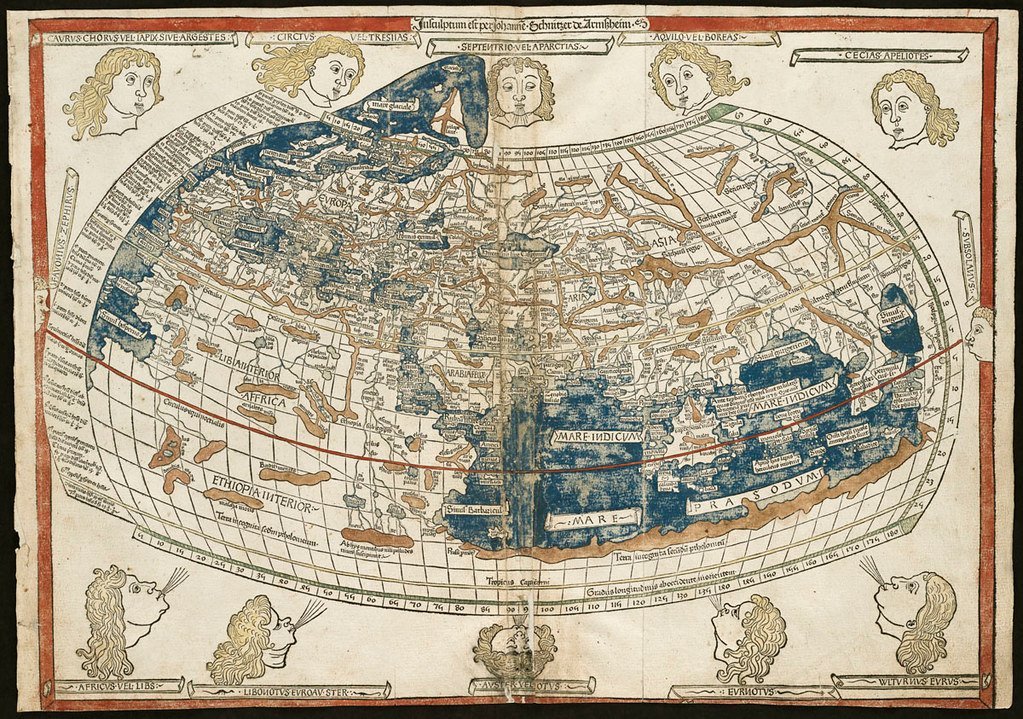
Cosmographia, considered the world’s first printed atlas, sold in 2006 for nearly $4 million at Sotheby’s. Compiling the observations and calculations of ancient historian Claudius Ptolemaeus, this edition was published in Bologna and translated by Iacopo d’Angelo. This first atlas compiles the geographical knowledge of the 2nd-century Roman Empire. The original version was written in Greek, translated into Arabic in the 9th century and Latin in 1406, with Ptolemy employing Roman and Persian gazetteers alongside new principles to compile the work. The piece that sold in 2006 is believed to be one of only three copies of the atlas to have survived to date. A map of a world that no longer exists, printed before anyone had crossed the Atlantic, selling for millions. That is the quiet magic of rare books in a nutshell.
What strikes you most looking at this list? Is it the staggering sums, the centuries of survival, or the very human obsession with owning something irreplaceable? Whatever your answer, one thing is certain: these books are far more than paper and ink. They are proof that some ideas, some moments, and some human hands leave marks that even time cannot erase. Which of these would you most want to hold, even just for a moment?