
For any feedback please reach out to info@festivalinside.com
- 13 Historical Events You Thought You Knew – But Got Completely Wrong - March 29, 2026
- 12 Iconic Phrases From Movies Everyone Still Quotes - March 29, 2026
- The 15 Most Iconic Movie Soundtracks That Shaped a Generation. - March 29, 2026
Imagine hearing a few notes and suddenly you’re right back in a theater from decades ago, heart racing with the crowd. Movie soundtracks do more than score scenes; they capture the pulse of entire eras, blending melody with memory to forge unbreakable cultural bonds. From disco fever to synth waves, these albums turned films into anthems that echoed through living rooms and dance floors alike.
They shaped how we danced, dreamed, and even rebelled. Let’s dive into the 15 that left the deepest marks.[1][2]
Star Wars: A New Hope (1977)
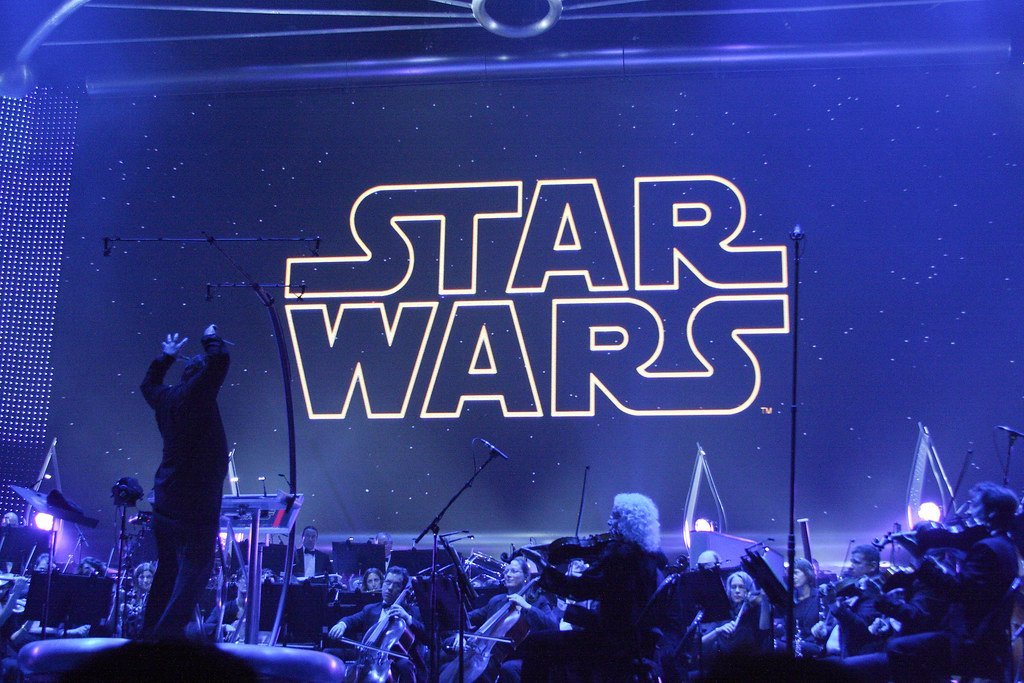
John Williams delivered a sweeping orchestral masterpiece, packed with heroic brass fanfares and lush strings that evoked epic space adventures. Released amid the post-Vietnam yearning for heroism, it drew from Wagnerian leitmotifs to assign musical themes to characters like Darth Vader’s menacing march.[1] This score wasn’t just background; it built tension and triumph in a galaxy far, far away.
The Force theme became synonymous with adventure, inspiring countless sci-fi imitators and cementing orchestral scores as blockbuster essentials. Kids of the late 70s hummed it in playgrounds, turning a film into a generational mythos that still stirs nostalgia today. Honestly, it redefined how music could make myths feel real.[3]
The Lord of the Rings: The Fellowship of the Ring (2001)
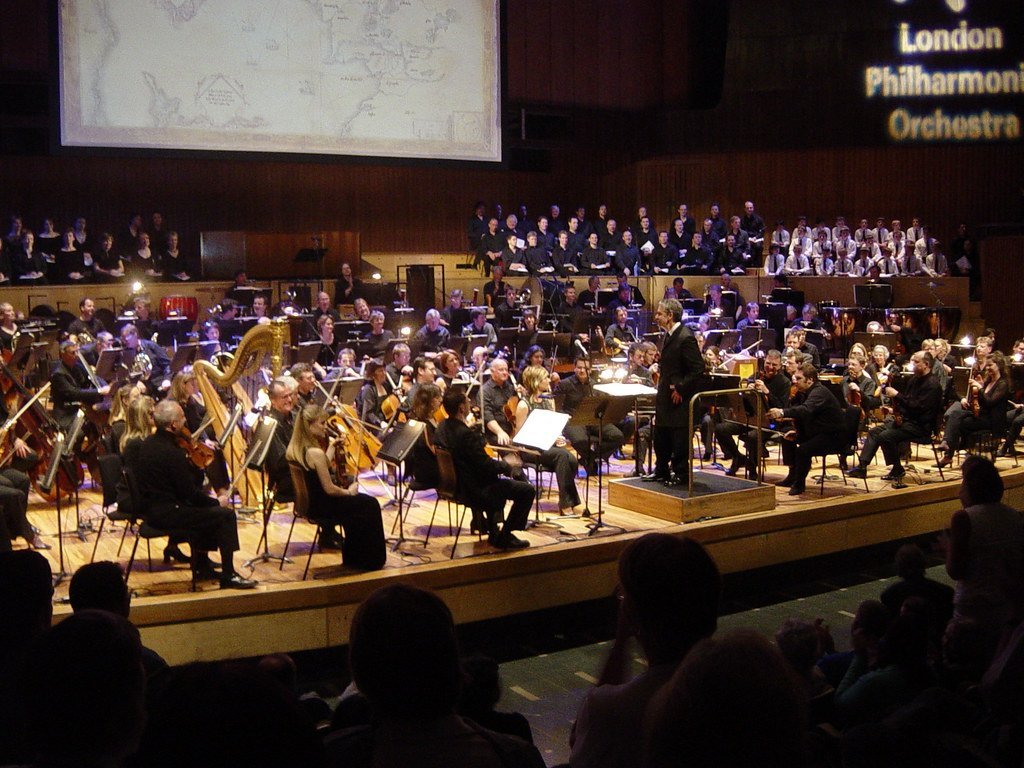
Howard Shore crafted an epic Wagnerian tapestry of choirs, folk instruments, and soaring horns, mirroring Middle-earth’s vast lore. Coming after 9/11, its themes of fellowship and hope resonated deeply in fantasy’s resurgence. Leitmotifs for the Ring and Shire wove through the score like threads in Tolkien’s tale.
It won Oscars and Grammys, influencing epic fantasy soundtracks for years. Fans still play it during marathons, feeling the weight of destiny. Here’s the thing: it made orchestral grandeur cool again for a digital age.[1]
Inception (2010)
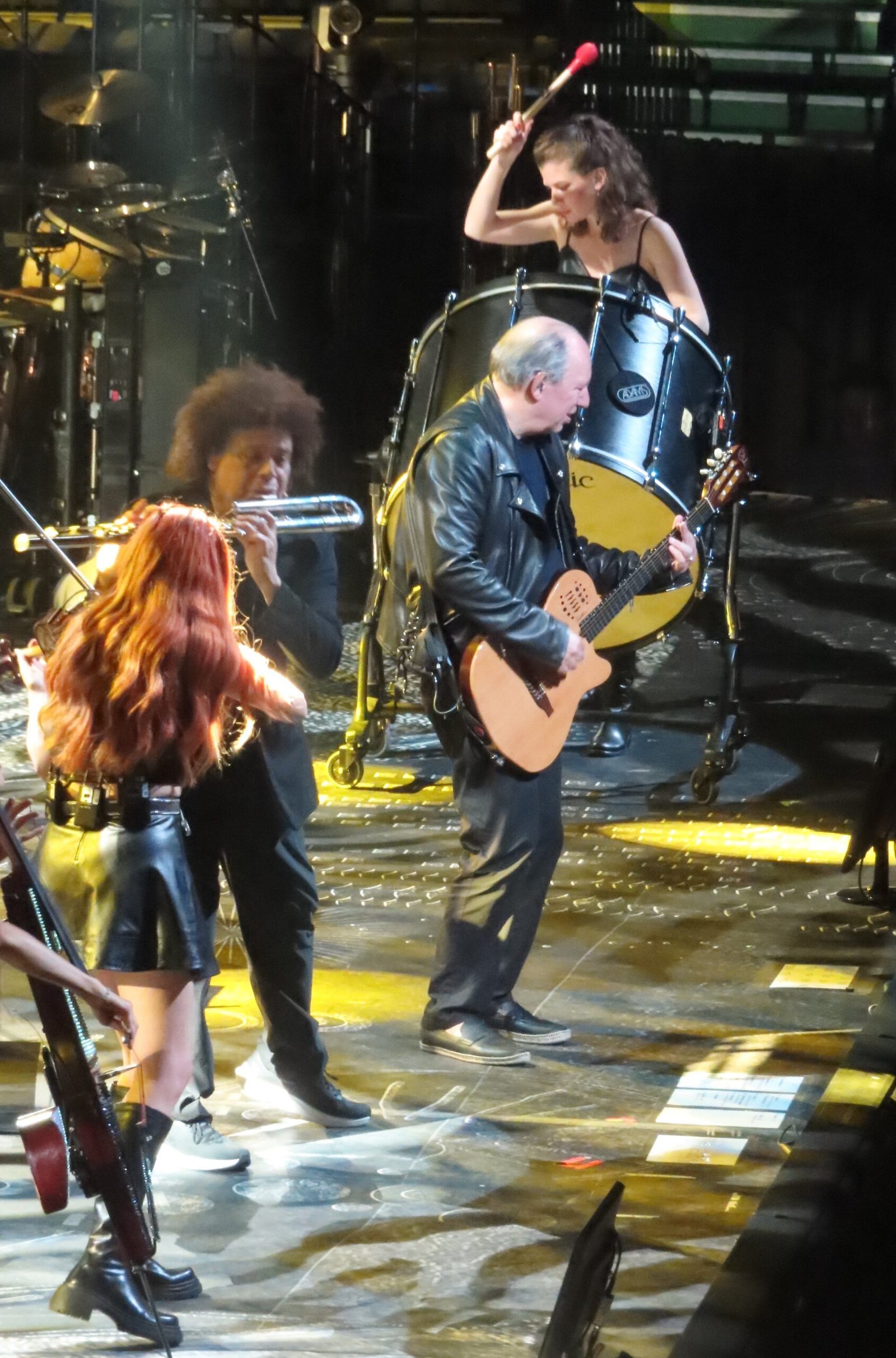
Hans Zimmer blended electronic pulses with orchestral swells and guitar riffs, creating a mind-bending hybrid that mirrored dream layers. In the post-Matrix era of cerebral blockbusters, its time-stretched “Time” motif built unrelenting suspense. Subtle nods to Edith Piaf added emotional anchors amid the chaos.
This score reshaped action thrillers, with its BRAAAM horns echoed everywhere from trailers to games. It captured millennial anxiety about reality, becoming a staple for deep thinkers and gym playlists alike. I know it sounds crazy, but that horn still gives me chills.[1]
Blade Runner (1982)
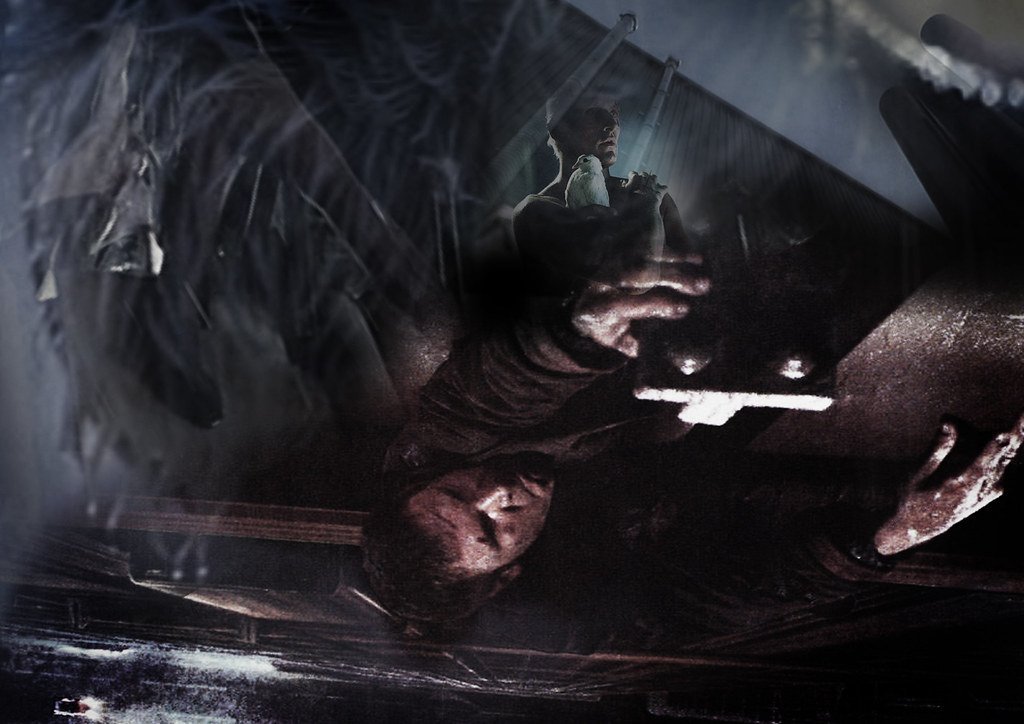
Vangelis pioneered synth textures laced with jazz sax and piano, painting a neon-drenched dystopia. Amid 80s cyberpunk rise, it scored Ridley Scott’s philosophical noir with haunting ambiance over bombast. Layers of echo and reverb evoked rainy, lonely futures.
It birthed the electronic film score blueprint, influencing synthwave revivals and games like Cyberpunk 2077. That end credits sax? Pure melancholy magic that shaped how we hear sci-fi noir. Generations later, it whispers questions about humanity.[1]
Tron: Legacy (2010)
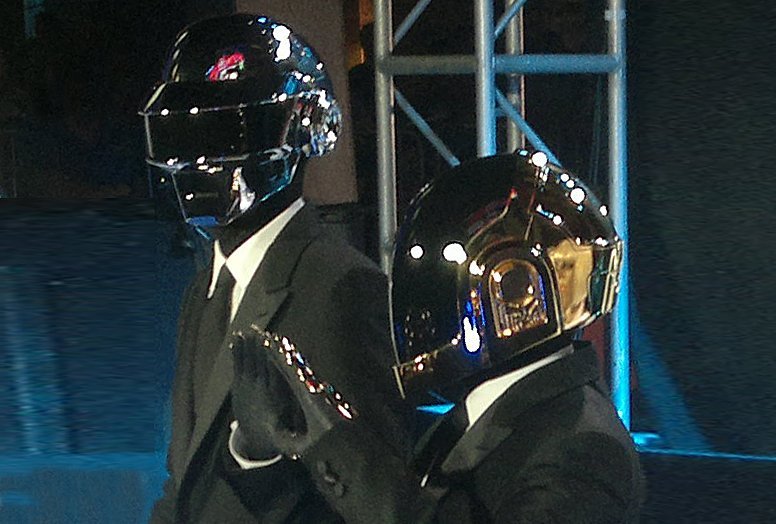
Daft Punk fused orchestral drama with pounding EDM beats, crafting a digital grid’s electric pulse. Reviving a cult 80s film in the avatar era, tracks like “Derezzed” married classical strings to house drops. It felt like the future crashing into the past.
The duo’s mystique amplified its impact, sparking EDM in mainstream scores. Kids discovered Daft Punk through it, bridging electronic dance to cinema lovers. Let’s be real, it made wearing a light suit seem epic.[1]
Drive (2011)
Cliff Martinez’s retro synths mingled with 80s pop and ambient waves from artists like Chromatics. In indie cinema’s neon resurgence, it underscored Ryan Gosling’s silent driver with moody, Kavinsky-fueled nights. Slow builds mirrored the film’s terse violence.
“Nightcall” became a cult anthem, fueling synthwave’s explosion and fashion trends. It shaped brooding antiheroes in millennial films, like a velvet glove over iron fists. That hum still haunts late-night drives.[1]
Pulp Fiction (1994)
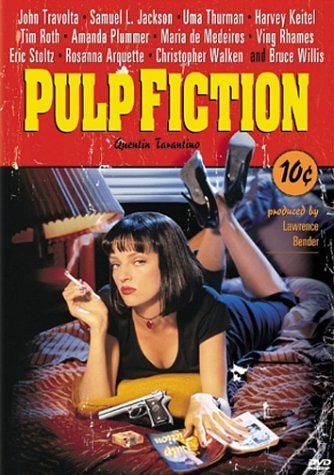
Quentin Tarantino curated surf rock, soul, and twist tunes, from Dick Dale to Al Green. Amid 90s grunge dominance, this eclectic needle-drop revival injected retro cool into crime tales. Songs synced perfectly with twists and dances.
It revived forgotten hits, defining Gen X irony and cool. “Misirlou” roared back to life, influencing mixtapes and ads. No wonder it feels timeless – pure vibe alchemy.[1][4]
Guardians of the Galaxy (2014)
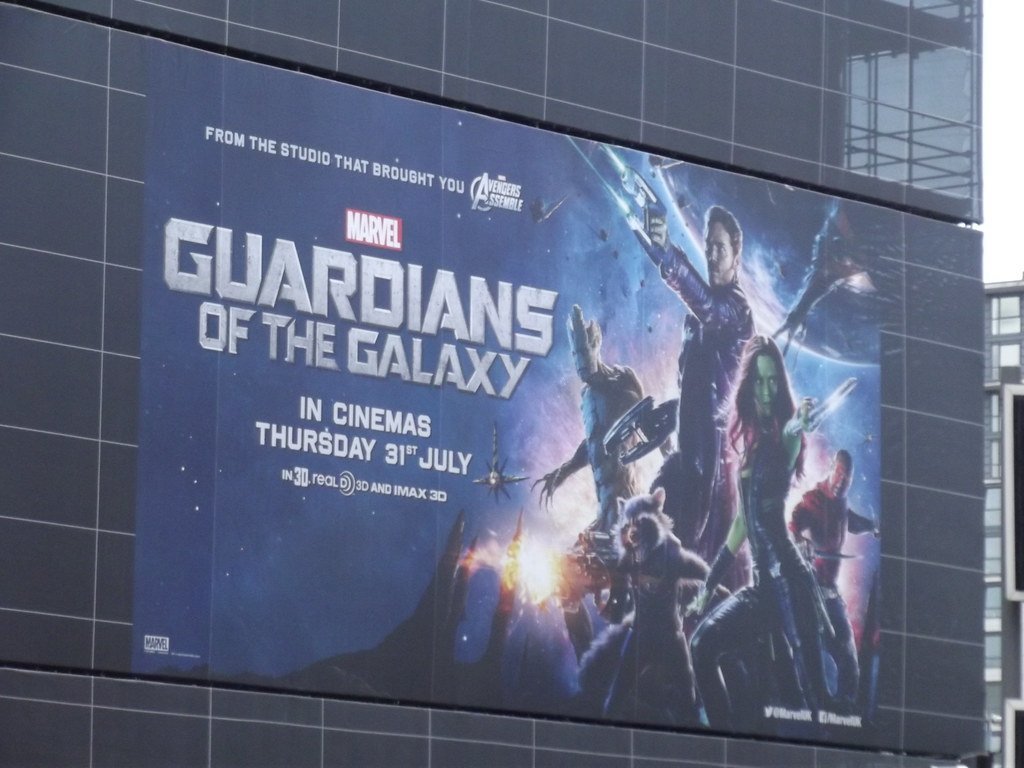
A mixtape of 70s rock and pop – Floyd, Bowie, Jackson – propelled space misfits. In Marvel’s dominance, Awesome Mix Vol. 1 used needle drops for heart amid CGI chaos. Each song deepened character arcs like “Hooked on a Feeling.”
It sparked 70s nostalgia booms, with Vol. 2 following suit. Families sang along, turning comics into sing-alongs. Who knew Rocket Raccoon needed “Come and Get Your Love”?
Saturday Night Fever (1977)
Bee Gees’ falsetto disco anthems like “Stayin’ Alive” defined four-on-the-floor beats. Capturing Brooklyn’s 70s working-class dreams amid oil crises, it blended R&B with strings. The soundtrack outsold the film massively.[5]
Disco exploded globally, shaping dance floors and fashion for a generation. “Night Fever” even aided CPR training. It turned Bee Gees into icons, forever linking polyester to groove.[1]
Purple Rain (1984)
Prince blurred rock, funk, and pop in anthems like “When Doves Cry,” sans bass for raw emotion. His debut film in MTV’s rise captured Minneapolis sound’s sensuality. The album tied plot to passion seamlessly.[1]
It won Oscars, defining 80s excess and vulnerability. Prince became a symbol of boundary-smashing artistry. Still electrifies, proving purple reigns eternal.[4]
8 Mile (2002)
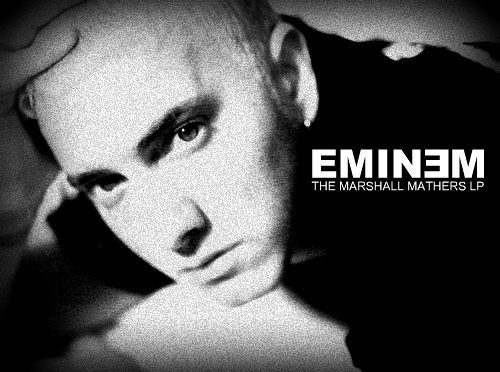
Eminem’s raw hip-hop, headlined by Oscar-winner “Lose Yourself,” captured battle rap grit. Eminem’s semi-autobiography hit during hip-hop’s commercial peak post-9/11. Punchy beats fueled underdog fire.
“Lose Yourself” motivated millions, from gyms to speeches. It legitimized rap in Oscars, shaping early 2000s authenticity. Seize the day? Eminem made it mantra.[5][1]
Black Panther (2018)
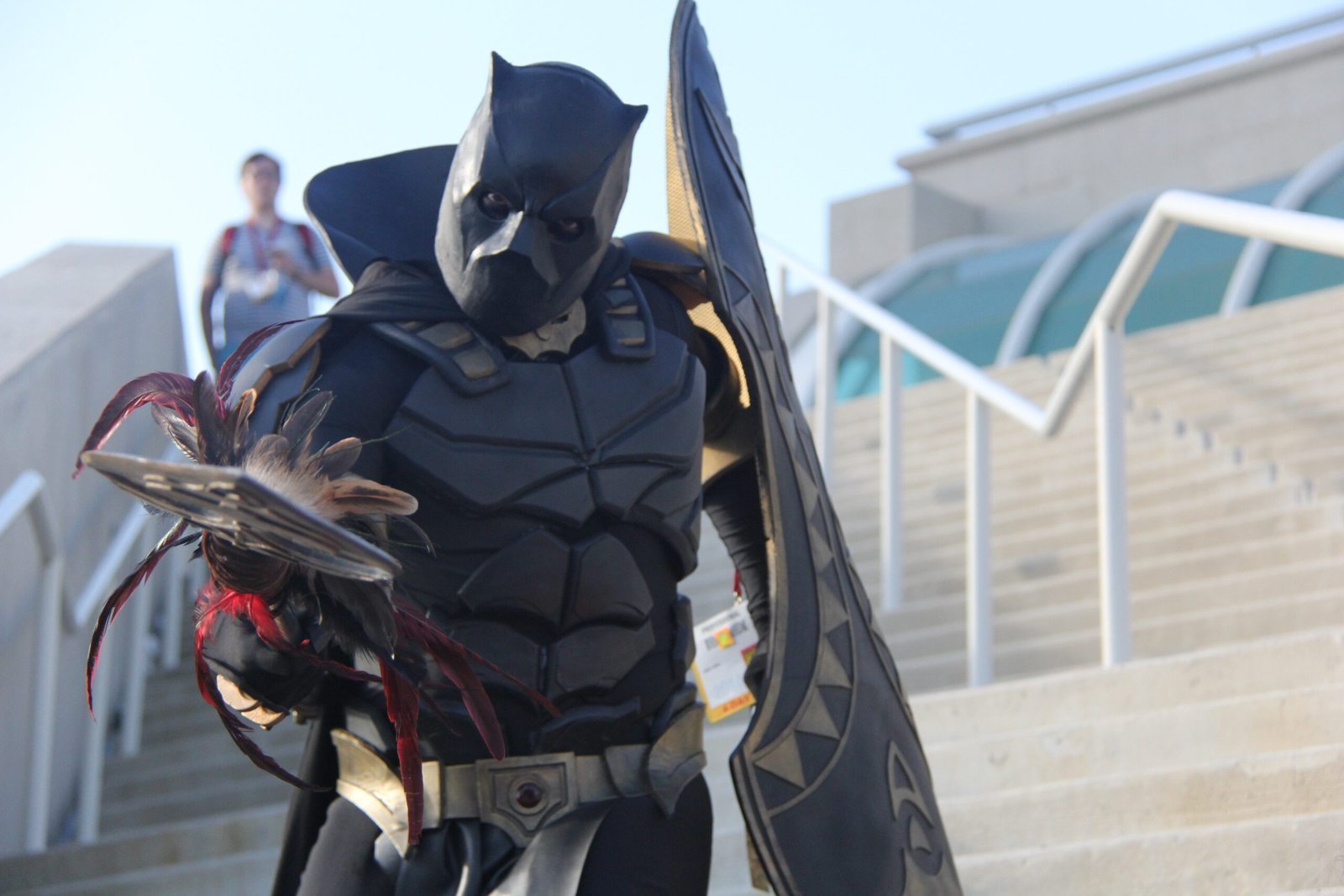
Kendrick Lamar fused hip-hop with African rhythms and chants, empowering Wakanda’s vibe. In Black-led superhero era, it amplified cultural pride amid social justice waves. Tracks like “All the Stars” soared.
It broke streaming records, inspiring global Afrobeats fusion. Wakanda forever echoed in protests and fashion. Music met myth, reshaping representation.[1]
Super Fly (1972)
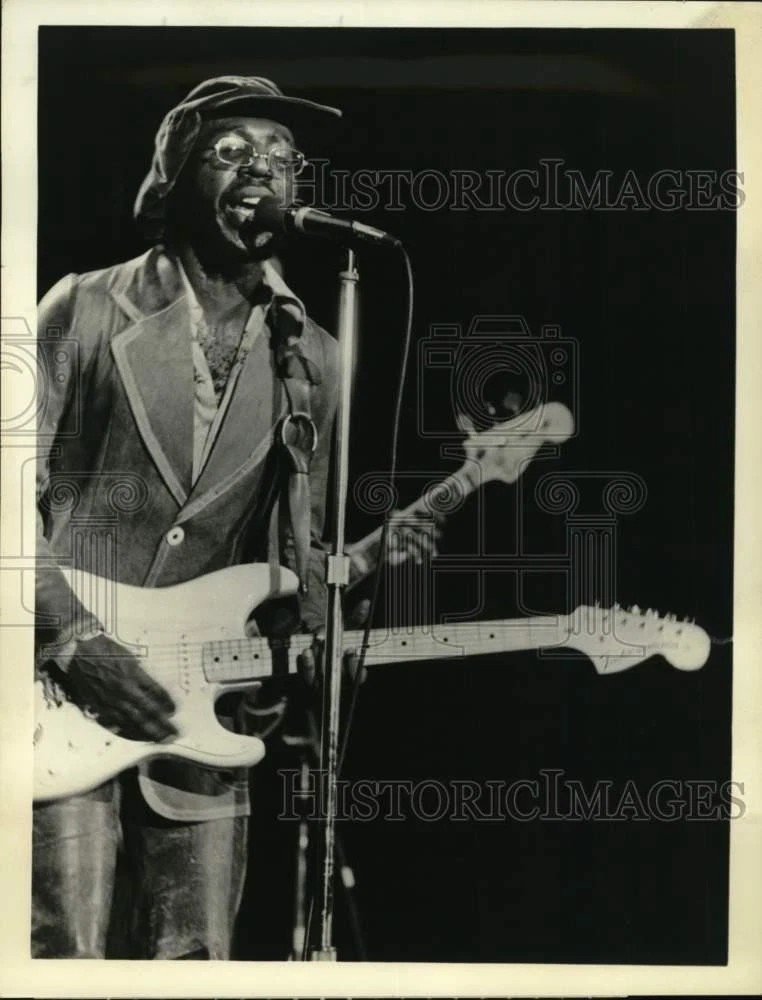
Curtis Mayfield’s funky soul with conscious lyrics critiqued drug glamour via “Pusherman.” Blaxploitation’s rise saw it subvert tropes with social bite. Horns and wah-wah defined streetwise grooves.[1]
“Freddie’s Dead” sampled endlessly, influencing hip-hop foundations. It elevated Black cinema sound, preaching amid partying. Funk’s conscience for turbulent times.[4]
Whiplash (2014)
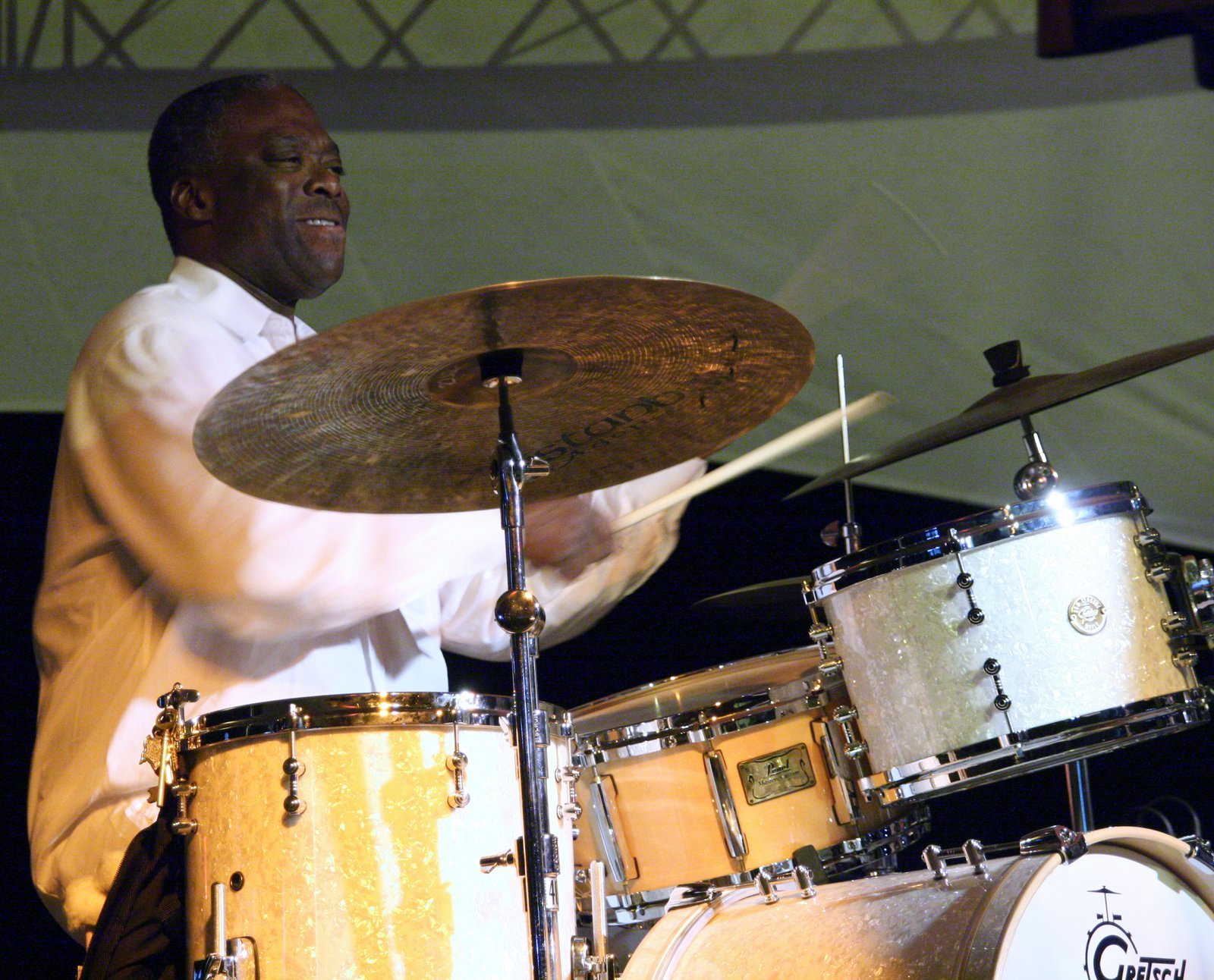
Justin Hurwitz’s big band jazz standards pulsed with frantic energy, mirroring drum battles. Indie hit amid jazz revival, it used classics like “Caravan” for tension. Live recordings added sweat.
It reignited jazz passion, Oscars boosting drummer dreams. That snare snap? Defines ambition’s brutal rhythm. Still swings hard.[1]
La La Land (2016)
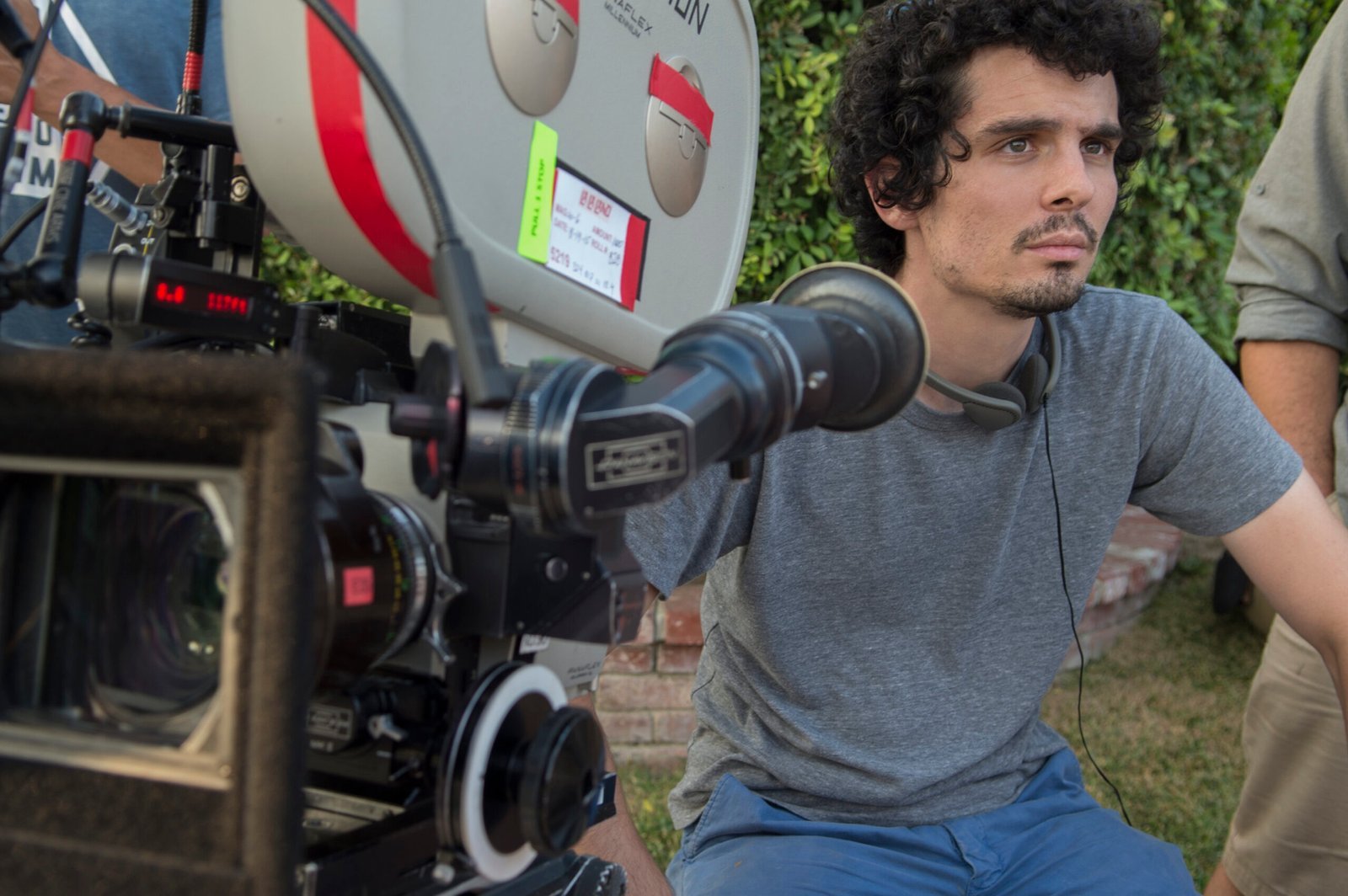
Justin Hurwitz infused jazz with dreamy pianos and big band swells for Hollywood romance. Tapping musical revival, “City of Stars” captured yearning in traffic jams. Nostalgic yet fresh.
Oscar sweeps made jazz-pop hits viral, inspiring theater kids. It romanticized struggle, blending old glamour with new hopes. Did it make you hum along? [1]
The Timeless Echo of These Soundtracks
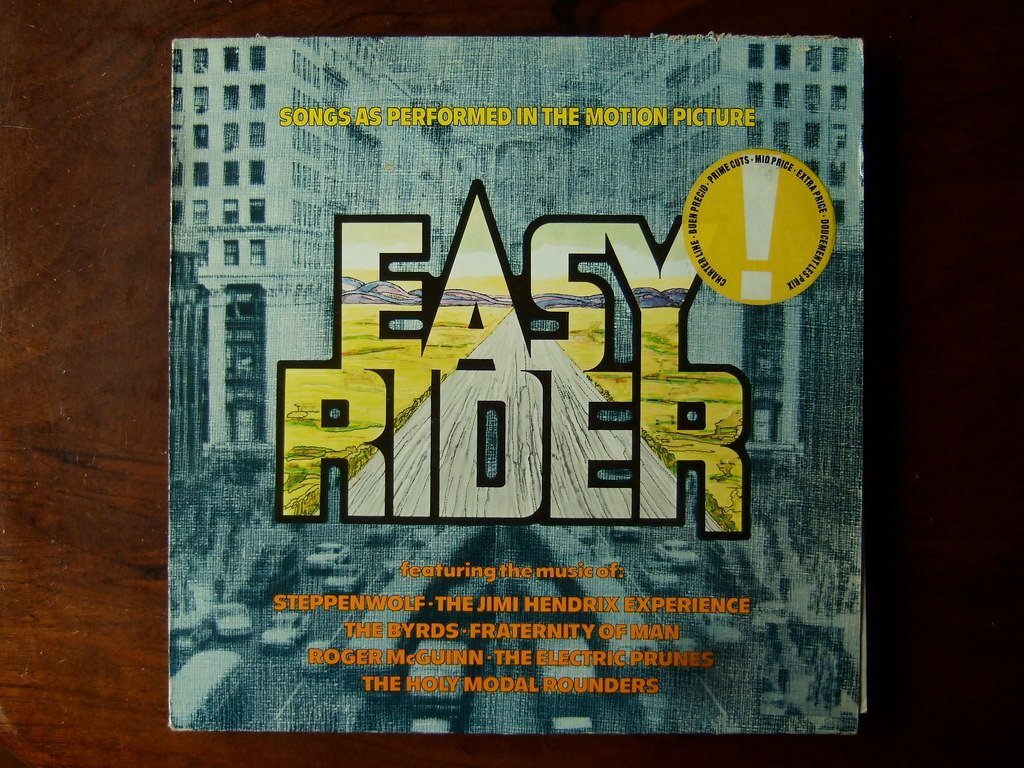
These 15 tracks didn’t just score movies; they soundtracked lives, from disco nights to dream heists. They bridged generations, proving music’s power to define who we are.
Next time a familiar riff hits, remember: it’s more than notes. It’s the heartbeat of history. What soundtrack shaped your world?[2][4]

Christian Wiedeck, all the way from Germany, loves music festivals, especially in the USA. His articles bring the excitement of these events to readers worldwide.
For any feedback please reach out to info@festivalinside.com
