
The Violence That Couldn’t Be Filmed
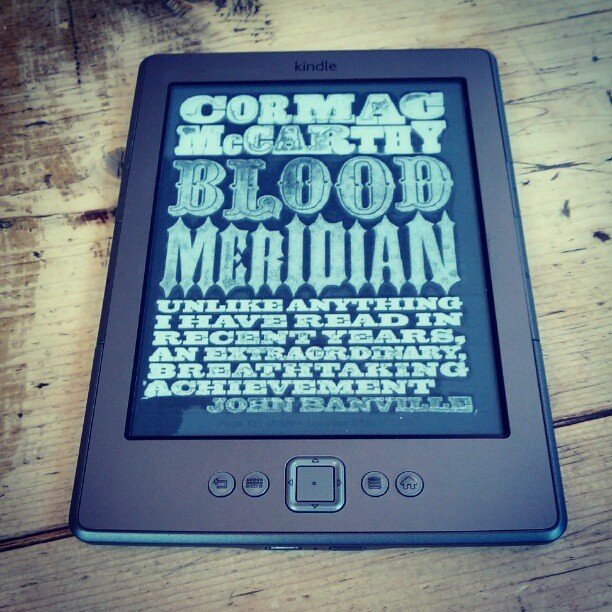
Some stories are so brutal, so visceral, that they seem designed to stay on the page. Ridley Scott, Tommy Lee Jones, and Martin Scorsese have all attempted to adapt Cormac McCarthy’s “Blood Meridian” for film, but none have succeeded. James Franco shot 30 minutes of test footage for his adaptation attempt, but the project was shelved after he failed to secure the rights. The violence is the book, and it’s so all-encompassing that it becomes the story, preventing any easy fix of sanding down its brutal edges. Hollywood mega-producer Scott Rudin owns the rights and decides which projects can move forward.
McCarthy himself believes the adaptation is possible, telling the Wall Street Journal in 2009 that “the issue is it would be very difficult to do and would require someone with a bountiful imagination and a lot of balls. But the payoff could be extraordinary.” In 2023, New Regency announced that John Hillcoat, who previously directed “The Road,” would direct a “Blood Meridian” adaptation, with McCarthy himself writing the screenplay before his death in June 2023.
The Reclusive Author’s Fortress
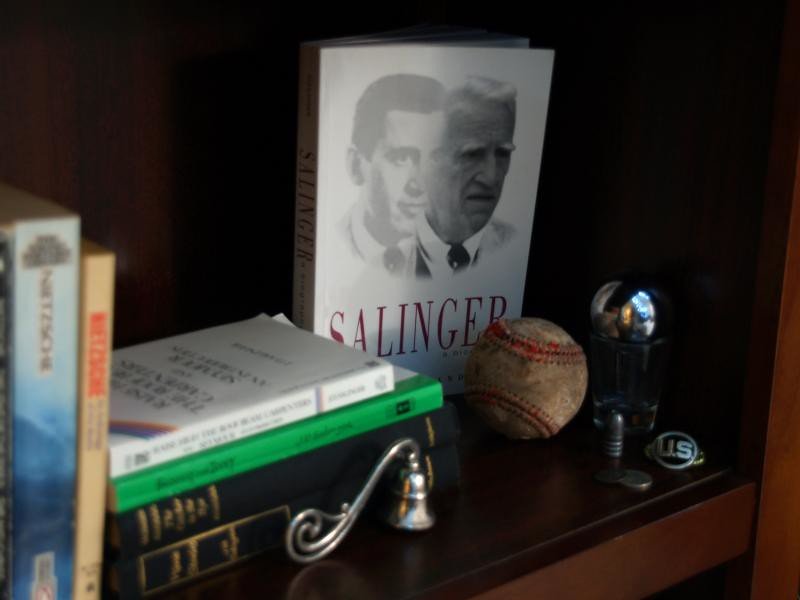
It’s amazing how one terrible experience can shape an entire career. In 1949, J.D. Salinger allowed Samuel Goldwyn to adapt his short story “Uncle Wiggily in Connecticut” into “My Foolish Heart,” which was critically panned and took great liberties with his plot. The film was melodramatic, full of soap-opera clichés, and gave Salinger another significant blow to his already lacking confidence. That’s when the drawbridge went up. Salinger’s agents later received bids for “The Catcher in the Rye” film rights from Harvey Weinstein and Steven Spielberg, neither of which was even passed on to Salinger for consideration.
Billy Wilder recounted his failed attempt: “I pursued it. I wanted to make a picture out of it. And then one day a young man came to the office of Leland Hayward… and said, ‘Please tell Mr. Leland Hayward to lay off. He’s very, very insensitive.’ And he walked out. That was J.D. Salinger and that was Catcher in the Rye.” Film industry figures including Marlon Brando, Jack Nicholson, Ralph Bakshi, Tobey Maguire, and Leonardo DiCaprio have all tried to make a film adaptation.
The Physicist’s Gravity-Defying Maze
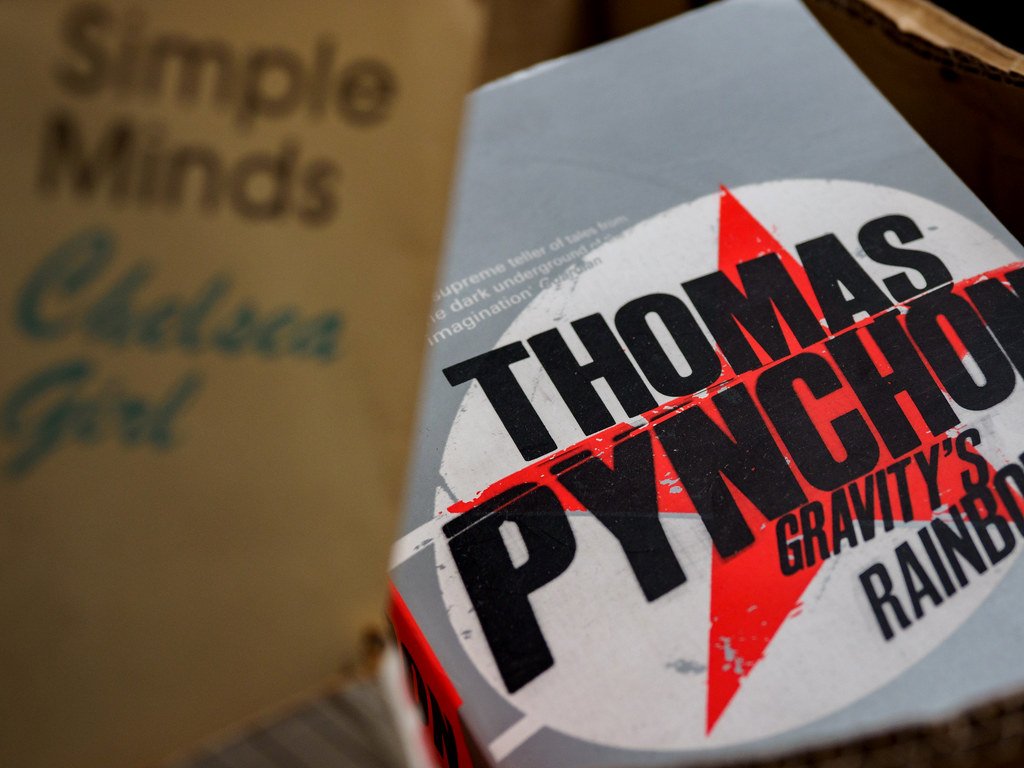
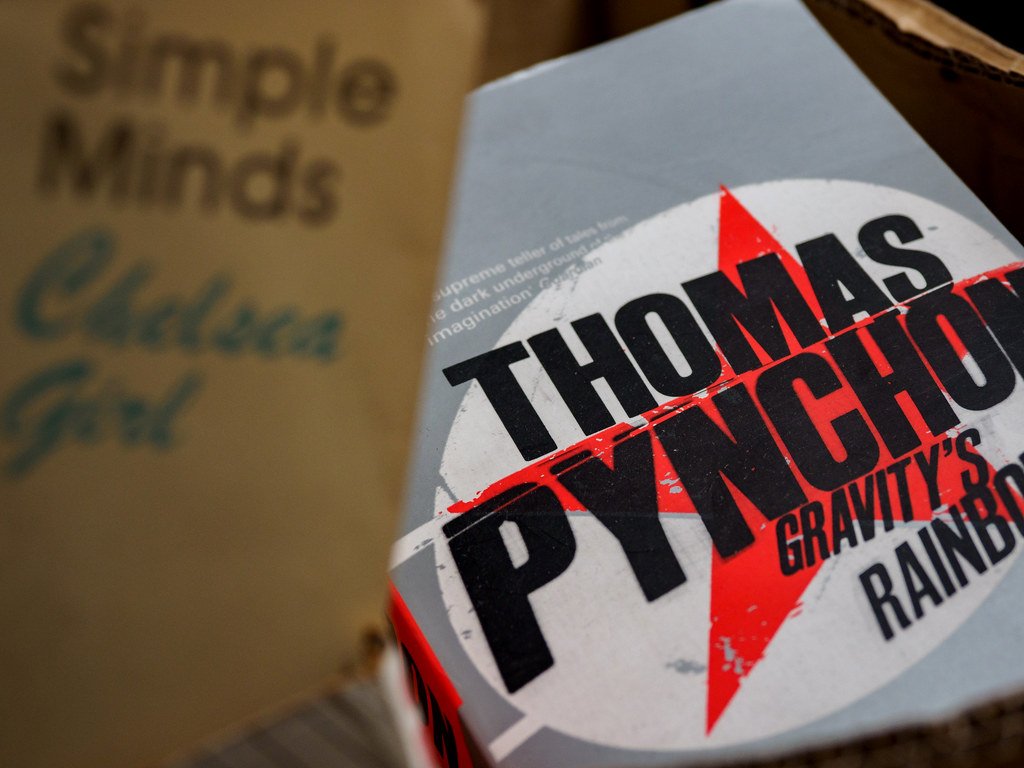
Thomas Pynchon’s novels read like fever dreams engineered by a mad scientist. “Gravity’s Rainbow” stands as perhaps the most ambitious American novel of the 20th century, a sprawling, paranoid masterpiece that follows the trajectory of V-2 rockets and human consciousness with equal precision. The book’s complexity isn’t just literary—it’s mathematical, historical, and deeply psychedelic. Studios have circled this white whale for decades, but the sheer scope of Pynchon’s vision has scared them off every time.
The novel’s structure defies conventional narrative logic, jumping between characters, time periods, and even dimensions of reality. How do you film a book where the protagonist may or may not exist, where paranoia becomes a character, and where the rocket’s arc mirrors the decline of Western civilization? The few producers brave enough to commission treatments have reportedly returned them with notes like “interesting but unfilmable.” It’s the literary equivalent of trying to build a house out of lightning.
The Director’s Cut That Never Was
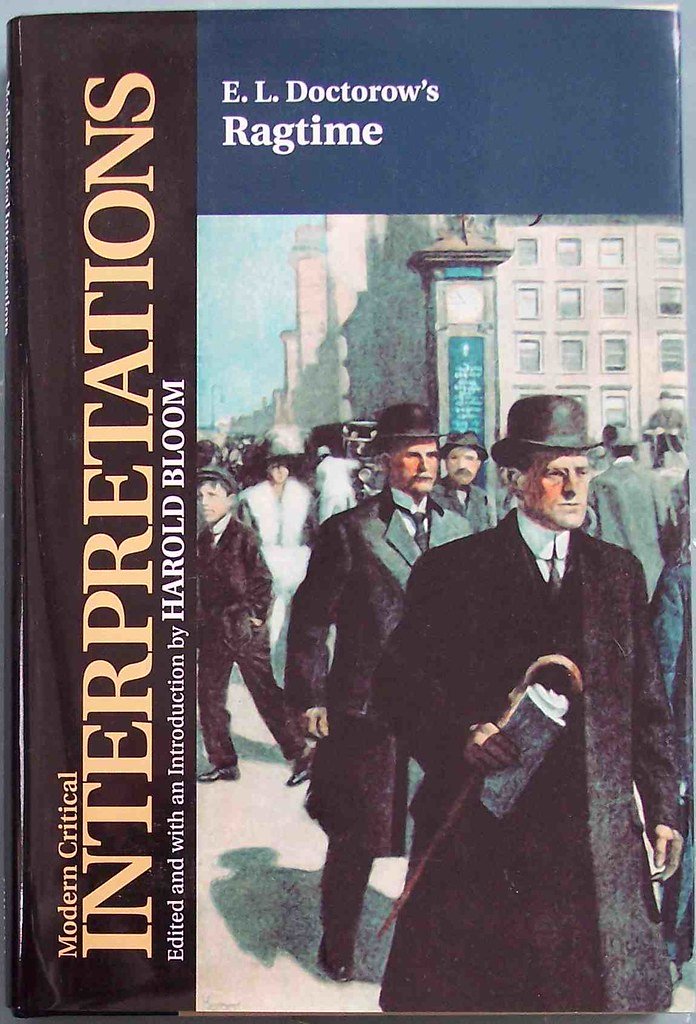
Sometimes the greatest tragedy isn’t that a film was never made, but that it was made and then butchered. Miloš Forman’s 1981 adaptation of E.L. Doctorow’s “Ragtime” exists, but not in the form its director envisioned. The studio took scissors to Forman’s original vision, cutting away the political radicalism and ambitious scope that made the novel so powerful. Industry insiders whisper about a three-hour director’s cut that captures the true spirit of Doctorow’s immigrant epic.
The original version reportedly contained extended sequences showing the harsh realities of early 20th-century America, the kind of social commentary that made studio executives nervous. What we got instead was a sanitized version that, while still acclaimed, lacked the revolutionary fire of the source material. The missing footage has never surfaced, making it one of cinema’s most tantalizing “what if” stories.
The Beat Generation’s Endless Journey
Francis Ford Coppola’s relationship with Jack Kerouac’s “On the Road” is a love affair that spanned decades. Coppola acquired the rights in 1979 and attempted for decades to get it made, even with Ethan Hawke and Brad Pitt attached. The project became Coppola’s white whale, constantly in development but never quite reaching production. When a version finally emerged in 2012, it wasn’t Coppola’s vision but rather a different adaptation that left many feeling unsatisfied.
Coppola’s version would have been something entirely different—a sprawling, improvisational epic that captured the spontaneous energy of Kerouac’s prose. The director reportedly wanted to film it using the same stream-of-consciousness techniques that made the novel revolutionary. But Hollywood’s risk-averse nature and the logistical challenges of adapting such a free-flowing narrative kept the project in perpetual development hell.
The Silenced Voices
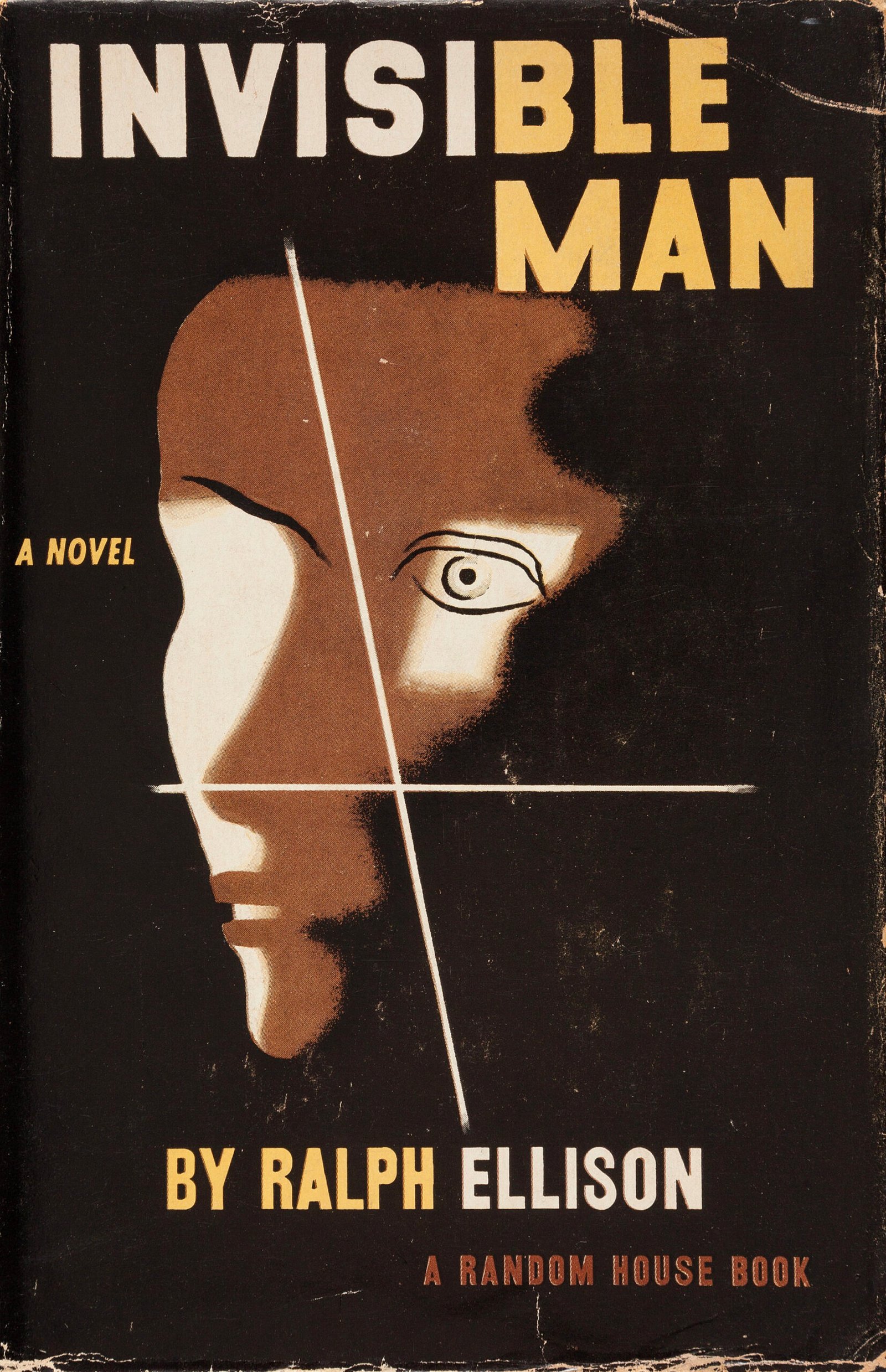
In the 1970s, NBC developed a groundbreaking miniseries adaptation of Ralph Ellison’s “Invisible Man,” with African American creatives leading the project. This wasn’t just another adaptation—it was a chance to bring one of America’s most important novels about race and identity to television during a pivotal moment in civil rights history. The project advanced through development, scripts were written, and casting was underway.
Then, abruptly, it was canceled. Industry veterans suggest the cancellation came from political pressure, as the novel’s unflinching examination of American racism proved too controversial for network television. The timing was suspicious—this was during an era when networks were actively seeking to avoid content that might be seen as inflammatory. The loss represents not just a missed adaptation, but a silenced opportunity to bring essential American literature to a wider audience.
The Fractured Timeline That Broke Hollywood
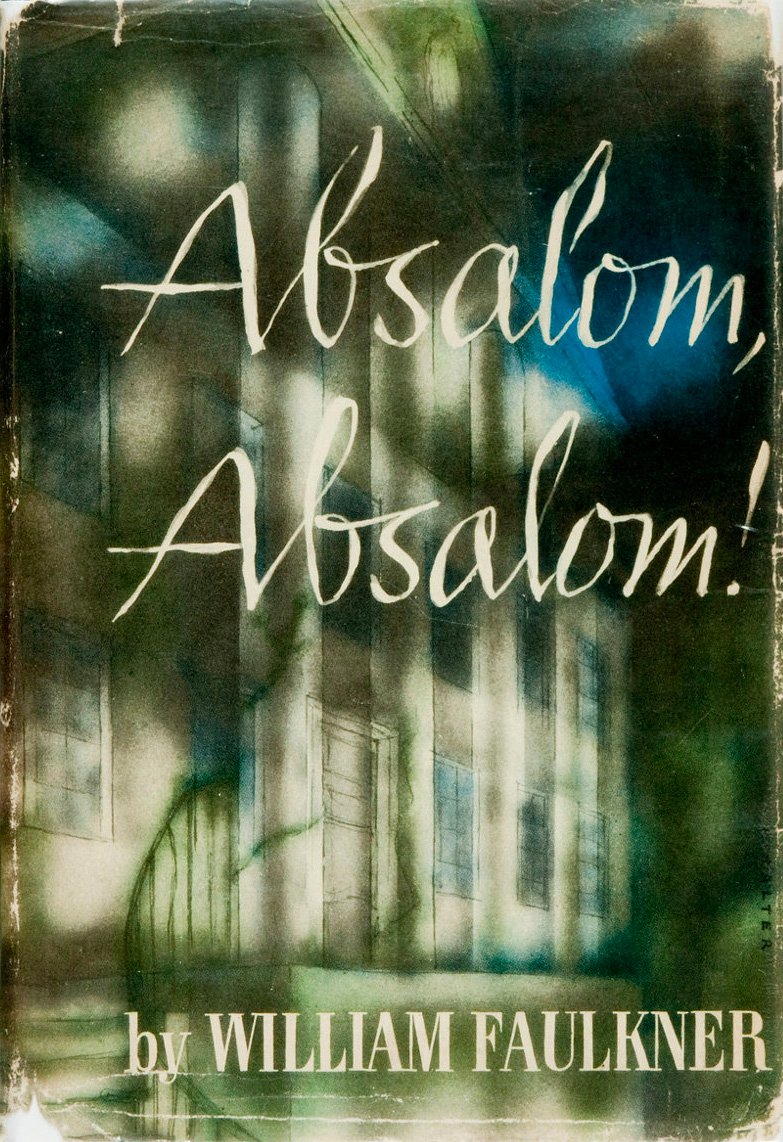
William Faulkner’s “Absalom, Absalom!” reads like a literary hurricane, with its fractured chronology and multiple narrators creating a storytelling style that predated postmodern cinema by decades. In the mid-20th century, a major studio commissioned a screenplay, recognizing the novel’s power and cultural significance. The script was completed, but the project was quickly abandoned when executives realized what they were dealing with.
The novel’s complex structure—jumping between time periods, narrators, and even versions of the same events—proved impossible to translate using conventional filmmaking techniques. The story’s themes of family, race, and the haunting legacy of slavery were also considered too controversial for the era. The screenplay reportedly exists in studio archives, a testament to one writer’s attempt to crack Faulkner’s code.
The Revolutionary’s Thwarted Vision
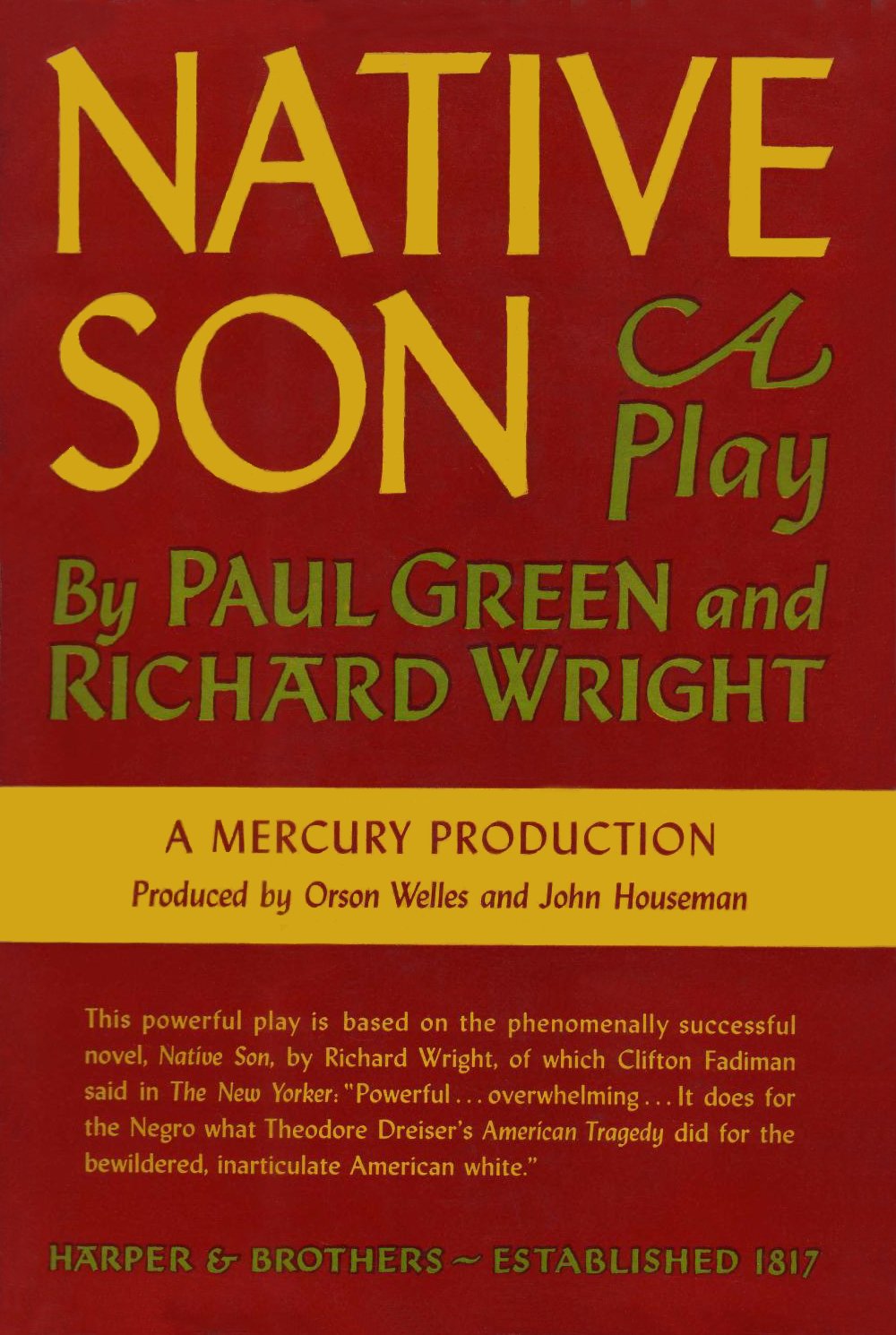
Orson Welles wrote a script for “Native Son” in the 1940s but was denied funding due to its controversial subject matter. This wasn’t just another adaptation—it was Welles bringing his revolutionary cinematic vision to Richard Wright’s explosive novel about race in America. The combination of Welles’ innovative techniques and Wright’s powerful story could have created something unprecedented in American cinema.
The script reportedly contained Welles’ signature deep-focus photography and complex narrative structures, techniques that would have served Wright’s psychologically intense story perfectly. But the story’s unflinching examination of racism and social injustice made it too dangerous for Hollywood in the 1940s. Welles was already considered a maverick; adding Wright’s controversial material to his reputation was a risk no studio would take. A different, less acclaimed version was eventually made with Wright himself in the lead role.
The Poet’s Suppressed Breakdown
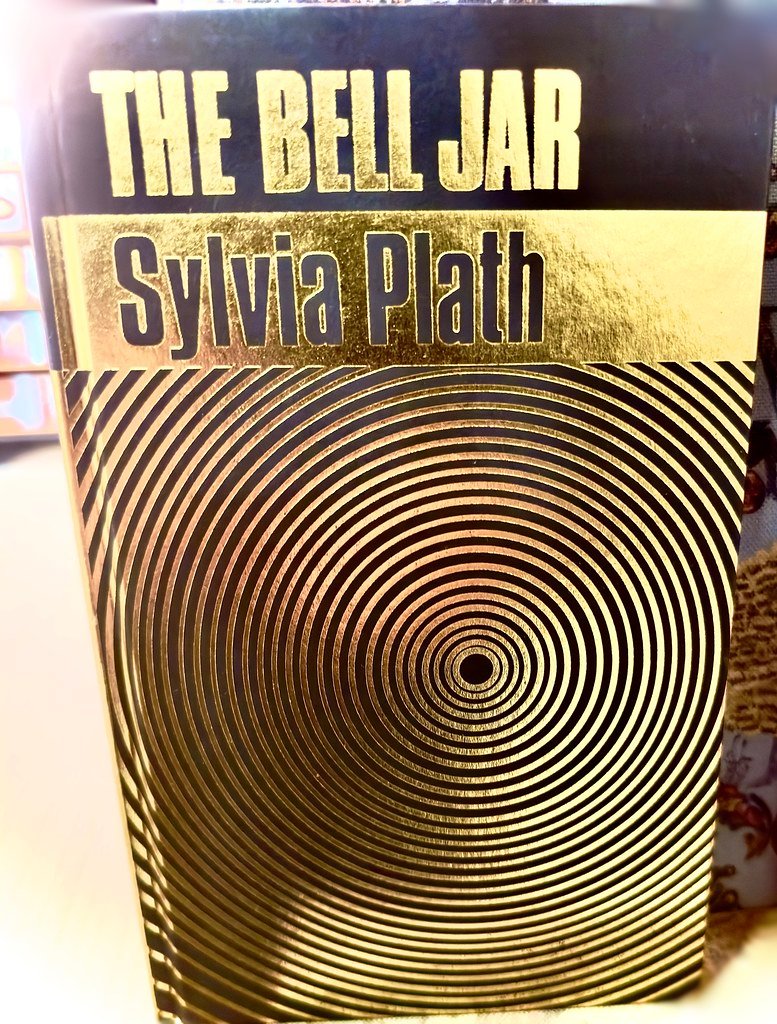
A 1979 adaptation of Sylvia Plath’s “The Bell Jar” was directed by Larry Peerce and starred Marilyn Hassett and Julie Harris. The film was widely considered one of the worst adaptations ever made, with horrible script construction and scenes that didn’t lead viewers anywhere. Marilyn Hassett was completely miscast, being almost thirty-two when filming a character who was supposed to be nineteen. The film reflected none of the haunting, harrowing quality of Plath’s classic novel and was considered a complete mess.
The adaptation was pulled from many markets due to critical backlash and estate disapproval. Modern viewers describe it as “THE WORST book adaptation” they’ve ever seen, noting that it doesn’t do any justice to the novel. The film’s failure to capture Plath’s nuanced portrayal of mental illness instead reduced it to what critics called “irrational female hysteria.” This botched adaptation has likely contributed to the difficulty of getting new versions made.
The Actor’s Impossible Dream
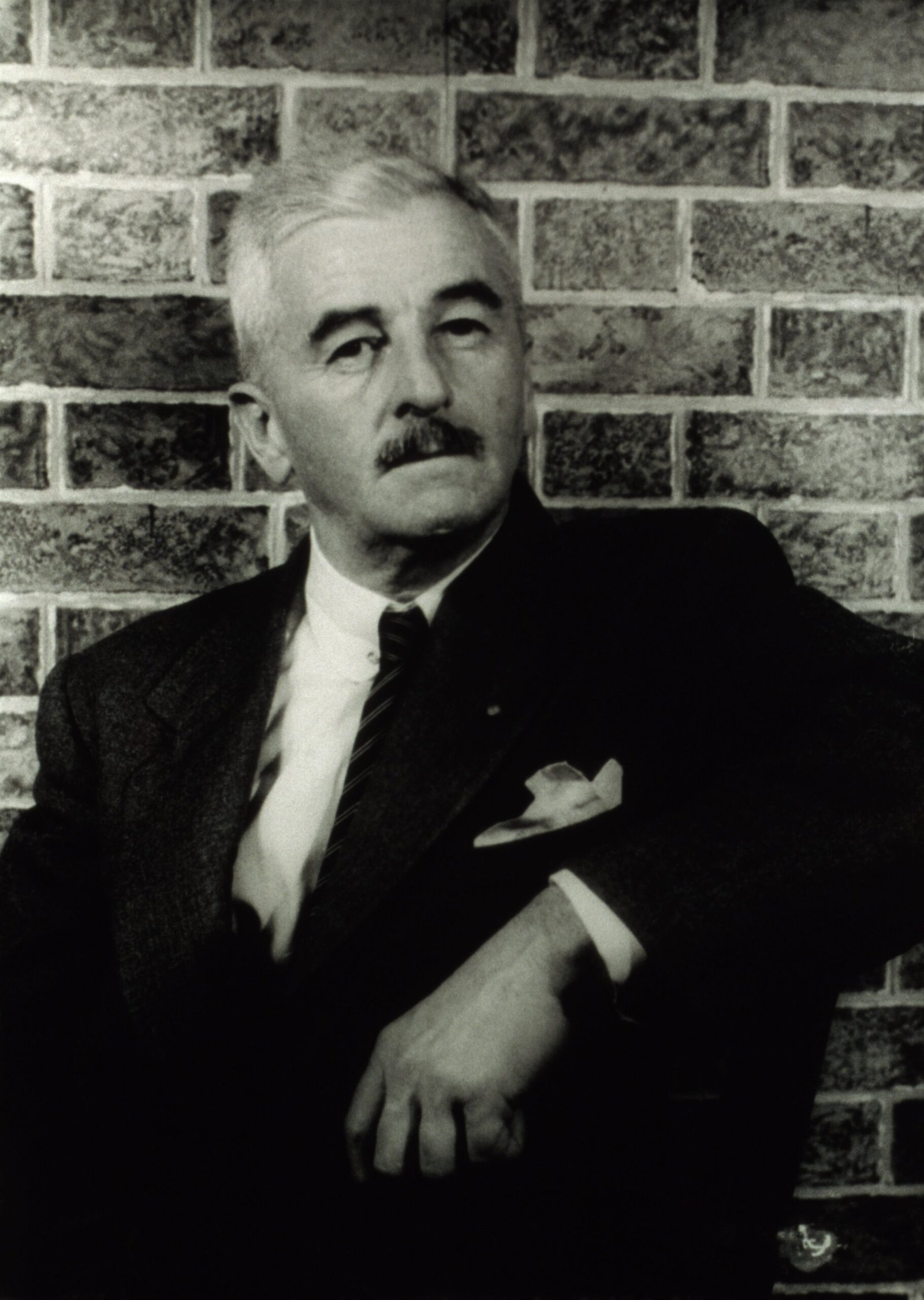
James Franco filmed “The Sound and the Fury” in 2014, directing and starring in the adaptation, but it received poor festival reactions and saw extremely limited release. Franco’s passion for Faulkner was genuine, but his execution failed to capture the novel’s complex narrative structure and psychological depth. The film virtually vanished from view, becoming one of those adaptations that technically exist but might as well not.
Franco’s version struggled with the same issues that make Faulkner notoriously difficult to adapt—the stream-of-consciousness narrative, the multiple perspectives, and the temporal fragmentation that makes the novel so powerful on the page. Critics noted that Franco’s approach was too literal, missing the poetic quality that makes Faulkner’s prose so distinctive. The film’s limited release suggests even Franco himself may have realized the adaptation didn’t work.
The Alternate History That Never Was
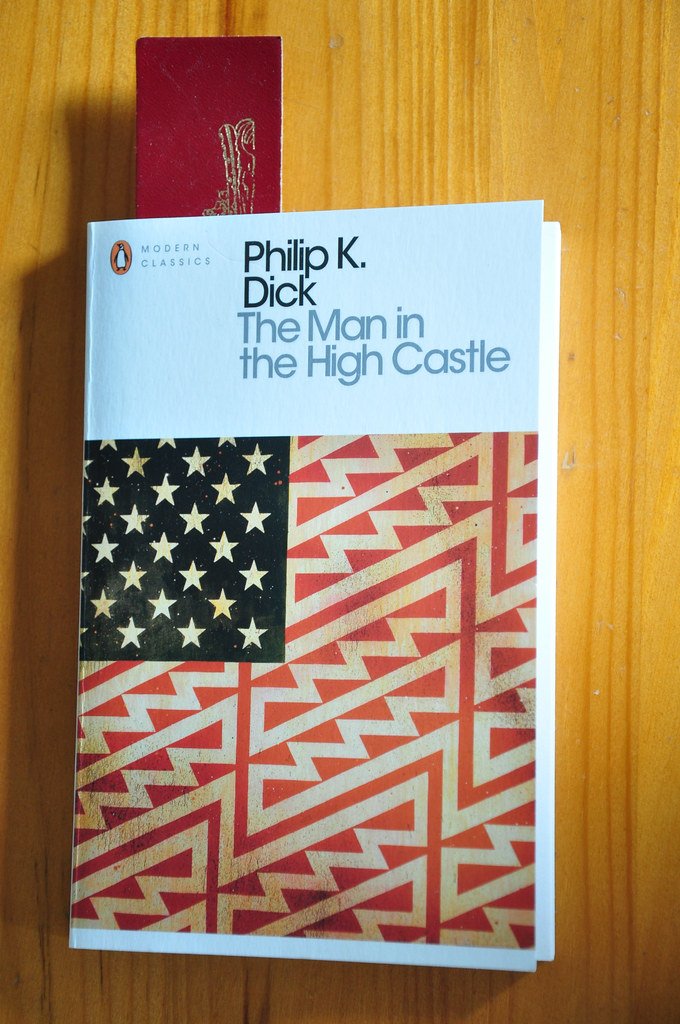
Before the Amazon series, a film version of “The Man in the High Castle” was in serious development in the early 2000s but was scrapped due to its ambitious alternate history scope. Ridley Scott was attached to direct what would have been a massive alternate history epic, exploring Philip K. Dick’s vision of an America divided between Nazi Germany and Imperial Japan.
The project’s scope was staggering—creating an entire alternate world with different architecture, technology, and social structures. The budget requirements were enormous, and the political implications of the story made studios nervous. This was before the current era of prestige television made such complex narratives commercially viable. The story eventually found life as an Amazon series, but Scott’s cinematic vision remains unrealized.
The Picaresque That Lost Its Way
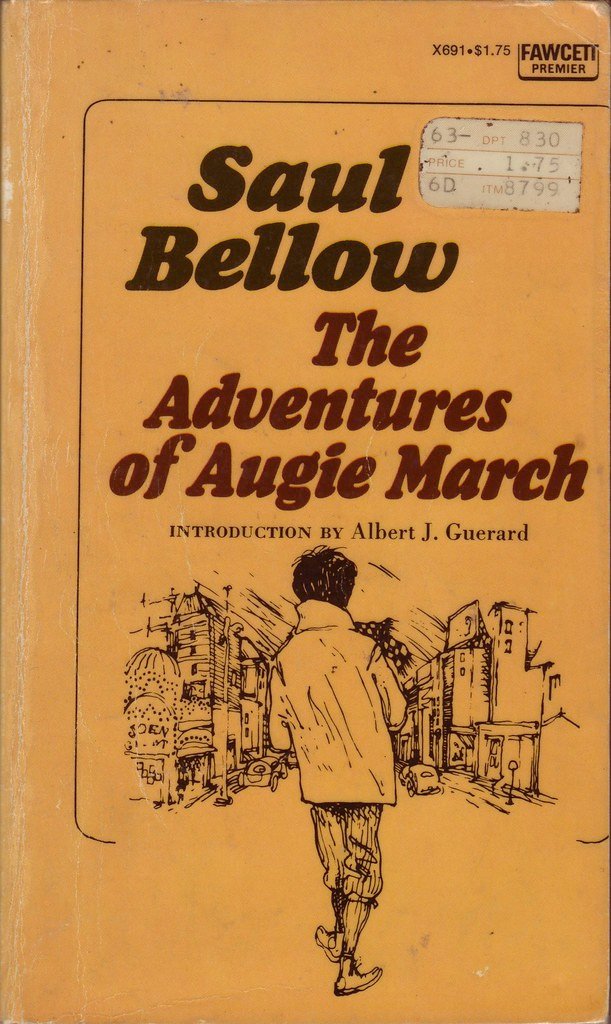
A 1970s adaptation of Saul Bellow’s “The Adventures of Augie March” with Robert Altman attached was shut down during pre-production due to funding and creative clashes. Altman, known for his ensemble films and improvisational style, seemed like the perfect director for Bellow’s sprawling, episodic novel. The book’s picaresque structure and gallery of Chicago characters would have fit perfectly with Altman’s aesthetic.
The project collapsed when Altman’s unconventional approach clashed with studio expectations. Bellow’s novel doesn’t follow traditional narrative structures, instead meandering through Augie’s adventures with a loose, jazz-like rhythm. Altman wanted to capture this quality, but studios wanted something more conventional. The funding dried up, and one of the most promising literary adaptations of the 1970s died in development.
The Cold War Epic That Froze
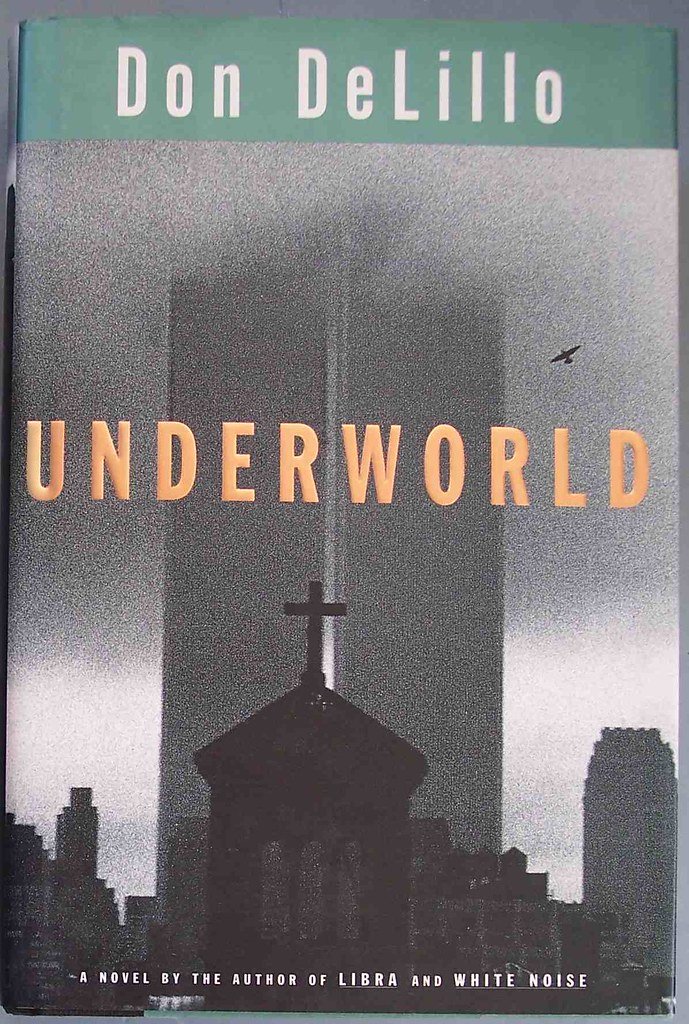
A David Fincher-led adaptation of Don DeLillo’s “Underworld” was announced in the 2000s but died in development limbo due to its non-linear storytelling and Cold War sprawl. Fincher’s meticulous style and fascination with paranoia and conspiracy seemed perfectly suited to DeLillo’s mammoth novel about America’s Cold War psyche. The book’s exploration of waste, nuclear anxiety, and cultural decay would have been perfect Fincher territory.
The novel’s structure, jumping between decades and characters while following the trajectory of a baseball from the 1951 Giants-Dodgers playoff game, proved impossible to adapt conventionally. Fincher reportedly struggled with how to maintain the book’s thematic unity while creating a coherent film narrative. The project’s ambitious scope and complex themes eventually overwhelmed the practical realities of filmmaking.
The Cursed Comedy That Killed Its Stars
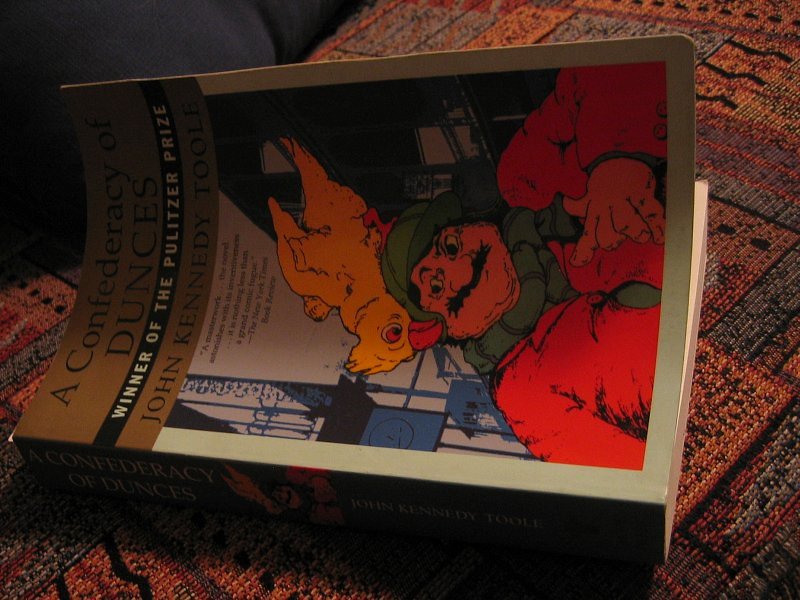
John Kennedy Toole’s “A Confederacy of Dunces” has become infamous as a cursed production, with various actors including John Belushi, Chris Farley, and Zach Galifianakis attached across decades, but it has never materialized. The novel’s protagonist, Ignatius J. Reilly, is one of literature’s most memorable characters—a pompous, obnoxious, brilliant misanthrope who perfectly embodies a certain type of American intellectual arrogance.
The curse seems real: every major actor who gets attached to play Ignatius either dies young or sees their career derailed. The project has been in development for over thirty years, with scripts written, directors hired, and funding secured multiple times. But something always goes wrong at the last minute. The novel’s dark comedy and New Orleans setting should make it perfect for film, but the adaptation remains stubbornly out of reach.
The Biblical Epic’s Missing Reels
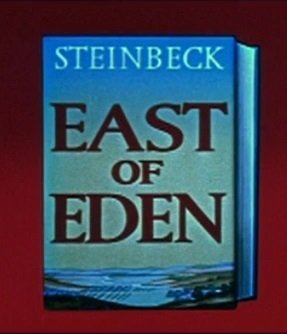
While Elia Kazan’s 1955 version of “East of Eden” exists, Kazan shot much more of the novel than was used, with the studio cutting significant material that reportedly still exists in lost reels. Kazan’s adaptation focused on only the final portion of Steinbeck’s sprawling family saga, but the director originally planned to film the entire novel. The missing footage would have shown the earlier generations of the Trask family, providing crucial context for the story’s biblical themes.
The lost reels reportedly contain some of Kazan’s most ambitious work, including sequences that more fully explore the novel’s themes of good and evil, family legacy, and the American Dream. Film historians have searched for this footage for decades, but it remains lost. The missing material represents not just deleted scenes, but an entirely different vision of one of America’s greatest novels.

Besides founding Festivaltopia, Luca is the co founder of trib, an art and fashion collectiv you find on several regional events and online. Also he is part of the management board at HORiZONTE, a group travel provider in Germany.
