

- 11 Epic Train Journeys Across America That Offer a Grand View of History - March 11, 2026
- 15 Little-Known Facts About Founding Fathers You Won’t Believe - March 11, 2026
- 11 Epic Train Journeys Across America That Offer a Grand View of History - March 11, 2026
Rosa Parks Refusing to Give Up Her Seat (1955 – USA)
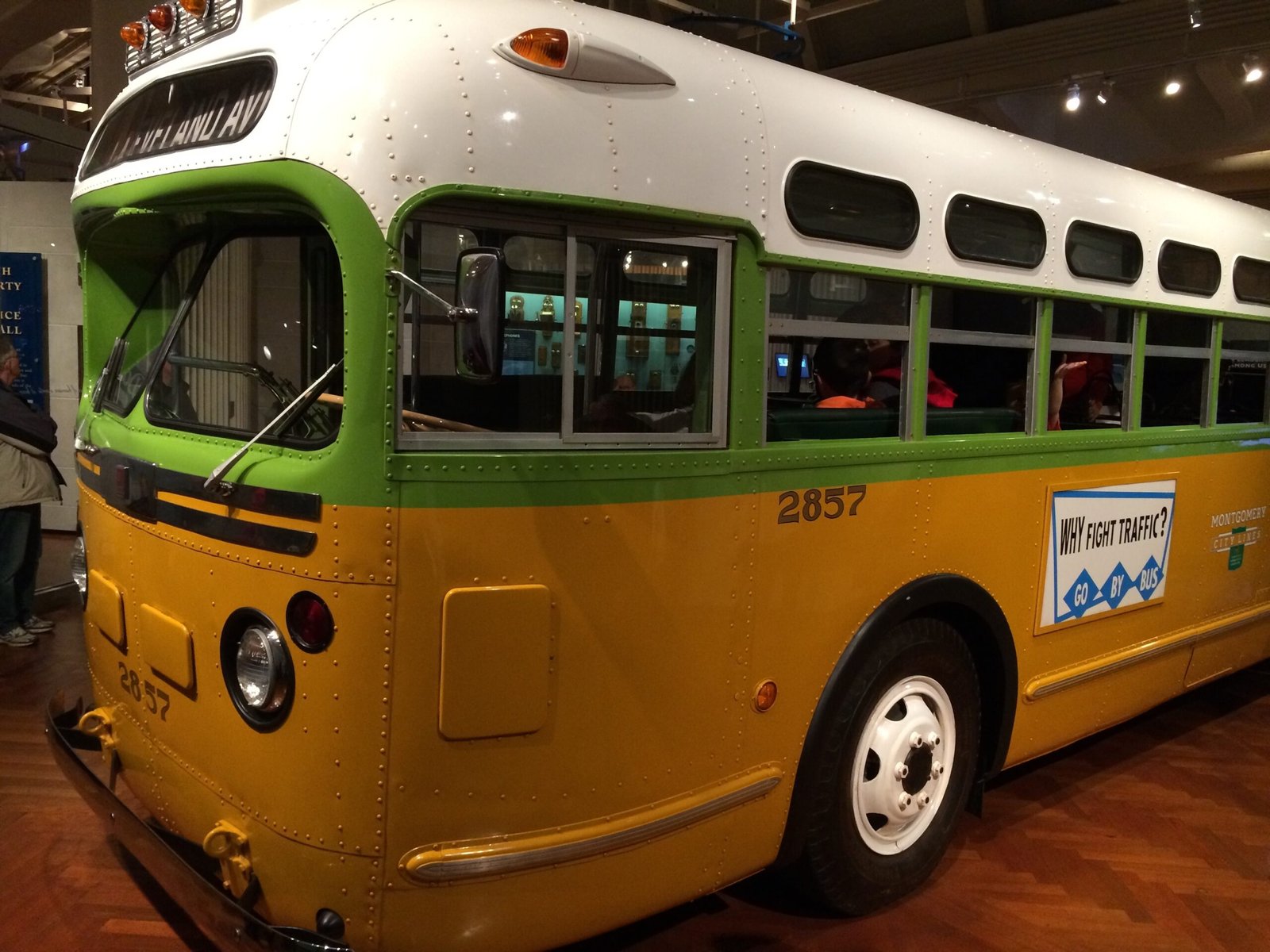
It’s hard to imagine that one woman’s quiet refusal could shake a nation, but that’s exactly what Rosa Parks did on a cold December evening in Montgomery, Alabama. She was tired from work, but mostly, she was tired of giving in. When the bus driver ordered her to move for a white passenger, Parks simply said “No.” Her arrest set off the Montgomery Bus Boycott, a movement that lasted 381 days and united thousands of Black residents in a stand against segregation. It’s staggering to know that bus ridership dropped by 90% during the boycott, leaving city buses nearly empty. The boycott’s success led to a Supreme Court ruling in 1956, declaring segregation on public buses unconstitutional. Parks’ act may have looked small, but it forced a country to confront deeply rooted injustice, making her a lasting symbol of courage. The ripple effect from her protest is still felt in civil rights activism today.
The Student Who Stood Alone (2018 – Sweden)

Sometimes, it only takes one determined teenager to shake the world awake. In 2018, Greta Thunberg, then just 15, skipped school and sat alone outside the Swedish Parliament with a handwritten sign: “Skolstrejk för klimatet.” At first, few paid attention, but her solitary protest quickly spread through social media, igniting the Fridays for Future movement. Thunberg’s straightforward message—listen to the science and act now—resonated with millions. By 2023, more than 7 million people, from every continent, had joined climate strikes inspired by her. The protests have influenced climate policy debates at the highest levels, with Thunberg herself addressing the United Nations and the World Economic Forum. Her school strike, once a lonely act, became the spark for a generation demanding urgent action on the climate crisis. Greta’s protest proves that one voice, even a young one, can become an unstoppable force for change.
Tank Man (1989 – China)
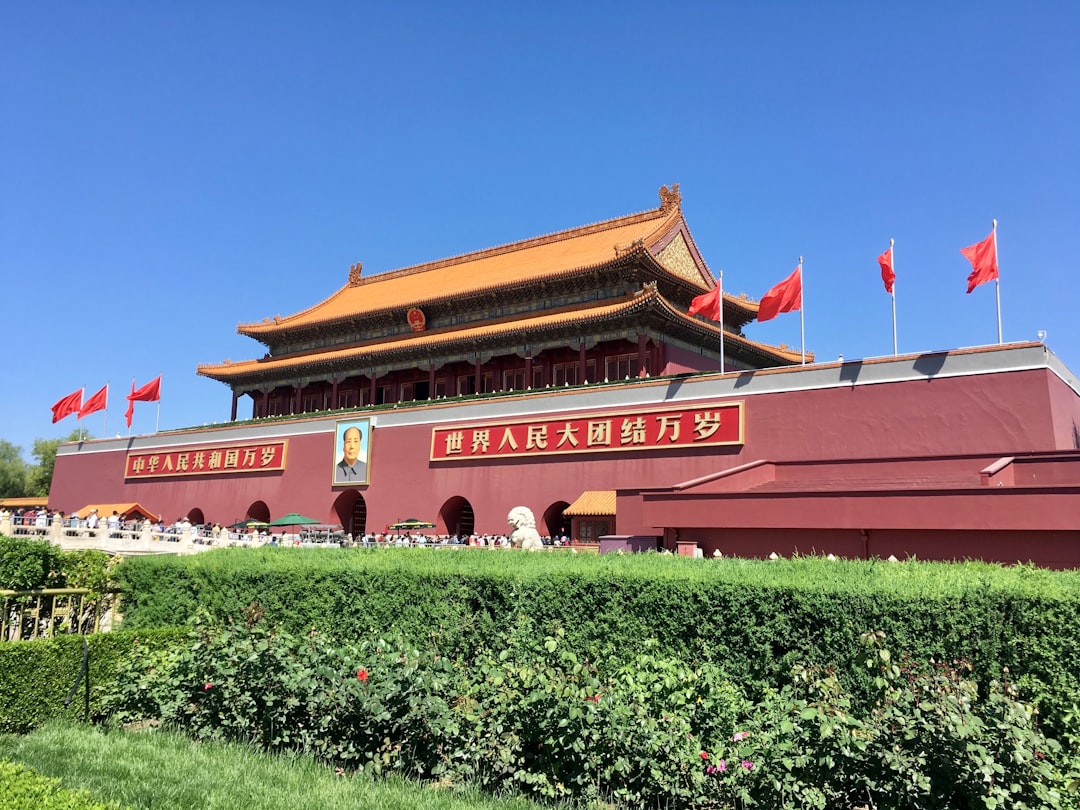
One of the most haunting images of the 20th century is that of a lone man, shopping bags in hand, standing defiantly in front of a line of tanks near Tiananmen Square. In June 1989, as pro-democracy demonstrators faced a violent government crackdown, an unknown individual—forever known as “Tank Man”—stepped into history. He refused to move, even as the tanks tried to maneuver around him. Though his identity and fate remain unknown to this day, the image captured by international cameras became an everlasting symbol of resistance against oppression. The Chinese government’s brutal response to the protests shocked the world, with estimates suggesting hundreds, possibly thousands, were killed. Despite the government’s efforts to erase the incident from public memory, Tank Man’s silent act of bravery continues to inspire activists globally. His protest is a reminder that sometimes resistance needs no words.
Mahatma Gandhi’s Salt March (1930 – India)
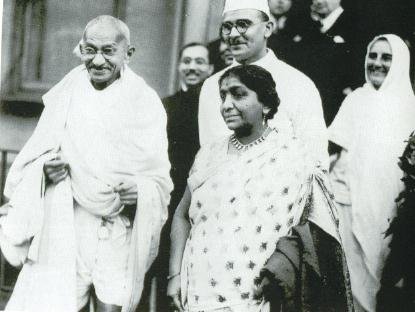
It began with a simple walk. In 1930, Mahatma Gandhi and a small group of followers set out on a 240-mile trek to the Arabian Sea, defying British colonial laws that banned Indians from making their own salt. When Gandhi bent down and scooped up a handful of salty mud, it was a tiny gesture—but it sparked a tidal wave of resistance. The Salt March ignited widespread civil disobedience, with millions of Indians joining in protests and making their own salt. The British arrested over 60,000 people, including Gandhi himself, but the movement could not be stopped. This small act of defiance drew international attention, putting immense pressure on the British government and uniting the Indian independence movement. The Salt March stands as a testament to the power of nonviolent protest and the idea that even a handful of salt can tip the scales of history.
The “Lipstick Protest” (1945 – UK)

During World War II, a group of women working at a British factory challenged both their bosses and society’s expectations with a bit of flair. In 1945, these striking workers applied bright lipstick before walking the picket line, rejecting the idea that labor activism was “unfeminine.” Their bold look was more than a fashion statement—it was a declaration of pride in their womanhood and their right to fight for better conditions. This small act sent a message that women could be both strong and unapologetically themselves. The Lipstick Protest was widely covered in the British press, helping to shift public attitudes about women in the workforce. It became a rallying point for future campaigns for women’s labor rights, signaling that femininity and activism could go hand in hand. Sometimes, a tube of lipstick can be mightier than a picket sign.
The Little Rock Nine (1957 – USA)
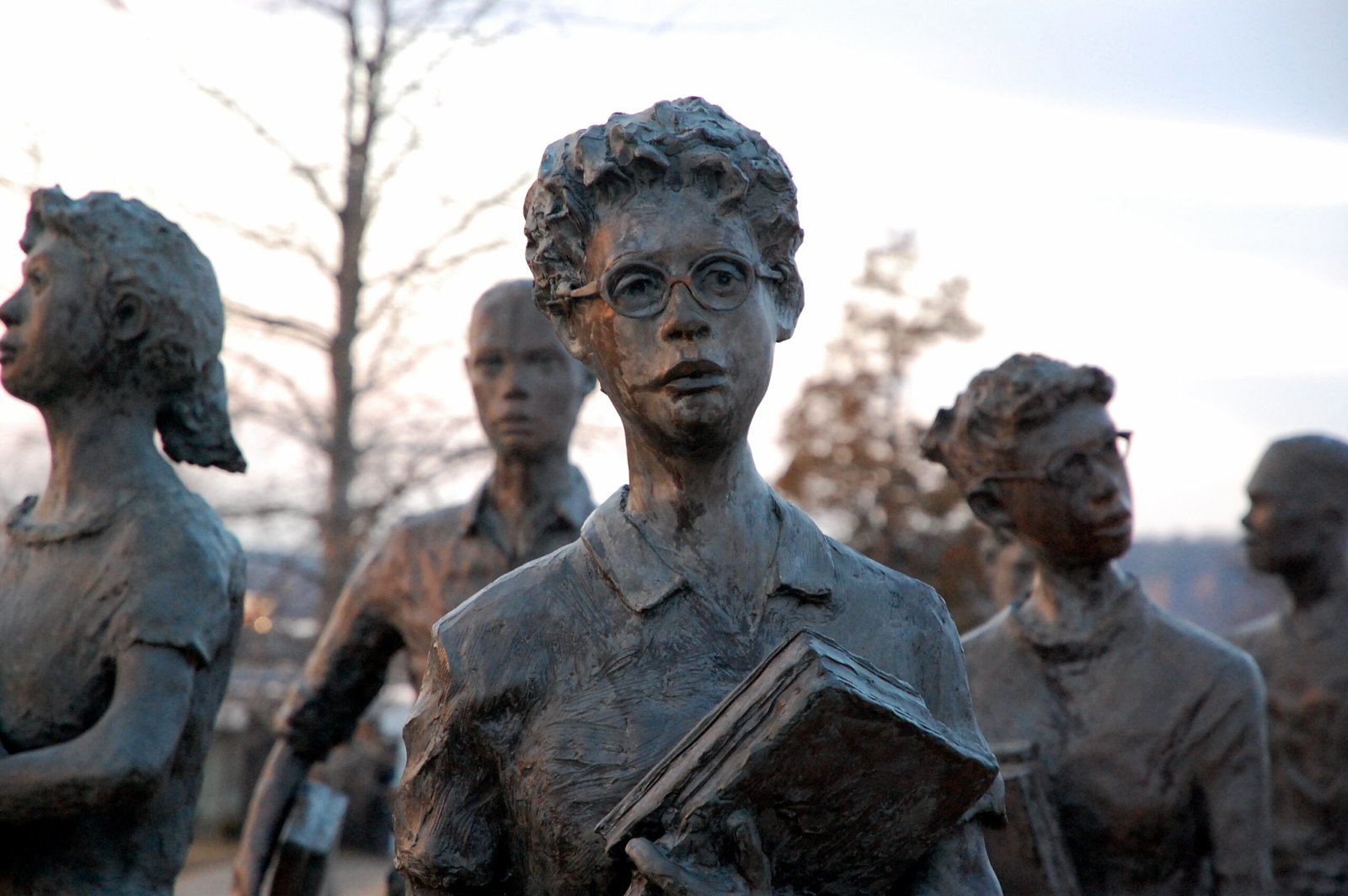
When nine brave Black students walked into Little Rock Central High School in Arkansas, they weren’t just going to class—they were rewriting history. In September 1957, these teenagers became the first to integrate the all-white school, following the Supreme Court’s ruling in Brown v. Board of Education. Their mere presence sparked a constitutional crisis, forcing President Eisenhower to send in federal troops to protect them. The Little Rock Nine faced daily harassment and threats, but they held their ground, showing the world the cost and courage of desegregation. Their actions forced Americans to confront the ugly realities of racism in education and led to increased enforcement of desegregation laws. The image of these students, walking through angry crowds, is a powerful reminder that sometimes, the battle for equality is fought with books and backpacks.
Riot Grrrl Zine Movement (1990s – USA)
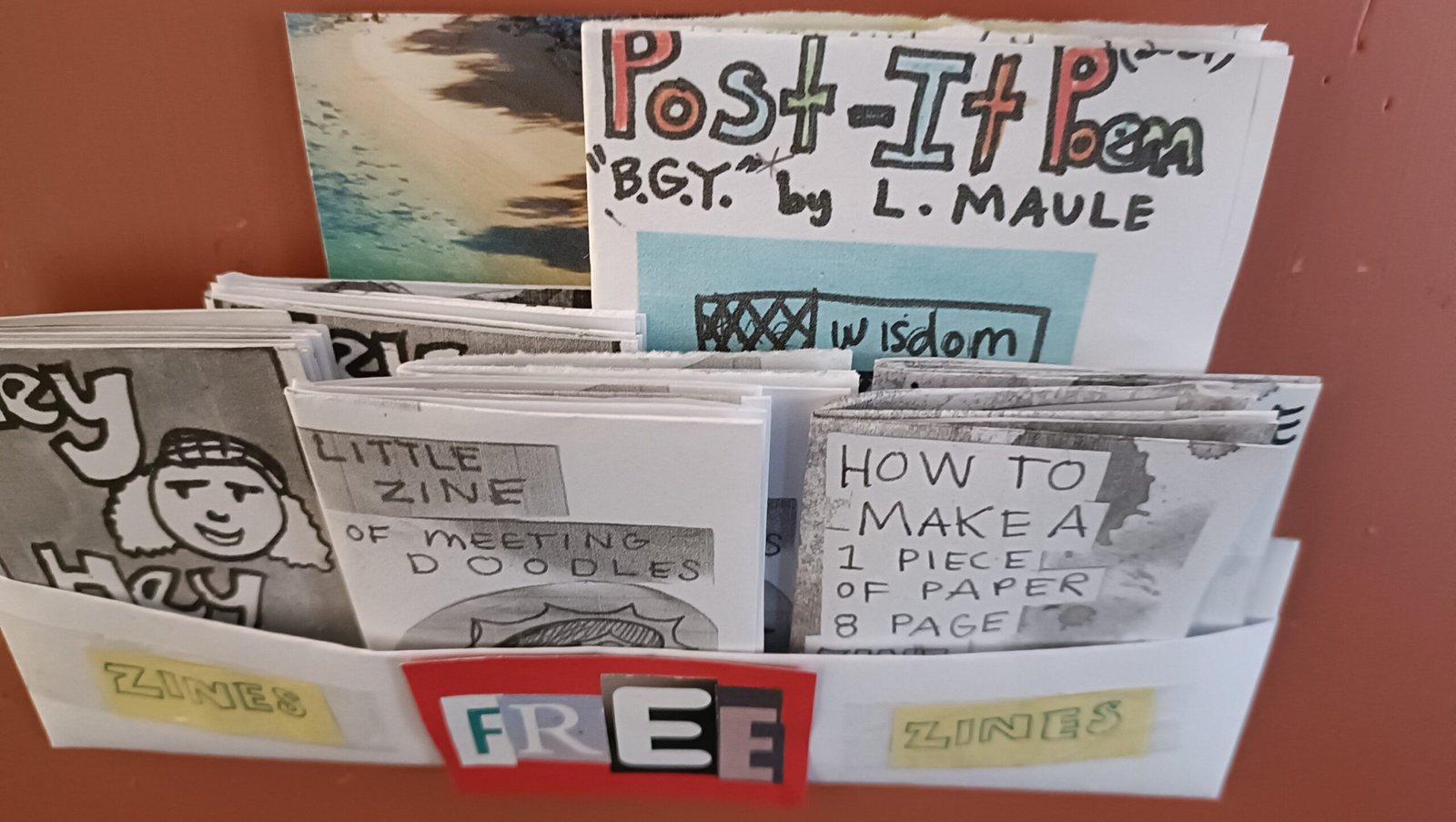
In the early 1990s, a riot was brewing—not in the streets, but in the pages of homemade magazines. The Riot Grrrl movement combined punk music, feminism, and DIY publishing to tackle issues like sexism, sexual violence, and body image. Young women across America, often shut out of mainstream media, wrote and shared “zines”—handmade booklets filled with stories, art, and protest slogans. These zines were passed from hand to hand at concerts and in the mail, creating a network of support and activism. The movement gave women a voice and a community, challenging the status quo in both music and society. Riot Grrrl zines helped launch the third wave of feminism, inspiring a new generation to speak out. The movement’s legacy can still be seen in today’s feminist art, music, and activism.
“Don’t Ask Me About My Salary” Stickers (2010s – South Korea)
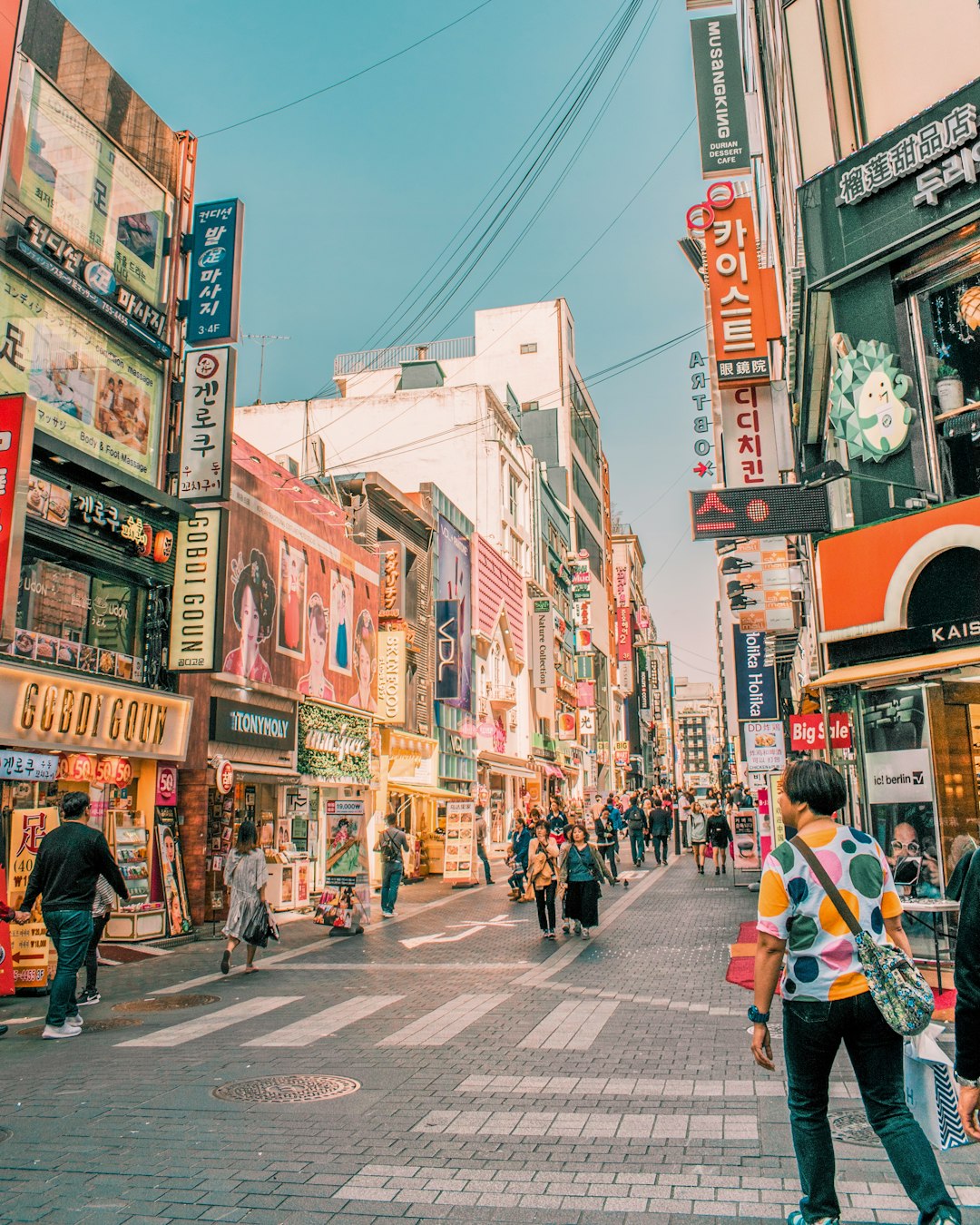
In South Korea’s rigid office culture, a silent rebellion began with a simple sticker. In the 2010s, women fed up with being asked about their salaries—a question often tied to gender discrimination—started placing “Don’t Ask Me About My Salary” stickers on their desks and laptops. This tiny protest quickly spread on social media, as women shared stories of wage inequality and workplace bias. The sticker movement struck a chord in a country where, as of 2021, the gender pay gap was nearly 31%—the highest in the OECD. The growing awareness led to heated debates in parliament and the press, putting pressure on companies to address wage disparities. What started as a quiet protest in office cubicles became a national conversation about gender equality and fair treatment at work.
A Photograph of Phan Thi Kim Phuc (1972 – Vietnam)
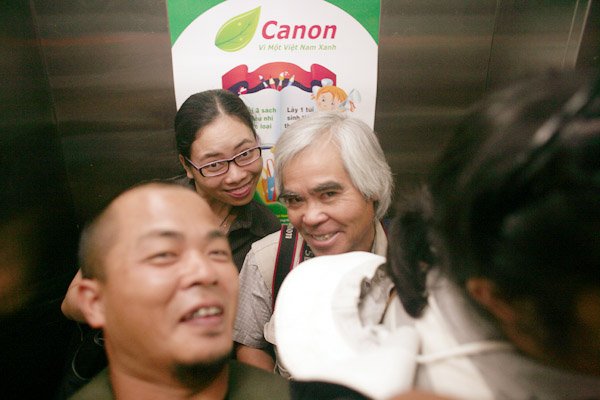
Sometimes, a single image can change the world’s heart. In 1972, photographer Nick Ut captured the harrowing moment when nine-year-old Phan Thi Kim Phuc ran naked down a road, her skin burned by napalm, as she fled an airstrike in Vietnam. The photograph was splashed across newspapers around the globe, bringing the horrors of war into people’s living rooms. Though not a protest in the traditional sense, the image became a rallying point for the anti-war movement, fueling massive demonstrations and calls for an end to U.S. involvement in Vietnam. Public opinion shifted dramatically after the photo’s publication; by 1973, American troop levels in Vietnam had dropped from over 500,000 at their peak to just 24,200. The photo’s power lay in its raw humanity, reminding the world that the victims of conflict are often the most vulnerable.
Fela Kuti’s Kalakuta Republic (1970s – Nigeria)
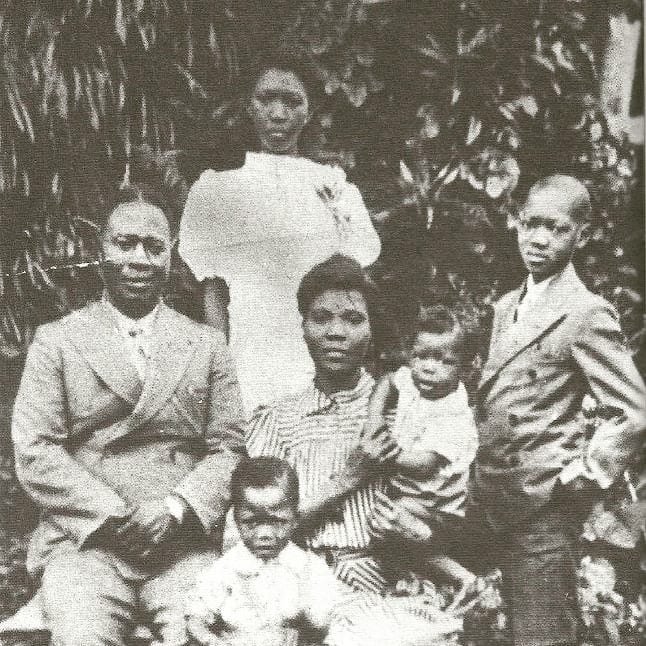
In Lagos, Nigeria during the 1970s, musician Fela Kuti turned his home into the Kalakuta Republic—a commune and recording studio that doubled as a sanctuary for dissent. Kuti’s Afrobeat music challenged government corruption, military dictatorship, and colonial legacies, using infectious rhythms to carry radical messages. His small compound was repeatedly raided, and Kuti himself was arrested over 200 times, but he never backed down. The Kalakuta Republic became a hub for activists, artists, and those seeking a freer Nigeria. Kuti’s influence extended beyond music: he galvanized youth protests and inspired a new wave of African artists to speak truth to power. Today, his songs are still sung at protests and rallies, proof that a tiny protest—sometimes, just a song—can ignite a revolution.
CEO-Co-Founder
