

- 12 Hobbies From the 1950s We Should All Bring Back Right Now - March 24, 2026
- The 10 Most Unbelievable Coincidences in Music History That Will Astound You - March 24, 2026
- 15 Hidden Travel Destinations Only Book Lovers Dream Of Visiting. - March 24, 2026
There is something almost mythological about a great comeback. An artist disappears, the world moves on, doubts pile up like dust on a forgotten stage – and then, suddenly, they return. Bigger. Bolder. Sometimes more powerful than ever before.
Comeback concerts hold a very specific kind of magic. They do not just bring music back to life; they rewrite the story of who an artist is and what they mean to their fans. Audiences cry. Critics scramble to revise their narratives. Comebacks are high-stakes affairs, where artists risk disappointing fans, alienating critics, or failing to live up to their own legacies. Yet when they succeed, the results can be astonishing, reminding the world why these musicians became legends in the first place.
These are the ten most dramatic moments in concert comeback history – stories of silence, reinvention, and triumph that shook the music world to its core. Let’s dive in.
1. Elvis Presley – The ’68 Comeback Special (NBC Studios, 1968)
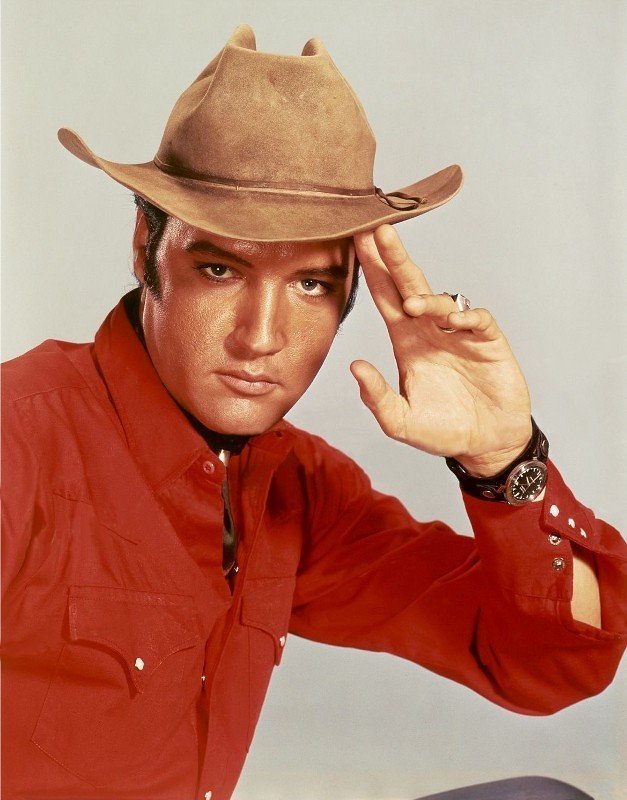
Here is a jaw-dropping thought: the King of Rock and Roll, the man who defined an entire era of American music, had become almost irrelevant by 1968. He hadn’t performed live for seven years, and although he’d produced a few underwhelming albums and films, he’d been out of the public eye for a while – until he staged a Christmas Special, a show later renamed the “Comeback Special.” The transformation onscreen was absolutely electric.
The special has since been called the show that re-launched his career and saved his reputation. It was watched by roughly forty-two percent of the viewing audience at the time, and the soundtrack entered the top ten. Sadly, he died less than ten years later, but the image of him in that show, clad head to toe in black leather, became one of the most enduring images of the King. Even today, this performance is studied as the gold standard of a live comeback. Nothing has quite replicated it.
2. Queen at Live Aid – Wembley Stadium, 1985
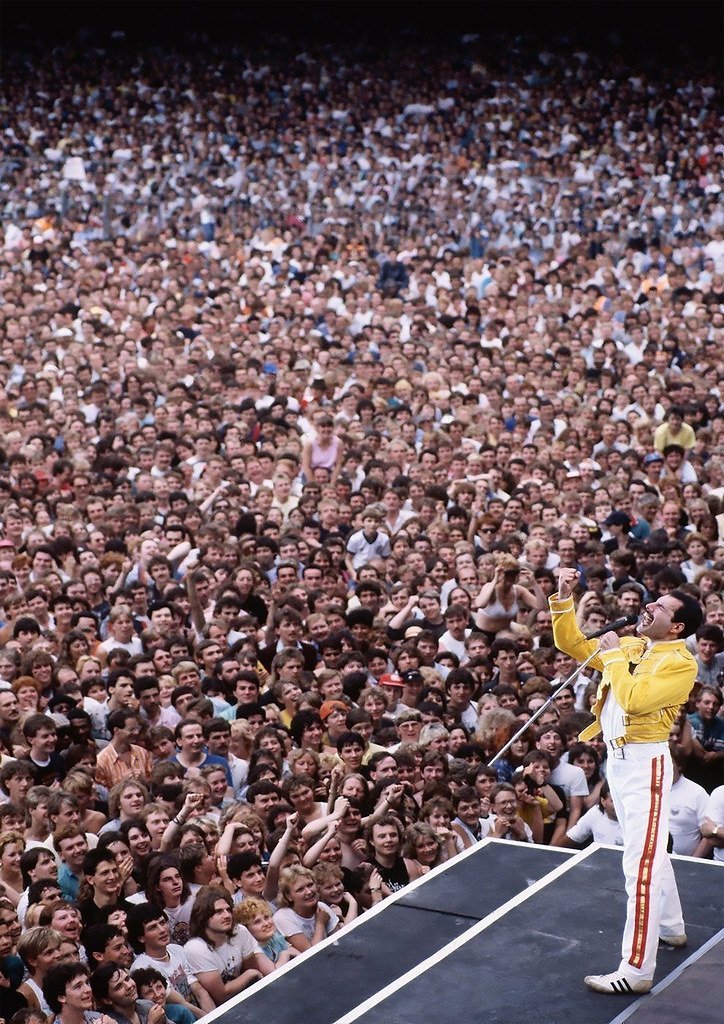
If there is one concert moment universally considered the greatest in rock history, it is this one. Queen had not exactly fallen apart before Live Aid, but Freddie Mercury stepping onto that stage at Wembley felt like a resurrection for rock itself. Few concerts carry the emotional weight and legendary status of Queen’s Live Aid performance. Though “only” 72,000 people filled Wembley Stadium, over one billion people watched globally. Held in July 1985, the concert has been voted the greatest live performance of all time. Freddie Mercury commanded the stage, and the band delivered a flawless set that captivated both the audience and history books.
No one really paid attention to them on that star-studded day – until Freddie Mercury strutted onto the stage and stole the show with the very first song of their set. “Radio Ga Ga” wasn’t even close to being one of Queen’s greatest songs, but because of this performance it became one of their most iconic. On a day when Phil Collins played on multiple continents and Led Zeppelin reformed, it was Queen that stole the show. That is saying something extraordinary.
3. The Eagles – Hell Freezes Over Tour, 1994
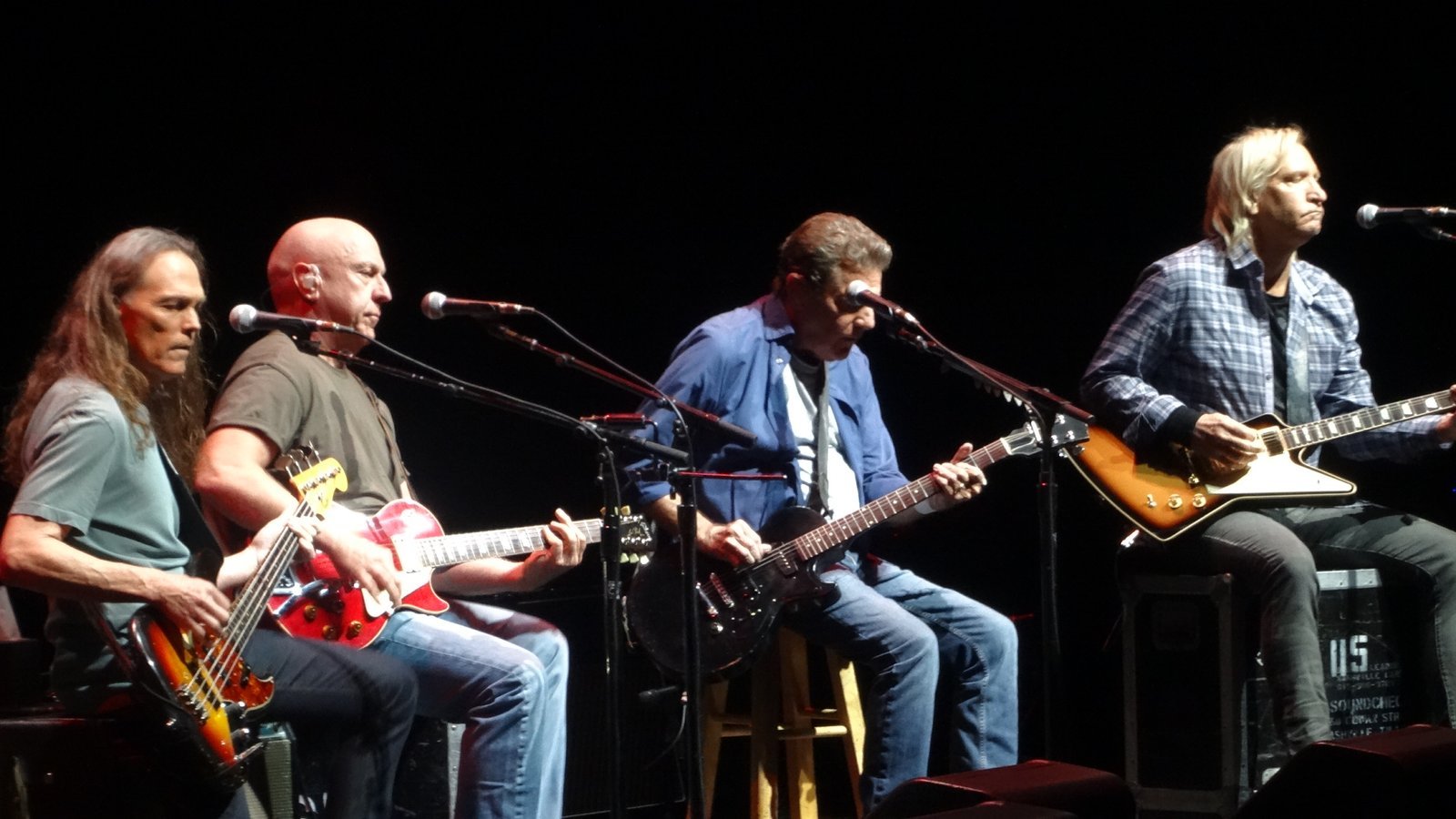
The Eagles split acrimoniously in 1980 following the interminable and contentious sessions for The Long Run, struggling through the mixing of their Eagles Live record to fulfill a contractual obligation even though they weren’t on speaking terms. For years, the very idea of reunion was a joke. The album name references a quote by Don Henley after the band’s breakup in 1980 – when asked about playing together again, he responded “when hell freezes over.” Turns out, hell had its own plans.
Four months after appearing in a music video for Travis Tritt’s cover of “Take It Easy,” Henley, Frey, Felder, Joe Walsh, and Timothy B. Schmit agreed to perform live together for the first time in 14 years. A film studio in Burbank was booked and over two days in April 1994, the Eagles recorded an MTV special. The album contained fresh takes on their classics, including recasting “Hotel California” with acoustic guitars and Latin percussion. The tour became one of the most notable and financially successful in the history of rock music – over three years, from 1994 to 1996, the Eagles played 160 shows across the world, setting box office records at nearly every stop. Fans were simply not prepared for how good it felt.
4. Fleetwood Mac – The Dance, 1997
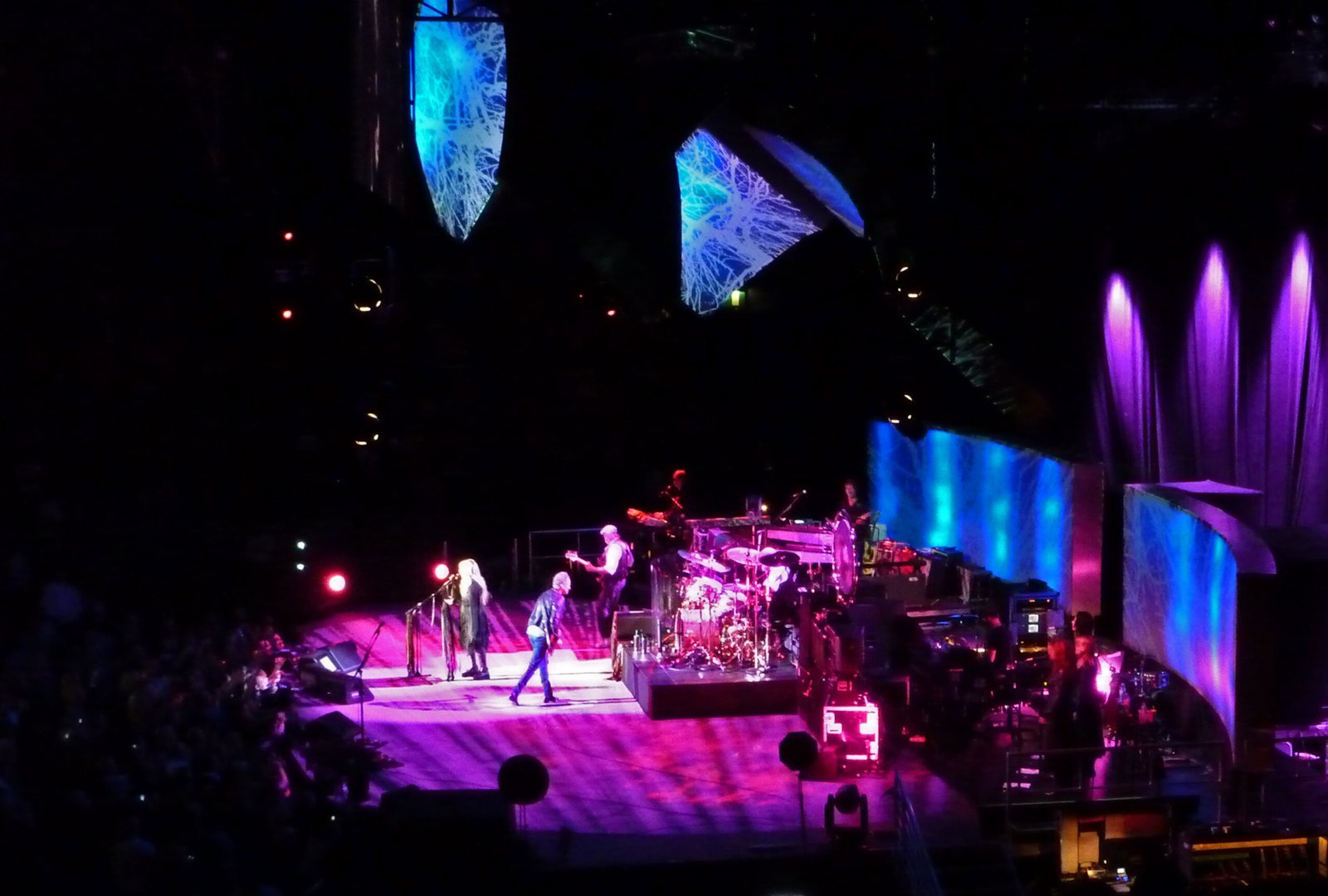
Uploaded by tm, CC BY 2.0)
After years apart and successful solo careers for both Stevie Nicks and Lindsey Buckingham, Fleetwood Mac reunited in 1997 and filmed a fantastic television special titled “The Dance.” The stakes were impossibly high. This band had lived through breakups, affairs, addiction, and years of smoldering tension that played out publicly. The concert was so well received that Fleetwood Mac reformed for another run with sold-out concerts all over the world for a number of years. Nestled into the hit parade of songs was a deep cut that never really got much attention before – a Stevie Nicks-penned song called “Silver Springs.” The song was beautiful and well performed, but during the performance, something happened.
It was one of those moments that organically developed. Former star-crossed lovers Stevie Nicks and Lindsey Buckingham played together on stage for the first time in many years. Stevie staring at Lindsey. Lindsey eventually notices. Honestly, no rehearsal could have scripted that. The whole world felt it. The emotional charge of that performance is the reason people still talk about The Dance as one of the most powerful reunion concerts ever staged.
5. Simon and Garfunkel – The Concert in Central Park, 1981
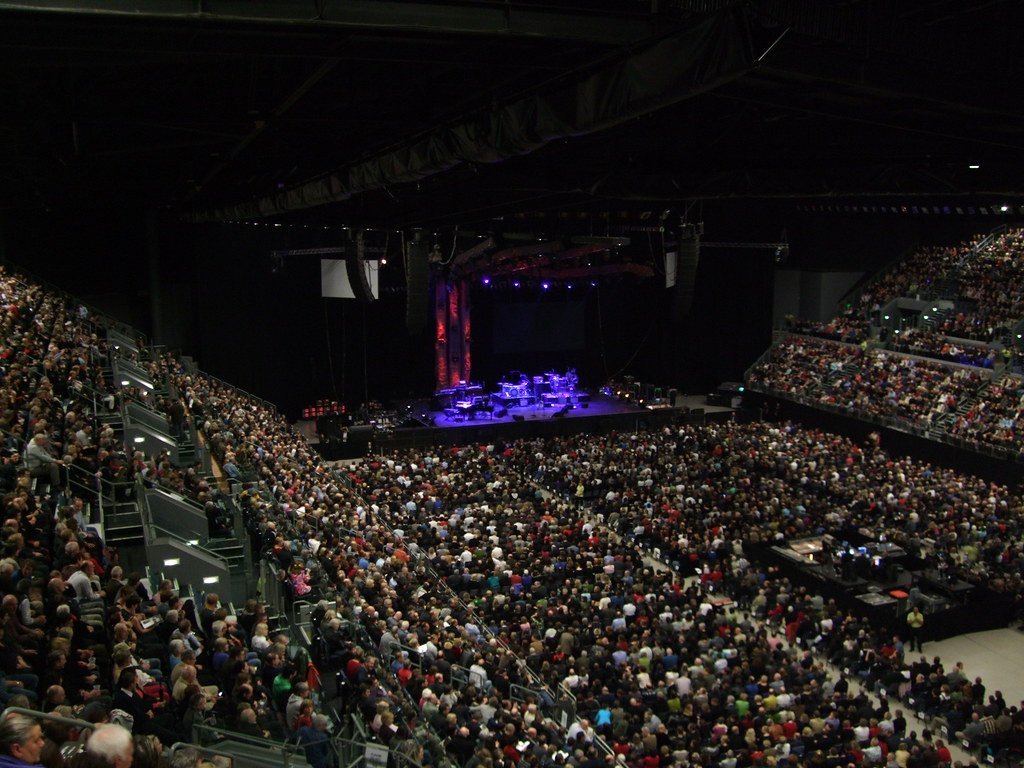
Take two musicians who parted on deeply uncomfortable terms. Place them in the middle of one of the most iconic urban parks on earth. Then watch roughly half a million people show up to hear them play. In 1981, Simon and Garfunkel reunited for a concert in Central Park that drew 500,000 attendees. This free concert was a deeply emotional event, filled with nostalgia and harmony. The performance of “The Sound of Silence” became one of the most cherished live music moments in American concert history. The audience, gathered under the stars in the iconic park, witnessed one of the most moving and beautifully arranged performances of all time.
Think about that for a second. Half a million people standing in a park, united by two men and their guitars. There is no stadium, no pyrotechnics, no special effects – just music and the overwhelming weight of shared memory. I think that is precisely what makes this comeback so astonishing. It stripped everything back and proved that raw emotional connection between performer and audience can transcend even the bitterest personal silence.
6. AC/DC – The Back in Black Tour, 1980
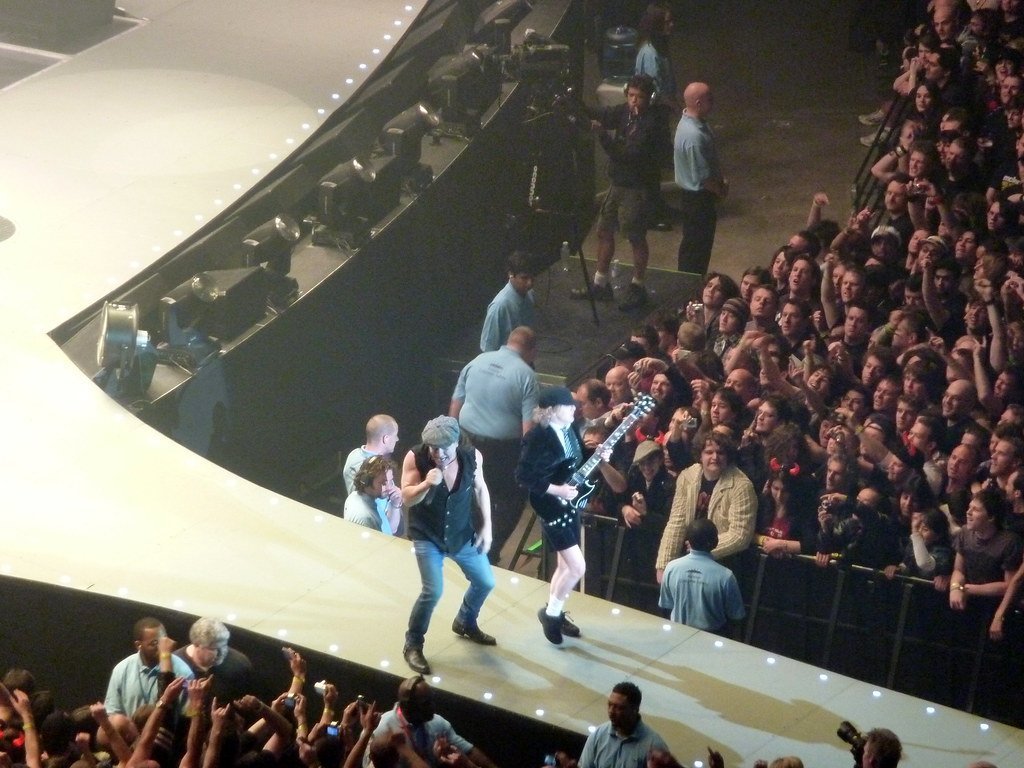
After the tragic death of Bon Scott in 1980, AC/DC faced a high-stakes dilemma: replace a charismatic frontman or risk fading into obscurity. Most bands would have dissolved under that kind of grief. AC/DC did the opposite. Brian Johnson stepped in, and the band delivered Back in Black, a roaring, riff-driven triumph. From the iconic opening of the title track to “You Shook Me All Night Long,” every song radiates confidence, power, and defiance. Back in Black became one of the best-selling records in history, proving that grief and uncertainty could be channeled into art. It wasn’t just a comeback – it was a statement: AC/DC could survive tragedy and emerge stronger, cementing their legacy as rock’s ultimate survivors.
The live shows that followed were raw, furious, and deeply cathartic. Even the band themselves seemed shocked by the sheer energy coming back at them for every single song. AC/DC have always been a well-oiled machine in the live setting, but even by their lofty standards, they were as tight as could be. Few comeback tours have ever carried that specific blend of grief and defiance so powerfully.
7. Beyoncé – Coachella 2018 (Homecoming)
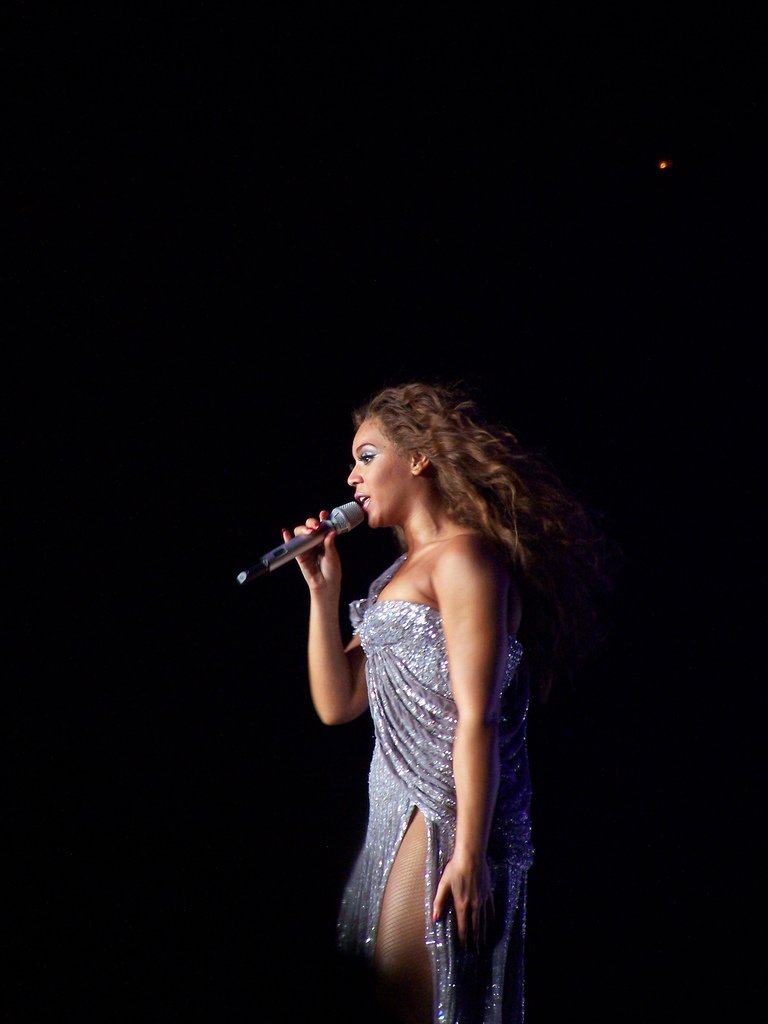
In 2018, Beyoncé became the first Black woman to headline the Coachella Valley Music and Arts Festival. Her two-hour show marked a new pop culture milestone. Coming off pregnancy complications that had sidelined her plans the previous year, this was her triumphant return – and she arrived like a force of nature. With a brigade of over 100 dancers and guest appearances from Destiny’s Child, Jay-Z, and Solange, Queen Bey kept her headlining Coachella set all in the family.
Coachella 2018 became the stage for her long-awaited comeback, and she made sure to bring her whole culture with her. The Netflix documentary titled Homecoming, released the following April, takes everyone behind the scenes of exactly what it took to execute such a huge performance, with roughly over 200 people on stage during the set. This intimate, in-depth look at Beyoncé’s celebrated 2018 Coachella performance reveals the emotional road from creative concept to cultural movement. It was not just a concert. It was a civilizational statement.
8. Santana – Supernatural Tour, 1999
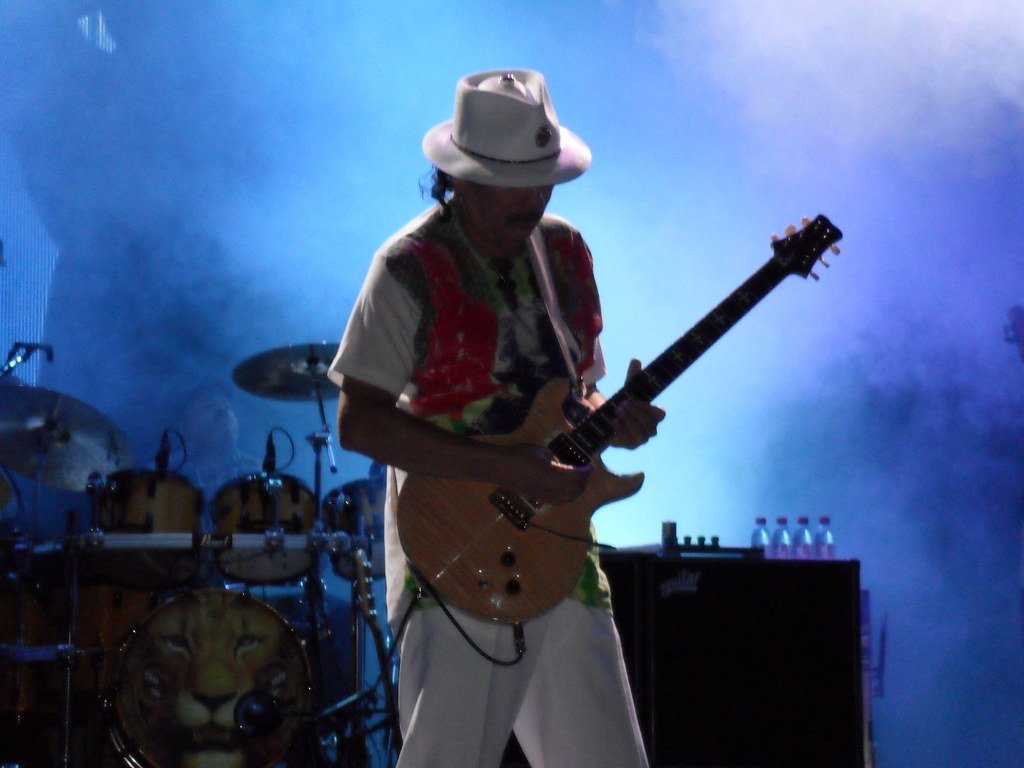
By the late 1990s, Carlos Santana had gone more than fifteen years without a major commercial moment. When Supernatural hit shops on June 15, 1999, Carlos Santana hadn’t had a gold record since 1982 despite four albums in the interim. A new label deal with Arista resulted in Supernatural, which found Carlos and the band collaborating with a number of big stars including Lauryn Hill, Dave Matthews, Rob Thomas, CeeLo Green, and Eric Clapton. The album would certify at an astounding 15 times platinum and clean up at the Grammys, making it the most zero-to-hero comeback on the list.
The live shows that followed were absolutely overwhelming. Things turned around massively in 1998 when the band was welcomed into the Rock and Roll Hall of Fame, and the following year Supernatural was released, spawning singles synonymous with Santana: “Maria Maria” and “Smooth.” Audiences who had grown up on his 1970s guitar wizardry suddenly found their children singing along to the same man. It’s hard to say for sure, but I honestly believe no other artist in this list bridged generational gaps quite as elegantly as Santana did in those shows.
9. Alice in Chains – MTV Unplugged, 1996
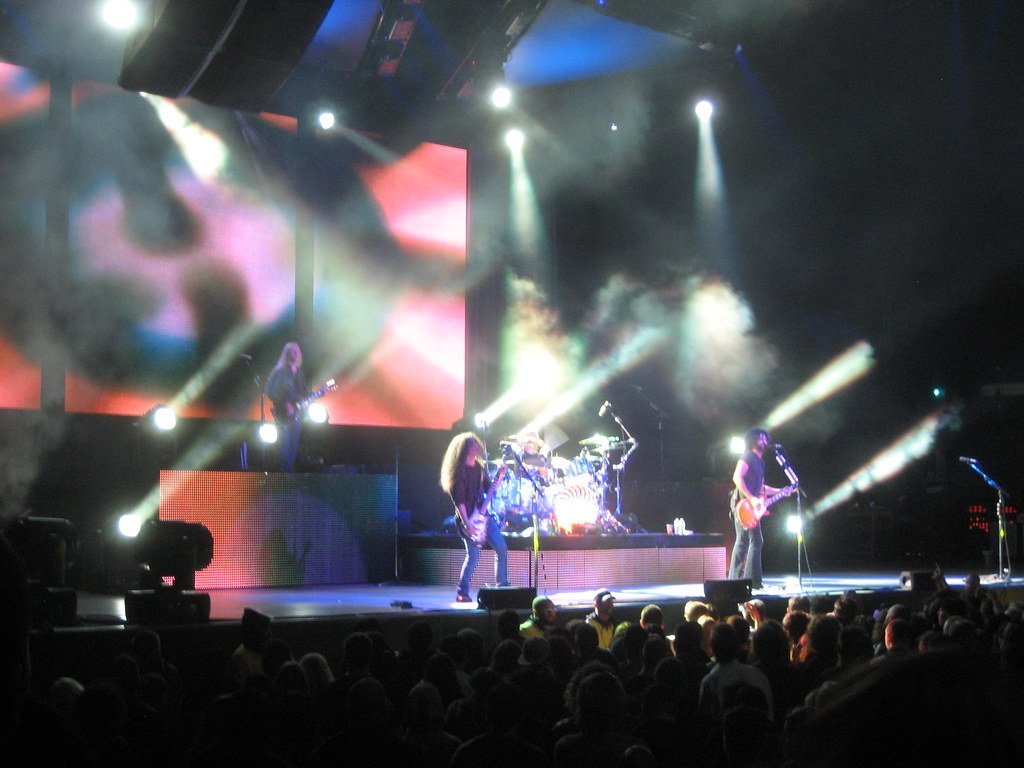
Alice in Chains came back into the limelight on April 10, 1996, when they returned together to play for MTV Unplugged – the band’s first concert in nearly two and a half years. The band played acoustic versions of several of their hit songs, including “Nutshell,” “Down in a Hole,” “Would?” and “Rooster.” The show itself was a remarkable event and incredibly significant for Alice in Chains fans.
In the years following this show, the band never officially broke up, but Layne Staley left the public eye as he battled substance abuse further. After a decade of his battle with addiction, Staley died of a drug overdose in April 2002. To this day, Alice in Chains fans watch the MTV Unplugged performance and praise Staley’s unwavering talent and dedication to his art. That makes this particular comeback feel both triumphant and heartbreaking at the same time. It was a fleeting glimpse of brilliance that the world desperately needed, and still does.
10. ABBA – Voyage Concert Residency, 2022
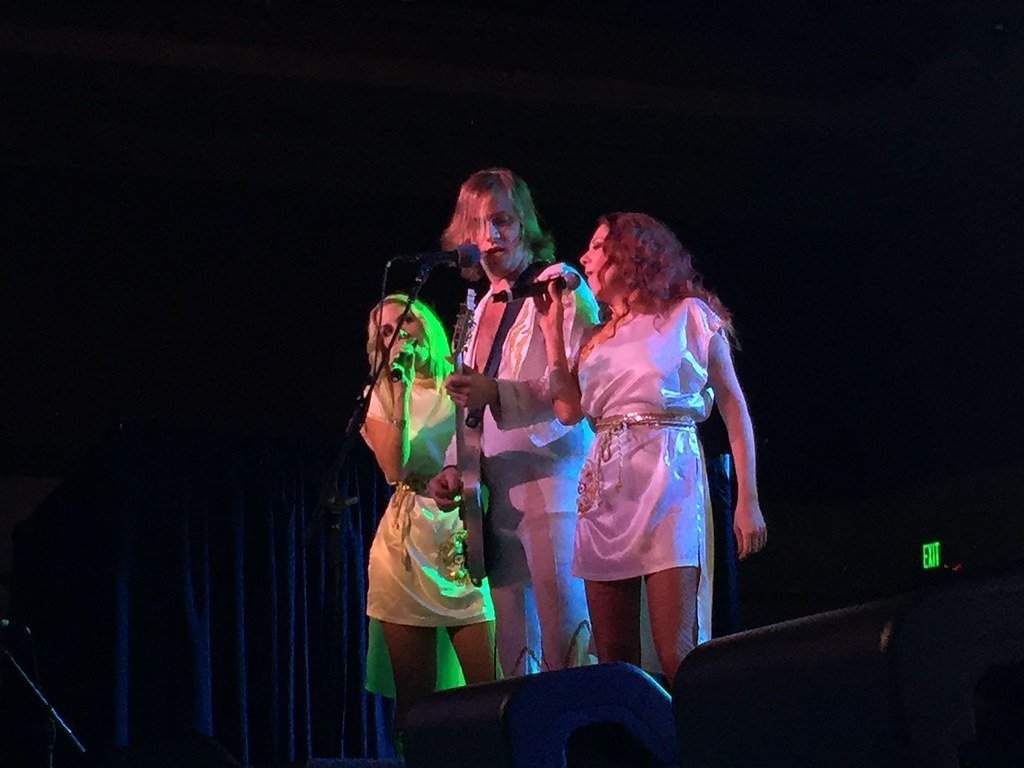
ABBA’s comeback is possibly the most unique in music history. Forty years after their previous album, ABBA released Voyage in 2021. Nothing quite like it had ever been attempted in live music. In 2021, forty years after their last album The Visitors, the Swedish supergroup released Voyage. The band had always said they would never perform live together again, but in 2022 they got around that by starting their digital residency at Queen Elizabeth Olympic Park, a show featuring virtual versions of the band – known as “ABBAtars” – alongside a 10-piece live band. It’s been so successful that it’s still going strong years later.
This uniquely modern comeback saw Voyage top the charts in a number of countries, including Australia, New Zealand, and the UK, becoming the group’s highest-charting studio album in Canada and the United States. The opening track received a Grammy nomination for Record of the Year – the first for the Swedish foursome. Let’s be real, nobody saw any of that coming. An aging pop group from the 1970s using futuristic digital avatars to stage one of the most talked-about concert residencies in modern music history? Stranger and more wonderful things have rarely happened.
The Lasting Emotional Power of the Comeback Concert
There is something deeply human about the comeback concert. It speaks to something we all feel – the desire for second chances, for redemption, for proof that what we love is not truly gone. When an artist returns to the stage after years of absence, they carry with them not just their own story, but the stories of every fan who kept the faith during the silence.
In rock, absence doesn’t always make the heart grow fonder – sometimes it makes the return all the more dramatic. The greatest comeback concerts are proof of that. Whether it was Elvis in black leather, Freddie Mercury commanding a billion viewers, or ABBA reinventing performance entirely for the digital age, these moments left marks on music culture that simply refuse to fade.
Comebacks remind us that an artist’s story is never truly over – only paused. And maybe that is the most powerful thing live music can do: make us believe, even just for a few hours, that it’s never too late to begin again. What comeback do you think deserved a spot on this list? Drop your thoughts in the comments.
CEO-Co-Founder
