
Alexander the Great

Alexander the Great, born in 356 BC, is often regarded as one of history’s most successful military commanders. By the age of 30, he had created one of the largest empires in the ancient world, stretching from Greece to Egypt and into parts of India. His strategic brilliance, ability to inspire his troops, and willingness to embrace the cultures of the lands he conquered made him a formidable leader. Alexander’s charisma and vision were unmatched, allowing him to unite diverse peoples under his rule. His seamless ability to integrate different cultures into his empire and respect for local traditions facilitated smoother governance. Alexander’s legacy continues to influence military strategy and leadership principles today, as his tactics are still studied in military academies worldwide.
Julius Caesar

Julius Caesar was a Roman general and statesman whose actions led to the rise of the Roman Empire. His military conquests expanded Rome’s territories, and his reforms in governance and society laid the groundwork for future leaders. Caesar’s ability to connect with the common people and his political acumen allowed him to maintain power despite opposition. His charismatic leadership style and reforms, such as the Julian calendar, showcased his forward-thinking approach. Caesar’s assassination in 44 BC marked a turning point in Roman history, highlighting the complexities of leadership and power. His ability to adapt and innovate in political and military arenas underscores the qualities that made him a formidable leader.
Genghis Khan

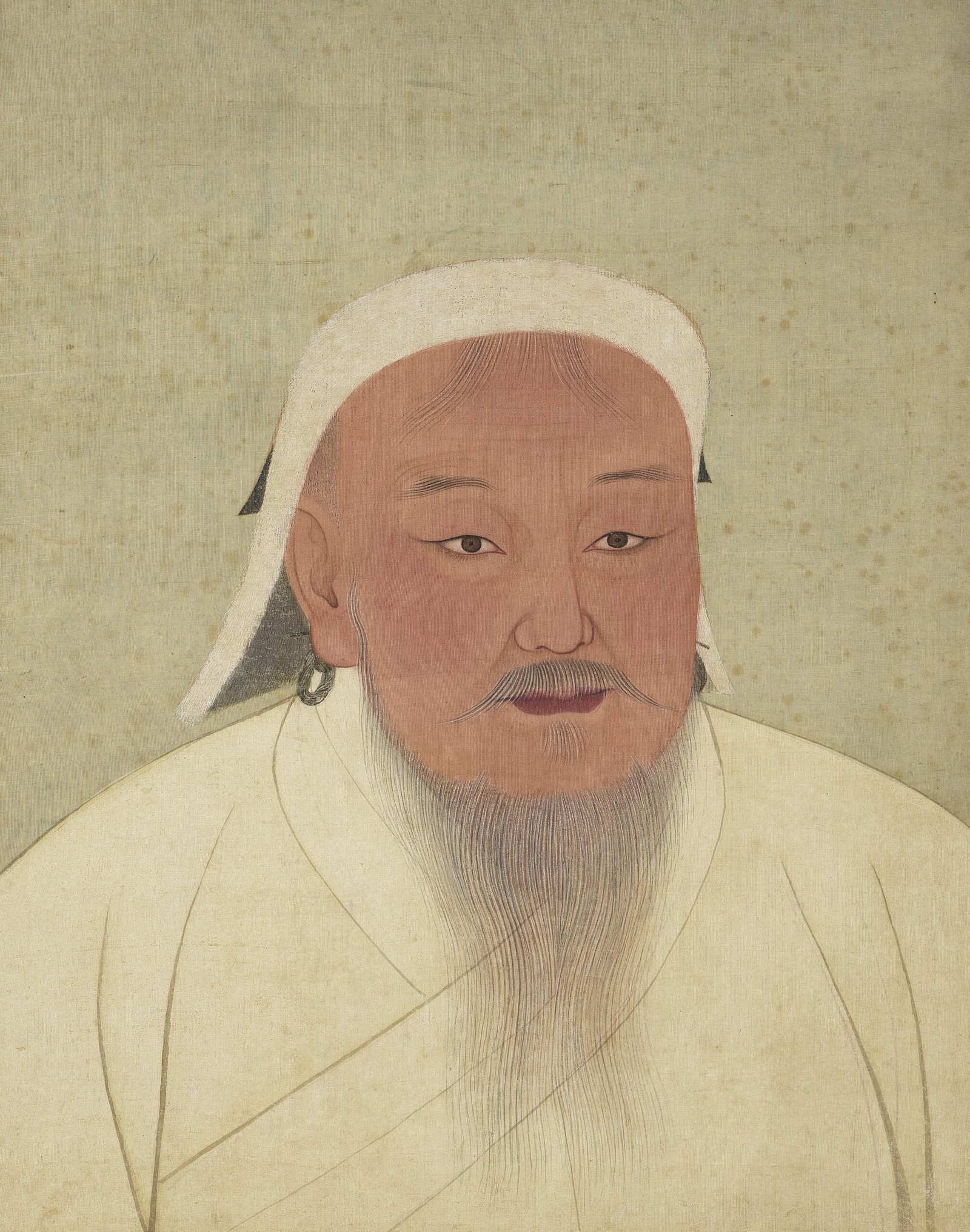
Genghis Khan, born as Temüjin in 1162, united the Mongolian tribes and founded the Mongol Empire, which became the largest contiguous empire in history. His innovative military tactics, meritocratic leadership style, and emphasis on trade and communication transformed the regions he conquered. Genghis Khan’s use of psychological warfare and adaptability in battle set new standards in military strategy. His establishment of the Yam system, a sophisticated communication network, fostered trade and connectivity. Genghis Khan’s legacy is a testament to the power of unity and strategic thinking in leadership, demonstrating how vision and innovation can create lasting change.
Mahatma Gandhi

Mahatma Gandhi is celebrated for his role in leading India to independence through nonviolent resistance. His philosophy of Satyagraha, or truth-force, inspired movements for civil rights and freedom across the globe. Gandhi’s ability to mobilize masses and promote peace over violence showcased the power of moral leadership. His commitment to nonviolence and social justice resonated with people worldwide and highlighted the strength of peaceful protest. Gandhi’s humility and dedication to the cause of independence and equality earned him respect and admiration. His legacy continues to resonate in contemporary social justice movements, reminding us of the enduring power of nonviolent resistance.
Nelson Mandela

Nelson Mandela’s leadership in the fight against apartheid in South Africa is a powerful example of resilience and forgiveness. After spending 27 years in prison, he emerged as a symbol of hope and reconciliation. Mandela’s commitment to equality and justice, along with his ability to unite a divided nation, solidified his status as one of the greatest leaders in history. His approach to leadership emphasized empathy and understanding, fostering unity and healing in a fractured society. Mandela’s ability to forgive and move forward set a powerful example for conflict resolution. His legacy emphasizes the importance of empathy and understanding in leadership, inspiring future generations to strive for equality and justice.
Winston Churchill

Winston Churchill served as the Prime Minister of the United Kingdom during World War II and is renowned for his steadfast leadership during one of the darkest periods in history. His speeches and radio broadcasts inspired a nation to persevere against the odds. Churchill’s ability to communicate effectively and rally support was crucial in maintaining morale during the war. His unwavering determination and vision inspired confidence and courage in the face of adversity. Churchill’s leadership style exemplifies the significance of determination and vision in overcoming challenges. His legacy endures as a symbol of resilience and strength in times of crisis.
Martin Luther King Jr.

Martin Luther King Jr. was a pivotal figure in the American civil rights movement, advocating for equality through nonviolent protest. His famous “I Have a Dream” speech encapsulated his vision for a racially integrated and harmonious America. King’s ability to articulate the struggles of African Americans and inspire collective action was instrumental in bringing about significant social change. His commitment to justice and equality resonated with people across the nation, sparking a movement that transformed society. King’s legacy serves as a reminder of the power of courage and conviction in leadership, inspiring future generations to continue the fight for equality and justice.
Cleopatra

Cleopatra VII, the last active ruler of the Ptolemaic Kingdom of Egypt, was a skilled diplomat and strategist. Her alliances with powerful Roman leaders like Julius Caesar and Mark Antony were pivotal in maintaining her kingdom’s independence. Cleopatra’s intelligence, political acumen, and ability to navigate complex power dynamics made her a formidable leader in a male-dominated world. Her strategic use of alliances and political tactics exemplified her adaptability in a changing landscape. Cleopatra’s story highlights the importance of adaptability and negotiation in leadership, showcasing how intelligence and diplomacy can preserve sovereignty and influence.
Abraham Lincoln

Abraham Lincoln, the 16th President of the United States, is best known for leading the country during the Civil War and working to end slavery. His leadership was characterized by a commitment to unity and equality, as he sought to heal a divided nation. Lincoln’s eloquence and moral conviction inspired countless individuals and laid the foundation for civil rights advancements in the years to come. His ability to empathize and communicate effectively fostered a sense of hope and determination in a time of turmoil. Lincoln’s legacy underscores the significance of integrity and empathy in leadership, serving as a guiding light for future generations.
Margaret Thatcher

Margaret Thatcher, the first female Prime Minister of the United Kingdom, was a transformative figure in British politics. Known as the “Iron Lady,” she implemented significant economic reforms and took a strong stance against communism during the Cold War. Thatcher’s leadership style was marked by decisiveness and resilience, challenging traditional norms and paving the way for future female leaders. Her unwavering commitment to her principles and ability to make tough decisions demonstrated her strength as a leader. Thatcher’s legacy emphasizes the importance of courage and conviction in leadership, inspiring women and leaders worldwide to break barriers and effect change.