


- 15 Forgotten Musical Instruments That Deserve a Comeback on Today’s Charts - March 25, 2026
- 10 Most Iconic American Books Ever Written - March 25, 2026
- 10 Little-Known Gardening Secrets That Professional Growers Swear By - March 25, 2026
There’s something almost rebellious about the word “indie.” It started as a practical description – music released on independent labels, away from the big-money machinery of major labels. Then it became something bigger. A sound, a spirit, a whole way of seeing music. And the bands that truly embodied that spirit? They didn’t just fill venues. They rewrote the rules.
Some of these artists were never supposed to make it. No radio support, no major-label budgets, no carefully packaged pop image. Just raw talent, stubbornness, and an uncanny ability to connect with people who felt a little outside of everything. The history of indie music is the history of outsiders becoming legends. Let’s dive in.
1. The Smiths: The Original Poster Boys of British Indie
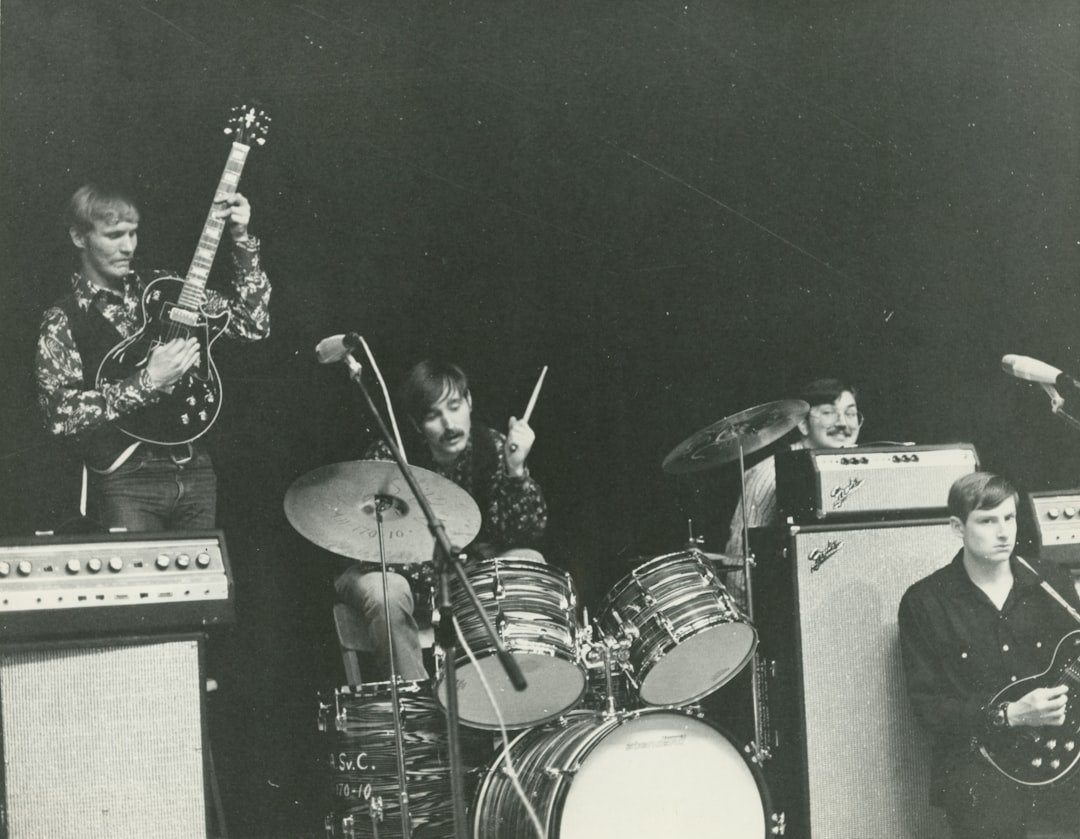
Here’s the thing about The Smiths – they were never commercially dominant, yet they became one of the most culturally permanent bands in rock history. Built around the legendary partnership of guitarist Johnny Marr and singer-lyricist Morrissey, and backed by bassist Andy Rourke and drummer Mike Joyce, The Smiths pioneered a distinctly British strain of rock music, pairing jangling guitar lines with infinitely quotable lyrics.
The quartet were together for just five years but are responsible for one of the most iconic discographies in the history of modern rock, featuring classics such as The Queen Is Dead and Meat Is Murder.
Their music often delved into themes of alienation, love, and societal critique, resonating with those who feel out of place in the world. Their legacy as one of the greatest indie bands of all time is firmly established, solidifying their place in the pantheon of music history as pioneers of a genre that champions authenticity and emotional depth.
I think The Smiths remain genuinely shocking in this sense: they never scored a number one single in the UK during their lifetime, yet whole generations of songwriters have cited Morrissey’s lyricism as the reason they picked up a pen. That’s the kind of legacy no chart position can replicate.
2. R.E.M.: The Band That Built the Bridge to the Mainstream
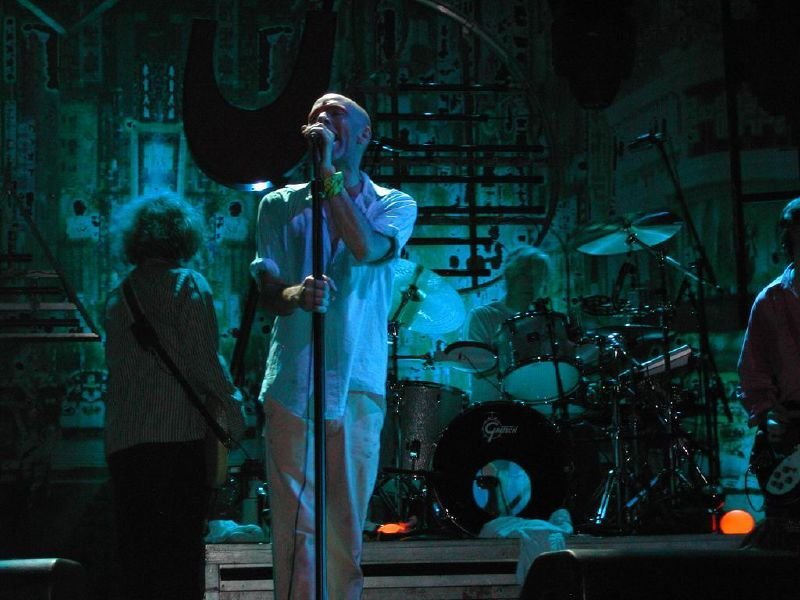
Before alternative rock was a marketing category, R.E.M. were quietly building the foundation for it from Athens, Georgia. Indie music first emerged as a term to describe DIY, guitar-based music released through independent record labels by artists who pitted themselves in direct opposition to the mainstream – and R.E.M. were one of the first to show that indie credibility and wider appeal could coexist.
They started on indie label I.R.S. Records and spent years honing a sound that felt simultaneously personal and universal. Their 1991 album Out of Time made alternative rock a globally viable commercial proposition – and it opened the floodgates. Bands from Nirvana to Coldplay have cited them as a key reference point.
R.E.M. stayed active from 1980 all the way until 2011, which is remarkable longevity for any band. The landscape of indie music vibrates with the rhythms of influential bands whose hits transcend the borders of the indie arena, charming listeners across the globe – and R.E.M. understood this before almost anyone else.
3. Arctic Monkeys: Sheffield’s Internet Age Explosion
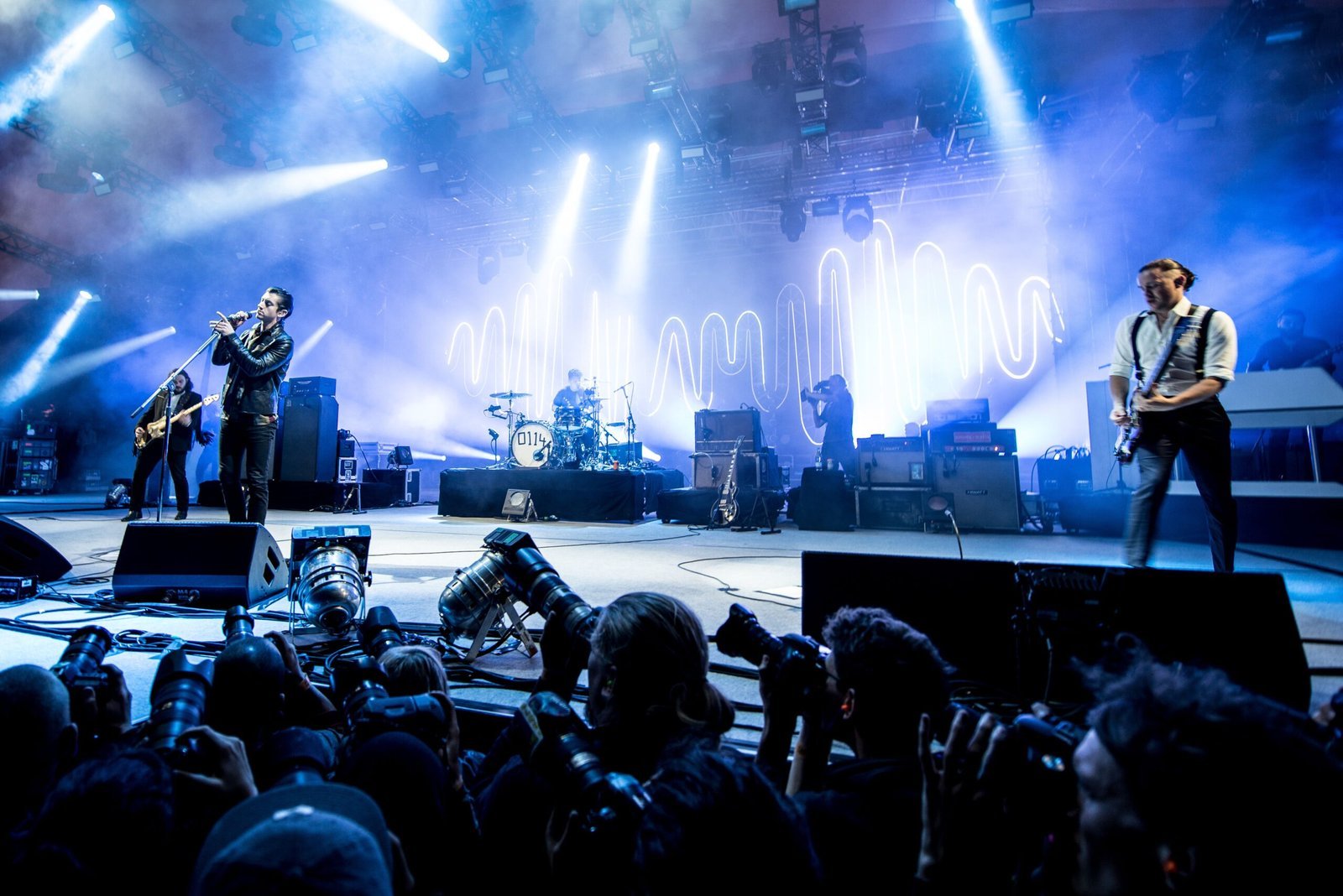
Forget the hype machine – Arctic Monkeys built their own. Forming in 2002, they frequently gave away free demo CDs to fans at gigs, which resulted in fans uploading the band’s music to social media sites, and as attention grew, the band garnered great demand from fans, the press, and the music industry.
Upon release, their debut became the fastest-selling debut album in British music history, selling over 360,000 copies in its first week, and remains the fastest-selling debut album by a band in the country. Think about that. Before streaming, before algorithms, before playlist curating – pure word-of-mouth spread through the early internet did that.
This helped their eventual debut album skyrocket in both the UK and US, revitalizing British indie rock in a digital age that had assumed its demise. Over the course of two decades, Alex Turner and co became one of the UK’s biggest indie bands, shifting over 8 million albums, including 1.5 million in the US and 5.6 million in the UK via their long-time label, Domino. Still going strong in 2026, with no real signs of slowing down.
4. The Strokes: New York Cool Personified
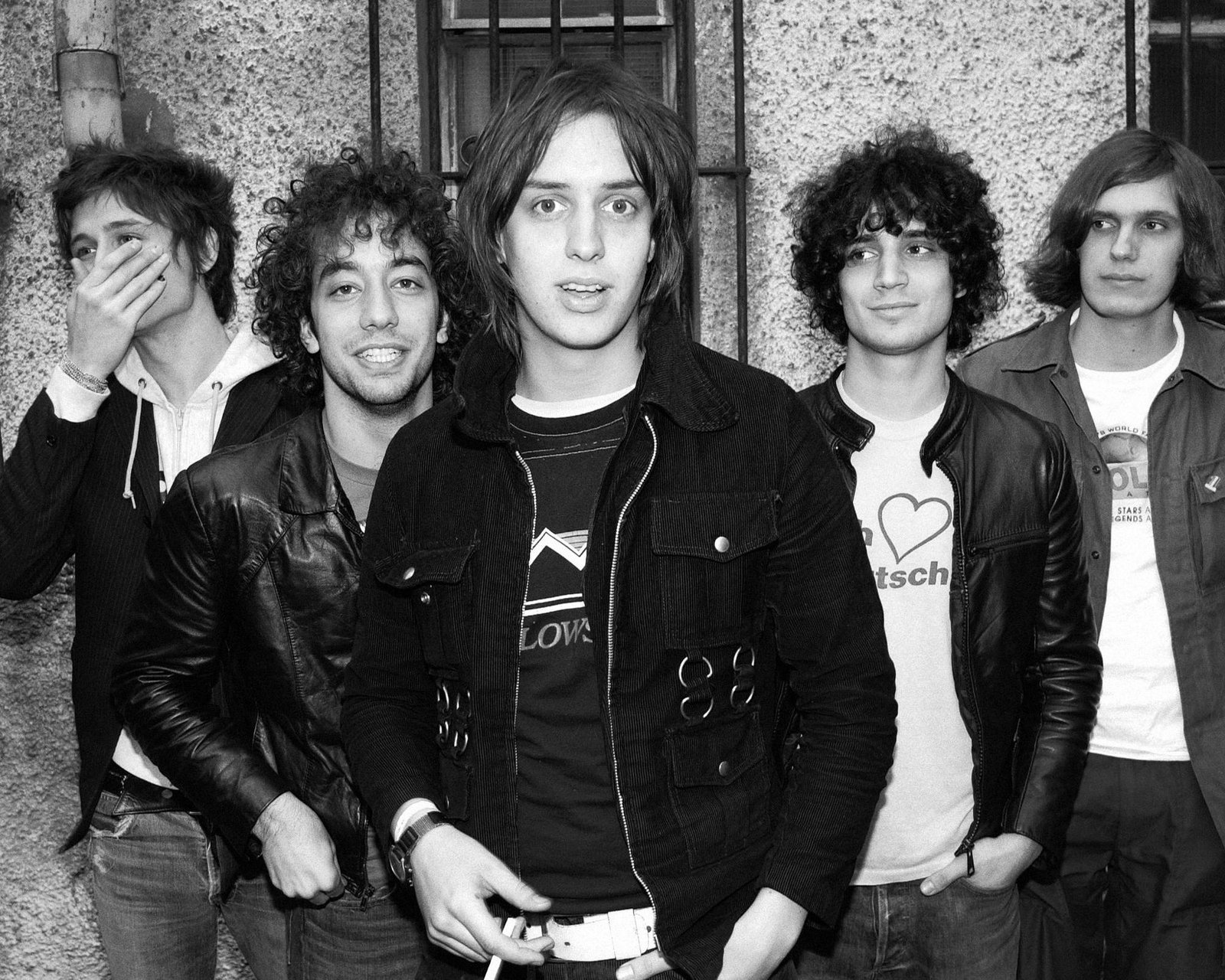
When Is This It landed in 2001, it felt like someone had opened a window in a very stuffy room. The Strokes didn’t reinvent rock – they distilled it. Five young New Yorkers in leather jackets and vintage shirts making music that sounded urgent, effortless, and slightly dangerous all at once.
The Strokes are an American indie rock band known for their distinctive sound and cultural impact, particularly in the early 2000s. Their debut album is widely considered one of the most influential records of that decade, sparking a garage rock revival that spread from New York to London and beyond. In some ways they were considered the American counterpart to Arctic Monkeys, due to their stylistic similarities and post-punk energy.
The ripple effect from Is This It is almost impossible to overstate. Franz Ferdinand, Arctic Monkeys, Interpol – an entire wave of critically beloved indie bands in the mid-2000s pointed directly back to The Strokes as a launching pad. That’s an extraordinary level of cultural influence for a debut record from a bunch of twenty-somethings from Manhattan.
5. Radiohead: The Restless Experimenters Who Never Stood Still
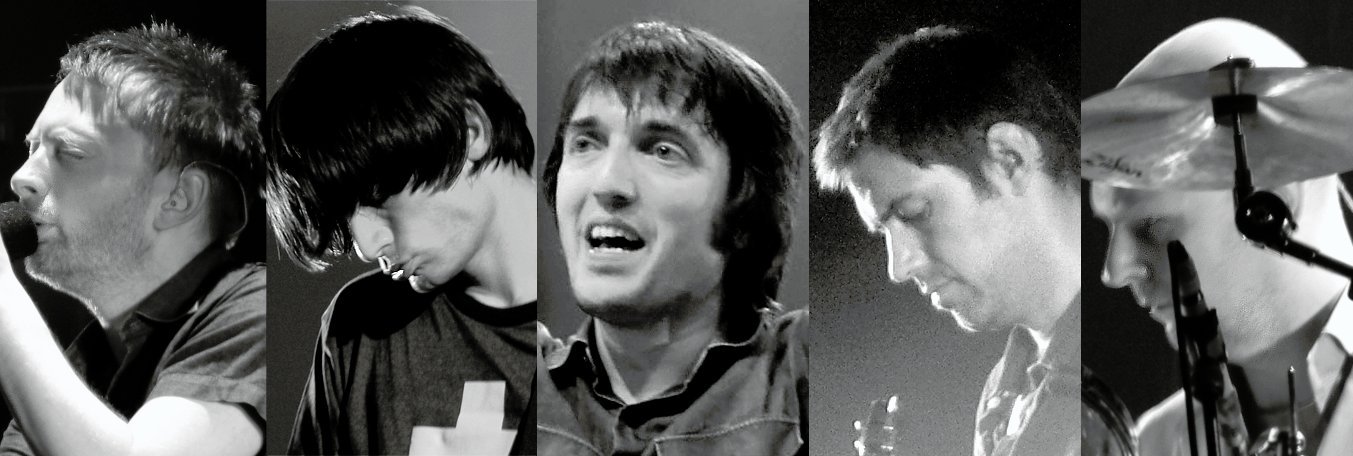
Image:Thom Yorke (Amsterdam).jpg by Michell Zappa
Image:CGreenwood2006-06Radiohead.jpg by Jesse Aaron Safir
Image:Jonny Greenwood (Amsterdam).jpg by Michell Zappa
Image:Radiohead in amsterdam.jpg by Michell Zappa
Image:Phil Selway.jpg by Michell Zappa, CC BY-SA 2.5)
Honestly, putting Radiohead in a list about “indie bands” almost feels reductive. They began as a fairly standard guitar rock band in Oxford in 1985, and somewhere along the way became one of the most adventurous and consistently extraordinary acts in modern music. Radiohead’s bold experimentation with unconventional song structures and thought-provoking themes garnered them worldwide acclaim.
The release of In Rainbows was a landmark use of the pay-what-you-want model for music sales. The pay-what-you-want release, the first for a major musical act, attracted international media attention and sparked debate about the implications for the music industry. Think of it like handing out music the way Arctic Monkeys once handed out demo CDs at gigs – just on a much, much larger scale.
In late 2008, about a year after the download was first made available, Warner Chappell, the band’s publishing company, announced that sales of In Rainbows reached three million copies. Not bad for an album people could technically download for free. Radiohead’s willingness to experiment – musically and commercially – set them apart from virtually every peer they ever had.
6. Arcade Fire: The Orchestra in the Room
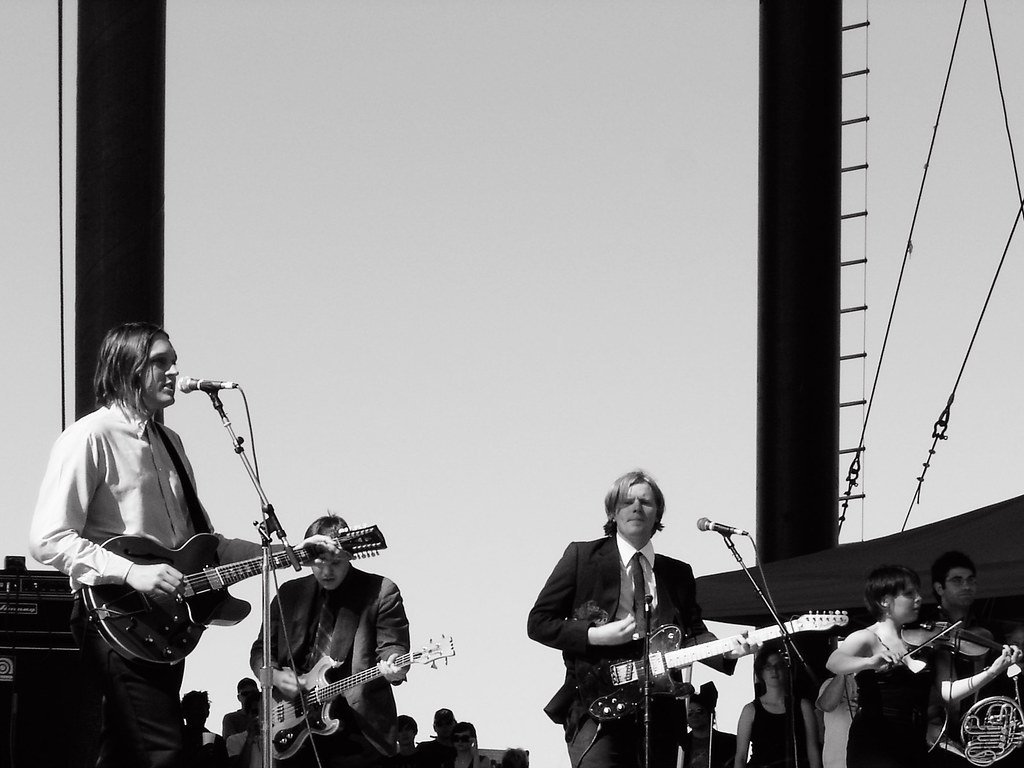
When Arcade Fire released Funeral in 2004, nobody quite knew what to do with them. A band from Montreal that used violins, cellos, hurdy-gurdies, and everything else they could find, making music that felt enormous and deeply personal at the same time. Utilizing strings, keyboards, assorted percussion, and horns alongside cutting-edge guitars led to an immensely large impact on the indie world.
With Funeral and The Suburbs both being near perfect albums, Arcade Fire found themselves in a small category of indie artists with two landmark records. In mastering their crafts as musicians, Arcade Fire remained royalty in the music world, still touring and putting on fantastic performances.
Their album The Suburbs won Album of the Year at the Grammy Awards in 2011 – a stunning achievement for a band rooted so deeply in the independent spirit. Few would have predicted that a sprawling, conceptual indie record about suburban anxieties would conquer music’s biggest night. It did. Arcade Fire became an emblematic band for twentysomethings who worship at the throne of indie rock.
7. The Cure: Gothic Royalty With Staying Power
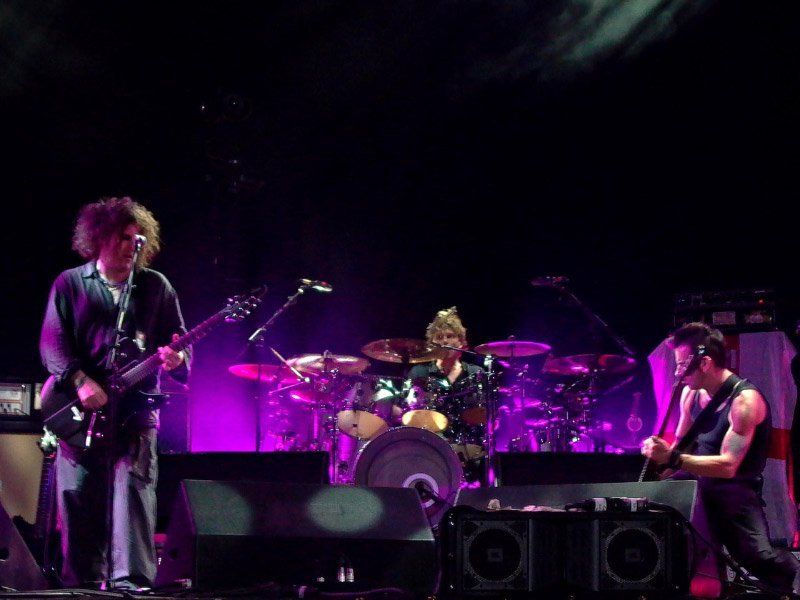
Few indie bands boast the enduring appeal of The Cure. Formed in Crawley in 1978, they were inducted into the Rock and Roll Hall of Fame in 2019 and have been cited as a key influence for artists as diverse as Nine Inch Nails, Deftones, and Phoebe Bridgers.
Emerging from the post-punk scene in the late 1970s, the group’s unique blend of gloomy lyrics and melodic tunes made them a staple in the world of indie music. Known for their lead singer’s haunting voice and iconic look, they’ve inspired countless musicians and gained a dedicated fanbase over their decades-long career. Their ability to evolve their sound while staying true to their roots has solidified their place as one of the most important bands in alternative music history.
Transfixing listeners with their deeply melodic mix of gothic rock, post-punk, and new wave, the Robert Smith-fronted outfit have sold more than 30 million albums worldwide. Their live shows, which regularly stretch beyond three hours, are things of genuine legend. Robert Smith’s look – the smeared lipstick, the wild hair, the black everything – became one of alternative culture’s most recognizable images. Ever.
8. The White Stripes: Two People, One Massive Sound

Let’s be real – the concept should not have worked. A duo. Just guitar and drums. No bass. Strict red, white, and black visual branding enforced at all times. Fronted by Jack White and featuring Meg White on drums, The White Stripes formed in 1997 and built a huge following before disbanding in 2011. Their minimalist take on garage rock and blues revival sold over seven million albums, with 2003’s Elephant shifting 3.6 million units alone.
Seven Nation Army became something far beyond a rock song. It became a stadium chant adopted by sports crowds around the world, one of those rare moments where underground music escapes into the broader culture and never comes back. That bass line – which isn’t even a bass line, it’s a guitar run through an octave pedal – is now one of the most recognized riffs on earth.
Jack continues as a hugely successful solo artist and label boss, running his own indie imprint Third Man Records. The White Stripes proved that less, done with extraordinary conviction, can be more than enough.
9. Vampire Weekend: The Ivy League Outsiders
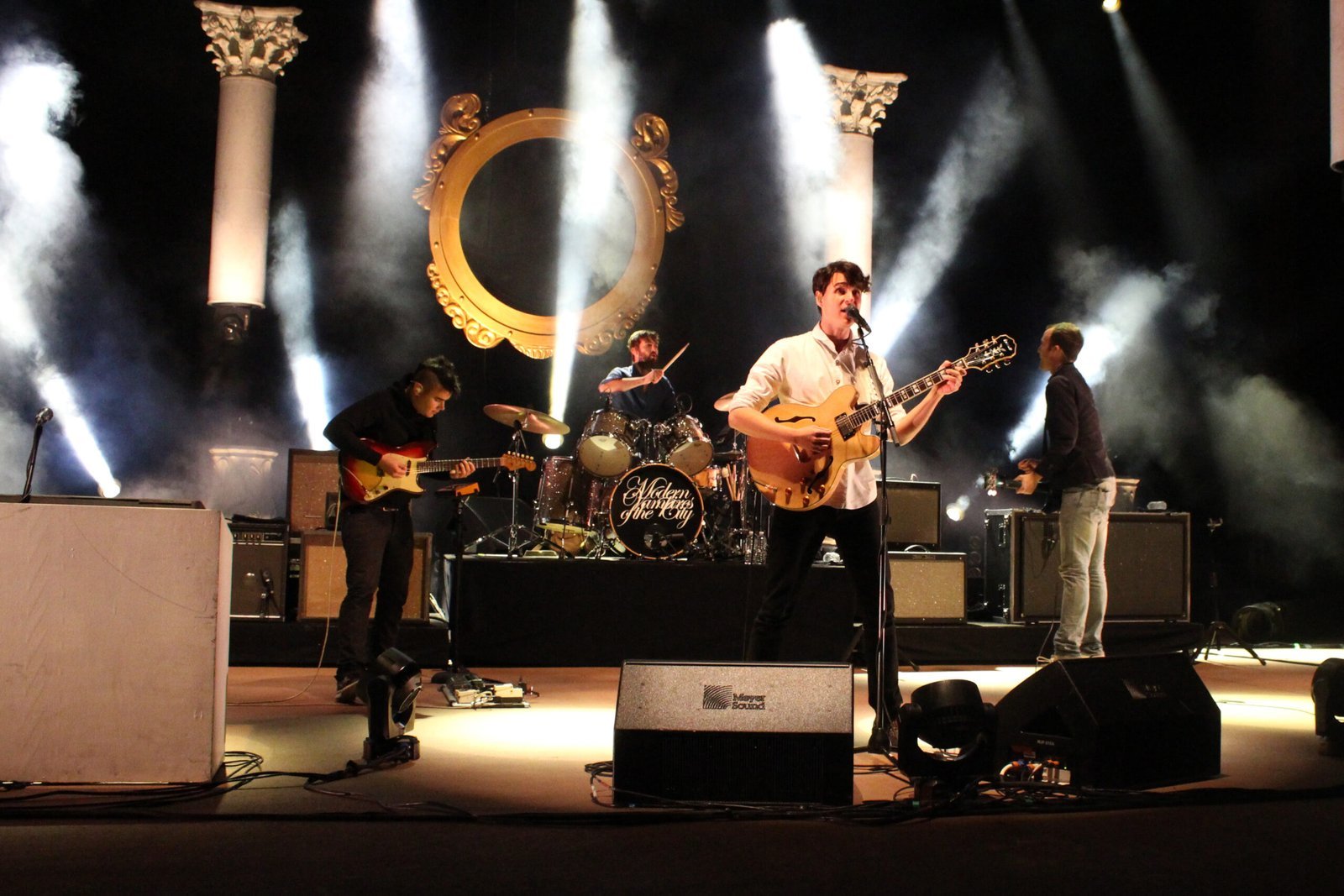
Vampire Weekend were easy to underestimate at first glance. Four guys from Columbia University making music that blended indie rock with Afro-pop rhythms and baroque arrangements. Their clean, preppy visual aesthetic seemed at odds with the rougher edges of indie culture. It was a strange, even slightly provocative combination. And it worked brilliantly.
The landscape of indie music vibrates with bands whose hits transcend the borders of the indie arena, charming listeners across the globe and finding a home in the heart of mainstream music. Vampire Weekend did exactly that, with their debut arriving in 2008 to widespread critical celebration and their 2019 album Father of the Bride earning a Grammy for Best Alternative Music Album.
Their sound is genuinely hard to pin down – which is probably why it endures. Think of it as if someone took a Talking Heads record, dipped it in West African guitar music, sprinkled in some Bach, and somehow made it feel like 2008 in New York City. They remain active today, and their influence on a new wave of genre-blending indie artists is increasingly clear.
10. Pixies: The Blueprint for a Generation

If you want to understand where a huge portion of alternative rock came from, you come back to Pixies. Their alternative rock sound influenced acts such as Nirvana, Radiohead, Modest Mouse, the Smashing Pumpkins, and Weezer. That is an extraordinary family tree.
Kurt Cobain cited the band as an influence on Nirvana’s “Smells Like Teen Spirit,” which he admitted was a conscious attempt to co-opt the Pixies’ style. The loud-quiet-loud formula that Nirvana helped popularize was perfected by the Pixies first. That single dynamic – whisper to a roar and back again – shaped an entire era of rock music.
Released in 1989, Doolittle by the Pixies is one of the most influential and greatest alternative rock albums of all time, influencing musicians such as Kurt Cobain and Thom Yorke. The Pixies’ popularity grew after their breakup, leading to a 2004 reunion and sold-out world tours. It’s a fitting tribute to a band that spent years being more influential than famous – until the world finally caught up with them.
Why These Bands Still Matter in 2026

Nikon case D300 optical Nikon 50mm F1,4, CC BY-SA 3.0)
Look at the lineup of any major festival today – Glastonbury, Coachella, Primavera Sound – and you will see the fingerprints of these bands everywhere. The spirit of independence, of doing things differently, of refusing to simply give people what the charts demanded, runs through all ten of them like a shared bloodline.
What unites every band on this list is not a genre or a sound. It is a refusal. A refusal to be ordinary. Some of them became enormously commercially successful along the way. Some remained cult figures who influenced far more people than ever bought their records. Either way, they changed the game.
Indie music in 2026 looks different from what it did in 1985 or 2001. The tools have changed. The distribution has changed. What hasn’t changed is the essential spirit these ten bands embodied – that music made with conviction and originality will find its audience, sooner or later. Sometimes it takes decades. Sometimes it takes a single debut album selling 360,000 copies in a week.
Which of these ten bands has had the biggest impact on music you love? The answer might surprise you more than you expect.

Besides founding Festivaltopia, Luca is the co founder of trib, an art and fashion collectiv you find on several regional events and online. Also he is part of the management board at HORiZONTE, a group travel provider in Germany.
