


For any feedback please reach out to info@festivalinside.com
- From Productivity to Happiness: The 17 Best Self-Help Books to Inspire You - December 21, 2025
- The Greatest One-Man Shows of All Time—Solo Performances That Left Audiences in Awe - December 21, 2025
- The Greatest Icons in Human History—Who Left the Biggest Legacy? - December 21, 2025
A Decade Defined By Record Breaking Crowds
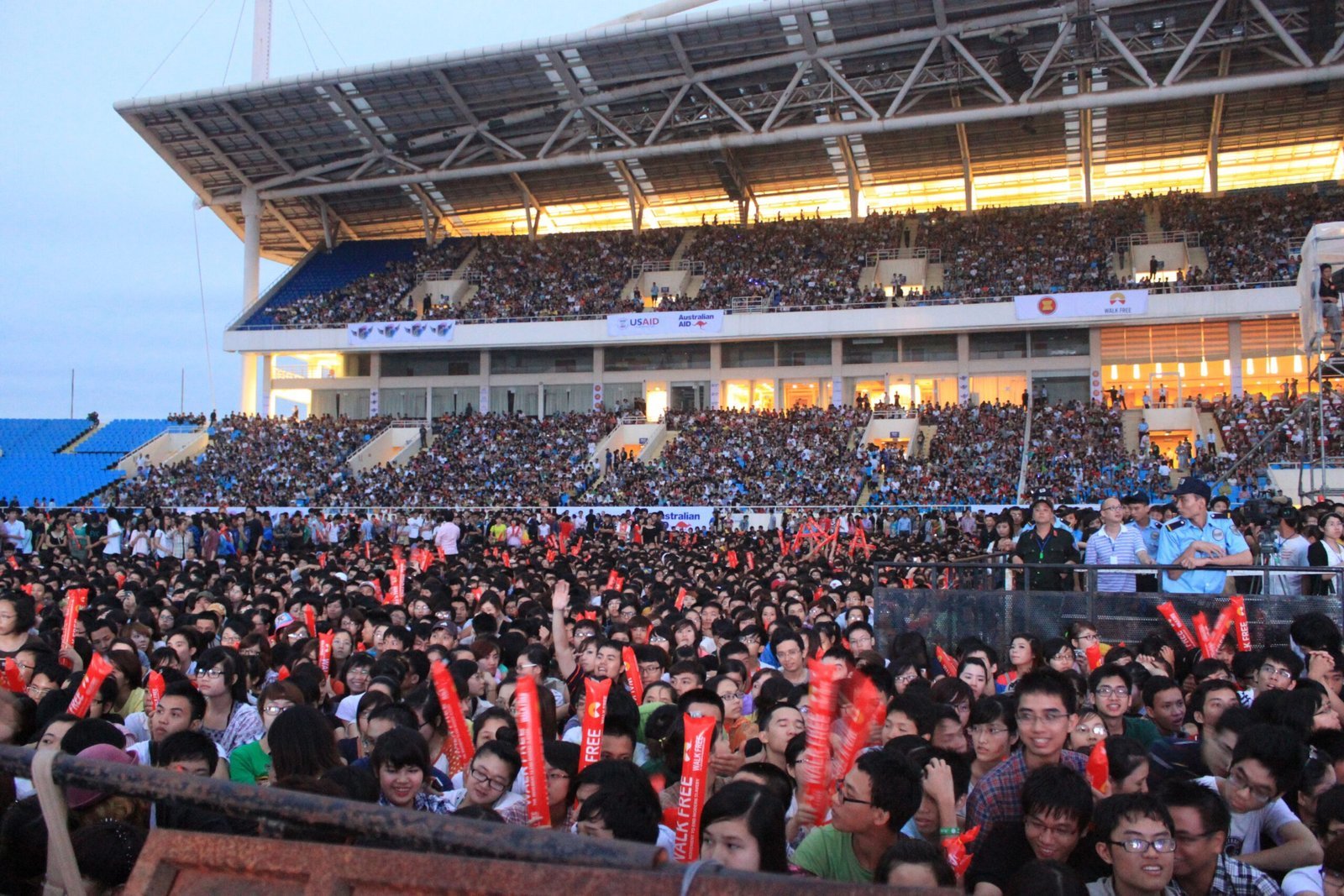
The last ten years completely changed what we think a concert can be, turning single nights into massive cultural moments that people still talk about years later. When you look at the biggest shows of the decade, you are not just counting how many people showed up, you are really seeing how music, social media, and global fandom collided in a way that felt almost unreal. Huge open air venues, sprawling festival grounds, and giant city parks became temporary cities filled with fans, food stalls, drones, giant screens, and sometimes even helicopters circling overhead just to capture the scale. I still remember the first time I saw aerial photos of some of these crowds and my brain almost refused to believe that many people could stand in one place without the earth tipping over. These shows were not just big concerts, they were emotional lifelines for people who had saved for months, traveled across borders, or queued all night just to stand a few meters closer to the stage. For many fans, the memory of being there almost feels more like a movie than real life, with bright lights, screaming voices, and the buzzing feeling in your chest when the first chord rings out and the whole crowd jumps at once. That is the magic that ties all of these giant concerts together, no matter which artist was on stage or what city the stage was built in.
At the same time, the last decade made it clear that size is not only about bragging rights, it is about logistics, safety, and responsibility on a scale that can easily go wrong if even one detail is missed. Stadiums and fields that once felt enormous suddenly started looking small compared to crowds that stretched far beyond the usual fences, pushing promoters and city officials to rethink crowd control, transport, and emergency plans. Some events of this era also became tragic reminders of how fragile that balance can be, and how quickly joy can turn to chaos if planning, communication, or respect for limits breaks down. Looking back, the biggest concerts of the last ten years tell two stories at once, one about the beautiful power of shared experience, and another about the constant work needed to keep people safe when passion and scale collide. It is that mix of wonder and tension that makes these events so fascinating to revisit now, with a bit of distance and perspective.
Garth Brooks And The Country Stadium Takeover
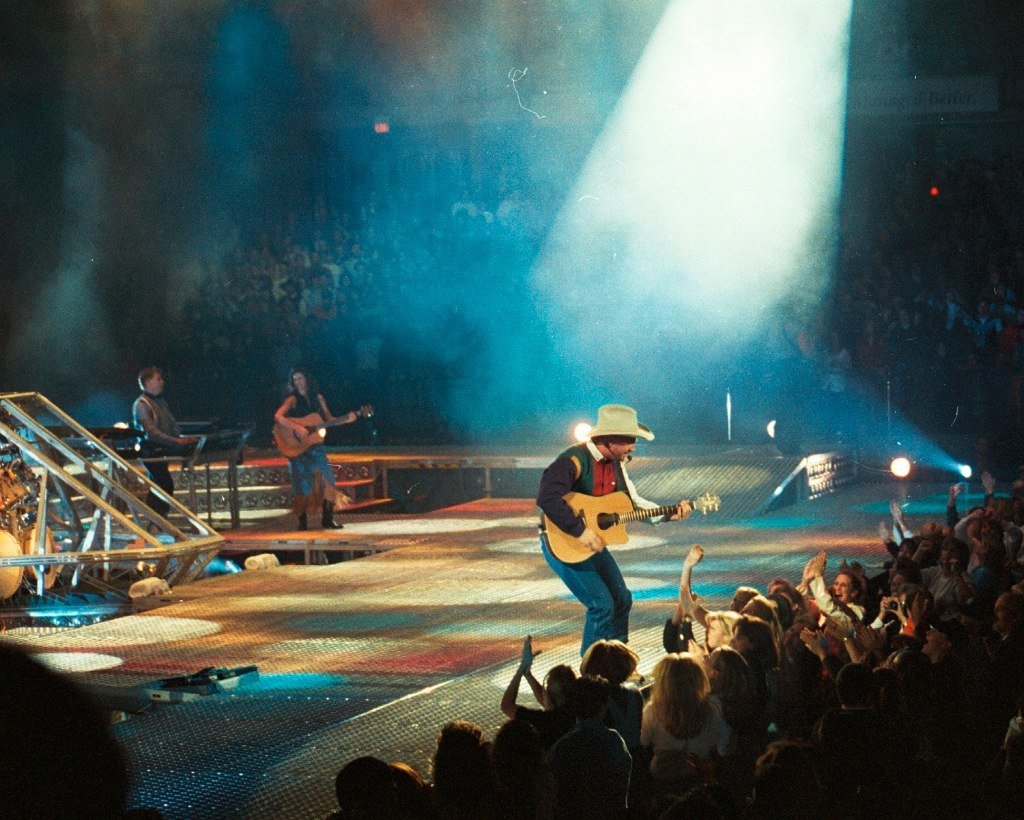
One of the most surprising giants of the last decade, at least for people outside the United States, was the absolutely huge draw of Garth Brooks and his stadium tours. While pop and rock superstars often get the global headlines, country music quietly filled massive football arenas across America, with Brooks regularly selling out places that usually only fill up for the biggest sports finals. During his multi year stadium run, nights at venues like AT And T Stadium in Texas and Notre Dame Stadium in Indiana pulled in crowds that pushed well past the seventy thousand mark, turning what used to be regional country gatherings into national mega events. The thing that stands out about these shows is that they did not rely on wild stage tricks or futuristic projections, they leaned heavily on sing along power and a kind of classic American storytelling that clearly still hits home for a huge number of people. I remember seeing clips online where the crowd was almost louder than the sound system during the big choruses, and for a moment the artist on stage looked like just one more fan in a roaring sea of cowboy hats, denim, and homemade signs. When you realize how many nights like that he stacked together across the country, you start to understand why these concerts belong in any list of the biggest of the last decade.
From a human point of view, there is something oddly comforting about seeing an artist who first broke through in the nineteen nineties still commanding those kinds of numbers in the twenty twenties. It proves that while music trends move fast on streaming platforms, live loyalty moves much more slowly, almost like a long marriage between performer and audience that gets stronger with time. Fans at these shows often came in full families, with parents who grew up on the early albums standing next to teenagers who discovered the songs on playlists, and even grandparents who probably never imagined they would be shouting lyrics with seventy thousand strangers at night. That multigenerational feeling might not look as flashy as a futuristic pop spectacle, but it builds a thick emotional glue that fills a stadium in a different way. In that sense, Garth Brooks showed that bigger is not only about how many people walk through the gates, it is also about how deeply those people feel connected to the person holding the microphone.
Ed Sheeran And The Mathematics Of Massive Tours
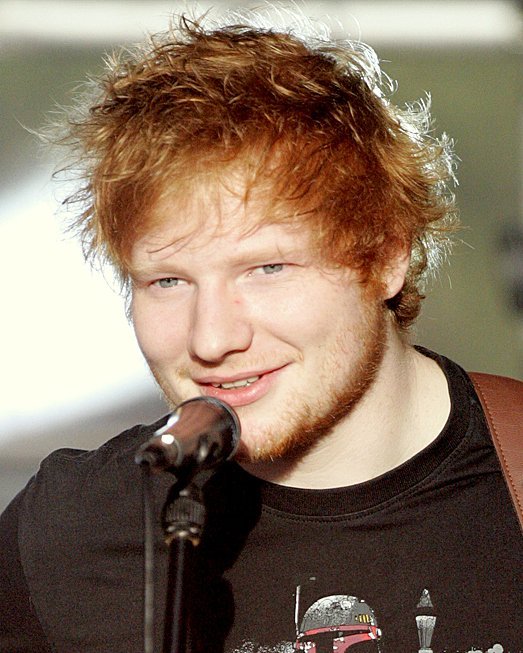
Ed Sheeran almost accidentally became one of the defining stadium artists of the last decade, proving that you do not need a band, wild choreography, or a giant costume budget to pull gigantic crowds. With his Divide tour and the later Mathematics themed shows, he consistently packed football stadiums across Europe, North America, Asia, and beyond, often playing in the round on a circular stage that gave tens of thousands of people a clear view. Some single nights saw attendance climb near the ninety thousand mark, especially in countries where outdoor stadiums could be opened fully and extra standing sections added around the pitch. The strange part is that the core of the show was still just one man, a guitar, and a loop pedal, building songs live in front of audiences that would normally expect a full rock or pop band. I remember thinking how vulnerable that setup looked in photos, like putting a campfire in the middle of a huge parking lot and trusting that it would still keep everyone warm.
What really drove the size of these concerts was the way Sheeran managed to blend soft singer songwriter intimacy with big festival friendly hooks that entire stadiums could shout back at him. Couples treated the shows like giant date nights, groups of friends built trips around tour stops, and in many cities demand was so intense that extra dates had to be added just to soak up the interest. You could feel that his songs had become soundtrack pieces for people’s lives, used in weddings, breakups, long bus rides, and late night study sessions, so hearing them with seventy thousand others felt like sharing pieces of your own story out loud. In that way, the huge numbers were almost a side effect of something quieter and more personal. It shows how, in this last decade, word of mouth and emotional connection could still beat huge marketing campaigns when it came to filling the very biggest venues on the map.
Coldplay Turning Stadiums Into Technicolor Galaxies
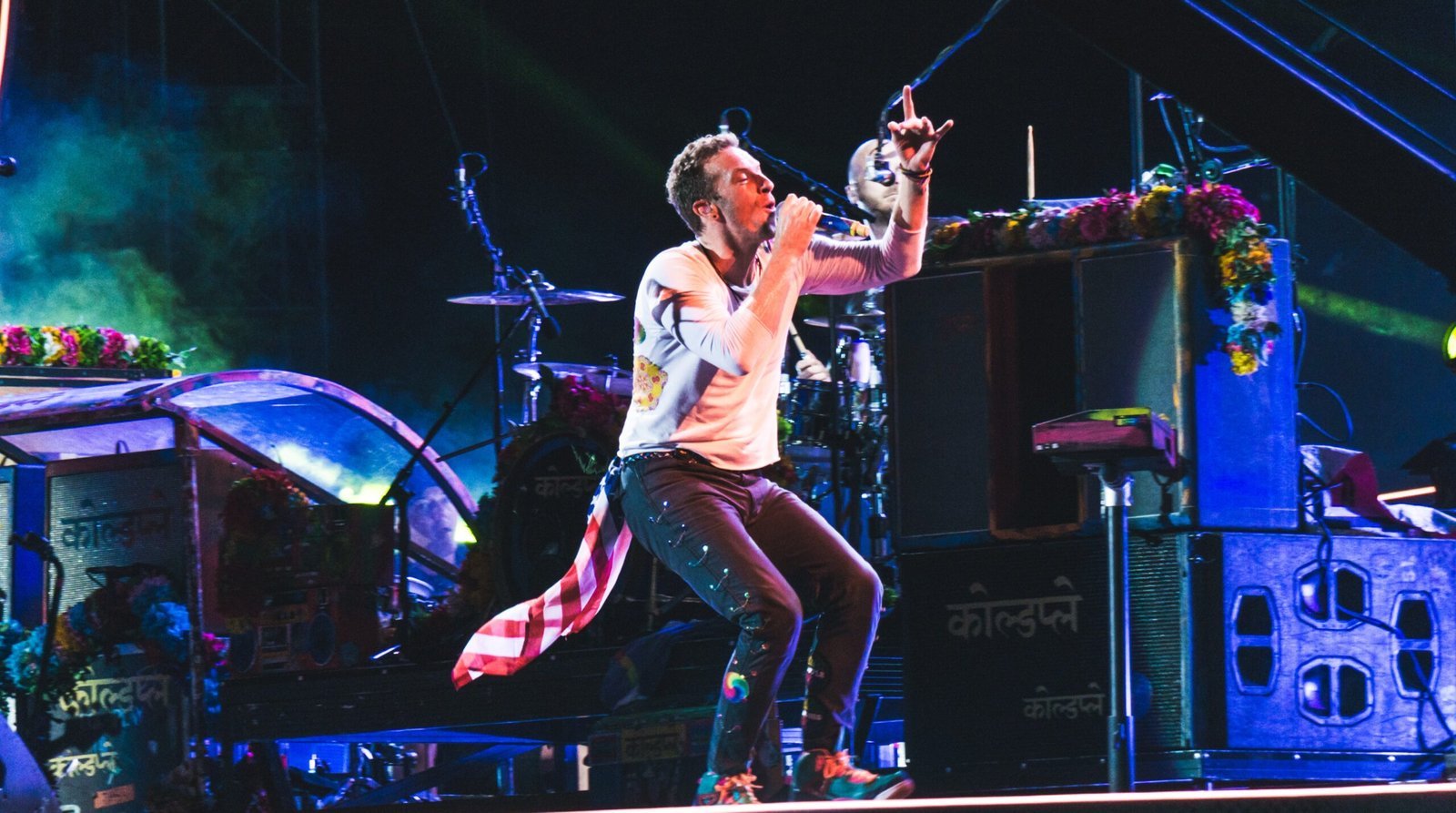
Coldplay spent the last decade perfecting the art of turning stadiums into glowing, moving oceans of light, and that visual magic helped push their biggest concerts into truly enormous territory. On tours like A Head Full Of Dreams and Music Of The Spheres, nights in places like Buenos Aires, São Paulo, and Mexico City regularly pulled in vast crowds that, once you added floor standing sections, could rival a medium sized town in population. The band leaned hard into the idea that a show should be more than just watching musicians on a far off stage, handing out glowing wristbands that lit up in timed patterns, so that thousands of tiny lights across the stands became part of the choreography. From above, those concerts looked almost unreal, like someone had wrapped a galaxy around a football field and then set it gently pulsing to the beat. I remember watching fan videos where the camera turned away from the band and just panned slowly across the crowd, and honestly, that view felt just as emotional as the sight of the stage.
On top of the spectacle, Coldplay also wove in a strong focus on environmental responsibility in the later part of the decade, promising to cut emissions from touring and experiment with cleaner power sources for their shows. That meant some of the biggest concerts in the world were also test beds for portable solar installations, kinetic dance floors, and other ideas that tried to balance large scale entertainment with a lighter footprint. It is easy to roll your eyes at big promises from famous bands, but seeing entire stadiums light up using systems designed to use less energy did send a subtle but powerful message. Fans were not just passive consumers, they were an active part of a shared experiment in doing things differently. Put together, those elements made their massive shows feel like a mix of festival, art installation, and community rally, which is one reason they stand out so clearly when you look back at the last decade of giant concerts.
BTS And The Global Power Of K Pop Fandom

No look at the makes sense without talking about BTS, because their rise completely rewrote the rules about language, geography, and fan power. During their stadium runs, especially between 2019 and the early twenty twenties, they sold out massive venues in cities like Los Angeles, London, São Paulo, and Seoul, often adding second or third nights as demand flooded in beyond anything promoters had predicted. Single shows drew tens of thousands of people, and when you looked at a full run at one stadium, the combined attendance numbers reached levels earlier generations of artists could only dream about. What really made these concerts stand out, though, was not just the raw numbers, but the intensity and organization of the fan base, with coordinated light stick colors, chant sections, and even synchronized fan projects in the stands. It felt less like a typical concert and more like a carefully layered emotional ceremony where everyone in the building knew their role by heart.
Watching footage from those nights, you can see how deeply the connection ran between the group and the crowd, even when most of the lyrics were not in the local language. Fans from different countries swapped hand made signs, translated messages for each other, and stayed long after the last song just to keep singing together in the parking lots. I remember reading stories of people flying across continents, pooling savings, and sleeping in line for days just to get into these shows, which explains why the atmosphere felt almost overwhelming once the lights went down. Those concerts showed that in the streaming era, where social media can carry a song around the planet in hours, the idea of a local scene is almost quaint. A group that started on the other side of the world could walk onto a stadium stage in the United States or Europe and be greeted like returning hometown heroes, purely because the digital bond had already been built. That shift in how fandom forms and travels is a big part of why BTS concerts became some of the defining giant events of the decade.
Taylor Swift And The Era Shaping Stadium Runs
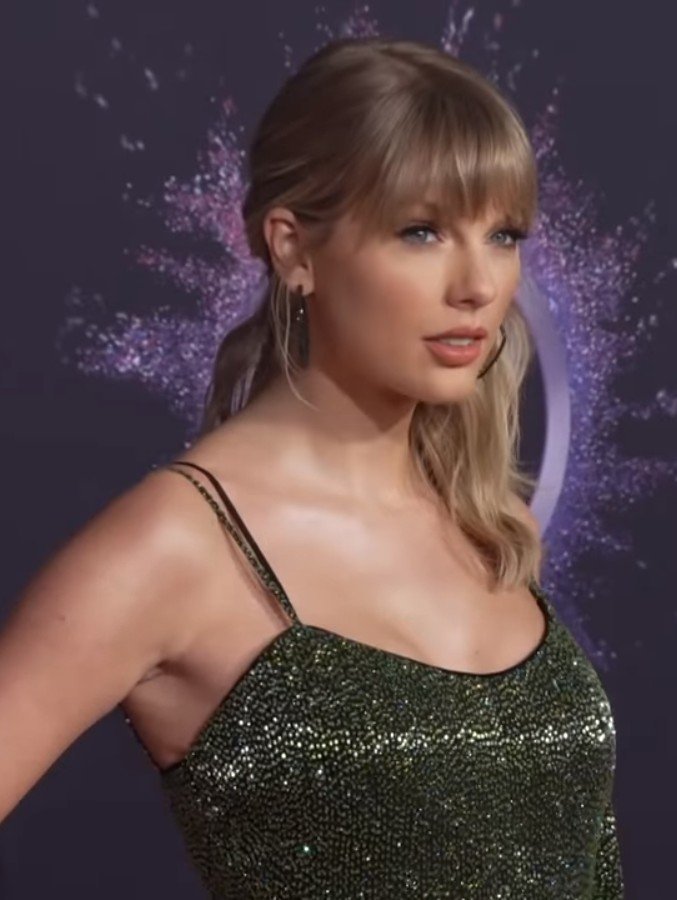
Taylor Swift spent the last decade turning her tours into something closer to cultural seasons than simple concert runs, and her biggest shows became events that dominated entire cities for days. On the Reputation tour and even more dramatically on the later Eras tour, she filled huge American football stadiums and large international venues, with nightly attendance pushing into the sixty and seventy thousand range and multiple nights often added in the same city. What struck me most about these concerts was how deeply prepared the crowds were, with fans knowing costume changes, surprise song patterns, and even inside jokes that might show up in stage banter. It felt like watching a living encyclopedia come to life, each era getting its own visual world and set of memories that the audience was eager to revisit out loud. The sheer length of the shows, often stretching well over three hours, also meant that by the time the final confetti fell, people felt like they had been through an emotional marathon together.
These concerts had a big economic ripple as well, with hotels filling up, local businesses running themed nights, and city authorities sometimes publicly thanking her team for the wave of visitors. That spillover effect turned large venues into temporary hubs of tourism and celebration, and in some places you could spot friendship bracelets and glitter outfits on trains and buses miles away from the stadium long before doors opened. On a more personal level, many fans treated these shows like milestones, traveling with friends they had met online, reuniting with siblings, or even planning big life moments around tour dates. The crowds were not just big, they were heavily invested, emotionally and financially, which created a unique sense of commitment inside the stadiums. For that reason, even in a decade full of giant concerts, Taylor Swift’s biggest nights stand out as some of the clearest examples of what happens when storytelling, branding, and fan culture all hit top speed at the same time.
U2 And The Art Of Building Moving Cities
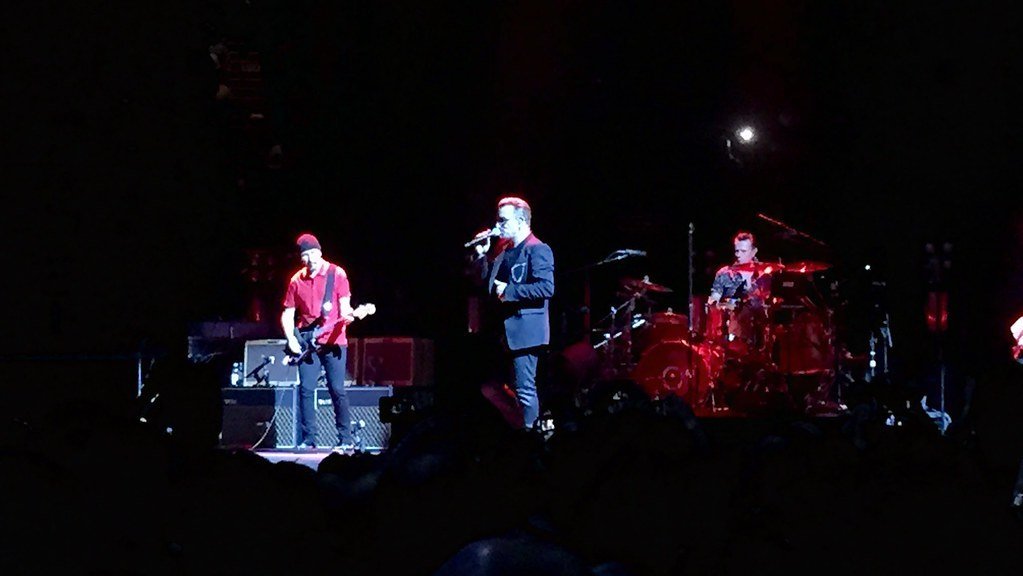
U2 have been stadium veterans for decades, but their work in the last ten years, especially with the Joshua Tree anniversary shows and later large scale productions, kept them squarely in the conversation about the biggest concerts on earth. They rolled through massive venues in Latin America, Europe, and North America, with nights in places like São Paulo and Mexico City drawing crowds that filled every available seat and field space. The band has a habit of designing stages that feel like alien ships landed in the middle of familiar sports arenas, towering over the stands with screens so large that even the farthest seats can catch every detail. Seeing photos of those shows, you almost get the sense of a temporary city being built and then dismantled overnight, cranes and trucks working like an army of ants to make sure everything is ready when the gates open. For many fans, the show began long before the first chord, as they watched the structure rise day by day over the stadium walls.
What makes U2’s large concerts interesting in this past decade is how they mixed nostalgia and current concerns, using older hits as anchors while weaving in themes of human rights, migration, and political uncertainty. In huge crowds, those messages can either feel preachy or deeply moving, and for a lot of people, hearing them in a stadium setting gave the songs fresh weight. I think part of the draw was the sense that you were not just attending entertainment, you were sharing in a kind of rolling civic gathering, with tens of thousands hearing the same words at the same time. When a band with that long a history can still fill enormous venues, it proves that the appetite for big, earnest rock shows has not vanished in the age of fragmented playlists. Their biggest shows of the last decade might not have been the flashiest compared to some younger acts, but they carried a kind of steady, grounded power that makes them an important part of this story.
Rammstein And The Spectacle Of Fire And Steel
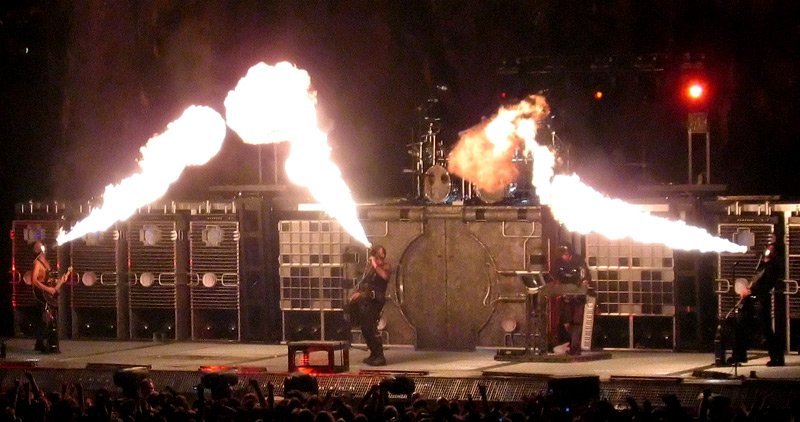
In Europe and parts of Latin America, Rammstein quietly, or really not quietly at all, became one of the biggest live draws of the last decade, with concerts that felt like industrial theater on a scale few others even attempted. Their stadium shows in cities like Moscow, Berlin, and Mexico City drew gigantic crowds that packed football grounds almost to bursting, all waiting to see just how far the band would push its obsession with pyrotechnics this time. The stage often looked like a factory crossed with a cathedral, with towering metal structures, flame jets, and moving platforms that turned each song into a strange, heavy, unforgettable ritual. Even people who did not speak German found themselves shouting along, mostly because the physical sensation of being in that environment was so intense that language almost stopped mattering. I once heard someone compare a Rammstein concert to standing inside a controlled volcano, and honestly, from the footage and fan reports, that does not sound exaggerated at all.
The sheer scale of heat, light, and sound at these shows required meticulous planning, and it is a reminder that being one of the biggest live acts is not only about ticket sales, but also about the engineering muscle behind the scenes. Safety teams, fire marshals, and technical crews had to move in perfect coordination so that the flames stayed thrilling but never truly dangerous for the tens of thousands of people watching. Those logistics gave the concerts an extra layer of intensity, because you knew that a massive amount of trust sat underneath all that smoke and fire. For fans, attending one of these nights was almost a rite of passage, something you told stories about afterward like you had visited another planet. In a decade where many artists leaned on screens and digital tricks, Rammstein reminded everyone that raw physical spectacle, carefully controlled, could still pack stadiums and leave a permanent mark on people’s memories.
Rock In Rio And The Festival As A Mega Concert Machine
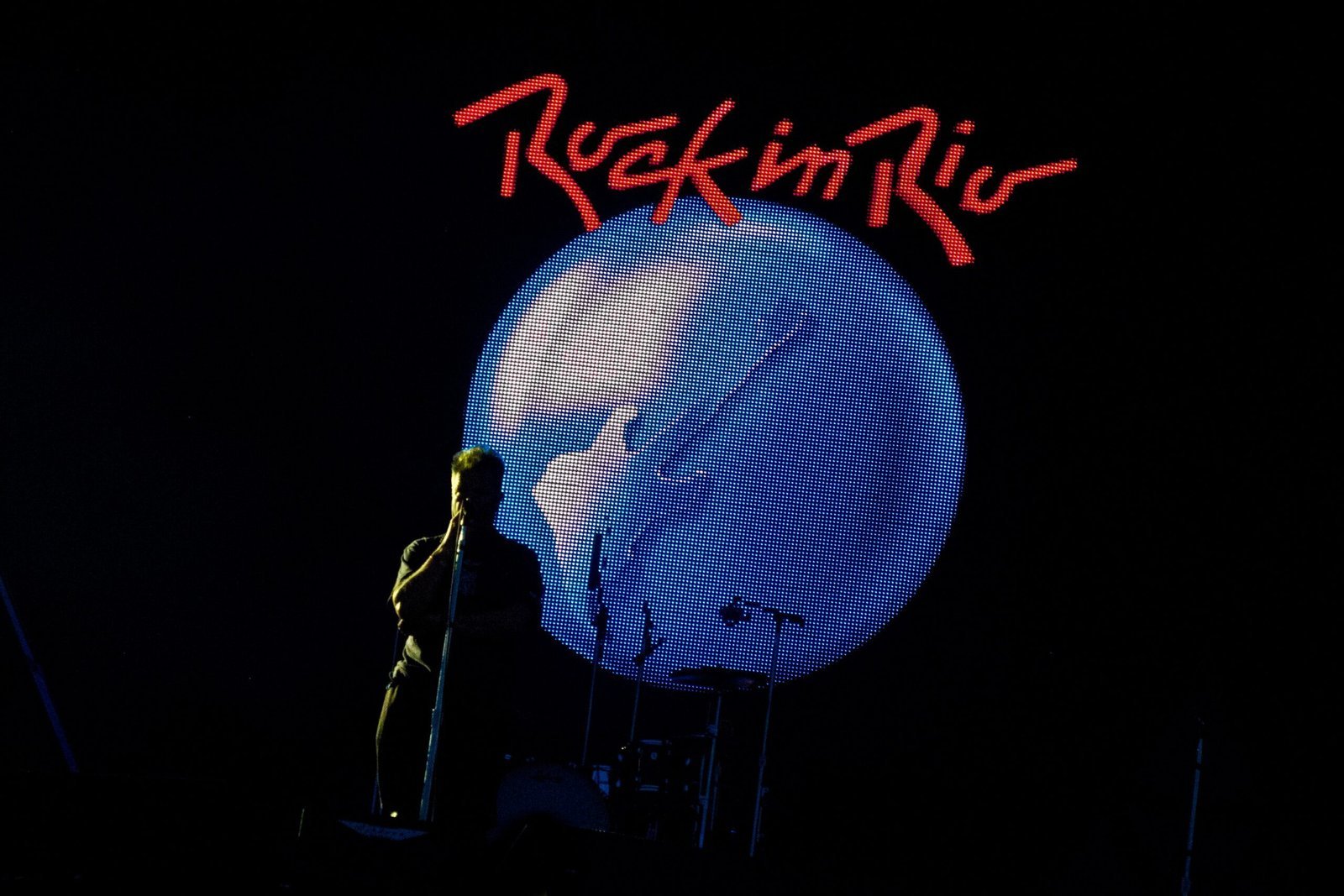
While this list mostly focuses on single artist tours, it would feel wrong to ignore the role of huge festivals like Rock In Rio, which, in the last decade, regularly gathered crowds that matched or even exceeded many standalone stadium shows. In Rio de Janeiro, the festival grounds turned into a sprawling music city several times during the decade, with nightly attendance reaching numbers that could rival the population of a smaller town. Headliners from rock, pop, metal, and electronic music drew seas of people that stretched far beyond the main stage, with big screens and sound towers placed carefully so even those at the back could still feel part of the action. Looking at aerial photos, you can barely see spaces between bodies, just a colorful patchwork of flags, outfits, and raised hands. It is easy to focus only on the biggest name on the poster, but the true scale comes from the layers of acts stacked across multiple stages, all feeding into the same river of people.
For many fans, attending Rock In Rio or similar large scale festivals in the last decade was more than just a chance to see one favorite artist, it was a bucket list experience, almost like a musical pilgrimage. People traveled from across Brazil and from other countries, booking cheap hostels or crashing with friends, just to spend several days absorbed in sound and sunlight. The festival helped confirm that the appetite for being part of something huge, noisy, and shared had not faded in the streaming era, even if it required long lines, dusty paths, and aching feet. In a way, each headlining night at a place like this counts as a mega concert inside a bigger structure, amplifying the sense of scale even further. That is why these events deserve a spot alongside the giant solo tours when we talk about the biggest concert gatherings of the last ten years.
Metallica And The Endurance Of Heavy Music
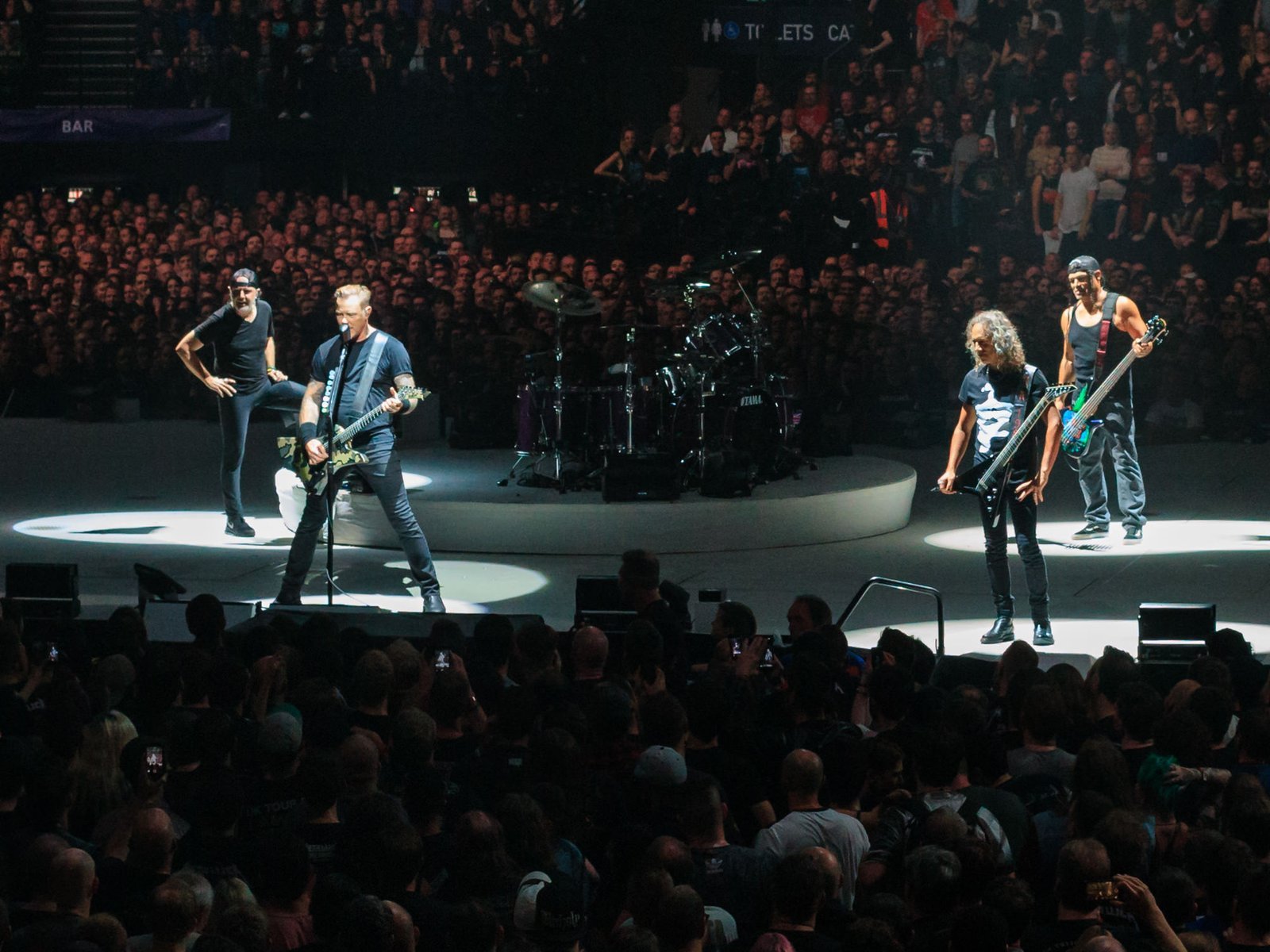
It might surprise some people who only follow chart pop, but Metallica quietly remained one of the most reliable stadium filling bands on the planet across the last decade, especially with their WorldWired tour and later runs. In South America, Europe, and parts of North America, their concerts often took over football stadiums and huge open air fields, with crowds made up of both older fans who had been there since the nineteen eighties and younger listeners discovering heavy music for the first time. The energy at those shows felt different from polished pop tours, rougher around the edges but incredibly focused once the first riff hit and the entire field started moving. Seeing tens of thousands of people headbanging in loose unison is a reminder that some musical instincts never really go out of style, even as trends shift around them. I remember realizing that for a lot of people, this kind of concert was as important and emotional as any glossy stadium production, just with more black shirts and guitar solos.
From a scale perspective, Metallica’s ability to draw such large audiences across continents showed that heavy music still holds deep roots in many places, even when it is not always front and center on mainstream playlists. Their shows often included elaborate stage designs with massive screens and catwalks, but they never completely lost the feeling of a raw live band playing at high volume close to the edge of control. That balance appealed to fans who wanted both a big night out and an authentic, almost club like energy, just multiplied by tens of thousands. These concerts also attracted people who had grown up hearing the band through older relatives and were now finally old enough to see them in person, which added a feeling of continuity to the crowd. Because of all that, Metallica’s largest shows in the last decade deserve to stand next to the newer pop and crossover acts when we look at the real heavyweights of live performance.
Adele And The Power Of A Single Voice In A Giant Space

Compared to flame heavy rock shows or laser filled pop extravaganzas, Adele’s might look almost modest at first glance, but the numbers and the emotional impact tell a different story. Her stadium and large arena dates, particularly in Europe and the United Kingdom, regularly pulled massive crowds, with some outdoor venues hosting over one hundred thousand fans across multiple nights. What made these concerts special was the way a relatively simple stage, a strong band, and one unmistakable voice could hold such a large space completely still. During the quietest moments, you can see entire sections standing in near silence, broken only by someone sniffling into a tissue or quietly singing along under their breath. It is rare for ballads and slow songs to dominate such large rooms, but somehow the vulnerability became the main attraction rather than a drawback.
From a personal angle, I always found it striking that people were willing to travel long distances and pay serious money to stand in the rain or cold just to hear songs that often dealt with heartbreak, regret, and complicated adult feelings. It shows that even in an entertainment landscape obsessed with spectacle, a straightforward, human voice can still pack in crowds on a massive scale if the songs feel honest enough. Her banter between tracks, mixing humor with blunt confessions, helped giant stadiums feel more like oversize living rooms at times, easing the gap between stage and stands. For many attendees, those nights became emotional checkpoints, linked to their own breakups, recoveries, and quiet promises to themselves. That is why Adele’s largest concerts of the last decade earn a place in this list, proving that big does not always have to mean loud or overloaded with effects, sometimes it just means deeply shared.

Christian Wiedeck, all the way from Germany, loves music festivals, especially in the USA. His articles bring the excitement of these events to readers worldwide.
For any feedback please reach out to info@festivalinside.com
