


For any feedback please reach out to info@festivalinside.com
- 25 Festival Moments So Wild They Changed Event History - February 25, 2026
- 20 Classic Novels People Say They’ve Read (But Usually Haven’t) - February 24, 2026
- Sadhguru Crowns Osho Among 20th Century’s Sharpest Minds in Rare Endorsement - February 24, 2026
1. Nights
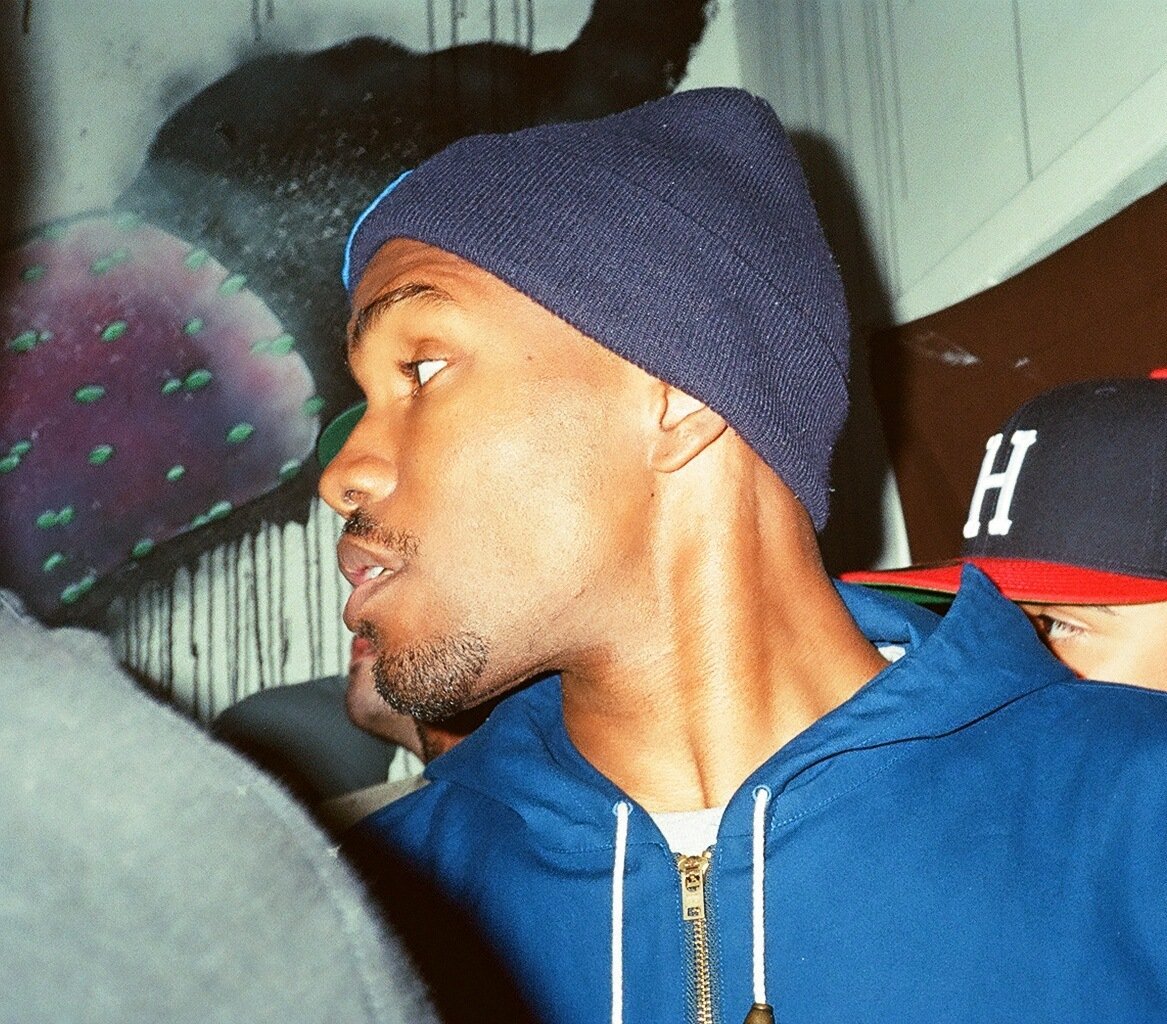
There’s arguably no song in Frank Ocean’s catalog more emotionally devastating yet sonically innovative than this Blonde masterpiece. Two of Frank’s finest back-to-back on a limited 7 inch perfectly captures why this track remains essential listening nearly a decade later. The song’s famous beat switch at the three-minute mark feels like falling through emotional quicksand, transforming from nostalgic reverie into something far more urgent and desperate. Ocean’s voice cracks with raw vulnerability as he processes memories of late nights and complicated relationships, his delivery shifting from dreamy falsetto to strained confessions.
The production mirrors this emotional journey, starting with hazy synths and trap-influenced hi-hats before morphing into something completely different – a sonic representation of how memory works, how the past can suddenly shift into sharp focus. When Ocean repeats variations of “every night fucks every day up, every day patches the night up,” it becomes a mantra for anyone who’s ever felt caught between who they were and who they’re becoming. This track doesn’t just capture a generation’s relationship with time and memory; it redefines how R&B can approach complex emotional narratives.
2. Self Control

Ocean is well-versed in the language of longing, and “Self Control” might be his finest musical prose on the feeling perfectly encapsulates why this Blonde deep cut has become a fan favorite. Built around Alex G’s swaying guitar chords and Ocean’s most fragile vocal performance, the song captures the specific agony of wanting someone you can’t have. Self Control follows Ocean’s difficulties in letting go with a lover becomes evident as his voice literally breaks when singing about losing control, the audio equivalent of watching someone’s emotional walls crumble in real-time.
The track’s orchestral outro transforms personal heartbreak into something cinematic and transcendent. A string section swells as he reaches the outro, stirring waves of melancholy that catch even casual listeners off-guard, submerging them in their turbulent flow creates one of the most emotionally powerful moments in contemporary R&B. The way Ocean’s layered harmonies dissolve into synthesized fragments mirrors how relationships disintegrate – slowly, then all at once, leaving only echoes of what once felt permanent.
3. Thinkin Bout You
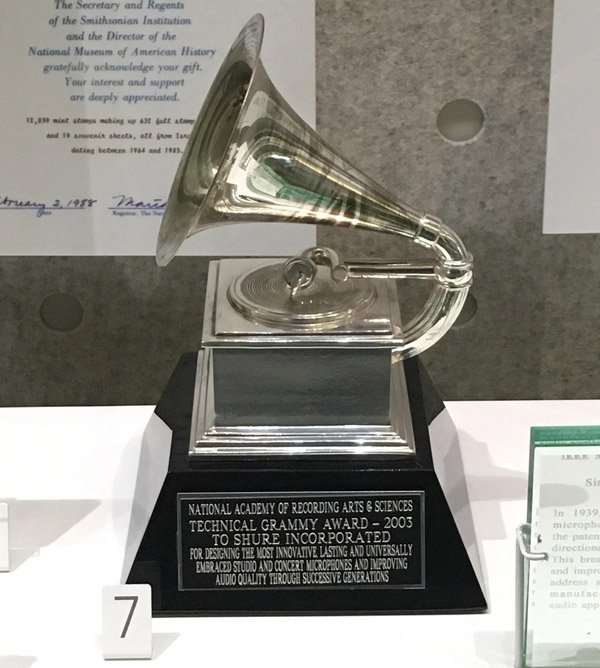
Thinkin Bout You is the first single off of Channel Orange. He sings about still having feelings for an ex although he is trying to keep a nonchalant attitude. It was one of Frank’s most successful charting songs on the Billboard Hot 100. Thinkin Bout You was nominated for Record Of The Year at the 55th Annual Grammy Awards speaks to the track’s lasting commercial and critical impact. Yet beneath those accolades lies something more profound – a masterclass in understated vulnerability that redefined what R&B could accomplish.
Ocean’s vocal performance here is deceptively simple, floating over minimal production that lets every inflection shine through. The way he delivers lines about tornado imagery and burning buildings creates an emotional contradiction that mirrors the confusion of lingering feelings after a relationship ends. His voice never oversells the emotion; instead, it finds power in restraint, making the occasional vocal runs feel earned rather than showy. This approach would become Ocean’s signature – letting silence speak as loudly as sound, creating space for listeners to fill with their own experiences.
4. Pink + White
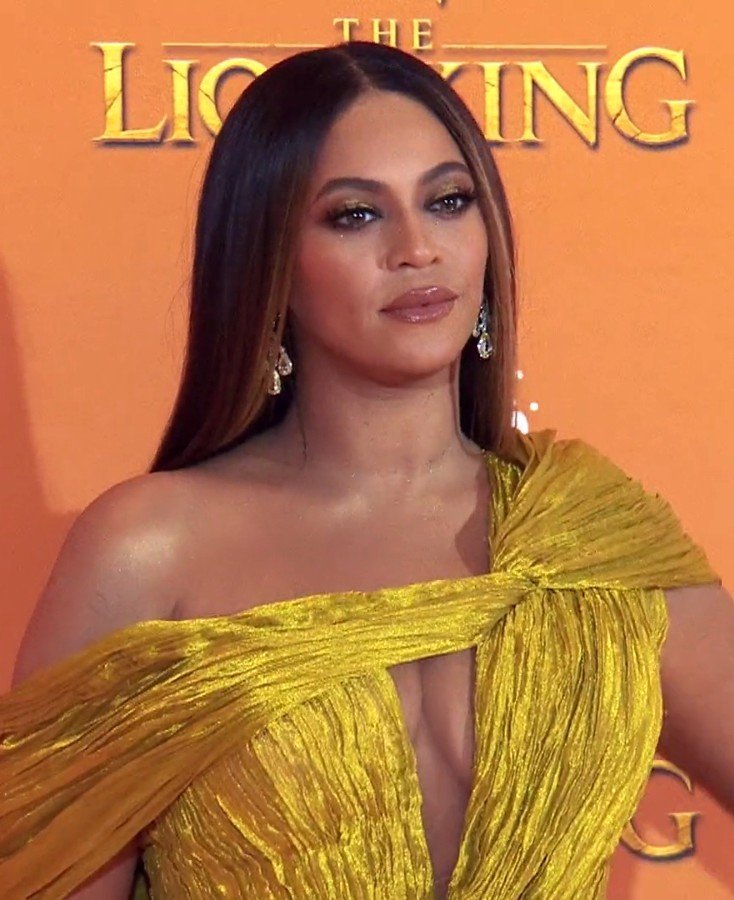
Beyoncé’s background vocals alone make this Blonde highlight essential, but the true magic lies in Ocean’s meditation on memory and mortality. I woke / You were there / Tracing planets on my forehead / But I forget 23 / Like I forget 17 / And I forget my first love / Like you forget a daydream are nostalgic lyrics about intimacy and memory only Frank Ocean could write demonstrates his unique ability to make the specific feel universal. The song floats on a bed of keys and strings, creating an almost weightless sonic environment where these intimate reflections can breathe.
What makes this track particularly powerful is how it captures the way memory works – not as a linear narrative, but as fragments that surface unexpectedly. Ocean’s delivery is conversational yet profound, like someone sharing secrets in the early morning hours. The production by Pharrell Williams provides the perfect backdrop, organic and warm, allowing Ocean’s reflections on youth and loss to feel both personal and cosmic. It’s a song about accepting impermanence while still finding beauty in fleeting moments.
5. Novacane

It’s hard to believe that this is Frank Ocean’s debut solo single because it’s just so good. It was released as the lead song from his 2011 mixtape Nostalgia, Ultra. In the song, Frank sings about a woman who makes him feel like he’s taken novocaine, an anesthetic, during sex. He uses the name of the drug as a metaphor throughout the song reveals the sophistication that marked Ocean as a major talent from his very first release. The track’s minimalist production allows his storytelling to take center stage, introducing the world to an artist who could make intimate narratives feel cinematic.
The genius of this song lies in its layered metaphor – numbing as both pleasure and protection from pain. Ocean’s vocal delivery is cool and detached, mirroring the emotional distance the narrator seeks while simultaneously revealing the vulnerability underneath. The way he weaves together themes of addiction, intimacy, and escape creates a complex portrait of modern relationships that feels both specific and broadly relatable. Even a decade later, the track’s exploration of emotional numbness resonates with listeners navigating an increasingly disconnected world.
6. Pyramids

His sweeping sense of song structure came to fruition on the 10-minute-long “Pyramids,” a psychedelic journey through hard techno, ambient, and guitar-riffing synth pop showcases Ocean’s most ambitious compositional achievement. The track functions as two connected but distinct songs, beginning with an ancient Egyptian narrative about Cleopatra before shifting to a modern strip club setting. This structural audacity shouldn’t work, yet Ocean makes it feel inevitable, using the jarring transition to comment on how power dynamics between men and women persist across millennia.
The sonic journey mirrors the lyrical one – opening with aggressive synths and driving beats before dissolving into something more intimate and melancholy. His Cleopatra character is all-powerful in ancient Egypt, then, once the song shifts to present, becomes a stripper just as crestfallen as her client demonstrates Ocean’s ability to find contemporary relevance in historical imagery. John Mayer’s guitar work in the second half provides the perfect counterpoint to Ocean’s increasingly desperate vocals, creating one of the most emotionally complex endings in his catalog.
7. Ivy

Ivy is a song that is written about a failed relationship and the complicated intricacies that come along with that dilemma. The song is backed by a mournful instrumental that sets the forlorn vibe and Ocean showcases his vocal capabilities on this track while singing about his heartbreak. Ivy is similar to Thinkin’ Bout You in many ways, but what differentiates this song from the former is how much more transparent he is with his lyrics and sound captures the raw emotional territory Ocean explores on Blonde’s opening track.
The song’s power lies in its building intensity – starting with gentle guitar picking and Ocean’s hushed vocals before erupting into something more desperate and unhinged. By the track’s end, the sound of breaking glass and Ocean’s anguished screams create an audio representation of a relationship’s violent conclusion. This isn’t just heartbreak; it’s the sound of someone’s world falling apart. The contrast between the song’s beautiful opening and chaotic ending mirrors how relationships can transform from sources of joy into sites of destruction, sometimes within the same conversation.
8. Swim Good

Swim Good was released as the second single from the mixtape on October 18, 2011, and achieved chart success. It entered the top 40 in Belgium hints at the commercial appeal of what is essentially a song about contemplating suicide. The track’s deceptively upbeat production masks some of Ocean’s darkest lyrical content, creating a tension that makes the song impossible to ignore. His metaphor of driving into the ocean becomes both literal escape fantasy and symbolic representation of emotional drowning.
Another sad track, “Swim Good”‘s upbeat sound completely contacts its lyrics. The song follows a man’s grief/guilt that makes him want to escape his pain through doing a horrible act. He experiences pain due to heartbreak, and it ultimately drives him crazy demonstrates Ocean’s early mastery of emotional complexity. The way he delivers these heavy themes with an almost casual vocal approach makes the song more unsettling and ultimately more powerful. It’s a perfect example of his ability to find hope and beauty even in life’s darkest moments, suggesting that the act of creating art from pain can itself be a form of survival.
9. Chanel

Much was made of Ocean’s casual coming out, a couple years after many were introduced to him through a song that found him getting horny over “a stripper booty and a rack like wowwwwwww.” Of course, these two sides aren’t mutually exclusive, something that’s wound together brilliantly on this entrancing ode to bisexuality positions this 2017 single as one of Ocean’s most culturally significant releases. The track’s central metaphor – seeing both sides like the Chanel logo – becomes a perfect encapsulation of fluid sexuality and identity, delivered with the kind of effortless cool that made Ocean a generational icon.
Sonically, the track represents Ocean at his most confident and playful, building from sparse verses into an infectiously catchy chorus that feels both intimate and anthemic. His vocal performance switches between vulnerable confession and cocky boasting, mirroring the song’s themes of duality and self-acceptance. The production creates space for Ocean’s personality to shine through, proving that his most powerful political statements often come wrapped in the most irresistible melodies. It’s a song that manages to be both deeply personal and broadly celebratory, offering visibility and validation to listeners navigating their own questions about identity.
10. Lost

Lost reportedly achieved chart success internationally, including in New Zealand, Australia and Denmark suggests this Channel Orange deep cut found audiences worldwide, though its appeal extends far beyond commercial success. The track captures the specific restlessness of young adulthood, that feeling of being caught between destinations both literal and metaphorical. Ocean’s vocals float over a bed of synthesizers and live drums, creating an atmosphere that feels both spacious and intimate, like driving alone through an unfamiliar city at night.
What makes the song particularly compelling is how it transforms potential negativity into something almost celebratory. Being lost becomes less about confusion and more about possibility – the freedom that comes from not yet knowing who you’re supposed to be. Ocean’s delivery suggests someone who has made peace with uncertainty, finding beauty in the journey rather than anxiety about the destination. The track’s dreamy production and Ocean’s confident vocal performance create a perfect soundtrack for anyone navigating major life transitions, offering comfort in the idea that being lost might actually be exactly where you need to be.
Conclusion
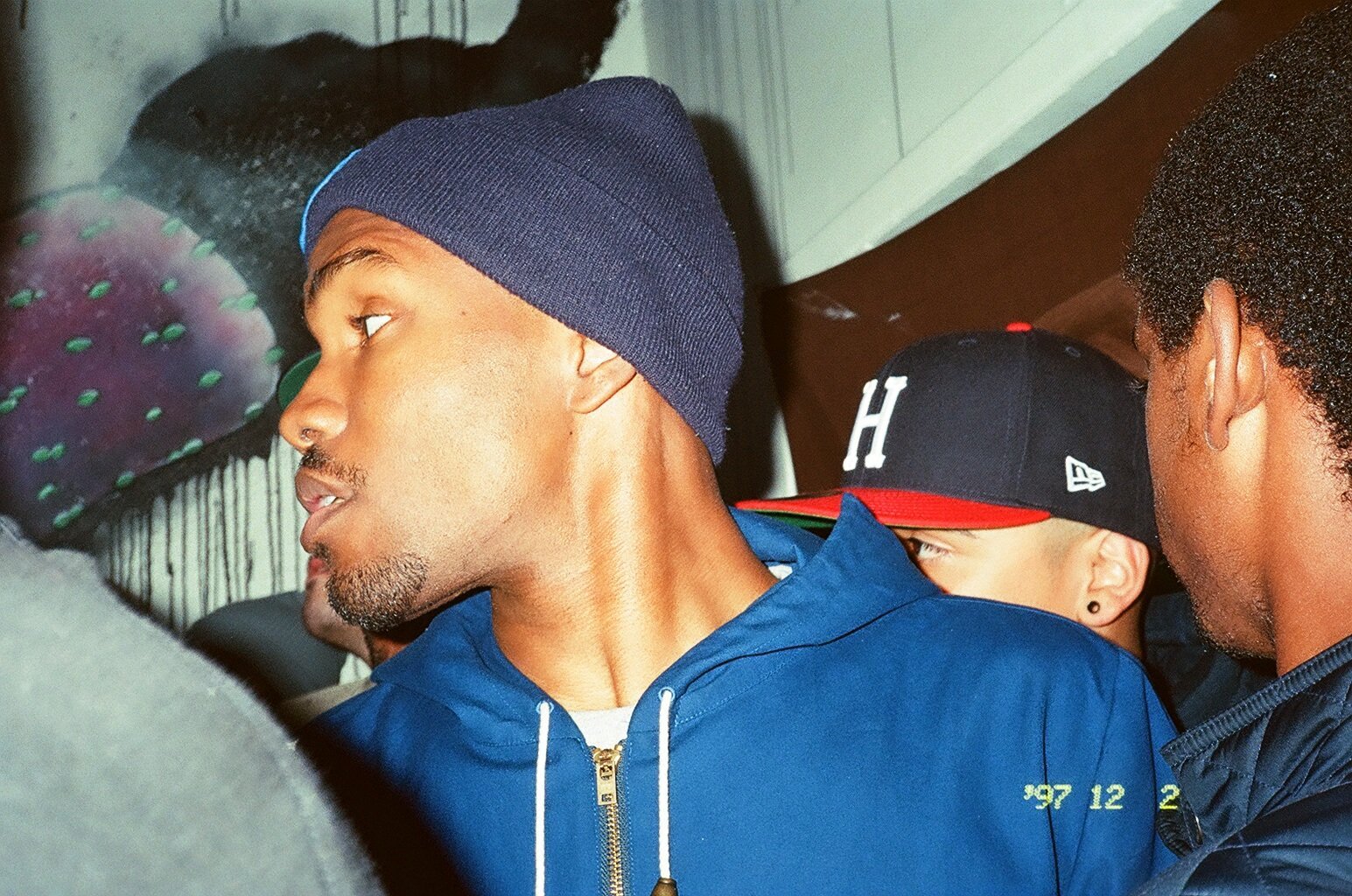
Frank Ocean’s greatest achievement isn’t just creating beautiful music – it’s expanding what R&B can accomplish emotionally and sonically. These ten tracks represent a decade of artistic growth that has redefined contemporary music, proving that vulnerability and experimentation aren’t opposing forces but complementary strengths. From the raw immediacy of his early mixtape work to the sophisticated sonic architecture of Blonde, Ocean has consistently challenged both himself and his listeners to embrace complexity rather than seek simple answers.
His influence extends far beyond chart positions or critical acclaim, though he has plenty of both. Ocean gave an entire generation permission to feel deeply, to embrace contradiction, to find beauty in brokenness. In a cultural moment often defined by performative authenticity, his work feels genuinely honest – messy, complicated, and real. What do you think about his lasting impact on music and culture? Tell us in the comments.

Christian Wiedeck, all the way from Germany, loves music festivals, especially in the USA. His articles bring the excitement of these events to readers worldwide.
For any feedback please reach out to info@festivalinside.com
