

For any feedback please reach out to info@festivalinside.com
Picture this: Four years ago, millions of Texans huddled in freezing homes without electricity. Kids bundled in every blanket they owned. Elderly folks shivering through days without heat. That nightmare scenario from February 2021 still haunts the Lone Star State every time temperatures drop. Now, here’s the thing. This winter season brings a curious twist to the story. ERCOT officials say there’s only about a 1% to 2% chance of rotating outages this winter during the highest-risk morning hours, which represents a significant improvement from last year’s forecasted 7% chance of rotating blackouts.
Though officials are sounding optimistic, there’s a massive elephant in the room that’s changing everything about how Texas manages electricity. The explosion of data centers across the state is creating an entirely new landscape for grid management. Think of it like this: Just when Texas thought it had gotten a handle on winter storms, artificial intelligence and cryptocurrency operations decided to set up shop in massive numbers.
The Numbers Tell a Startling Story About Grid Improvements

Let’s be real about this. Texas has been working overtime to beef up its electricity supply since that catastrophic freeze. ERCOT CEO Pablo Vegas credited the continued growth of electricity supply, mostly solar arrays and battery storage facilities, for helping to reduce the risk of outages, particularly this summer. Since last winter ended, the state has added enough new generating capacity to power roughly 2.8 million homes when demand hits its peak. That’s genuinely impressive growth in such a short timeframe.
Still, winter remains tricky because most of that new capacity comes from solar panels and batteries. Solar farms obviously can’t generate power before sunrise or after sunset. Those early morning hours between 7 and 8 a.m. create the tightest conditions on the grid. People are waking up, cranking heaters, brewing coffee, and getting ready for work while the sun hasn’t even peeked over the horizon yet. Meanwhile, batteries that recharged during the previous day might be running low after powering homes through the cold night.
Vegas said 2025 is going to represent a year with tremendous supply growth on the ERCOT grid. The grid operator clearly feels confident about normal winter conditions. However, there’s always that nagging question hanging in the air. What happens if another storm like Uri decides to pay Texas another visit?
If 2021 Happened Again, Things Could Get Dicey
Here’s where things get a bit uncomfortable. At least 246 people died during the February 2021 freeze, though some estimates suggest the true toll could have been much higher. Nobody wants to experience that kind of devastation again. Grid officials have been working tirelessly to prevent a repeat scenario, implementing winterization requirements for power plants and adding more generating capacity.
The problem is economic growth. Texas hasn’t been sitting still these past four years. Businesses have expanded, populations have grown, and massive new electricity consumers have moved into the state. If a storm identical to the 2021 freeze were to strike this winter, ERCOT projections show demand could explode past 97 gigawatts. That would shatter the existing power demand record of 85.5 gigawatts set during a blistering summer heat wave in 2023.
Honestly, the good news is that probability matters here. ERCOT officials note the likelihood of a 2021-style freeze occurring again this winter sits well under 1%. Winter storms since 2021 haven’t come anywhere close to matching that event’s severity or duration. Texas experienced three cold snaps in early 2025, and the grid handled them without requiring conservation requests from residents. Progress is real, even if it’s not perfect.
Data Centers Are Changing Everything About Power Demand
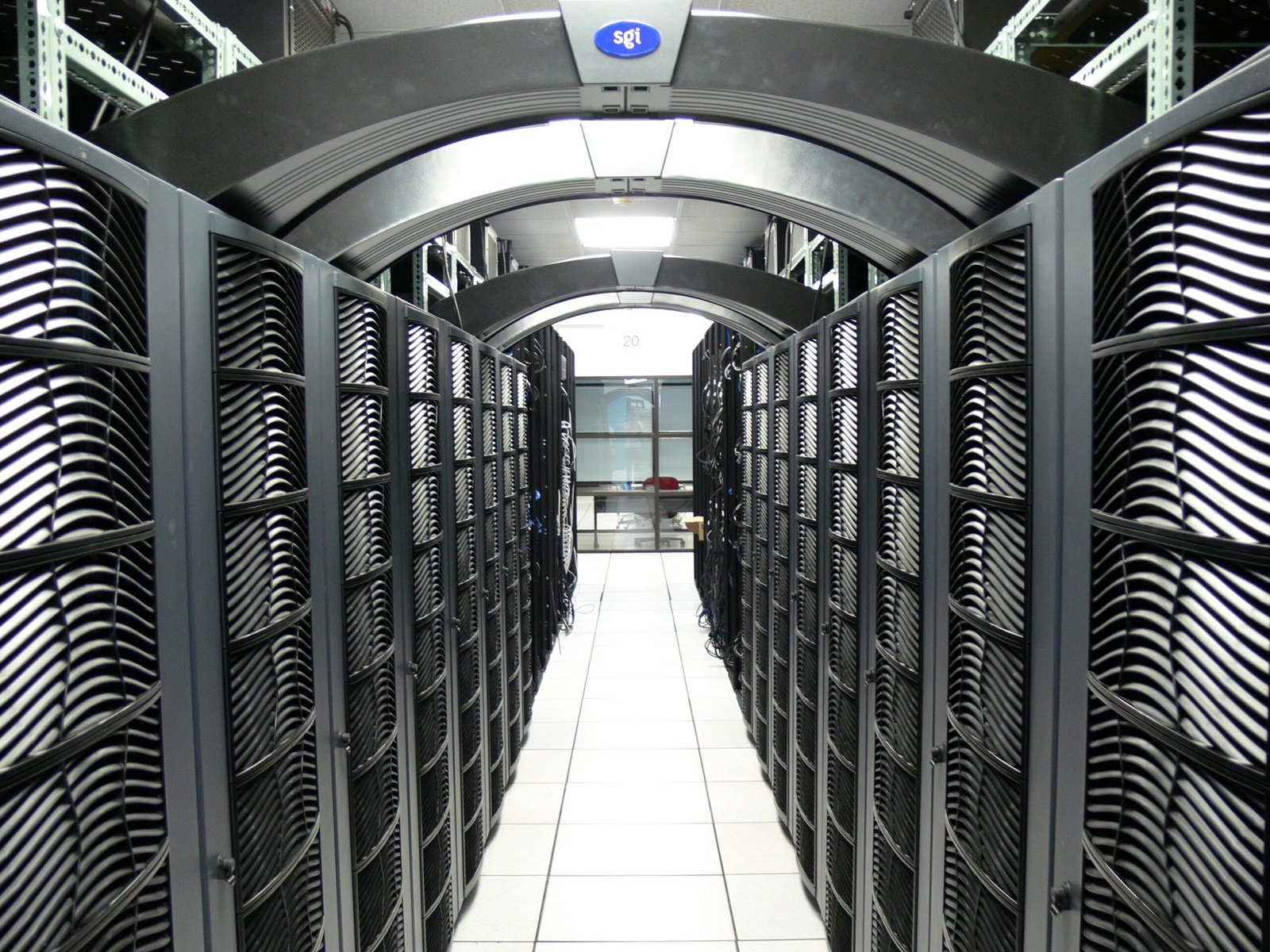
Something massive is reshaping the Texas electricity landscape right now. Energy demand continues to surge as ERCOT’s large load queue swelled to more than 230 gigawatts in 2025, with more than 70% of the large loads being data centers. Think about that for a moment. Companies building facilities to power artificial intelligence development and cryptocurrency mining operations have basically quadrupled their connection requests in a single year.
This isn’t your typical industrial customer. Data centers operate around the clock, every single day. They never sleep. Data centers operate around the clock, which can make it more challenging for ERCOT to manage the grid during the hours when the system is most strained, according to a recent report from the federal grid regulator. Traditional electricity consumers show predictable patterns. Usage spikes in morning and evening hours, then drops overnight when people sleep. Data centers flatten that curve, stretching peak demand periods into longer windows.
The artificial intelligence boom deserves special attention here. Training AI models requires enormous computing power running continuously. Those workloads can spike or drop demand in fractions of a second. It creates a completely different challenge than anything grid operators have managed before.
The Hidden Voltage Problem Nobody Saw Coming
There’s this technical issue that sounds boring until you realize how serious it could become. Power grids naturally experience tiny voltage dips all the time during normal operations. Most equipment stays connected and rides through these momentary fluctuations without any problems. Data centers and cryptocurrency facilities, however, might not be able to handle these normal voltage variations.
Data centers and cryptocurrency mines may not be able to stay connected to the grid when the system experiences normal dips in voltage, Dan Woodfin, ERCOT’s vice president of system operations, said at a Tuesday board meeting. Why does this matter? Imagine gigawatts of electricity demand suddenly disconnecting from the grid all at once. That kind of rapid shift disrupts the delicate balance between supply and demand across the entire system.
ERCOT asked these large electricity users to share information about their ability to stay connected during voltage dips. Most didn’t respond. The few that did indicated very little capability to ride through voltage fluctuations. That’s honestly concerning. Texas lawmakers passed legislation earlier this year giving ERCOT authority to shut off certain large electricity users during emergencies, though exactly which facilities qualify remains heavily contested.
Economic Growth Collides With Infrastructure Reality
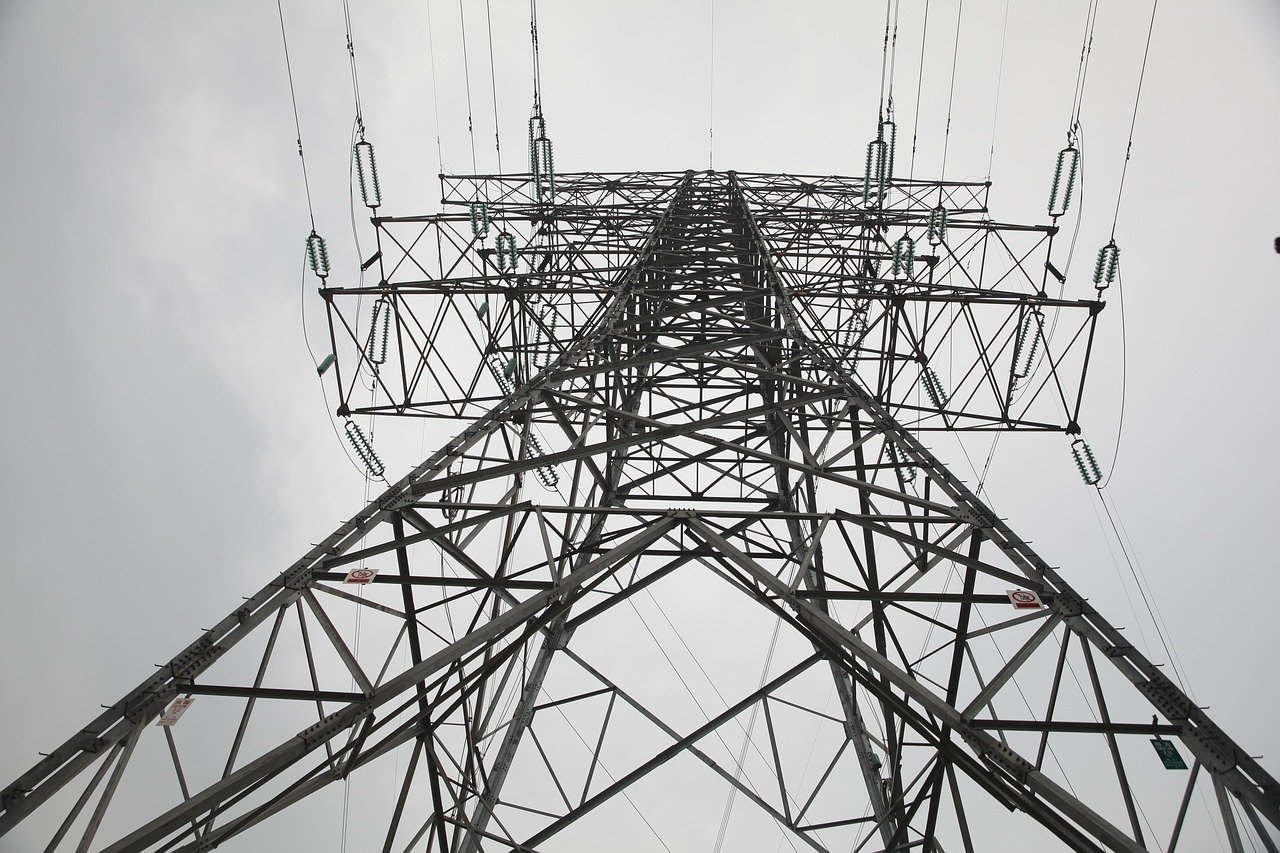
Texas officials have been celebrating the state’s economic success for years. Low taxes, business-friendly regulations, and abundant energy resources have attracted companies from across the country and around the world. Now those chickens are coming home to roost, so to speak. Texas’ main grid operator predicts power demand will nearly double by 2030, in part due to more requests to plug into the grid from large users like data centers, crypto mining facilities, hydrogen production plants and oil and gas companies.
Nearly double. By 2030. That’s not a gradual change. It’s a transformation happening at breakneck speed. Meeting that kind of demand growth requires building new power plants, constructing transmission lines, and upgrading distribution systems. All of that takes time and costs billions of dollars. The question everyone’s trying to answer is whether supply can keep pace with demand, and who pays for all that infrastructure expansion.
Some data center operators are pursuing behind-the-meter agreements, essentially bringing their own power generation to avoid burdening the grid. Most of these arrangements involve natural gas companies that can provide dedicated power directly to facilities. It’s a creative solution, though it sidesteps the broader question of how the main grid serves everyone else as demand continues climbing.
Winter Remains the Most Dangerous Season Despite Summer Heat

You might think summer creates the biggest electricity challenges in Texas, given the infamous heat waves that regularly bake the state. Actually, winter poses higher risks for grid reliability. Most new generation comes from battery storage and solar energy, which is most reliable in the summer but limited as the seasons change, and winter still represents the higher risk period in the ERCOT market because fewer of these resources that are being added are available during the winter peak periods.
Summer heat creates massive demand spikes, true. However, solar panels produce maximum output during those scorching afternoons when air conditioners run full blast. Batteries charge during sunny hours and discharge during evening peaks. The system works fairly well for summer conditions.
Winter flips the script entirely. Peak demand shifts to early morning and evening hours when solar generates little or nothing. Cold temperatures can reduce battery performance. Natural gas power plants, which provide the backbone of dispatchable generation, must perform flawlessly. That’s exactly where things went catastrophically wrong in February 2021 when freezing temperatures knocked out gas production, transmission, and power plants across the state.
Lessons From 2021 That Still Matter Today
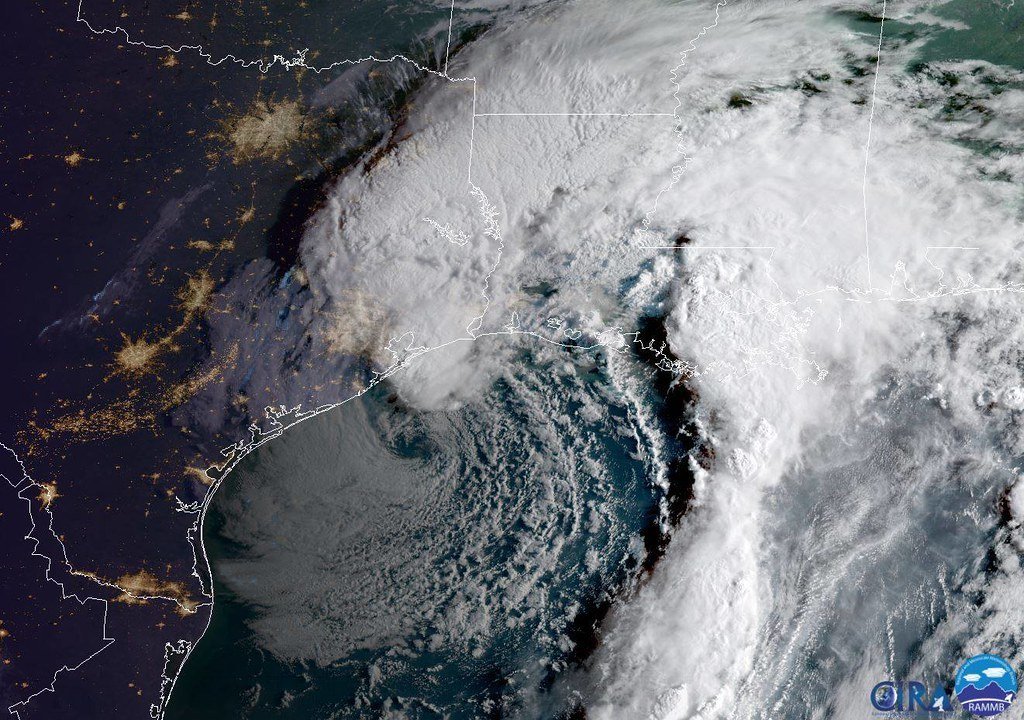
During the February 2021 freeze, cold weather crippled power plants across the state at the same time that many residents were cranking up heaters to stay warm, leaving many Texans without power or heating for days amid frigid temperatures. The disaster exposed weaknesses throughout the entire energy system. Natural gas wells froze. Pipelines couldn’t deliver fuel. Power plants failed in record numbers. The grid came within minutes of complete collapse, which would have caused damage requiring weeks or months to repair.
Since 2021, ERCOT and state officials have touted a variety of reforms, including requirements for power plants to winter-proof their operations. Winterization matters. Equipment that can function in extreme cold dramatically reduces the risk of widespread failures. Yet winterization costs money, and not every facility has implemented all recommended improvements.
The human cost of that 2021 disaster can’t be overstated. People died from hypothermia, carbon monoxide poisoning from running cars indoors for heat, and medical emergencies exacerbated by freezing temperatures without power. Hospitals struggled to maintain operations. Water systems failed, leaving millions under boil-water notices. The cascade of failures revealed how interconnected modern infrastructure has become.
Balancing Growth, Reliability, and Affordability
Here’s the core dilemma facing Texas right now. Economic growth is wonderful. Data centers bring jobs, investment, and tax revenue. Yet they also create unprecedented demand on the electricity system. Somebody has to pay for grid expansions, new power plants, and upgraded transmission infrastructure. The debate over cost allocation is heating up across the state.
Should data centers and other large users bear most infrastructure costs since they’re driving demand growth? Or should those costs be shared across all consumers since the entire economy benefits from economic development? Estimates vary on how much electricity bills could increase in the next five years, ranging from 25% to even 70%, which could leave consumers paying rates of 19 to 27 cents per kilowatt-hour versus the current Texas average rate of 15.36 cents per kilowatt-hour.
Texas legislators passed Senate Bill 6 in June 2025 to address some of these concerns. The law creates performance requirements for large electricity users during emergency conditions. Essentially, it requires data centers and similar facilities to either curtail their grid usage or switch to backup generators when the system faces stress. Whether that’s sufficient remains an open question as rulemaking continues and stakeholders fight over implementation details.
Looking Ahead at an Uncertain Energy Future
The transformation happening right now in Texas represents something unprecedented in the electricity industry. Never before has a single region seen such explosive growth in power demand concentrated in specific types of facilities. The artificial intelligence revolution is still in its early stages. If anything, data center development may accelerate even further in coming years.
ERCOT projects that data center demand alone could reach nearly 78 gigawatts by 2030. For context, the entire grid’s current peak demand record sits at 85.5 gigawatts. We’re talking about one category of electricity user potentially consuming nearly as much power as the entire state uses today. The scale of that challenge is genuinely staggering.
Grid operators are adapting as quickly as they can. New transmission lines are being planned, including ultra-high-voltage infrastructure capable of moving massive amounts of power across Texas. Generation continues expanding, though whether it can keep pace with demand growth remains uncertain. Market incentives are being adjusted to encourage flexible consumption and grid-friendly behavior from large users.
What This Winter Means for Regular Texans

So what should everyday Texas residents make of all this? The immediate outlook for this winter appears solid. Through February, there is an approximately 1% to 2% chance of rotating outages during the highest-risk morning hours. Those are genuinely good odds. Barring an extreme weather event, most people should sail through winter without experiencing grid emergencies.
Still, vigilance matters. Texas has proven vulnerable to unexpected weather events. Having emergency supplies ready makes sense. Knowing how to monitor grid conditions in real time through ERCOT’s website or app provides useful awareness. Understanding which facilities get priority during emergencies helps people make informed decisions.
The longer-term picture is murkier. Rising electricity costs seem inevitable as infrastructure expands to meet growing demand. Whether those increases remain manageable or become burdensome depends largely on policy decisions being made right now about cost allocation and grid management. Residents should stay engaged with these issues because they’ll affect household budgets for years to come.
The Bigger Picture Beyond Texas Borders

Texas isn’t alone in facing these challenges. Data center growth is happening nationwide. Other regions are wrestling with similar questions about how to balance economic development with grid reliability and affordable electricity. What makes Texas unique is the scale and speed of growth combined with an isolated grid that can’t easily import power from neighboring states during emergencies.
The rest of the country is watching what happens in Texas. Solutions developed here will influence policies elsewhere. Failures in Texas will provide cautionary tales for other regions. In many ways, Texas is serving as a testing ground for how modern electricity systems adapt to the artificial intelligence era and the massive power demands it creates.
International observers are paying attention too. Data centers are proliferating globally. Every region building these facilities must grapple with infrastructure, reliability, and cost challenges. Texas’s experience, both positive and negative, offers lessons that extend far beyond state borders.
Finding Balance Between Progress and Prudence
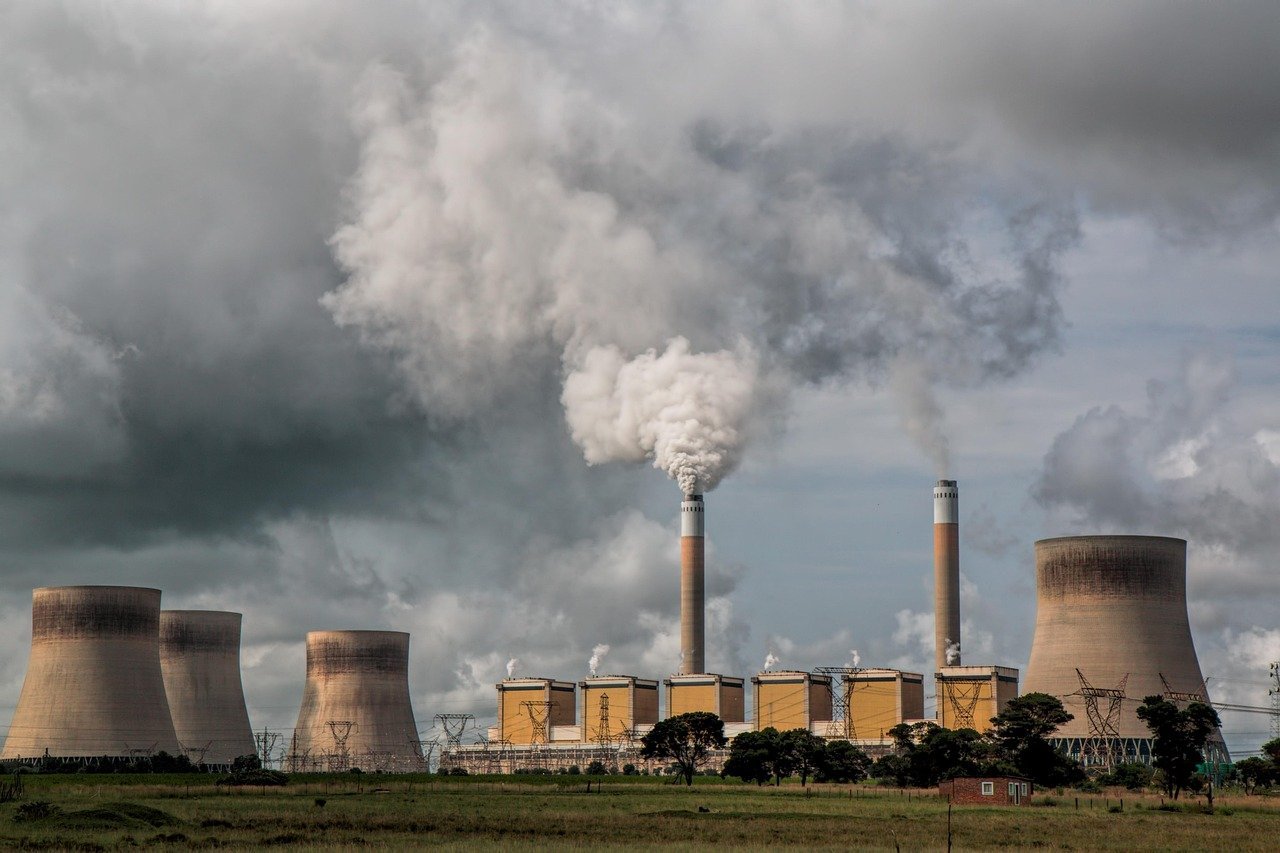
Nobody wants to stand in the way of economic growth and technological advancement. Data centers enable modern digital services that billions of people depend on daily. Artificial intelligence promises to revolutionize industries, healthcare, education, and countless other fields. These developments deserve support and encouragement.
At the same time, keeping the lights on during extreme weather matters tremendously. People died during the 2021 freeze because the power grid failed. That’s an unacceptable outcome that must be prevented. Finding the right balance between enabling growth and ensuring reliability requires careful planning, thoughtful regulation, and willingness from all stakeholders to compromise.
Texas prides itself on minimal regulation and free-market solutions. Yet electricity is fundamentally different from most products. You can’t store it easily in large quantities. Supply and demand must balance every moment of every day. Market failures have immediate, severe consequences. Some level of oversight and coordination is necessary to maintain reliable service.
The coming years will test whether Texas can thread this needle successfully. Can the state accommodate explosive demand growth while maintaining grid reliability and keeping costs reasonable for consumers? Or will growing pains create problems that force difficult choices and potentially slow development? Nobody knows for certain yet.
Final Thoughts
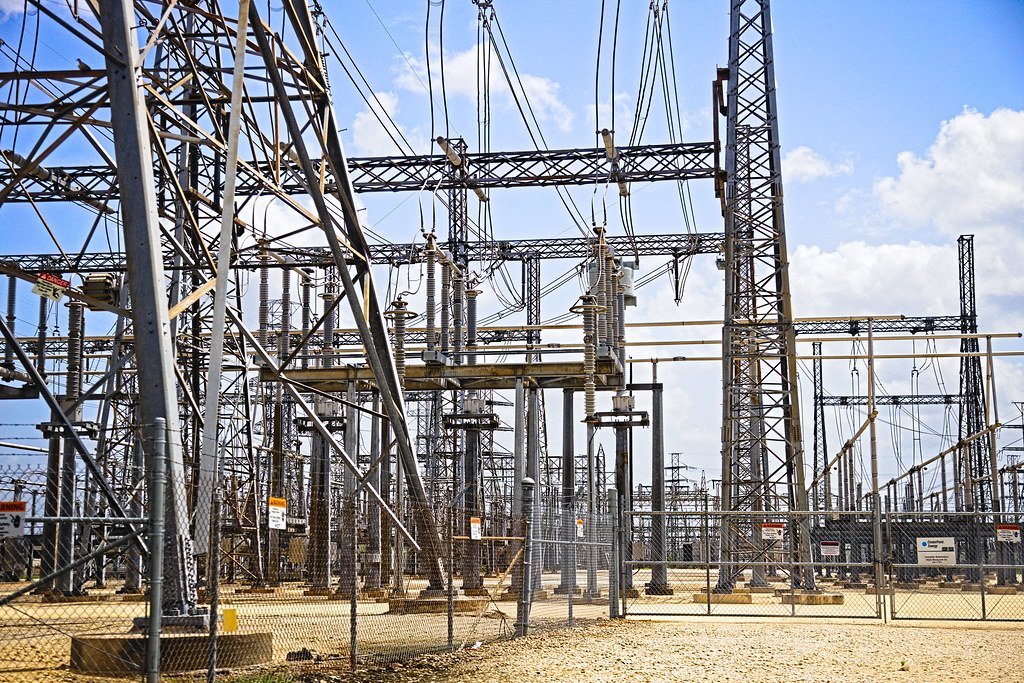
This winter, Texas enters another season with cautious optimism about grid reliability. Improvements since 2021 are real and meaningful. The risk of blackouts during normal winter weather has decreased substantially. That’s worth celebrating, even while acknowledging that work remains.
The data center boom adds complexity that grid operators are still learning to manage. Technical challenges around voltage stability, around-the-clock demand patterns, and infrastructure capacity are being addressed through new policies and regulations. Whether those solutions prove sufficient will become clearer in coming years as more facilities connect to the grid.
For now, most Texans can feel reasonably confident their power will stay on this winter, barring extreme circumstances. Looking further ahead, the transformation happening in Texas electricity markets represents one of the most significant challenges and opportunities the state has faced. What do you think Texas should prioritize as demand continues growing? Should economic development take precedence, or does grid reliability deserve top billing? Share your thoughts, because these decisions will shape the state’s future for decades to come.

Christian Wiedeck, all the way from Germany, loves music festivals, especially in the USA. His articles bring the excitement of these events to readers worldwide.
For any feedback please reach out to info@festivalinside.com
