

For any feedback please reach out to info@festivalinside.com
- 10 Surprising Hobbies of Famous Historical Leaders You Never Knew About - April 13, 2026
- 12 Unforgettable Literary Rivalries That Fueled Iconic Works - April 13, 2026
- 10 Classic Albums That Defined the Sound of the 60s and 70s - April 13, 2026
The question of who deserves to be counted matters a lot more than most people might think. In Texas, where Republicans recently passed rare mid-decade redistricting maps despite fierce opposition, this question could fundamentally reshape how power flows through one of the nation’s largest states. At the same time, a parallel battle at the federal level is gaining momentum. Republicans are pushing once again to exclude noncitizens from the population counts used to draw political districts, a move that would shake up representation not just in Texas but across the entire country.
It’s impossible to ignore the timing here. Texas Republicans pushed through a rare midcycle redistricting this year to try to maintain their advantage in Congress after the 2026 midterm elections, and experts say that excluding noncitizens when drawing districts could open another way for the GOP to tighten its grip on the state Legislature and congressional delegation. Honestly, it feels like these two fights are more connected than politicians want to admit.
The Push to Change Who Gets Counted

Republicans and conservative groups are lining up behind a continuing effort to add a citizenship question to the questionnaire, a plan that ran into legal hurdles during the first Trump administration. This isn’t some abstract legal theory. The practical impact would be enormous, especially in a state like Texas where immigrant communities have driven much of the population boom in recent decades. Adding a citizenship question would give state officials the data they need to potentially redraw districts using only citizens instead of everyone who lives in a community.
Many experts and critics worry it could ultimately place some Texas communities into larger, less cohesive districts, while diluting the political influence of Latinos and other minority groups who have accounted for much of the state’s population gain in recent decades. Think about what that means on the ground. Neighborhoods that are vibrant and densely populated would suddenly be stretched out geographically, tied to distant communities that don’t share their concerns or priorities. The voices of people actually living there would get quieter, even if they’re citizens and eligible voters themselves. Adding questions about citizenship to the U.S. census could also lead to more undercounting of Latinos, they warn, a problem that has plagued previous censuses.
Federal Bills and State Lawsuits Target the Census

Trump has pushed this year for a new, mid-decade census that would not count immigrants without legal status. But the census has a long lead time. The Census Bureau says it’s been preparing for the 2030 census since 2019 and is planning to conduct a major on-the-ground test for it in 2026. The commerce secretary must submit census questions to Congress two years before the actual census takes place. So a mid-decade count before the 2026 midterms seems highly unlikely, even if the political will existed. Still, that doesn’t mean the issue is going away.
There are also several Republican-supported bills that would affect the census’s counting of noncitizens. They differ, but they generally call for using only the number of U.S. citizens, rather than the total population, to calculate how to apportion House seats and electoral votes among the states. Let’s be real here, the motivation is pretty clear. At a recent House Judiciary Committee hearing, Rep. Chip Roy estimated that removing noncitizens from the census count would shift 12 congressional seats to predominantly Republican states. The legislation would apply to the 2030 census and beyond, both in asking about citizenship and using that count for apportioning seats.
Four Republican-led states earlier this year also sued the federal government, arguing that undocumented immigrants and immigrants with temporary visas shouldn’t be included, though that case has been stayed for now. At least four Republican state attorneys filed a legal challenge this January looking to exclude undocumented people from the count – an effort that was later paused by a judge in March at the request of Trump Administration lawyers, who said they needed time to determine how to approach the case.
Constitutional Roadblocks Loom Large

Multiple legal experts, including Justin Levitt, a constitutional law expert and professor at Loyola Law School who advised President Joe Biden’s administration on democracy and voting rights, and Michael Morley, a law professor at Florida State University’s College of Law and an expert on election and constitutional law and voting rights, say excluding all or some noncitizens from apportionment counts would be unconstitutional, given the clear language on apportionment in the Constitution’s 14th Amendment. It would quickly draw legal challenges, and they don’t believe courts would allow it, they said. The Constitution is pretty unambiguous on this point, even if politicians prefer to ignore that fact.
Under the Constitution, the decennial census – “counting the whole number of persons in each State” every 10 years – determines how many congressional representatives and electoral votes each state gets. As courts have interpreted this clause in the past, it means everyone is counted, regardless of their age, immigration or citizenship status, or eligibility to vote. That’s been the standard for more than two centuries, and changing it would require more than just a bill or executive order. The proposal would contravene the U.S. Constitution, which calls for apportioning congressional seats according to a “counting the whole number of persons in each State.” That language clearly and deliberately uses “persons” instead of “citizens.”
If all or some noncitizens were to be excluded from the census, states estimated to have large populations of noncitizens – a red and blue mix that includes Texas, California, New Jersey, Florida, and New York – could lose House seats and electoral votes, or gain fewer than they would have.
What States Could Do With Citizenship Data

Here’s where things get tricky. If the Trump administration adds a census question on citizenship, which wouldn’t in itself change the apportionment counts, that would generate the key data state officials would need to draw their internal U.S. House and state legislative district lines based on the population of citizens. So even if federal courts block efforts to exclude noncitizens from the apportionment formula that determines how many House seats each state gets, adding a citizenship question to the census would still hand state legislatures a powerful tool to reshape their internal political boundaries.
In a 2016 case over state-level redistricting in Texas, the U.S. Supreme Court left open the question of whether states could use criteria other than total population, such as the population of eligible voters – roughly speaking, citizens age 18 or above – for the state-level task of drawing district maps. Texas, according to the court’s ruling in Evenwel v. Abbott, had argued that “jurisdictions may, consistent with the Equal Protection Clause, design districts using any population baseline – including total population and voter-eligible population – so long as the choice is rational and not invidiously discriminatory.” That last phrase is doing a lot of work. The question is whether drawing districts based only on citizens would be seen as discriminatory, especially given its predicted impact on Latino communities.
U.S. Rep. Chip Roy, a Texas Republican, said during a congressional committee hearing on the census in November, “Today, a voter in a congressional district with 730,000 citizens … and 30,000 illegal aliens has a stronger say in the election of his representative than a voter in a congressional district with 760,000 citizens and no illegal immigrants.” That’s the argument supporters make. Democrats, meanwhile, said the proposals would be unconstitutional and would hurt vulnerable populations.
How Districts Could Change if Only Citizens Count
If Texas or another state decided to redraw districts using only citizen population as the baseline, the practical effects would be dramatic. Districts with large numbers of noncitizens would have to expand geographically to gather enough citizens to meet the population target. That would create districts that are bigger in size, cover more total people, but have the same number of citizens as more compact districts elsewhere. Everyone in those expanded districts, citizens included, would likely see their representation weakened because their representative would be stretched thinner across a larger area and a larger total population.
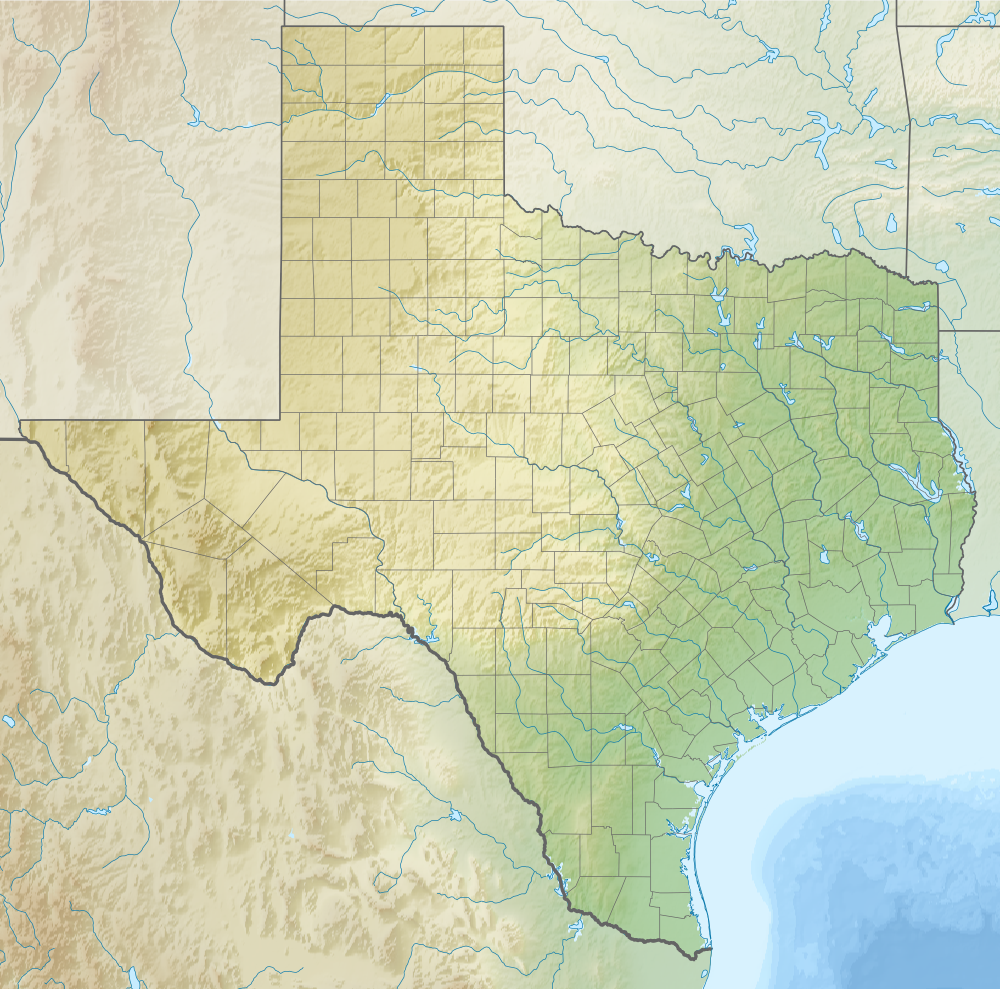
The Rio Grande Valley is one of the areas where new political boundaries based on citizenship voting-age population could have a profound effect, according to the analysis by Cervas, Neil Dixit, and Sam Wang of the Electoral Innovation Lab, as well as other redistricting experts. Near the eastern end of the Texas-Mexico border, neighboring Hidalgo and Cameron counties are home to more than 1 million people combined. The area has a diverse population that works in manufacturing, agriculture, healthcare, retail, and food service industries. Both counties also have multiple ports of entry between Mexico and the U.S., overwhelmingly Latino populations, and many mixed-status households.
These communities would almost certainly be folded into much larger districts if citizen-only redistricting became the standard. That’s not just a theoretical concern. Mayors along the border in predominantly Latino cities like McAllen have pushed back against federal Immigration and Customs Enforcement raids, Diaz said. In contrast, local officials in Goliad County – which is closer to San Antonio than it is to the border and would shift from the 27th District to the border-anchored 15th District under the redrawn map – have been keen on cooperating with ICE, Diaz said. “So it’s very different,” he said. “It’s such a weird combination of folks being put into this district.” Adding drainage infrastructure to unincorporated border communities, or colonias, to prevent flooding on roads and homes is also a key concern that Rio Grande Valley residents like Edith Cuevas worry will get lost amid redistricting.
The Specter of Undercounts
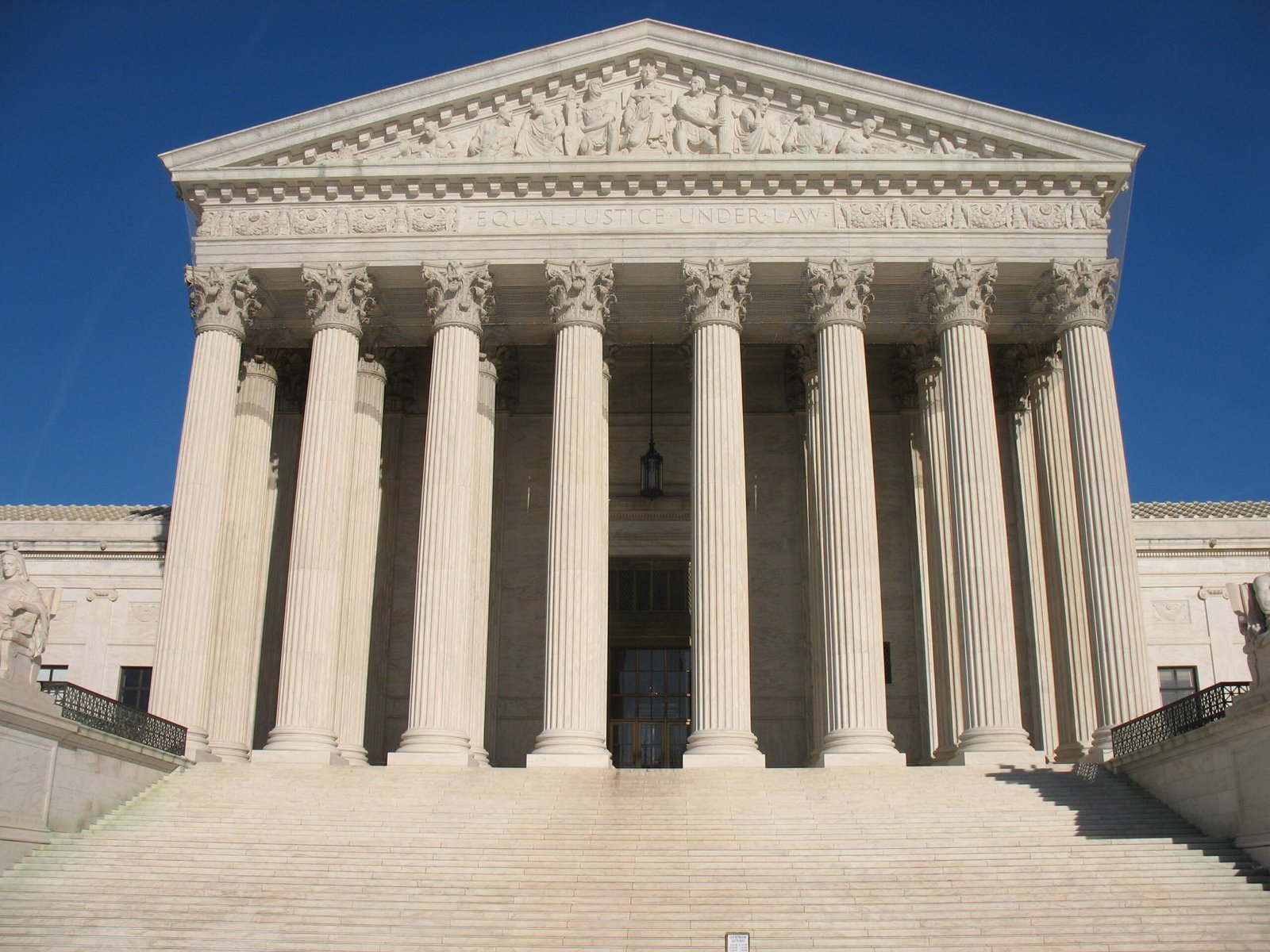
The first Trump administration fell short in its push to add a citizenship question to the 2020 census. The U.S. Supreme Court ruled that the administration’s stated reasons for wanting to add the question were contrived – but it didn’t preclude asking it on a future census. The legal door remains open, even if it narrowed considerably in that 2019 ruling. The practical concerns about adding such a question haven’t changed, though.
Census officials and advocacy groups have long warned that asking about citizenship would discourage participation, especially in mixed-status households where some family members are citizens and others are not. Research by the bureau shows that using the once-a-decade tally by the federal government to ask the question “Is this person a citizen of the United States?” is likely to produce faulty self-reported data and discourage many households with Latino or Asian American residents from getting counted. It’s hard to say for sure how severe the impact would be, but the fear is real. Many people worry that their responses could somehow be shared with immigration enforcement, even though federal law includes strict privacy protections.
In Texas, where roughly about one in twelve households includes at least one undocumented person, those fears could significantly worsen undercounts in communities that are already vulnerable to being missed. The Rio Grande Valley has been undercounted in past censuses, according to local organizers. Aside from apportionment and redistricting, census data helps inform how trillions of dollars in funding are allocated to states to improve health, housing, education, and other community services. It helps businesses plan investments and local governments decide how to allocate resources, such as services for the elderly and where to build new roads, schools, or job training centers. An undercount doesn’t just affect political power. It means less federal funding for schools, hospitals, roads, and all the other services that people depend on every day.
Texas Redistricting as a Preview
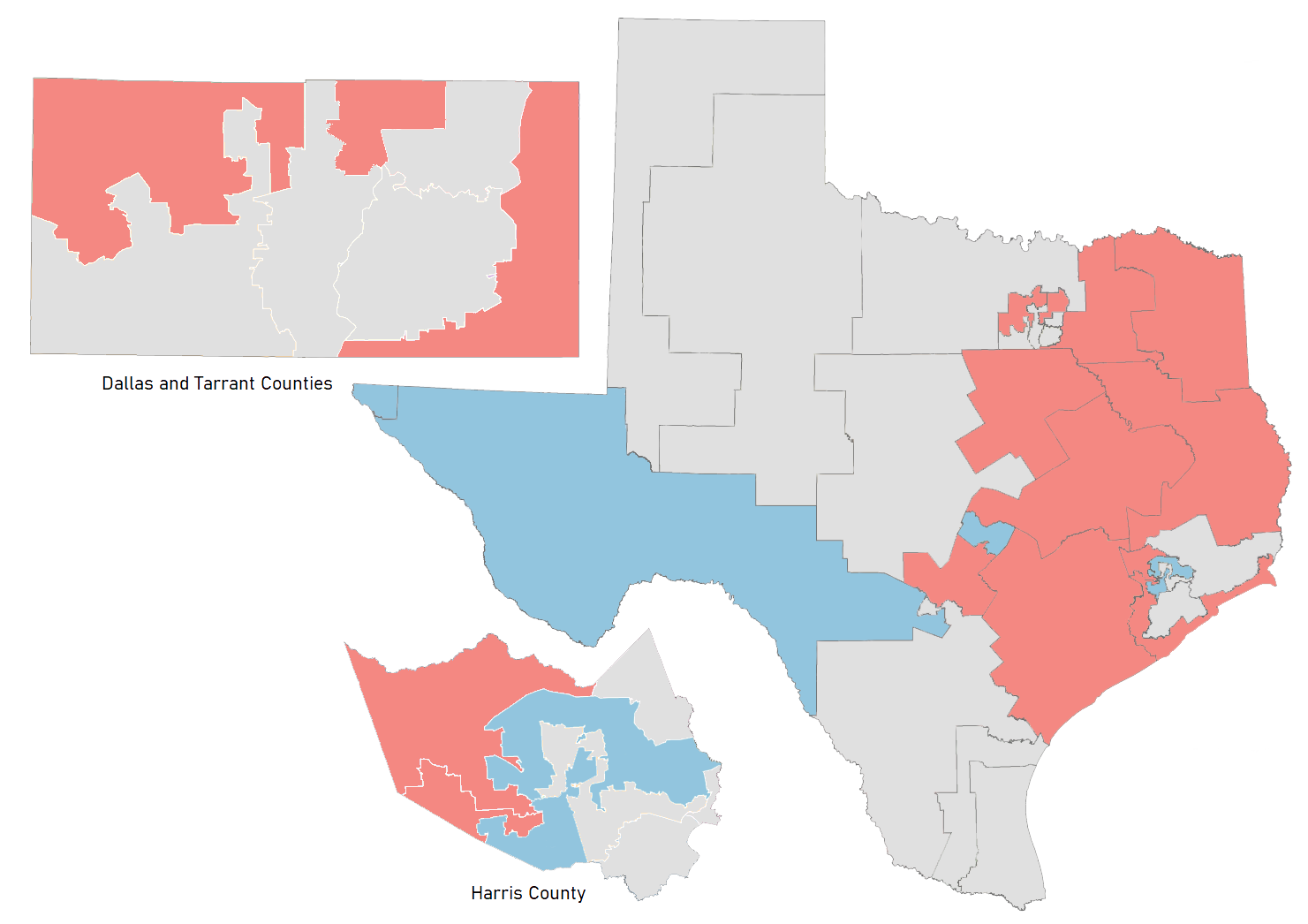
On July 9, 2025, Abbott called for a special session of the Texas Legislature to discuss redistricting. The impetus for the session was a letter from the United States Department of Justice giving the Texas Legislature the legal authority to redistrict its legislative boundaries, citing discrimination in four majority-minority congressional districts; the letter led to Abbott acknowledging that some districts were drawn “along strict racial lines”, a reversal in the state’s prior stance. Trump held his own call with Texas Republicans, urging them to give the state five additional Republican seats.
On August 20, 2025, the Texas State House passed congressional maps that would target five Democratic-held seats, all of them being Coalition Districts consisting of majorly minority populations. The vote was 88–52, a party-line vote. The Congressional map targets Marc Veasey, Greg Casar, Lloyd Doggett, Julie Johnson, and Al Green. On August 23, 2025, the Texas State Senate passed the map with a vote 18–8. The maps were quickly challenged in federal court.
Substantial evidence shows that Texas racially gerrymandered the 2025 Map, according to the ruling, which ordered that the 2026 congressional election “shall proceed under the map that the Texas Legislature enacted in 2021.” Yet the story didn’t end there. On December 4, the Supreme Court stayed the District Court ruling in a 6–3 decision that allows Texas to use the map in 2026, concluding that the District Court had “failed to honor the presumption of legislative good faith by construing ambiguous direct and circumstantial evidence against the legislature” in finding that the map was racially gerrymandered, and had “improperly inserted itself into an active primary campaign” because it issued its ruling after the candidate filing period had begun.
What Texas Republicans did this summer offers a preview of how citizenship-based redistricting might play out if the legal barriers come down. Four of the five districts that are drawn to be newly winnable for the GOP include pockets of current Democratic-held congressional districts with low rates of citizenship. In other words, Republicans appear to be padding the new districts with people who are counted in the census, but who can’t actually vote. That strategy takes advantage of the current system where noncitizens count toward the total population of a district. If states could draw districts based only on citizens, the same strategy would become even more powerful and direct.
The Politics Behind the Maps
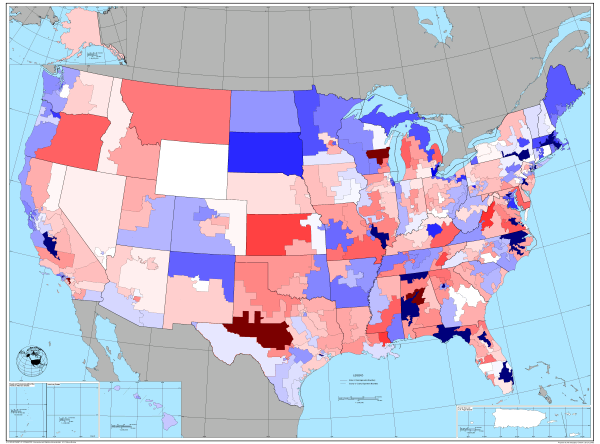
Republicans have said the rare mid-decade redistricting is an effort to align voters – especially Hispanic voters who have shifted toward the GOP – with lawmakers who share their values. “The Hispanics in Texas, they don’t want open border policies, they don’t want boys in girls sports,” Gov. Greg Abbott said in a recent interview on the Charlie Kirk Show. “The people of these congressional districts are going to be able to vote for the candidate of their choice – which they’ve shown is Republican.” Immigrants’ advocates say the redrawn maps actually stand to do the opposite – moving noncitizens into districts whose members are actively pushing to deport many of them.
Republicans are betting that Trump’s surprising gains with Latino voters in the Rio Grande Valley and other parts of South Texas will continue through 2026 and beyond. That’s a gamble. Trump carried all four counties in the Rio Grande Valley after failing to crack 30% in the region during his first presidential bid, and he won 14 of the 18 Texas counties within 20 miles of the border. But Trump’s coattails extended only so far down the ballot, with Democrats winning numerous local races in the same counties that recorded eye-popping shifts at the top of the ticket. Cuellar and Gonzalez secured reelection even as Trump carried their districts, and even with Cuellar also facing down an indictment for alleged money laundering and bribery.
Voting rights advocates agree one unusual election with atypical swings – driven by unique national conditions and local turnout dynamics – doesn’t erase decades of data showing Latino voters in Texas tend to vote cohesively for Democratic candidates, especially in down-ballot races. “We’re not entirely sure if the voters who supported Trump in 2024 will show up the same way in 2026,” Holguín said. “In the Rio Grande Valley, Democrats won from the U.S. Senate race down to local judges, even where Trump did better at the top. There’s a disconnect between presidential and local election results.” If that disconnect continues or widens, Republicans could find themselves defending seats in newly drawn districts that are less safe than they anticipated.
Where the Law Stands Now
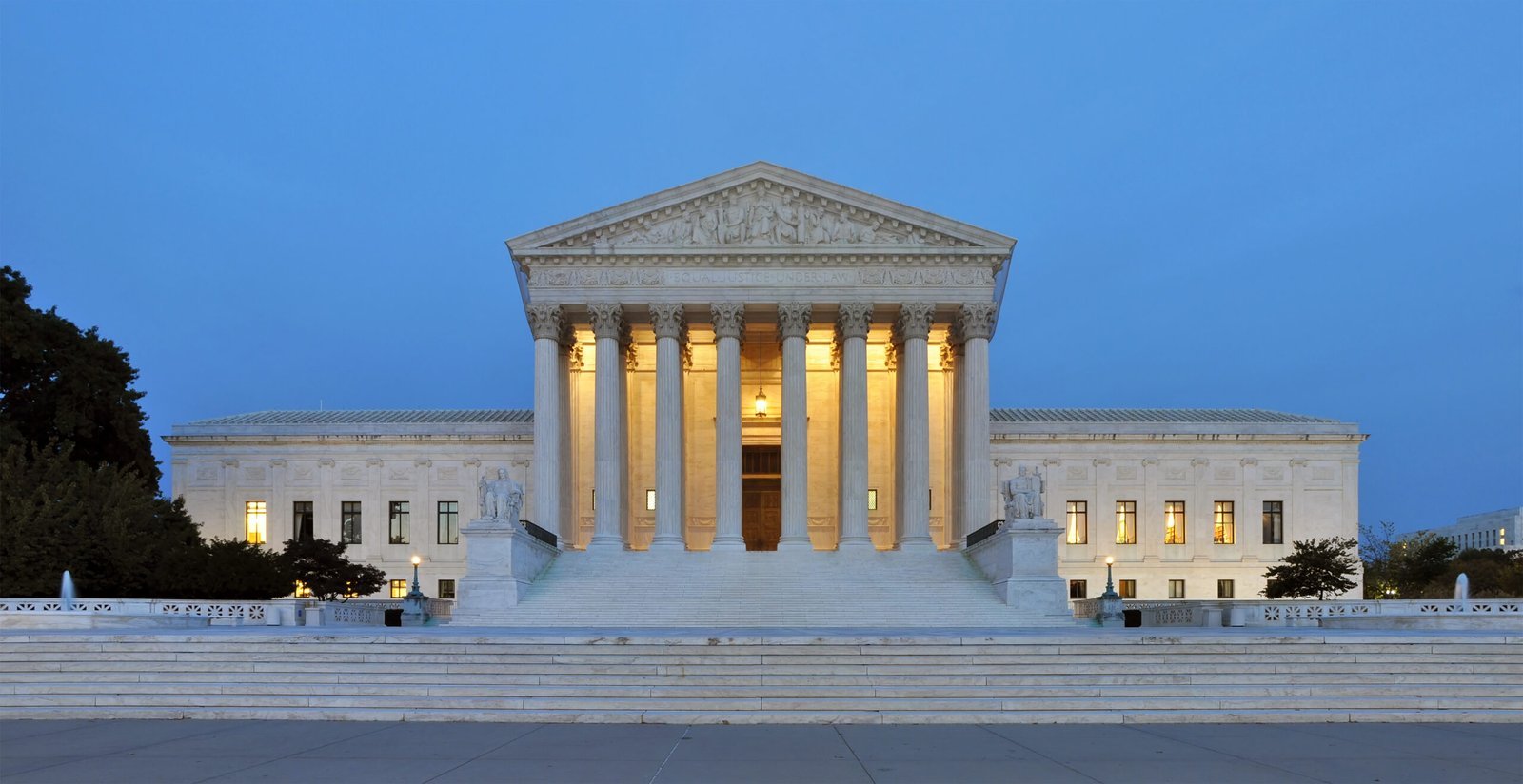
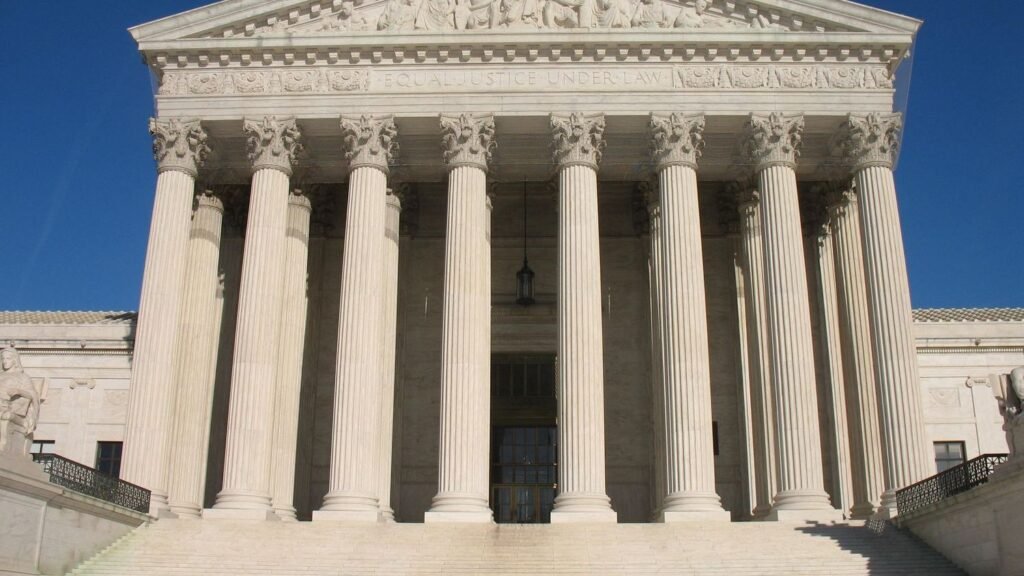
The court rejected this radical constitutional change and ruled 8-0 that states are allowed to continue counting total population. Today, almost all state and local jurisdictions draw electoral districts based on total population. That’s the current baseline established by the Supreme Court in the 2016 Evenwel v. Abbott decision. The Fourteenth Amendment and the one-person, one-vote principle encourage states to create legislative districts with equal total populations, rather than equal voter populations. Voting eligibility is not an appropriate way to define population because representatives serve non-voters as well as voters.
Yet the Court didn’t slam the door completely. It said states may use total population, not that they must. That distinction could matter a lot if a state like Texas decided to switch to a citizen-only baseline and faced a legal challenge. The Supreme Court’s current conservative majority might be more sympathetic to such an approach than the Court that decided Evenwel. Still, it’s hard to ignore the fact that the Evenwel decision was unanimous. Even the conservative justices agreed that total-population redistricting was constitutionally permissible, though some suggested in concurring opinions that other approaches might also be allowed.
The various proposals raise substantial undecided legal and constitutional questions that would have to be settled in court, making the outcomes of such changes impossible to precisely predict. Anyone who tells you they know for certain how these fights will end is guessing. The legal landscape is unsettled, the political stakes are enormous, and the demographic realities are shifting faster than the law can keep up.
Looking Ahead

After the Supreme Court’s conservative majority ruled in favor of Texas lawmakers last week, Republicans head into the 2026 election year with an edge in the redistricting fight kicked off by President Trump. It is the latest major turn in the nationwide redistricting race, from California to Florida, that Trump started to help maintain Republican control of the House of Representatives. Other states are watching closely and may follow suit. Mid-decade redistricting, like the one Texas pushed through this year, is legal but unusual – although Trump’s push to add red seats in some states has set off a chain reaction of it this year.
The combination of mid-decade redistricting battles and the renewed push for citizenship questions creates a volatile mix heading into 2026 and beyond. If Republicans succeed in adding a citizenship question to the 2030 census, states will have the data they need to draw districts based only on citizens for the first time in modern history. That would fundamentally reshape American democracy in ways we’re only beginning to understand. Communities with large immigrant populations would see their political influence diminish, even as they continue to contribute to the economy, pay taxes, and rely on the same public services as everyone else.
Texas sits at the center of both fights, not by accident but because it’s where the political, demographic, and legal forces are colliding most dramatically. The outcome in Texas could set the template for other states and influence how courts approach similar challenges nationwide. For the millions of Texans living in communities that could see their districts redrawn or their neighbors excluded from the count, the stakes couldn’t be higher. The question of who counts in redistricting isn’t abstract. It determines whose voice gets heard and whose concerns get addressed when decisions about schools, roads, healthcare, and everything else get made. That’s worth paying attention to, no matter where you live.

Christian Wiedeck, all the way from Germany, loves music festivals, especially in the USA. His articles bring the excitement of these events to readers worldwide.
For any feedback please reach out to info@festivalinside.com
