

For any feedback please reach out to info@festivalinside.com
- Ten Most Lopsided Battles In History Ever - April 4, 2026
- These 10 Forgotten Literary Masterpieces Are Just Waiting to Be Rediscovered - April 4, 2026
- These 10 Historical Events Had Far-Reaching Consequences We Still Feel Today - April 4, 2026
History has a strange way of humbling the mighty. You’d think that the side with more soldiers, more weapons, or more resources would almost always win, right? That seems logical. Rational. Practically guaranteed. Yet time and again, across thousands of years of human conflict, the ledger of war has been torn apart by outcomes so wildly uneven that they defy common sense. Some battles ended with one side barely scratching a fingernail while the other was essentially erased.
What makes warfare so fascinating, and so brutal, is the number of variables that commanders simply cannot control: terrain, technology, weather, morale, and even sheer luck can shift the outcome faster than anyone anticipates. The battles collected here are not just military curiosities. They are windows into what happens when two forces collide with a gap so enormous that the word “battle” almost feels like an overstatement. Prepare to be stunned.
1. Battle of Cannae (216 BC): Hannibal’s Masterpiece of Slaughter
http://forum.artinvestment.ru/blog.php?b=273473&langid=5, Public domain)
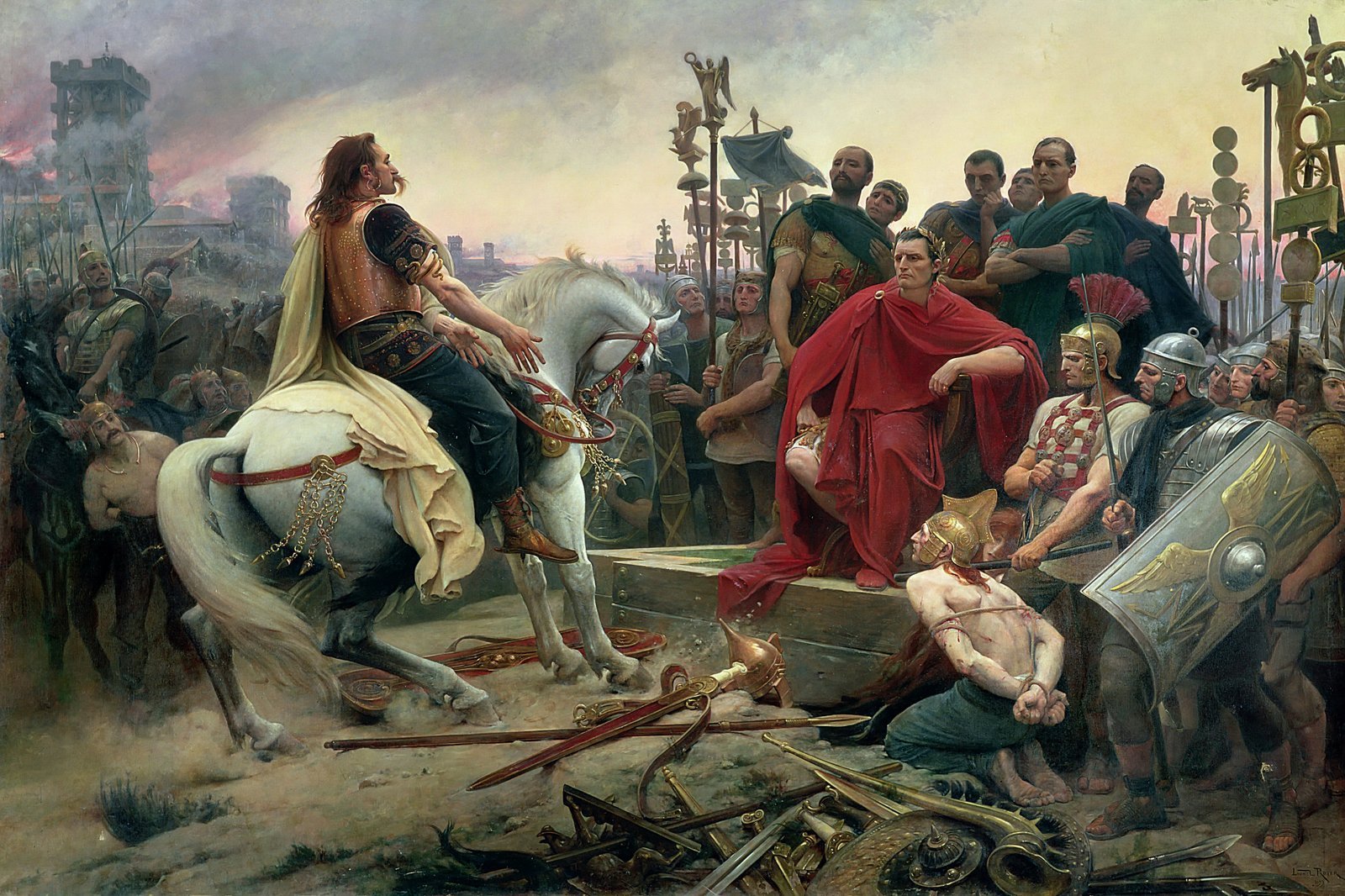
If there is one battle that every military academy on the planet still studies with near-religious reverence, it is Cannae. Fought on August 2, 216 BC near the ancient village of Cannae in Apulia, southeastern Italy, the Carthaginians and their allies led by Hannibal surrounded and practically annihilated a larger Roman and Italian army. Think about that. A smaller force surrounded and destroyed a bigger one. It’s the kind of thing that sounds impossible until you see how it was done.
Breaking from the Fabian strategy of nonengagement, the Roman consuls brought to Cannae roughly 80,000 men, about half of whom lacked significant battle experience. Hannibal, commanding roughly 50,000, used what is now called the double envelopment, letting the Roman center push forward while his flanks curled inward like a closing fist. The Romans lost about seventy-five percent of their army; a little more than half were killed and another fourth was captured. The Carthaginians lost about ten to fifteen percent of their army. It remains, honestly, one of the most tactically brilliant and catastrophically lopsided single battles in all of recorded human history.
Among the Roman dead were 28 of 40 tribunes, up to 80 Romans of senatorial or high magistrate rank, and at least 200 knights. It was estimated that twenty percent of Roman fighting men between the ages of 18 and 50 died at Cannae. The consequences rippled across the ancient world. In spite of the massive blow to Rome’s morale and its manpower in the short term, Cannae ultimately steeled Roman resistance for the long fight ahead. Rome resumed the Fabian strategy, denying Hannibal the opportunity to achieve a second victory of Cannae’s scale. Hannibal won the battle magnificently but lost the war, which is a lesson in itself.
2. Battle of Agincourt (1415): The Mud, the Longbow, and a Miracle
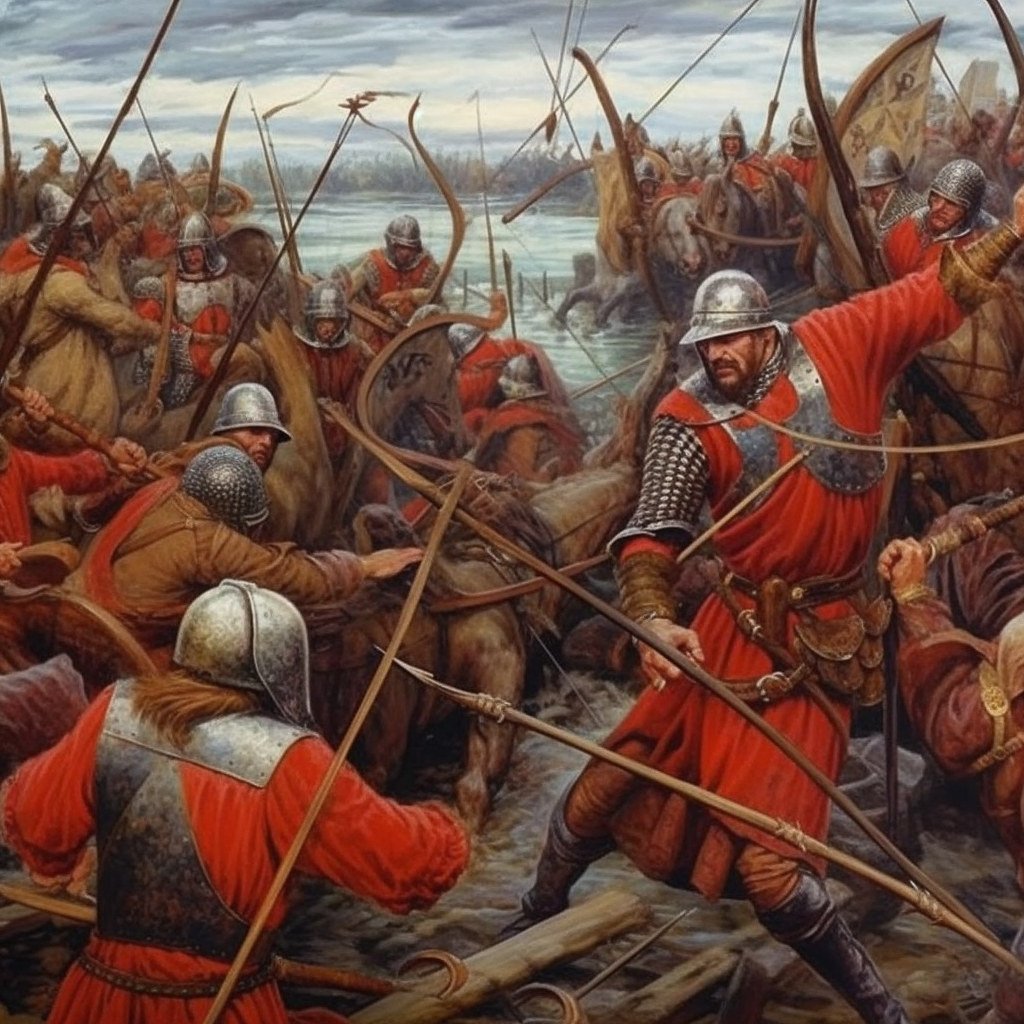
Few battles in medieval history have been romanticized as much as Agincourt. Shakespeare immortalized it. Historians still debate the exact numbers. The English army was exhausted, disease-ridden, and drastically outnumbered, with estimates generally placing the ratio between 1:4 and 1:6 (English:French). Henry V’s men had been marching for weeks, half of them sick, and they were about to face one of the most prestigious military forces in Europe.
Here’s the thing about Agincourt: it wasn’t just luck. The field that the French had to cross to meet their enemy was muddy after a week of rain and slowed their progress, during which time they endured casualties from English arrows. When the first French line reached the English front, the cavalry were unable to overwhelm the archers, who had driven sharpened stakes into the ground at an angle before themselves. The French, weighed down in full plate armor, were literally sinking in the mud while English arrows rained down on them.
While the precise number of casualties is unknown, it is estimated that English losses amounted to about 400 and French losses to about 6,000, many of whom were noblemen. The political consequences were seismic. The engagement altered negotiation power and opened the way to campaigns in Normandy. Those campaigns led to the 1420 Treaty that recognized King Henry as heir to the French crown. A weary, outnumbered army, chest-deep in foreign mud, had just changed the political map of Europe.
3. Battle of Omdurman (1898): The Machine Gun Rewrites the Rules
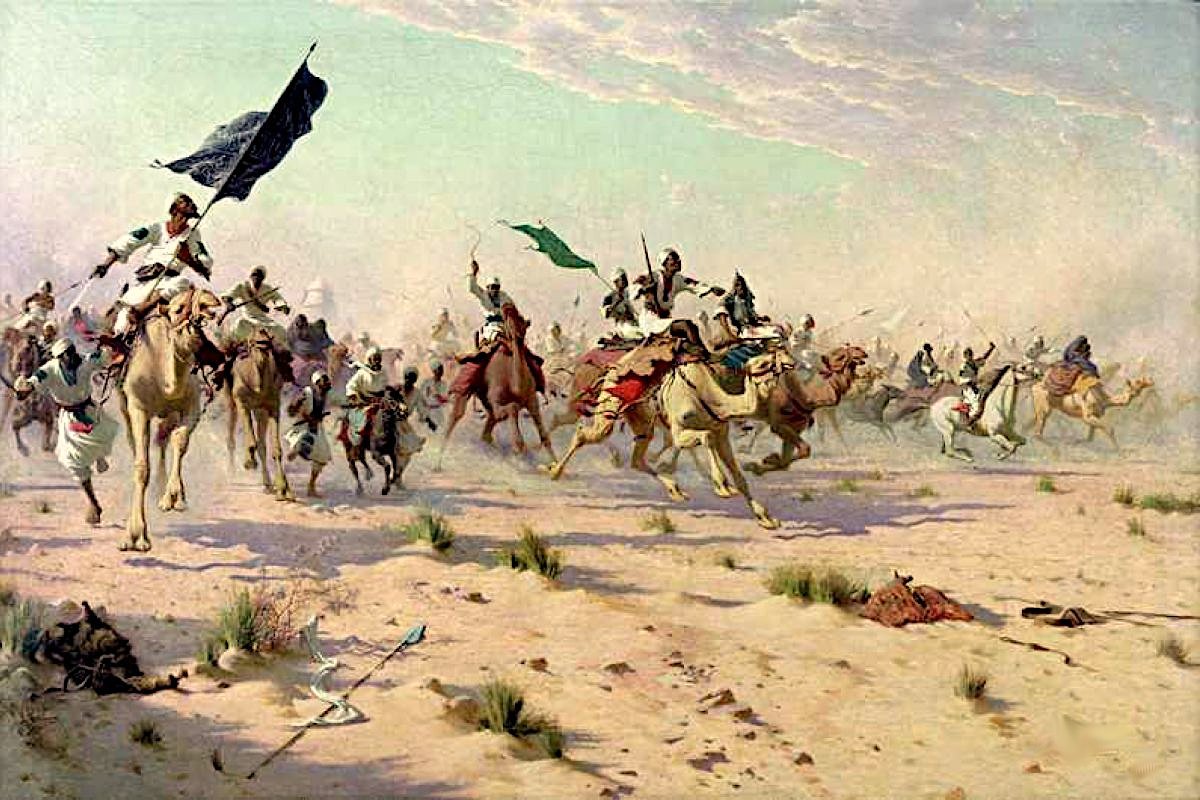
Kitchener’s 25,800 troops, supported by river gunboats, field artillery, and Maxim machine guns, faced approximately 52,000 Mahdist warriors armed primarily with spears, swords, and outdated rifles, who advanced in dense formations across open ground into concentrated fire. This was not a battle in the traditional sense. It was a collision between two entirely different centuries of warfare.
On the morning of September 2, Mahdist forces launched a frontal attack on Kitchener’s camp and suffered tremendous casualties from rapid-fire artillery, machine guns, and massed rifle fire. The Mahdist warriors were genuinely brave. No one disputes that. They charged forward knowing what was waiting for them. But bravery cannot stop a Maxim gun. British losses were 48 killed and 434 wounded. Dervish losses were catastrophic, with 9,700 killed, 10,000 to 16,000 wounded and 5,000 captured.
The battle resulted in approximately 10,000 Sudanese casualties compared to minimal Anglo-Egyptian losses. The outcome effectively dismantled the Mahdist state and paved the way for the establishment of an Anglo-Egyptian Sudan. The consequences reshaped the entire region politically. Omdurman stands as a grim reminder that technological gaps between armies can matter more than numerical superiority. Courage alone is not a military strategy.
4. Battle of Blood River (1838): 464 vs. 10,000
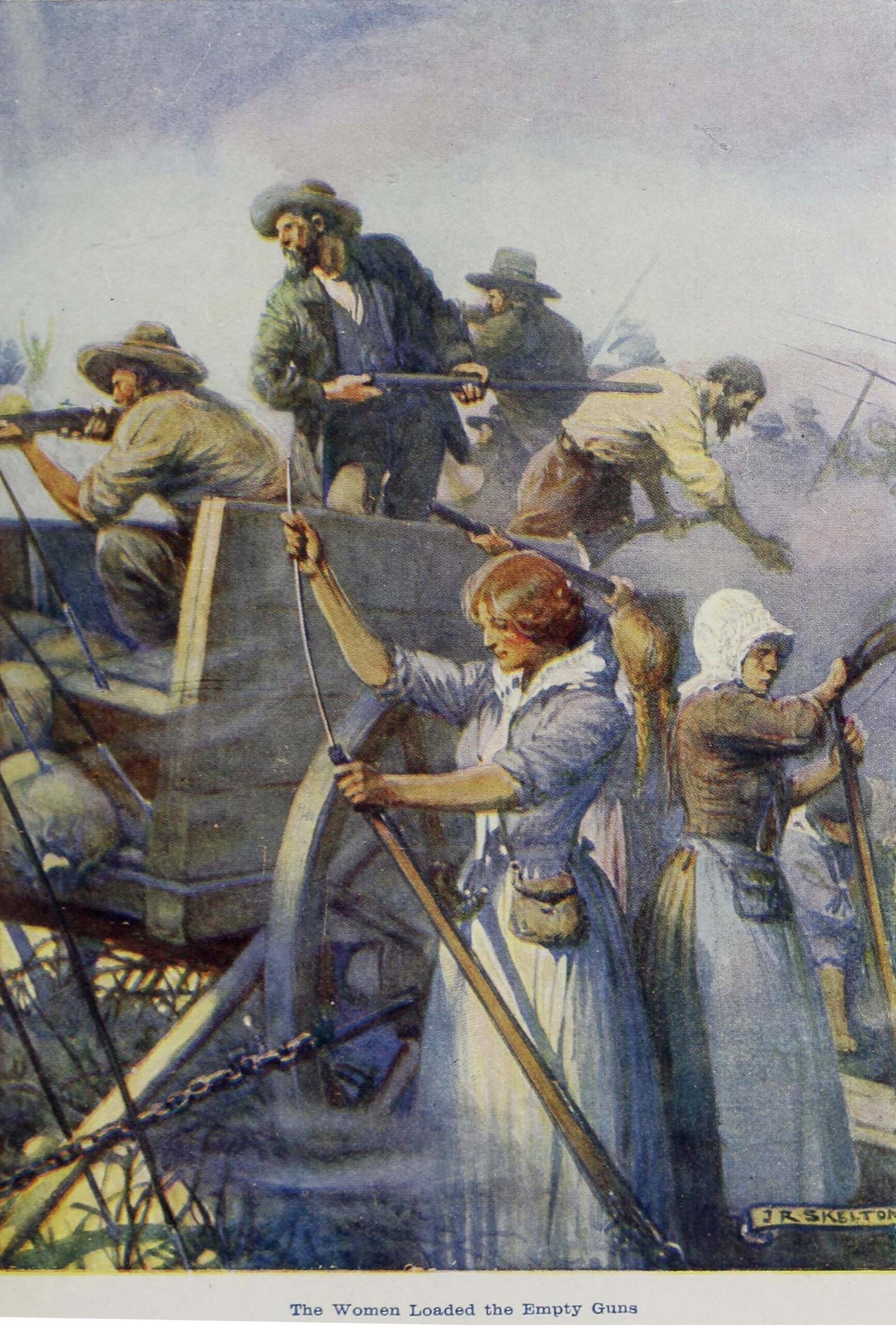
In southern Africa in December 1838, a group of Voortrekker settlers faced a scenario that should have been a massacre. The numbers were absurd. The Battle of Blood River saw a victory of 464 Voortrekkers led by Andries Pretorius over a Zulu force of 25,000 to 30,000. The Zulu had perhaps 3,000 casualties, while only three Voortrekker commando members were lightly wounded. Three lightly wounded. Against a force estimated at up to thirty times their size.
The Voortrekkers had positioned themselves inside a circular defensive formation called a laager, using their wagons as walls. The Zulu warriors, fierce and highly skilled in conventional combat, attacked repeatedly with extraordinary courage. But the enclosed formation combined with superior firepower turned the open field into a killing zone. Think of it like trying to storm a well-defended fort through a single narrow gate, over and over again.
The battle became deeply embedded in South African cultural memory, particularly among Afrikaner communities, who regarded the victory as almost providential. Its legacy is complex and contentious to this day, intersecting questions of colonialism, land, and identity. What is undeniable is the sheer, staggering disparity in casualties, making it one of the most mathematically extreme outcomes of any battle in the modern era.
5. Battle of Gaugamela (331 BC): Alexander’s Impossible Arithmetic
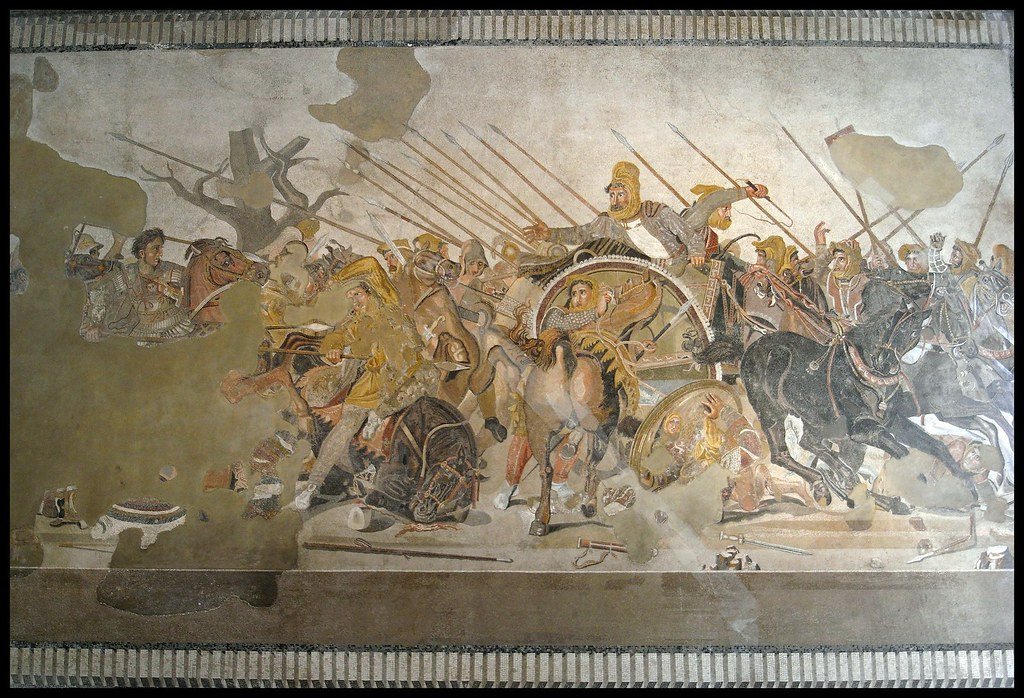
Alexander the Great was many things, but above all, he was a man who simply refused to accept that numbers on paper meant anything. At Gaugamela, he faced the Persian army of Darius III, an enormous force that dwarfed his Macedonian army. Ancient sources place Persian numbers anywhere from 200,000 to over one million, though modern historians tend toward more conservative estimates, still placing the Persians at a significant numerical advantage. At the Battle of Gaugamela in 331 BC, Alexander the Great annihilated a much larger Persian army, thus ultimately conquering the Middle East.
Alexander’s tactical genius lay in recognizing a weakness in the Persian line and exploiting it with lightning-fast cavalry. He personally led his Companion cavalry in a diagonal charge directly toward Darius, creating panic at the center of the Persian command. When Darius fled, the psychological collapse of the Persian army was almost immediate. It’s remarkable, honestly. You could have twice or three times as many soldiers and still lose catastrophically if your general runs at the first sign of danger.
The consequences of Gaugamela were world-altering. The Persian Empire, one of the largest the ancient world had ever seen, effectively ceased to exist as a sovereign power. Cities surrendered. Treasuries opened. The entire geopolitical balance of the ancient world shifted within a single afternoon. For military historians, Gaugamela remains a textbook study in how tactical creativity and aggressive decision-making can neutralize overwhelming numerical odds.
6. The Anglo-Zanzibar War (1896): The Shortest and Most Lopsided War Ever Fought
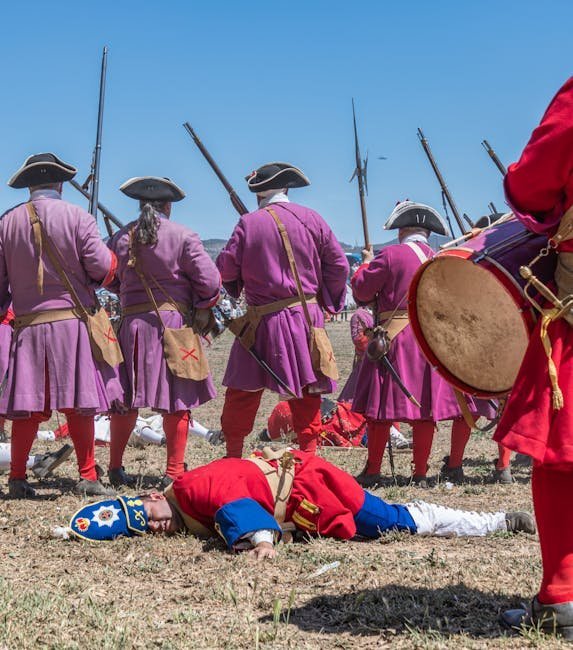
Let’s be real, calling this a “war” almost feels generous. The Anglo-Zanzibar War lasted 45 minutes or so, one of the shortest wars in all of history. What makes it one of the most lopsided battles is the sheer number of casualties on the Zanzibari side. Around 500 Zanzibari troops lost their lives during the battle, compared to a single wounded British sailor. One wounded sailor. Against 500 dead on the other side. The mismatch is almost too extreme to comprehend.
The war had lasted roughly thirty-eight minutes, during which time the British expended about 500 artillery shells, 4,100 machinegun rounds, and 1,000 rifle bullets. The context was a political dispute over who would rule Zanzibar following the death of a pro-British sultan. The new claimant, Khalid bin Barghash, had taken power without British approval. The British response was immediate and overwhelming.
The sultan was not in the palace by the time the British reached it shortly after the bombardment stopped. Khalid, with dozens of followers, fled to the German consulate, where he sought refuge. By that afternoon, the British had installed their favorite as sultan in his place. In under an hour, a government had been toppled, a palace destroyed, and a new ruler installed. It is difficult to find a more extreme ratio of time, effort, and political outcome anywhere in the history of armed conflict.
7. Battle of the Philippine Sea (1944): The Marianas Turkey Shoot
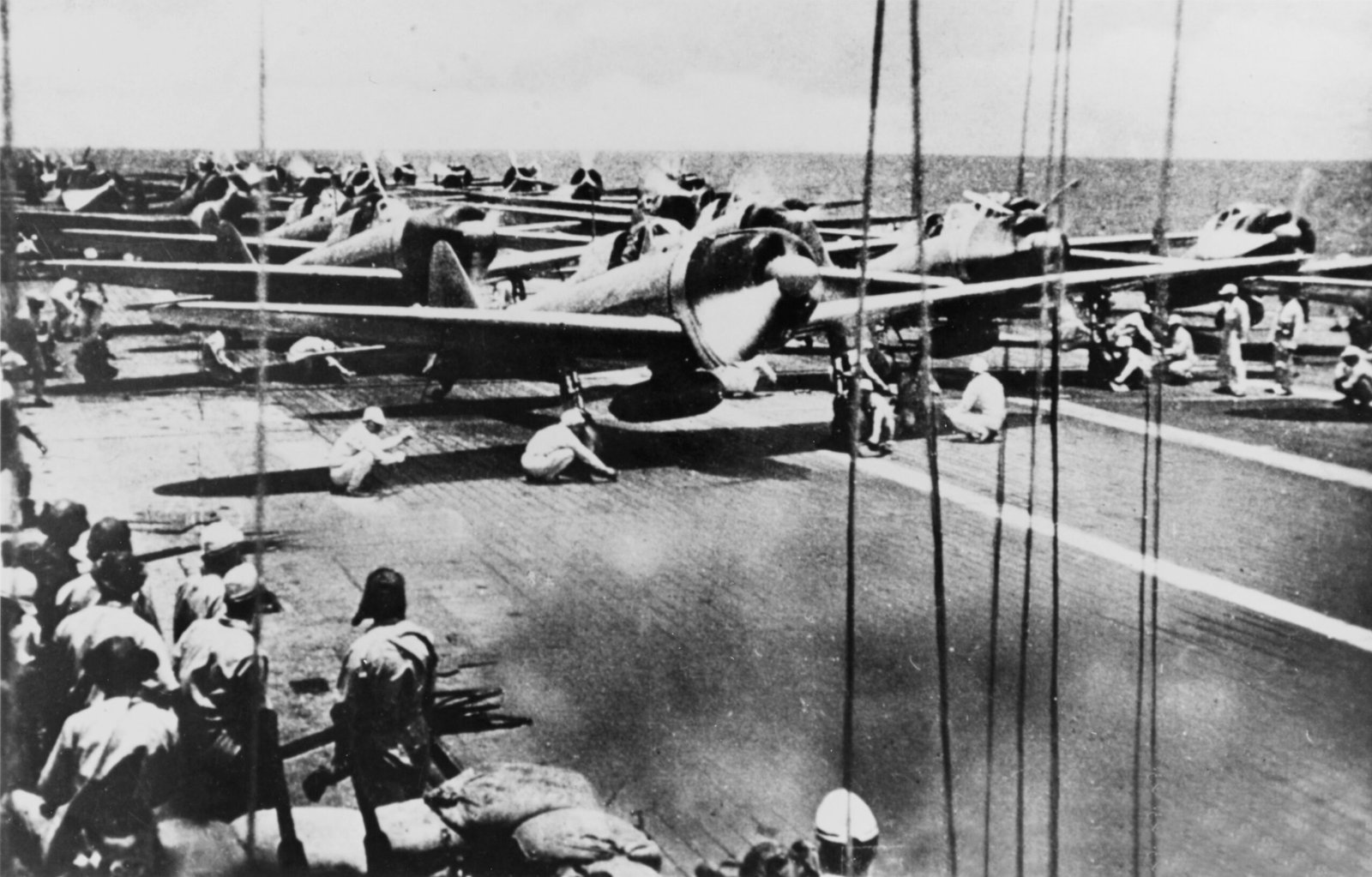
By mid-1944, Japan was already losing the war in the Pacific. The Battle of the Philippine Sea is one of the most lopsided battles in all of naval history. It was dubbed the Marianas Turkey Shoot due to the Japanese Navy taking a heavy loss of material and personnel during the battle. The nickname itself tells you everything. When your enemies start calling your defeat a “turkey shoot,” the outcome was truly that one-sided.
The United States Navy had developed superior radar-guided interceptor tactics, new fighter aircraft, and experienced pilots who had been training for exactly this kind of engagement. The Japanese launched wave after wave of aircraft, and wave after wave was decimated before it could reach the American fleet. Japan lost roughly three aircraft carriers and hundreds of planes over the course of the two-day engagement, along with thousands of experienced airmen who simply could not be replaced.
The strategic consequences were catastrophic for Japan. The destruction of experienced naval air power accelerated the timeline of defeat. Without air cover, Japanese surface fleets became vulnerable. Without experienced pilots, new aircraft were useless. The battle essentially shattered Japan’s ability to contest American dominance in the Pacific, removing the last serious obstacle to island-hopping campaigns toward the Japanese home islands. It was one engagement that effectively decided the final chapter of the Pacific war.
8. Battle of Cannae’s Reverse: Acosta Ñu (1869) and Paraguay’s Catastrophe
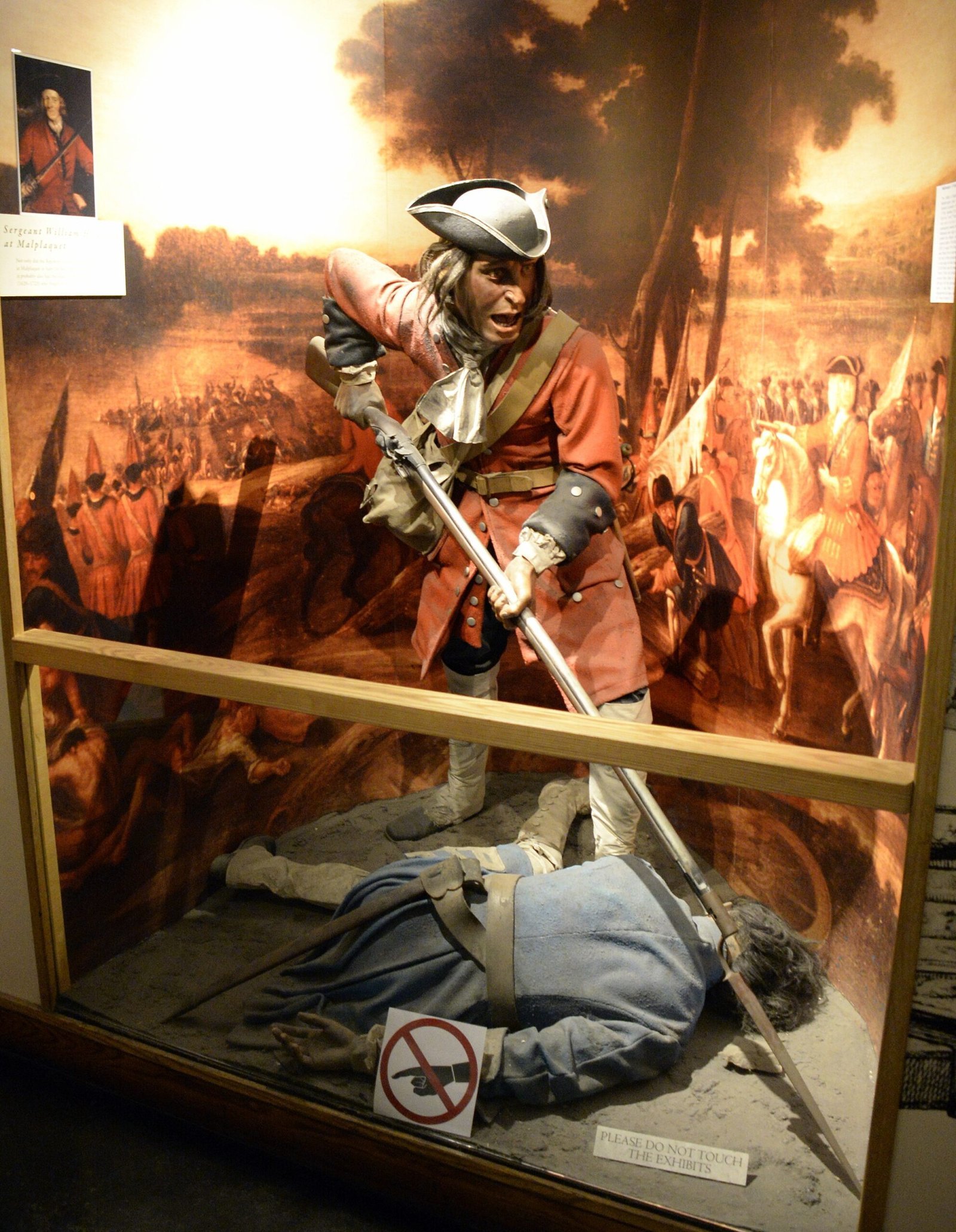
Few wars were more lopsided than the War of the Triple Alliance. Paraguay’s leader, Francisco Solano López, declared war on Uruguay and Brazil in 1864 and then on Argentina. López had about 50,000 men; the Alliance fielded more than 500,000. This was, from the very beginning, a fight Paraguay had almost no chance of winning. Still, they fought on for years.
At Acosta Ñu in 1869, López brought 3,000 to 4,000 troops against 20,000 Brazilians. By then, Paraguay relied on child soldiers, many 15 or younger, some even wearing fake facial hair. Paraguay had lost nearly every able-bodied man. The result was a devastating rout. Children, disguised as men, sent to fight professional soldiers. The horror of this battle is difficult to fully absorb even with historical distance.
Historians estimate that roughly two-thirds of Paraguay’s male population died from war, violence, and famine. Let that sink in. Two-thirds of an entire nation’s men, wiped out. Acosta Ñu is not just a lopsided battle, it is the most extreme demographic catastrophe suffered by any nation in the Western Hemisphere in modern history. Paraguay spent generations recovering. Some historians argue it never fully did.
9. Battle of Tannenberg (1914): Russia’s Opening Nightmare
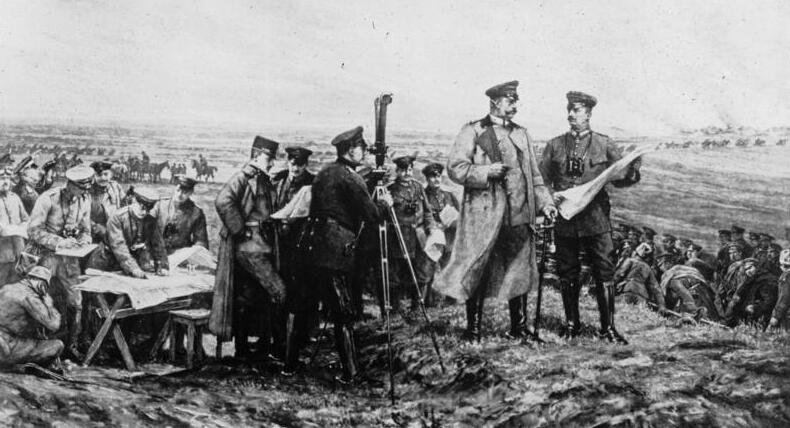
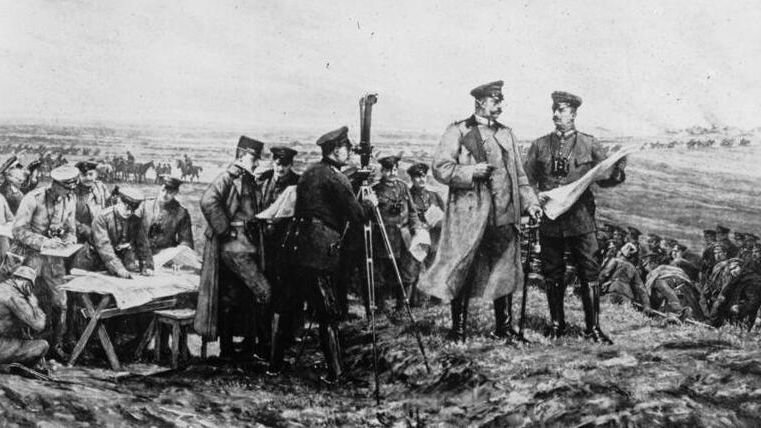
The opening weeks of World War I produced one of the most complete military destructions of an entire army in modern history. The Battle of Tannenberg was an early battle that showed the Russians that Germany was just beyond their level. This costly fight took almost all of the Russian Second Army as casualties. The Russian Second Army, an entire fighting force of hundreds of thousands of men, essentially ceased to exist after a few days of fighting.
The German generals Hindenburg and Ludendorff had intercepted Russian radio communications, sent unencrypted because the Russian army lacked codes. It is almost unbelievable, but the Germans knew in advance where the Russian forces were moving. They used this intelligence to encircle and trap the Russian Second Army in the Masurian Lakes region, cutting off retreat and annihilating the force piecemeal. The Russian commander, General Samsonov, reportedly walked into the woods alone and shot himself when he understood the scale of the disaster.
The consequences reshaped the Eastern Front. Over 90,000 Russians were taken prisoner, and tens of thousands more were killed. Germany captured enormous quantities of equipment and artillery. More broadly, Tannenberg planted early seeds of doubt about the competence of the Tsarist military leadership, doubts that would fester for years and contribute to the revolutionary upheavals of 1917. A single, catastrophic defeat helped unravel an empire.
10. Siege of Jadotville (1961): 155 Against Thousands
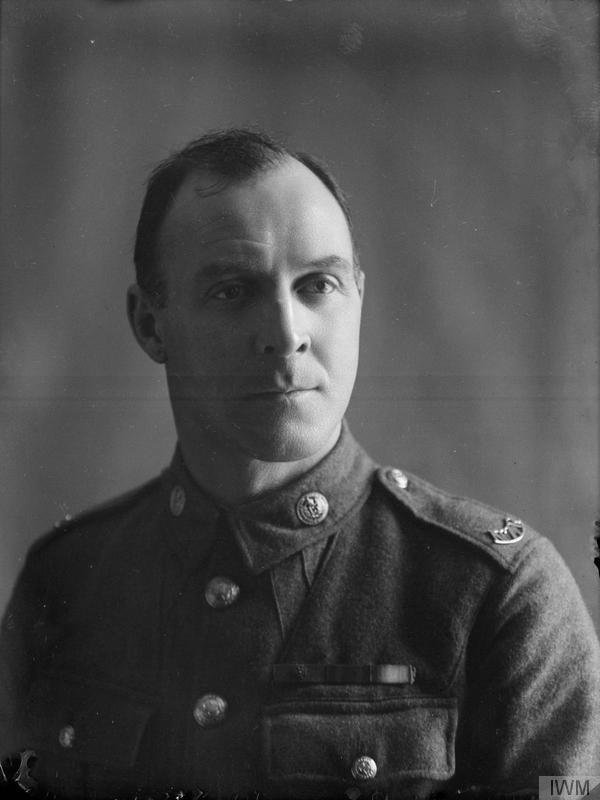
After the Democratic Republic of Congo gained independence in 1960, the province of Katanga declared independence in 1961. The DRC asked the United Nations for help. Among the peacekeepers were 157 Irish soldiers, airlifted to Jadotville to protect Belgian settlers. What followed was one of the most extraordinary defensive stands of the twentieth century, and one that went almost completely unrecognized for decades.
Katangan forces attacked with roughly 3,000 troops and mercenaries, supported by artillery and even a fighter aircraft. The Irish held out for five days under constant attack. Despite being surrounded and heavily outnumbered, they repelled repeated assaults and inflicted severe losses on their attackers. Katangan forces suffered hundreds of casualties while the Irish suffered none during the battle. No combat deaths. Against thousands of attackers, including professional mercenaries and air support.
The Irish soldiers ran out of food, water, and ammunition before finally being forced to surrender through negotiation, not military defeat. It remains a source of deep pride and deep frustration in Ireland, as the men were never properly recognized for decades. A film released in 2016 finally brought the story wider attention. What the Siege of Jadotville demonstrates, perhaps more clearly than any other battle on this list, is that courage, discipline, and tactical intelligence can make a handful of men seemingly invincible, at least for a while.
Conclusion: What Lopsided Battles Teach Us About War and Human Nature
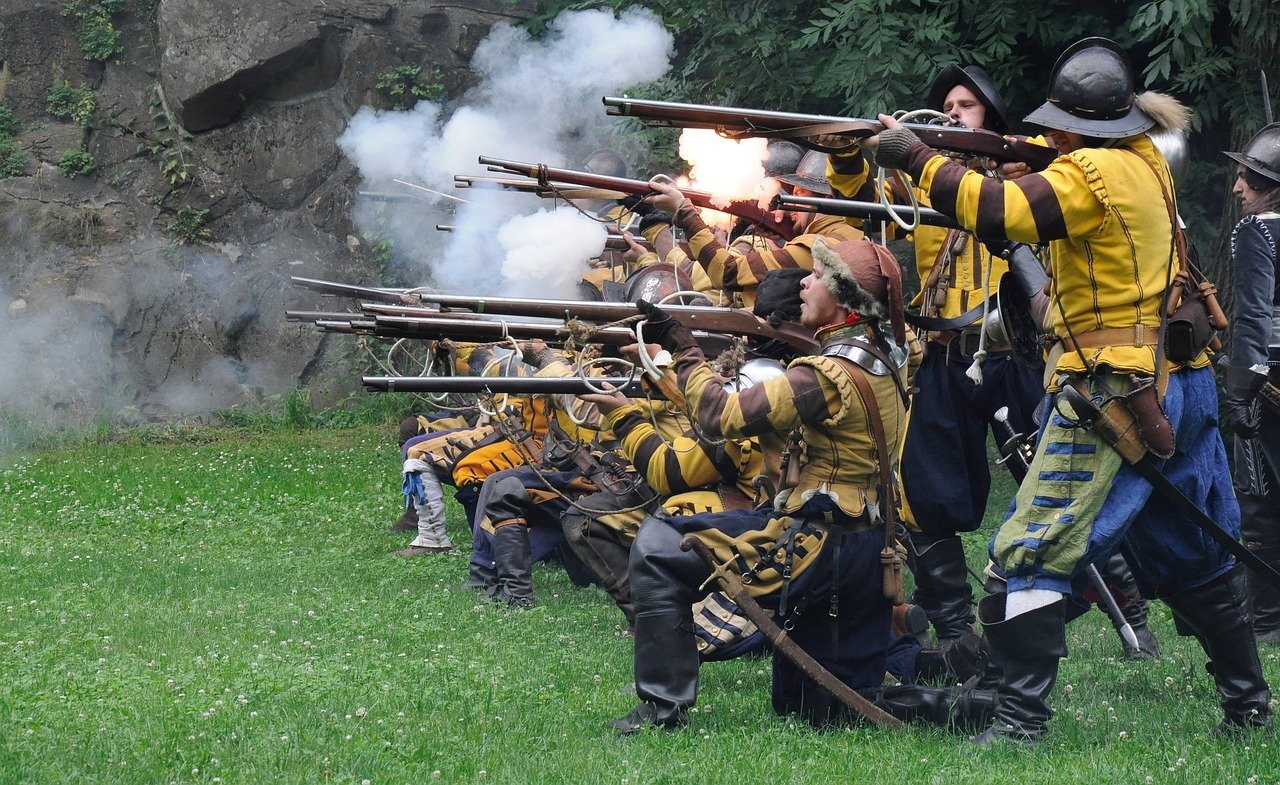
Looking across these ten engagements, a pattern emerges that goes beyond numbers. Numbers, it turns out, are often the least important variable. Terrain, technology, training, leadership, communication, and morale have repeatedly proven capable of overturning what seemed like overwhelming mathematical certainty. Hannibal proved it at Cannae. Henry V proved it in the mud of Agincourt. A handful of Irish peacekeepers proved it in the Congo.
What is equally striking is how often the winning side failed to convert tactical victory into lasting strategic success. Hannibal decimated Rome at Cannae but lost the war. The British steamrolled the Mahdist warriors at Omdurman but inherited a region they couldn’t fully govern. Military history is littered with brilliant victories that solved the wrong problem.
I think the deepest lesson here is one about human arrogance. Every losing commander in this list believed, right up until the moment of collapse, that their advantages were decisive. The Romans at Cannae believed mass would win. The French at Agincourt believed their knights were unstoppable. The Mahdists believed courage could overcome Maxim guns. History answered all of them the same way. So the next time you find yourself assuming that having more of something guarantees you’ll win, remember these ten battles. What would you have done differently?

Christian Wiedeck, all the way from Germany, loves music festivals, especially in the USA. His articles bring the excitement of these events to readers worldwide.
For any feedback please reach out to info@festivalinside.com
