
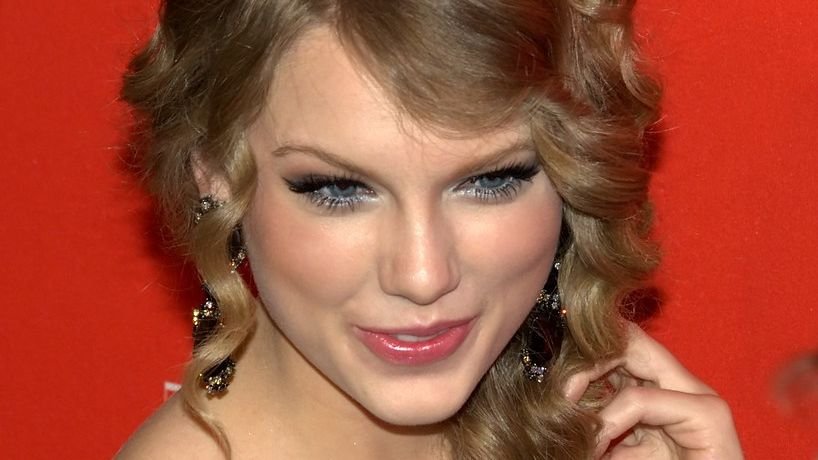

There is a short list of artists who genuinely change the rules of the game. Most musicians play within the system. A rare few rewrite it entirely. Taylor Swift belongs to that second category, and honestly, what she has accomplished over the past two decades goes so far beyond chart success that calling her simply a “pop star” feels almost laughably inadequate.
She is recognized for her versatile musicality, songwriting prowess, and business acuity that have inspired artists and entrepreneurs worldwide. From the way she has reshaped artist rights, to the way her tours have quite literally moved national economies, the full scope of her influence is still being studied, debated, and felt across every corner of the industry. What follows is an attempt to make sense of it all. Let’s dive in.
A Career Built on Deliberate, Fearless Reinvention
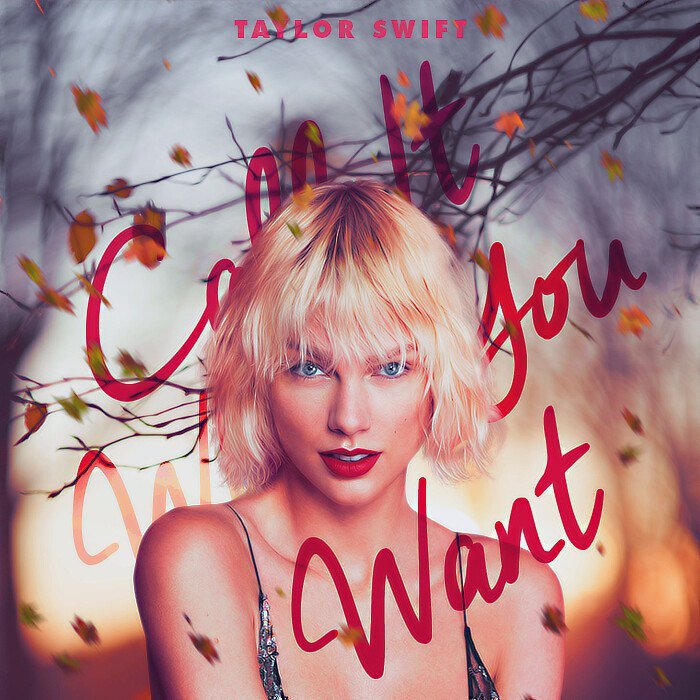
The world now knows Taylor Swift as a global pop superstar, but back in 2006, she was just a doe-eyed country prodigy. Since then, she has released 12 studio albums, re-recorded four as “Taylor’s Version,” and cultivated one of the most feverish fan bases in music. That trajectory is not an accident. It is the result of a career managed with extraordinary intentionality, where every pivot was calculated without ever feeling cynical.
In an unprecedented move, Swift almost entirely abandoned the country genre with her record 1989. Rather than the gradual evolution over a period of a few albums that one might expect, she transitioned quickly. Most artists who attempt that kind of leap lose core fans in the process. Swift did not. She managed to bring her original country audience with her, then added wave after wave of new listeners with each succeeding era. She can weave narrative into her lyrics in a way that allowed the fans who liked her because she was a country singer to stick around. As one music scholar noted, fans will often rebel if artists stray from their original genre, and somehow she avoided that entirely.
Each of Swift’s eras is characterized by a unique aesthetic, color palette, fashion style, and an associated mood or emotion. Her album releases have been described as cultural moments. Reinventing her image throughout her career, Swift has popularized several aesthetic trends, such as Polaroid motifs with 1989 and cottagecore with Folklore and Evermore. That kind of layered, immersive world-building around each release is something younger artists are now actively trying to emulate, and most fall short.
Ownership Advocacy That Changed the Legal Landscape
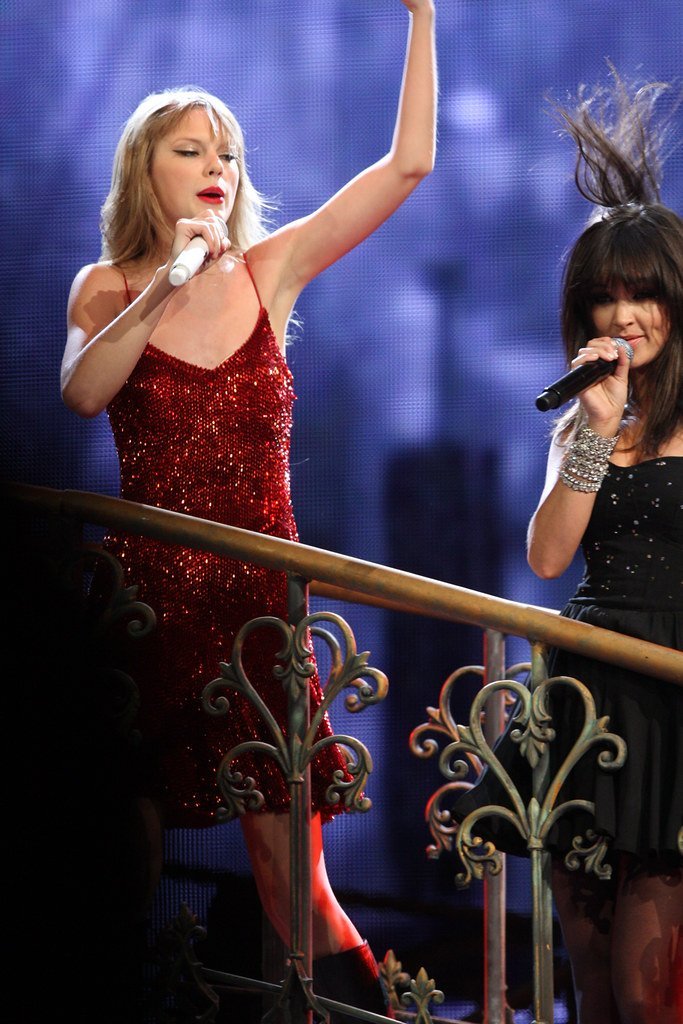
Let’s be real: before Taylor Swift made this a dinner table conversation, most music fans had no idea what a “master recording” even was. The concept of who actually owns an artist’s music was buried deep inside contract law. She dragged it into the light, and the entire industry felt the tremor.
In 2019, Swift announced that she was being blocked from performing any songs from her old albums by Big Machine Records because it exclusively owned the rights to reproduce, distribute, prepare derivative works from, and publicly perform her earlier sound recordings. These rights were granted under the Copyright Act of 1976. Swift’s inability to purchase or reclaim her masters following Big Machine’s sale to a third party underscored the limits of contractual freedom for artists who sign early-career recording agreements.
Rather than pursuing litigation, Swift adopted a novel strategy: re-recording her albums to regain practical and economic control over her music. By releasing “Taylor’s Versions,” she effectively undercut the market value of the original masters, driving fans and commercial licensors toward her new recordings. This strategy has implications for copyright law and contract negotiations that continue to ripple through the industry today. Think of it like painting over a masterpiece in a gallery you no longer own. The gallery still has the original, but everyone walks past it to see your new version.
When Swift reclaimed the masters in 2025, journalists considered it a watershed for musicians’ rights and ownership of art. Her ongoing quest to regain ownership was widely documented, and this public awareness also inspired other artists to follow her lead in reclaiming their masters. Industry observers note more transparent royalty splits between artists and labels, and shorter deals for three or four albums as opposed to five or six. However, the Taylor Swift story also came with one drawback: stricter re-recording clauses in new contracts. She changed the game, and the label side adjusted accordingly.
The Touring Impact That Redefined What a Concert Can Do
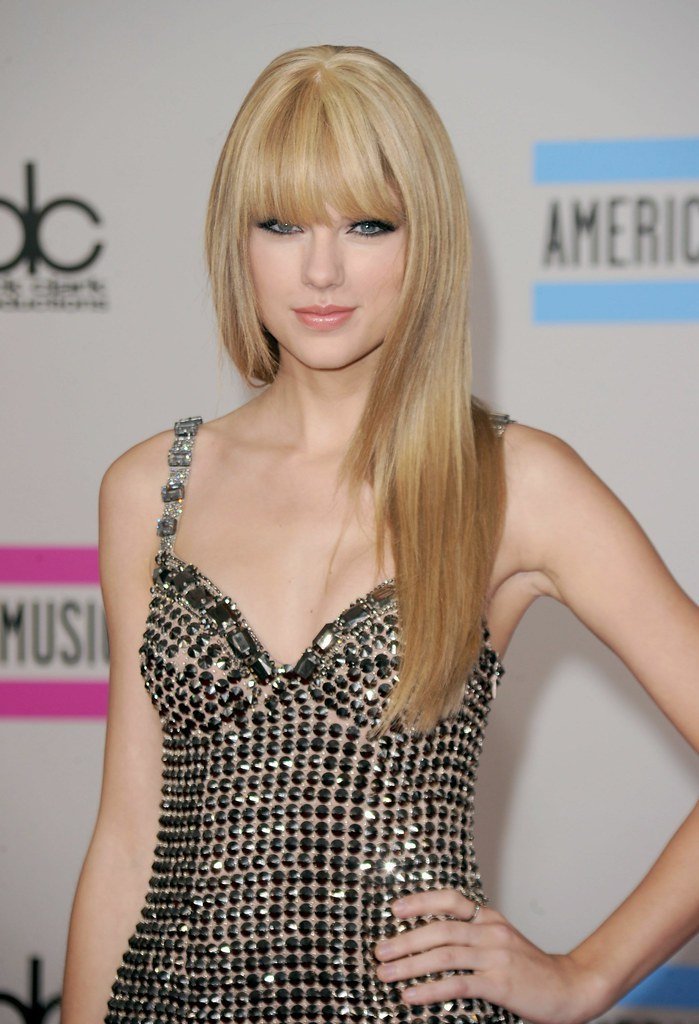
There is no gentle way to put this: the Eras Tour was not just a concert tour. It was an economic phenomenon that governments, economists, and the Federal Reserve actually paid attention to. Nothing in the history of live music has come close to what it produced.
The Eras Tour became the highest-grossing tour of all time with an estimated windfall of $2.2 billion. To put that number in perspective, that is twice the second-highest-grossing concert tour of all time, Coldplay’s Music of the Spheres World Tour, which only surpassed the $1 billion mark in 2024. The economic impact of the Eras Tour was frequently compared to, and in many instances surpassed, that of other major global events such as the Super Bowl, the Olympic Games, and the FIFA World Cup. For example, the opening night of the tour in Glendale, Arizona, generated more revenue for local businesses than Super Bowl LVII, which was held in the same stadium earlier that year.
Characterized by inflation, trickle-down and multiplier effects, elevated commercial activity was reported in every city the Eras Tour visited, boosting local businesses, the hospitality industry, clothing sales, public transport revenues, and tourism more significantly than the Olympics and the Super Bowl. Hotel rooms in Edinburgh, Liverpool, and Cardiff sold out for the June 2024 tour dates as early as August 2023, while over 80 percent of hotel rooms in Paris and Warsaw nearly sold out months before the cities’ dates. Economists coined a term for it. Often referred to as “Swiftonomics,” this phenomenon highlights a unique demand shock where consumers, especially in a post-pandemic world, were prioritizing live entertainment and once-in-a-lifetime experiences.
A Genre Transition That No Artist Had Attempted at That Scale
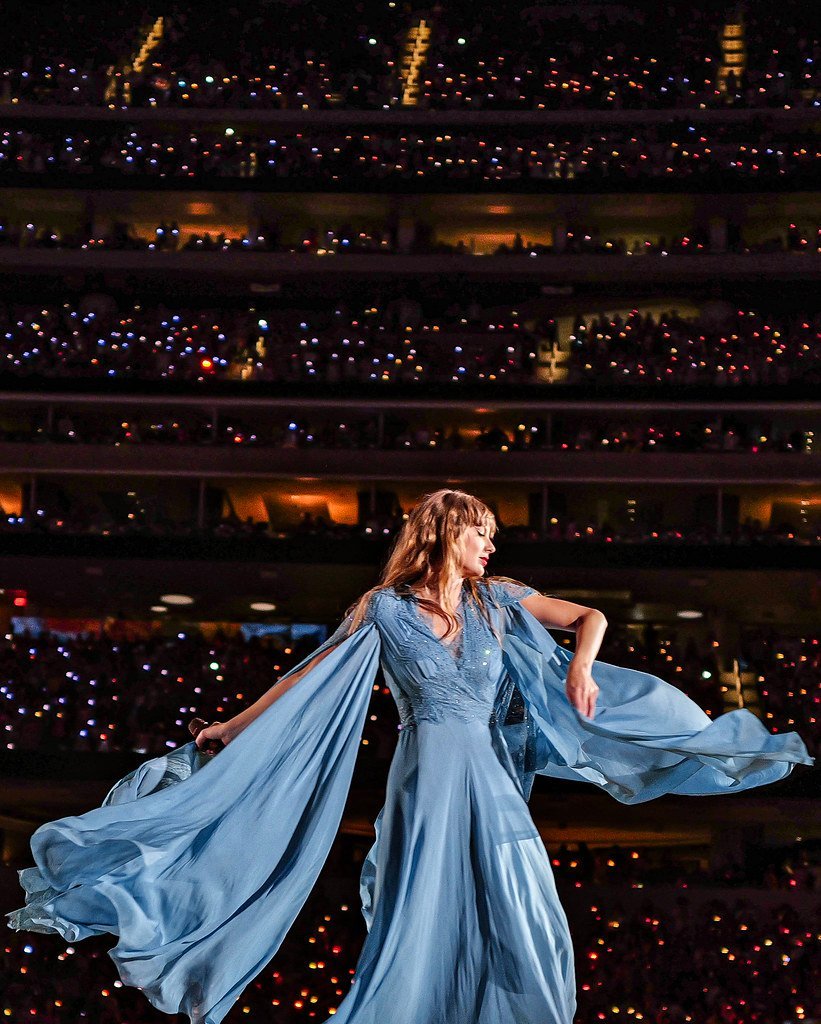
The ability to change musical genres without losing your audience is, I would argue, the most underrated skill in pop music. Most artists who try it end up stranded between worlds, appealing to nobody. Swift turned genre transition into her signature move.
Her discography spans styles of country, pop, and folk, incorporating subgenres like country pop, pop rock, synth-pop, country rock, electropop, and indie rock, with elements of rock, rap, electronica, alternative, indie pop, and R&B. Each shift felt organic rather than forced, which is the hardest trick to pull off. Her transition from country to pop has been credited as the catalyst for poptimism, and her songwriting and musical transitions have been credited with influencing a new generation of artists.
American singer-songwriter Noah Kahan said that Folklore and Evermore helped reignite popular interest in folk music, and Billboard credited Swift with the power “to pull any sound she wants into mainstream orbit.” That is a remarkable thing for a single artist to hold. According to one music critic, pop stars like Dua Lipa would not exist if Swift had not normalized blending various pop music genres in 1989, an explicit trend among pop artists since the album. It paved the way for artists who no longer wish to be placed into separated musical genres. She did not just cross boundaries herself. She dismantled them for everyone who came after her.
During the 2020 pandemic lockdown, Swift captured the entire nation’s mood with her surprise release of the indie folk albums Folklore and Evermore. A clear departure from pop music, it ended up being exactly what the culture needed at that time, a pensive, reflective album mirroring the prevailing sense of social isolation. It is almost impossible to plan that kind of perfect cultural timing. Either you feel the moment, or you miss it. She felt it.
Cultural Influence That Extends Far Beyond Music
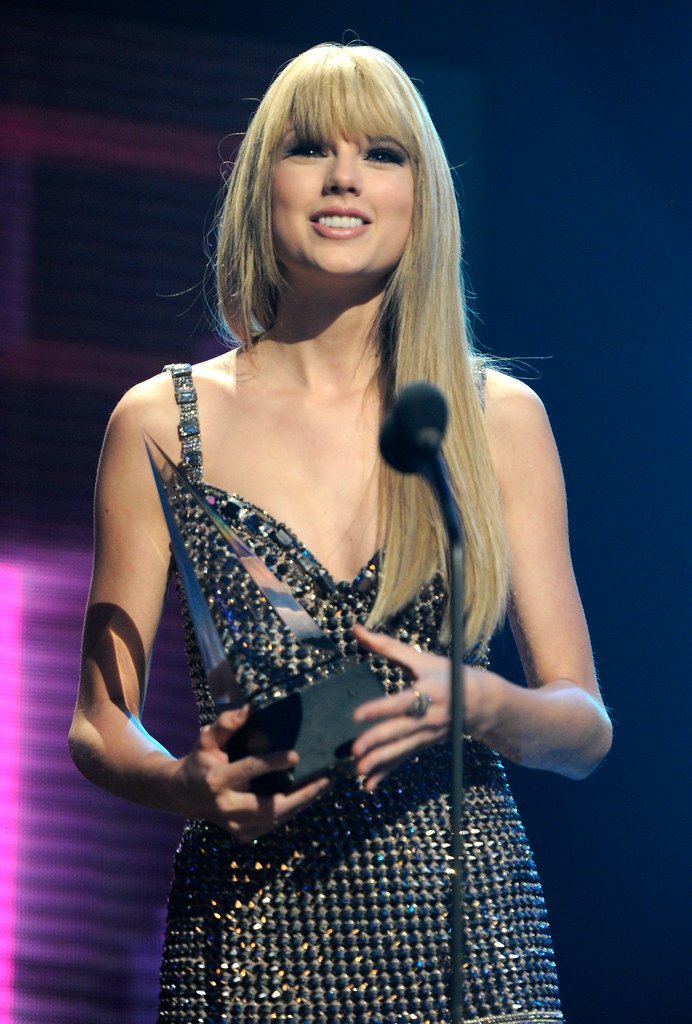
Here is the thing about Taylor Swift’s cultural footprint: it does not stay neatly inside the music industry. It spills into economics, politics, sports, fashion, and even international diplomacy. That is not hyperbole. That is documented fact.
The IFPI published charts tracking global success in 2024, all topped by Taylor Swift, making her the trade group’s Global Recording Artist Of The Year for the fifth time. In 2025, vinyl revenue in the United States crossed $1 billion for the first time since 1983, and Swift’s latest album played a key role in making that happen. The Recording Industry Association of America revealed that total vinyl revenue reached about $1.04 billion, up from $954.4 million the year before.
Following the announcement that Swift was dating Kansas City Chiefs tight end Travis Kelce, the NFL saw game viewership and merchandise purchasing soar to unexpected levels. Following the first day that Swift attended one of his games, Kelce’s jersey sales spiked roughly 400 percent almost overnight. Since the start of that football season, the NFL saw a dramatic increase in viewership of girls between the ages of 12 and 17. That is a pop star moving the needle on an entirely different multibillion-dollar industry simply by showing up in the stands. Honestly, it sounds a little crazy, but the data is undeniable.
Swift drove the evolution of music distribution, perception, and consumption across the 2000s, 2010s, and 2020s, and has used social media to spotlight issues within the industry and society at large. Wielding strong economic and political leverage, she prompted reforms to recording, streaming, and distribution structures for greater artist rights and increased awareness of creative ownership. From memes to merchandise, Swift’s fandom, the Swifties, drives trends across fashion, social media, and even finance, influencing markets like vinyl sales and concert ticketing systems.
The Streaming Revolution She Helped Reshape
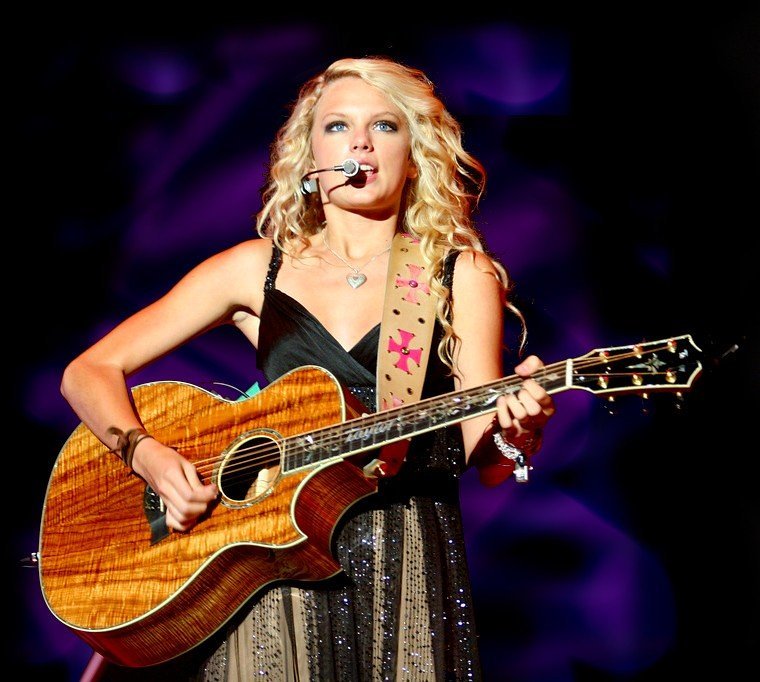
It is hard to remember now, but there was a moment when Taylor Swift walked away from Spotify entirely. In 2014, she pulled her entire catalog from the platform in protest, arguing that streaming undervalued music and did not adequately compensate artists. At the time, many in the industry called it a losing battle. She won.
From the end of the album era to the rise of the internet, Swift drove the evolution of music distribution, perception, and consumption across multiple decades. Her battle with streaming platforms forced a very public conversation about how artists are paid, how their work is valued, and who actually profits in the digital age. Her commercial strategies to bolster sales of albums and concert tickets have earned her a reputation as a savvy businesswoman, with the economist Alan Krueger describing Swift as an “economic genius.”
Her first album released entirely under her own creative and financial control following the successful reclaiming of her masters raises broader questions about the traditional record label model, its sustainability, and its impact on younger or emerging artists seeking ownership and autonomy. It positions Swift not just as an artist, but as an industry disruptor. Total U.S. recorded music revenue reached a record $11.5 billion in 2025, with streaming making up the largest share. Vinyl remains the fastest-growing physical format. Industry leaders say this comeback is driven by artists like Swift, who turn music releases into full experiences for fans, combining sound, design, and storytelling into something people want to own. That last part matters. She did not just adapt to the streaming era. She pushed back against it and helped reshape it in the process.
Fan Engagement as a Masterclass in Human Connection

The Swifties are a phenomenon unto themselves, and it would be a mistake to dismiss them as simply a passionate fan base. What Swift has built in terms of fan engagement is, in my opinion, one of the most sophisticated and genuinely reciprocal artist-audience relationships in modern pop culture.
From cryptic Easter eggs to carefully timed announcements, Swift has long been recognized for her savvy approach to building anticipation. She has a carefully crafted public image that uses public relations to make sure she retains narrative control over her image and does not oversaturate the market. Every album announcement becomes a puzzle. Every music video becomes a scavenger hunt. Swifties are not just listeners. They are avid marketers. From peeling apart visual hints to decoding numerical Easter eggs, every release becomes communal treasure-hunting.
Strategies such as enhanced material for physical album variants and Easter egg usage in her works have become indicative of broader music marketing trends. In other words, what started as Taylor Swift’s personal approach to connecting with fans has now become a standard playbook for the entire industry. Despite becoming more private on social media compared to her early days, her interactions with fans today, even as a superstar, maintain a down-to-earth feeling she has expressed from the beginning. It is hard to say for sure how she sustains that quality of connection at that scale, but she does, and nobody else in the modern era does it quite the same way.
Conclusion: A Legacy Still Being Written
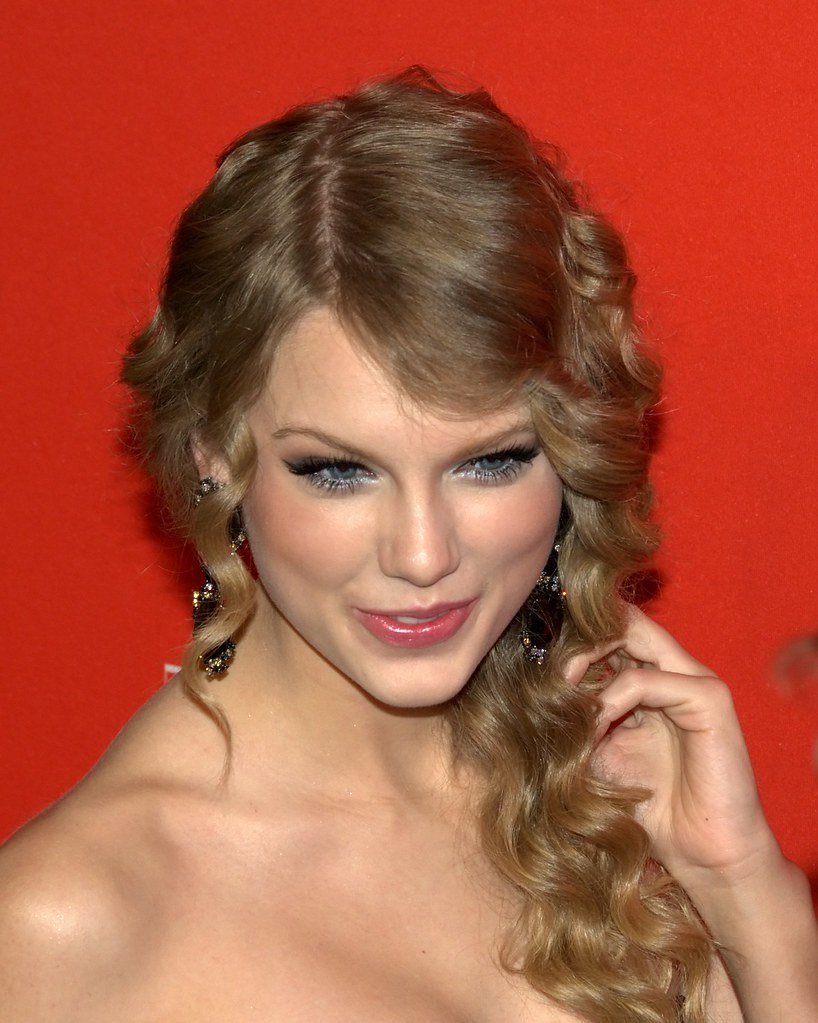
What makes Taylor Swift’s story so compelling is not just the scale of her accomplishments. It is the fact that, as of 2026, she is still in the middle of it. Taylor Swift is not just a musician. She is a cultural phenomenon shaping music, fashion, and even social movements. Her ability to evolve while staying true to her narrative style makes her one of the defining artists of the 21st century.
She has redefined what a songwriter can be, what an artist can own, what a tour can generate, and what a fan community can look like. She turned masters ownership from a largely behind-the-scenes industry conversation into a mainstream debate about artist autonomy. She proved that genre loyalty is optional. She demonstrated that an artist can build a business empire without sacrificing artistic credibility. Every album era has seen Swift reinvent herself over and over, which has helped pave the way for artists to explore other musical avenues. Swift has not just become one of the biggest artists of all time. She has changed pop music altogether.
The question worth sitting with is not whether her impact is real. The data answers that convincingly. The real question is this: when the music industry looks back on this era fifty years from now, how many of the shifts we now take for granted will trace their origins back to one artist from West Reading, Pennsylvania, who just wanted to own her own songs?
What do you think? Has any artist in your lifetime left a deeper mark on the industry? Let us know in the comments.

Besides founding Festivaltopia, Luca is the co founder of trib, an art and fashion collectiv you find on several regional events and online. Also he is part of the management board at HORiZONTE, a group travel provider in Germany.
