
For any feedback please reach out to info@festivalinside.com
- Discovering New Music Is Like Finding a Hidden Treasure - April 2, 2026
- 10 Obscure ’70s Rock Songs That Shaped Metal Legends - April 1, 2026
- These 10 Books Will Challenge Everything You Thought You Knew About History. - April 1, 2026
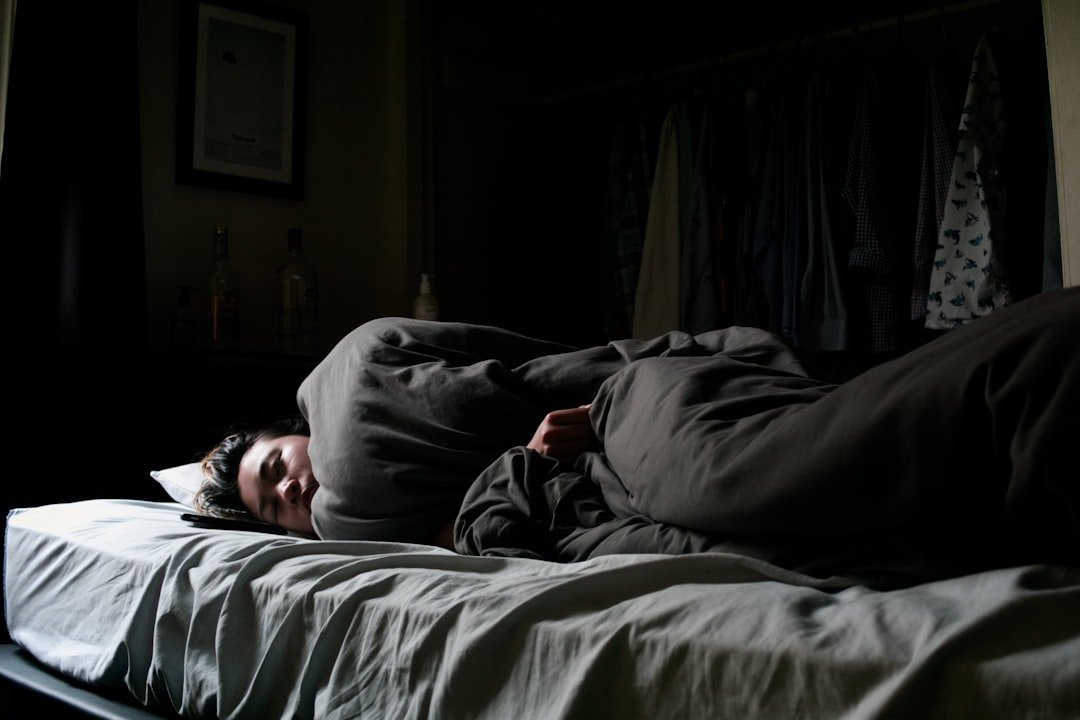
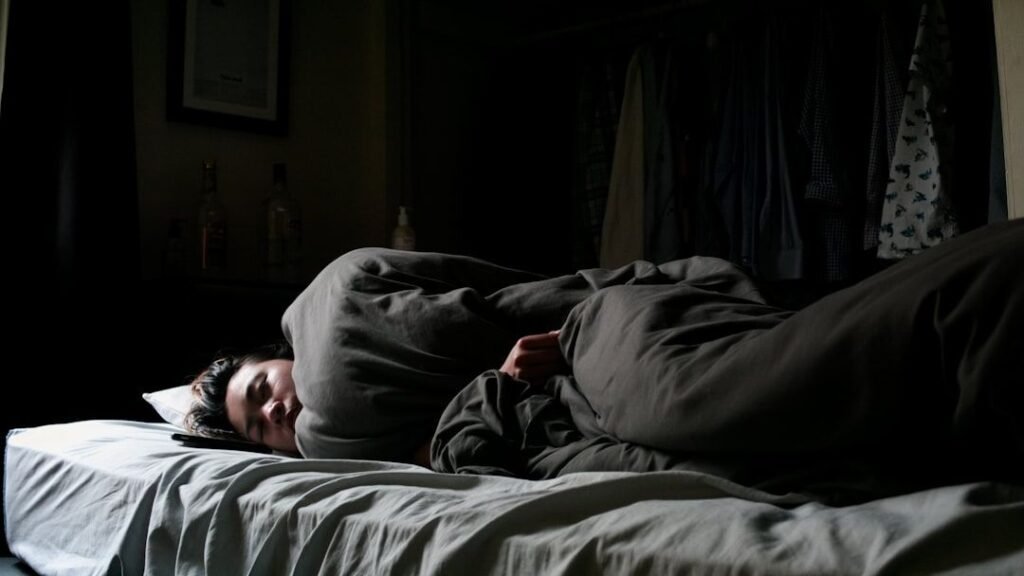
Sleep scientist Matt Walker delivers a compelling wake-up call to a sleep-deprived world, positioning rest as the ultimate life-support system and nature’s boldest bid for immortality. In an era dominated by endless notifications and packed schedules, his insights reveal how skimping on sleep unleashes a torrent of health crises that rival the worst habits imaginable. What once seemed like a mere recharge now stands exposed as a cornerstone of survival, influencing everything from heart health to brainpower.
Walker’s message cuts through the noise of modern life, where chronic fatigue has become the norm rather than the exception. Industry observers point out that this oversight fuels everything from workplace blunders to global productivity slumps. Yet the science paints an even grimmer picture, linking poor sleep to accelerated aging and disease. Here’s the thing: reclaiming those lost hours could rewrite our health destinies.
This development arrives amid rising awareness of wellness trends, yet few grasp sleep’s profound stakes. Walker stresses that ignoring it invites preventable disasters, from heightened accident risks to mental fragility. As societies grapple with burnout, his revelations demand immediate attention.
The Devastating Health Consequences of Skimping on Sleep
Chronic sleep shortages wreak havoc comparable to smoking or obesity, transforming the body into a ticking time bomb. Just one rough night leaves brain function as impaired as if legally drunk, roughly doubling accident risks on roads and at work. Over years, this habit can shave off up to a third of lifespan, much like pounding heavy drinks or cigarettes daily. Heart disease odds surge dramatically, with those battling insomnia facing nearly half again the chance of attacks. Cancer risks climb too, especially for night owls whose body clocks stay disrupted, hiking colorectal threats by about a third. Metabolic chaos follows suit, spurring weight gain and diabetes via hormone glitches that crank up hunger signals while damping fullness cues.
How Sleep Shields Mental Well-Being
Sleep acts as a vital buffer against emotional storms, a fact Walker underscores with striking clarity. Without enough rest, tempers flare wildly, turning small irritations into major blowups. Folks grabbing under six hours nightly see anxiety disorders quadruple in likelihood. Depression odds triple in the same boat, and short sleepers become twenty times more vulnerable overall. Curiously, this link runs both ways, with mental woes often sprouting from restless nights rather than the reverse. Prioritizing shut-eye might sidestep a hefty chunk of today’s psychiatric burdens, offering a simple yet powerful fix.
Sleep’s Role in Sharpening Learning and Memory
The brain treats sleep like a nightly editing suite, fine-tuning the day’s lessons into lasting knowledge. Deep non-REM phases replay neural patterns, lifting memory retention by a fifth to two-fifths. REM stages spark creativity, weaving unrelated thoughts into breakthroughs. Skip these, and info sticks poorly, dooming crammers to forgetfulness. A solid post-study snooze trumps all-nighters hands down, cementing facts for the long haul. Workplaces and schools dismissing this truth watch performance crater amid exhaustion.
Sleep Powers the Body’s Defenses Against Illness
Rest fortifies immunity with tangible force, turning vulnerability into resilience. Skimp below seven hours, and cold-catching odds triple upon virus exposure. Vaccine punch weakens too, halving antibody buildup without proper recovery. Long-term deficits speed cellular aging, trimming telomere shields that guard our vitality. Pandemic scenarios amplify dangers for the weary, swelling infection spreads. Sleep emerges here as a free, potent ally in public health battles, ripe for everyday deployment.
Evolution’s High-Risk Bet on Sleep
Every creature from jellyfish to humans nods off, hinting at sleep’s deep-rooted necessity. This vulnerability paid evolutionary dividends, cramming restoration into compact windows. The brain’s glymphatic cleanup crew revs up tenfold at night, purging toxins that build by day. Dodge it, and waste piles up, fueling Alzheimer’s and kin. Our round-the-clock culture clashes with this ancient design, courting neural decay. Respecting the rhythm unlocks the perks nature engineered.
Actionable Ways to Unlock Sleep’s Benefits
Walker lays out straightforward steps to seize control of nightly renewal. Stick to seven-to-nine hours consistently, weekends included, syncing inner clocks. Craft a bedroom haven that’s cool and pitch-black, ditching screens an hour prior since blue light throttles melatonin. Caffeine cuts off by noon, alcohol vanishes altogether despite its sneaky sleep-shredding. Morning workouts deepen restorative phases without evening interference. Insomniacs fare best with a ten-minute body scan over futile sheep-counting.
- Maintain fixed bedtimes for circadian harmony.
- Ban electronics pre-bed to preserve hormones.
- Time caffeine and booze wisely – or not at all.
- Exercise early to amplify deep sleep.
- Try meditative scans for stubborn wakefulness.
Why Society Must Rethink Sleep Priorities
Walker’s call ripples into policies and norms, demanding systemic shifts. Teens crave eight-to-ten hours yet suffer from dawn school bells, begging for later starts. Flexible jobs curb drowsy mishaps behind a fifth of crashes. Siesta-friendly nations boast superior health stats, proving the point. Aging populations risk overload without adaptation, straining care systems. Leaders across boardrooms and capitols should elevate sleep as a core public good.
Final Thought
Matt Walker’s blueprint positions sleep as the linchpin of thriving lives, where one extra hour tonight promises years of vigor ahead. Neglect fades into preventable pitfalls, while embrace sparks sharpness and stamina. Biology’s verdict rings true: rest more, live better. How many hours did you snag last night – what’s your plan to supercharge tomorrow?
Source: Original YouTube Video

Christian Wiedeck, all the way from Germany, loves music festivals, especially in the USA. His articles bring the excitement of these events to readers worldwide.
For any feedback please reach out to info@festivalinside.com
