

- Celebrities With Surprisingly Impressive Academic Backgrounds - December 9, 2025
- The Surprising Origins of Your Favorite Childhood Nursery Rhymes - December 9, 2025
- Forgotten Pop Culture Trends That Deserve a Comeback - December 9, 2025
The Ramones’ Broken Dreams

It’s shocking to think that some of the most legendary moments in music history were just seconds away from never happening. Picture this: three out of four members walking out of a recording session and not returning to complete their parts. That’s exactly what happened to The Ramones during their troubled 1979 sessions. By 1979 The Ramones had released four albums which are generally regarded as classics and foundational to the punk rock genre. But creative tensions and personal conflicts nearly derailed what could have been another masterpiece. The band’s raw energy and rebellious spirit, which had defined punk rock, suddenly felt fragile and uncertain.
The surviving members had to make a choice: abandon the project entirely or forge ahead with incomplete recordings. Sometimes the most powerful music comes from the most broken moments. What started as a creative disaster became a defining chapter in punk history, proving that even legends face moments when everything hangs by a thread.
The Accidental Birth of Distortion
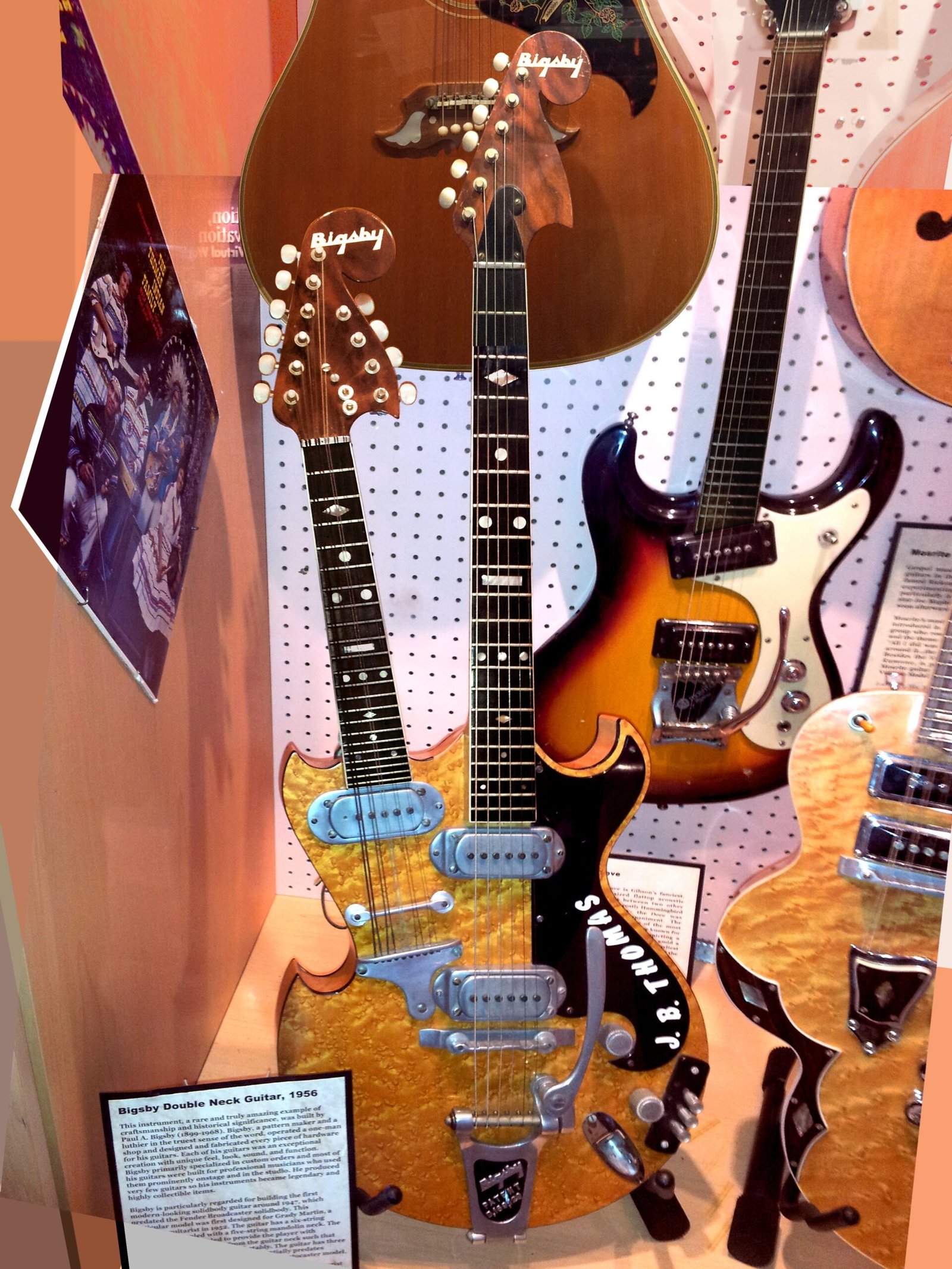
Gibson Dove, Mosrite, Bigsby, Museum of Making Music.jpg: doryfour
derivative work: Clusternote, CC BY-SA 3.0, https://commons.wikimedia.org/w/index.php?curid=48861646)
The entire history of rock ‘n’ roll, grunge, punk and metal hinged upon an accident that took place during a country music recording session. While recording Marty Robbins’ “Don’t Worry,” guitarist Grady Martin tried to switch from guitar to the bass during the song’s bridge section. But the recording engineer couldn’t reinforce the recording console fast enough and the bass blew a fuse, right around the 1:26 mark. This wasn’t supposed to happen. The session was supposed to be straightforward, professional, clean.
Instead, this wasn’t the first time that a busted amp had produced a rumbling distortion on record. But this instance captured the imagination of audio engineer Glen Snoddy, who took apart the amp, figured out the problem and created music’s first fuzz box. One man’s technical disaster became every rock guitarist’s dream. Initial sales of the device were sluggish, until the Rolling Stones used it for their 1965 hit “(I Can’t Get No) Satisfaction.” Metal, which would be nothing without guitar distortion, owes more to country than it would ever like to admit.
Green Day’s Beautiful Mistake
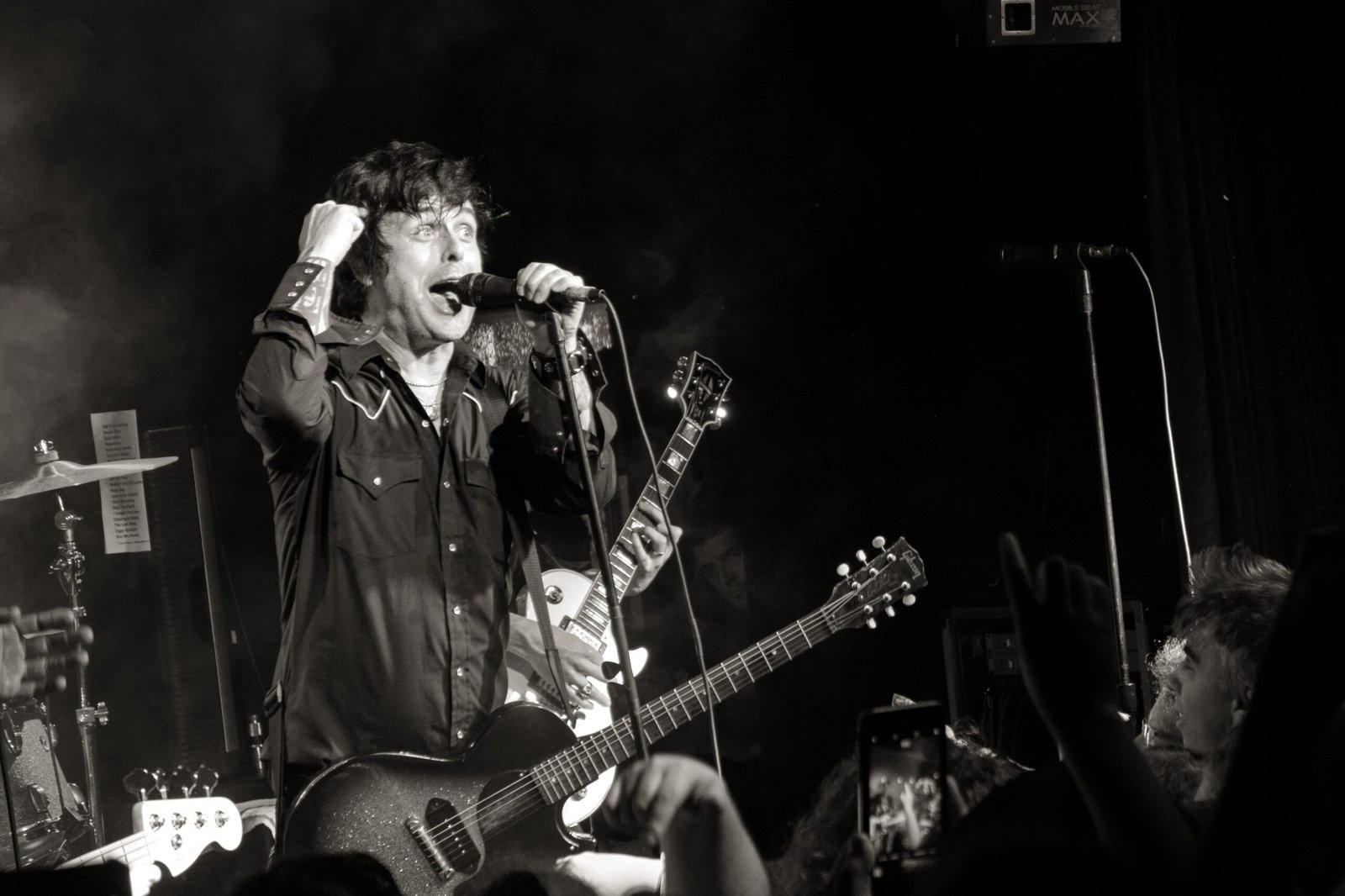
Sometimes the most human moments create the most memorable music. Billie Joe Armstrong wrote the song around the time of their breakout album Dookie, but he felt it didn’t fit with their punk material. It didn’t appear on record until their fifth album, Nimrod. When he sat down to record it, he messed up the intro twice, before starting a third time and finally getting it right. But here’s the twist that changed everything: On the recording, you can actually him hear say “Fuck” softly under his breath. Instead of just beginning the song from the first proper start, they decided to release the song as-is.
The band made a decision that would define their career transition. “It helped them keep a hint of the band’s edgier, DIY past as they began their crossover into the mainstream. It added a flawed beauty that complements the song’s contemplative lyrics”. “We’re just as much punk as we used to be. Putting this song on the record was the most ‘punk’ thing we could do”. The imperfection became the perfection.
Otis Redding’s Unfinished Masterpiece
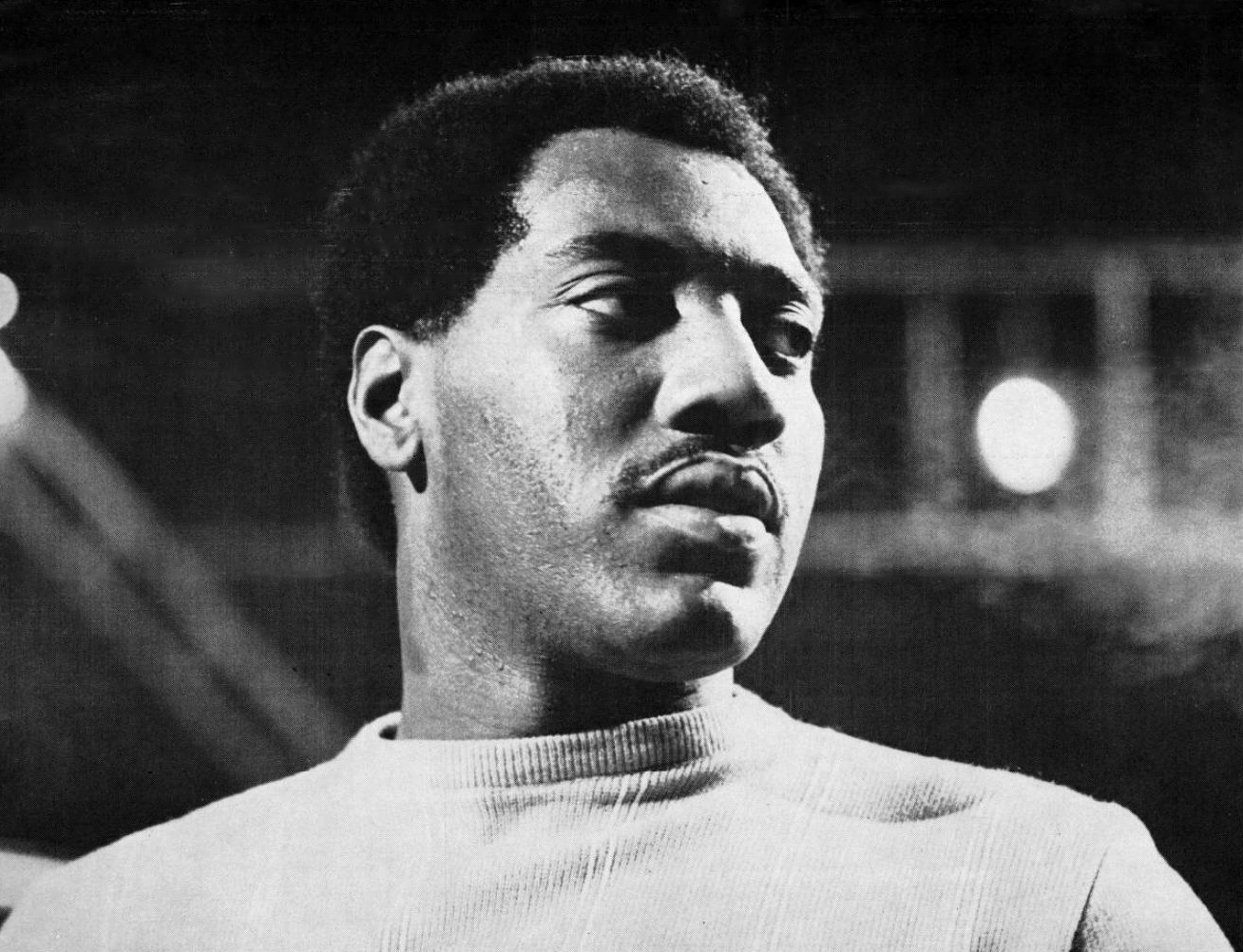
The most haunting sessions that almost never happened are the ones that death interrupts. “(Sittin’ On) The Dock of the Bay” came out of one of these scraps. Redding came into the studio with an idea to write a song about watching ships move in and out of a harbor. Cropper, acting as Redding’s co-writer, vibed on that idea and came up with some lyrics. But when the pair recorded the song, they didn’t have a third verse planned. To fill the space for the recording, Redding whistled an outro, intending to come back and replace it with a verse. Unfortunately, he passed away before he got the chance. “Cropper ended up leaving the whistling in. Today it’s one of Redding’s best-known hits, and one of the most famous whistling songs in all of recorded music”.
What was meant to be a placeholder became iconic. The incomplete session became complete in its incompleteness. Sometimes the most powerful art comes from what we never got to finish.
The Beatles’ Lost Psychedelic Experiment
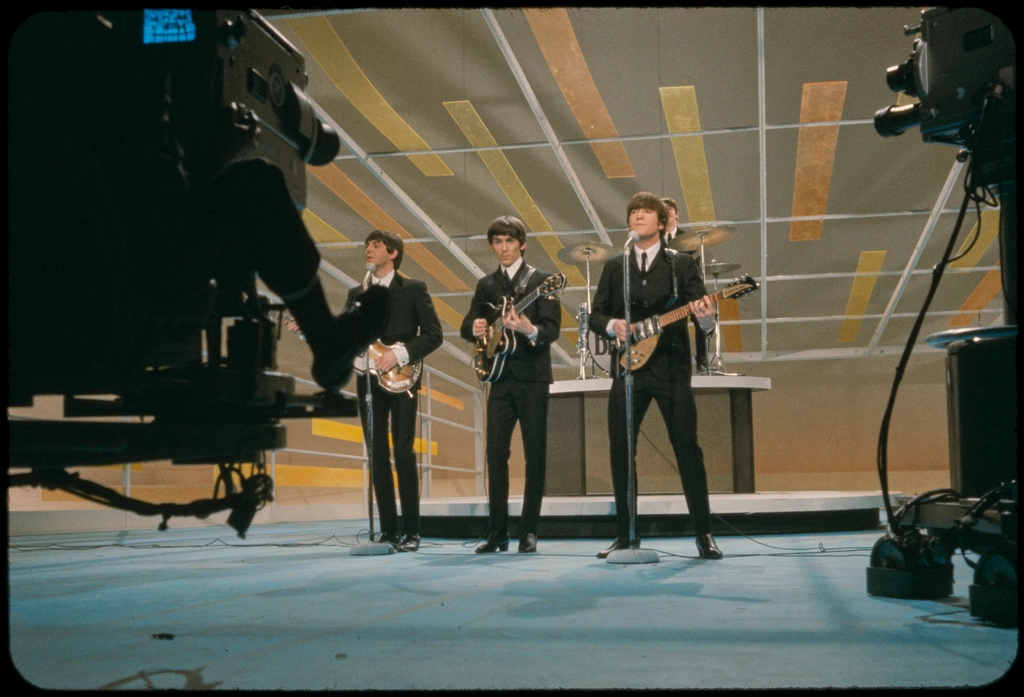
“In January 1967, after recording vocals for their new song Penny Lane, John Lennon and Paul McCartney took time to lay down an avant garde track for the benefit of an art and music festival that was due to take place in London in the following weeks. The Million Volt Light And Sound Rave was set for The Roundhouse on 28 January and 4 February and was an early “happening” in the city – something that would occur more frequently across the Summer Of Love in ’67. Only a handful of people have heard the recording, known as Carnival Of Light, which Beatles scholar Mark Lewisohn describes as featuring “distorted, hypnotic drum and organ sounds, a distorted lead guitar, the sound of a church organ… and, perhaps most intimidating of all, Lennon and McCartney screaming dementedly and bawling aloud random phrases like ‘Are you alright?’ and ‘Barcelona!'”
This experimental recording has remained locked away for decades, representing one of the most tantalizing “what if” moments in music history. The Beatles were at the height of their creative powers, yet this wild departure from their established sound has never seen official release. It’s a reminder that even the most successful artists took risks that their record labels weren’t ready to support.
Joy Division’s Shelved Debut
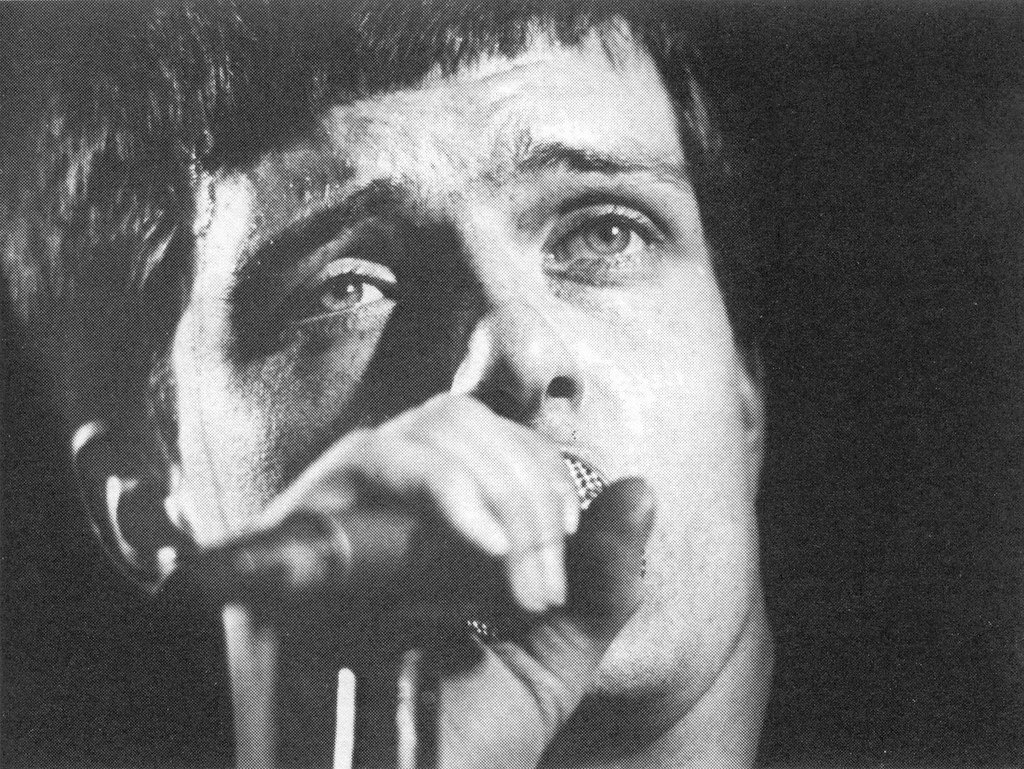
“Singer Ian Curtis had been hanging around the RCA label’s offices in Manchester so often that the band were given the chance to record an album in an attempt for the company to get hold of one of these new fangled “punk” bands. The result was an 11-track album that would have been Joy Division’s debut and featured a new song called Transmission, plus a track that was never re-recorded called The Drawback. The band weren’t happy with the sound, RCA weren’t sure what to do with the record and the tapes were eventually bought back by JD manager Rob Gretton. This didn’t stop the tape from being heavily bootlegged, but Joy Division have only ever officially released three out of the 11 tracks”.
The band’s dissatisfaction with their own work almost cost us one of the most important albums in post-punk history. “They would go on to release their debut album proper in June 1979 – the acclaimed Unknown Pleasures”. Sometimes rejecting your own work leads to creating something even more powerful.
The Wrecking Crew’s Invisible Legacy

“The Wrecking Crew, also known as the Clique and the First Call Gang, was a loose collective of American session musicians based in Los Angeles who played on many studio recordings in the 1960s and 1970s, including hundreds of top 40 hits. Los Angeles was then considered the top recording location in the United States; consequently, studios were constantly booked around the clock, and session time was highly sought after and expensive. Songs had to be recorded quickly in the fewest possible takes. In this environment, Los Angeles producers and record executives had little patience for needless expense or wasted time and depended on the service of reliable standby musicians who could be counted on to record in a variety of styles with minimal practice or takes, and deliver hits on short order”.
These sessions almost never happened because of the enormous pressure and time constraints. “The musicians were sometimes used as “ghost players” on recordings credited to rock groups, such as the Byrds’ debut rendition of Bob Dylan’s “Mr. Tambourine Man” (1965), the first two albums by the Monkees, and the Beach Boys’ 1966 album Pet Sounds. The Wrecking Crew’s contributions went largely unnoticed until the publication of Blaine’s memoir and the attention that followed”.
Bruce Springsteen’s Lost Decades
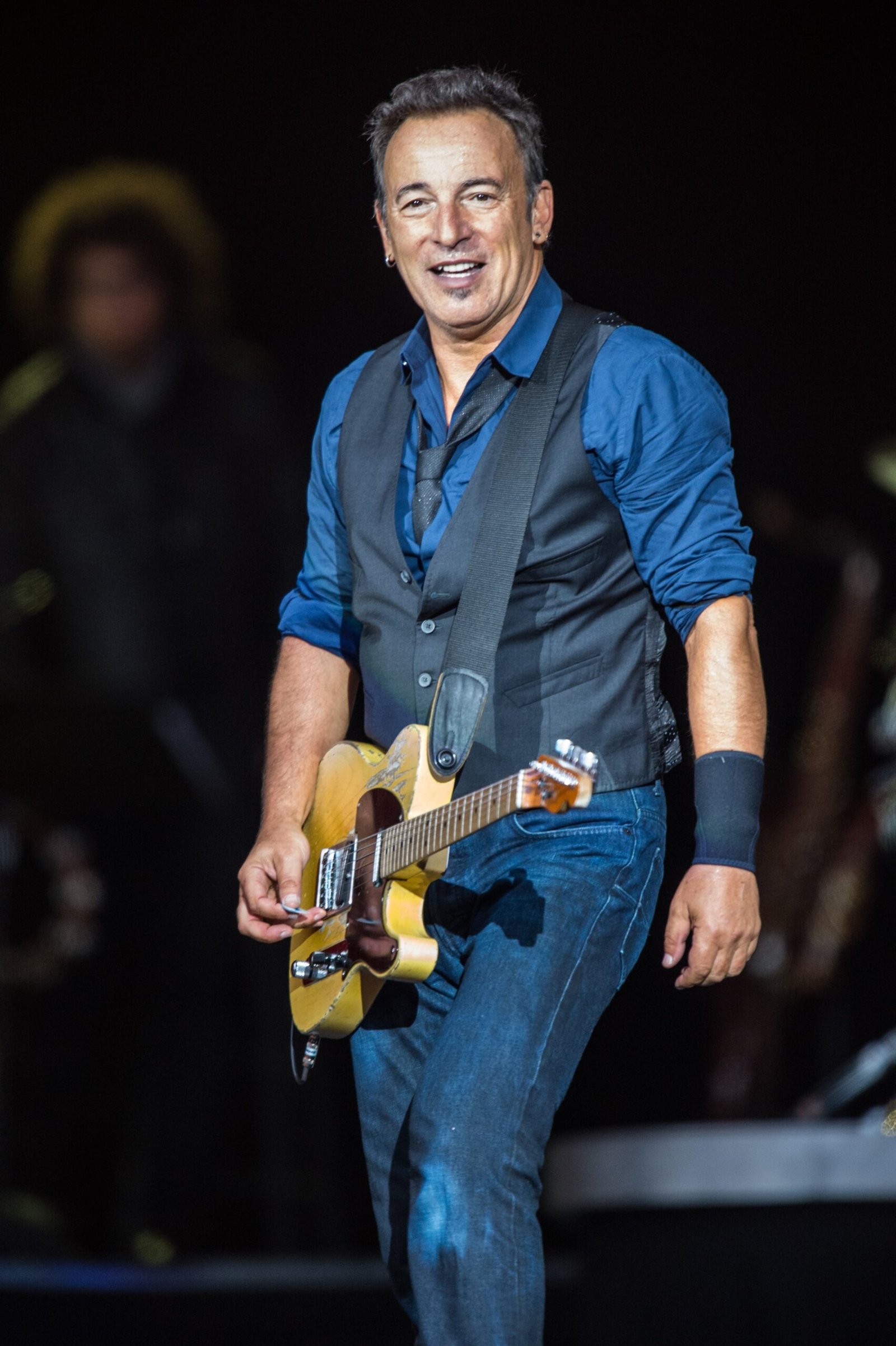
“This week, Bruce Springsteen announced that he’d be filling in some of the longstanding gaps in his catalog by putting out seven albums of previously unreleased music. The box set, out June 27 and titled Tracks II: The Lost Albums, collects 83 songs that were recorded across four decades, ending with an unreleased album from 2018 called Perfect World”. “‘The Lost Albums’ were full records, some of them even to the point of being mixed and not released,” Springsteen said in a press release. “I’ve played this music to myself and often close friends for years now. I’m glad you’ll get a chance to finally hear them. I hope you enjoy them”.
“I often read about myself as having had some kind of lost period in the ’90s,” he says. “Not really …”. The Boss had been creating masterpieces all along, but artistic perfectionism and commercial considerations kept entire albums locked away. “But the 1994 recordings, his Streets Of Philadelphia album, or, as fan-lore would soon have it, his ‘hip-hop album’, or his ‘loops album’, his ‘electronica’ album, whatever it was, stayed on the shelf, accruing mythical status simply from the fact that no one had heard it. Well, hear it now they shall”.
Deftones’ Tragic Eros
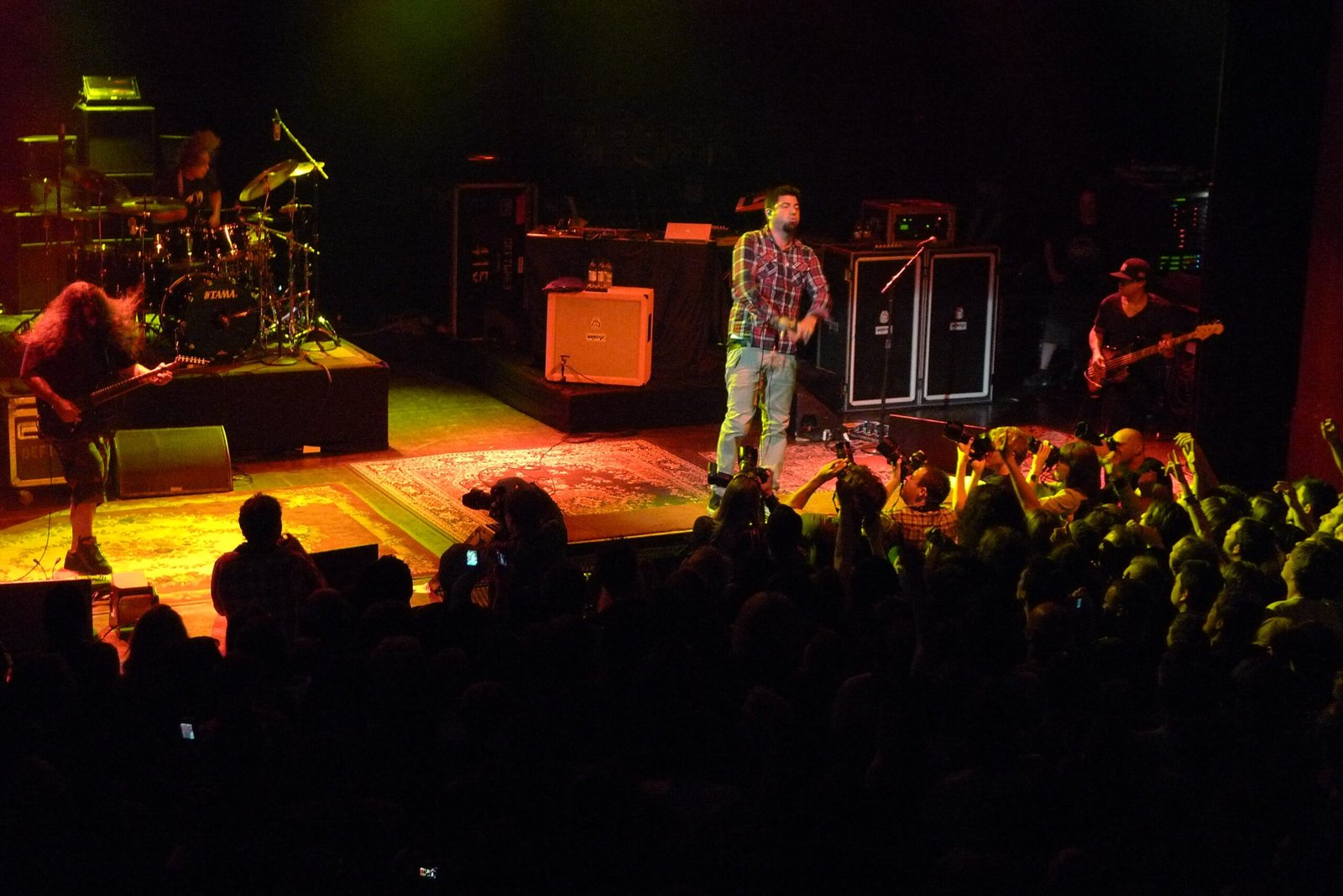
“In the late ’00s, Deftones were working on a new album called Eros, holding a fairly open process where they kept fans updated along the way. Recording halted after Chi Cheng’s tragic car accident left him in a coma. In the years immediately following, Deftones recruited Quicksand’s Sergio Vega to replace Cheng on bass and pivoted to writing a new album — one intended to be more optimistic”. “After Cheng’s death in 2013, talk of Eros has surfaced from time to time, even as the band has continued to focus on other projects. The album was about half done at the time of Cheng’s accident, and Chino Moreno has spoken about adding vocals to the remaining instrumentals. But last year, Abe Cunningham offered an update that the band wasn’t entirely satisfied with some of the material anymore, and mulled over the possibility of culling the Eros sessions down into an EP of the songs they felt still worked”.
The most heartbreaking sessions that almost never happened are the ones interrupted by tragedy. The band’s decision to shelve Eros wasn’t just artistic—it was emotional survival. Sometimes the music becomes too painful to finish.
The Velvet Underground’s Fourth Album Mystery
![The Velvet Underground's Fourth Album Mystery (image credits: By SunOfErat [1], Public domain, https://commons.wikimedia.org/w/index.php?curid=14881277)](https://festivaltopia.com/wp-content/uploads/2025/07/1752508697127_The_Velvet_Underground_28Logo29.png)
“Back in 1969, The Velvet Underground had released their third album, a self-titled record, intended to be complete 180 from what they had delivered with their second record, White Light/White Heat. The group set to work on recording what would be their fourth album, however, due to a large number of professional and personal difference, these recording sessions were scrapped, and the album never surfaced. While 1985’s VU compilation saw a small amount of these abandoned sessions collected for a widespread release, we still haven’t managed to properly see the album in the way it was meant to be released”.
The band’s internal conflicts became more powerful than their creative drive. “A 2014 reissue of the self-titled album saw a collection of the 1969 sessions as a bonus disc, but many of these tracks had been remixed from their original states. While we can view some of these tracks to this day, and many of these tracks exist in famously bootlegged live versions, we still have no proper release of the lost fourth Velvet Underground album in the way that it was meant”.
Studio Disasters That Changed Everything

“What was going to be a creative production session becomes an exercise in panic control, as you wait for the power to come back on so you can see if any of your data remains (or if your session files are corrupted). After you get out the matches and sit by candlelight waiting for the lights to come on, you may wonder to yourself, is there anything that could have prevented this turn of events? Read on to learn how to avoid costly studio power disasters by implementing power conditioners and uninterruptable power supplies”. “Numerous potentially fatal disasters befall the machine during the sessions including the pulley cable that holds the weight breaking, which Jack White repairs at an upholstery shop, the amplifier overheating and blowing up during an Avett Brothers recording and a fraught 13 take session”.
These technical disasters represent the fragility of the creative process. “On 11 August 2017, the building was partially destroyed by a fire in a suspected case of arson. The residential area of the studio was completely destroyed, while the original recording area still stood but was severely damaged”. Le Studio, where Rush recorded many of their classics, became a symbol of how quickly musical history can literally go up in smoke.
The Michael Jackson Wonka Sessions
front
back, Public domain, https://commons.wikimedia.org/w/index.php?curid=125814081)
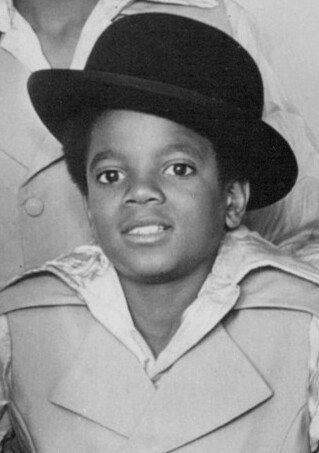
“Jackson had reportedly always been a big fan of the 1971 film starring Gene Wilder. So much so that when it was announced there would be a 2005 remake directed by Tim Burton, Jackson felt he just had to play the lead role of Wonka. He coveted the role so much that he went as far as to write and record the entire soundtrack, in the hopes that his level of commitment would ingratiate his intent upon the project. Warner Brothers disagreed but loved the album anyway and offered Jackson a smaller role for the use of the music. Jackson didn’t take the rejection well and shelved the whole album. It now lives in an undisclosed location under the care of his family estate with a plethora of other unreleased material discovered after his death (also kept in a vault) dating back to the Jackson 5 days”.
Imagine an entire Michael Jackson album that exists only because of his obsession with playing Willy Wonka. The King of Pop’s ego and artistic vision collided in a way that created music we’ll likely never hear. Sometimes the most ambitious projects become the most guarded secrets.
The Power of Almost

These sessions that almost never happened remind us that music history hangs by the thinnest of threads. Technical failures, personal conflicts, tragic accidents, and artistic disagreements have shaped our sonic landscape in ways we’re only beginning to understand. Each near-miss represents not just what we almost lost, but what we gained from the struggle to create under impossible circumstances.
The most powerful music often comes from the most precarious moments. When everything is falling apart, when the equipment is failing, when the band is breaking up, when tragedy strikes—that’s often when the most honest and compelling art emerges. These sessions prove that the best music isn’t born from perfect conditions, but from the determination to create despite everything working against you.
What would rock history look like if that fuse hadn’t blown during Marty Robbins’ session? What if The Beatles had released “Carnival of Light”? What if Michael Jackson had gotten to play Willy Wonka? The beauty of these almost-sessions is that they remind us creativity is never guaranteed—it’s always a miracle when it happens at all.

Besides founding Festivaltopia, Luca is the co founder of trib, an art and fashion collectiv you find on several regional events and online. Also he is part of the management board at HORiZONTE, a group travel provider in Germany.
