
- 7 Historical Predictions That Came True in the Strangest Ways - December 28, 2025
- The 20 Characters Readers Still Write Letters To - December 28, 2025
- Notable Books Boosted by Fake Reviews - December 28, 2025
Library of the Freedmen’s Bureau – Where Freedom’s First Stories Were Hidden
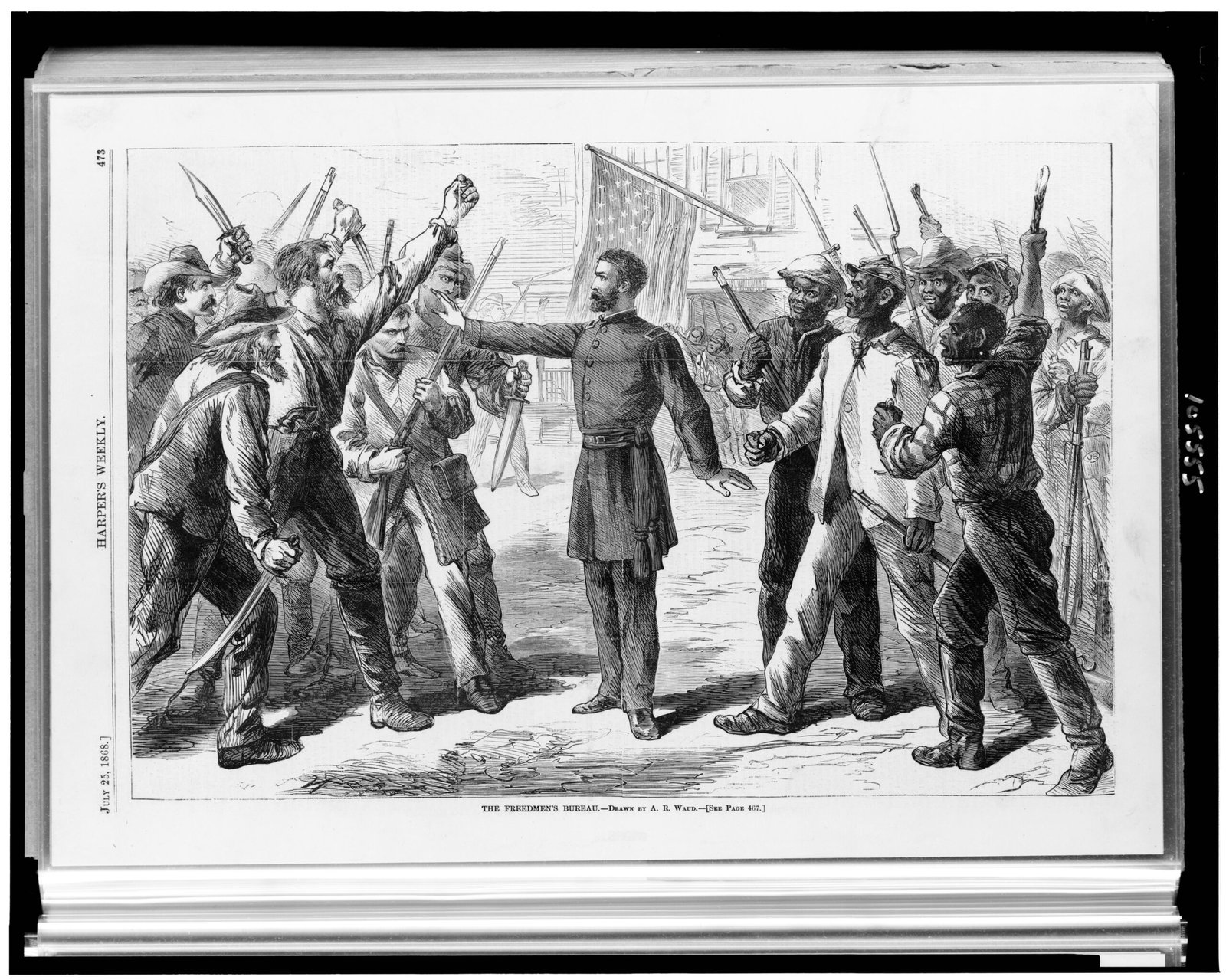
After the Civil War ended in 1865, something unprecedented happened in American history. The Bureau of Refugees, Freedmen, and Abandoned Lands, commonly known as the Freedmen’s Bureau, was established in the War Department by an act of Congress on March 3, 1865. What most people don’t realize is that hidden within the bureau’s Washington, D.C. offices was an unofficial collection that would become one of America’s most important secret archives. The staff quietly accumulated letters, labor contracts, and testimonies from freed slaves – documents that provided the raw, unfiltered truth about Reconstruction. This series contains hundreds of marriage records of newly liberated African Americans in the Civil War era collected from 1861 through 1869 first by the Union Army and then by the Freedmen’s Bureau in its field offices in the Southern States and the District of Columbia. In the process, the Bureau created millions of records that contain the names of hundreds of thousands of formerly enslaved individuals and Southern white refugees. When the Bureau officially closed in 1872, many thought these stories would disappear forever. Instead, they were preserved as evidence of America’s most dramatic transformation.
Highlander Folk School Archives – The Forbidden Library of Civil Rights
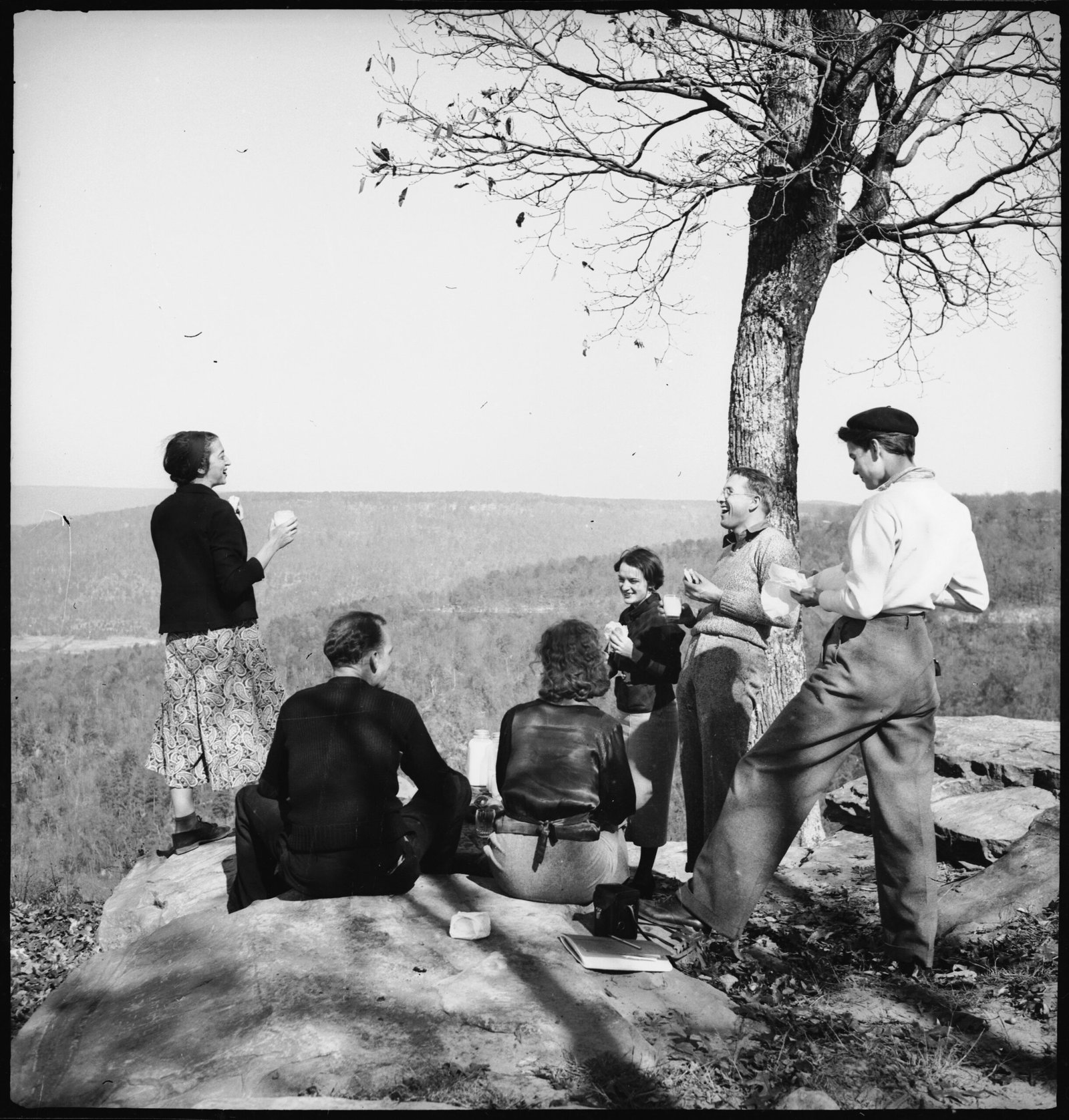
It trained civil rights leader Rosa Parks prior to her historic role in the Montgomery bus boycott, as well as providing training for many other movement activists, including members of the Student Nonviolent Coordinating Committee (SNCC), Septima Clark, Anne Braden, Martin Luther King Jr., James Bevel, Hollis Watkins, Bernard Lafayette, Ralph Abernathy and John Lewis in the mid- and-late 1950s. But the real power of Highlander Folk School in Monteagle, Tennessee wasn’t just in its workshops – it was in its hidden library. In 1957, the Georgia Commission on Education published a pamphlet titled “Highlander Folk School: Communist Training School, Monteagle, Tennessee”. In 1961, the state of Tennessee revoked Highlander’s charter, and confiscated and auctioned the school’s land and property. The authorities feared what was inside those books – texts on labor law, nonviolent protest, and racial equality that were banned across the Jim Crow South. At Highlander, I found out for the first time in my adult life that this could be a unified society. That there was such a thing as people of different races and backgrounds meeting together in workshops and living together in peace and harmony… The library’s impact was undeniable: it shaped the minds that would transform America.
The Rosenwald School Libraries – Learning in the Shadows
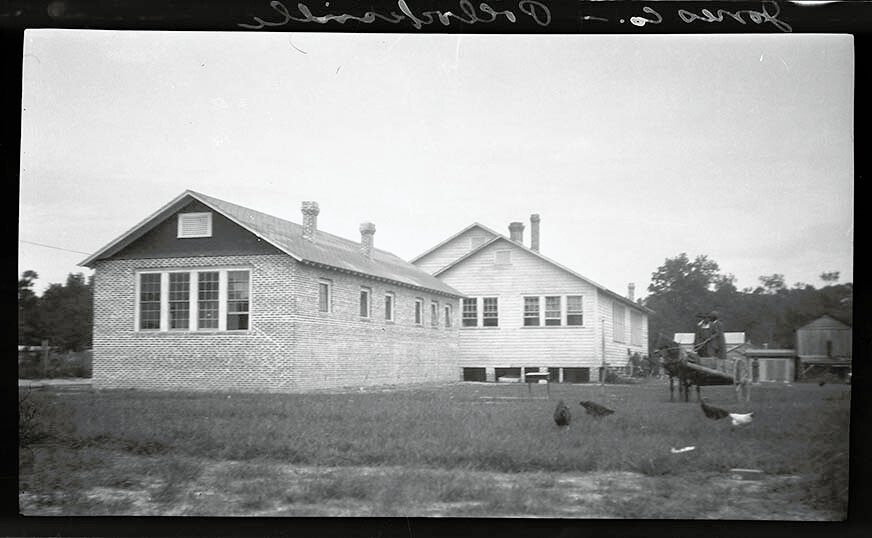
In the early 1900s, a quiet revolution was happening in the rural South. Tucked inside schools built with funding from Julius Rosenwald and local Black communities were small but powerful libraries that defied the racist education system of their time. These weren’t grand institutions – they were often just a few shelves in a corner classroom. But for Black children living under Jim Crow laws, they represented something revolutionary: access to knowledge that the system wanted to deny them. The bookshelves held literature, Black history texts, and science books that opened worlds previously closed to these students. Teachers had to be careful about what they displayed openly, knowing that the wrong book could bring trouble from local authorities. Yet these hidden collections continued to grow, passed from teacher to teacher, generation to generation. They became secret sanctuaries where young minds could explore ideas of equality, achievement, and possibility that contradicted everything the segregated society told them about their worth.
Zion Union Heritage Museum Archive – Cape Cod’s Quiet Resistance
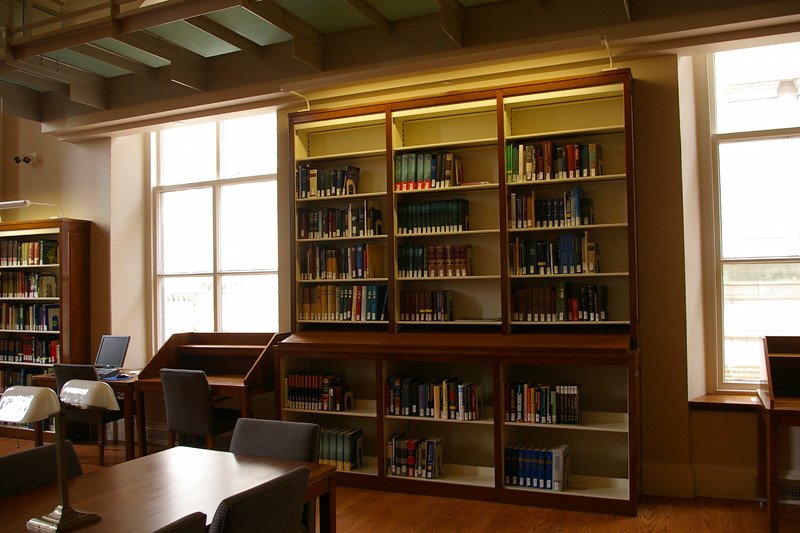
On Cape Cod, Massachusetts, an unassuming community archive was quietly preserving stories that mainstream historians ignored for decades. The Zion Union Heritage Museum’s early collection began as something closer to a family attic than a formal institution. African American and Wampanoag families brought their most precious documents – newspaper clippings, abolitionist writings, family Bibles with handwritten genealogies, and letters that told the real story of life in New England. These weren’t the sanitized versions of history found in textbooks; they were raw accounts of discrimination in the North, Native American resistance, and the Underground Railroad’s lesser-known routes through Massachusetts. Local families understood that if they didn’t preserve these stories themselves, no one would. The collection grew through word of mouth, with each family adding their piece to a puzzle that revealed how different the North’s history really was from its carefully constructed public image.
The Library of the Navajo Nation Code Talkers – Classified Secrets in Arizona
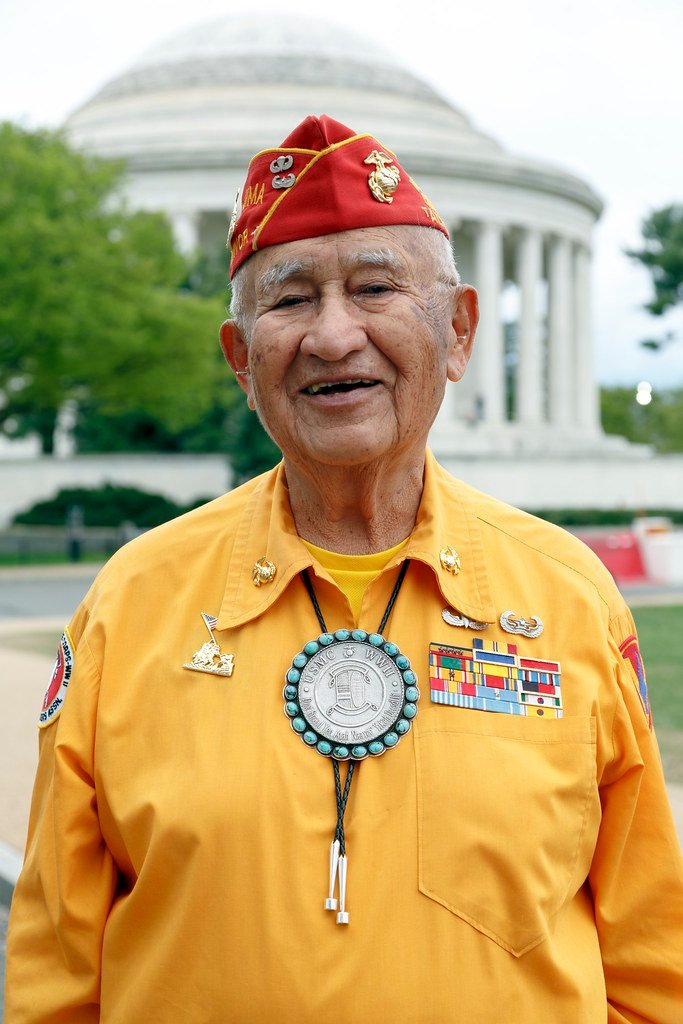
The hard work of the Navajo Code Talkers was not recognized until after the declassification of the operation in 1968. Until 1968, they and their code remained secret. What remained hidden even longer was the private collection kept by Navajo elders and war veterans in Arizona. During World War II, the Marine Corps used one of the thousands of languages spoken in the world to create an unbreakable code: Navajo. During the course of the war, about 400 Navajos participated in the code talker program. But the families back home knew their sons and husbands were part of something extraordinary, even if they couldn’t talk about it. They quietly gathered letters, photographs, and personal accounts from their returning warriors. The code talker program wasn’t even revealed publicly until 1968. Due to the secret status of the operations, and probably unaware of the impact they would have, the Marine Corps did not extensively photograph or film the code talkers in action. For decades, this unofficial archive remained locked away, protected by both military classification and tribal tradition. The families understood they were guardians of a secret that had helped win the war in the Pacific.
Tuskegee Airmen Archive – Proving Valor in Secret
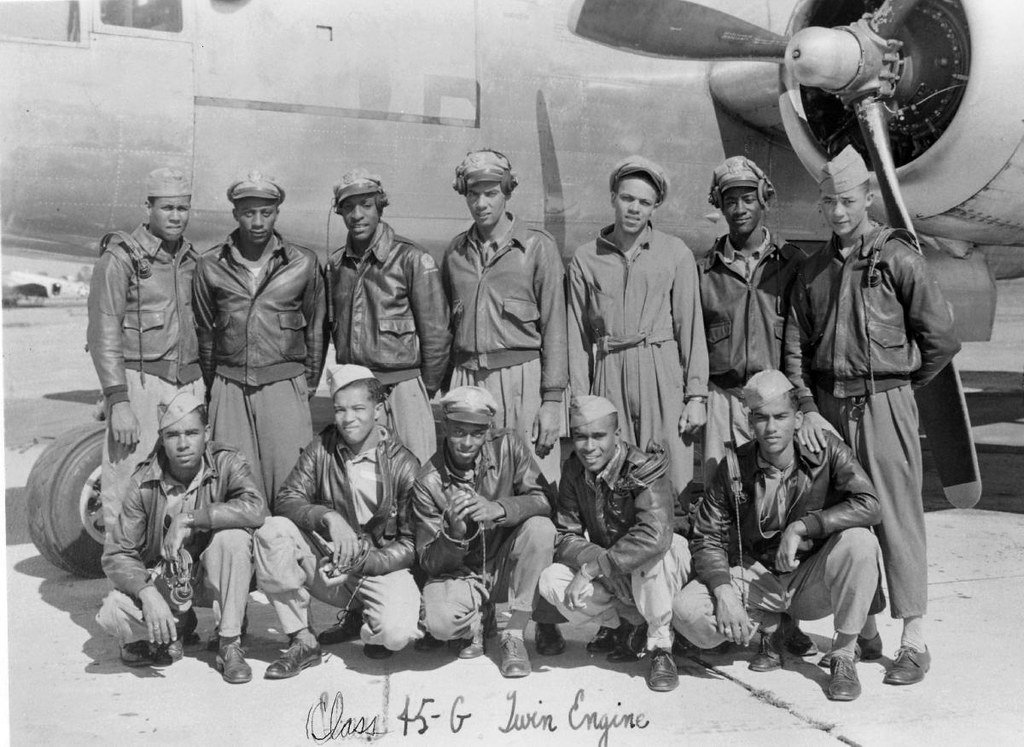
Before the world knew about the legendary Tuskegee Airmen, the pilots themselves were already keeping detailed records of their achievements. Hidden away in Tuskegee, Alabama, veterans maintained an unofficial archive that told a story the military didn’t want to acknowledge. Flight logs showed mission after mission completed successfully, contradicting racist beliefs about Black pilots’ capabilities. Letters home revealed the double burden these men carried – fighting fascism abroad while battling discrimination at home. Training documents and photographs captured moments of triumph that official military records often omitted or downplayed. The airmen knew that without proof, their heroism might be forgotten or denied. So they documented everything: their exceptional safety record, their successful escort missions, and the respect they earned from the white bomber crews they protected. This secret collection became their insurance policy against historical erasure, a way to ensure that future generations would know the truth about their service and sacrifice.
The Stonewall Inn Library – Books in the Back Room
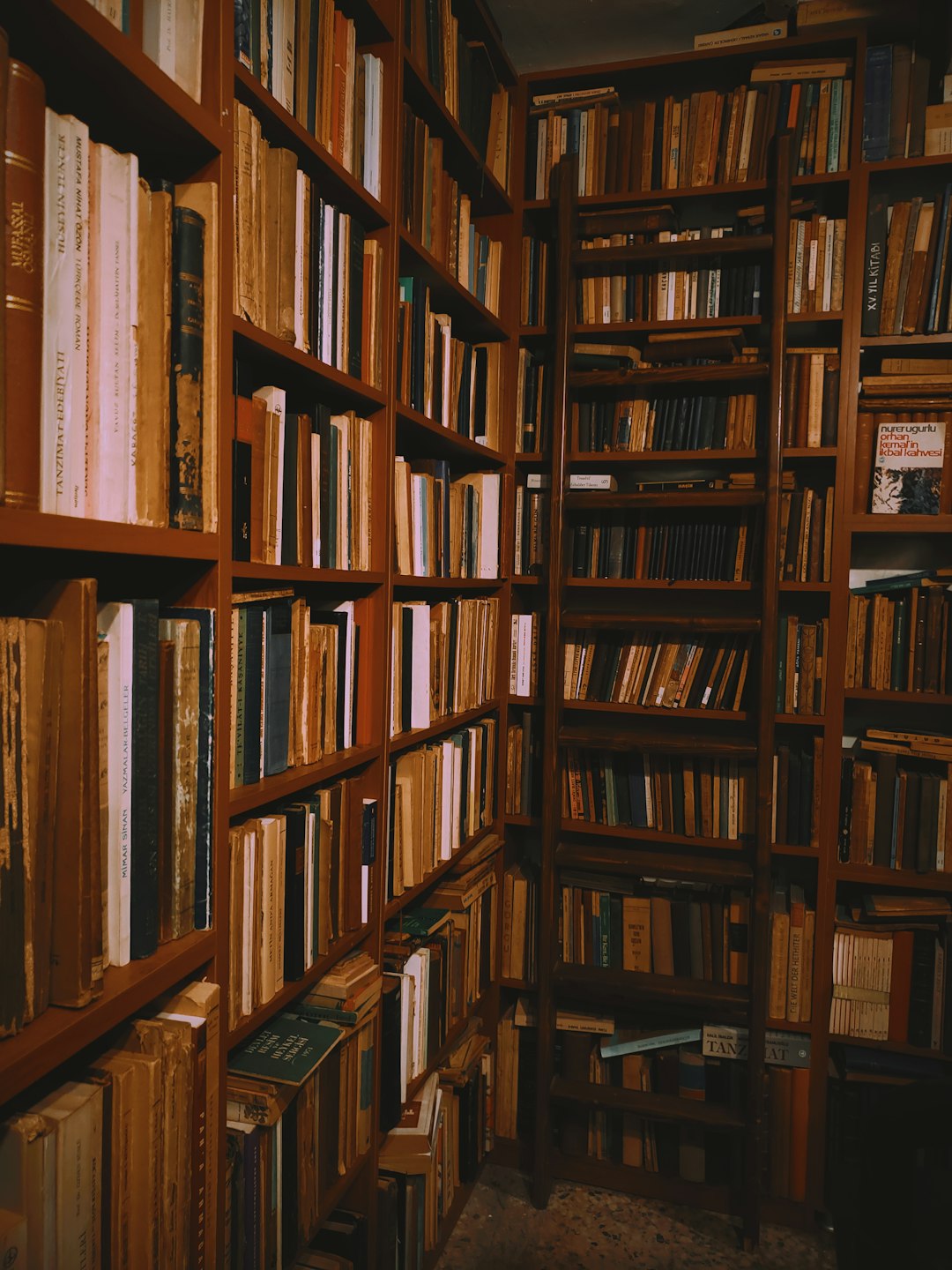
In the cramped back rooms of New York City’s Stonewall Inn during the 1960s and early 1970s, something remarkable was happening beyond the dancing and socializing. Early LGBTQ+ activists had created an informal library that served as both sanctuary and arsenal in their fight for acceptance. The collection included banned books, underground publications, and medical research that challenged the psychiatric establishment’s classification of homosexuality as a mental illness. These weren’t books you could find in regular bookstores or public libraries – they were smuggled in from Europe, passed hand to hand through networks of activists, or written and published secretly by community members themselves. Police raids were a constant threat, so the most sensitive materials had to be hidden or moved frequently. Yet this modest collection became a lifeline for people desperate to understand their own identities and find evidence that they weren’t alone or sick. After the Stonewall Riots of 1969 brought national attention to gay rights, this secret library helped fuel the broader liberation movement that followed.
Civilian Public Service Camp Archives – Conscience in Hiding
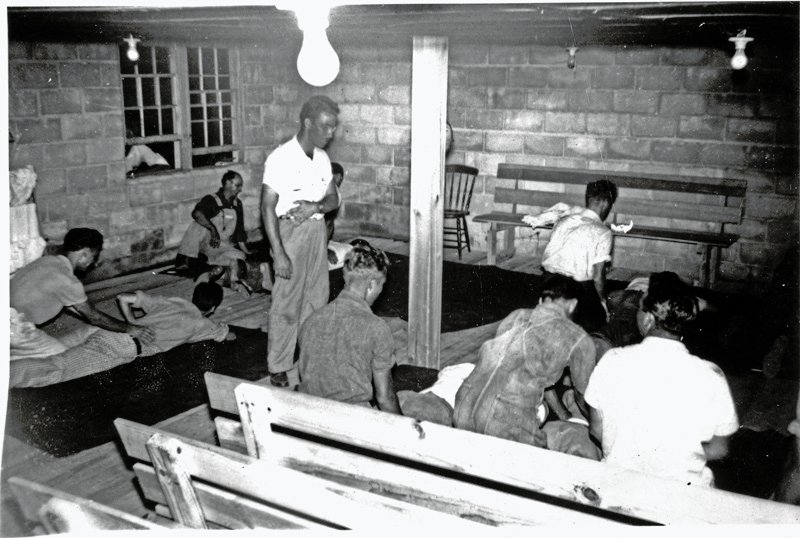
During World War II, while most Americans rallied behind the war effort, thousands of conscientious objectors found themselves in government-run Civilian Public Service camps. Between 1941 and 1947, these camps housed men whose religious or moral beliefs prevented them from taking up arms. What the government didn’t anticipate was that these pacifists would create their own underground libraries. Camp administrators tried to control what the men could read, banning antiwar literature and political writings they deemed subversive. But the conscientious objectors were resourceful – they smuggled in forbidden books, religious tracts that questioned violence, and political writings that challenged the war narrative. They copied texts by hand when originals were confiscated, and they developed elaborate systems for hiding and sharing banned materials. These secret collections preserved dissenting voices during a time when questioning the war effort was considered unpatriotic. The archives documented not just their opposition to violence, but their alternative vision of how conflicts could be resolved without bloodshed.
The Black Panther Party Reading Rooms – Revolution on the Shelves
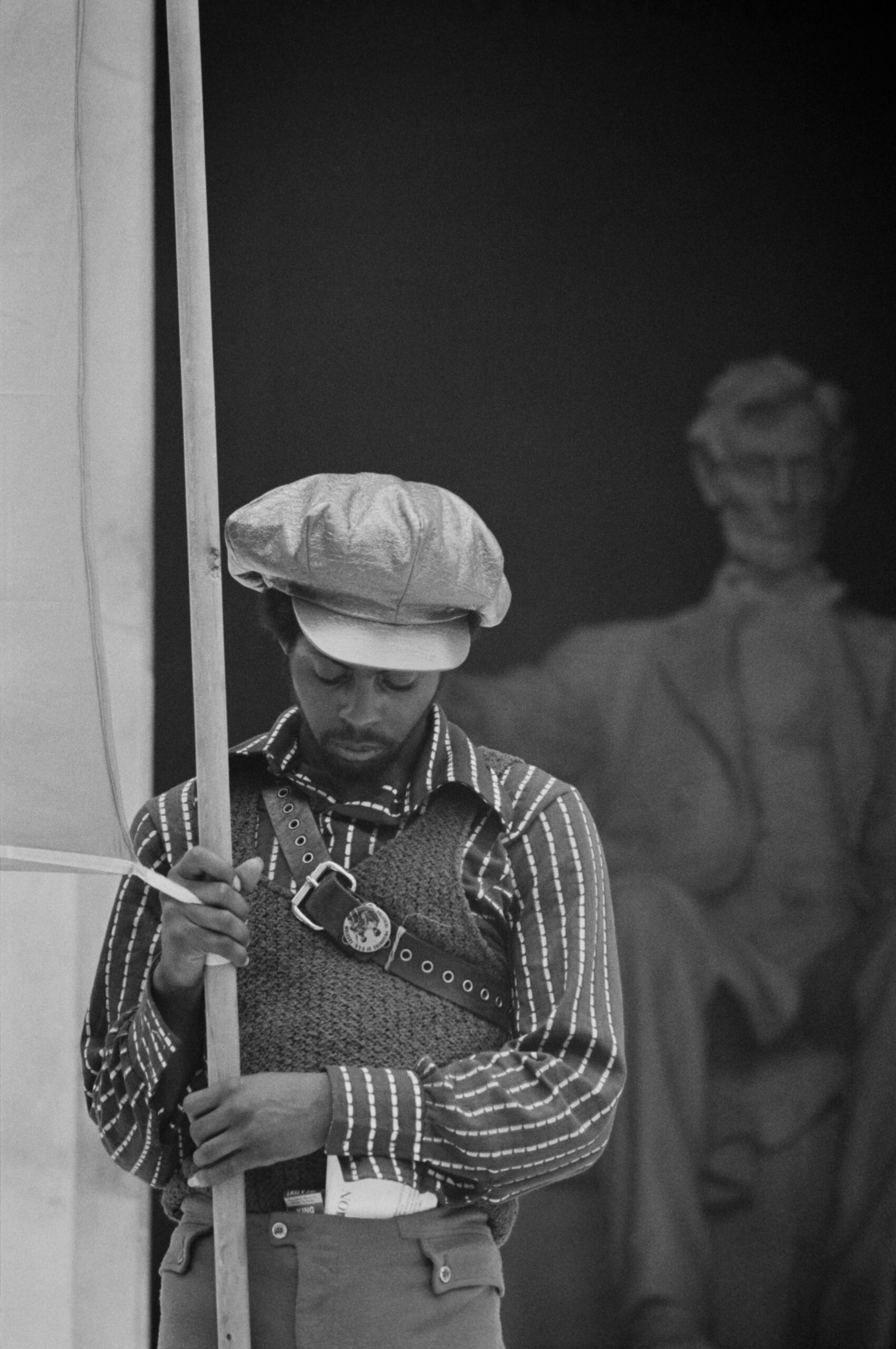
While most Americans knew the Black Panthers for their food programs and militant image, party members in Oakland and other cities were quietly running something equally revolutionary: covert libraries and reading rooms. These small spaces, often tucked into community centers or party offices, contained political theory, African American history, and medical texts that weren’t being taught in mainstream schools. The collections included works by Malcolm X, Mao Zedong, and Franz Fanon – books that explained the global context of racial oppression and liberation movements. But they also held practical manuals on healthcare, legal rights, and community organizing. Police frequently raided these locations, confiscating books along with weapons and documents. Yet party members continued to rebuild their collections, understanding that knowledge was as important as any other tool for revolution. Young people from the community would come to read and discuss ideas that challenged everything they’d learned about American society. These reading rooms became hubs of political education that helped shape a generation of activists and thinkers.
Mormon Pioneer Library Caches – Faith Hidden in the Desert
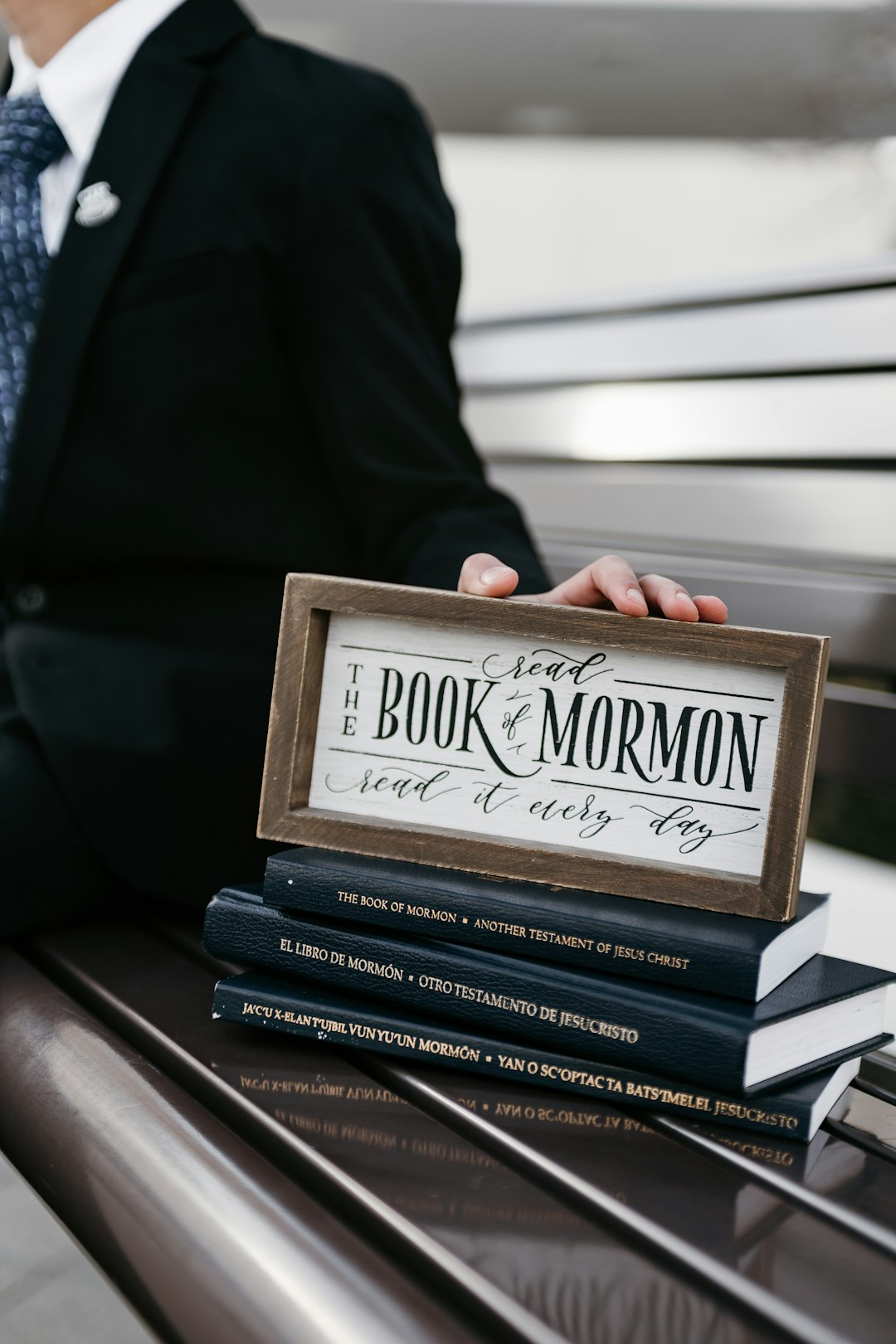
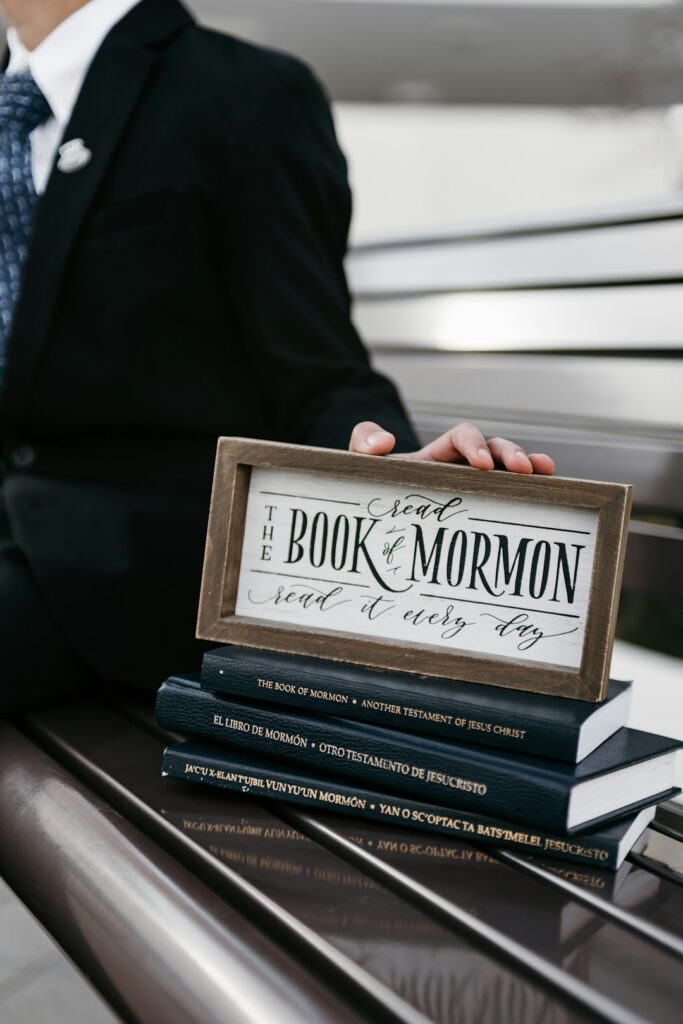
As Mormon pioneers traveled across the American West between 1847 and the 1870s, they carried more than just supplies and farming tools – they smuggled books and documents that told their controversial version of American expansion. Religious texts, historical accounts, and personal journals were hidden in wagon bottoms and buried in desert caches to protect them from hostile authorities who viewed the Mormon migration with suspicion. These weren’t just religious books; they included detailed accounts of conflicts with federal authorities, records of polygamous marriages, and alternative narratives of American westward expansion that challenged official government versions. The pioneers knew their interpretation of manifest destiny – one that included establishing a religious kingdom in the desert – would be seen as treasonous by some. So they created a network of hidden libraries throughout Utah Territory, burying books in sealed containers and marking locations with coded symbols only trusted community members could decipher. When tensions with the federal government reached a boiling point, these secret caches became even more crucial for preserving their distinctive religious and cultural identity against outside pressure to conform.

Besides founding Festivaltopia, Luca is the co founder of trib, an art and fashion collectiv you find on several regional events and online. Also he is part of the management board at HORiZONTE, a group travel provider in Germany.
