


For any feedback please reach out to info@festivalinside.com
- 8 Mind-Boggling Coincidences From History That Will Make You Question Everything - March 10, 2026
- Classic Rock Anthems That Defined a Generation - March 8, 2026
- What Made 1975 One of the Best Years in Music? - March 8, 2026
War and Peace: The Obvious Yet Perfect Choice
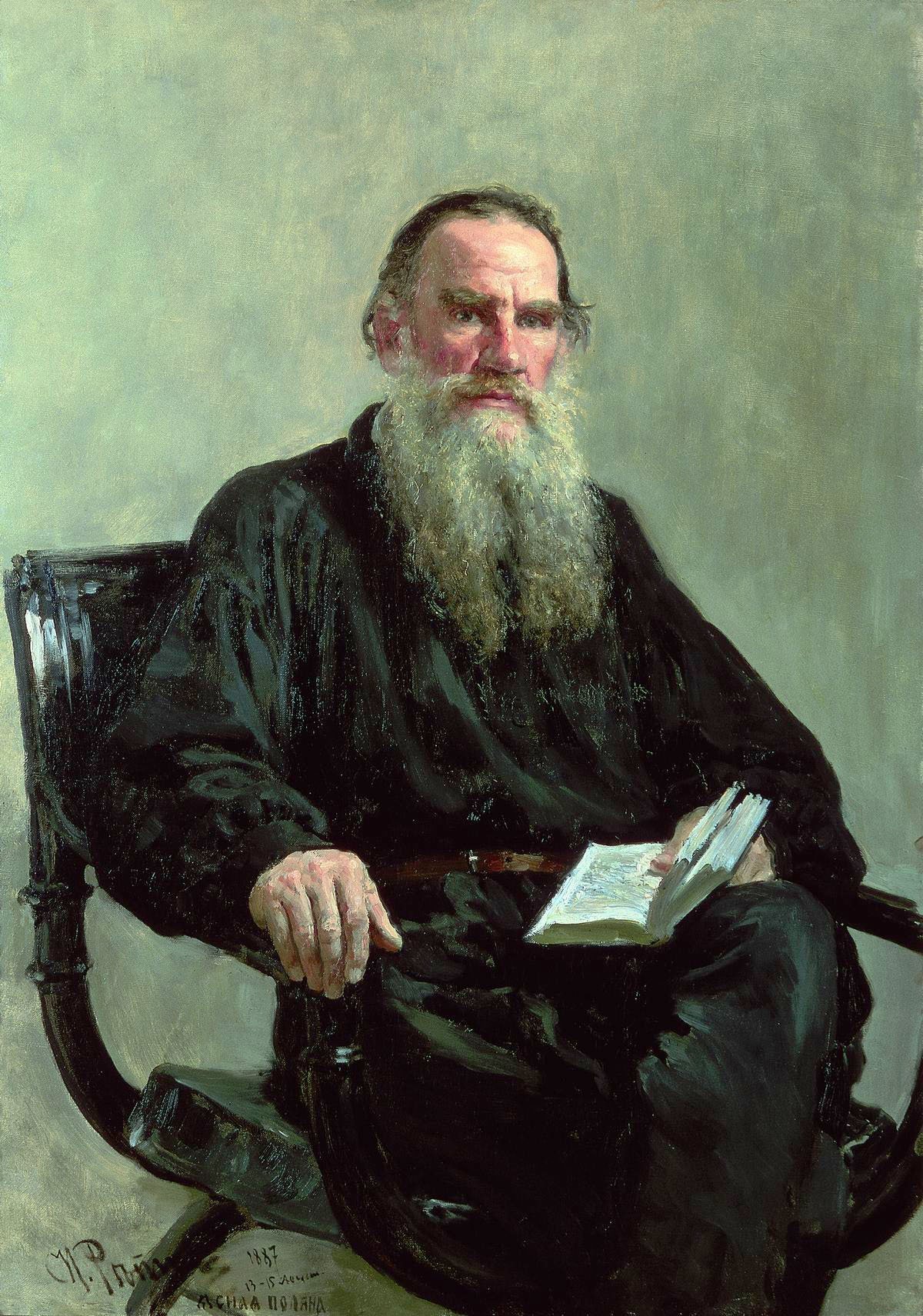
Let’s start with the elephant in the room. If you’re looking for something similar, ‘War and Peace’ is the obvious choice. It’s another epic that delves deep into the lives of its characters, blending personal drama with historical events. This sprawling masterpiece takes everything you loved about Anna Karenina and amplifies it to an almost overwhelming degree.
Reading War and Peace is one of the ultimate trials for any reader, but also one of the most rewarding. Here are the reasons why I love War and Peace, some tips I have for a first-time reader, and my comparison of the best translations. The emotional complexity of characters like Natasha Rostova and Pierre Bezukhov rivals even Anna herself. You’ll find yourself completely immersed in their world, experiencing their joys and sorrows as if they were your own.
War and Peace is a legendary classic for a reason – a rich, immersive, and wise epic perfect for readers ready to invest time and attention. Despite its intimidating length, the novel’s emotional payoff makes every page worthwhile. Tolstoy’s ability to weave personal relationships against the backdrop of historical upheaval creates moments of breathtaking beauty and heartbreak.
The novel’s exploration of love, loss, and the search for meaning in life mirrors many of the themes that made Anna Karenina so compelling. You’ll encounter passionate romances, family drama, and characters struggling with their place in society. This isn’t just another book recommendation; it’s a guarantee of another life-changing reading experience.
Madame Bovary: The French Mirror to Anna’s Story
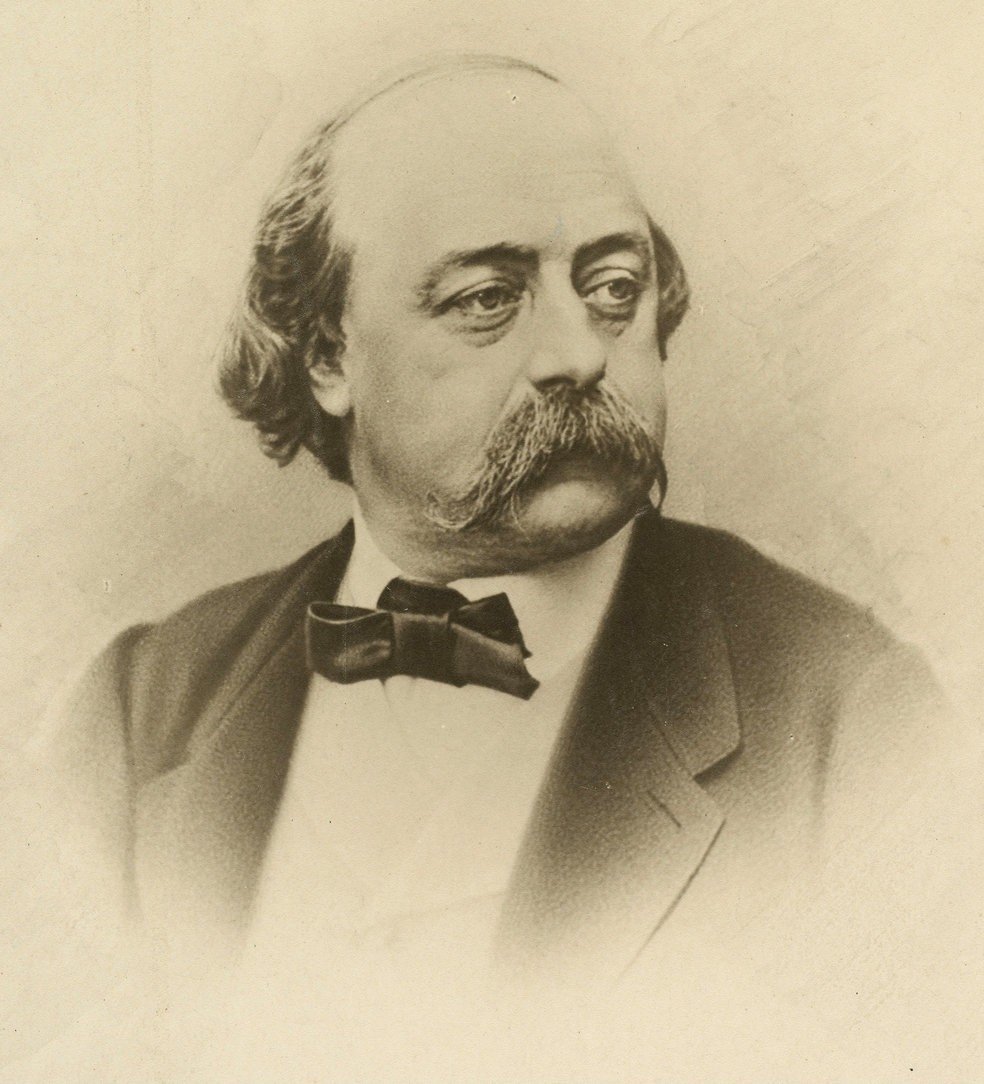
Madame Bovary by Gustave Flaubert is a classic novel that follows the story of Emma Bovary, a woman who is unsatisfied with her provincial life and seeks fulfillment in love and excitement. Despite being married to a country doctor, Charles Bovary, Emma embarks on adulterous affairs and indulges in spending money beyond their means. As her pursuit of happiness leads to ruin, the novel delves into themes of romanticism, disillusionment, and the consequences of unrealistic expectations.
Like Anna, Madame Bovary is deeply unhappy and does not want to be part of provincial life. The parallels between Emma and Anna are striking, both women trapped in marriages that fail to fulfill their passionate natures. Emma’s desperate attempts to escape her mundane existence through romantic affairs and material excess echo Anna’s own tragic choices.
Flaubert’s precise, almost surgical prose dissects Emma’s psyche with the same unflinching honesty Tolstoy brought to Anna’s character. You’ll find yourself frustrated with Emma’s decisions while simultaneously understanding her desperate need for something more meaningful than her stifling domestic life. The novel builds to a conclusion that’s equally devastating as Anna Karenina’s tragic ending.
Madame Bovary has been praised by numerous literary critics and authors. This endorsement from one of literature’s greatest masters speaks to the novel’s enduring power to move and disturb readers. Emma Bovary’s story serves as a cautionary tale about the dangers of romantic idealism, yet it’s impossible not to sympathize with her yearning for passion and beauty.
The Brothers Karamazov: Dostoevsky’s Philosophical Masterpiece
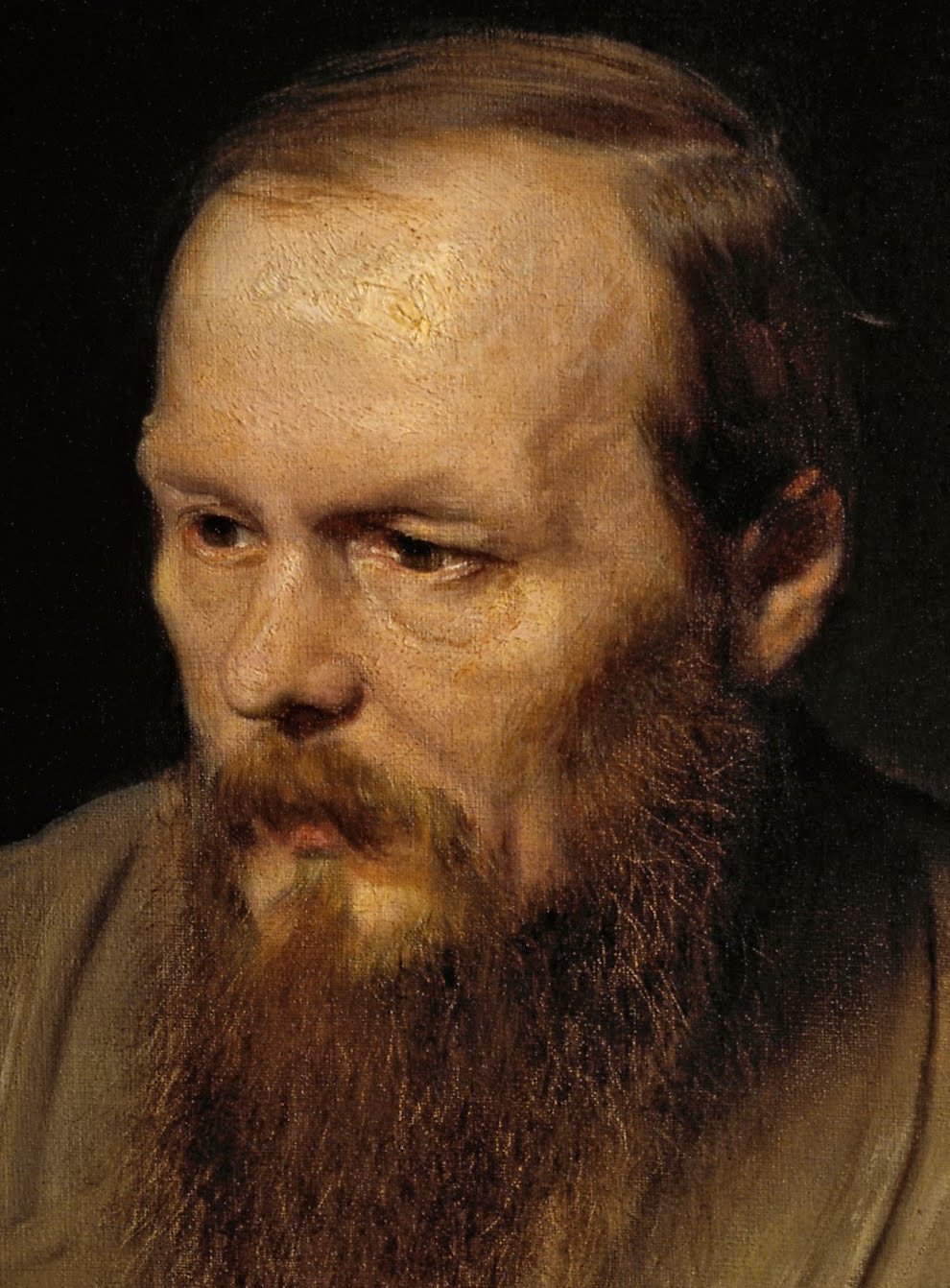
A masterpiece of ideas and emotion – profound, moving, and messy in the best way. Not a breezy read, but if you’re ready to wrestle with big questions, The Brothers Karamazov delivers. ‘The Brothers Karamazov’ by Fyodor Dostoyevsky is a classic Russian tale that delves into the lives of Fyodor Pavlovich Karamazov and his sons Ivan, Dmitri, and Alexei.
The Brothers Karamazov is a must-read book that stands in a league of its own. Dostoevsky’s classic is unsettling, philosophical, and marvelously written. This novel takes you on a journey through the darkest corners of human nature while simultaneously exploring questions about faith, morality, and the existence of God. The emotional intensity rivals anything you experienced in Anna Karenina.
Each brother represents a different approach to life’s fundamental questions, creating a rich tapestry of philosophical and emotional conflict. The writing style of ‘The Brothers Karamazov’ is described as deep, complex, philosophical, humane, and powerful. The book is praised for its sprawling narrative, great characters, and thought-provoking themes that encompass religion, morality, good vs. evil, and the essence of human nature. Despite its length and occasional tangents, readers appreciate the brilliance and relevance of the novel, which continues to challenge and inspire readers with its depth and complexity.
The central murder mystery provides a compelling narrative structure, but the real power lies in Dostoevsky’s exploration of guilt, redemption, and the human capacity for both evil and profound love. You’ll find yourself questioning your own beliefs and moral assumptions long after finishing the final page.
Tess of the d’Urbervilles: Hardy’s Heartbreaking Rural Tragedy

Set in Hardy’s beloved Wessex – it tells the story of an innocent country girl who is corrupted and brought down by the debauchery of the aristocratic Alec d’Urberville and the hypocrisy of a society that treats men and women so differently. Thomas Hardy’s masterpiece shares Anna Karenina’s devastating examination of how society destroys women who dare to step outside its rigid moral boundaries.
The emotional punch that comes at the conclusion of Tess’s journey ultimately derives from following her for so long, and from spending so much time at her side. Like Anna, Tess is a victim of circumstances largely beyond her control, making her eventual fate all the more heartbreaking.
Even if you have never read Tess of the d’Urbervilles before, (which I had) upon taking this novel down from the shelf – you just know it’s going to be emotional. Hardy’s vivid descriptions of the English countryside provide a beautiful backdrop for Tess’s increasingly tragic story, creating moments of stunning natural beauty that contrast sharply with human cruelty.
In Tess, Hardy presents a world in which the human spirit is battered down by the forces, not of fate, but of social hierarchy. Tess’s eventual death, one of the most famous in literature, is a direct result of human cruelty and as such represents one of the most moving indictments of the lives of 19th-century English women in all of literature. The novel’s power to evoke both rage and sorrow matches Anna Karenina’s emotional impact.
Crime and Punishment: The Psychology of Guilt
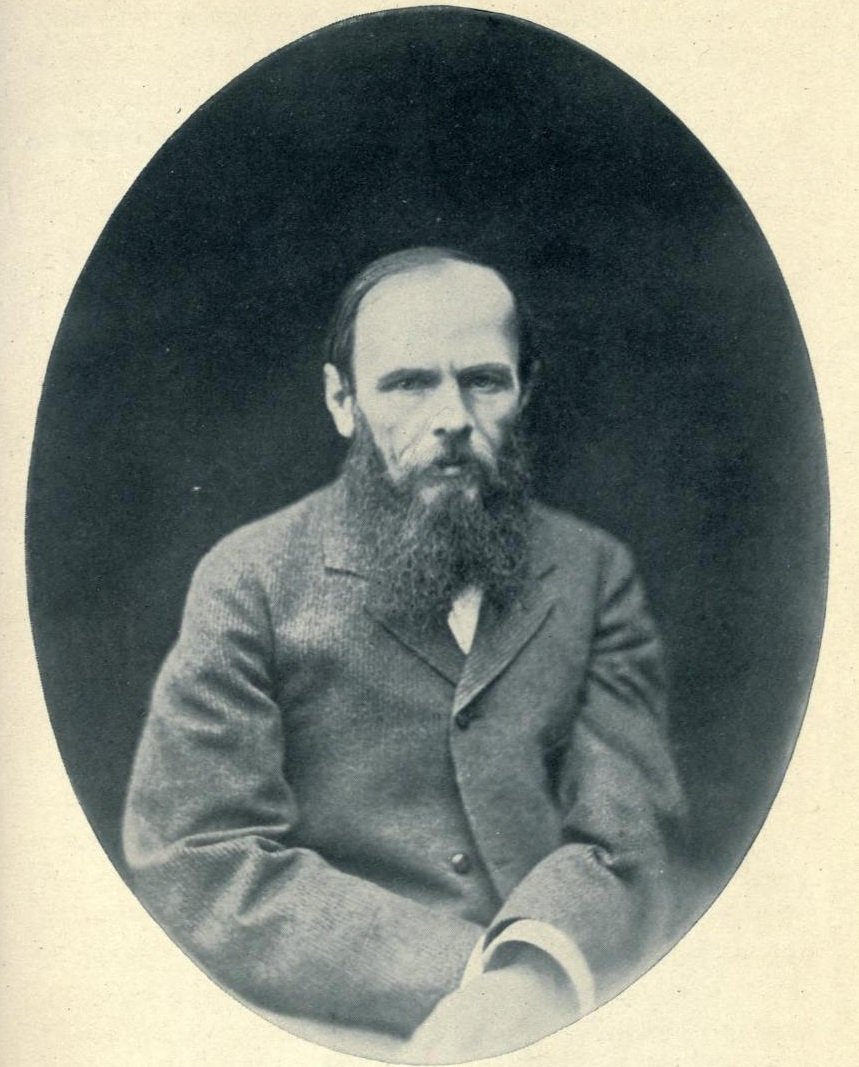
“Crime and Punishment” by Fyodor Dostoyevsky follows the story of Raskolnikov, a destitute former student who commits a murder without remorse, delving into the psychological and philosophical arguments behind his crime. The protagonist struggles with guilt, paranoia, and justification for his actions, ultimately facing the consequences of his crime before his punishment is delivered. The novel offers a deep exploration of the criminal mind, the complexities of morality, and the societal implications of one’s actions, set against the backdrop of 19th-century Russia.
A dark, thought-provoking classic that takes you deep into the human soul. Unmissable for those who love literary depth and philosophical suspense – just be ready for some moody Russian intensity! This psychological thriller examines the aftermath of a terrible decision with the same unflinching honesty Tolstoy brought to Anna’s story.
Raskolnikov’s mental anguish following his crime creates an atmosphere of suffocating tension that builds throughout the novel. Dostoyevsky’s writing style in “Crime and Punishment” is described as captivating, suspenseful, and multi-layered, offering an exciting and intriguing narrative with well-developed subplots. The novel’s exploration of redemption through suffering resonates with anyone who felt moved by Anna’s internal struggles.
The relationship between Raskolnikov and Sonia provides moments of tenderness that contrast beautifully with the novel’s darker themes. Like Anna Karenina, this isn’t just a story about crime or punishment; it’s a profound meditation on human nature, love, and the possibility of moral transformation.
East of Eden: Steinbeck’s American Epic

East of Eden by John Steinbeck is a multigenerational family saga set in the Salinas Valley of California, revolving around the intertwined lives of the Hamilton and Trask families. The novel explores themes of good and evil, family dynamics, free will, and redemption, drawing parallels to the biblical story of Cain and Abel. Through rich character development and vivid storytelling, Steinbeck delves deep into the complexities of human nature, relationships, and the pursuit of identity and purpose. The narrative weaves together the lives of various characters, showcasing their struggles, triumphs, and moral dilemmas across generations. Steinbeck’s writing style is praised for its descriptive nature, character depth, and exploration of profound themes, making the reader reflect on the choices individuals make and the impact of those decisions on themselves and others.
This sweeping American epic matches Anna Karenina’s scope and emotional depth while exploring distinctly American themes of reinvention and the pursuit of happiness. The Trask family’s generational conflicts create the same kind of complex family dynamics that made Tolstoy’s novel so compelling. Cal and Aron’s relationship mirrors the biblical tale of Cain and Abel, providing a mythic framework for very human struggles.
Steinbeck’s portrayal of characters like Cathy Ames creates one of literature’s most chilling villains, while Adam Trask’s journey toward understanding and forgiveness provides moments of profound grace. The novel’s examination of how evil and goodness manifest within families resonates with anyone who appreciated the moral complexity of Anna Karenina.
The California setting becomes almost a character itself, representing both promise and disappointment in ways that echo Tolstoy’s use of Russian society as a backdrop for personal drama. East of Eden doesn’t just tell a story; it grapples with fundamental questions about human nature that will leave you pondering long after you’ve finished reading.
Wuthering Heights: Passion Beyond Reason
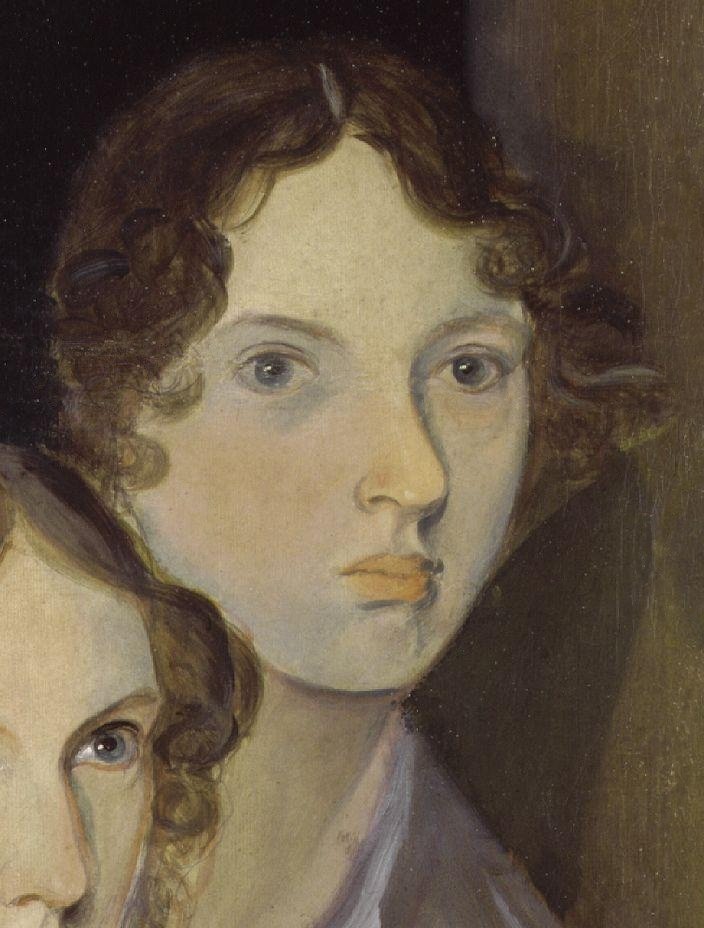
Wuthering Heights is one of the best classic books of all time – and absolutely deserves to be read more than once. Emily Brontë’s only novel delivers the same kind of overwhelming passion that drives Anna Karenina, though perhaps with even more intensity and wildness. The love between Heathcliff and Catherine transcends social boundaries and even death itself.
The novel’s structure, told through multiple narrators and time periods, creates a complex emotional landscape that matches Anna Karenina’s sophistication. You’ll find yourself swept up in the destructive power of obsessive love, watching as characters make choices that seem simultaneously inevitable and tragic. The Yorkshire moors provide a haunting backdrop that reflects the characters’ turbulent emotions.
Unlike Anna’s relatively civilized world, Wuthering Heights presents passion in its most primal form. The novel’s gothic atmosphere and supernatural elements add layers of mystery and terror to what is fundamentally a story about love’s power to both create and destroy. The cyclical nature of the plot suggests that some patterns of behavior are destined to repeat across generations.
Brontë’s exploration of class, revenge, and redemption creates a reading experience that’s both deeply disturbing and strangely beautiful. The novel’s ending offers a kind of resolution that feels both earned and mysterious, much like the complex emotions you experienced at the conclusion of Anna Karenina.
Doctor Zhivago: Love in Times of Revolution
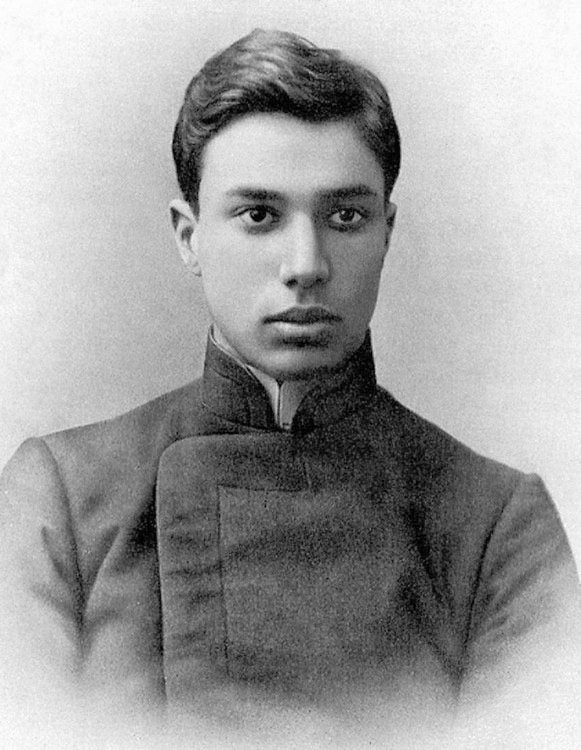
There’s also Boris Pasternak’s Doctor Zhivago, which will deliver a similar sort of sweeping love story. This epic novel combines personal romance with historical upheaval in ways that directly echo Anna Karenina’s blend of intimate drama and social commentary. The Russian Revolution provides a backdrop for Zhivago’s love affair with Lara that rivals Anna and Vronsky’s passionate relationship.
Pasternak’s lyrical prose captures both the beauty and terror of revolutionary Russia, creating a world where personal desires clash dramatically with historical forces. The novel’s examination of how ordinary people navigate extraordinary circumstances resonates with anyone who appreciated Tolstoy’s portrayal of characters caught between personal fulfillment and social expectations.
The love triangle between Zhivago, his wife Tonya, and the enchanting Lara creates the same kind of emotional complexity that made Anna Karenina so compelling. Each character faces impossible choices that will determine not just their own fate but the fate of those they love most. The novel’s tragic conclusion leaves you with the same sense of profound loss and beautiful devastation.
Like Anna Karenina, Doctor Zhivago doesn’t just tell a love story; it examines how political and social forces shape individual lives in ways that are both predictable and surprising. The novel’s epic scope and intimate focus create a reading experience that matches the emotional intensity of Tolstoy’s masterpiece.
Les Misérables: Hugo’s Monument to Human Suffering
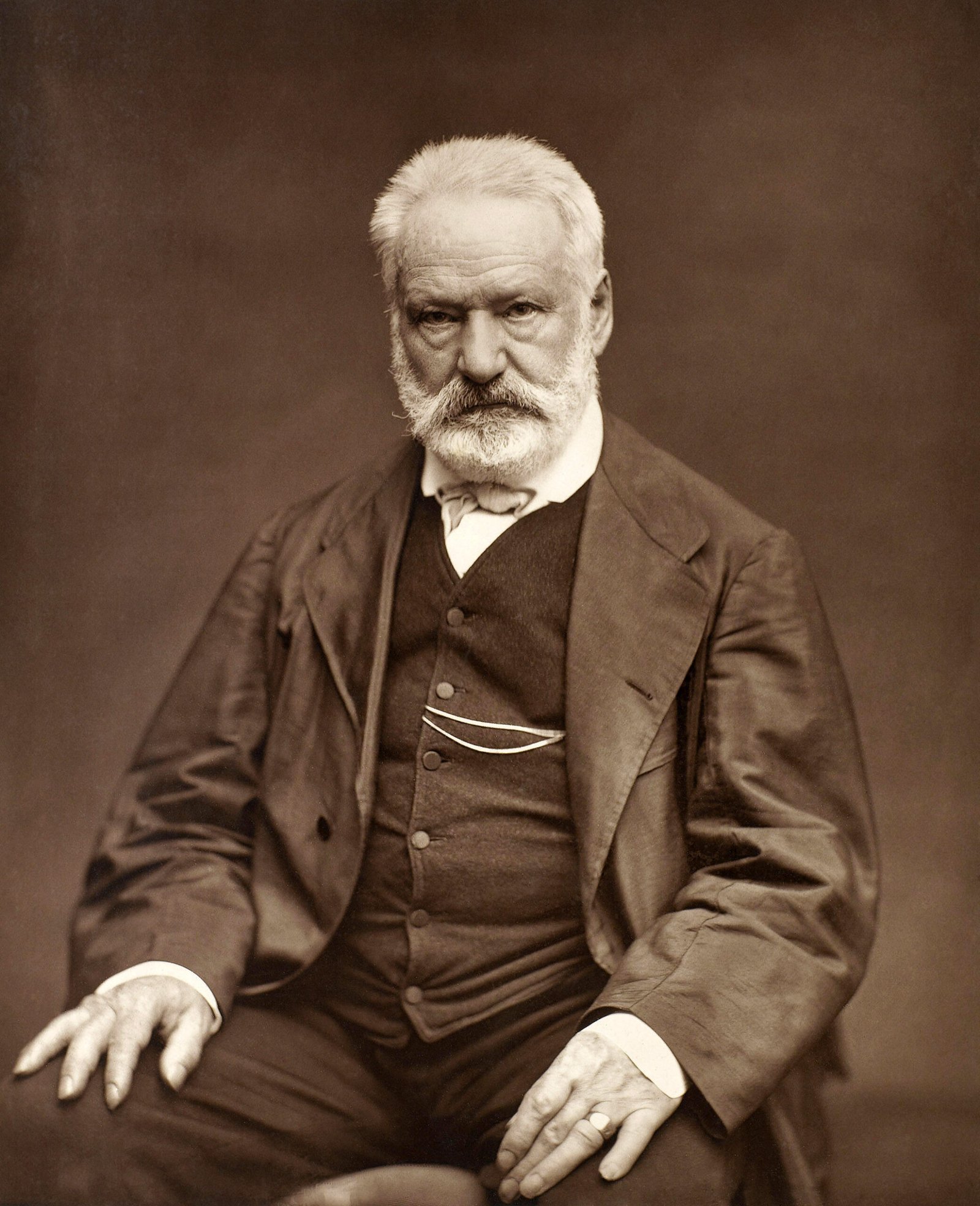
A monumental classic – flawed but powerful – worth reading for its heart, ideas, and humanity. But be prepared for a long, scenic detour through Hugo’s passions along the way. Les Miserables by Victor Hugo is a sprawling masterpiece that delves into the themes of redemption, true love, human nature, and social inequalities in 19th century France. This massive novel shares Anna Karenina’s commitment to examining society’s treatment of those who don’t fit conventional molds.
Jean Valjean’s journey from criminal to saint provides a powerful counterpoint to Anna’s tragic arc, suggesting that redemption is possible even for those who have fallen furthest from grace. The novel’s exploration of social justice and individual transformation creates moments of hope that balance its darker themes. Hugo’s passionate commitment to social reform infuses every page with moral urgency.
The love stories within Les Misérables, particularly the relationship between Marius and Cosette, provide emotional anchors within the novel’s vast social panorama. Like Tolstoy, Hugo understands how personal relationships both shape and are shaped by larger social forces. The barricades of the June Rebellion create dramatic settings for acts of heroism and sacrifice.
Despite its length and occasional philosophical digressions, Les Misérables maintains the same kind of emotional intensity that makes Anna Karenina unforgettable. The novel’s commitment to showing both the worst and best of human nature creates a reading experience that’s both devastating and ultimately affirming.
The Unbearable Lightness of Being: Kundera’s Modern Masterpiece
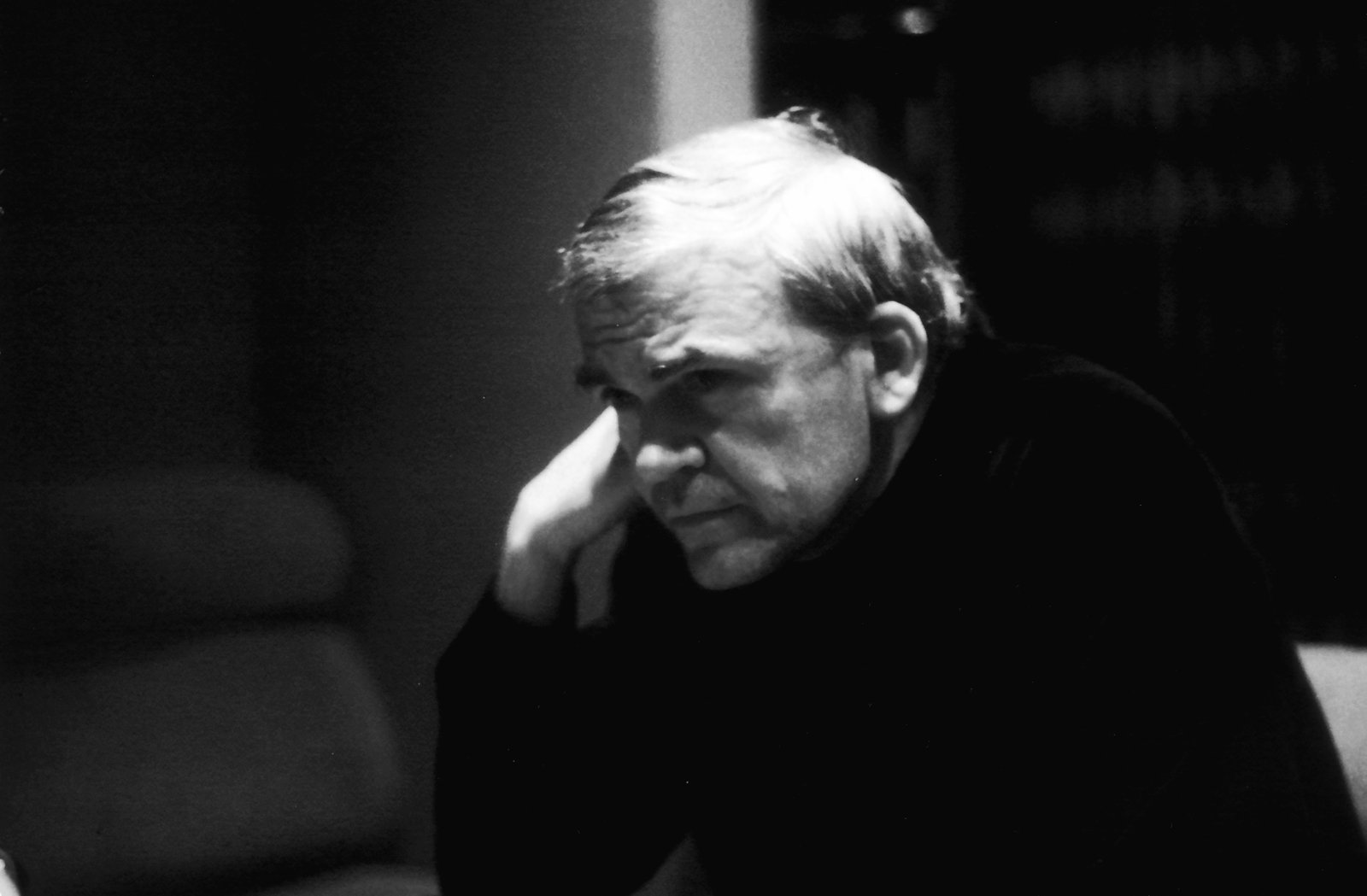
There are concepts from this novel that have become part of my own philosophy, in particular, that responsibility gives meaning to life. 10 authors picked The Unbearable Lightness of Being as one of their favorite books, and they share why you should read it. ‘A cult figure.’ Guardian ‘A dark and brilliant achievement.’ Ian McEwan ‘Shamelessly clever … Exhilaratingly subversive and funny.’ Independent ‘A modern classic … As relevant now as when it was first published. ‘ John Banville A young woman is in love with a successful surgeon; a man torn between his love for her and his womanising. His mistress, a free-spirited artist, lives her life as a series of betrayals; while her other lover stands to lose everything because of his noble qualities. In a world where lives are shaped by choices and events, and everything occurs but once, existence seems…
Milan Kundera’s philosophical novel examines love, sexuality, and political oppression with the same unflinching honesty that Tolstoy brought to Anna’s story. Set against the backdrop of the Soviet invasion of Czechoslovakia in 1968, the novel follows Tomas and Tereza’s troubled relationship as they navigate both personal and political upheavals.
This book is an intensely philosophical novel that tackles big subjects, like the nature of love, the limits and desirability of freedom, the expression of sexuality, and the very nature of human existence, while at the same time being immersive and easy to read. The main characters, Tomas and Tereza, are full of love for each other but fail to truly connect because of their personal frailties, which I believe is true of all of us. The novel’s exploration of how couples struggle to maintain authentic connection despite their deep love echoes the relationship dynamics in Anna Karenina.
Kundera’s meditation on the “unbearable lightness” of existence creates a philosophical framework for understanding how people cope with life’s fundamental uncertainties. The novel’s structure, weaving between different characters and time periods, creates a complex emotional tapestry that rewards careful reading.
A Little Life: Yanagihara’s Devastating Contemporary Epic

If you’re looking for modern books with a similar depth of emotion and exploration of societal norms, I’d recommend ‘A Little Life’ by Hanya Yanagihara. This contemporary novel delivers the same kind of emotional devastation as Anna Karenina, following four friends as they navigate adulthood in New York City. The focus on Jude’s traumatic past and its lasting effects creates an atmosphere of psychological intensity that matches Tolstoy’s psychological realism.
The novel’s unflinching examination of trauma, friendship, and the limits of love creates reading experiences that are both beautiful and almost unbearably painful. Like Anna Karenina, it’s a book that will fundamentally change how you think about human relationships and the capacity for both cruelty and kindness. The characters’ devotion to each other provides moments of transcendent beauty within the novel’s darker themes.
Yanagihara’s prose creates the same kind of immersive experience that made Anna Karenina so compelling. You’ll find yourself completely absorbed in these characters’ lives, experiencing their joys and sufferings as if they were your own. The novel’s length allows for the kind of deep character development that makes the emotional payoff so powerful.
This isn’t a book for the emotionally unprepared, but for readers who appreciated Anna Karenina’s willingness to confront difficult truths about human nature, A Little Life offers a contemporary exploration of similar themes with comparable emotional impact.
These literary masterpieces share Anna Karenina’s commitment to exploring the deepest aspects of human experience without flinching from difficult truths. Each offers its own unique perspective on love, loss, and the eternal struggle between individual desires and social expectations. They’re not just books; they’re emotional journeys that will reshape your understanding of literature’s power to illuminate the human condition.
What strikes me most about these recommendations is how they all share that rare quality of making you feel as though you’ve lived another life entirely by the time you reach the final page. What would you choose for your next emotional literary adventure?

Christian Wiedeck, all the way from Germany, loves music festivals, especially in the USA. His articles bring the excitement of these events to readers worldwide.
For any feedback please reach out to info@festivalinside.com
