The Silicon Valley housing market has entered a strange new chapter. Home prices remain near record highs, yet construction is practically grinding to a halt. What happens when one of America’s most expensive cities stops building? Turns out, the consequences ripple through every corner of the real estate landscape.
The story unfolding in San Jose right now is honestly more dramatic than most outsiders realize. For renters wondering when relief might arrive and buyers hoping inventory will expand, the numbers coming out of Santa Clara County paint a challenging picture.
The Stunning Drop Nobody Saw Coming
Multifamily housing permits in the San Jose metro area have declined by 41% this year, dropping from 1,729 permits issued between January and July 2024 to just 1,013 during the same period in 2025. This represents the largest decline among major California metros.
The scale of this collapse becomes even clearer when you zoom out. The region’s overall building permits plunged 68% when comparing July 2020 to July 2025, falling from 1,949 permits to just 623. That puts San Jose at the very top of the list for declining construction nationwide.
Think about that for a second. In a region desperate for housing, where median home prices hover around one and a half million dollars, developers have essentially hit the brakes.
Why Builders Are Walking Away
Developers are holding off on pulling permits due to tariff impacts on building materials, longstanding construction labor shortages, and interest rate uncertainty. These aren’t minor headaches. They represent millions of dollars in risk that developers simply won’t stomach right now.
Market conditions and costs have created a perfect storm that makes it tough for investors to make projects pencil out, according to city officials. Translation? Even when developers want to build, the math just doesn’t work anymore.
There’s also the issue of fees. Silicon Valley is among the most expensive places in the country to build, with city fees that can run astronomical compared to other regions. Combine that with soaring material costs and a shortage of skilled labor, and you’ve got a recipe for paralysis.
What This Really Means for Renters
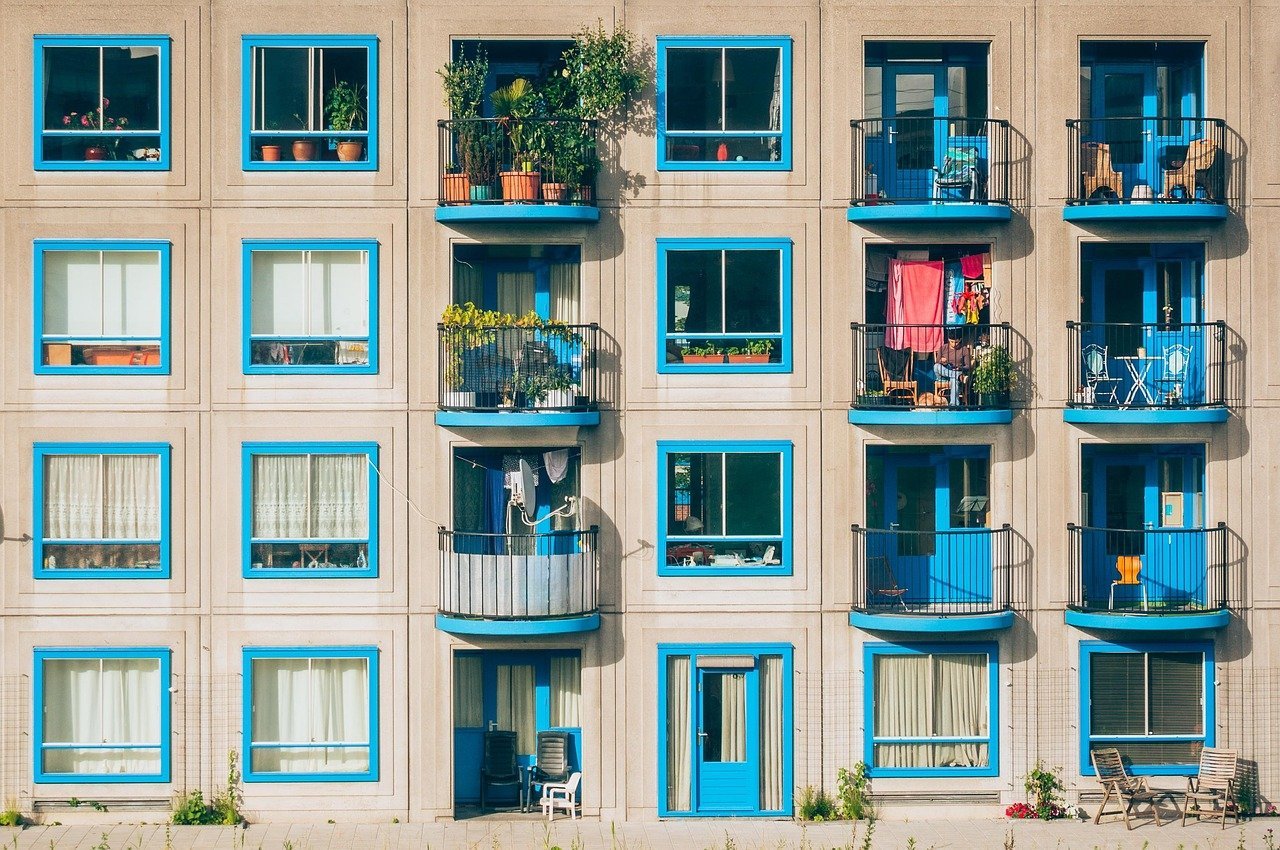
Let’s be real. Fewer apartments being built means renters are stuck in an increasingly tight market. The combination of strong employment, constrained inventory, and sustained renter interest makes San Jose one of the most landlord-favorable rental markets in the country.
Here’s the thing about rental markets: they’re brutally simple. When supply shrinks and demand stays constant or grows, rents climb. With median home prices exceeding $1.3 million, many residents remain priced out of buying, especially first-time buyers and younger professionals.
Those who can’t afford to buy have no choice but to rent. When new apartment buildings stop getting built, competition for existing units intensifies. The market becomes more cutthroat, with prospective tenants offering above-asking rent or waiving conditions just to secure a place.
The irony? San Jose’s tech economy continues humming along, bringing in high-earning workers who need somewhere to live. The metro area population is expected to reach 1,848,000 in 2025. More people, fewer new apartments. You can see where this is headed.
The Buyer’s Dilemma Gets Worse

If you’re hoping to buy in San Jose, the permit decline is bad news wrapped in more bad news. Current market data shows just 389 homes available on average, representing a 33.7% decline from pre-pandemic levels when 587 homes were typically available.
Homes in San Jose receive around three offers on average and sell in approximately 17 days, with a median sale price of $1.4 million. The market remains fiercely competitive, even as construction stalls.
What’s particularly frustrating for buyers is that the slowdown in new construction means less inventory hitting the market down the line. New developments that might have brought relief in 2026 or 2027 simply aren’t in the pipeline anymore. The lock-in effect from low mortgage rates has already frozen many existing homeowners in place, reluctant to sell and take on higher rates.
Some neighborhoods fare better than others. Luxury properties in certain pockets have actually appreciated while mid-tier homes have softened slightly. Still, the overall trend is clear: tight supply and sustained demand keep prices elevated.
Behind the Numbers: A Regional Crisis
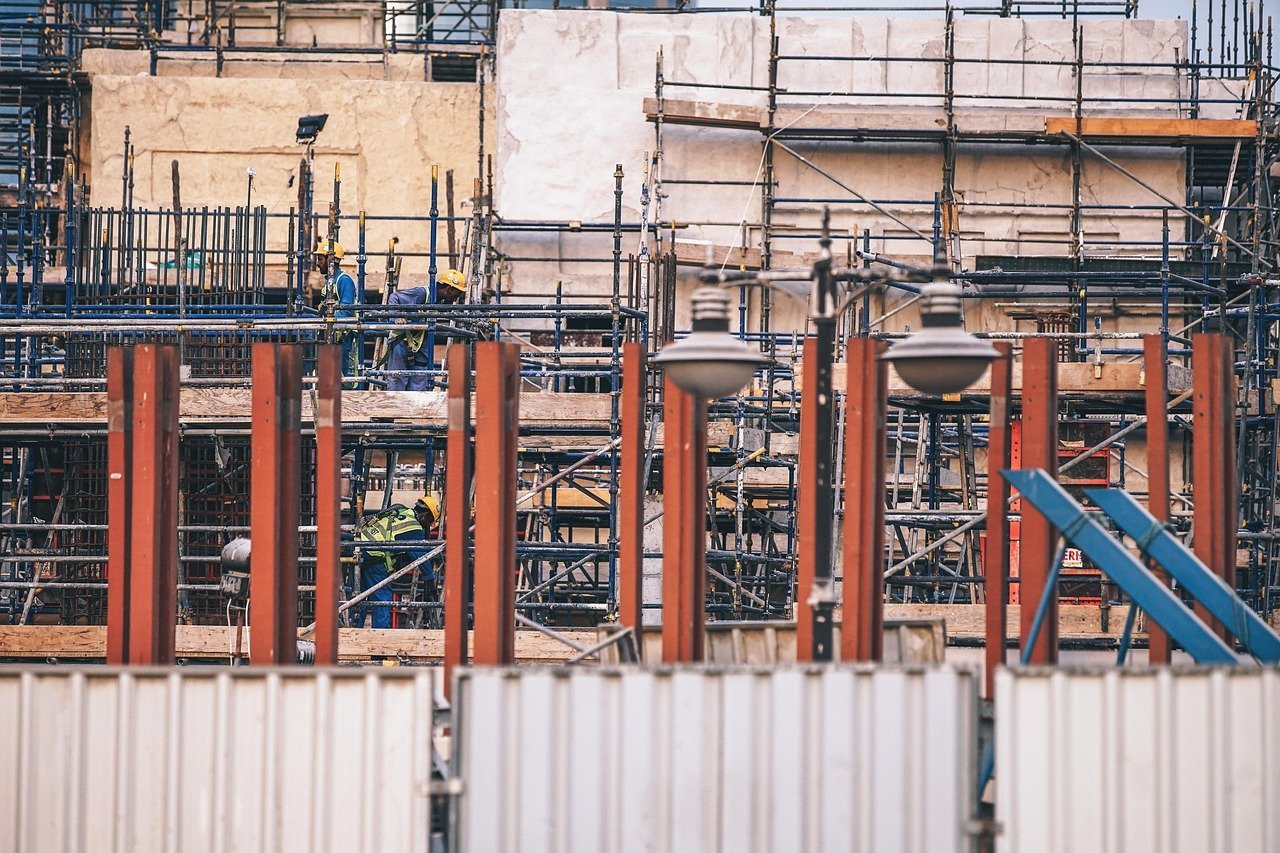
Labor shortages, opposition to building apartments, and increased prices for building materials all contribute to the slowdown. These obstacles aren’t unique to San Jose, yet the region leads the nation in permit decline.
Part of the problem stems from local opposition to dense housing. Neighborhood groups frequently push back against apartment projects, citing concerns about traffic, parking, and community character. While these concerns aren’t invalid, they compound an already dire shortage.
Residential construction being challenging in California is a longstanding situation, according to housing analysts. California’s regulatory environment has long made building difficult and expensive. San Jose magnifies these challenges with additional layers of local requirements.
Tech Solutions to an Old Problem
Interestingly, the city is trying to fight bureaucracy with artificial intelligence. San Jose began piloting AI software in September that checks residential building permit applications, and if successful, the city could adopt the technology as soon as 2026.
Other jurisdictions across the Bay Area have hired permit ombudspeople to help applicants navigate the permitting maze. The goal? Streamline a process that often takes months or even years.
Whether these reforms will meaningfully move the needle remains uncertain. Technology can only do so much when the underlying economics don’t work. Developers need confidence that projects will be profitable, and right now that confidence is severely lacking.
The Price Plateau Phenomenon
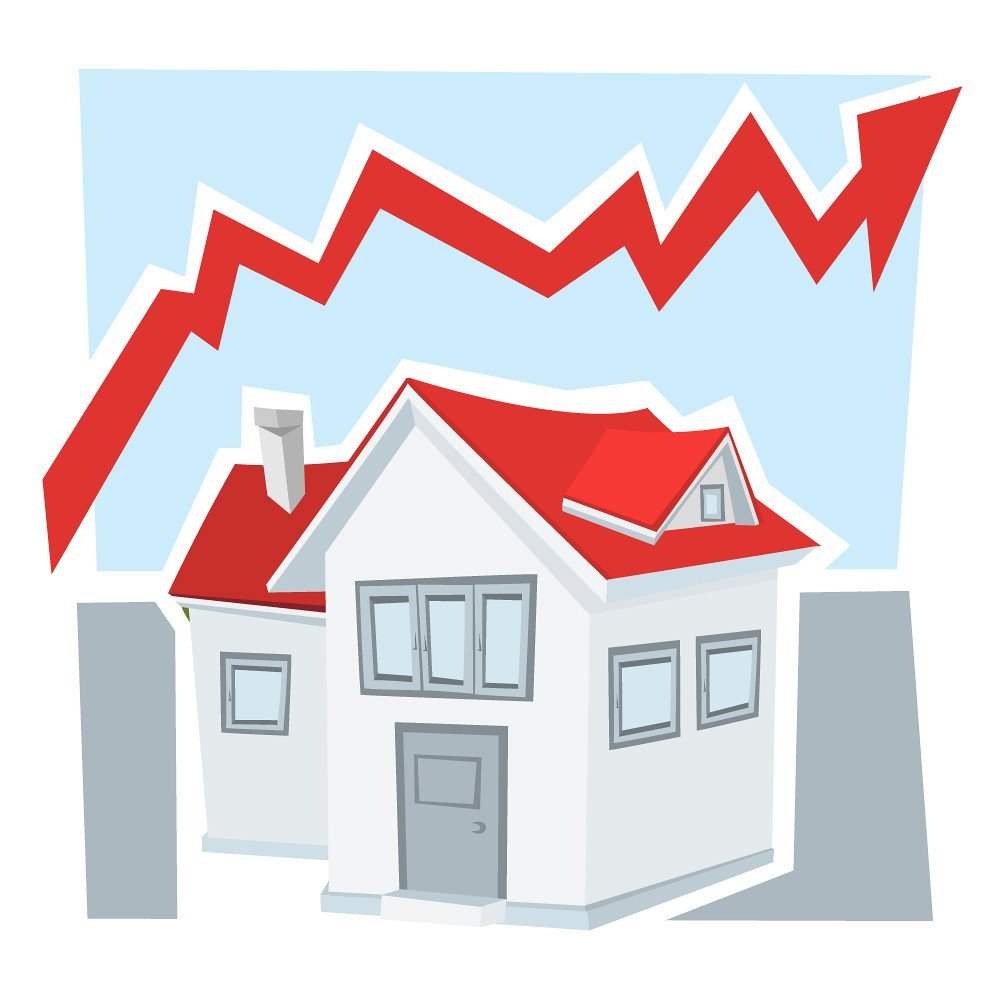
Despite the construction slowdown, San Jose home prices haven’t collapsed. The average home value is $1,462,209, up 0.7% over the past year. Prices have essentially flatlined rather than dropped.
This plateau reflects competing forces. On one hand, higher interest rates have cooled demand somewhat. On the other, extreme supply constraints prevent prices from falling meaningfully. Residential building permits reached only 28% of the Regional Housing Needs Allocation goal, highlighting the massive gap between housing targets and reality.
For buyers hoping for a crash, the wait continues. For sellers worried about values plummeting, that fear appears unfounded. The market has stabilized at an uncomfortably high altitude.
Who Benefits From This Mess

Existing homeowners with low mortgage rates locked in are sitting pretty. Their properties maintain value while they enjoy historically low monthly payments. Landlords with rental properties benefit from tight inventory pushing rents higher.
Cash-heavy buyers with significant resources can still navigate the market, albeit at premium prices. San Jose’s high-income workforce has weathered the interest rate transition better than most, and cash buyers remain active.
Everyone else? They’re stuck. First-time buyers face nearly impossible barriers to entry. Renters watch as their savings disappear into monthly rent that never stops climbing. Young professionals drawn to Silicon Valley for career opportunities discover that housing costs consume massive portions of their paychecks.
Looking Ahead: Any Light at All
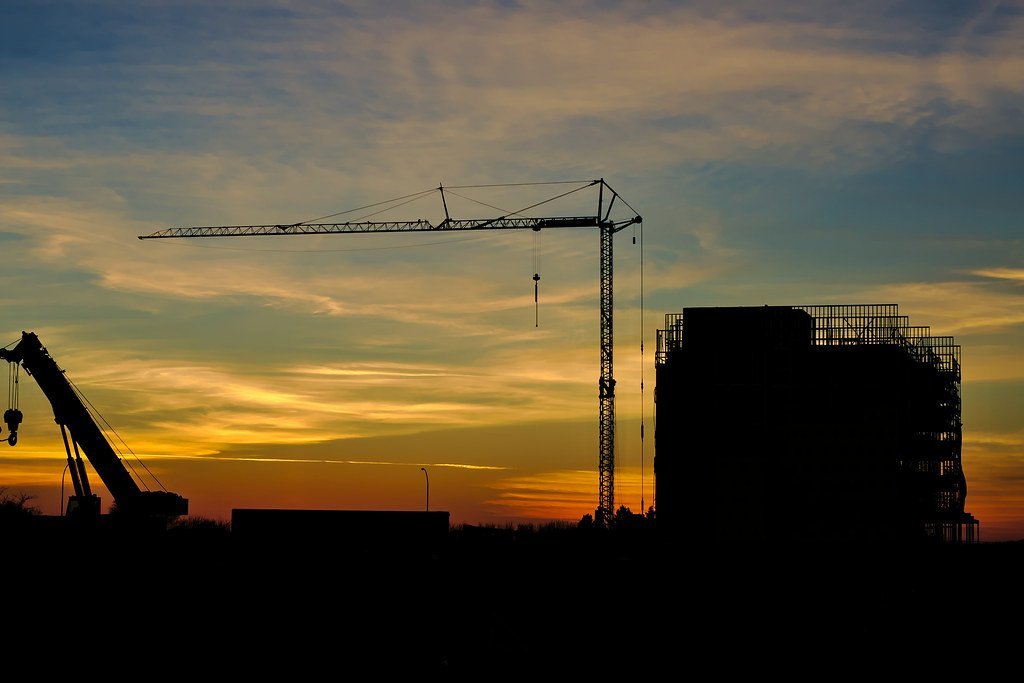
Some developers see glimmers of hope. Banks are beginning to call developers about investing in projects again, suggesting the lending environment might be thawing slightly.
National forecasts predict existing home sales could rise 6% in 2025 and 11% in 2026, while new home sales are projected to climb 10% in 2025 and another 5% in 2026. Whether San Jose follows these national trends remains to be seen.
If mortgage rates continue dropping and the economy improves, San Jose might see a slight rebound, though expectations point toward flatter growth. Nobody is predicting a construction boom anytime soon.
The structural challenges facing San Jose’s housing market run deep. Geographic constraints limit buildable land. Political opposition to density persists. Construction costs remain stubbornly high. These aren’t problems with quick fixes.
The Affordability Crisis Deepens
Make no mistake, this permit decline makes an already brutal affordability crisis worse. Affordability concerns remain, though the city’s economic strength, limited housing stock, and high demand suggest prices will remain elevated.
Homes in San Jose are not becoming more affordable, with the trajectory indicating continuing price increases due largely to high demand and a competitive market. The fundamental supply-demand imbalance shows no signs of resolving.
Middle-income residents get squeezed hardest. They earn too much to qualify for affordable housing programs yet can’t compete with tech workers pulling in substantial salaries. This demographic increasingly looks to more affordable regions, contributing to the exodus from expensive California metros.
What Renters Should Do Now
Renters need to think strategically in this environment. Locking in longer leases when possible provides stability. Being flexible on location within the broader metro area opens up more options. Considering roommate situations or house-hacking arrangements can reduce costs.
Don’t wait for the market to improve dramatically. The permit numbers suggest relief isn’t coming anytime soon. Adjust expectations accordingly and work within the constraints of the current reality.
Keep an eye on neighborhoods slightly further from the core. As tech companies embrace hybrid work, areas with longer commutes may offer better value. The calculus has shifted somewhat since the pandemic.
Advice for Prospective Buyers

Buyers face tough choices. Average inventory climbed to 389 homes, representing nearly 30% growth from the previous year, suggesting the lock-in effect may be gradually easing. That’s movement in the right direction, though inventory remains historically low.
Homes now sell in an average of 24 days compared to 18 days previously, giving buyers more time for due diligence and negotiation. The frenzied multiple-offer situations have cooled slightly, creating marginally better conditions.
Still, expect competition. Pricing homes intelligently matters more than ever. Overpaying in today’s market means potentially being underwater if rates drop and more inventory eventually hits the market. Work with experienced local agents who understand neighborhood-specific dynamics.
The Political Pressure Builds
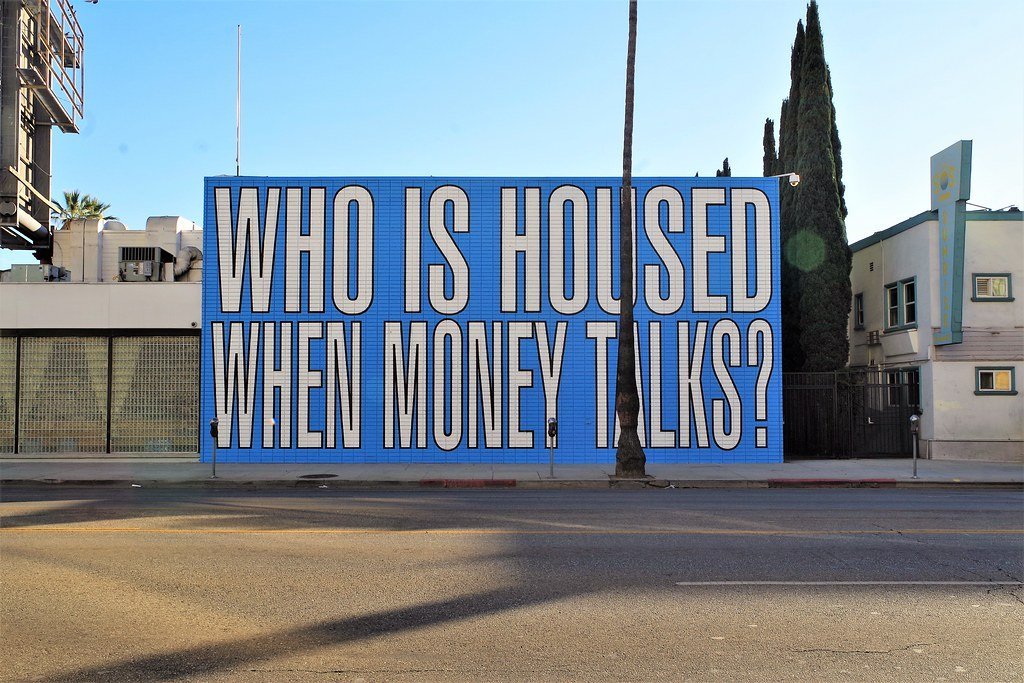
Housing has become a central political issue across California, and San Jose is ground zero. State lawmakers increasingly pressure local governments to approve more housing. The gap between ambitious housing goals and actual production has become impossible to ignore.
The city has implemented some developer breaks, including multifamily development incentive programs that reduced construction taxes and fees, with a focus on housing in its general plan review. Whether these incentives prove sufficient remains doubtful given current permit numbers.
Voters will likely see housing-related ballot measures in coming elections. The political will to address the crisis exists, even if solutions remain elusive. Expect continued experimentation with policies aimed at boosting construction.
The 41% drop in housing permits tells a stark story about Silicon Valley’s housing future. Renters will face continued pressure on rents. Buyers will compete for limited inventory at elevated prices. The affordability crisis will deepen further. Without dramatic changes to the underlying economics and regulatory environment, San Jose’s housing shortage looks set to persist well into the future. The question isn’t whether this matters, it’s who gets hurt most while everyone waits for solutions that may never arrive.