

- 12 Iconic Protest Songs That Shaped History and Still Resonate Today - March 12, 2026
- 15 Movie Soundtracks That Are Better Than the Film Itself - March 12, 2026
- The 5 Most Expensive US Cities to Live In (and Why People Still Flock There) - March 12, 2026
Think power, prestige, and centuries of unbroken tradition running through the veins of living monarchs. In our modern world of democracies and republics, it might seem impossible ancient bloodlines could survive wars, revolutions, and the relentless march of time. Yet across continents, royal families continue to rule, their genealogies stretching back through generations of kings, queens, emperors, and sultans.
As of 2025, there are 43 sovereign states in the world with a monarch as head of state. These aren’t just ceremonial titles or historical curiosities. There are 13 in Asia, 12 in Europe, 9 in the Americas, 6 in Oceania, and 3 in Africa. From the icy fjords of Norway to the desert kingdoms of the Middle East, royal blood still flows through palace corridors and state ceremonies. Let’s dive into the remarkable stories of these surviving dynasties.
The Imperial House of Japan: The World’s Oldest Continuous Monarchy

Standing alone at the apex of royal longevity, the Japanese imperial family is the oldest royal line in the world, with the Yamato Dynasty’s continuity of power spanning 126 monarchs and counting since 660 BCE. This isn’t just ancient history gathering dust in textbooks.
Tradition maintains that the Japanese royal family began with Emperor Jimmu, the legendary first Japanese emperor, who ascended the throne in 660 BCE, leading to today’s Emperor Naruhito. The bloodline claims divine origins, with the Japanese imperial family claiming descent from the sun goddess Amaterasu, which gives the emperor unique spiritual and cultural significance.
What makes this dynasty truly extraordinary is its unbroken chain of succession. The Imperial House of Japan today is limited to the agnatic descendants of Emperor Taishō, who was the only son of Emperor Meiji, who was the sole surviving son of Emperor Kōmei, who had likewise been the only surviving biological son of Emperor Ninko, resulting in the present Imperial House descending solely from Emperor Kōkaku through an unbroken line of only sons.
The British Royal Family: From Viking Raids to Modern Majesty
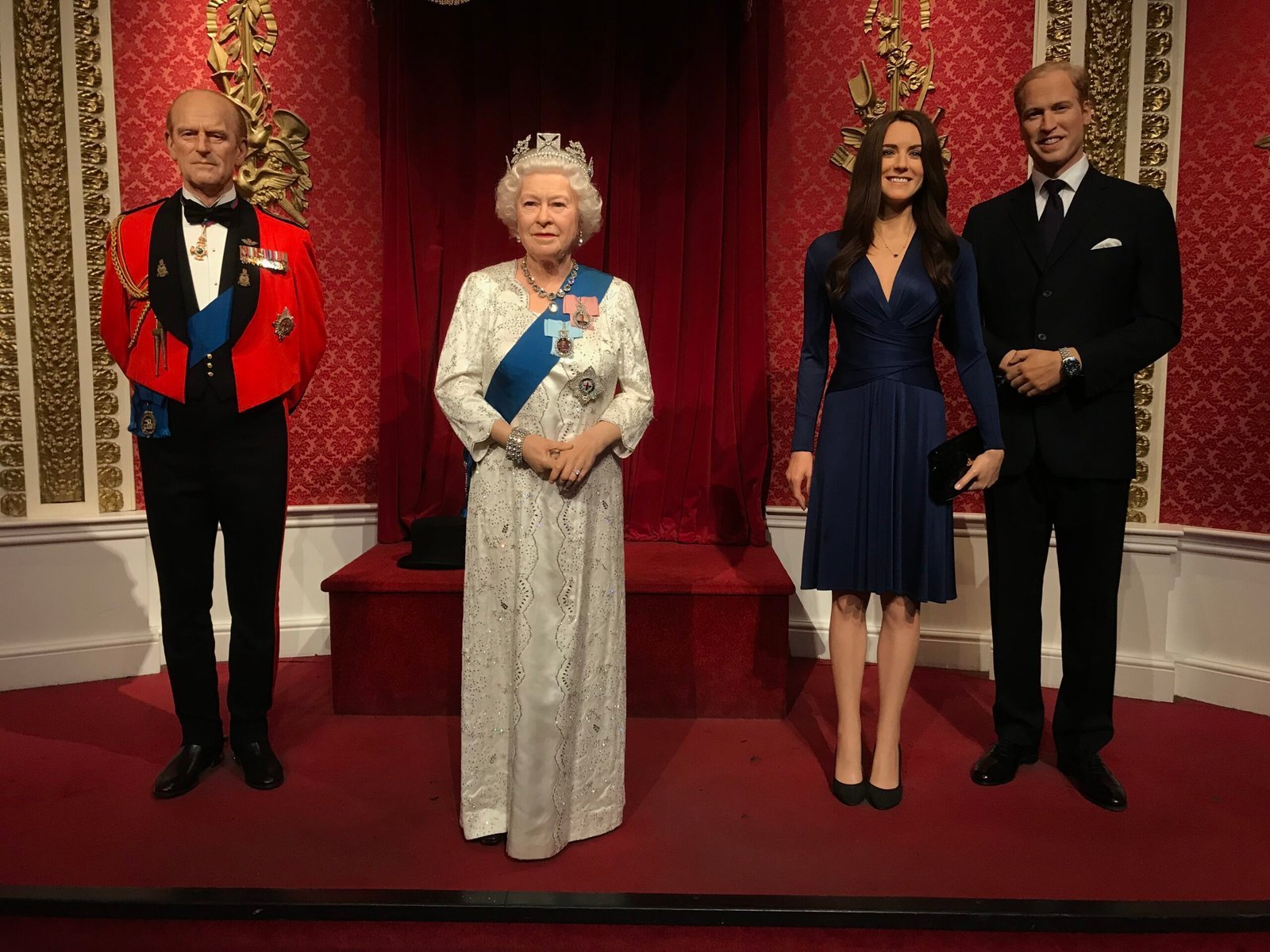
The British royal family has long captivated the world, and with King Charles III now firmly established on the throne since his accession in 2022, interest in the House of Windsor remains as strong as ever. The current royal family is directly descended from William the Conqueror, with the late Queen Elizabeth II, who reigned from 1952 until her death in September 2022, having been the longest reigning British monarch.
The Windsor name itself tells a fascinating story of adaptation and survival. King George V changed the family name from the very German Saxe-Coburg and Gotha to the more British sounding Windsor in 1917, due to anti-German sentiment amid WWI.
The line of succession is based on the Act of Settlement (1701), which limits the throne to Protestant descendants of Sophia of Hanover, the mother of King George I. Today, King Charles III is the monarch of fifteen Commonwealth realms including Antigua and Barbuda, Australia, The Bahamas, Belize, Canada, Grenada, Jamaica, New Zealand, Papua New Guinea, Saint Kitts and Nevis, Saint Lucia, Saint Vincent and the Grenadines, Solomon Islands, Tuvalu, and the United Kingdom, having evolved out of the British Empire into fully independent states within the Commonwealth of Nations.
The Alaouite Dynasty of Morocco: Guardians of Ancient Traditions
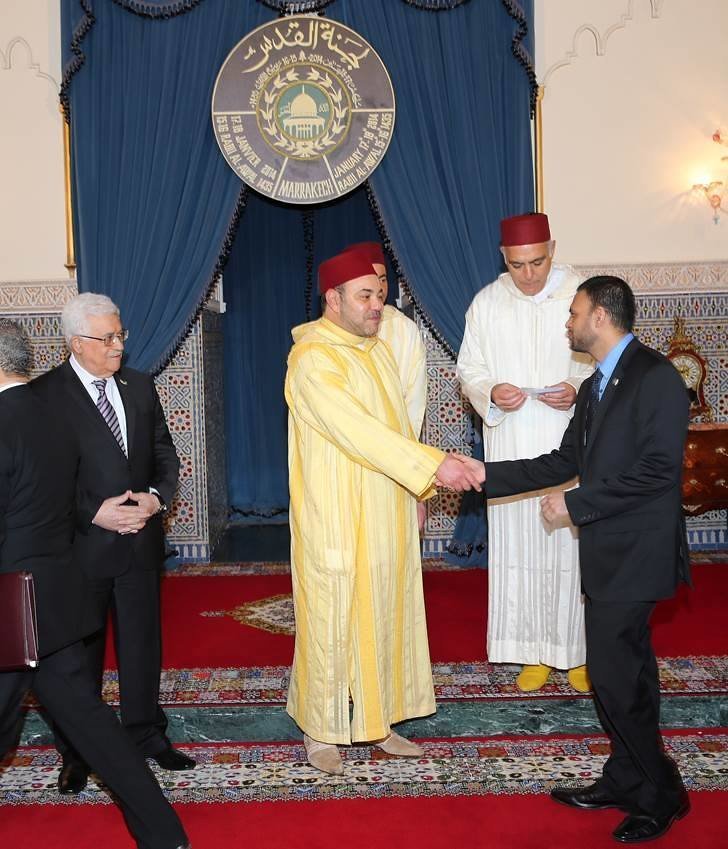
The Idrisids, who ruled Morocco from 788-971, are often credited with establishing the first Moroccan state, while Morocco’s current ruling family, the Alaouite dynasty, first rose to power in 1666. This represents over twelve centuries of continuous monarchical tradition in North Africa.
Both the Idrisid and Alaouite dynasties are part of the sharifs’ order, numerous families tracing back their lineage to the prophet Mohammed. Independence was achieved in 1956, with Sultan Mohammed ben Youssef taking the title of King Mohammed V, with the present King, Mohammed VI, ascending to the throne in 1999, and under the current constitution passed in 2011, Morocco is a constitutional monarchy, though the King maintains a fair amount of power.
The Moroccan monarchy stands as one of only three surviving sovereign monarchies in Africa today. Over the years, the ruler of Morocco has used different titles such as sultan, but since 1957, the designation King has been used, and the country is a constitutional monarchy with an elected parliament where the throne is usually passed down through the male heirs of the Alaouite family.
The House of Glücksburg: Scandinavian Royal Networks
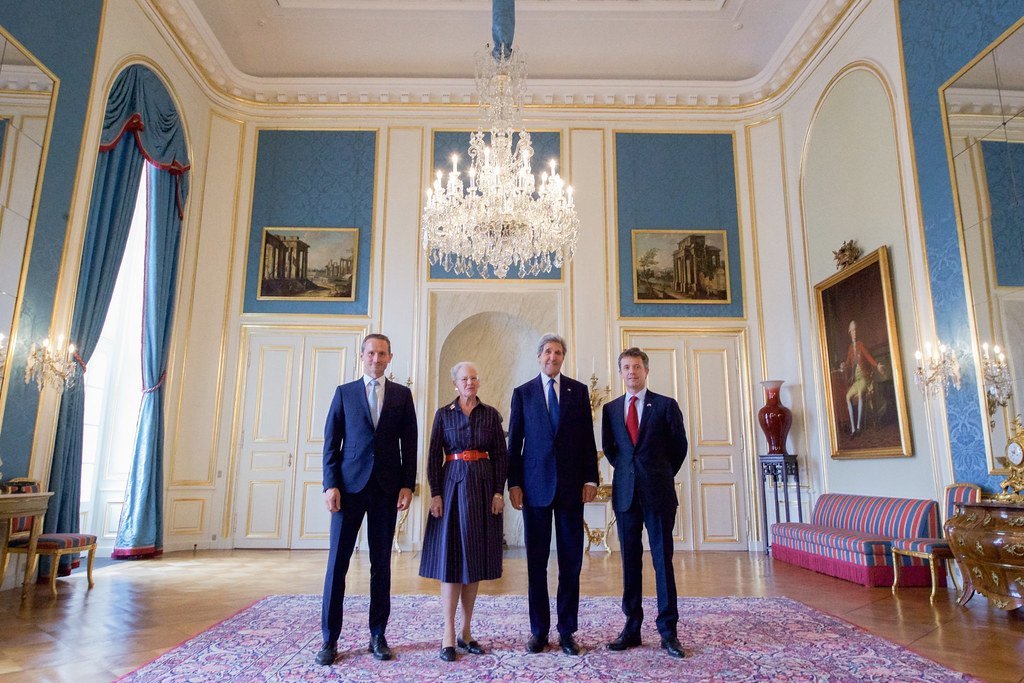
Denmark’s royal bloodline represents one of Europe’s most enduring monarchies. The Danish royal family’s bloodline is said to begin with none other than the famous Viking king Gorm the Old, who is widely considered to be the first monarch to rule over a unified Denmark in the year 958, and is credited with unifying the nation’s loosely governed territories into a single sovereign entity which he formally referred to as Denmark in the Jelling Runestones.
The reach of Danish royal blood extends far beyond Denmark’s borders. The House of Schleswig-Holstein-Sonderburg-Glücksburg, officially a branch of the House of Oldenburg, has branches ruling in multiple countries. Norway’s current King, Harald V, is a descendant of the House of Glücksburg, which began ruling in 1905, making Norway both a constitutional and hereditary monarchy with a parliamentary system.
During her New Year’s Eve address on December 31, 2023, Queen Margrethe II of Denmark announced she was stepping down in favor of her son, Frederik, who became king in January 2024. This transition demonstrates how these ancient bloodlines continue to evolve while maintaining their fundamental structures.
The House of Bourbon and European Royal Webs
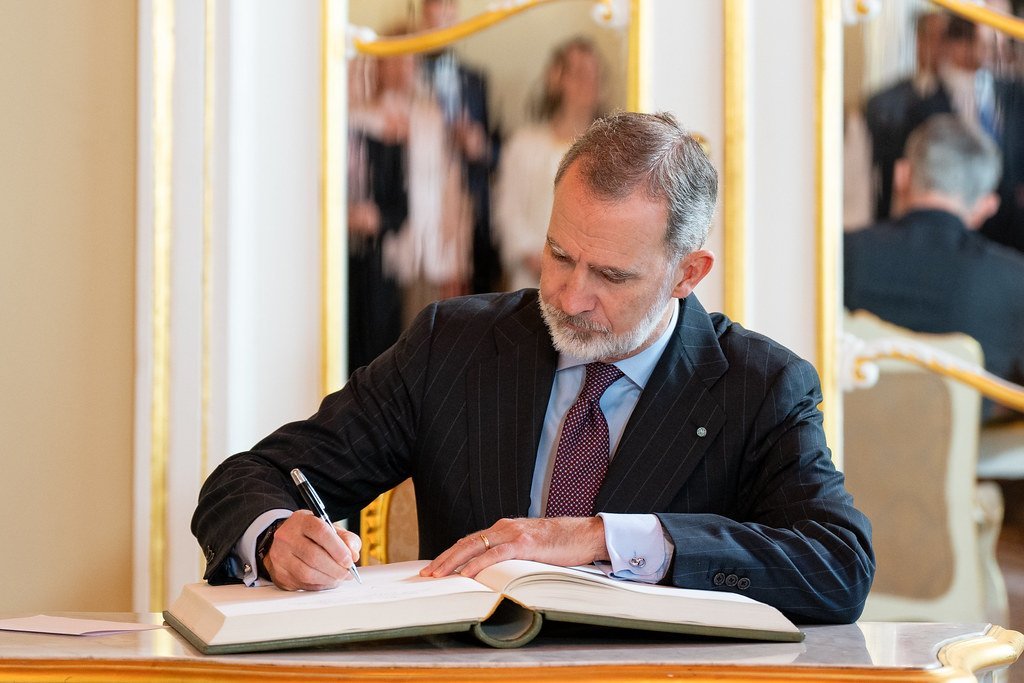
Spain’s monarchy showcases the intricate web of European royal connections. Although the monarchy is often questioned in Spain, polls continuously show that the majority of the Spaniards are still in favor, with the King and Queen consort benefiting from stable popularity despite many personal and financial scandals involving the former King who fled the country in disgrace, prompting Felipe VI to distance his reign from his father’s by promoting more transparency and renouncing his inheritance.
The interconnected nature of European royalty becomes clear when examining bloodlines. Charles III’s father Prince Philip was a descendant of Louis IX thanks to his royal Danish and Greek heritage, along with every other monarch in Europe, while there are a couple of noble families that crop up in many European royal bloodlines, notably two German families: the Schleswig-Holstein-Sonderburg-Glücksburgs and the Saxe-Coburg-Gotha.
The House of Orange-Nassau: Dutch Constitutional Monarchy
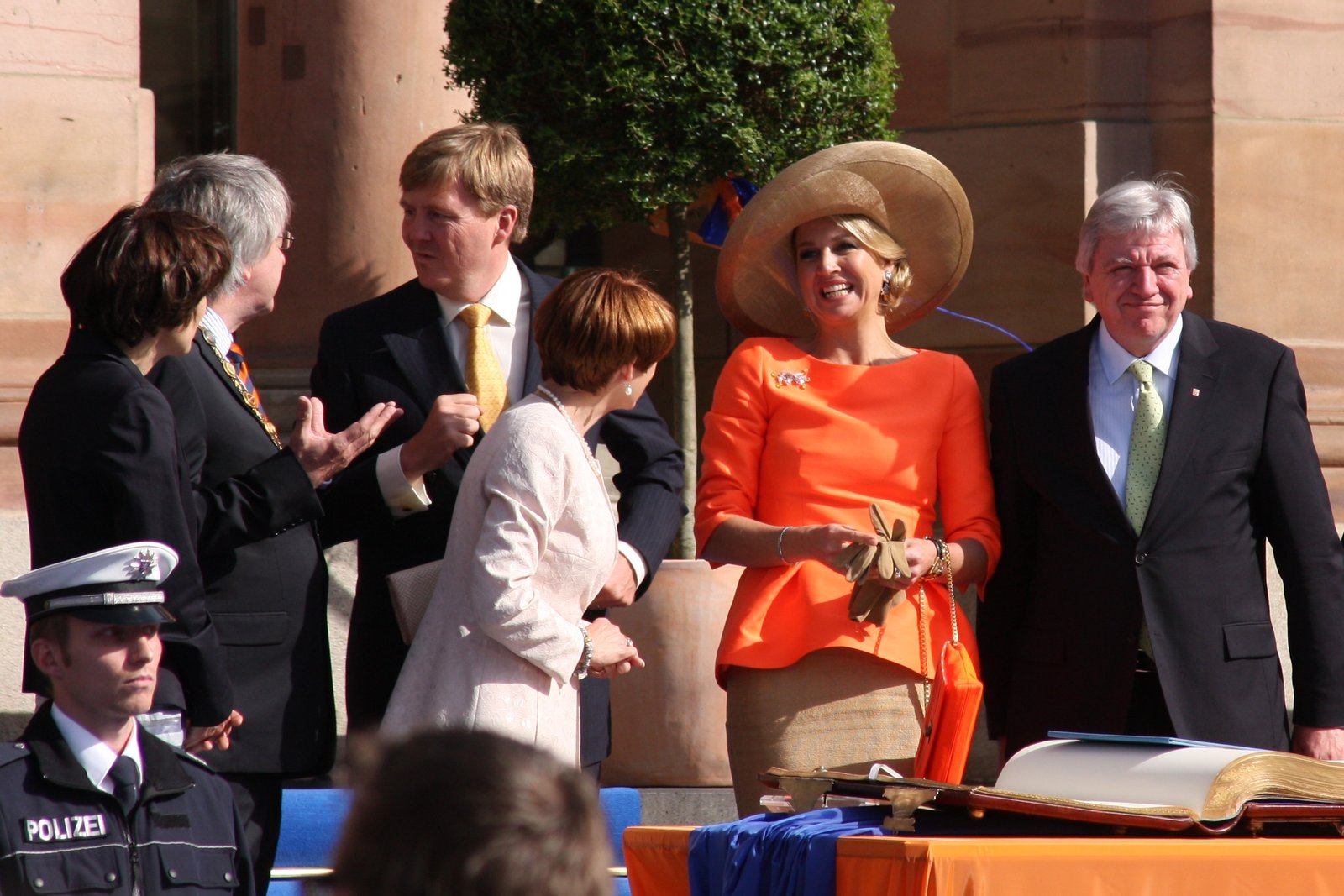
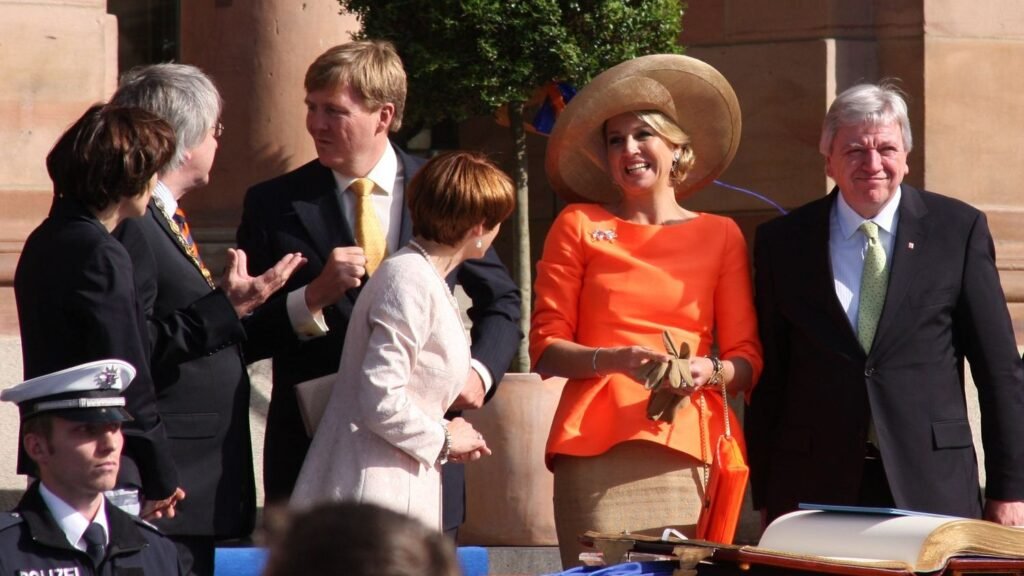
King Willem-Alexander became the first king of the Netherlands since 1890 when he ascended the throne in 2013, marrying Argentine Máxima Zorreguieta in 2002, whom the Dutch have quickly embraced, especially after she became Queen, despite a growing loss of confidence in the monarchy. The Dutch royal family represents a fascinating blend of tradition and modernity.
A series of controversies during the pandemic has led to heavy criticism and the King has been registering decreasing approval ratings, however Queen Máxima’s have remained stable and she is today Netherlands’ favorite royal, with the couple having three daughters: Crown Princess Catharina-Amalia, 21, Princess Alexia, 19, and Princess Ariane, 17.
This demonstrates how modern royal bloodlines must navigate public opinion while maintaining their hereditary positions.
The Grimaldi Dynasty: Monaco’s Princely Glamour
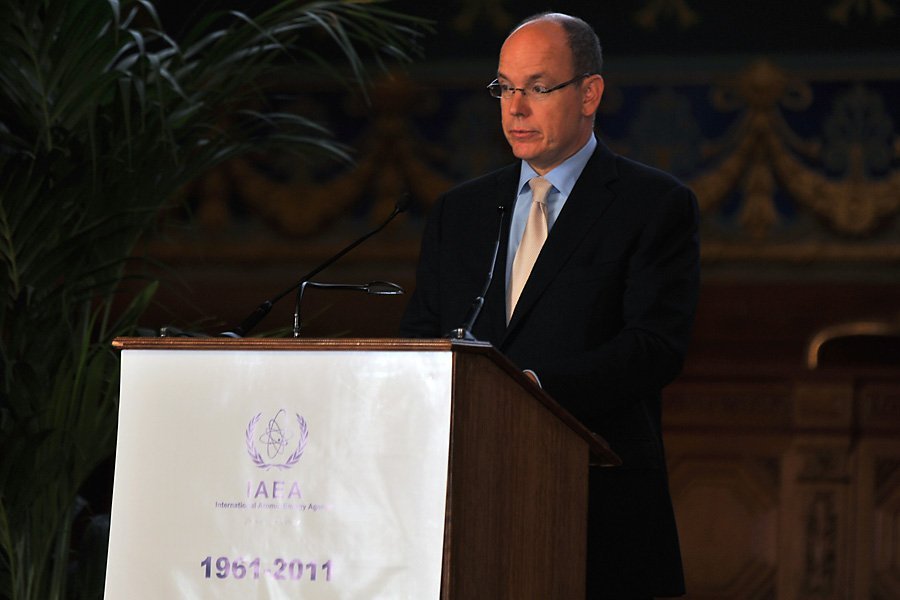
The House of Grimaldi wasn’t invented for Gossip Girl: it’s the real family making up the monarchy of Monaco, with the monarch known as the Prince of Monaco who acts as head of state with an active role in government and day-to-day politics.
Prince Albert II of Monaco, the second child and only son of Prince Rainier III and Princess Grace, became sovereign prince after his father died in 2005. Monaco’s royal family captures global attention through its blend of European aristocracy and Hollywood glamour.
Liechtenstein and Monaco are constitutional monarchies in which the Prince retains many powers of an absolute monarch, with the 2003 Constitution referendum giving the Prince of Liechtenstein the power to veto any law that the Landtag proposes and vice versa, and the Prince can hire or dismiss any elective member or government employee from their post, however, unlike an absolute monarch, the people can call for a referendum to end the Prince’s reign.
The Resilience of Royal Blood Through Modern Challenges
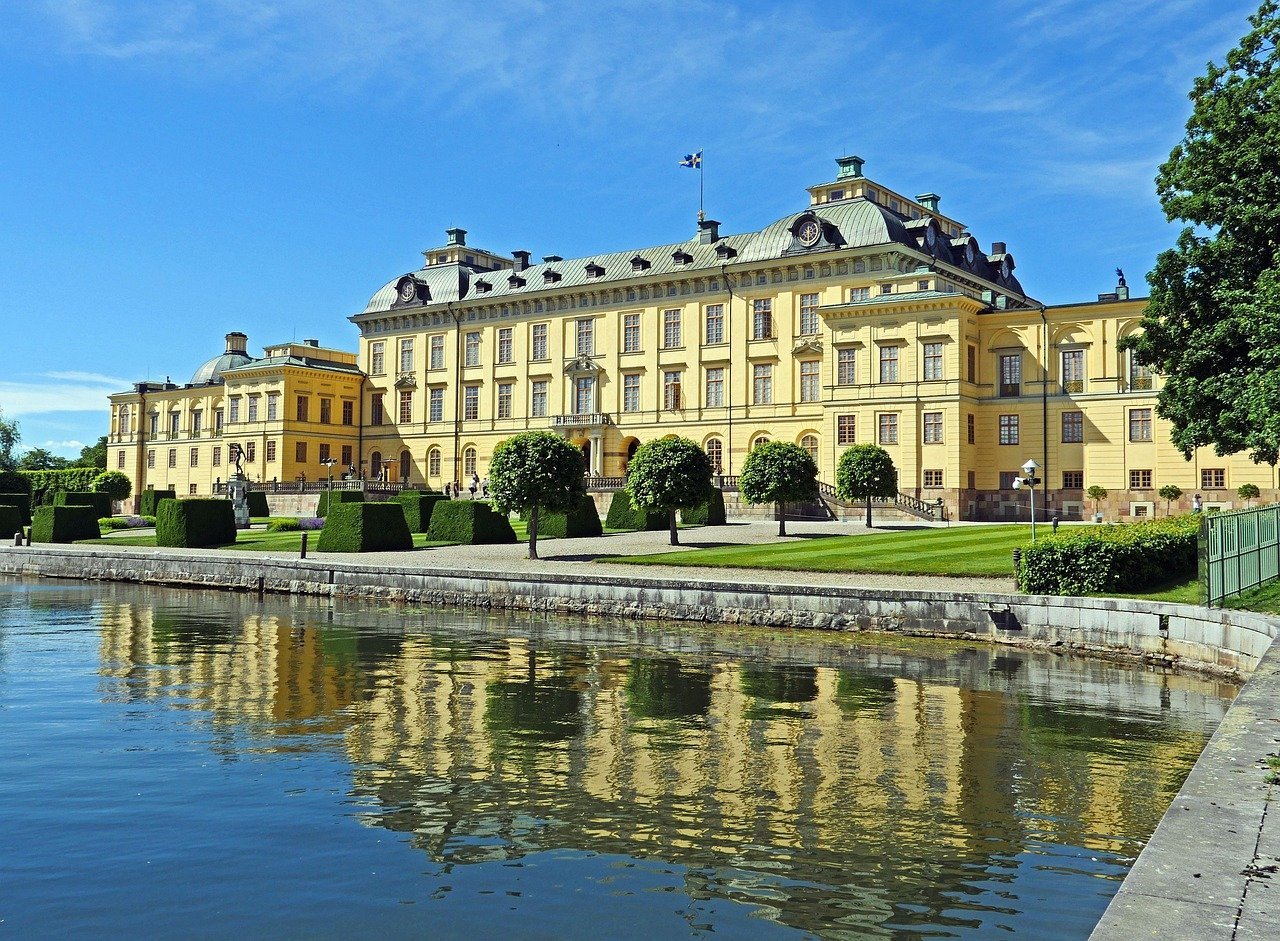
These surviving bloodlines have weathered incredible storms throughout history. Today, there are less than 45 monarchies remaining in the world and most of the ruling monarchs have no real power over their countries, with only a handful of countries still being absolute monarchies where the King or Queen has full authority over the entire nation.
The survival strategies vary dramatically. Some monarchies have embraced complete constitutional limits on their power, while others maintain significant influence behind the scenes. Allowing their political power to shrink virtually to zero has been the secret of their survival.
Modern royal families face new pressures unknown to their ancestors. Social media scrutiny, demands for transparency, and changing public attitudes toward hereditary privilege create constant challenges. Yet their bloodlines continue, adapting to survive in ways their medieval forebears could never have imagined.
What’s truly remarkable isn’t just that these bloodlines , but how they’ve transformed themselves to remain relevant in the modern world while maintaining their essential character across centuries of change.
CEO-Co-Founder
