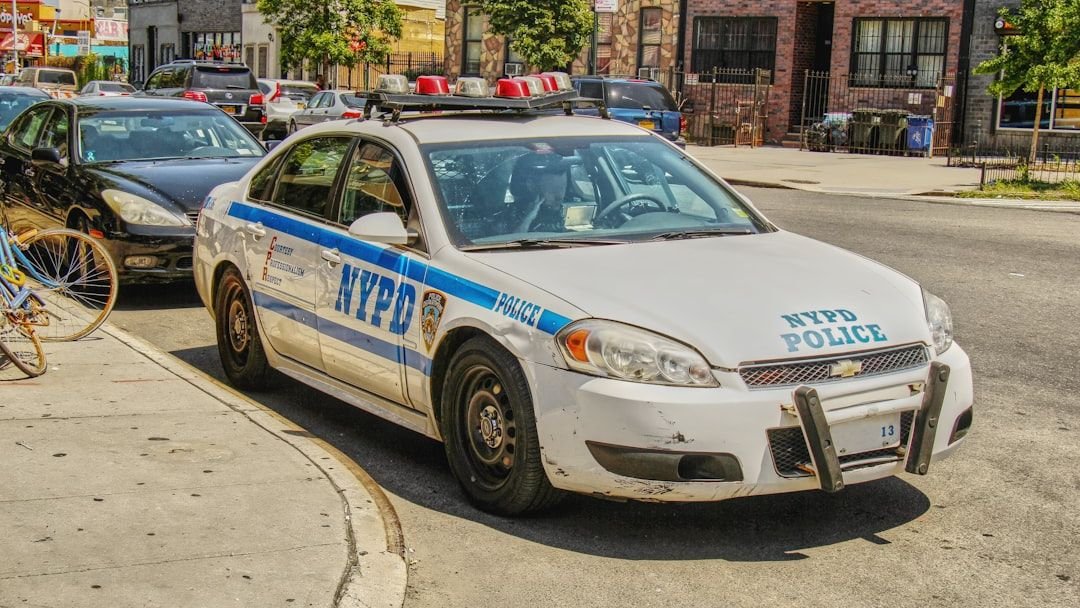
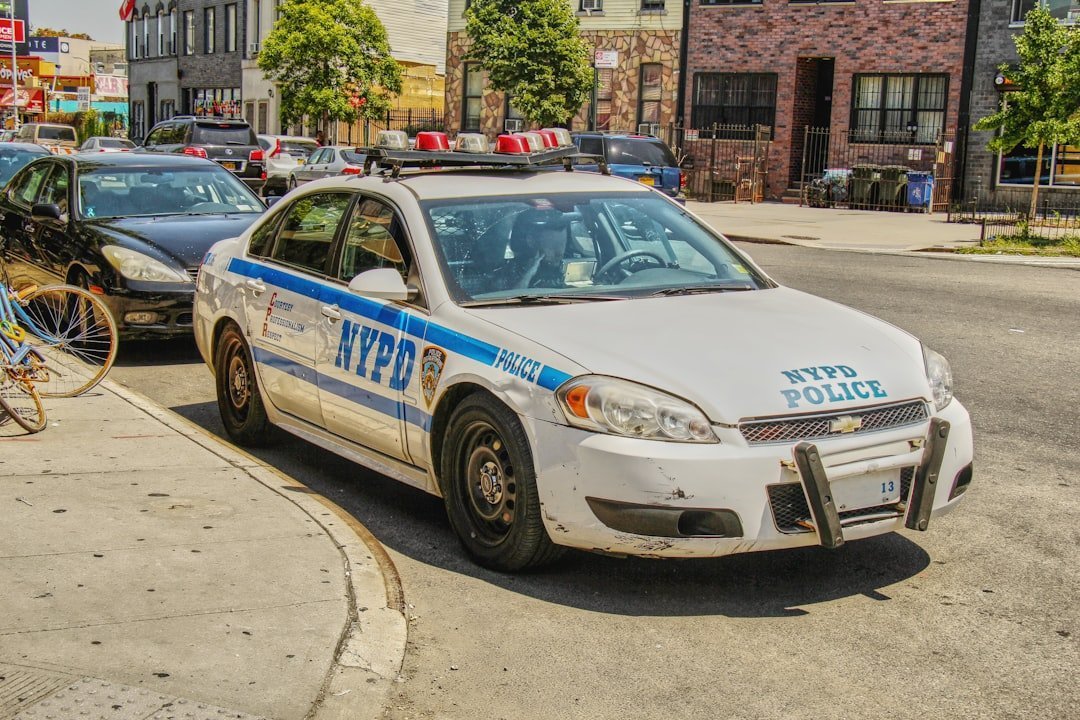
In a tense Manhattan courtroom on a chilly January morning, the trial of New York Police Department Sergeant Erik Duran finally began. The 17-year veteran stands accused in the 2021 death of 55-year-old Queens resident Eric Garber, a case that has simmered for years amid heated debates over police tactics. Prosecutors wasted no time laying out a narrative of negligence during a botched arrest, while Duran’s defense team pushed back hard from the start.
What makes this trial particularly gripping is its rarity. An NYPD sergeant facing felony charges in a custody death? That’s uncharted territory for the department, especially with body camera footage at the center of it all. As opening statements wrapped up, jurors settled in for what promises to be a grueling examination of that fateful night in Flushing.
Roots of the Fatal Flushing Encounter
The nightmare started on a freezing December evening in 2021, when NYPD officers stormed Eric Garber’s home in Flushing, Queens, chasing a murder suspect. They had a warrant, but the wrong address turned a routine op into chaos. Garber resisted as officers forced entry, leading Sergeant Duran to deploy his Taser and join the restraint.
Body cameras captured Garber face-down on the floor, officers piling on top, while he gasped he couldn’t breathe. Paramedics arrived too late; the medical examiner ruled asphyxiation the cause, with no drugs or alcohol in his system. Toxicology cleared up any easy excuses, leaving the focus squarely on police actions.
Neighbors heard the shouts and thuds that night, some rushing out to see CPR in progress. This wasn’t just a struggle; it exposed cracks in no-knock warrant executions that have long drawn fire. Duran, with years on the force, found himself at the epicenter of the fallout.
Let’s be real: mistaking a heart patient’s home for a killer’s hideout sets a dangerous precedent. The incident reignited calls for reform, spotlighting how high-stress ops can spiral without de-escalation.
Felony Charges Hanging Over Duran
Sergeant Duran faces criminally negligent homicide, second-degree assault, and strangulation charges, potentially landing him up to 25 years behind bars. Manhattan DA Alvin Bragg’s office argues Duran ignored restraint protocols, pressing a knee into Garber’s back during the prone hold. They call it a preventable cascade of errors in a dynamic but controllable situation.
Jury selection flew by, leaving 12 jurors and alternates to parse the evidence. Prosecutors plan emotional family testimonies early, humanizing Garber as more than a statistic. Training records will show Duran knew better, having skipped de-escalation steps drilled into him.
This marks a shift; holding a sergeant accountable goes beyond street cops. The defense sees politics at play, but the charges stick because negligence allegedly crossed into criminal territory. Opening statements painted Duran not as a hero, but as the linchpin in a deadly failure.
Prosecution Hammers Negligence, Defense Cries Foul
DA Bragg’s team opened with Garber’s desperate pleas echoing in court, ignored amid the scrum. Forensic experts will testify on positional asphyxia risks from prolonged prone restraints, a known hazard. They’ll dissect body cam footage, highlighting moments Duran could’ve rolled Garber over sooner.
Dawn Florio, Duran’s sharp attorney, flipped the script, calling the arrest textbook for an armed, resisting suspect who matched the description. She challenges the ME’s ruling, pointing to Garber’s heart issues as the real killer. Fellow officers’ split testimonies add intrigue, some backing Duran, others admitting lapses.
Surveillance from nearby spots bolsters timelines, while Duran’s radio calls for backup show he stayed protocol-focused. The defense frames this as scapegoating a vet amid post-Floyd scrutiny. Jurors must decide if split-second chaos excuses the outcome or demands reckoning.
Here’s the kicker: body cams cut both ways, raw proof no one can spin away entirely.
Ripple Effects on NYPD and Beyond
This trial hits the NYPD at a vulnerable spot, with over 20 custody deaths since 2010 fueling reform pushes under Mayor Eric Adams. Expanded body cams and restraint training aim to fix flaws, but critics say it’s too slow. The Patrolmen’s Benevolent Association rallies for Duran, slamming the prosecution as an officer attack.
Community advocates view it as a test for leadership accountability, eyes on no-knock policies. Garber’s widow called it an execution outside court, her tears amid “No Justice, No Peace” signs. Police unions countered with Duran’s bravery commendations, deepening the divide.
Social media buzzes with #JusticeForEric versus #BackTheBlue, protests swelling around the courthouse. Security tightens as witness exams kick off with first responders. Expect use-of-force experts to clash, verdict looming in weeks.
City Hall watches closely; recruitment and morale hang in the balance. This could reshape pursuits nationwide.
Final Thought
At its core, Duran’s trial boils down to whether protocol shields or indicts in life’s final moments. One man’s death exposes systemic fault lines that won’t vanish with a verdict. What side do you lean toward in this policing puzzle? Share your take in the comments.
Source: Original YouTube Video