


- 10 pop stars who passed away too soon. - April 10, 2026
- 12 Great Debut Albums That Made Music History - April 10, 2026
- 12 Legendary Fashion Items That Defined an Entire Generation - April 10, 2026
The Bell Jar by Sylvia Plath

“The Bell Jar” delivers a raw, almost startling look into the mind of Esther Greenwood as she wrestles with mental illness and the suffocating expectations of 1950s society. Plath’s writing doesn’t sugarcoat the darkness, making the reader feel the weight of depression as if it’s a heavy coat you can’t quite take off. The novel is deeply personal, echoing struggles that remain all too real for many today—recent statistics from the National Institute of Mental Health show that one in five American adults experiences mental illness each year. Plath’s depiction of Esther’s breakdown is both intimate and universally resonant, emphasizing how society often fails to understand or support those in pain. The book’s legacy endures because it refuses easy answers, and instead, asks readers to sit with discomfort. Anyone who’s ever felt out of place or overwhelmed by expectation finds a mirror in these pages. The Bell Jar’s revolution is quiet, unfolding in moments of vulnerability rather than grand gestures. It’s a story that lingers, making readers question how far we’ve really come in supporting mental health.
Never Let Me Go by Kazuo Ishiguro

“Never Let Me Go” by Kazuo Ishiguro is haunting in its quietness, unraveling the lives of Kathy, Tommy, and Ruth in a world that is both familiar and chillingly dystopian. The novel asks readers to confront uncomfortable truths about personal agency, love, and the ethics of biotechnology. As advances in cloning and organ donation become a reality, Ishiguro’s story feels less like science fiction and more like a mirror reflecting urgent ethical dilemmas—supported by a 2021 National Institutes of Health study showing society’s growing debate on these issues. The characters’ journey is one of subtle rebellion, their small acts of love and hope standing against a world that treats them as objects. The narrative’s power comes from its restraint, peeling back the layers of humanity in the most mundane settings. Ishiguro’s prose is deceptively simple, but the questions it raises linger long after the final page. The novel’s personal revolutions are measured in moments of tenderness, defiance, and heartbreak—each one a quiet protest against a system that denies individuality.
The Year of Magical Thinking by Joan Didion
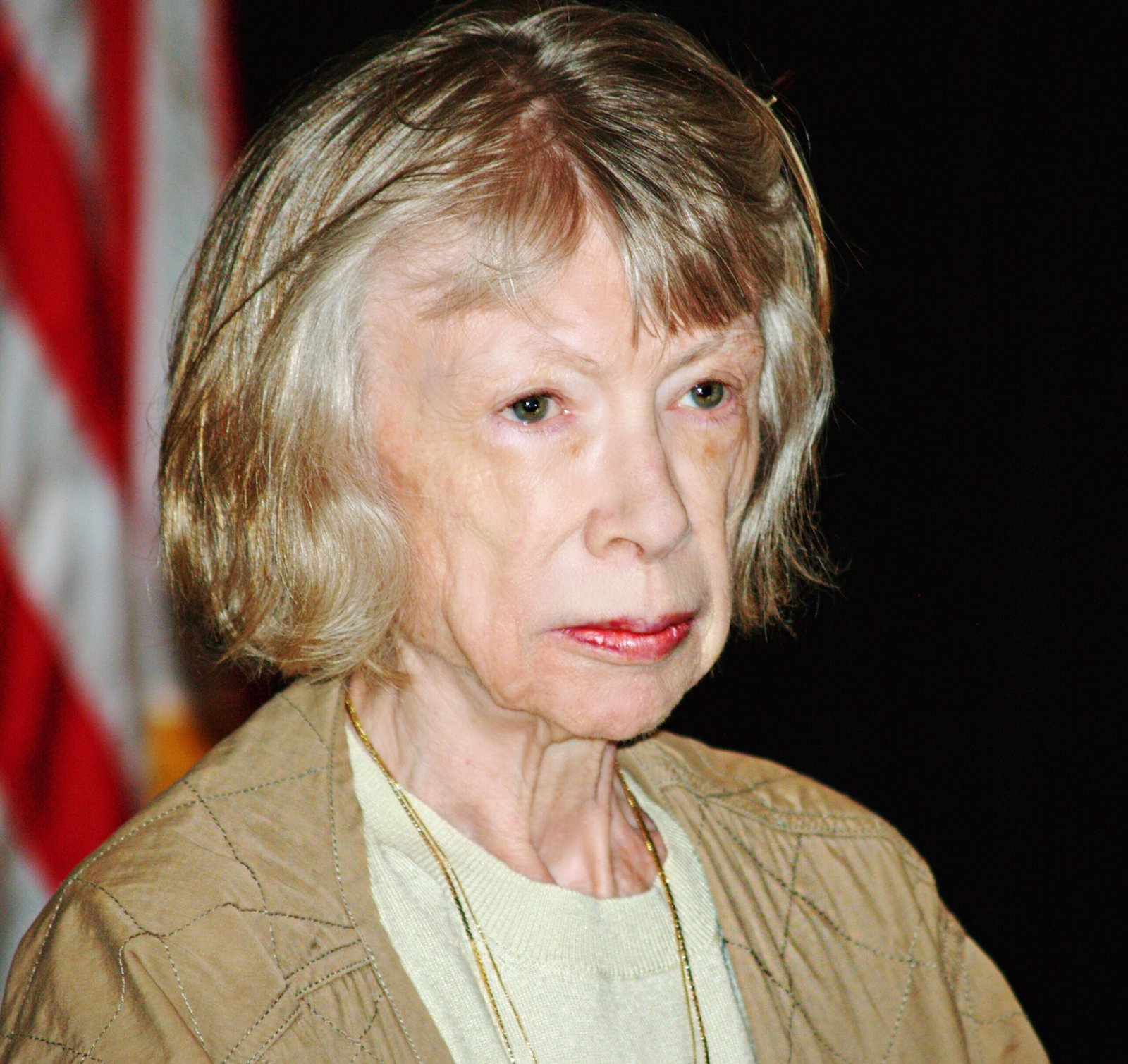
Joan Didion’s “The Year of Magical Thinking” isn’t just a memoir—it’s an emotional slow-burn that captures how grief can completely rewrite a person’s inner world. After losing her husband, Didion meticulously documents her journey through mourning, offering an honest, unvarnished account of the chaos and confusion that follows loss. Her narrative is filled with moments of almost clinical clarity, yet it’s impossible not to feel the pain between the lines. The American Psychological Association notes that grief manifests in countless ways, and Didion’s story makes that chaos achingly real. The revolution here is deeply personal: a woman rebuilding her mind, memory by memory, in the aftermath of devastation. Didion’s prose is sharp, clear, and unsparing, making her struggle relatable to anyone who has faced the tidal wave of loss. The book invites readers to witness the slow, often invisible process of healing—a journey with no easy answers or tidy resolutions.
A Little Life by Hanya Yanagihara
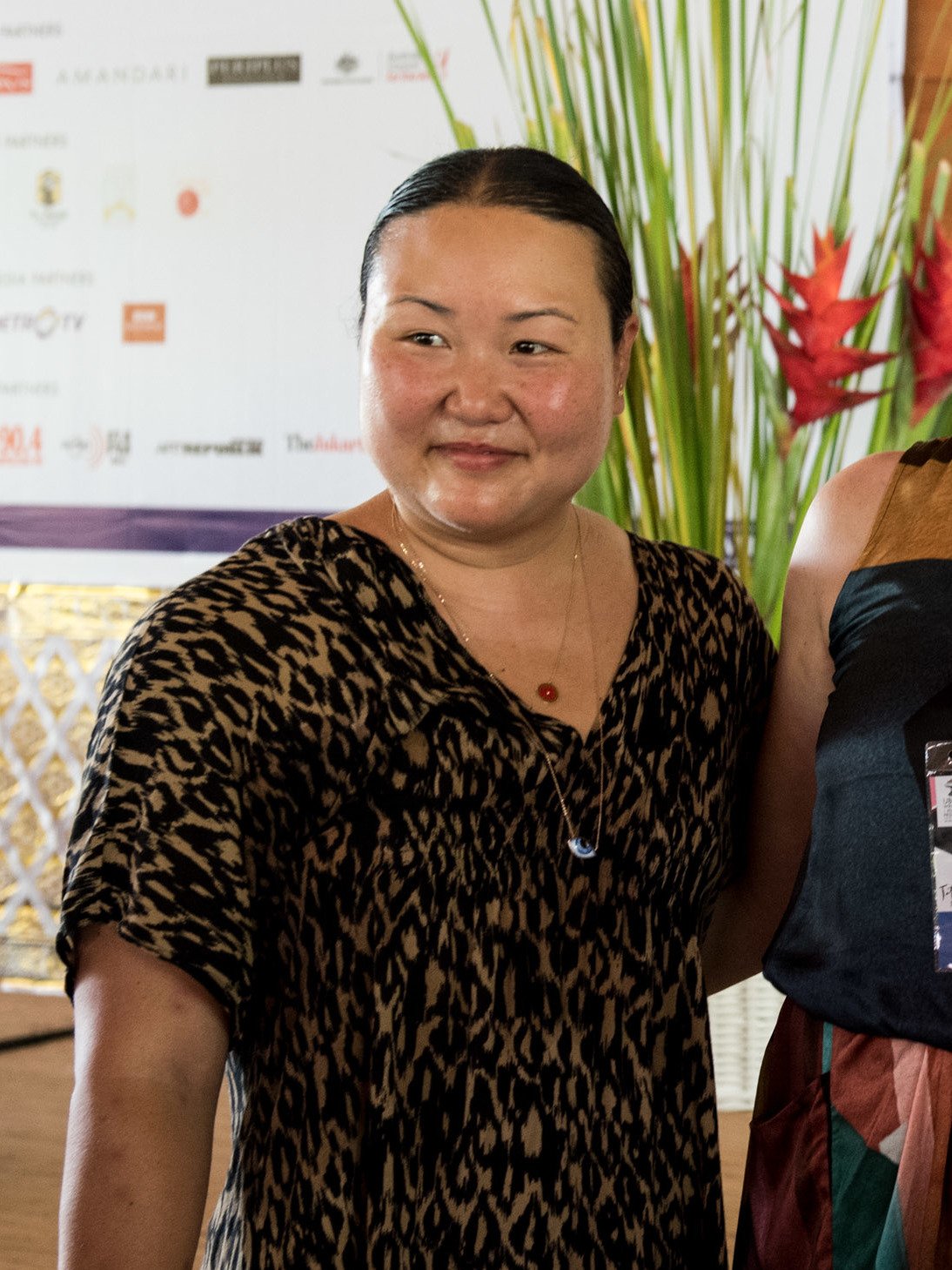
“A Little Life” by Hanya Yanagihara is a novel that hits like a punch to the gut, yet it’s also a story of deep, fragile hope. The focus on Jude St. Francis’s traumatic past and his relationships weaves a tapestry of pain, endurance, and the love that both heals and wounds. Yanagihara doesn’t shy away from the grittiest realities of trauma; instead, she dives in, exploring every scar and every small act of survival. This approach resonates with the findings of a 2022 National Alliance on Mental Illness survey, which revealed that millions are touched by trauma, making stories of survival more important than ever. The novel’s revolution isn’t loud—it’s in the quiet moments of friendship, the gradual rebuilding of trust, and the resilience to keep moving forward. Yanagihara’s writing is both lyrical and brutally honest, inviting readers to bear witness rather than turn away. The book’s emotional intensity forces readers to reflect on the nature of healing and the value of compassion.
On Earth We’re Briefly Gorgeous by Ocean Vuong
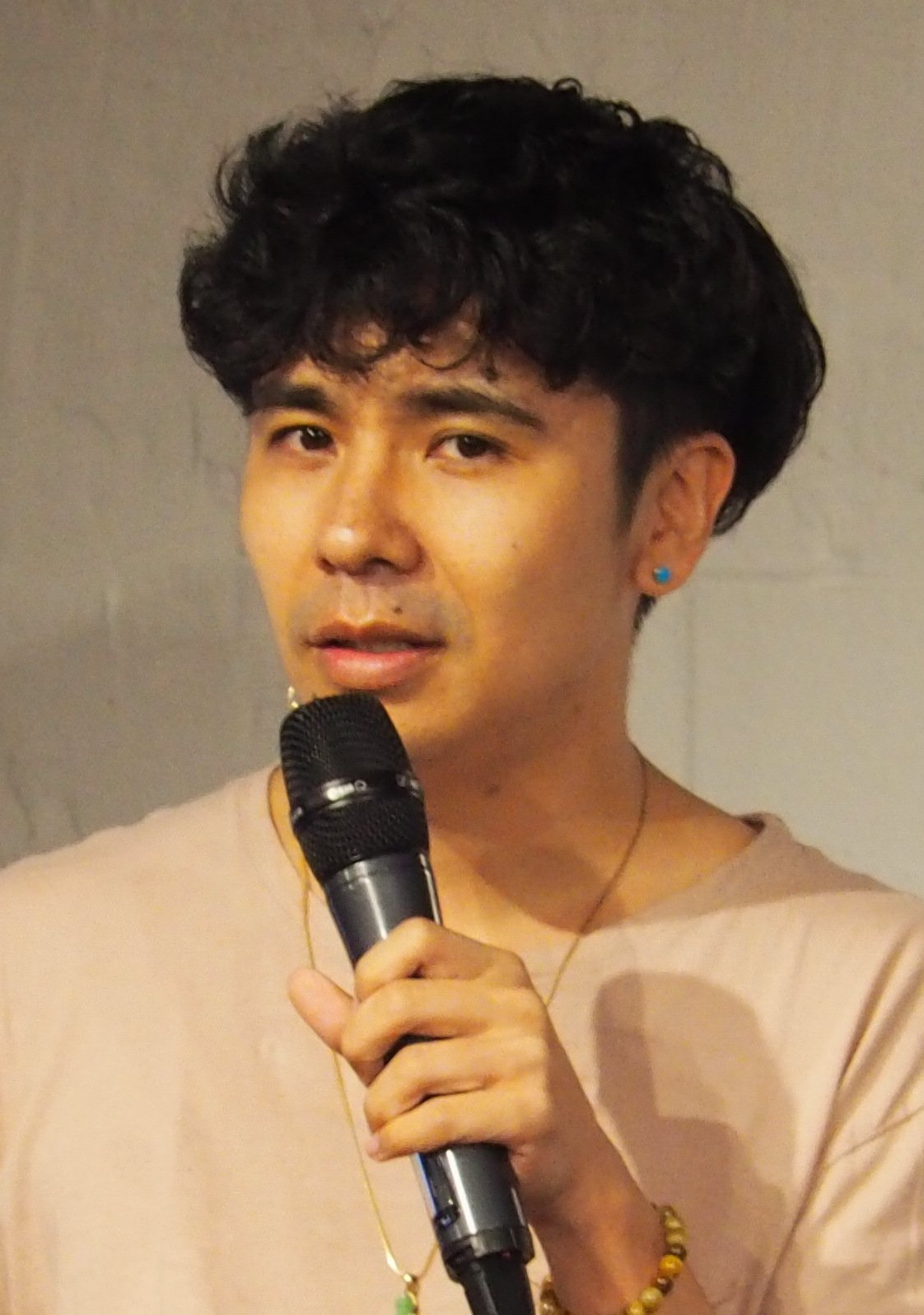
Ocean Vuong’s “On Earth We’re Briefly Gorgeous” is a letter, a confession, and a song all at once. Through the eyes of Little Dog, the novel explores immigrant identity, queerness, and the search for liberation through language. Vuong’s prose is poetic, every line shimmering with emotion and memory, making the reader feel both the beauty and burden of his experiences. The story resonates especially in a country where, according to the Pew Research Center, the immigrant population reached 44.9 million in 2018. Vuong gives voice to those whose stories are often left untold, using vulnerability as a form of resistance. The revolution here is in the act of telling one’s truth, even when it hurts. The novel’s structure—fragmented and nonlinear—mirrors the complexity of memory and belonging. It’s a story about surviving and thriving in the spaces between cultures, languages, and expectations.
Crime and Punishment by Fyodor Dostoevsky

“Crime and Punishment” by Fyodor Dostoevsky is both a thriller and a deep dive into the human soul. Raskolnikov’s journey from arrogance to remorse is nothing short of a psychological earthquake. The novel’s exploration of guilt, morality, and redemption feels fresh even in today’s world, where debates about justice and ethics are as heated as ever. A 2020 study in the Journal of Criminal Justice emphasized how crime affects not only victims but also perpetrators, echoing Dostoevsky’s insights into the toll of wrongdoing. The story’s pacing keeps readers on edge, while its philosophical undertones invite reflection on what it means to do right or wrong. Raskolnikov’s personal revolution unspools through guilt, hallucinations, and eventual confession—a journey that’s as gripping as it is unsettling. Dostoevsky’s narrative makes readers question the very nature of conscience and responsibility, forcing us to confront uncomfortable truths about ourselves.
Jane Eyre by Charlotte Brontë
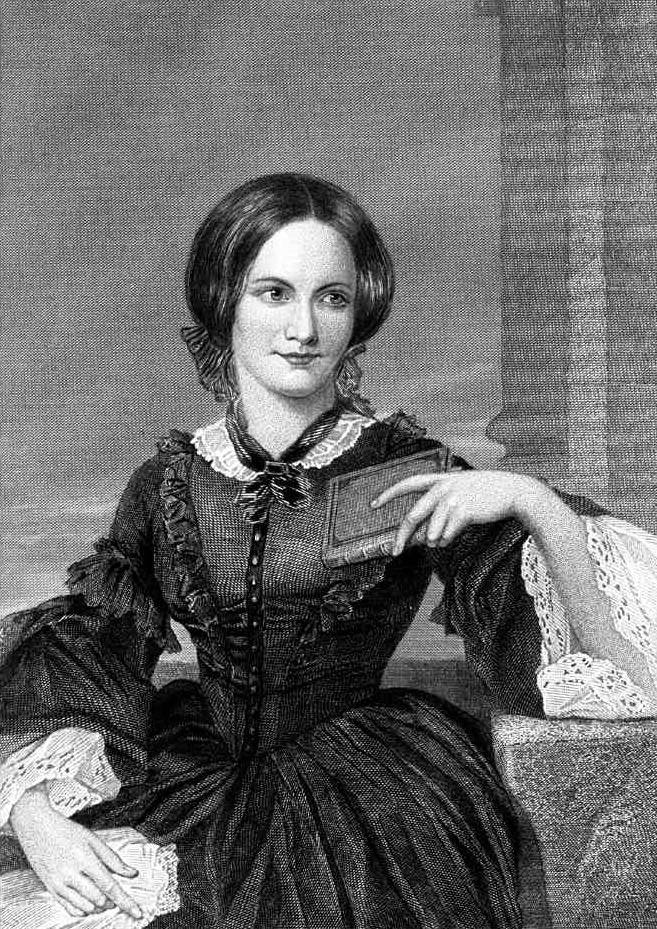
“Jane Eyre” is more than a love story; it’s a declaration of independence. Jane’s refusal to be silenced or molded by the men around her is a message that still resonates, especially in a world where, according to the World Economic Forum, true gender equality could take over 135 years to achieve. Brontë’s portrayal of Jane’s journey—from a mistreated orphan to a woman who knows her worth—is both empowering and ahead of its time. The novel weaves together themes of self-respect, moral integrity, and the courage to choose one’s own path. Jane’s inner revolution is as inspiring now as it was in the 19th century, challenging readers to question the roles assigned to them. The book’s impact on feminist literature endures, encouraging generations to seek their own voices and demand respect. Brontë’s writing makes the reader feel every slight, every triumph, and every moment of self-assertion.
Season of Migration to the North by Tayeb Salih

“Season of Migration to the North” by Tayeb Salih tells a story of identity that’s torn between two worlds. Through the character of Mustafa Sa’eed, Salih paints a complex picture of postcolonial Sudan and its collision with Western influence. The novel’s exploration of revenge, longing, and cultural fragmentation is both personal and political, highlighting the scars left by colonialism. According to a 2021 UNESCO report, understanding such cultural narratives is vital for fostering global dialogue and reconciliation. Salih’s writing is rich and evocative, immersing readers in the tension and confusion of belonging to more than one world. The revolution here is internal, as characters wrestle with their sense of self and the legacy of history. The book invites readers to reflect on the lasting impact of colonialism and the ways in which personal and national identities are shaped by conflict.
Breast and Eggs by Mieko Kawakami

“Breast and Eggs” by Mieko Kawakami is a piercing look at womanhood, motherhood, and the fight for bodily autonomy in modern Japan. The lives of three women unfold against a backdrop of societal expectations and personal longing. Kawakami’s candid exploration of female identity and reproductive rights echoes global conversations—supported by a 2022 World Health Organization study showing that access to reproductive health services remains a critical issue for women everywhere. The novel’s intimate approach draws readers into the characters’ struggles, making abstract issues feel immediate and real. Kawakami’s writing is both tender and unflinching, refusing to shy away from discomfort. The personal revolutions in the novel come through small acts of self-assertion, challenging the roles that society tries to impose. It’s a book that encourages readers to question norms and embrace the complexities of womanhood.
The Left Hand of Darkness by Ursula K. Le Guin
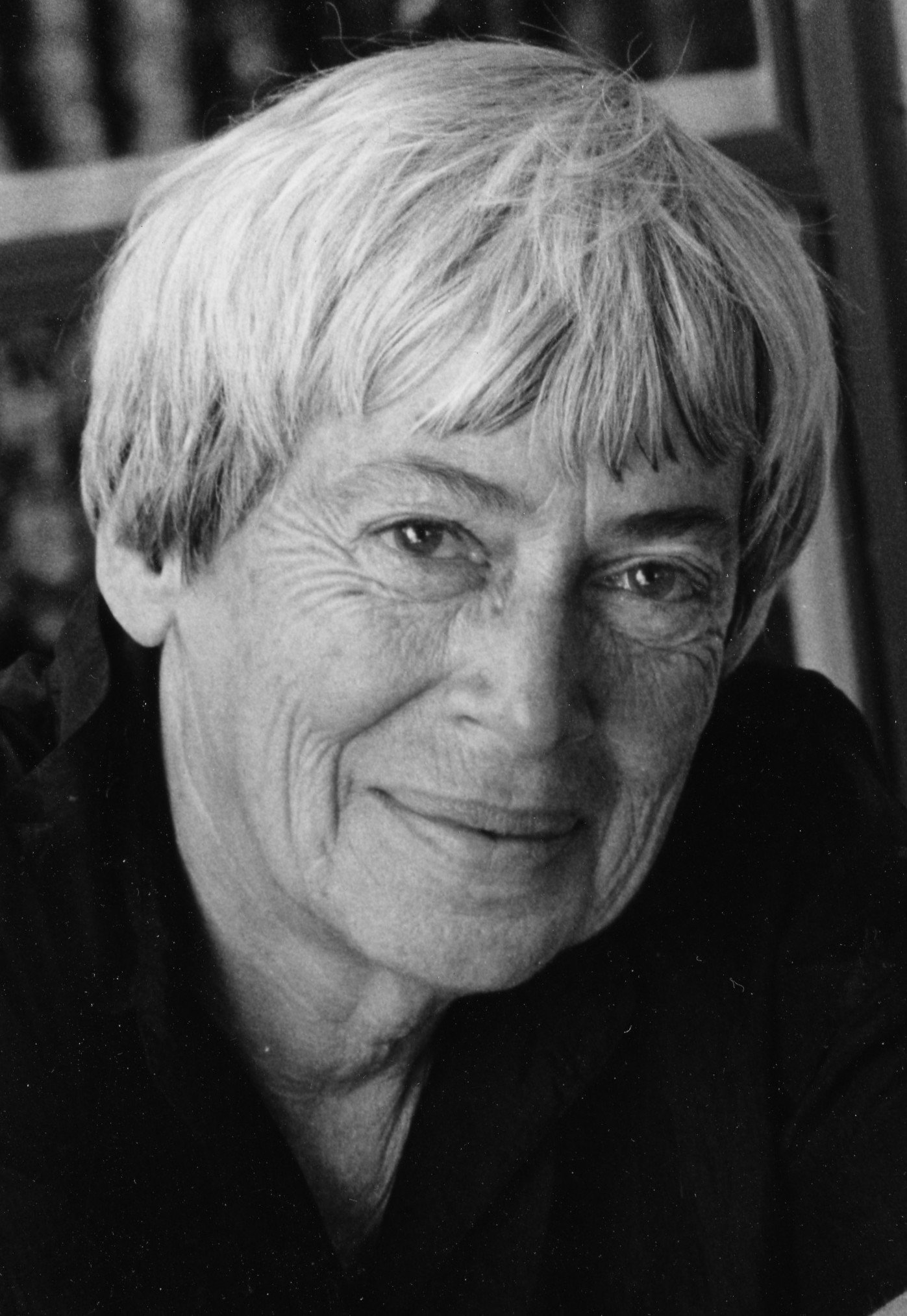
“The Left Hand of Darkness” by Ursula K. Le Guin is a science fiction novel that flips gender on its head, inviting readers to imagine a world where people can change gender at will. Le Guin’s exploration of identity, empathy, and cultural understanding is ground-breaking, challenging assumptions that many still hold today. A 2023 American Psychological Association report underscored the importance of inclusive conversations about gender identity, making the novel’s themes more relevant than ever. The story’s revolution is both personal and societal, as characters learn to see beyond rigid labels. Le Guin’s world-building is meticulous, creating a setting that feels both alien and familiar. The novel’s impact lies in its ability to open minds, encouraging readers to rethink what they know about gender and relationships. It’s a journey through uncertainty, discovery, and ultimately, acceptance.
Kafka on the Shore by Haruki Murakami
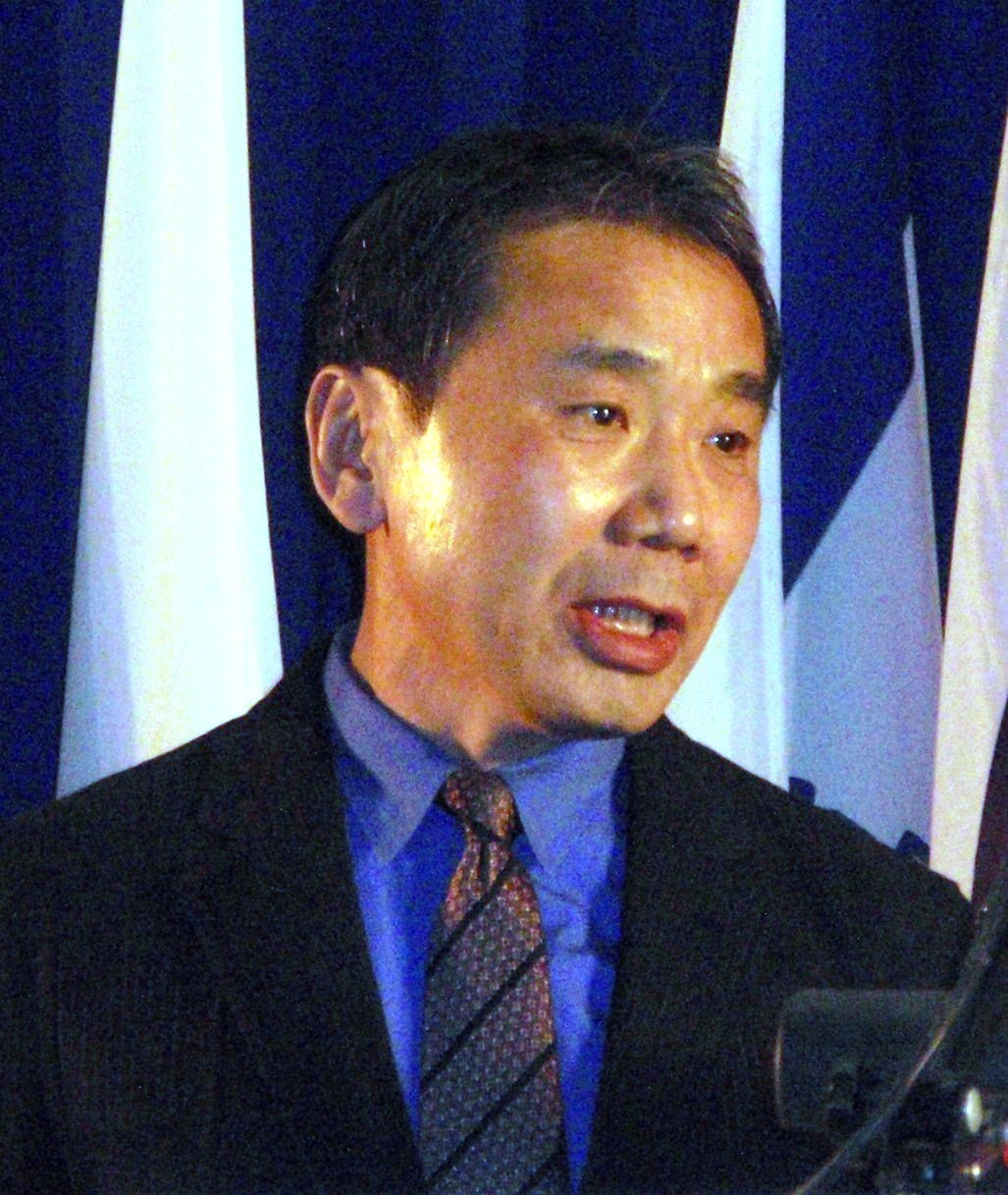
“Kafka on the Shore” by Haruki Murakami is a surreal journey where the boundaries between reality and fantasy dissolve. The stories of Kafka and Nakata overlap in a dreamlike narrative that explores memory, fate, and identity. Murakami’s writing is hypnotic, drawing readers into a world where talking cats and mysterious prophecies feel perfectly natural. A 2023 Journal of Consciousness Studies article highlights the role of narrative in exploring consciousness, mirroring Murakami’s fascination with the inner workings of the mind. The novel’s personal revolutions are metaphysical as much as emotional, challenging readers to question the nature of reality. Murakami’s use of magical realism and symbolism creates a sense of wonder and unease. The result is a novel that’s as perplexing as it is captivating, leaving readers with more questions than answers.
Parable of the Sower by Octavia E. Butler
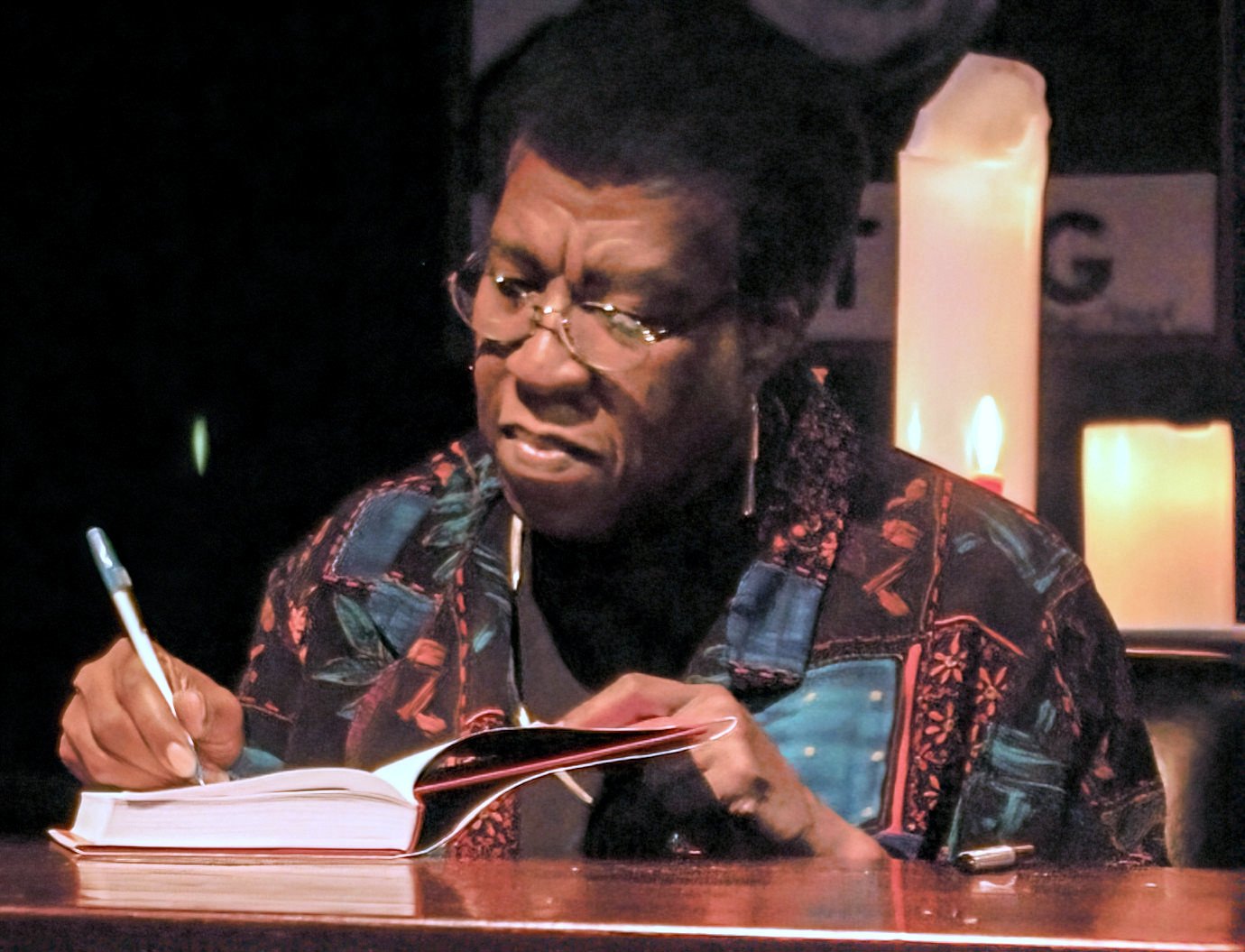
“Parable of the Sower” by Octavia E. Butler is a dystopian novel that feels eerily prophetic. Set in a world ravaged by climate change and social collapse, the story follows Lauren Olamina as she creates a new philosophy based on empathy and resilience. Butler’s narrative resonates with current global crises, with a 2021 World Economic Forum report emphasizing the urgent need for new belief systems in the face of climate change and inequality. The revolution in the novel is both personal and communal, as Lauren’s vision inspires those around her to imagine a better future. Butler’s writing is direct, urgent, and full of hope, even in the darkest moments. The story’s focus on survival, adaptation, and belief makes it a powerful call to action. Readers are left to consider what kind of world might emerge from the ashes of the old.
CEO-Co-Founder
