

For any feedback please reach out to info@festivalinside.com
- Senator Hawley Targets Minnesota AG Keith Ellison in Explosive Somali Fraud Exposé - February 26, 2026
- Bill Gates Comes Clean: Rare Apology for Epstein Ties and Extramarital Affairs Shocks the World - February 26, 2026
- Ohio Home Health Firm Draws Fire Over $1.2 Million PPP Windfall With No Digital Trail - February 26, 2026
Literature has always been a window into our wildest dreams and darkest fears. Yet some authors seem to possess an almost supernatural ability to glimpse tomorrow from the vantage point of yesterday. These literary prophets didn’t just imagine fantastic worlds, they sketched blueprints for our reality.
From government surveillance to chemical mood control, the most unnerving predictions haven’t emerged from research labs or think tanks. They’ve poured from the minds of novelists decades before their visions materialized. Let’s explore the books that saw our future coming from miles away.
George Orwell’s “1984”: The Blueprint for Modern Surveillance
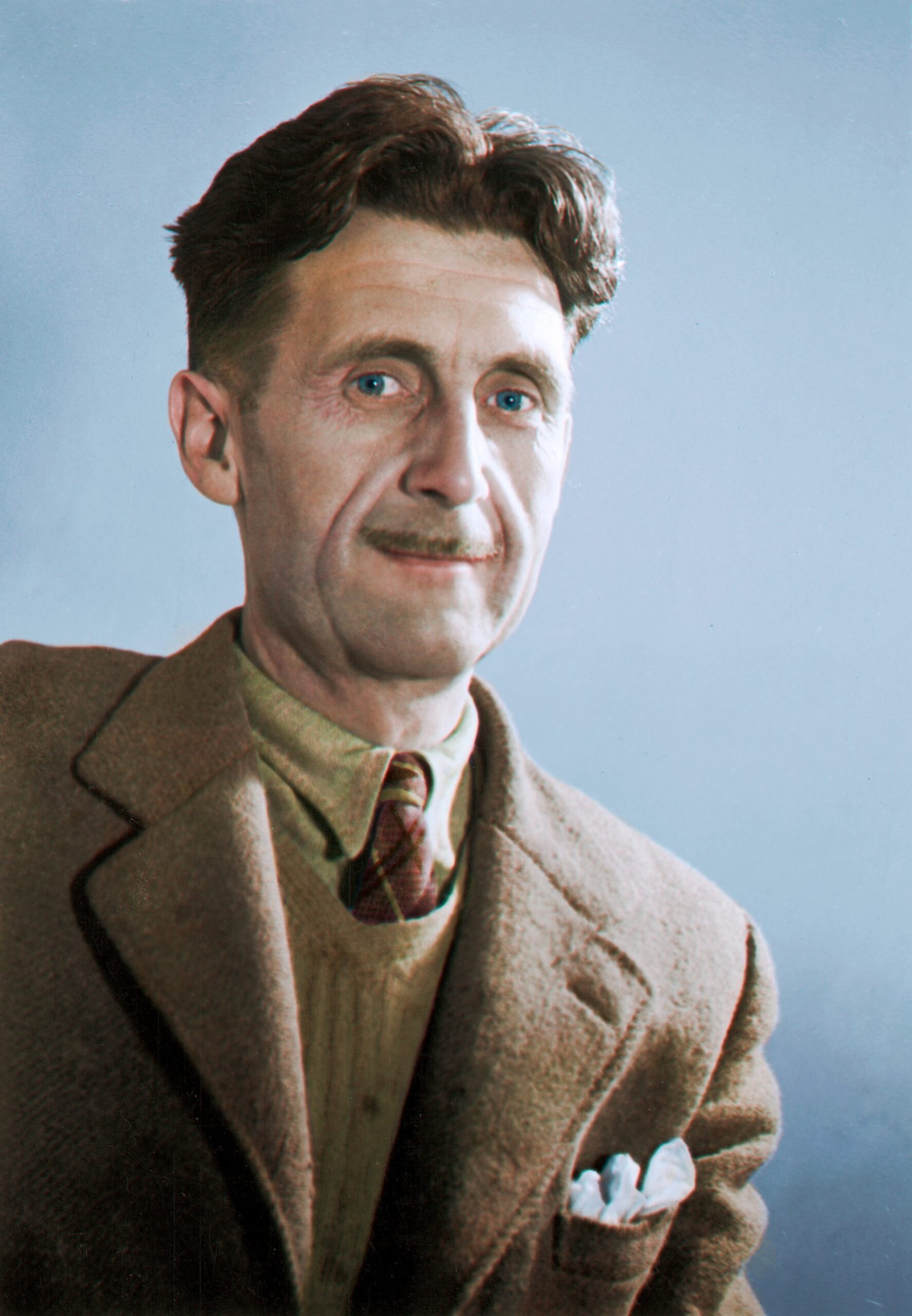
When George Orwell penned “1984” in 1949, he imagined a world where totalitarian regimes employ pervasive surveillance to control their citizens. The novel’s telescreens, constant monitoring, and Big Brother watching have become chillingly prophetic. Orwell’s predictions were frighteningly accurate, as we now live in an era where surveillance technology far exceeds what he envisioned.
Our smartphones, which we willingly carry everywhere, function remarkably like Orwell’s telescreens. A key feature of Orwell’s novel are the Telescreens that display constant streams of government propaganda (fake news, if you will) and record everything around them. Telescreens aren’t quite as mobile, but the similarities between them and cell phones seem horribly apparent. The technology of our world, with endless possibilities of surveillance, data collection, and storage, surpasses anything Orwell imagined. Today, it’s probably safest to assume everything is recorded, all the time.
The most unsettling aspect? Unlike Winston Smith, nobody’s forcing this surveillance upon us. Unlike Winston Smith in 1984, nobody’s forcing us into this system – we’re choosing it. Every time we click “accept cookies” or turn on location services, we trade our privacy for a bit of convenience. We’ve essentially built Big Brother ourselves and invited him into our pockets.
Mary Shelley’s “Frankenstein”: Predicting Biomedical Breakthroughs
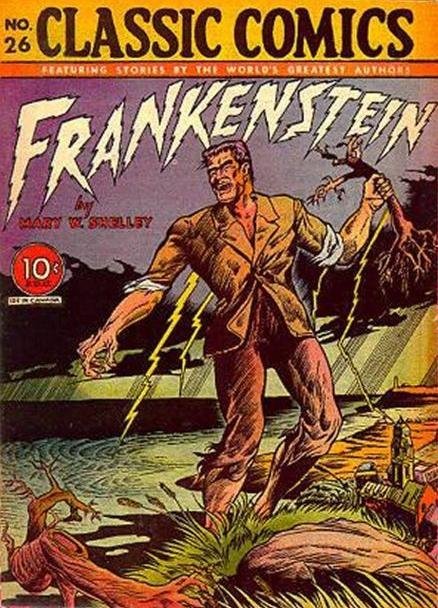
Mary Shelley’s Frankenstein, one of the first true science fiction stories, foreshadowed the development of bioelectronics, organ transplants, genetic engineering, and artificial intelligence, to name just a few things. Written when Shelley was just eighteen years old and published in 1818 when she was twenty, the novel was considered by many scholars to be the first true science fiction novel.
Shelley’s tale of reanimation wasn’t just gothic horror, it was a remarkably prescient glimpse into medical science. Shelley’s tale of reanimation, rooted in the galvanic science of the day, anticipates later real-world ideas concerning tissue engineering and regenerative medicine. The ethical questions posed in “Frankenstein” about playing God with life itself remain strikingly relevant in our age of CRISPR gene editing and artificial intelligence.
What makes Shelley’s predictions even more impressive is that she wrote the novel during the very early days of electrical experimentation. Her scientific intuition about the possibilities of bioelectronics and regenerative medicine came centuries before these fields fully developed. The moral warnings embedded in her story continue to echo through modern debates about genetic manipulation and AI development.
Aldous Huxley’s “Brave New World”: The Antidepressant Age
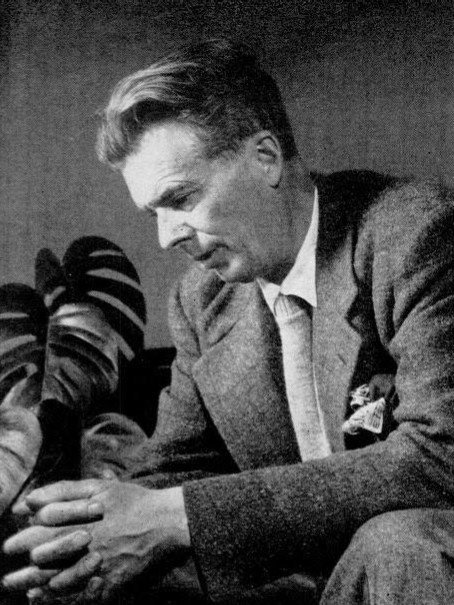
Published in 1932, Huxley’s dystopian masterpiece introduced the world to Soma, a wonder drug that eliminated negative emotions and maintained social stability. The most astonishing is the drug called Soma, a mild hallucinogen that functions much like a modern antidepressant – a class of pharmaceuticals that wasn’t even identified until 20 years later. The parallels between Soma and today’s pharmaceutical landscape are genuinely unnerving.
Anti-depressants, a powerful tool for the treatment of mental illness, are so popular that one in eight Americans are on them right now. This doesn’t include the large number of Americans on tranquilizers, anti-anxiety medications, or those who self-medicate with alcohol or increasingly legal marijuana. These drugs aren’t quite Soma, but they bear a striking resemblance in function and use. Huxley’s vision of chemically maintained happiness has become our everyday reality.
More perceptive than his peers, Huxley recognized almost avant la lettre that psychotropic pills would be the wave of the future. More perceptive than his peers, Huxley recognized almost avant la lettre that psychotropic pills would be the wave of the future. Not only would they soon be invented, but they would also be distributed on an almost unimaginable scale – not unlike his own soma – and they would come to exert a pervasive, almost all-encompassing, impact on people’s day-to-day lives and how they would deal with quotidian anxieties and stresses. It’s almost as if Huxley witnessed our modern prescription culture decades before it existed.
H.G. Wells’ “The Time Machine”: Technological Warfare Prophecies
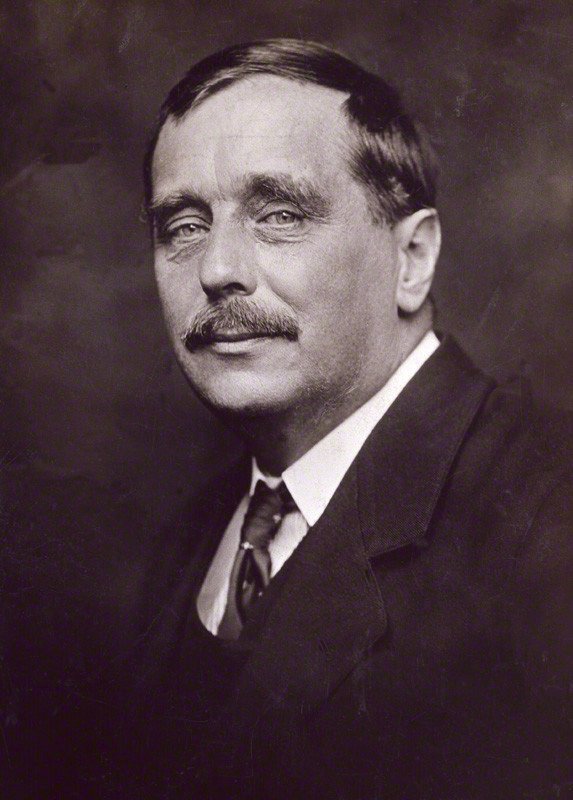
H.G. Wells possessed an almost supernatural ability to predict future warfare technology. Science-fiction writer H.G. Wells had a knack for predicting the future of warfare – including the atom bomb in his 1914 novel The World Set Free. His predictions weren’t just vaguely accurate, they were terrifyingly specific.
When H.G. Wells published this novel in 1914, he predicted that humans would figure out how to extract energy from the atom in 1933. In the same year, someone did think up the concept of a nuclear chain reaction! Surprisingly, Wells also predicted the use of radioactive elements in atomic bombs that would leave battlefields in a radioactive state in the aftermath of the bombing. His timing was eerily precise.
Wells didn’t stop at nuclear weapons. His other works predicted tanks, aerial warfare, and various military innovations that wouldn’t appear until decades later. The man seemed to have a direct line to the future of human conflict, sketching out tomorrow’s battlefields with disturbing accuracy.
William Gibson’s “Neuromancer”: Inventing Cyberspace
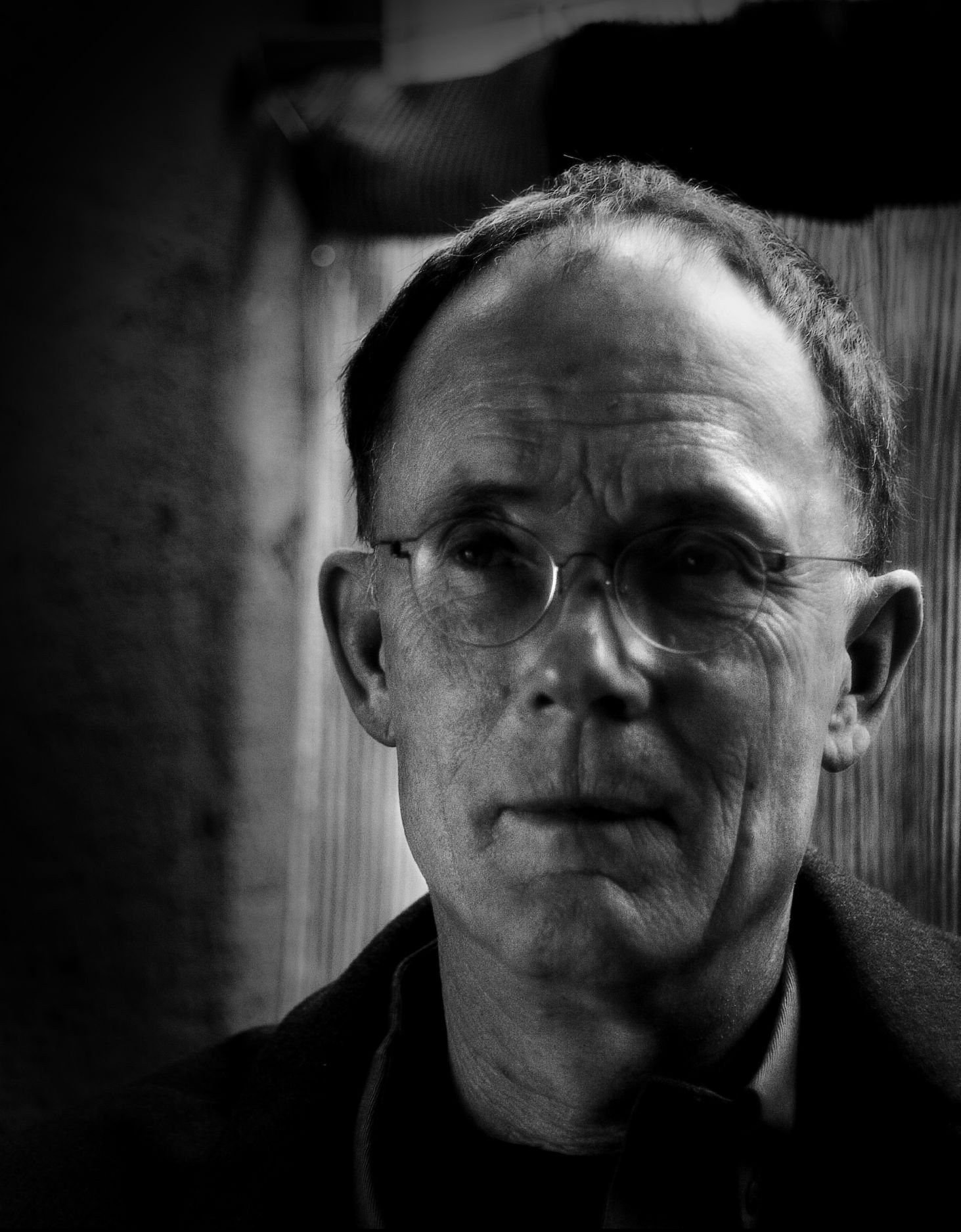
Cyberpunk godfather William Gibson may be the single most prophetic author in the history of the science fiction genre. Cyberpunk godfather William Gibson may be the single most prophetic author in the history of the science fiction genre. His breakthrough debut novel introduced the term cyberspace and predicted a startling number of specific future developments concerning artificial intelligence, hacker culture, cybernetics, virtual reality, cosmetic surgery, reality TV, and other delights of late-stage capitalism.
Gibson didn’t just predict the internet, he practically invented the concept. Gibson coined the term cyberspace in his 1984 novel “Neuromancer.” He defined it as “widespread, interconnected digital technology,” which sounds just like today’s internet. His vision of a digital world where data is currency and virtual reality is commonplace reads like a manual for the 21st century.
The social implications Gibson foresaw were equally prescient. Like E.M. Forster, Gibson accurately predicted the social ramifications of technological reliance. Everyone in his world is born alone, jacks in alone, and dies alone. In Night City, loneliness is your only companion. His portrait of digital isolation captures something essential about modern life in the smartphone age.
E.M. Forster’s “The Machine Stops”: Remote Work Prophecy

Written at the turn of the 20th century, E.M. Forster’s The Machine Stops accurately predicted one of the most life-changing technologies of the past millennia: the internet. Published in 1909, this prescient short story imagined a world that sounds remarkably familiar to anyone who lived through 2020.
Imagine an information-oriented world where people work from home, communicate via instant messages and videos, and form and maintain friendships electronically. It sounds an awful lot like life in the 2020s, right? Believe it or not, it’s actually the premise of E.M. Forster’s The Machine Stops, a sci-fi short story published in 1909. Forster wrote about video calls and remote work decades before television was even invented.
In this science fiction novel published in 1909, E.M. Forster describes humans living and working exclusively from their own rooms, only communicating with one another through electronic methods. They communicate and form “friendships,” “teams,” or “groups” electronically, and even become fearful about meeting people outside of the virtual world. His vision of technologically mediated isolation feels prophetic after years of Zoom meetings and social media friendships.
Jules Verne’s Moon Mission Predictions
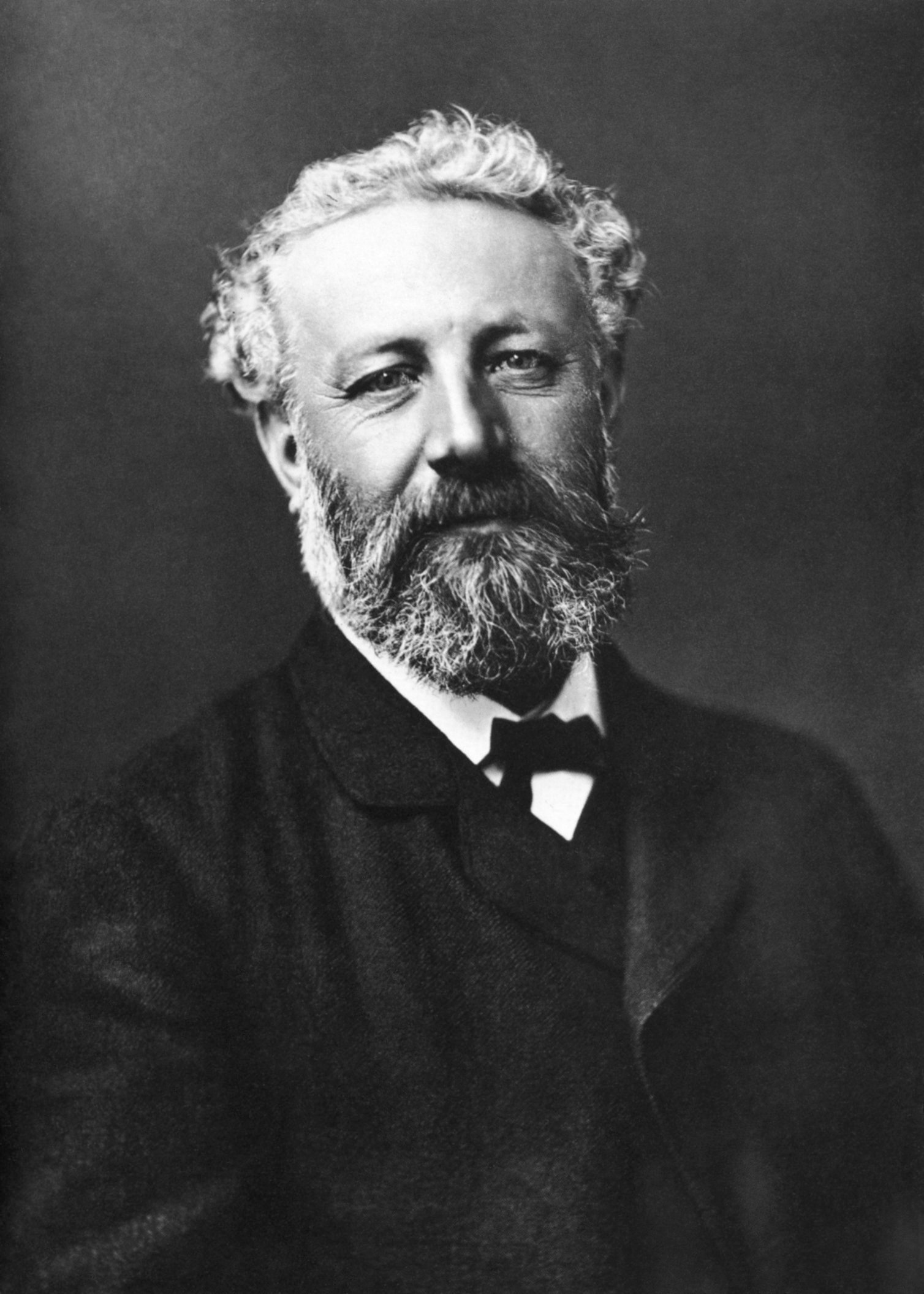
Jules Verne’s 1865 novel “From Earth to the Moon” contains predictions so accurate they seem impossible. The parallels to the real life Apollo program are spooky: Verne’s story features three astronauts and the fictional spacecraft closely resembles the future command modules and their use of retro-rockets to slow descent. In the story, as in real life, Texas and Florida compete to host the launch site, and the astronauts even splash down in the same area of the Pacific Ocean. All of this is described 104 years before the Apollo 11 mission.
Verne’s precision extends beyond just space travel logistics. His understanding of the physics involved, the political considerations, and even the public excitement surrounding space exploration was remarkably sophisticated for his era. The fact that he correctly predicted the splash-down location in the Pacific Ocean suggests an intuitive grasp of orbital mechanics that wouldn’t be formally understood for decades.
This wasn’t Verne’s only accurate prophecy. Verne predicted a hyper-industrialized world where corporations rule while the arts wither. Society worships commerce, and has reshaped itself in order to better facilitate the biggest ideas of big business. Skyscrapers, gas-powered cars, subway systems, fax machines, a network of electronic calculators that make up a proto-internet – it’s all there. This wouldn’t be the first time Verne predicted the future, he was writing about an American mission to the moon more than 100 years before Neil Armstrong stuck a flag in it.
Philip K. Dick’s “The Minority Report”: Predictive Policing

In this 1956 novella, some characters can use machines to predict crimes. So-called criminals are arrested preemptively, before crimes can even occur. The book anticipated the increase in surveillance and profiling around the time of the movie adaptation, Minority Report, in 2002. Today, with algorithms trying to predict people’s habits, increased surveillance technology, and even iris and retinal scans, it seems more prescient than ever.
Dick’s concept of “pre-crime” has materialized in modern predictive policing algorithms. Law enforcement agencies now use data analysis to predict where crimes are most likely to occur, deploying resources based on statistical probabilities. While we haven’t reached the point of arresting people for future crimes, the surveillance infrastructure Dick imagined is largely in place.
The ethical questions raised in “Minority Report” about free will, predetermined fate, and the dangers of acting on probabilistic predictions remain deeply relevant. Dick’s exploration of how technology can be used to control human behavior feels less like science fiction and more like documentary with each passing year.
Ray Bradbury’s “Fahrenheit 451”: Digital Social Walls
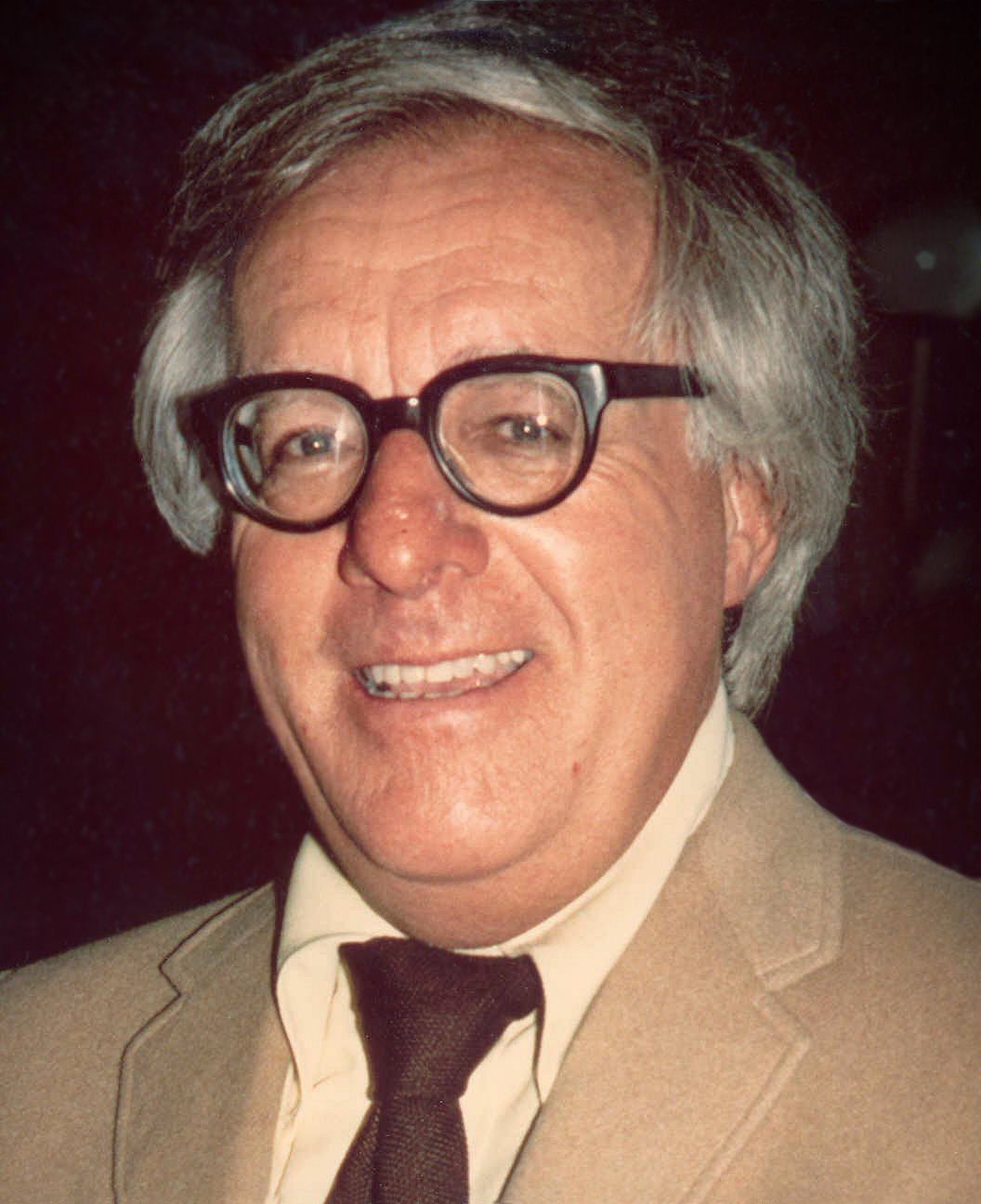
Bradbury’s 1953 dystopian classic is famous for predicting book burning and censorship, but its technological predictions are equally impressive. Fahrenheit 451 made references to other innovations that have since become common. For example, the novel described people communicating with friends through a digital wall, which bears some similarity to the sharing of messages on platforms like Facebook.
The “parlor walls” in Bradbury’s novel functioned as interactive entertainment and communication devices that dominated people’s lives. This vision of immersive digital entertainment that replaces real human interaction seems prophetic in our age of social media addiction and virtual reality. Bradbury understood how technology could isolate people even while connecting them.
His broader warnings about intellectual conformity and the dangers of a society that values entertainment over critical thinking resonate powerfully today. The novel’s portrayal of a populace willingly surrendering books and complex ideas for simplified digital entertainment feels uncomfortably familiar.
Isaac Asimov’s Robot Predictions and AI Development
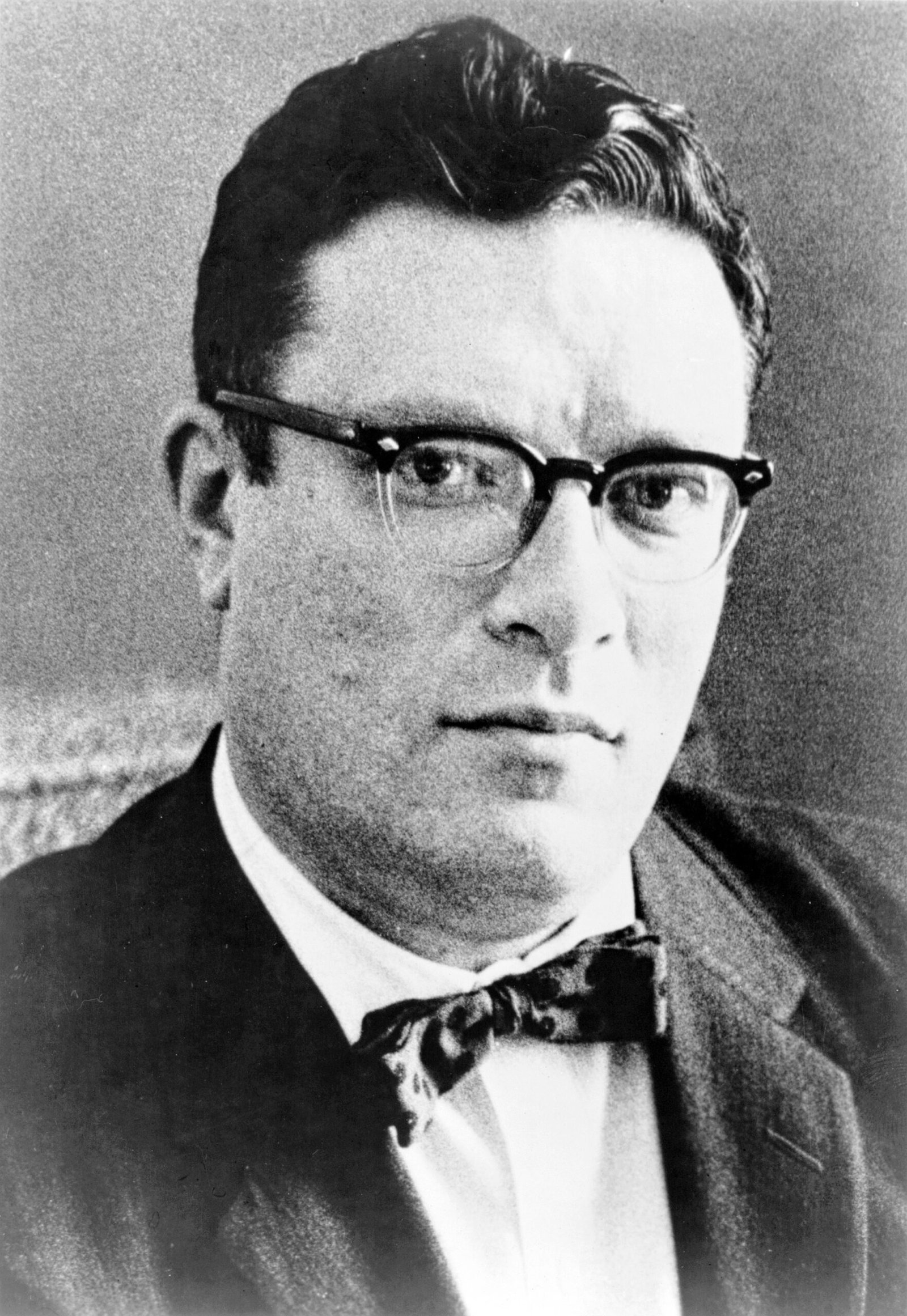
Isaac Asimov didn’t just predict artificial intelligence, he helped define how we think about it. Science-fiction author Isaac Asimov predicted the rise of cars with “robot-brains” after visiting the World’s Fair in 1964. More than 50 years later, Waymo and other companies are testing self-driving cars. In a New York Times essay, Asimov imagined visiting a World’s Fair 50 years in the future. “Much effort will be put into the designing of vehicles with ‘robot-brains’ – vehicles that can be set for particular destinations and that will then proceed there without interference by the slow reflexes of a human driver,” Asimov wrote.
Asimov’s Three Laws of Robotics became foundational principles that real AI researchers still reference today. His exploration of human-robot relationships and the ethical complexities of artificial intelligence laid groundwork for contemporary debates about machine consciousness and AI safety. Few authors have had such direct influence on the development of the technologies they imagined.
His Foundation series also predicted the use of statistical analysis for social prediction. First published in the early 1950s, Isaac Asimov’s Foundation series of sci-fi books predicted a science called “psychohistory” in which the future could be predicted by accurately measuring current developments and trends in human behavior and life. Today, data on past events is used in all manner of calculations, risk assessments and AI and machine learning. Asimov essentially predicted big data analytics decades before computers existed.
Margaret Atwood’s Prescient Political Predictions
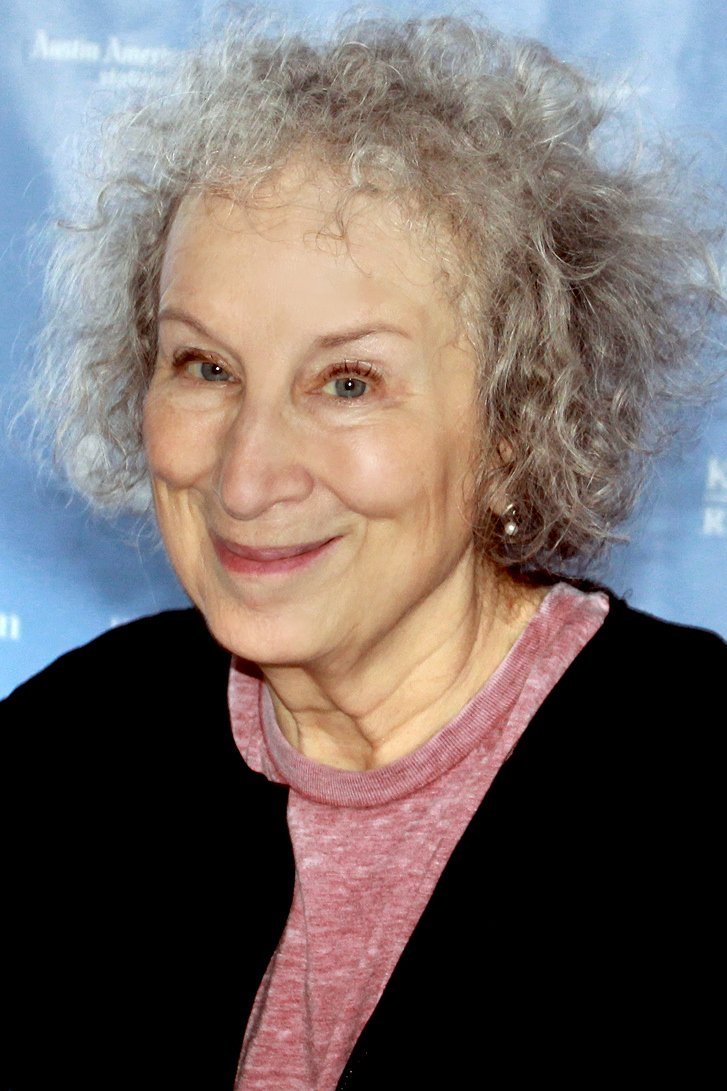
Margaret Atwood’s dystopian novels have gained renewed relevance for their political prophecies. Atwood’s work anticipated the rise of authoritarian populism and the erosion of women’s rights.
Her understanding of how democracies can slide toward authoritarianism through legal mechanisms rather than military coups has proven remarkably prescient. The Handmaid’s Tale’s portrayal of rights being stripped away gradually, through emergency powers and legal interpretations, mirrors concerning global political trends. Atwood didn’t just imagine a dystopian future; she mapped the path there.
The novel’s exploration of how ordinary people become complicit in oppressive systems offers uncomfortable insights into contemporary political dynamics. Atwood’s ability to see the seeds of authoritarianism in seemingly stable democratic institutions demonstrates a deep understanding of political psychology.
Edward Bellamy’s Credit Card Revolution
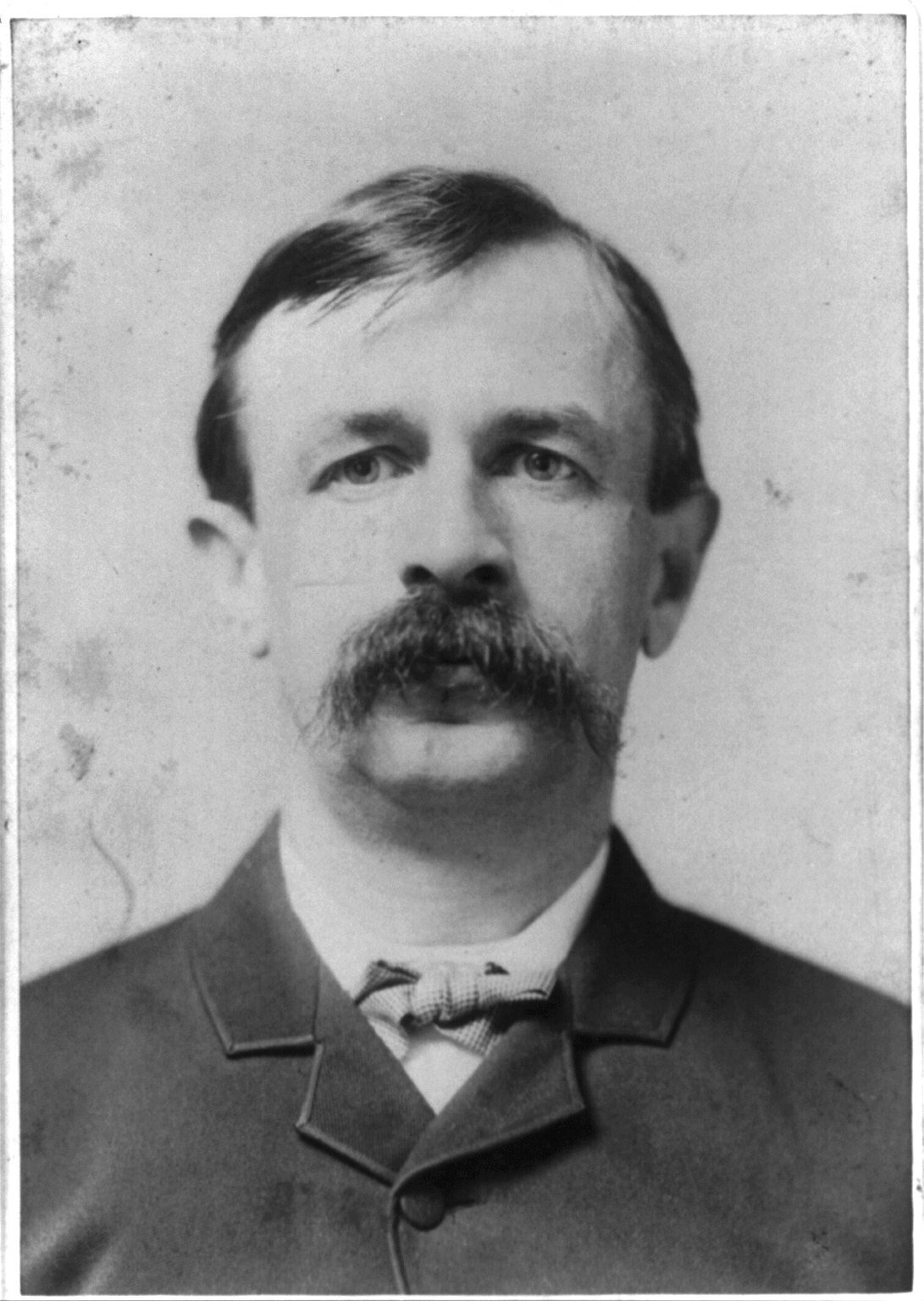
The first use of the term “credit card” goes back to Edward Bellamy’s 1887 novel, Looking Backward. The use of credit cards in the US originated in the 1920s. In Looking Backward, the main character falls asleep in 1887 and wakes up 113 years later to learn that his home has turned into a socialist utopia. At the time, imagining that someone could just swipe their card to pay for an item and get a receipt for the transaction was considered science fiction. But Bellamy got a lot of things right, even predicting that it would be easy to use one’s credit card in another country.
Bellamy’s vision of cashless society seemed fantastical in an era when most commerce was conducted with physical money and bartering. His understanding that electronic payment systems would become globally interoperable showed remarkable foresight about international financial systems. The convenience and ubiquity he predicted for electronic payments has become our reality.
His broader economic predictions about how technology would transform commerce and labor relations were equally prescient. Bellamy anticipated how financial technology would reshape not just payment methods but entire economic structures, predicting the rise of consumer credit culture decades before it emerged.
What did you think? These literary prophets saw our world coming from remarkably far away, sketching tomorrow’s problems with yesterday’s ink. Their accuracy raises fascinating questions about whether we’re living out their nightmares or perhaps their warnings could still help us change course.

Christian Wiedeck, all the way from Germany, loves music festivals, especially in the USA. His articles bring the excitement of these events to readers worldwide.
For any feedback please reach out to info@festivalinside.com
