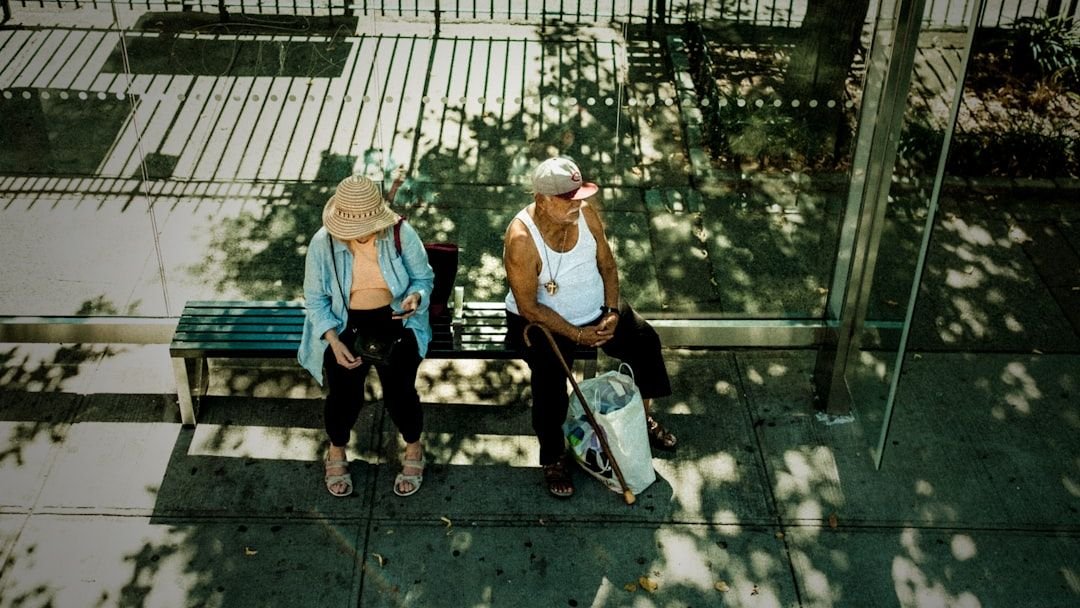
Walk down any street in New York City right now and you might not see it immediately. The subway still screeches, construction still clangs, and the hustle doesn’t pause for anyone. Yet something fundamental is shifting beneath the noise.
New Yorkers are quietly altering their routines, their priorities, and even where they choose to call home. These changes aren’t splashed across headlines or debated at town halls. They’re happening in the margins, in everyday decisions that millions of people are making without much fanfare. It’s hard to say for sure, but I think we’re witnessing a subtle cultural pivot that could define the city for years to come.
So let’s dive in and explore what’s really happening on the ground in 2026.
They’re Breaking Bad Habits Like Never Before

New Yorkers are more focused on New Year’s resolutions than anyone else in the country, with breaking bad habits emerging as the top goal in 2026. Searches about breaking bad habits are higher in New York than in any other state, including cutting back on screen time, taking a break from social media, stopping junk food, and procrastinating less.
Let’s be real, this isn’t just about hitting the gym in January. New Yorkers searched for resolution related topics nearly 80 percent more than the national average. That level of engagement suggests people here are actively trying to rewrite their daily scripts. The pressure cooker environment of the city can either crush you or force you to get serious about changing what isn’t working.
The MetroCard Era Just Ended Without Much Drama

After nearly 32 years, New Yorkers have swiped their MetroCards for the last time, with New Year’s Day marking the official discontinuation of the iconic pass, making way for both the OMNY card and tap-to-pay options.
At some point in 2026, the MetroCard will no longer be accepted, and coins will no longer be accepted for bus fares. Honestly, I didn’t expect this transition to feel so quiet. A symbolic funeral was even held last week in Washington Square Park, with some mourning the end of the 30-day unlimited pass. Still, riders are adapting faster than transit officials probably anticipated.
Meanwhile, the cost of getting around keeps climbing. Subway and bus rides for most people now cost 10 cents more, as the base fare went up from $2.90 to an even $3.00, continuing a gradual increase that started in 2015, when the fare was $2.50 per ride.
They’re Choosing Where to Live Based on Completely New Priorities

The Financial District topped the list of most in-demand neighborhoods, seeing searches surge nearly 47 percent, as FiDi’s ongoing shift toward residential life is clearly catching on, with median rents hovering around $4,690. Once known mainly for suits and salad bars, it’s now becoming a place where people actually want to live full-time.
The list shows exactly what New Yorkers are prioritizing right now: neighborhoods that feel lived-in, well-connected, and just flexible enough to handle whatever the city throws at them next. Sunnyside, Queens, ranks as the most affordable neighborhood on the list, with median rents under $2,700 and asking prices below $500,000, all numbers that feel more 2010 than 2026.
Here’s the thing: people are chasing convenience and value in ways they weren’t five years ago. The pandemic rewired how New Yorkers think about home, and that rewiring is still happening today.
Remote Work Is Creating a Quiet Tug-of-War

The city now allows remote work through 2026, although it’s not clear whether the program may continue past the new extension. Yet the corporate world is pushing in the opposite direction. Major employers across finance, tech, consulting, and retail are pulling the trigger on full-time office requirements.
Manhattan’s averaging 57% daily office attendance – that’s 76% of pre-pandemic levels and climbing – with law firms leading with a 25% year-over-year jump in office attendance, while finance and media companies posted 20% gains, and real estate firms hit 85% attendance. This creates an odd dynamic. Some New Yorkers are being called back while others are settling into permanent remote arrangements.
The result? People are making housing choices based on uncertainty. Do you sign a lease closer to the office, or do you bet on flexibility lasting?
Rents Are Climbing Faster Than People Realize

While national rent growth is predicted to cool, in New York City, rent growth will likely accelerate next year, with asking rents rising 4.8% from last year, and rents on track to rise faster in 2026.
Since 2019, the StreetEasy Rent Index for new construction has climbed 20.0% after factoring in concessions, compared to a 23.1% increase for pre-war units. That means older apartments are actually getting more expensive relative to newer ones, which flips the usual logic on its head.
Private sector job growth has been slowing in NYC, leading to increased concerns over near-term job security, while mortgage rates are still too high for many New Yorkers. So people are staying put, renewing leases, and creating even more competition for available units.
They’re Getting Serious About ‘Low-Tox’ Living

Architectural Digest reports on the ‘low-tox’ movement to replace everything from furniture to cookware in an effort to rid daily lives of microplastics and chemical compounds, with consumer interest tripling according to trend forecasters.
With science backing up fear of overexposure to hazardous chemicals in indoor environments – even in small doses – increased awareness of alternatives not only yields better consumer habits but also healthier lifestyle choices. I know it sounds like just another wellness trend, but in cramped New York apartments where you can’t exactly escape outside, people are taking indoor air quality more seriously than ever before.
This isn’t some luxury concern either. It’s becoming mainstream among renters and buyers who want to feel safer in spaces they’re spending more time in than they used to.
New Developments Are Becoming Community Hubs

Among large rental buildings with at least 50 units completed in the past three years, 61% advertise lounges for residents, up from 56% in those built between 2017 and 2019, while rooftop decks have become a staple, now present in 63%, compared to 47% in older ones.
The share of buildings offering game or party rooms has grown to 20% from 14%, while coworking areas nearly doubled to 19% from 11%, and wellness spas are found in 29% of new buildings, a sharp increase from 9%. Developers realized people want more than just four walls and a functioning bathroom. They want places to actually live, not just sleep.
These amenities matter more now because New Yorkers are less willing to leave their buildings for everything. If you can work, socialize, and unwind without stepping outside, that’s a real selling point in 2026.
Workplace Rules Are Forcing Real Housing Decisions

Perhaps the most impactful new legislation is the expansion of the Earned Safe and Sick Time Act, with employers in New York City required to provide workers with 32 hours of unpaid safe/sick time starting Feb. 22. New York State’s minimum wage increased to $17.00 per hour in New York City, Westchester, and Long Island, and $16.00 per hour in the rest of the state.
These changes sound bureaucratic, but they’re reshaping how people think about work-life balance. If you can take time off without burning through vacation days or losing income, you might choose to live farther from work. Or you might prioritize employers who offer true flexibility over those demanding five-day office weeks.
With concerns about salary, bonus, and perks, plus the cost of inflation and transportation, some workers are deciding against maintaining two residences or buying in the city. The math just doesn’t work anymore for a growing number of people.
Affordable Housing Is Getting a Policy Push

New York City is experiencing its worst housing shortage since 1968, resulting in a vacancy rate of just 1.4%, which must be addressed through the delivery of additional housing at all levels of affordability.
A total of 12.2 million gross square feet in Manhattan south of 59th Street containing 14,500 apartments, 3,600 of which would be income-restricted, could start renovation by the end of June 2026. This involves converting old office buildings into residential units, a creative solution to the dual problem of empty commercial space and desperate housing demand.
Honestly, I’m skeptical about how quickly this will actually make a dent, but the fact that officials are trying something different feels significant. The shortage is so severe that even modest progress could shift the entire market.
They’re Holding Onto Cash and Thinking Twice About Big Purchases

After breaking bad habits, New Yorkers are also searching for travel, health and fitness, career goals, and money. There’s a noticeable frugality creeping into the city’s mindset. People are still spending, sure, but they’re more calculated about it.
Inflation hit New Yorkers harder than most because the baseline cost of everything was already sky-high. Over the last 5 years, the costs on everyday essentials like groceries, insurance, utility bills, and goods and services has increased significantly. So now you see more people meal prepping, skipping the $18 cocktails, and actually using those monthly subscriptions they forgot they had.
It’s not desperation. It’s strategic survival. The city demands you be smart about money if you want to stay here long-term.
Older Renters Are Staying Put and Changing the Market

From 2005 to 2024, nearly all net growth in NYC rental households came from those aged 35 and up, with renters under 35 growing by fewer than 10,000 households, while those over 35 added more than 540,000 – a 24% increase.
As older homeowners age in place – often mortgage-free – fewer ownership opportunities open up, and that trapped demand shifts to rentals, where older renters stay longer, keeping the market tight despite slower population growth. This is a demographic shift most people aren’t talking about yet, but it’s massive.
Younger people who would normally be flooding the rental market are getting squeezed out or forced into roommate situations longer than previous generations. The rental market isn’t just expensive. It’s increasingly immobile, which changes everything about how neighborhoods evolve and who can access them.
There’s a Return to Intentional Living and Community Connection

People are craving genuine connection again after years of digital overload and pandemic isolation. Community wellness is gaining ground in 2026, with more people joining group activities for support, including neighborhood walks or online forums sharing tips, which builds accountability and motivation.
This might sound soft, but it’s real. New Yorkers are showing up to local events, joining Buy Nothing groups, and actually talking to their neighbors. It’s a quiet rebellion against the anonymity the city is famous for. Instead of treating your building like a hotel, people are treating it like a community.
The most interesting part? This trend cuts across age groups and neighborhoods. It’s not just happening in Brooklyn co-ops or Queens townhouses. Even high-rise Manhattan is seeing more communal activity.
New York is doing what it always does: adapting. The changes happening in 2026 aren’t loud or revolutionary. They’re practical responses to rising costs, shifting work arrangements, and a collective desire to make the city livable again. People are choosing neighborhoods differently, spending money more carefully, and building routines that prioritize well-being over hustle for the sake of hustle. It’s impossible to predict where all this leads, but one thing is clear: the New Yorkers shaping the city today aren’t waiting for permission or policy changes to live better. They’re just doing it, one small adjustment at a time. What changes have you noticed in your own routine or neighborhood? Tell us in the comments.