You check your phone and see a text message. It claims to be from the New York Department of Revenue. The message says your inflation refund has been approved, but you need to click a link and provide your payment information within days or you’ll lose the money forever.
Sounds urgent, right? That’s exactly what scammers are counting on.
The Inflation Refund Program That Became a Scammer’s Playground

New York State introduced its first-ever inflation refund checks as part of the 2025 budget, providing one-time payments to help residents who paid increased sales taxes due to inflation. The state began sending checks to more than 8.2 million households across New York in late September 2025, with deliveries continuing through October and November.
The checks range from $150 to $400, depending on income and filing status. Here’s the thing, though. Eligible New Yorkers don’t need to apply, sign up, or do anything to receive an inflation refund check.
Yet scammers saw this legitimate government program as the perfect opportunity to steal from unsuspecting residents. The confusion about a new program, combined with the promise of free money, created ideal conditions for fraud.
How the Scam Actually Works
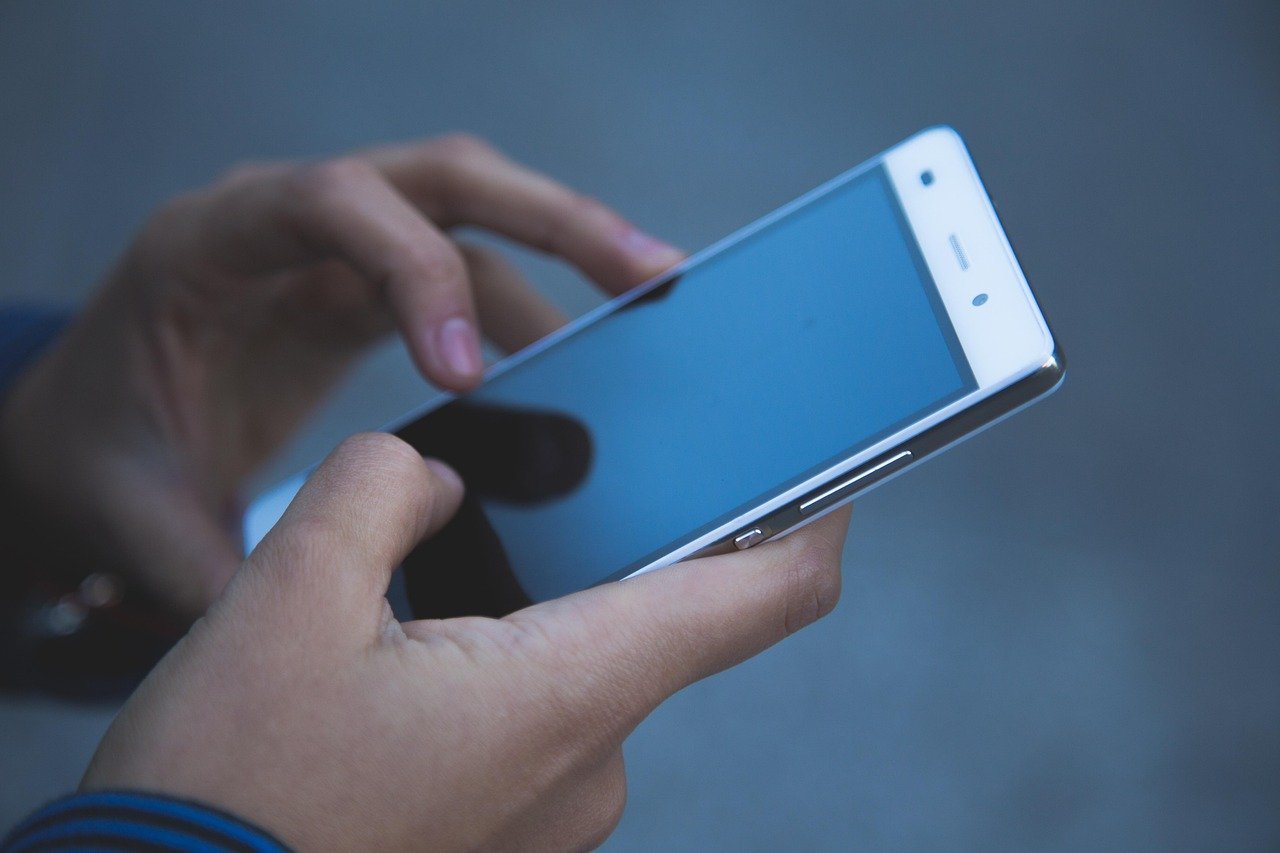
An ongoing smishing campaign is targeting New Yorkers with text messages posing as the Department of Taxation and Finance, claiming to offer “Inflation Refunds” in an attempt to steal victims’ personal and financial data. The fraudulent messages look surprisingly legitimate at first glance.
The texts read something like: “New York Department of Revenue Your refund request has been processed and approved. Please provide accurate payment information by September 29, 2025. Funds will be deposited into your bank account or mailed to you via paper check within 1-2 business days.” The messages use classic manipulation tactics to pressure victims into acting quickly.
Some messages even threaten: “Failure to submit the required payment information by September 29th, 2025, will result in permanent forfeiture of this refund under New York Revised Statute §5747.11.” That statute reference sounds official, making the scam seem more credible. If recipients click the link, they are directed to a fake site impersonating the tax department, which asks for personal data such as name, address, email, phone, and Social Security Number – enough information for identity theft.
Red Flags That Should Make You Delete Immediately
There are several warning signs that reveal these messages as fraudulent. Often times the area code of origin is not from the United States. In the case that 7 On Your Side found, the area code was +63, that’s the Philippines.
The sending number is from outside the US and the URL they want you to follow is not an official one (Official New York State Tax Department website and online services are under tax.ny.gov). Legitimate government communications don’t come from international phone numbers or sketchy web addresses.
The Tax Department does not use text messages, email, direct mail or social media to request your personal tax information. That’s a critical fact to remember. Scammers will usually use scare tactics to get you to share your personal and financial information with them, and may use email, text messages, or social media to request or discuss your personal or tax information.
The Multiple Forms This Fraud Takes

While text messages are the most common method, scammers aren’t limiting themselves to just one approach. Hochul warned residents against scams related to the inflation refund checks targeting New Yorkers via text messages, email, voice mail and direct mail.
In a new scheme, scammers who file fraudulent returns are using taxpayers’ real bank accounts for refund deposits, then calling these taxpayers to retrieve the refunds. This particularly devious version involves criminals filing fake returns with your actual banking information, then contacting you pretending to be from the IRS or tax department to convince you to send the money back to them.
Some scammers are even sending physical letters designed to look like official government correspondence. The creativity criminals employ to separate you from your money is honestly disturbing.
Who’s Most at Risk
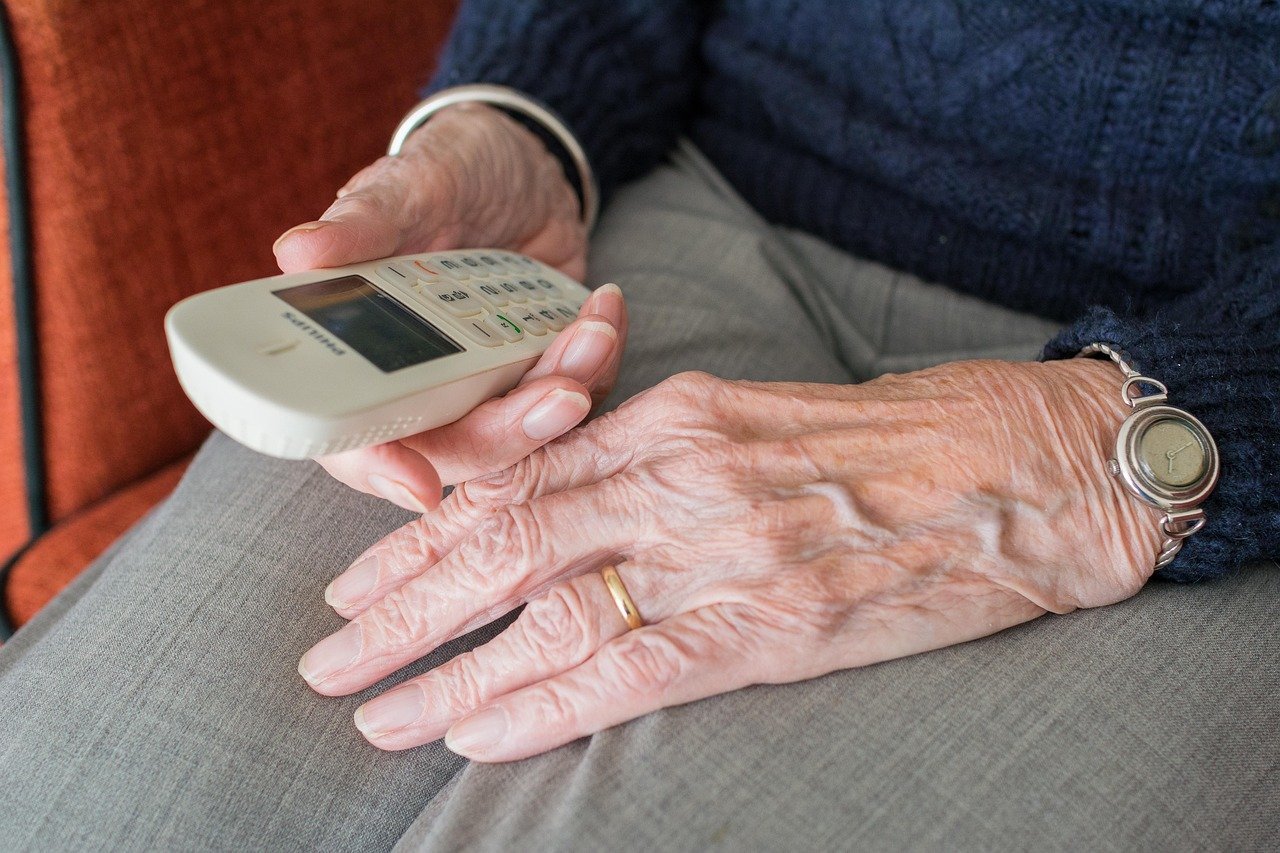
Phone scammers are impersonating Tax Department employees and calling Westchester County residents to demand payment for fake back taxes. Seniors should take special care, as the scammers are manipulating caller ID to display legitimate Tax Department phone numbers.
Older residents are particularly vulnerable because they may be less familiar with digital scam tactics. For this scam, the actual phone number of the IRS, DMV and local police may register on the caller ID screen through a technique called “spoofing”.
Honestly, anyone can fall victim to these schemes. The scammers exploit confusion about the new program and rely on the natural human desire to claim money that’s rightfully yours. People who are struggling financially may be especially tempted to act quickly when promised several hundred dollars.
What Happens If You Fall for It
The fraudsters can use this submited information to commit identity theft and financial fraud. Once scammers have your Social Security number, full name, address, and other personal details, the damage can be extensive and long-lasting.
They can open credit cards in your name. They can file fraudulent tax returns to steal your legitimate refunds. They can drain your bank accounts or take out loans you’ll be held responsible for repaying. The consequences extend far beyond losing a few hundred dollars from an inflation refund check you never received.
Recovering from identity theft is a nightmare that can take years to resolve. It affects your credit score, your ability to get loans or rent an apartment, and causes immense stress and frustration.
How to Protect Yourself
If you receive one of these messages appearing to be from the Tax Department, block the sender, delete the message, and report this scam to the Tax Department or IRS. Don’t click any links, even out of curiosity.
Legitimate inflation refunds are sent automatically if you’re eligible, there are no actions required. Do not provide your Social Security number or banking details to anyone claiming to process your tax refund. Remember this crucial fact whenever someone contacts you about government money.
Recipients can protect themselves by avoiding websites that come through unexpected emails or texts, hanging up on tax-related calls, and never agreeing to meet anyone in person to hand over tax payments. If you’re unsure about your refund status, visit the official Tax Department website directly by typing the address yourself rather than clicking any links.
What State Officials Are Saying

Governor Hochul stated: “With scams targeting the state’s inflation refund initiative, let me be clear: The Tax Department and the IRS do not call or text individuals for personal information. My administration urges New Yorkers to remain vigilant and report these scams to the Tax Department to protect yourself from being a victim.”
The warning from the governor’s office couldn’t be clearer. Some 8.2 million households across New York will receive the checks. The good news is there’s nothing they have to do to get them – nothing to sign up for, no application to make or anything like that.
State officials have issued multiple warnings, but the scam campaigns continue to evolve and persist. It’s frustrating that legitimate government programs designed to help residents end up being exploited by criminals.
Broader Refund Fraud Schemes Hitting New York

The inflation refund scam isn’t happening in isolation. New York has become a hotspot for various refund fraud schemes in recent years. Over the course of their scheme, defendants attempted to obtain approximately $80 million in total. They succeeded in depositing approximately $50 million.
This referred to a major check fraud case where criminals opened bank accounts using fake identities and stole government checks including COVID relief funds and tax refunds. The scale of these operations is staggering.
Tax refund fraud has become increasingly sophisticated, with organized crime rings using stolen personal information to file thousands of fraudulent returns. The criminals often work in networks, with different people handling different parts of the scheme to make detection harder.
If You’ve Already Responded

Let’s say you already clicked the link and entered your information. Don’t panic, but do act immediately. Call your bank and credit card companies ASAP and let them know what happened so they can monitor your accounts for fraud or even freeze them if needed. Lock down your credit by contacting one of the three credit bureaus (Equifax, Experian, or TransUnion) and ask them to place a fraud alert on your file.
File an official report by heading over to www.IdentityTheft.gov to file a report. They’ll give you a step-by-step recovery plan. Time is critical when your information has been compromised.
Document everything. Save screenshots of the fraudulent messages, note the phone numbers or email addresses they came from, and keep records of all the steps you take to protect yourself. This documentation will be important if you need to dispute fraudulent charges or prove your identity was stolen.
The Psychology Behind Why These Scams Work
Scammers typically jump at opportunities like these – situations where people expect to receive some kind of payment, but are uncertain about the process. By telling victims they need to act fast or they will miss out, they hope to catch targets off guard and act on impulse.
The combination of urgency and financial incentive short-circuits our normal skepticism. When you’re told you have only days to claim hundreds of dollars or lose it forever, your brain shifts into a different mode. You stop thinking critically and start worrying about missing out.
Scammers understand this psychology perfectly. They know that confusion about new government programs creates vulnerability. They exploit the fact that many people don’t fully understand how legitimate agencies communicate with taxpayers.
What You Should Actually Expect
Those who are eligible for the refund checks will receive them in the mail. Check deliveries will continue through November. It’s that simple. The check just shows up.
There’s no application process, no verification step, no clicking links or providing additional information. If you filed a tax return, are below the income thresholds, and no one else claimed you as a dependent, you will receive a check.
The state already has all the information it needs from your tax return. If you’re eligible, the system processes your payment automatically. That’s how legitimate government refund programs actually work.
Looking Beyond Just This One Scam

The inflation refund fraud highlights a broader problem facing New York residents. Tax-related scams occur year-round, not just during filing season. Criminals constantly adapt their tactics to exploit new programs, current events, or seasonal opportunities.
Being vigilant about one type of scam isn’t enough anymore. You need to develop a general skepticism about any unsolicited communication requesting personal information or immediate action, especially involving money or government benefits.
The New York State Division of Consumer Protection is alerting New York taxpayers to be vigilant against scams targeting taxpayers not only during tax season, but also year-round. That warning applies to everyone regardless of age, income level, or tech savviness. Millions of New Yorkers are at risk, and many don’t realize it until they’ve already been victimized.