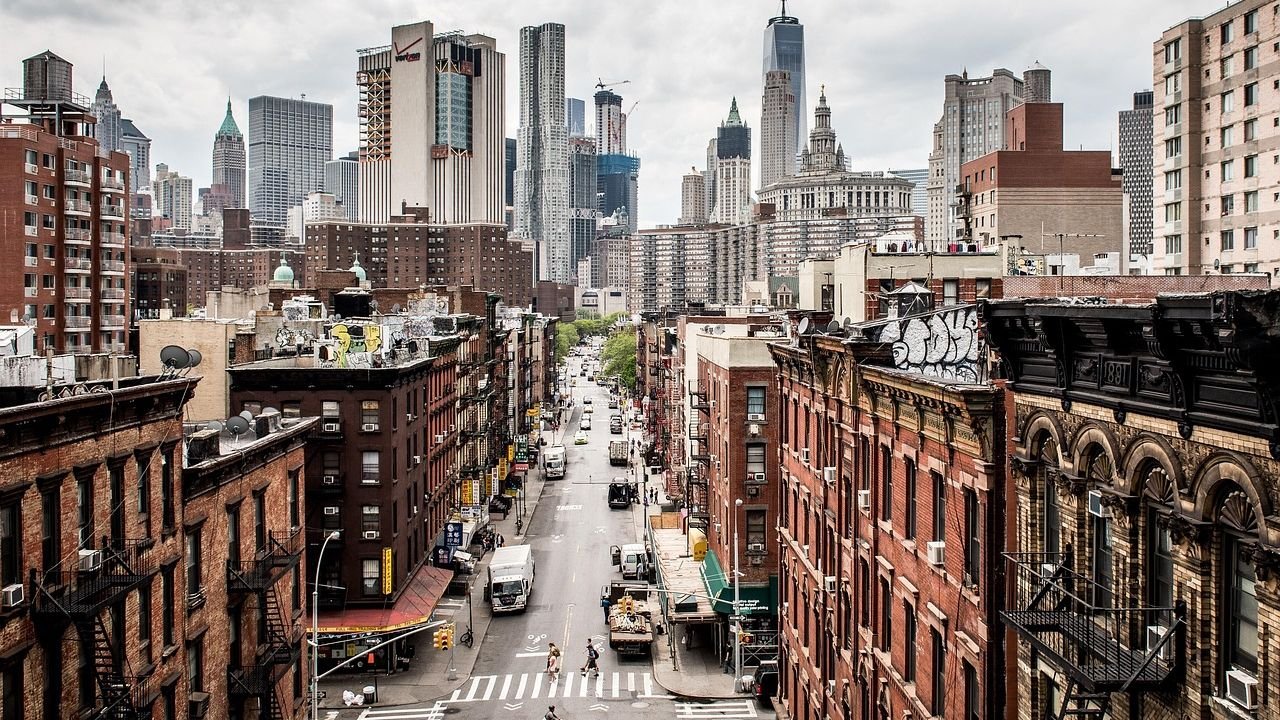
The streets of New York City have always been crowded, chaotic, and loud. Yet something shifted this past January. A new toll system arrived, changing the rules for anyone driving into the heart of Manhattan. Some cheered the change. Many did not.
Congestion pricing officially began on January 5, 2025, charging most motor vehicles entering the central business district area of Manhattan at or below 60th Street. It’s the first program of its kind in any major U.S. city. Some see it as a victory for cleaner air and smoother streets. Others see it as an unfair money grab that hits hardworking people the hardest.
The Basic Toll Structure – Who Gets Charged What
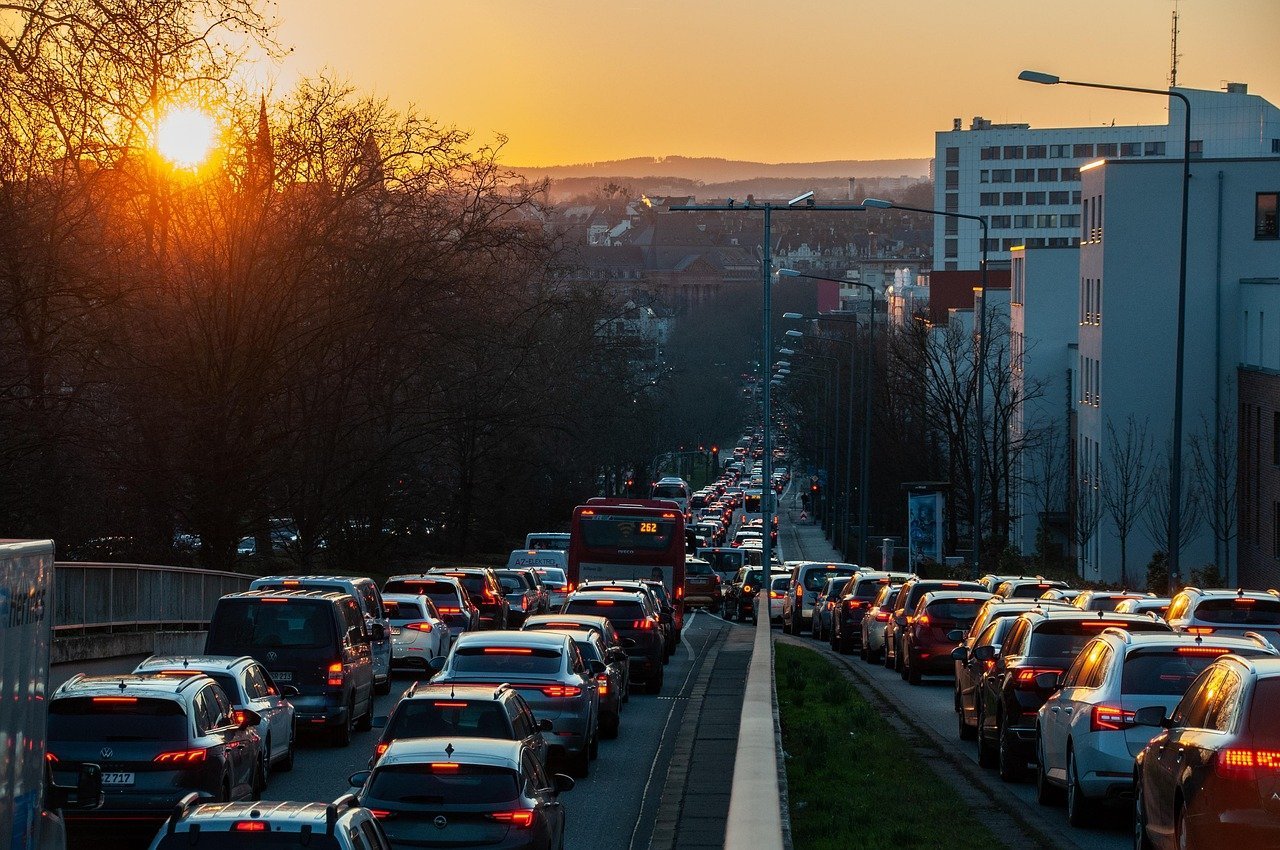
Let’s get real. If you’re driving a regular car into Lower Manhattan during business hours, you’ll pay $9 between 5:00 a.m. and 9:00 p.m. on weekdays and from 9:00 a.m. to 9:00 p.m. on weekends. Think that’s it? Not quite.
Passenger vehicles with E-ZPass pay $9 during peak periods and $2.25 overnight, while motorcycles pay $4.50 during the peak and $1.05 overnight. Meanwhile, small trucks pay $14.40 during peak hours, and large trucks or tour buses pay a steep $21.60. Honestly, it adds up fast.
Riders using taxis or Uber aren’t off the hook either. High-volume for-hire vehicles like Uber add a $1.50 per-trip charge, while taxis and black cars add $0.75. So even if you’re not driving yourself, you’re still paying.
New Jersey Commuters Feel the Pain Double
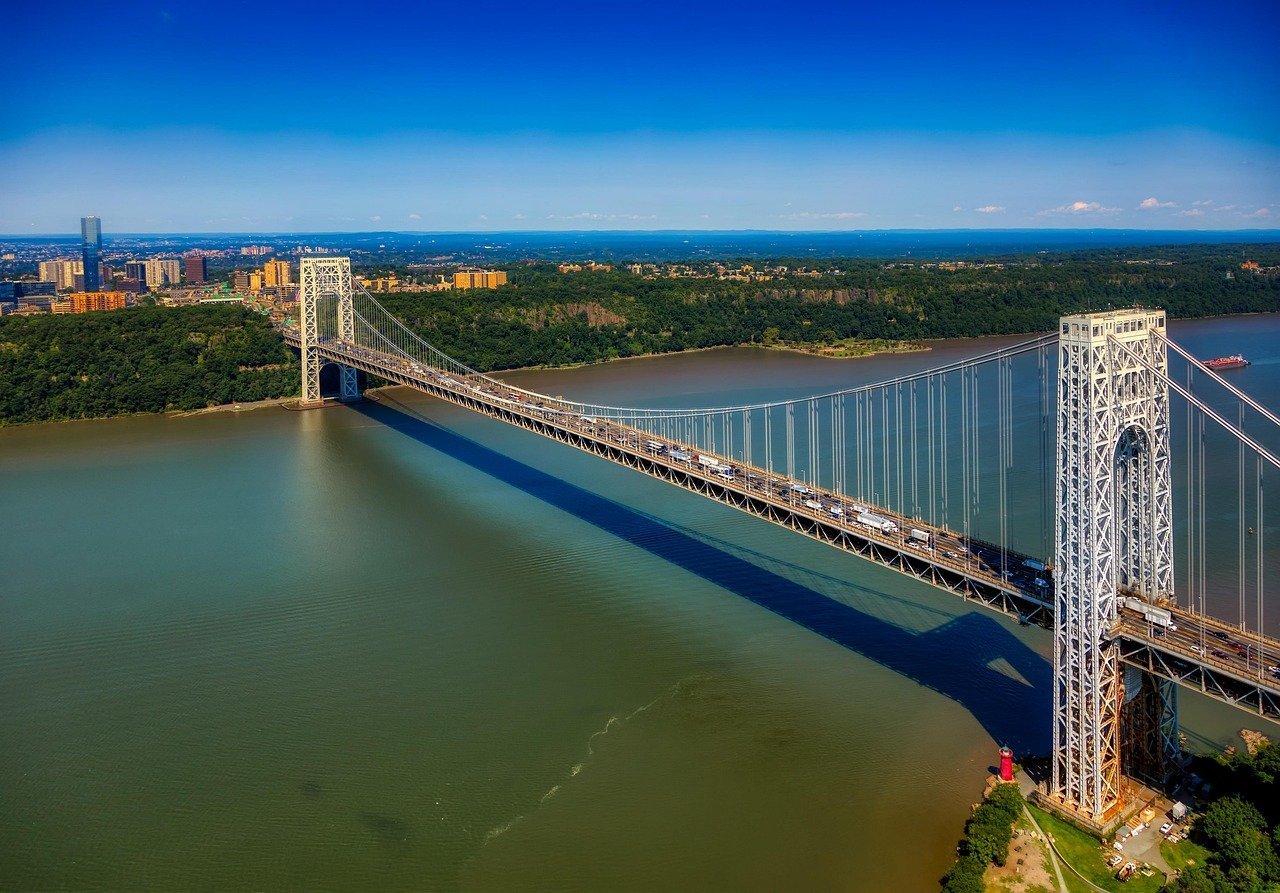
Here’s the thing. New Jersey drivers are getting slammed worse than almost anyone. The Port Authority raised bridge and tunnel tolls by 3% the same weekend congestion pricing launched, meaning a peak trip into Manhattan now costs $22.06 with E-ZPass. Add the congestion toll on top of that, and you’re looking at more than thirty bucks just to drive to work.
Congestion pricing is highly unpopular in New Jersey, where many suburban drivers feel they are being punished due to MTA mismanagement. Some commuters say they have no real choice. Buses and trains don’t always reach their neighborhoods. They need their cars to get to the city for work, and now they’re paying a premium for it.
Large Trucks and Commercial Vehicles Are Hit Hardest
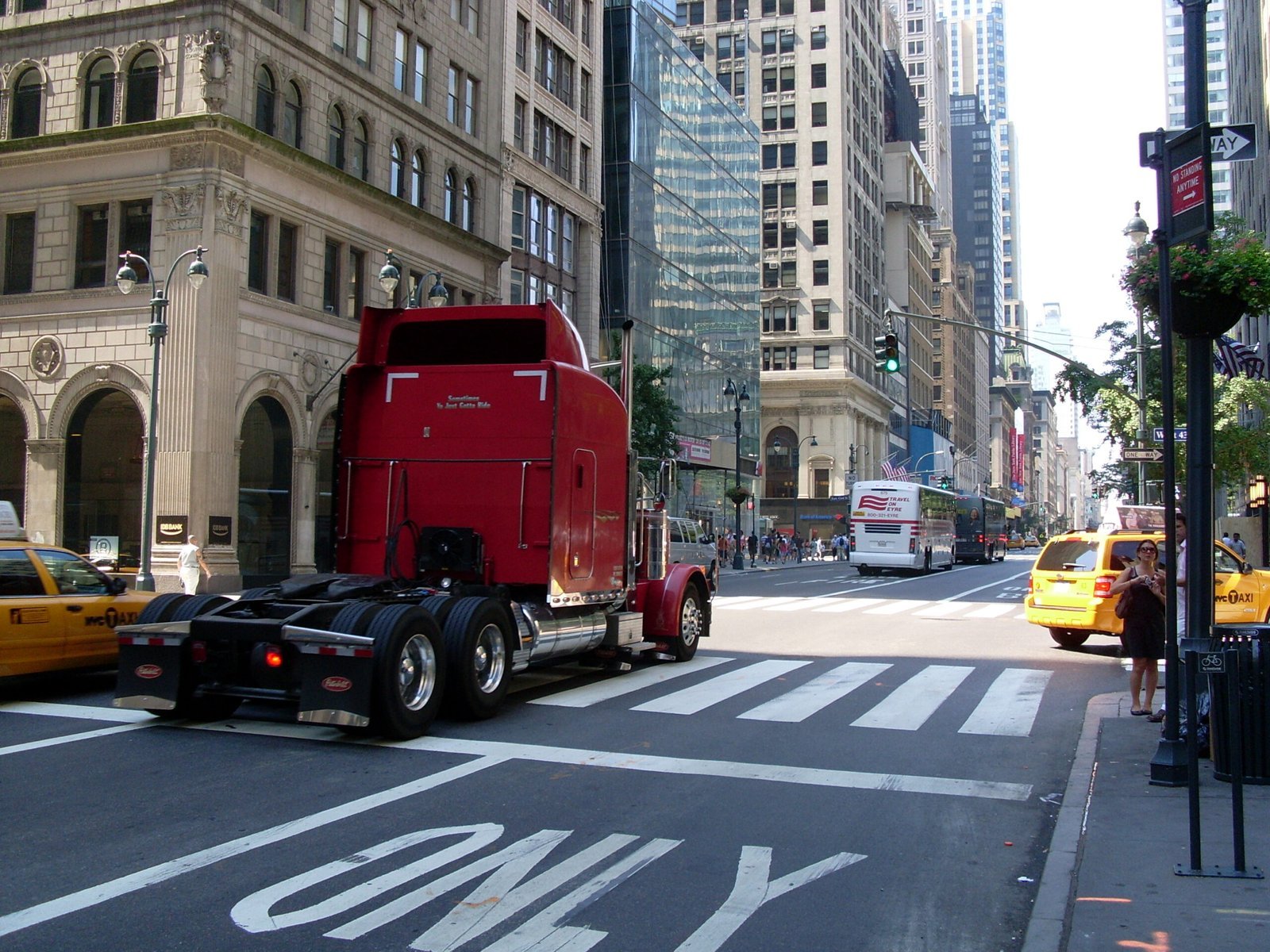
If you think your commute is expensive, imagine running a delivery business. Small trucks pay $14.40 during peak hours, while large trucks and tour buses pay $21.60. That’s per day, every day they enter the zone.
Those costs don’t just disappear. They get passed down. Food deliveries, construction materials, retail goods – everything that comes into Manhattan by truck now carries an extra fee. Opponents have raised concerns about inflationary effects potentially resulting from the higher tolls on trucks bringing in food and other goods for retail sale. Small business owners are worried their prices will rise, customers will shop elsewhere, and margins will shrink even further.
Drivers Without E-ZPass Pay Even More
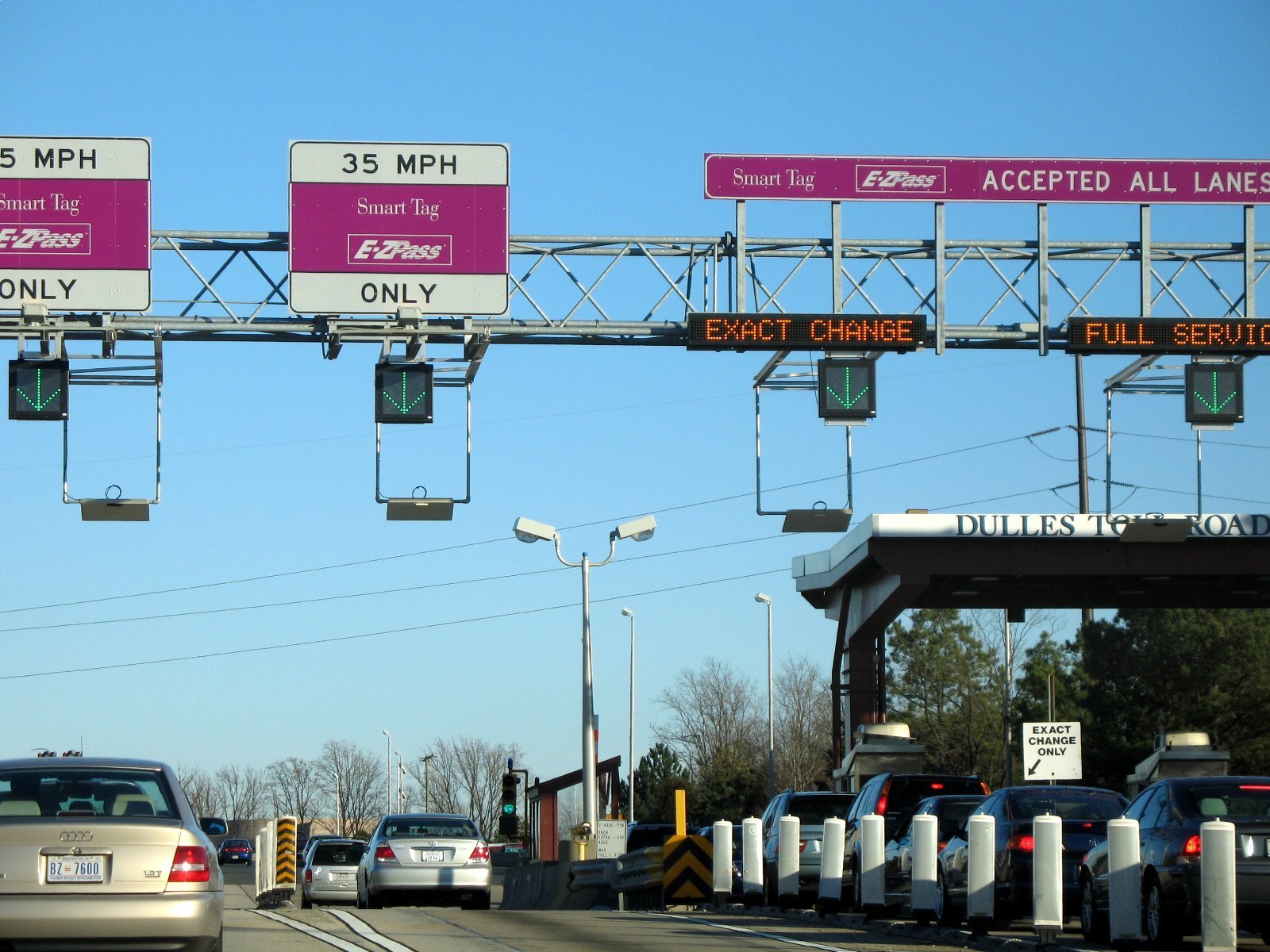
Don’t have an E-ZPass? You’re about to pay dearly for it. Vehicles without E-ZPass pay a 50% premium, meaning passenger cars pay $13.50 during peak hours instead of $9. That’s a huge difference.
Those without an E-ZPass tag receive a Tolls by Mail bill, which is more expensive and less convenient to pay. The system is designed to push everyone toward electronic tolling, but not everyone has easy access to sign up, link their plates, or manage an account online. For some drivers, especially older folks or those less familiar with technology, this creates another barrier.
Low-Income Drivers and the Discount Debate

There are some breaks available, but they’re limited. Eligible low-income drivers can enroll in discount plans. Zone residents meeting income criteria may receive tax rebates on tolls. Still, critics argue these exemptions don’t go far enough. Yet many critics argue these exemptions don’t go far enough. What about the single parent working two jobs in Queens who has to drive because the subway doesn’t run near their home? What about the home health aide who needs a car to visit multiple clients?
Suburban Commuters Feel Left Behind
The anger isn’t just coming from New Jersey. In the downstate suburbs, a majority of voters reportedly favor eliminating congestion pricing. These are people from Long Island, Westchester, and other areas who say they rely on cars because public transit options are scarce.
Opposition remains strong mainly in the New York suburbs and outer boroughs, with New York state Sen. Jack Martins backing a bill to repeal the law that authorized congestion pricing. It’s easy to see why. For many suburban drivers, the train doesn’t run frequently enough, parking at the station is expensive or full, and buses take twice as long as driving. So they feel trapped – forced to pay a toll they can’t afford to avoid.
Who Really Gets Hurt by This?
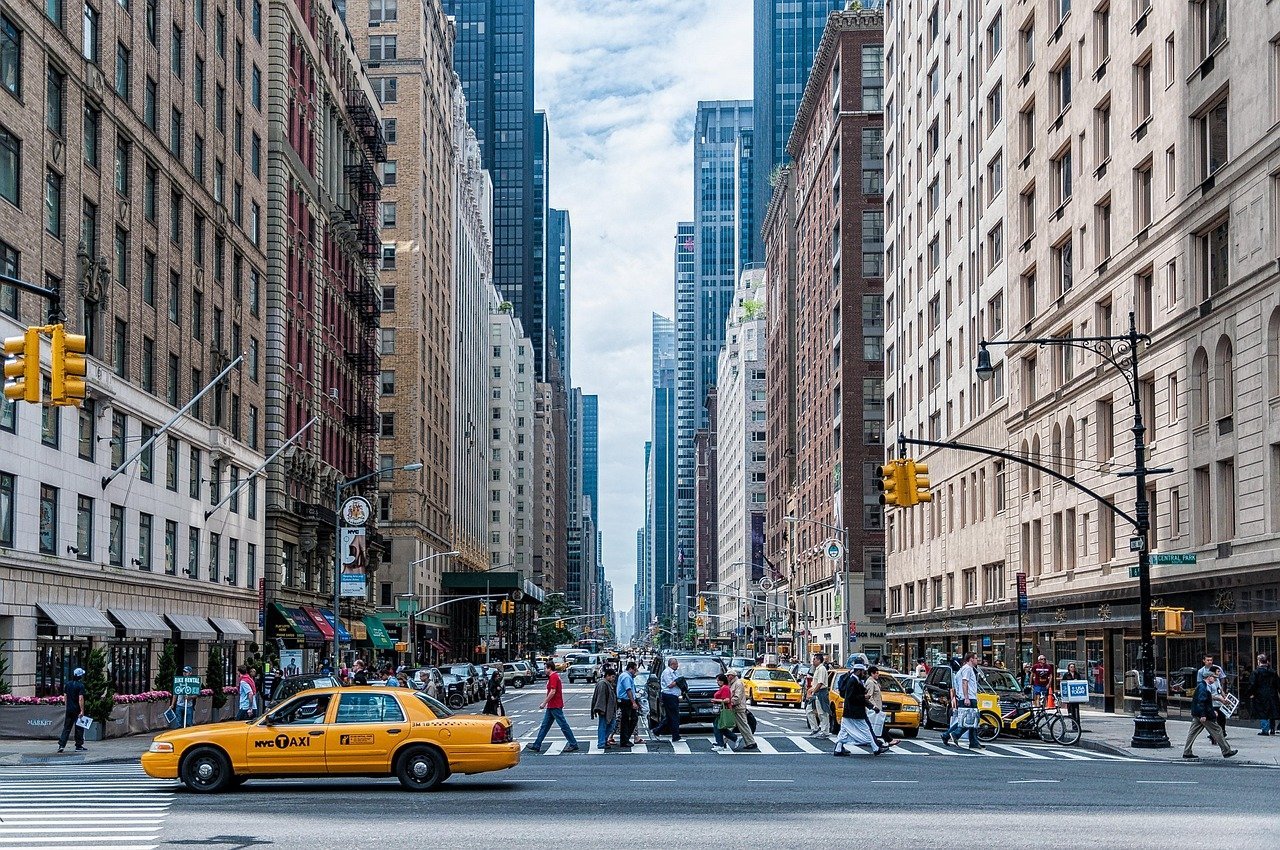
Let’s be honest. The people driving into Manhattan during the day aren’t usually low-income workers. Few residents in poverty from New York City’s outer boroughs drive into the zone for work, with most using public transportation.
Still, there are exceptions. Some people have disabilities that prevent them from using crowded subways. Others work odd hours when trains are less frequent or less safe. Drivers with disabilities or health conditions that prevent them from using mass transit can apply for a disability exemption, and vehicles carrying disabled people and certain low-income commuters also get a pass. Even so, applying for exemptions requires paperwork, proof, and time – luxuries not everyone has.
The Toll Keeps Rising
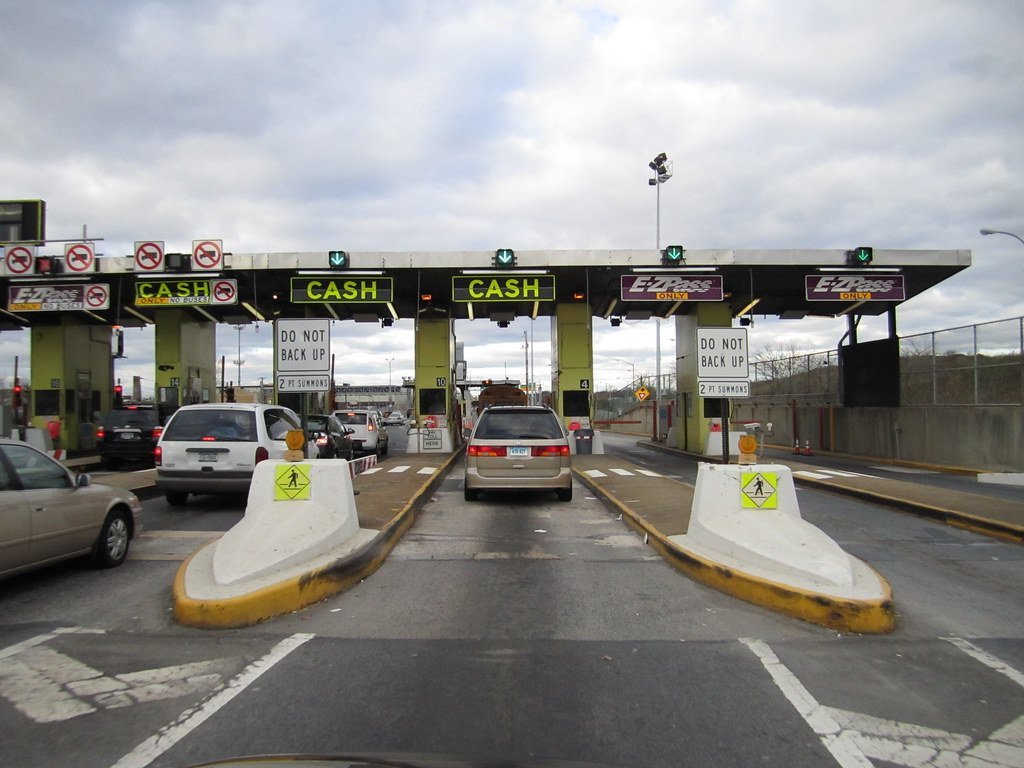
If you think $9 is bad, just wait. The MTA may adjust toll rates in the future. That’s the original price the MTA wanted to charge from the start. Governor Kathy Hochul paused a congestion pricing plan in June 2024, stating that $15 was too costly, then restarted it in December 2024 with a reduced base toll of $9.
So drivers are facing a temporary discount that won’t last. By 2031, the fee will be nearly double what it is now. That means more anger, more financial strain, and more pressure on families already stretched thin.
Public Opinion Is Shifting, But Not Everywhere
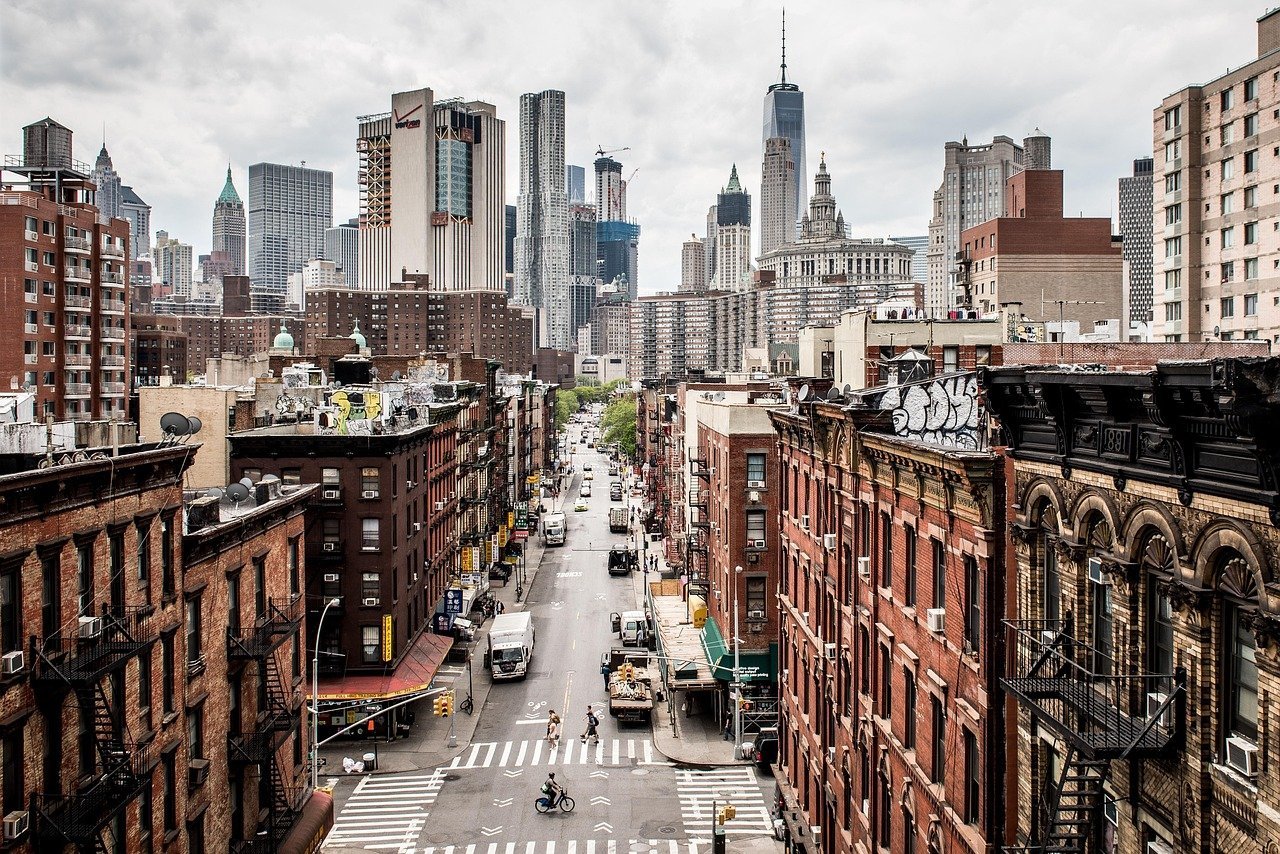
Interestingly, opinions about congestion pricing are changing. Public opinion about congestion pricing has shifted toward greater support among New York City voters. People are seeing benefits – less traffic, cleaner air, faster buses.
While New York City voters have grown more supportive, opposition remains strong in the downstate suburbs. So while city residents are warming up to the idea, suburban and out-of-state commuters remain deeply opposed. The divide is real, and it’s not going away anytime soon.
Will It Even Survive?

Here’s where it gets messy. President Trump vowed to kill the plan as soon as he took office, and the program has faced opposition from the Trump administration. However, it remains in effect. Governor Hochul has vowed to keep the program going. Its long-term future remains a topic of debate.
Where Does the Money Go?
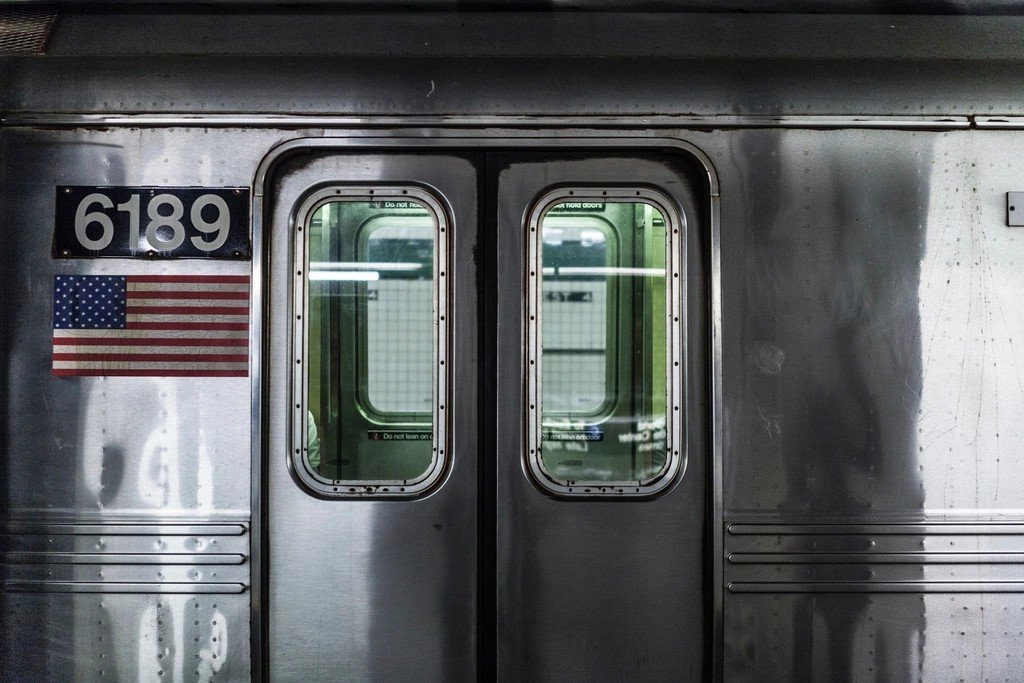
Supporters say the revenue is desperately needed. The Metropolitan Transportation Authority estimates $15 billion in available capital will be generated by bonding revenues from the tolls, which will fund repairs and improvements to the subway, bus, and commuter rail systems. That includes new train signals, electric buses, elevators, and the expansion of the Second Avenue subway.
Governor Hochul announced that the MTA will be tapping $1.75 billion from the new tolling charges to modernize the subway system. If the money actually goes toward making transit better, faster, and more reliable, then maybe more people will choose the subway over their cars. That’s the hope, anyway. Time will tell if the MTA can deliver.
The reality is that New York drivers are split. Some are furious, feeling squeezed by yet another tax. Others see it as a necessary step toward a cleaner, less congested city. Either way, the people paying the most – trucks, New Jersey commuters, and those without E-ZPass – are the ones feeling the sharpest sting. Did you expect the divide to be this intense?