
There’s something in the air across New York City this January, and it’s not just the usual winter chill. A collection of new laws and regulations has quietly rolled into effect, catching many residents off guard. Some changes are already impacting wallets, work schedules, and daily routines in ways that most people didn’t see coming. While lawmakers have been discussing these measures for months, the reality is hitting home now that the calendar has flipped.
Most New Yorkers spent the holidays celebrating and planning for the year ahead, unaware that when they returned to work or opened their next paycheck, things would look different. From higher wages to new consumer protections, from expanded sick leave to stricter traffic penalties, these shifts are fundamentally altering how the city operates. Let’s dig into what’s actually changed and what it means for you.
Your Paycheck Just Got a Little Bigger
Beginning January 1, 2026, New York State’s minimum wage increased to $17.00 per hour in New York City, Westchester, and Long Island, and $16.00 per hour in the rest of the state. For workers who’ve been scraping by on lower wages, this increase represents more than just fifty extra cents. It’s the difference between affording groceries for the week or skipping meals. The adjustment affects everyone from fast food employees to nail salon workers, ensuring that tipped workers also receive at least this baseline amount.
The timing couldn’t be more critical for struggling families trying to keep up with the city’s notoriously high cost of living. Rent continues climbing, subway fares never seem to stop increasing, and a simple cup of coffee now costs what a full meal used to. This wage bump is tied to inflation indexing, which means future increases should happen automatically rather than requiring new legislation each time. Beginning in 2027, the minimum wage will adjust annually based on the Consumer Price Index for the Northeast Region, unless certain economic conditions trigger an off-ramp.
Still, some small business owners worry about how they’ll absorb these higher labor costs. The debate over whether wage increases help or hurt local economies never really ends. What’s undeniable is that thousands of workers across the five boroughs started this year with more money in their pockets, and that changes household budgets in real, tangible ways.
Middle Class Families Are Seeing Tax Relief
Beginning January 1, 2026, a middle class tax cut will deliver nearly $1 billion in tax relief to more than 8.3 million New Yorkers. This isn’t some abstract policy change buried in government paperwork. It’s actual money that families will keep instead of sending to Albany. The relief applies to households earning up to a certain threshold, putting hundreds of dollars back into the average family’s annual budget.
Tax season always brings a mix of dread and hope for New Yorkers. People spend weeks gathering receipts, hiring accountants, or nervously navigating software trying to maximize their returns. This year, millions will discover they owe less or receive bigger refunds than expected. When fully phased in, the middle class tax cut will deliver hundreds of dollars in average savings to nearly 77 percent of filers, representing three out of every four taxpayers.
The state is also proposing additional relief for tipped workers, though that legislation is still being finalized. In her upcoming FY2027 Executive Budget proposal, Governor Hochul will put forth legislation that eliminates state income taxes on up to $25,000 of tipped income in tax year 2026. If passed, this would mean servers, bartenders, and delivery workers could keep significantly more of what they earn. It’s hard to say for sure how quickly this will happen, but the momentum seems to be building.
Parents Are Getting More Financial Support for Their Kids

Governor Hochul continued her efforts to expand New York’s child tax credit, providing critical financial support for more than 2.75 million children statewide. This latest expansion doubled or in many cases, tripled the current credit, offering up to $1,000 annually per child under four and up to $500 per child aged four to 16. For families struggling with childcare costs, diapers, formula, and everything else that comes with raising kids in an expensive city, this expansion feels like a lifeline.
Anyone who’s raised children in New York City knows it’s brutally expensive. Daycare alone can cost more than rent in some other states. Groceries disappear faster than you can restock them. School supplies, clothes that kids outgrow every few months, medical expenses, the list never ends. An extra thousand dollars per young child doesn’t solve everything, but it absolutely makes a difference when you’re calculating whether you can afford winter coats or have to wait another month.
What makes this change particularly significant is how it stacks with other new benefits. Combined with the minimum wage increase and tax cuts, working families are experiencing multiple forms of relief simultaneously. It’s like the government finally recognized that one small adjustment here or there wasn’t cutting it anymore. The cumulative effect could actually help families get ahead rather than just barely keeping up.
Sick Leave Just Got a Major Upgrade
Starting Feb. 22, employers in New York City will be required to provide workers with 32 hours of unpaid safe/sick time, in addition to paid safe/sick time. The new time off will be available upon hiring and at the start of each new benefit year. This represents a fundamental shift in how the city thinks about worker protections. Previously, many employees burned through their limited paid time off and then faced impossible choices between going to work sick or losing income.
The expanded sick leave covers more situations than before, too. Uses of sick and safe time will expand to include public disasters that trigger business closures, school or child care closures, and directives to remain indoors that prevent employers from reporting to work, as well as workplace violence, care for a minor child or care recipient, and attendance at certain proceedings. Remember when schools shut down during extreme weather and parents had to scramble for childcare? Now they can use this protected time without fear of retaliation.
Let’s be real, the unpaid aspect isn’t ideal for everyone. Workers living paycheck to paycheck would obviously prefer all time off to be paid. However, having the option to take time without getting fired is still better than the alternative many faced before. It provides a safety net for emergencies, illness, and family obligations that previously forced people to choose between their job and their health or loved ones.
Online Shopping Just Got More Transparent

A new law will make it easier for consumers to cancel online subscriptions they don’t want anymore. Online retailers will be required to post their return and refund policies publicly. If you’ve ever tried canceling a streaming service or gym membership only to get trapped in an endless loop of customer service nightmares, you’ll appreciate this change. Companies can no longer bury cancellation options seventeen clicks deep in their websites or force you to call during impossibly narrow business hours.
The state is also cracking down on something called surveillance pricing. Officials are addressing “surveillance pricing,” or how retailers use customer data to set prices. Dubbed General Business Law 349-a, it is designed to help consumers make the most of their purchasing power. This means companies can’t charge you more just because their algorithms determined you’d probably pay it based on your browsing history or purchase patterns.
These consumer protection measures might sound boring compared to tax cuts or wage increases, but they add up over time. How many subscriptions are you paying for right now that you forgot to cancel? How often have you been frustrated by unclear return policies or felt like you were being charged more than other people for the same product? These small irritations drain hundreds or thousands of dollars from households annually. Fixing them matters more than people realize.
Delivery Workers Are Finally Getting Better Treatment
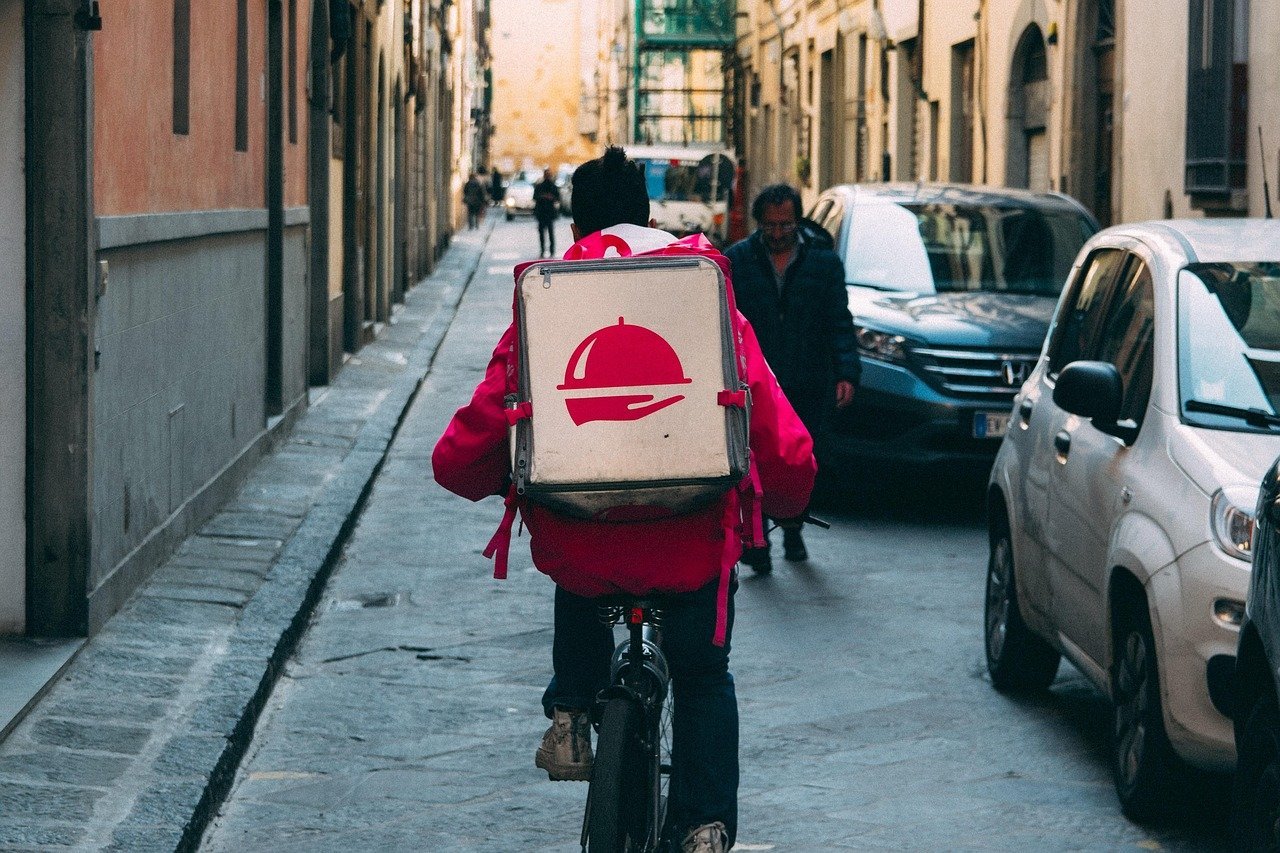
Third-party food and grocery delivery platforms must begin offering customers a gratuity option before or at the time an online order is placed starting Jan. 26, 2026. Apps like Uber Eats and Instacart must include a gratuity option of at least 10% of the purchase price on every order as of January 26, 2026. This might seem like a small technical change, but it fundamentally alters how delivery workers get compensated. Previously, tipping was often buried or optional in ways that resulted in workers receiving far less than they deserved.
Anyone who orders food delivery regularly has probably noticed the army of cyclists navigating traffic in all weather conditions to bring meals across the city. These workers risk their safety daily, often for minimal pay and no benefits. Delivery companies will be required on Jan. 26, 2026, to pay contracted delivery workers within seven days after a pay period and provide detailed written pay statements explaining how compensation was calculated. Transparency in pay and faster payment schedules mean workers can actually budget and plan their finances instead of wondering when or how much they’ll get paid.
The new rules also establish safety requirements for the electric bikes many delivery workers rely on. It’s about time someone paid attention to the conditions these essential workers face. During the pandemic, they kept the city fed while risking exposure and navigating empty streets. Now they’re ensuring busy professionals get dinner and families can order groceries without leaving home. Treating them fairly shouldn’t be revolutionary, but here we are.
Driving in New York Just Got Riskier for Your License
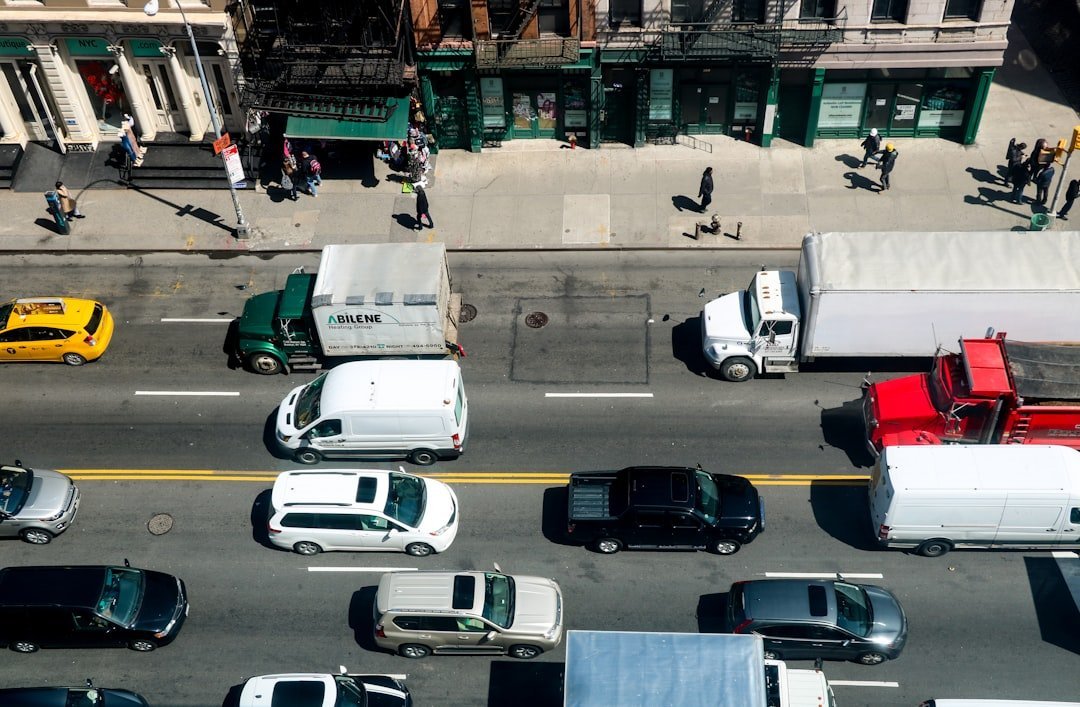
New York will implement stricter penalties for traffic violations starting Feb. 2026. The license suspension threshold will shift from 11 points in 18 months to 10 points in two years. If you drive in New York City, which honestly most residents try to avoid given the nightmare of parking and traffic, you need to pay closer attention to how you’re operating your vehicle. The state isn’t playing around anymore with reckless driving or distracted behavior behind the wheel.
Speeding up to 10 mph over the limit will rise from 3 to 4 points, cell phone violations from 5 to 6 points, and reckless driving from 5 to 8 points. Additional violations that previously carried no points will now be penalized, including 1 point for broken headlights or taillights and 2 points for illegal U-turns. These aren’t just arbitrary number changes. They represent a deliberate effort to make roads safer by imposing real consequences for dangerous behavior.
I know it sounds crazy, but maybe this will actually make a difference. New York streets are chaotic on the best days, with pedestrians, cyclists, cars, buses, and trucks all competing for the same limited space. Accidents happen constantly, and too many result in serious injuries or deaths. If stricter point systems convince even a fraction of drivers to put down their phones or slow down in school zones, that’s lives saved. Your license might be at greater risk, but everyone’s physical safety improves.
Street Vendors Are Getting Decriminalized
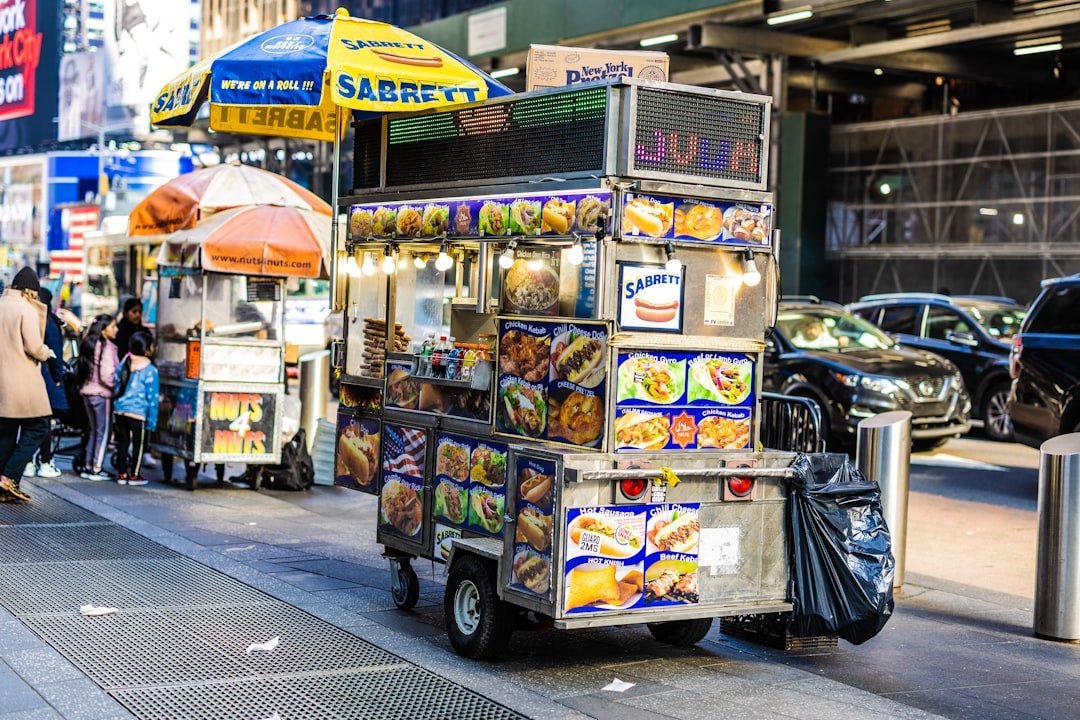
The city will end misdemeanor criminal penalties for general vendors and mobile food vendors on March 9, 2026. Instead, operating without a license or violating other street-vending rules will result in fines or civil penalties, not criminal charges. This represents a massive shift in how New York treats the immigrant workers and small entrepreneurs who sell everything from hot dogs to handmade crafts on city sidewalks. For decades, these vendors faced the threat of arrest and criminal records for trying to make a living.
Criminalizing street vending never made sense from a public safety perspective. These aren’t dangerous criminals, they’re people trying to feed their families and contribute to the city’s vibrant street culture. Giving someone a criminal record for selling fruit or scarves creates barriers to future employment and housing while doing nothing to address legitimate concerns about vendor regulations. Civil penalties allow the city to maintain order without destroying lives.
Walk through any neighborhood in New York and you’ll see the impact vendors have on the city’s character. They provide affordable food options, unique merchandise, and convenient services that residents depend on. They also create jobs and economic activity in communities that often lack other opportunities. Treating them with dignity rather than as criminals is long overdue. This change won’t solve all the challenges vendors face, but it removes one significant threat they’ve lived with for too long.
Employment Discrimination Rules Just Got Tougher

On December 19, 2025, Governor Hochul signed legislation that took effect immediately. The bill amends the New York State Human Rights Law (NYSHRL) by codifying the disparate impact theory of discrimination. The new law establishes that “an unlawful discriminatory practice may be established by a practice’s discriminatory effect, even if such practice was not motivated by a discriminatory intent.” This might sound like legal jargon, but it fundamentally changes how discrimination cases work in New York.
Previously, proving discrimination often required showing that an employer intentionally treated someone differently because of their race, gender, age, or other protected characteristic. That’s incredibly difficult to prove because most discrimination today is subtle rather than overt. If a practice has a discriminatory effect where it actually or predictably results in an adverse employment action against a protected group or person, absent any intent by the employer, a showing of this practice’s discriminatory effect is enough to preliminarily establish unlawful discrimination.
What does this mean in practice? Imagine a company has a policy that seems neutral on its face but disproportionately harms women or people of color. Maybe they require all employees to work certain hours that conflict with religious observances, or they use screening criteria that exclude candidates from particular neighborhoods. Even without proving the company intended to discriminate, workers can now challenge these policies based on their discriminatory impact. It levels the playing field in ways that should make workplaces more equitable across the board.
Credit Checks for Jobs Are Getting Restricted

In 2026, New York State will join New York City and significantly restrict employers from requesting or using the consumer credit histories of applicants or employees for employment purposes. This change takes effect in April and addresses a practice that has trapped many qualified workers in cycles of unemployment. The logic was always circular: you can’t get a job because your credit is bad, but your credit is bad because you can’t get a job.
Credit scores measure financial history, not job competency. Someone who experienced medical debt, a divorce, or a period of unemployment shouldn’t be permanently barred from working because of their credit report. The enactment defines “consumer credit history” to include written and other information obtained through consumer credit reports or credit scores, or other information obtained directly from the applicant or employee: detailing credit accounts or bankruptcies, liens or judgments. Consumer credit reports include any communication by a consumer reporting agency bearing on an individual’s creditworthiness, credit standing, credit capacity, or credit history.
There are exceptions for certain positions where financial history might legitimately matter, such as roles handling large amounts of money or sensitive financial information. However, for the vast majority of jobs, your ability to do the work has nothing to do with whether you paid off your credit card last month. This restriction removes an arbitrary barrier that kept talented people unemployed while employers complained they couldn’t find qualified workers. It’s a win for common sense and fairness.
What This All Means for Your Daily Life

These changes aren’t happening in isolation. They represent a coordinated effort to address affordability, worker rights, consumer protection, and equity across New York City. Some residents will benefit from multiple changes simultaneously, particularly working families who’ll see higher wages, tax relief, expanded childcare credits, and better sick leave protections all at once. The cumulative impact could be genuinely transformative for households that have been struggling.
However, not everyone is celebrating. Business owners, particularly small shops and restaurants operating on thin margins, worry about absorbing higher labor costs and compliance expenses. Some drivers are frustrated by stricter traffic penalties. The debate over whether these changes help or hurt the city’s economy will continue for years. What’s clear is that the landscape has shifted dramatically in just the first week of 2026.
Adapting to new rules always takes time. Employers are scrambling to update payroll systems, sick leave policies, and hiring practices. Workers are learning about their expanded rights and protections. Consumers are discovering new tools to cancel subscriptions and understand pricing. The initial confusion and adjustment period is normal, but eventually these changes will become the new baseline for how New York operates.
The question now is whether these measures will deliver the intended benefits. Will higher minimum wages actually improve quality of life, or will they trigger inflation that cancels out the gains? Will expanded sick leave make workers healthier and more productive, or will it burden businesses beyond what they can sustain? Will consumer protections genuinely save people money, or will companies find new ways around the rules? We’ll only know the answers as these policies play out over the coming months and years.
Looking Ahead to More Changes

Here’s the thing, what we’ve seen so far in January 2026 is just the beginning. More changes are scheduled to take effect throughout the year, from additional workplace protections in February to consumer safety requirements later in the spring. The city and state governments have signaled that addressing affordability and worker rights remains a top priority, which means residents should expect continued evolution in how New York operates.
Universal child care for every child in New York City over the age of six months is being discussed as a priority, with Governor Hochul saying the issue is a priority for 2026 that she wants to enact it statewide. If this actually happens, it would fundamentally alter the landscape for working parents who currently spend enormous percentages of their income on childcare. The estimated cost is massive, though, which means funding fights and political battles ahead.
Housing policy is also evolving rapidly. In just four years, the Adams administration made changes to the zoning laws that could produce about 130,000 new housing units amid the city’s housing crisis. Whether those units actually get built and who can afford them remains to be seen. The tension between creating more housing and preserving neighborhood character continues dividing communities across all five boroughs.
Climate policy, transportation infrastructure, public safety, education funding, so many issues are in flux right now. New York is a city in transition, grappling with how to remain livable and affordable while addressing decades of accumulated problems. The changes we’re seeing in early 2026 reflect attempts to course-correct, but whether they’re sufficient or well-designed enough to work is genuinely uncertain.
What’s undeniable is that New York City residents are living through a period of significant transformation. Some changes will improve daily life in meaningful ways. Others might create new problems or fail to deliver on their promises. The only constant is that more adjustments are coming, and staying informed about what’s changing and how it affects you has never been more important. Did you know about all these changes before they took effect, or were you caught by surprise like so many other New Yorkers? What do you think about these new rules? Share your thoughts in the comments below.