
For any feedback please reach out to info@festivalinside.com
- Senator Hawley Targets Minnesota AG Keith Ellison in Explosive Somali Fraud Exposé - February 26, 2026
- Bill Gates Comes Clean: Rare Apology for Epstein Ties and Extramarital Affairs Shocks the World - February 26, 2026
- Ohio Home Health Firm Draws Fire Over $1.2 Million PPP Windfall With No Digital Trail - February 26, 2026
Stepping into the world of nonfiction can feel a bit overwhelming at first. Fiction has its own rhythm, its own escape, while nonfiction demands something different from us. It asks us to engage with the real world, to grapple with actual events, actual people, and ideas that matter beyond the page. Here’s the thing, though: nonfiction can be just as gripping, just as addictive as any novel you’ve ever devoured. The trick is knowing where to start. Think of this list as your roadmap into a vast, fascinating territory where every book opens a door to understanding something new about the world or yourself.
Whether you’re curious about history, science, personal growth, or just want a memoir that reads like a thriller, there’s a nonfiction book out there calling your name. Let’s dive in.
Educated by Tara Westover
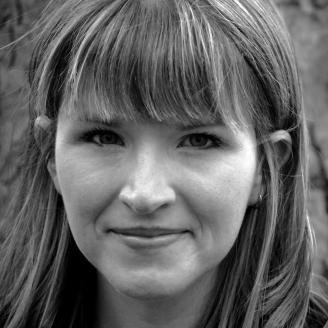
If you’re looking for a memoir that will absolutely floor you, this is it. Tara Westover’s story of growing up in a survivalist family in rural Idaho and eventually earning a PhD from Cambridge has captivated millions of readers worldwide. The book follows Westover’s journey from a childhood without formal education to the hallowed halls of academia. What makes this memoir so powerful is the way Westover writes about transformation, resilience, and the painful process of breaking away from the only world you’ve ever known. You’ll find yourself racing through pages, often unable to believe what you’re reading actually happened. The writing is clear and honest, never melodramatic despite the shocking nature of many events. This book proves that sometimes reality truly is stranger than fiction, yet it’s told with such skill that it never feels sensational.
Sapiens: A Brief History of Humankind by Yuval Noah Harari
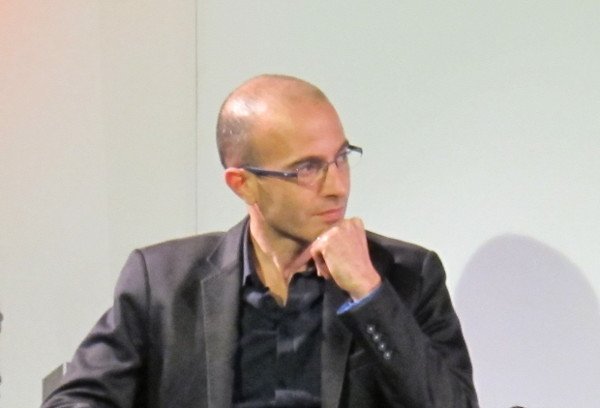
Here’s a book that makes you rethink everything you thought you knew about humanity. Harari takes readers on a journey through the entire history of our species, from our earliest days as insignificant animals to our current position as the dominant force on the planet. What’s remarkable about this book is how Harari manages to condense thousands of years of history into a readable, engaging narrative that never feels like a textbook. He asks big questions about why we developed agriculture, how myths and stories shaped civilizations, and what might happen to us in the future. The scope is massive, yet the writing remains accessible. Some of his theories might make you uncomfortable or even angry, which honestly means the book is doing its job. It’s the kind of nonfiction that sparks endless conversations and fundamentally changes how you see human society.
The Immortal Life of Henrietta Lacks by Rebecca Skloot
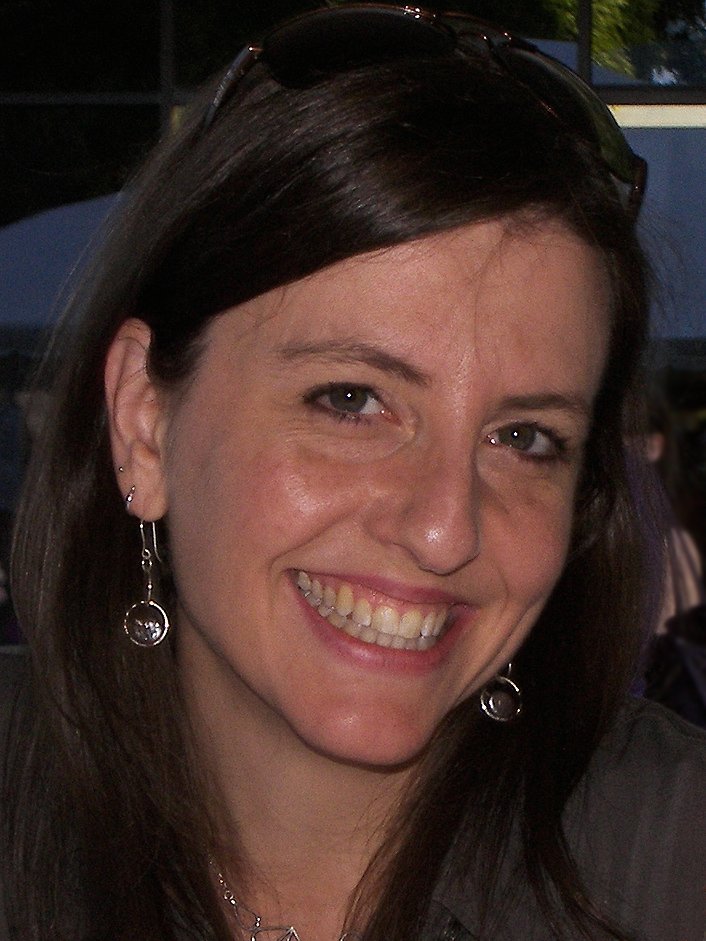
Her name was Henrietta Lacks, but scientists know her as HeLa. She was a poor Southern tobacco farmer who worked the same land as her slave ancestors, yet her cells became one of the most important tools in medicine. Skloot weaves together science, history, and biography in a way that feels completely natural. The book explores medical ethics, racial injustice, and the human cost of scientific advancement. What’s brilliant here is how Skloot spent years building relationships with Lacks’ family, giving voice to people who had been ignored by the scientific establishment for decades. The narrative moves between past and present, scientific explanation and human drama, creating something that feels urgent and necessary. You don’t need any science background to understand this book, yet you’ll come away with a deeper appreciation for both medical research and the people whose stories get erased in the name of progress.
Born a Crime by Trevor Noah
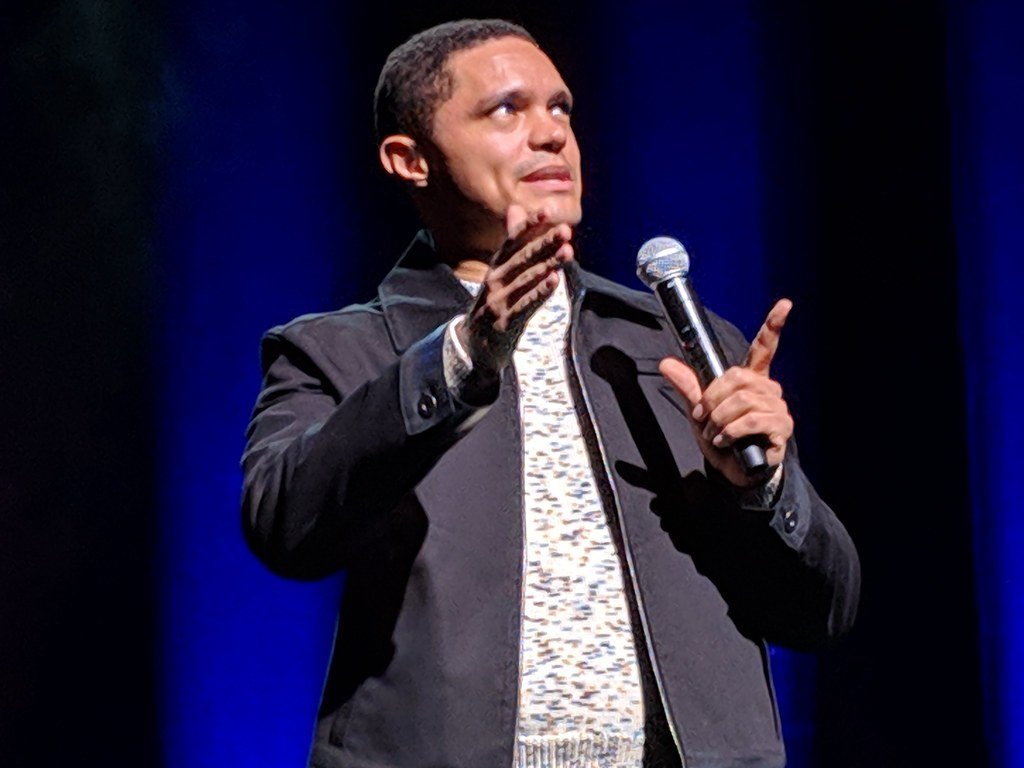
Trevor Noah’s memoir is deceptively light in tone while tackling incredibly heavy subject matter. This story of growing up in apartheid South Africa has resonated with readers around the world. The title refers to the fact that Noah’s very existence as the child of a white father and Black mother was illegal under apartheid law. Yet Noah tells his story with humor, warmth, and an eye for the absurd contradictions of a racist system. His mother emerges as one of the most compelling characters you’ll encounter in any book, fiction or nonfiction. The writing is conversational and funny, making you laugh out loud even as you’re learning about a brutal period in history. This is nonfiction that entertains while it educates, proving that serious subjects don’t always require serious prose. It’s an excellent gateway book for anyone who thinks memoirs are boring.
The Devil in the White City by Erik Larson
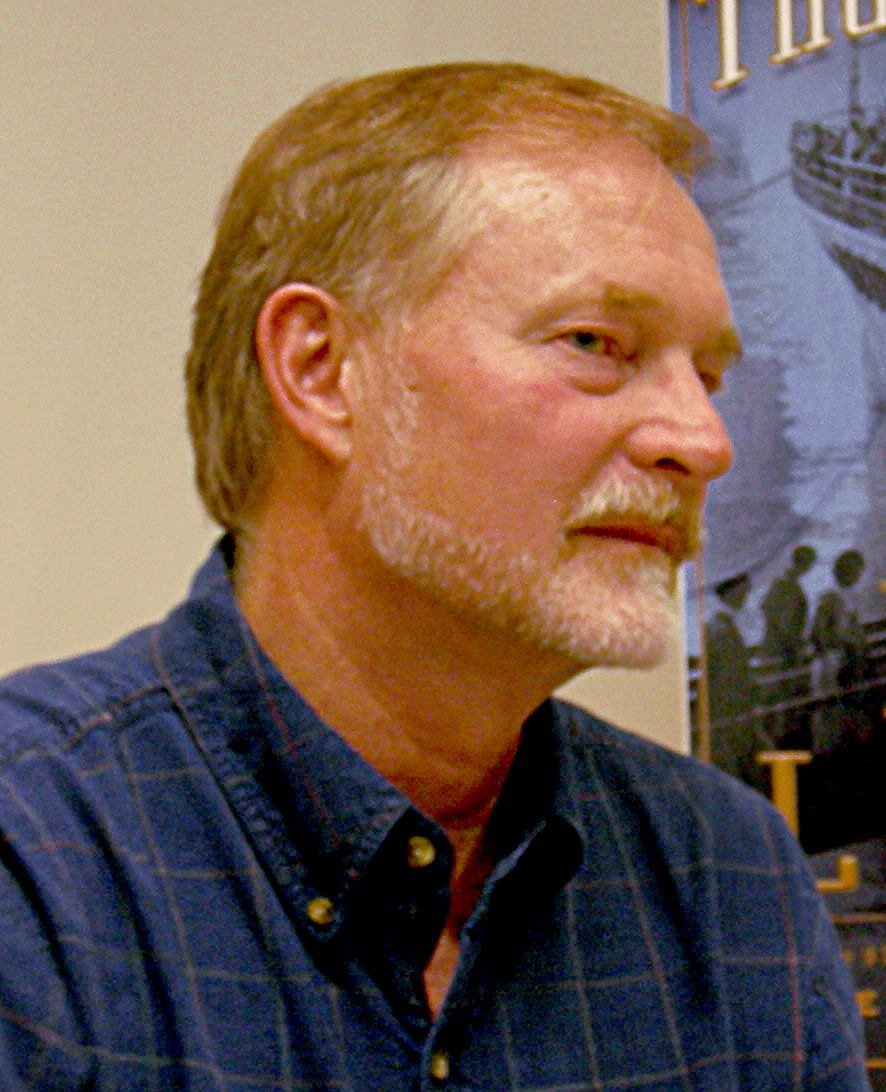
The 1893 Chicago World’s Fair was the stage for feats of architectural wonder as well as diabolical acts of crime. Serial killer H.H. Holmes used the Fair as a chance to lure victims to a hotel he outfitted for his cruel acts. Larson blends historical nonfiction with artistic license in this tale. This book reads like a thriller, alternating between the story of the fair’s construction and Holmes’ murders. Larson has a gift for making historical figures come alive on the page and for building tension even when you already know how events unfold. The level of detail about the World’s Fair itself is fascinating, transporting you to a pivotal moment in American history. What sets this apart from other true crime books is the dual narrative structure and the way Larson connects individual stories to larger historical forces. You’ll learn about architecture, urban planning, and the birth of modern America while being utterly gripped by a murder mystery.
Quiet: The Power of Introverts by Susan Cain

This exploration of introversion has found a massive audience since its publication. Cain argues that Western culture has a bias toward extroversion, valuing gregariousness and constant social interaction while overlooking the strengths of quieter, more reflective people. Whether you’re an introvert yourself or just want to understand them better, this book is revelatory. Cain combines personal stories, scientific research, and cultural analysis to make her case. The writing is warm and inclusive, never preachy or defensive. You’ll recognize yourself or people you know in these pages, and you’ll come away with a better understanding of how personality shapes our lives. This is the kind of nonfiction that gives you language to describe experiences you’ve always had but never quite articulated.
Into Thin Air by Jon Krakauer
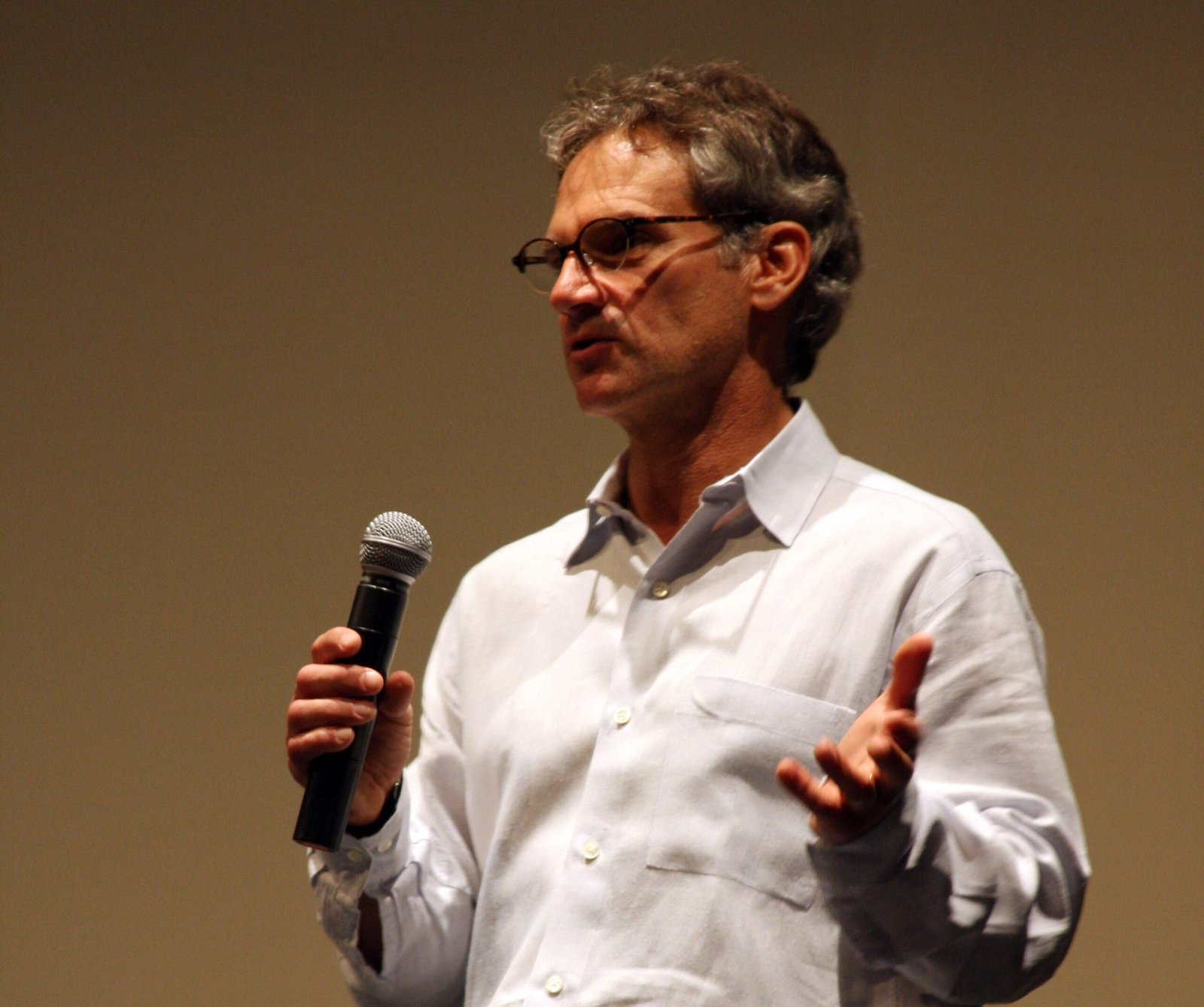
This firsthand account of the 1996 Mount Everest disaster is both beautiful and devastating. Krakauer was on the mountain as a journalist when a storm killed eight climbers in a single day. The book raises profound questions about adventure, risk, and the commercialization of extreme sports. Krakauer’s writing is vivid and immediate, making you feel the cold, the exhaustion, and the terror of being caught in a deadly storm at extreme altitude. He doesn’t shy away from examining his own decisions and the ethical complexities of the situation. The pacing is relentless, building toward the disaster with a sense of impending doom. Even knowing the outcome, you’ll find yourself unable to put the book down. This is narrative nonfiction at its finest, proving that true stories can be as suspenseful as any thriller.
Thinking, Fast and Slow by Daniel Kahneman

This examination of human decision making and cognitive biases has become essential reading. Kahneman, a Nobel Prize winner in economics, explains how our minds work using two systems: the fast, intuitive thinking that guides most of our daily decisions, and the slower, more deliberate thinking we use for complex problems. The book is packed with insights about why we make the choices we do and why we’re so often wrong about our own certainty. Some sections are more technical than others, honestly, but the core ideas are accessible and immediately applicable to everyday life. You’ll start noticing cognitive biases everywhere once you’ve read this book. It’s the kind of nonfiction that fundamentally changes how you think about thinking itself, which is both exciting and slightly unsettling.
When Breath Becomes Air by Paul Kalanithi

This memoir by a neurosurgeon facing terminal cancer is devastating and beautiful in equal measure. Kalanithi writes about confronting mortality just as his career is taking off, exploring questions of meaning, identity, and what makes life worth living. The prose is literary and philosophical without being pretentious. What makes this book so powerful is Kalanithi’s unique perspective as both doctor and patient, understanding death from both sides. He wrestles with big questions about purpose and legacy, writing with urgency because he knows his time is limited. It’s a short book, which somehow makes it even more poignant. You’ll finish it in one or two sittings, likely with tears streaming down your face. Fair warning, this one hits hard, but it’s the kind of book that stays with you long after you’ve closed it.
Bad Blood by John Carreyrou
This investigation into the rise and fall of Theranos reads like a corporate thriller. Carreyrou, the journalist who exposed the fraud, tells the story of Elizabeth Holmes and her blood testing company that promised revolutionary technology but delivered lies instead. The book is meticulously reported, based on hundreds of interviews and internal documents. What’s shocking is how long the deception continued despite mounting evidence of fraud. Carreyrou details the culture of fear and intimidation Holmes created, the manipulation of investors, and the potential harm to patients. The narrative builds steadily, revealing layer after layer of deception. It’s a cautionary tale about Silicon Valley culture, charismatic leadership, and the dangers of believing your own hype. You don’t need any background in business or medicine to follow this story; it’s simply a gripping tale of ambition gone wrong.
The Splendid and the Vile by Erik Larson
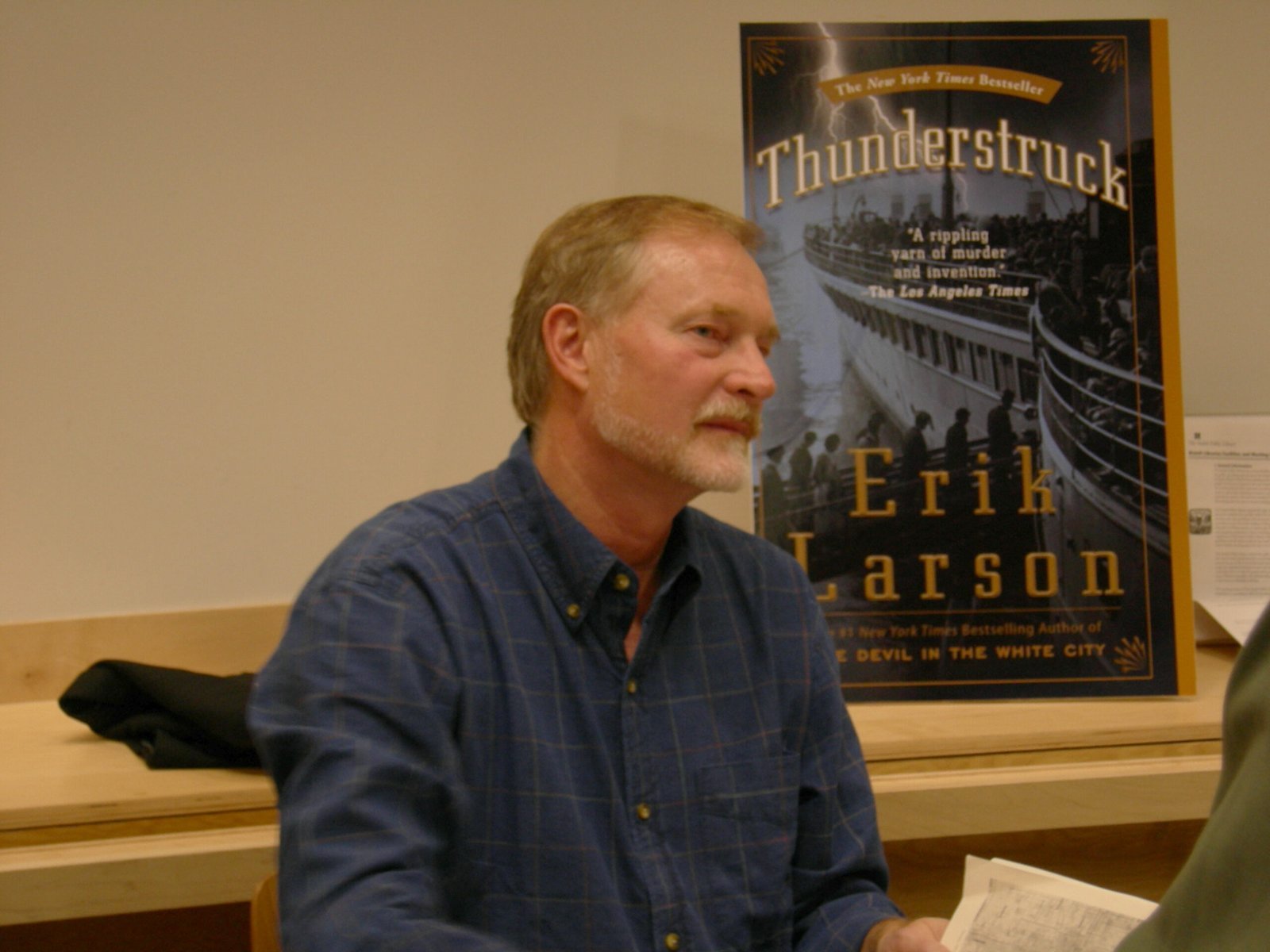
Larson’s masterful storytelling brings Churchill’s leadership during the Blitz to life. It is a history book that reads more like a suspenseful drama. Using diaries and personal accounts, Larson focuses on Churchill’s first year as Prime Minister, when Britain stood alone against Nazi Germany. The book is filled with intimate details about Churchill’s daily life, his relationships, and the impossible decisions he faced. Larson has a gift for making historical figures feel like people you know, complete with flaws and quirks. The writing brings the terror and resilience of the Blitz to vivid life. What could be dry history becomes intensely personal and immediate. You’ll gain new appreciation for both Churchill as a leader and ordinary Britons who endured nightly bombing raids. This is accessible history that never talks down to readers.
Wild by Cheryl Strayed
Strayed’s solo trek along the Pacific Crest Trail is as much about healing and transformation as it is about the physical journey. This is essential reading for fans of adventure, introspection, and redemption. After her mother’s death and the collapse of her marriage, Strayed decides to hike more than a thousand miles alone despite having almost no backpacking experience. The book is raw and honest about grief, addiction, and the messy process of putting your life back together. Strayed doesn’t romanticize the experience or pretend she’s some kind of wilderness expert. The writing is beautiful and unflinching, exploring both the external landscape and her internal journey. You’ll laugh at her rookie mistakes and feel her pain during the hardest stretches. This memoir speaks to anyone who’s ever needed to do something difficult just to prove they could survive it.
How to Do Nothing by Jenny Odell
In a world where addictive technology is designed to buy and sell our attention, Odell shows us how we can still win back our lives. This is an action plan for thinking outside of capitalist narratives of efficiency and techno-determinism. This book will change how you see your place in our world. Odell argues for the radical act of resisting the attention economy, not by abandoning technology completely but by being more intentional about how we spend our time and focus. The book is part manifesto, part meditation on art and nature, part practical guide. Her ideas about paying attention to your local environment and engaging with your community feel revolutionary in our hyper-connected age. The writing is thoughtful and intelligent without being academic. This is nonfiction that challenges you to live differently, to value presence over productivity.
Between the World and Me by Ta-Nehisi Coates
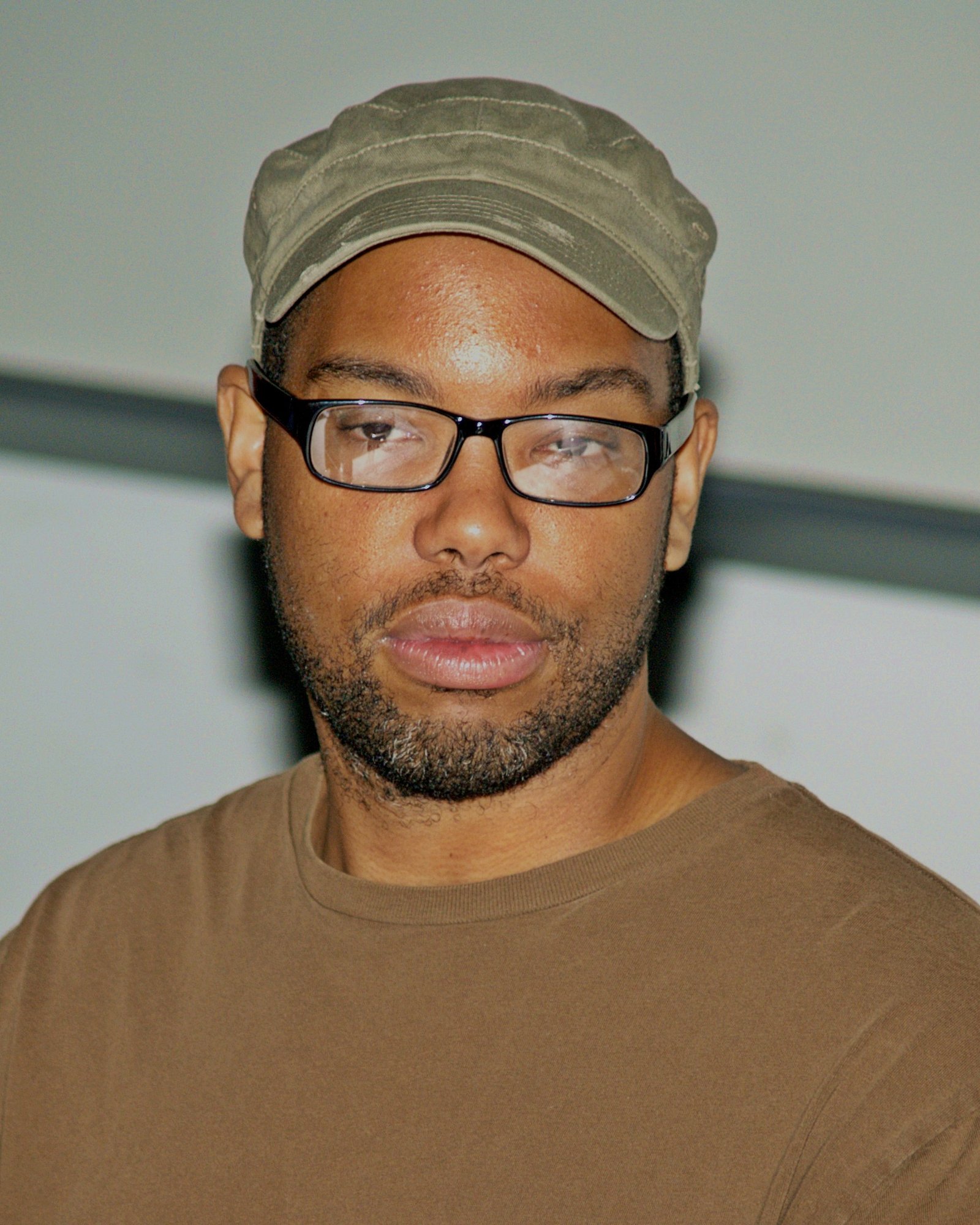
This bold literary exploration of America’s racial history has been hailed as required reading by Toni Morrison. Beautifully woven from personal narrative, reimagined history, and fresh reportage, it illuminates the past, confronts our present, and offers a transcendent vision for a way forward. Written as a letter to his teenage son, Coates explores what it means to live in a Black body in America. The prose is lyrical and urgent, drawing on history, personal experience, and cultural criticism. Coates doesn’t offer easy answers or hopeful platitudes; instead, he writes with honesty about fear, rage, and the reality of systemic racism. The book is relatively short but incredibly dense with ideas and emotion. It’s challenging and sometimes uncomfortable reading, which is exactly the point. This is nonfiction that demands something from readers, asking us to sit with difficult truths rather than look away.

Christian Wiedeck, all the way from Germany, loves music festivals, especially in the USA. His articles bring the excitement of these events to readers worldwide.
For any feedback please reach out to info@festivalinside.com
