

For any feedback please reach out to info@festivalinside.com
- From Productivity to Happiness: The 17 Best Self-Help Books to Inspire You - December 21, 2025
- The Greatest One-Man Shows of All Time—Solo Performances That Left Audiences in Awe - December 21, 2025
- The Greatest Icons in Human History—Who Left the Biggest Legacy? - December 21, 2025
Why These Anime Classics Still Matter Today
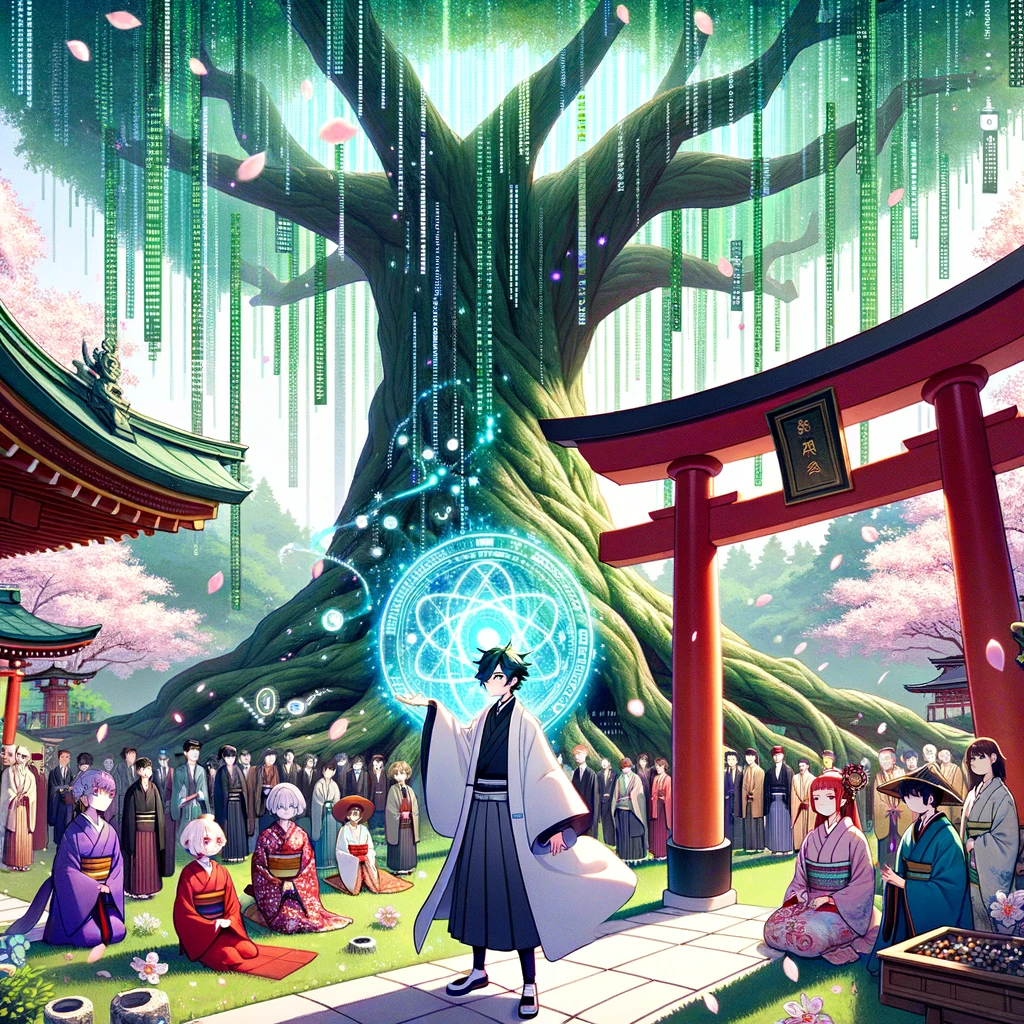
Imagine sitting down to watch your very first anime and feeling totally lost about where to begin, because there are thousands of shows and every fan insists their favorite is essential. That overwhelm is exactly why classic series still matter so much: they are the stories that shaped anime as a medium and continue to pull in new viewers decades later. They introduced many of the ideas, tropes, and emotional beats that modern shows keep reusing and remixing, so watching them is a bit like learning the roots of a language. When you see a character transform, pilot a giant robot, or stare at the stars while thinking about their purpose in life, chances are a classic did it first and did it in a way that stuck. These series proved that animation from Japan could tell deep, powerful stories that were not just for kids, and that shift changed pop culture around the world. Starting with them means you are not just watching a random show, you are stepping into the foundation of an entire art form and getting a front row seat to its most defining moments.
There is also something strangely comforting about these classics, even when they are intense or tragic. They were made in a different era, with different pacing, art styles, and priorities, and that difference can feel refreshing compared to the constant rush of modern media. Many of them take their time to build characters slowly, so that when big twists or battles finally arrive, you actually care about what happens instead of just being dazzled by flashy animation. Think of them like timeless novels that keep showing up on must-read lists, not because they are old, but because they still speak to people today. If you are new to anime, these series can help you understand what longtime fans are talking about and why they are so passionate. They give you shared reference points, common language, and a deeper appreciation for everything else you will watch later.
Spirited Away: A Gentle First Step Into Anime Worlds
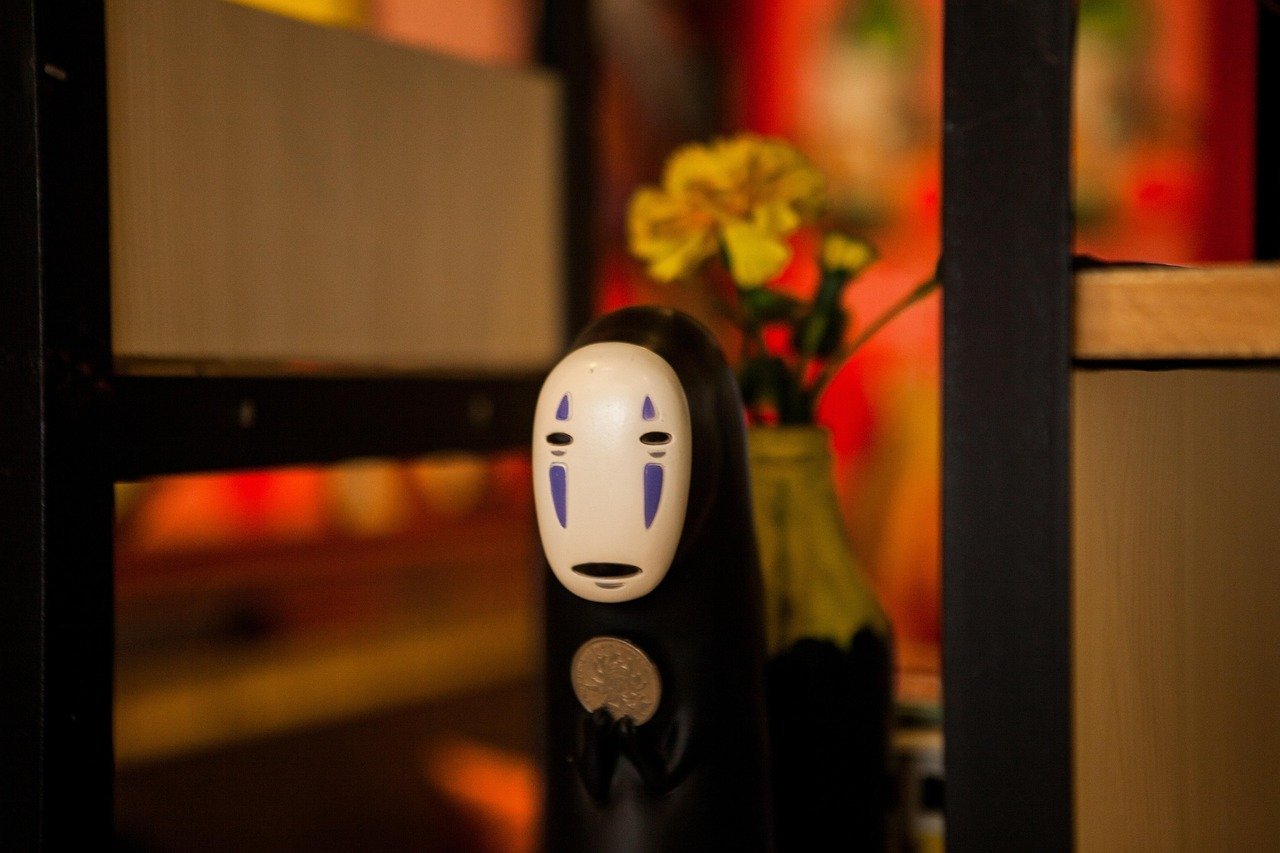
Spirited Away is often the first title people mention when someone asks where to start with anime, and there is a good reason for that. It is a self-contained movie, so you do not need to commit to dozens of episodes or learn a complicated backstory, and that alone makes it less intimidating. The story follows a young girl, Chihiro, who stumbles into a strange spirit world where her parents are transformed and she has to work in a bathhouse for gods and spirits to survive. At first it sounds bizarre, almost like a fever dream, yet the way the movie unfolds feels surprisingly warm, grounded, and easy to follow. The spirit world looks otherworldly, but the emotions are very human: fear, stubbornness, kindness, and the awkward courage of a kid who slowly learns to stand on her own feet. The film balances wild imagination with everyday feelings so well that even people who swear they do not like animation often end up deeply moved by it.
Visually, Spirited Away is like stepping into a living painting filled with color, texture, and little details that reward slow watching. The bathhouse itself feels almost like a character, full of hidden corners, odd creatures, and mysterious rules that Chihiro has to figure out. The film rarely stops to explain everything, yet you never feel truly lost, because the emotional direction is always clear. There are powerful scenes of quiet, like Chihiro riding a train across a flooded landscape, that stay in your mind for years after you have seen them. It is this mix of quiet beauty and surreal imagination that makes the movie such a perfect gateway into anime. You get to experience something completely different from typical Hollywood animation but without feeling overwhelmed or confused, and that is a gentle, welcoming way to start.
My Neighbor Totoro: Comfort, Childhood, And Simple Magic

My Neighbor Totoro is one of those movies that feels like a warm blanket on a cold day, especially if you are new to anime and wary of anything too intense. The story is very simple on the surface: two young sisters move to the countryside with their father and discover that friendly forest spirits live nearby. There are no world-ending stakes, no huge battles, and no complicated plot twists, just small adventures, strange creatures, and a gentle sense of wonder running through everything. That simplicity can be a relief, especially if you are used to shows that throw drama and noise at you nonstop. The sisters laugh, argue, explore their new home, and try to cope with worries about their hospitalized mother, all while Totoro and other spirits hover in the background like quiet guardians. You end up caring about the girls not because the story forces you to, but because their everyday lives feel strangely familiar and honest.
What makes My Neighbor Totoro stand out is its ability to treat childhood feelings seriously without ever becoming heavy handed. The film understands that being a kid can be magical and scary at the same time, and it lets those emotions breathe on screen. The countryside itself feels almost enchanted, with tall grass, creaking houses, and soft rain that falls like a soothing rhythm, turning even a bus stop into a memorable scene. Totoro, the giant forest spirit, does not talk much, yet his presence somehow makes the world feel safer, like that one stuffed animal you refused to sleep without as a child. This soft, emotional tone makes the movie perfect for viewers of any age, whether you want to watch it with kids or just reconnect with a part of yourself you might have forgotten. For someone new to anime, it proves that the medium can tell gentle, cozy stories that feel as deep as any big dramatic epic.
Princess Mononoke: When Fantasy Becomes Fierce And Moral

If you think animation is only for lighthearted fun, Princess Mononoke has a way of shaking that idea to its core. This film dives into a fierce, complicated conflict between humans and the spirits of the forest, and it refuses to give you a simple hero or villain. On one side there are ironworkers trying to build a better life for themselves, and on the other there are wolves, boars, and a mysterious forest spirit fighting for their home. The main characters are trapped in the middle, forced to question their loyalties and beliefs as violence grows around them. Instead of telling you exactly who is right, the movie explores how good intentions and survival instincts can still lead to destruction. That moral gray area makes the story feel mature and thought provoking, especially for viewers used to straightforward good versus evil tales.
Visually and emotionally, Princess Mononoke can be intense, so it is not usually the very first anime recommended for young children. There is blood, there is anger, and there are scenes that show the brutal cost of war and greed. However, that intensity is also what makes the movie so powerful for teens and adults just getting into anime. The forest is lush and haunting, the creatures are both beautiful and frightening, and every frame feels packed with meaning. You walk away from the film thinking about how humans treat nature, how progress can come with a hidden price, and how empathy might be the only path through impossible situations. For a new viewer, it is a strong reminder that anime can handle big themes with the weight and seriousness of any live action drama.
Akira: The Cyberpunk Legend That Changed Everything
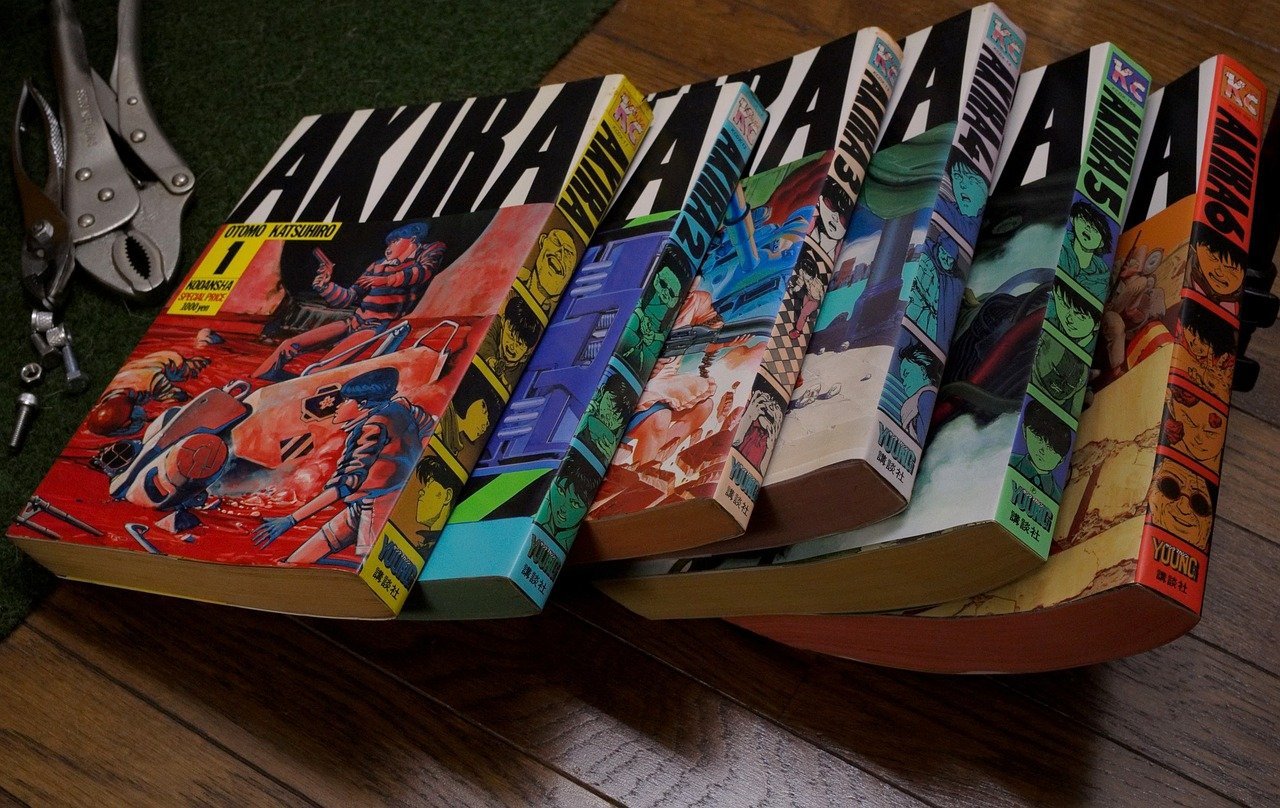
Akira is the kind of movie that makes you sit up straight and realize that animation can be loud, messy, and shockingly intense. Set in a chaotic future city rebuilt after a mysterious explosion, the story follows a biker gang that gets caught up in government experiments and psychic powers spiraling out of control. The plot can feel confusing on a first watch, especially if you are not used to dense science fiction, but the sheer energy of the movie keeps pulling you forward. Neon lights, roaring motorcycles, and massive destruction fill the screen in a way that still feels impressive today, despite the film being released decades ago. You can sense the anger, frustration, and rebellion of a generation written into almost every scene. For someone new to anime, Akira might feel a bit like being thrown into the deep end of a pool, but in an exciting, electrifying way.
What makes Akira so important as a classic is not just its wild visuals, but how deeply it influenced later anime, movies, and even video games. Many modern stories about dystopian cities, psychic kids, or out of control technology borrow from ideas this film helped popularize. The detailed animation of the city, with its crowded streets and decaying corners, gives the world a gritty realism that was rare at the time. The film also tackles big themes like government corruption, abuse of power, and the fear of uncontrolled scientific progress, without stopping to spoon feed the audience. You are expected to keep up, to notice details, and to feel the chaos more than fully understand every single piece of the plot. That demanding style is exactly why Akira has remained a touchstone for fans and creators all over the world.
Neon Genesis Evangelion: Mecha Action With A Heavy Soul

At first glance, Neon Genesis Evangelion looks like a typical giant robot show about teenagers piloting machines to fight mysterious monsters, but that surface impression is almost a trick. As the episodes go on, the series turns inward, focusing more and more on the characters psychological struggles, fears, and loneliness. The battles are still there and they are intense, but they start to feel like reflections of the pilots inner worlds rather than just cool action scenes. The main character wrestles with questions about self worth, acceptance, and the pressure of expectations in a way that hits surprisingly close to home for many viewers. Other characters deal with trauma, identity issues, and complicated relationships that often feel raw and uncomfortable. For a newcomer, this can be shocking, especially if you expected a simple, upbeat hero story.
What makes Evangelion a classic is how it broke the mold for the mecha genre and helped prove that anime could blend psychology, philosophy, and sci fi into something deeply personal. The show uses religious imagery, abstract scenes, and emotional monologues not to look clever, but to express things the characters can barely say out loud. Sometimes it is confusing, sometimes it is frustrating, and sometimes it is painfully honest, which is exactly why it has sparked discussion and debate for years. The series does not tie everything up neatly, and that lack of easy answers sticks with you long after the final episode. Even if you do not catch every reference or understand every symbol, you can feel the weight of what the characters are going through. For someone new to anime, Evangelion offers a powerful example of how the medium can go far beyond simple entertainment and dive straight into the hardest corners of the human mind.
Cowboy Bebop: Cool Space Jazz And Lonely Hearts

Cowboy Bebop is often recommended to beginners because it feels strangely familiar even if you have never watched anime before. The show follows a small crew of bounty hunters traveling through space in a worn down ship, taking odd jobs and barely scraping by. Each episode plays a bit like a short film, mixing action, humor, and drama with a strong sense of style. The music, heavily inspired by jazz and blues, gives the series a laid back but emotionally rich atmosphere that makes even quiet scenes memorable. The characters joke around, chase criminals, and get into trouble, yet you can always sense deeper stories hiding underneath their casual banter. This mix of surface fun and hidden sadness makes the show easy to watch but hard to forget.
What really sets Cowboy Bebop apart is the way it slowly reveals the pasts and scars of its main characters without ever feeling rushed. You learn bits and pieces about why they are on the ship, what they are running from, and why they struggle to connect fully with each other. The show often ends episodes with a bittersweet tone, reminding you that not every mission ends in a clean win or neat resolution. Space in this series is not just an exciting backdrop with planets and asteroids, it also feels like a metaphor for emotional distance and drifting lives. For a new viewer, it offers a comfortable entry point thanks to its episodic structure and genre mix, while still delivering a deep emotional punch. It is the kind of series you can watch for the cool action and music, then realize later that it quietly got under your skin.
Fullmetal Alchemist: Brotherhood: A Perfect Mix Of Heart And Adventure

Fullmetal Alchemist: Brotherhood is often praised as one of the most balanced anime series ever made, and that makes it a fantastic starting point. The story centers on two brothers who tried to use forbidden alchemy to bring their mother back to life and paid a terrible price, leaving one without a body and the other with a metal arm and leg. From that dark beginning, the series builds a huge journey filled with humor, tears, action, and moral questions about sacrifice and power. It travels through different countries, introduces a wide cast of allies and enemies, and keeps revealing deeper layers of a conspiracy behind the scenes. Despite its complex world, the emotional core never gets lost, because everything always comes back to the brothers bond and their determination to make things right. That combination of big scale and personal stakes hooks a lot of new viewers who want something epic but still easy to care about.
One of the strengths of Brotherhood is how it handles themes like war, discrimination, and responsibility while still feeling accessible. The show does not shy away from consequences or tragedy, yet it also never sinks into pure hopelessness. There are plenty of lighthearted moments, running jokes, and warm relationships that balance the darker parts. The pacing is steady, with almost every episode moving the story forward or deepening your understanding of the world. It rarely feels like it is wasting your time, which is helpful if you are new to anime and nervous about longer series. By the end, you feel like you have gone on a long, meaningful journey that respects your attention and emotions.
Dragon Ball Z: The Over The Top Gateway To Shonen Action
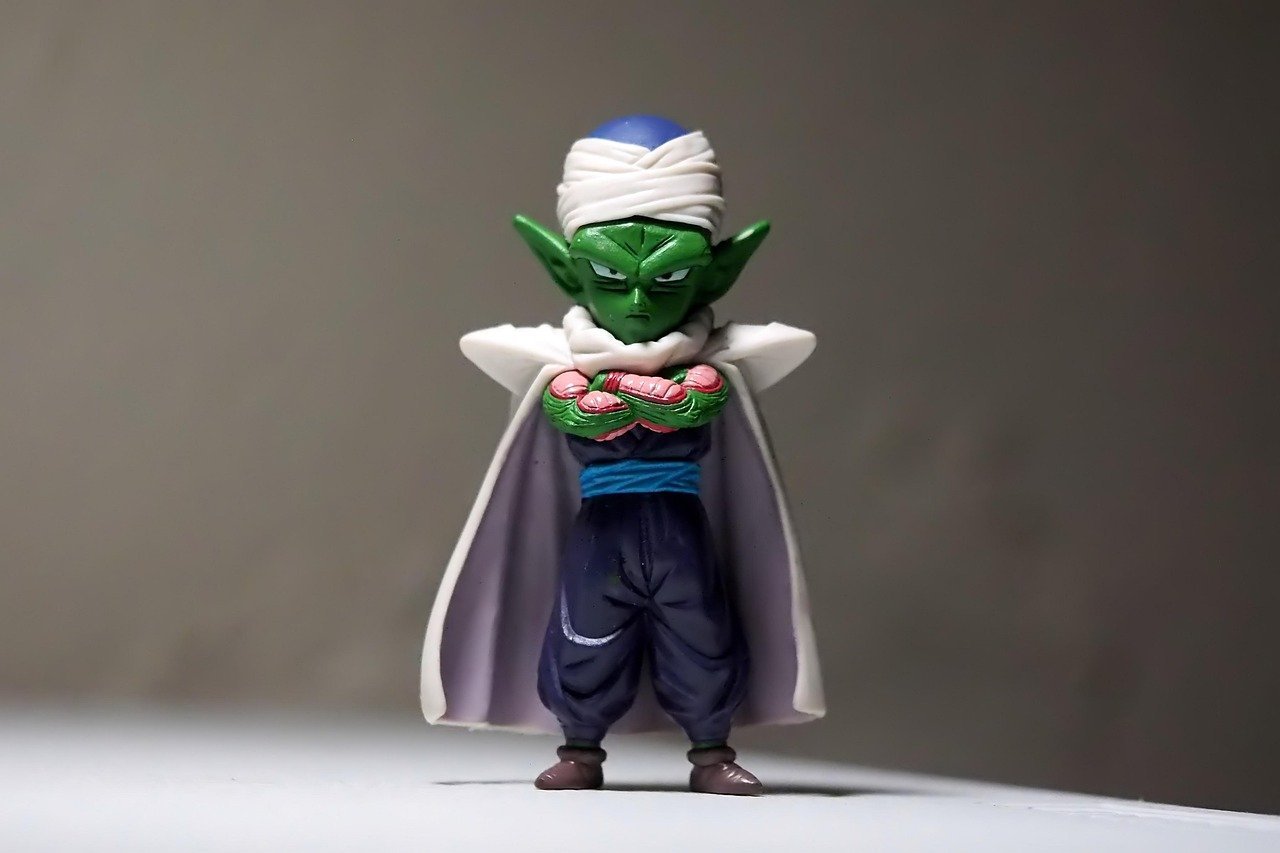
Dragon Ball Z might not be the most polished or subtle show on this list, but it is absolutely one of the most influential, especially for action fans. If you grew up hearing jokes about characters powering up for what felt like forever, this is where that reputation comes from. The series follows Goku, his friends, and his family as they defend Earth from increasingly powerful enemies, often with massive fights that involve energy blasts, rapid movement, and dramatic standoffs. The storytelling is straightforward and sometimes dragged out, yet that slow build up makes the big moments feel huge, almost like watching a long boxing match where tension grows with every round. For many people, Dragon Ball Z was their first exposure to anime on television, and it set their expectations for what battle focused series could be. Getting into it today can feel like discovering an old, loud, and enthusiastic relative of all the modern shonen shows you see now.
What keeps Dragon Ball Z interesting for newcomers is its mix of intense action and goofy charm. The characters eat too much, argue, joke around, and act like real friends and rivals even when the stakes are world shattering. Training scenes show them pushing past their limits, which can be oddly inspiring even if you have no plans to throw energy blasts yourself. The art style is bold and clear, making fights easy to follow even when they go wild. Yes, it can be repetitive, and yes, some arcs feel stretched, but there is a certain honest joy in how seriously the show takes its own drama. Watching it gives you a shared language with countless fans who grew up loving it and helps you understand why modern hits owe so much to this loud, relentless classic.
Naruto: Growing Up Alongside Ninjas And Big Feelings
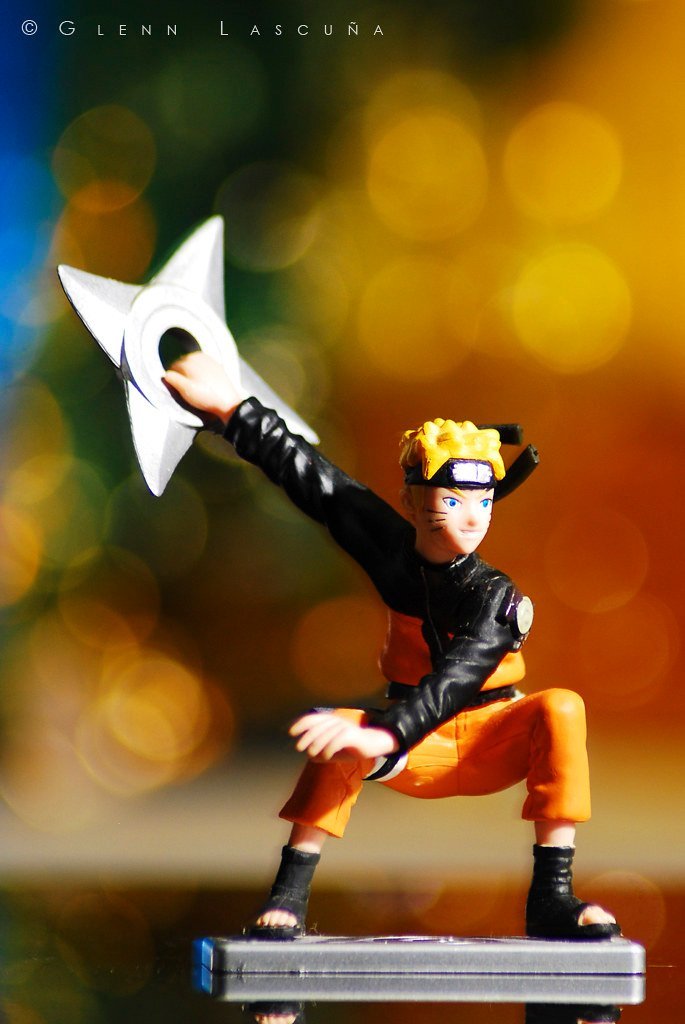
Naruto is another giant of the shonen genre, and it works especially well if you enjoy longterm character growth and emotional backstories. The series starts with a mischievous orphan boy who dreams of becoming the leader of his village and earning the respect of people who currently ignore or fear him. At first it feels like a simple training and mission story about kids learning ninja skills, making friends, and facing small challenges. Over time, though, it becomes a sprawling tale about war, trauma, cycles of hatred, and the struggle to find your own path in a world full of expectations. Many fans connect deeply with Naruto himself, because his desire for acknowledgment and his stubborn refusal to give up feel very real, especially during his lowest points. The show fills its world with rivalries, friendships, and mentors who each carry their own pain and dreams.
For someone new to anime, Naruto offers an easy to understand structure with clear goals and rising stakes, but it does come with a lot of episodes and some filler. That can be intimidating, yet it also means you get to live with the characters for a long time and watch them change, fail, and grow. The fights mix clever tactics with emotional stakes, turning what could be simple battles into moments of personal breakthrough. Flashbacks frequently explore why characters became who they are, making even former enemies feel sympathetic at times. The themes of loneliness, chosen family, and breaking harmful patterns add more weight than you might expect from a show about teens in headbands throwing energy enhanced punches. Starting Naruto is like starting a long novel series; it asks for time, but it gives you a whole world in return.
Death Note: A Dark Mind Game You Cannot Look Away From

If long battles and big explosions are not your thing, Death Note might be a much better entry point, especially if you love tense thrillers. The series follows a brilliant high school student who finds a notebook that kills anyone whose name is written in it, as long as he knows their face. Instead of being terrified and throwing it away, he decides to use it to wipe out criminals and reshape the world under his control. This choice turns the story into a tight cat and mouse game between him and a mysterious detective trying to catch him without even knowing his identity. There are no giant robots or supernatural creatures flying around, just a constant battle of wits, strategies, and psychological pressure. Each episode pushes the situation further, making you question how far someone might go if they had that kind of terrifying power in their hands.
Death Note stands out as a classic because it grips you quickly and rarely lets go, which is ideal for new viewers wary of slow pacing. The rules of the notebook are explained clearly, and much of the tension comes from how cleverly the main character bends those rules while the detective tries to trap him. You end up switching between horror, fascination, and reluctant admiration as plans unfold and twist around each other. The moral questions are obvious yet still interesting: is killing criminals ever justified, and what does it do to someone who starts thinking of themselves as a god. Visually, the show is darker and more grounded than many action series, matching its serious tone. For someone stepping into anime for the first time, it proves that the medium can deliver the same kind of sharp, intense storytelling you might expect from a gripping live action crime drama.
How To Choose Your First Classic And What To Watch Next
With so many big names on one list, it can still be hard to know where to start, so it helps to think about what you already enjoy in other forms of entertainment. If you love quiet, emotional stories with fantasy elements, something like Spirited Away, My Neighbor Totoro, or Princess Mononoke might be your best first stop. If stylish action and music are more your speed, Cowboy Bebop or Akira could hook you quickly. For long adventures full of growth, jokes, and heartfelt speeches, shows like Fullmetal Alchemist: Brotherhood, Dragon Ball Z, or Naruto fit the bill. If you prefer darker, more psychological tales, Neon Genesis Evangelion or Death Note might speak to you more. There is no single correct starting point, only the one that matches your tastes enough to make you want to keep watching.
Once you finish one classic, let your curiosity guide you to the next by following what you liked most about the last one. If you loved the worldbuilding in one show, look for series with similar settings or genres. If a certain director or studio impressed you, explore more of their work, because many creators have distinct styles that carry across multiple projects. You can also ask friends, browse fan discussions, or look up recommendations based on specific themes you enjoyed, like coming of age stories, sci fi epics, or slice of life comedies. The key is not to treat anime as one single thing, but as a wide landscape with room for almost every taste. Starting with these must watch classics simply gives you strong footholds as you climb further into that landscape and discover what truly resonates with you.

Christian Wiedeck, all the way from Germany, loves music festivals, especially in the USA. His articles bring the excitement of these events to readers worldwide.
For any feedback please reach out to info@festivalinside.com
