

Californians woke up to a new legal reality this year. While you were celebrating the New Year, nearly eight hundred new state laws quietly slipped into effect. Some will put more money in your pocket. Others will reshape how you rent your home. Still others will give you unprecedented control over your digital footprint.
Let’s be real, though. How many of these changes will actually affect your day to day life? Turns out, quite a few. If you earn minimum wage, rent an apartment, or simply exist online, 2026 brings tangible shifts that go far beyond bureaucratic fine print. Here’s what you need to know.
Your Paycheck Just Got a Little Bigger

California’s minimum wage climbed from $16.50 to $16.90 per hour on January 1, 2026. That might not sound like much at first glance. Honestly, it’s barely enough to cover the rising cost of a burrito in most cities. Yet for someone working full time, that extra forty cents per hour translates to roughly an additional sixteen dollars per week, or more than eight hundred dollars annually.
The increase also affects exempt employees, who must now earn an annual salary of at least $70,304 to meet the threshold. If you’re salaried and don’t receive overtime, your employer needs to adjust your pay accordingly. The change stems from inflation adjustments built into state law, a mechanism designed to keep wages somewhat aligned with the actual cost of living.
Higher minimum wage requirements apply to certain industries, including fast food at currently $20 per hour and health care with multiple minimum wage rates and schedules. Several Bay Area cities and counties have set their own, even higher local rates.
Equal Pay Enforcement Gets Sharper Teeth

SB 642 broadens key definitions, extends the statute of limitations to three years with recovery for up to six years, and clarifies categories of unlawful pay practices. This isn’t just cosmetic language tweaking. The law now includes all forms of compensation such as bonuses, stock options, and even vacation pay when assessing pay equity.
Employers cannot ask job applicants about their salary history and must make pay scale information available to employees and include it in certain job postings. If you’ve ever felt underpaid compared to a colleague doing the same work, these expanded protections create a longer runway for seeking justice. Wage theft just became significantly more expensive for bad actors.
Landlords Must Now Provide Working Kitchen Appliances

Here’s a change that hits home, literally. AB 628 requires landlords to provide working refrigerators in rental units beginning January 1, ensuring tenants have access to essential appliances. The same goes for stoves. Landlords must provide them, keep them in working order and handle repairs or replacement.
While it’s quite common for rental units to include a stove and a fridge, it hasn’t been the law. Many lower income renters, particularly in larger cities, have been forced to buy their own appliances or make do without. That burden is now officially shifted to property owners. Tenants can still choose to bring their own refrigerator if they prefer, but it’s optional, not mandatory.
The rule applies to new or renewed leases. Exceptions exist for supportive housing and buildings with communal kitchens. If your landlord has been dragging their feet on replacing that broken fridge, they no longer have a choice.
Rent Caps Remain in Place, For Now

The AB 1482 Tenant Protection Act covers most multi unit rental properties built over fifteen years ago and continues until January 1, 2030, with rent increases capped at 5% plus local CPI, or 10%, whichever is lower. In many counties, such as Alameda, a total cap is around 6.3%.
California’s existing rent cap legislation expires on January 1, 2030, and at that point, new rent cap rules could be put into place that are even more restrictive to landlords. Whether you’re a tenant bracing for an increase or a landlord trying to calculate what’s legally permissible, the next few years will be critical. The law also requires just cause for evictions after twelve months of tenancy, offering additional protection around termination notices.
In the City of Los Angeles specifically, rent hikes face even tighter restrictions under local ordinances.
Social Security Recipients Get Eviction Protection
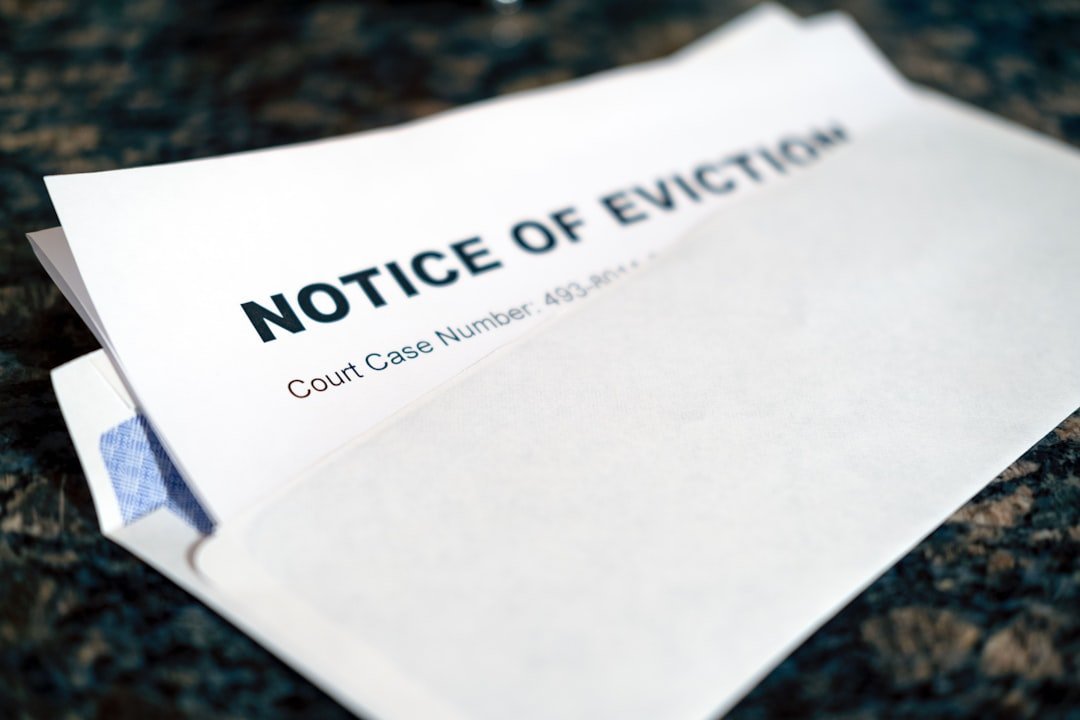
AB 246 prevents a tenant’s eviction if they are unable to pay rent because of delayed or terminated Social Security payments. This law gives Social Security recipients a defense in eviction court if they ever stop receiving benefits because of any future shutdowns, and renters must repay their missed rent or enter a repayment plan within two weeks of their Social Security payments being restored.
It’s a narrow but meaningful protection. During the federal government shutdown back in early 2025, the risk of losing housing over delayed benefits created real anxiety for vulnerable tenants. This law acknowledges that gap and provides a temporary shield, as long as the tenant makes good once payments resume.
You Can Opt Out of Bundled Internet Fees

For tenancies that are month to month or otherwise renewed on or after January 1, 2026, tenants must be allowed to opt out of paying for third party subscription services tied to the tenancy, such as internet or wireless services. If a landlord fails to provide this opt out or continues charging after a tenant opts out, the tenant may deduct those charges from rent, and retaliation for opting out is prohibited.
This targets a common practice where landlords bundle internet or cable into the rent at inflated prices, often with no alternative provider allowed. Starting this year, you can say no thanks and arrange your own service.
Data Breach Notifications Must Come Faster

California will have stricter timelines for businesses to report data breaches to consumers and the California Attorney General, requiring businesses to notify California residents within 30 days of discovering a breach, and in instances where over 500 California residents are notified, the business must also notify the California Attorney General within 15 days.
Previously, companies had more wiggle room. The tighter deadline means you’ll learn about compromised personal information sooner, giving you a better chance to take protective action before identity thieves strike. It’s a small but important shift in corporate accountability.
The Delete Act Launches a One Stop Data Removal Tool

California’s Delete Request and Opt Out Platform, or DROP, went live on January 1. The platform allows residents to submit a request to remove information online from more than 500 data brokers at once. Data brokers collect and sell information like phone numbers, email addresses, Social Security numbers, and more to advertisers.
Starting August 1, 2026, data brokers must check the DROP every 45 days for consumer deletion requests and are responsible for comparing such requests to their own records and deleting any matching consumer information. The Delete Act imposes fines of $200 per day per consumer for failure to delete consumer information.
This is a big deal. Instead of hunting down dozens of sketchy data broker websites and submitting individual requests, Californians can now handle it all in one place. The impact won’t be overnight, but state leaders say the platform could help reduce spam calls, texts, and identity theft over time.
Social Media Platforms Must Offer a Clear Delete Account Button

Effective January 1, 2026, social media platforms with more than $100 million in gross annual revenue are required to provide a clear and conspicuous “Delete Account” button on the platform’s settings menu. The law bans deceptive interface designs or manipulative tactics that create barriers to account termination.
How many times have you tried to close an account only to be dragged through a maze of confirmation screens, guilt trips, and hidden menus? That ends now. When you hit delete, your personal information must be permanently removed, not just archived for later use.
Browser Developers Must Include Privacy Controls

Starting in 2027, but worth noting now, AB 566 requires web browser developers to include a user configurable opt out signal that automatically sends your “do not sell or share” choice to every site you visit. Think of it as a universal privacy switch built right into your browser.
You won’t need to click through cookie banners or hunt for privacy settings on every website. One toggle in your browser settings, and you’re done. This builds on California’s existing opt out framework and makes exercising your rights practically effortless.
AI Chatbots Cannot Pretend to Be Licensed Professionals

AB 489 prohibits AI chatbots from presenting themselves as doctors, nurses, or other licensed professionals to increase transparency and prevent misrepresentation by AI chatbots. Separate legislation establishes protocols for companion chatbot platforms, requiring disclosure when users may reasonably believe they are communicating with a human.
As artificial intelligence becomes more sophisticated, the risk of deception grows. Someone seeking medical advice or mental health support needs to know whether they’re talking to a trained professional or a language model trained on internet data. These laws draw a bright line.
Stronger Penalties for Unpaid Wage Judgments

California employers with unpaid wage judgments will be subject to significantly increased liability in 2026, with potential civil penalties increasing to up to three times the amount of the outstanding judgment if a final wage judgment remains unsatisfied after 180 days. A successor to a judgment debtor is jointly and severally liable for penalties assessed for the unpaid wage judgment.
This targets employers who lose wage theft cases in court and then simply ignore the judgment. The triple penalty mechanism is designed to ensure that workers actually recover what they’re owed, not just win a symbolic court victory.
What This All Means for You

These laws reflect California’s ongoing push to protect workers, tenants, and digital privacy in an era of rising costs and evolving technology. Whether you’re earning minimum wage, renting an apartment, or just trying to keep your personal data from being sold to the highest bidder, the state is attempting to tilt the balance of power back in your direction.
Some changes are immediate and concrete. Others will take months or years to fully play out. The minimum wage bump hits your paycheck right away. Rent control and eviction protections provide a bit more breathing room. The privacy tools offer new ways to reclaim control over your digital life.
Not every law is perfect. Implementation challenges, enforcement gaps, and legal battles will likely emerge. Still, these 2026 changes represent a meaningful shift in how California regulates work, housing, and technology. What do you think about these new protections? Are they enough, or just a start?