

For any feedback please reach out to info@festivalinside.com
White Nights Festival (St. Petersburg, Russia)
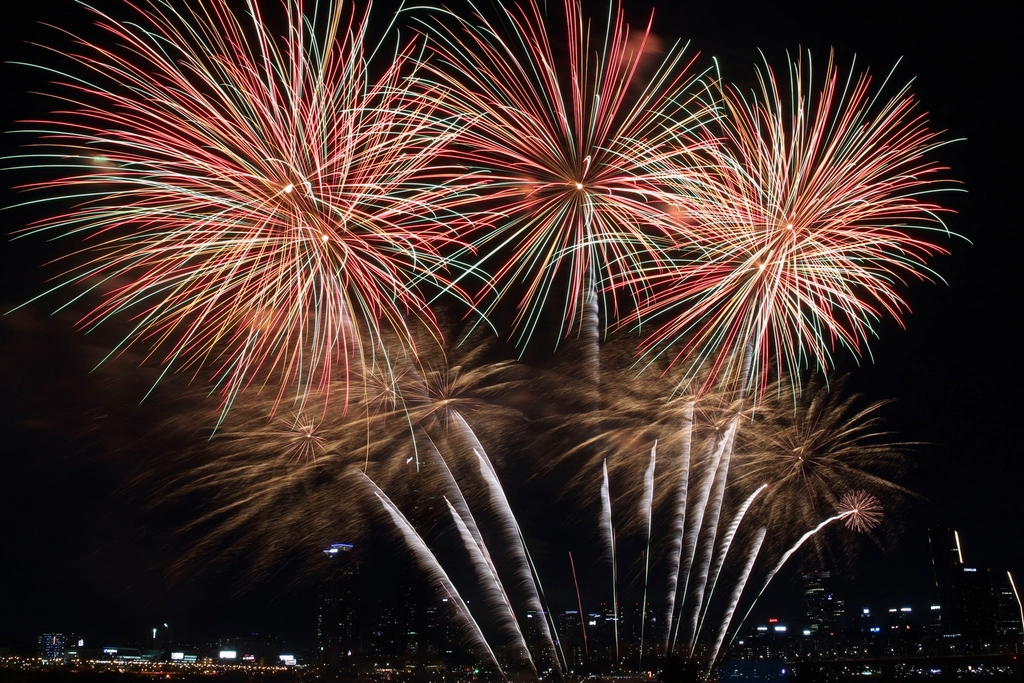
Picture this: the sun refuses to set, and an entire city transforms into one massive stage that never sleeps. Every year, from about April 22 to August 21, the night sky only reaches twilight and never reaches complete darkness in St. Petersburg.
The magic peaks during June and July when almost a million students and spectators come to experience the magic of Grin’s fairytale set to the sound of live orchestras and fireworks. The festival isn’t just some local celebration—it’s become one of the world’s cultural powerhouses. The festival is considered to be one of the top 10 classical music events in the world.
From 1990 to 2019 and resuming in 2024, the festival has included the White Nights International Marathon and 10K run through the streets of St. Petersburg. More than 5,000 runners take part each year. But the crown jewel remains the Scarlet Sails celebration, where starting at around midnight, the city’s bridges break into two to the sound of classical music playing from speakers. Onlookers arrive an hour in advance to secure a prime spot on the embankment.
Walpurgis Night (Northern & Central Europe)
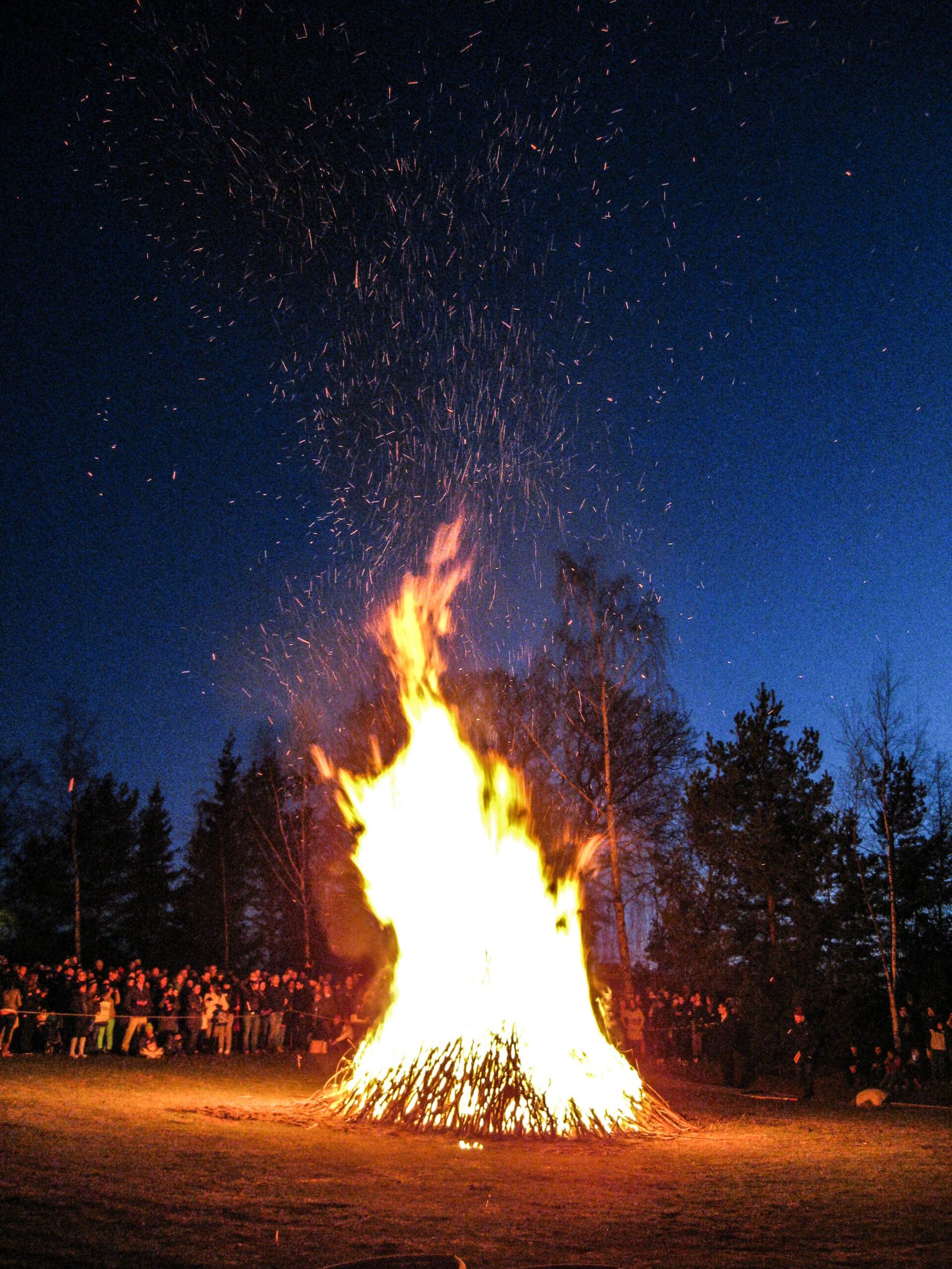
If you think Halloween is spooky, wait until you experience Walpurgis Night. Every April 30th, millions across Northern and Central Europe light massive bonfires that blaze until dawn, creating an otherworldly atmosphere that feels like stepping into a fairy tale.
This ancient pagan festival welcomes spring with a bang, literally. In Germany alone, thousands of communities participate in what locals call “Hexennacht” or Witches’ Night. The tradition gained literary fame through Goethe’s Faust, where witches gather on the Brocken mountain.
What makes this festival truly unique is how it bridges the ancient and modern worlds. While maintaining its mystical roots, contemporary celebrations include music festivals, street parties, and community gatherings that can last until sunrise. The contrast between flickering bonfire flames and modern party lights creates an unforgettable visual spectacle.
Inti Raymi (Cusco, Peru)
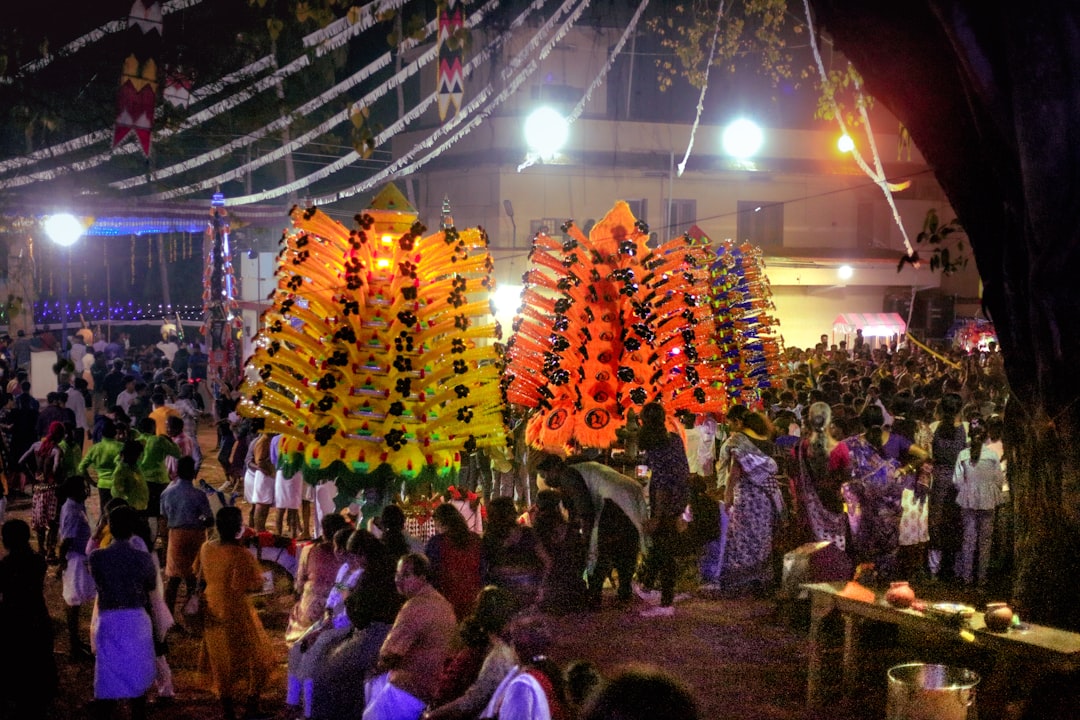
Deep in the heart of the Andes, something extraordinary happens every June 24th that will leave you speechless. The ancient Inca Festival of the Sun transforms Cusco into a living museum where thousands gather to witness rituals that have survived over 500 years.
This isn’t your typical tourist attraction—it’s a profound spiritual experience. The celebration begins before dawn with elaborate ceremonies at Qorikancha, the ancient sun temple. Participants dressed in traditional Inca costumes perform intricate rituals honoring Inti, the sun god, as the first rays of sunlight break over the sacred valley.
The main spectacle takes place at Sacsayhuamán, the massive stone fortress overlooking Cusco. Here, hundreds of actors recreate the imperial ceremony with such authenticity that you’ll forget you’re watching a reenactment. The festival culminates at sunrise with offerings to ensure a good harvest, connecting modern Peru to its ancient roots in the most spectacular way imaginable.
Night of the Radishes (Oaxaca, Mexico)
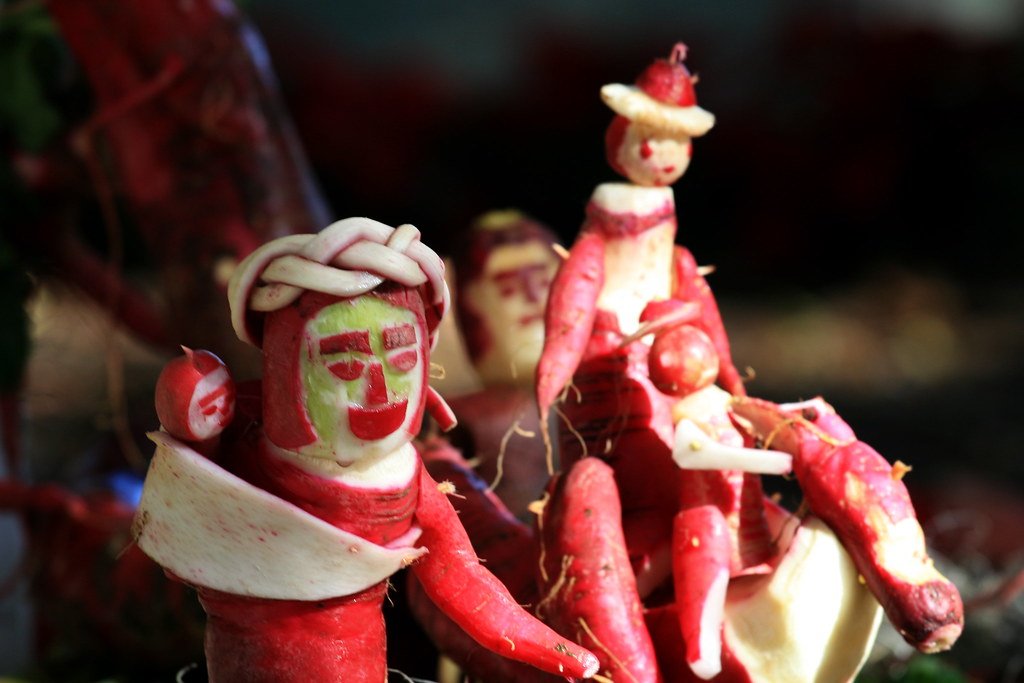
Prepare to have your mind blown by what might be the world’s most creative vegetable festival. Every December 23rd, the zócalo in Oaxaca transforms into an open-air art gallery featuring masterpieces carved entirely from giant radishes.
These aren’t your garden-variety radishes—we’re talking about massive vegetables that can weigh up to several pounds. Local artisans spend months growing these giants specifically for the festival, then carve them into intricate nativity scenes, historical tableaux, and fantastical creatures that defy imagination.
The competition is fierce, with families passing down carving techniques through generations. Thousands of visitors wander through the displays all night, admiring everything from tiny angels to elaborate recreations of Oaxacan landmarks. The combination of traditional Mexican Christmas music, food vendors, and the sweet aroma of hot chocolate creates an atmosphere that’s both festive and deeply cultural. What started as a simple market tradition has evolved into Mexico’s most unique Christmas celebration.
Shabe Yalda (Iran & Central Asia)
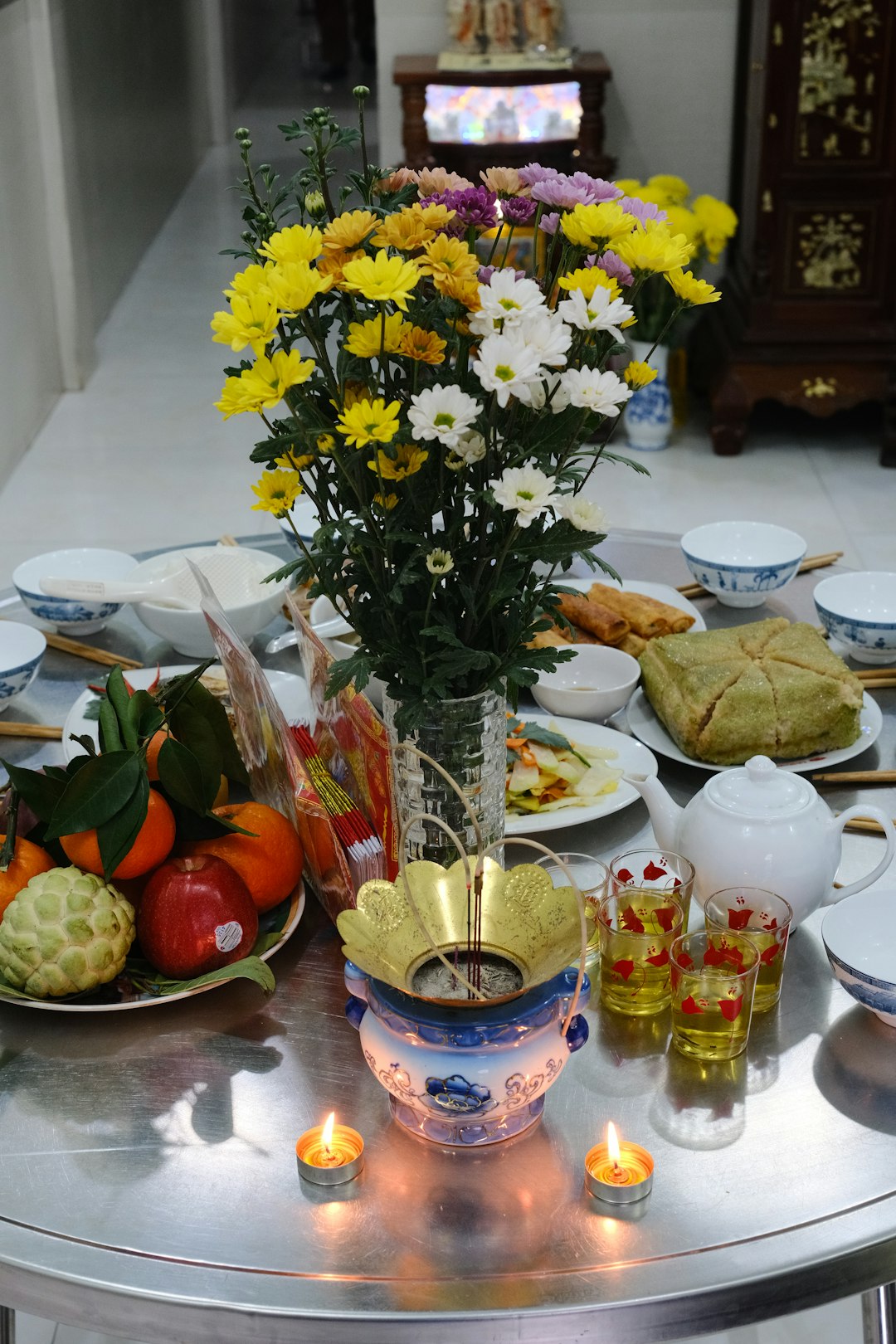
Imagine the longest night of the year transformed into a celebration of light, love, and poetry that has captivated hearts for over 2,000 years. Shabe Yalda, observed on the winter solstice, represents one of humanity’s most enduring traditions of defying darkness.
Iranian families gather in their warmest rooms, surrounded by plates of pomegranates and watermelons—their red color symbolizing the dawn that will eventually break. The centerpiece of the evening involves reading Hafez’s poetry, with family members taking turns opening his collected works at random, believing the verses will predict their fortune for the coming year.
The tradition of staying awake until sunrise isn’t just about marking time—it’s about community resistance against the forces of darkness, both literal and metaphorical. In today’s digital age, Iranian diaspora communities worldwide use video calls to connect families across continents, proving that some traditions transcend geography and technology.
Fête de la Musique (Worldwide)
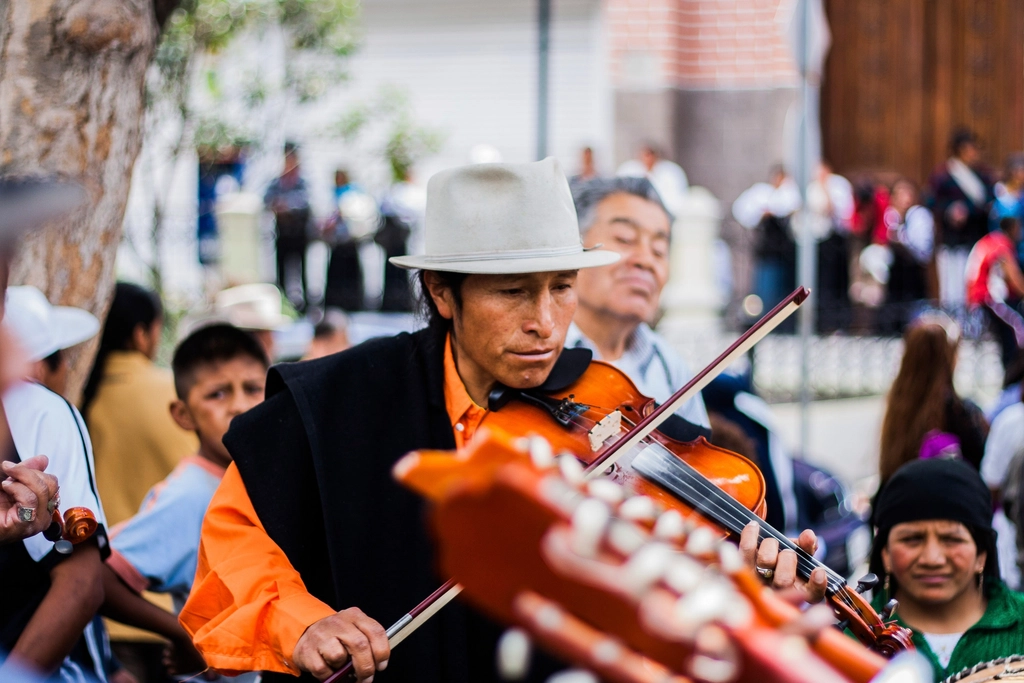
What started as a simple idea in France has exploded into the world’s largest musical celebration, transforming June 21st into a global symphony that never ends. In over 120 countries, streets become concert halls where anyone with an instrument becomes a performer.
The beauty lies in its democratic nature—no tickets, no VIP sections, just pure musical joy spilling onto sidewalks, parks, and public squares. From classical quartets in elegant European courtyards to reggae bands on Caribbean beaches, the diversity is staggering. Professional musicians share stages with enthusiastic amateurs, creating magical moments that would be impossible in traditional venues.
Cities like Paris report over 18,000 performances in a single night, while smaller towns might have just a handful of musicians playing on street corners. The festival has become a celebration of music’s universal language, proving that when the sun goes down, the whole world can sing together.
Kecak Fire Dance (Bali, Indonesia)
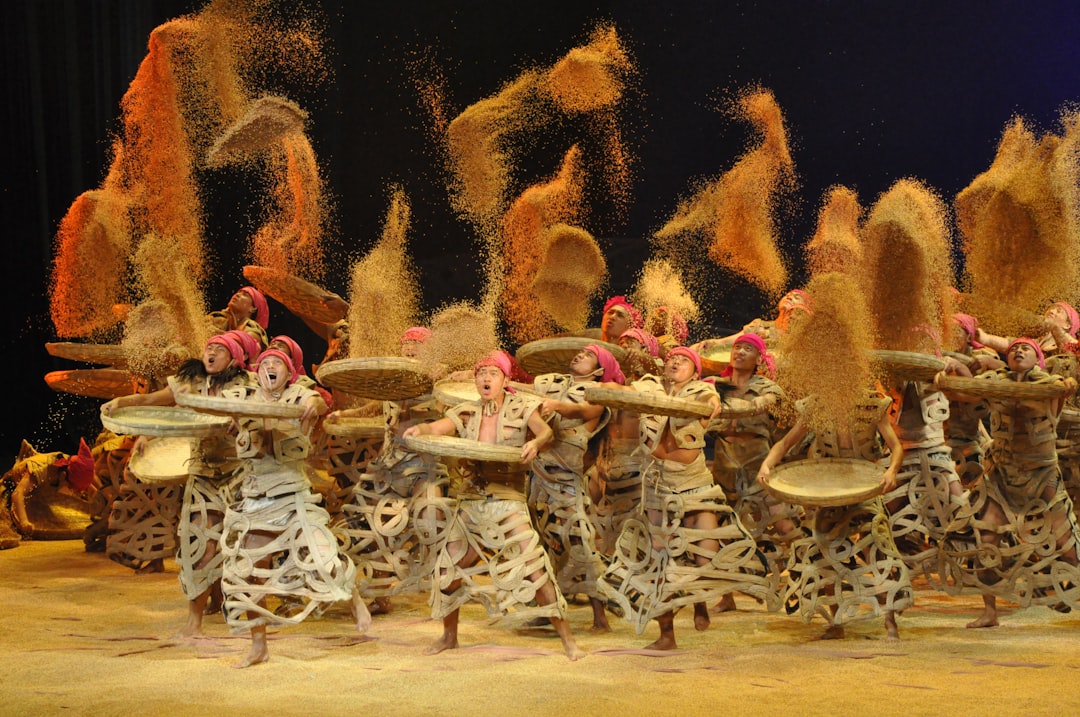
As the sun sets over Bali’s ancient temples, something primal awakens that will send shivers down your spine. The Kecak Fire Dance isn’t just a performance—it’s a trance-inducing journey into Indonesia’s spiritual heart that continues deep into the night.
Imagine sitting in a circle with dozens of shirtless men whose rhythmic chanting creates a hypnotic wall of sound. In the center, dancers in elaborate costumes reenact scenes from the Ramayana while flames leap and flicker around them. The “cak” sound that gives the dance its name builds to a crescendo that seems to summon ancient spirits.
What makes this experience truly unforgettable is its authenticity. Unlike many tourist performances, traditional Kecak ceremonies often continue until dawn, with the intensity building as the night progresses. The combination of fire, rhythmic chanting, and tropical night air creates an atmosphere so electric you’ll feel like you’ve stepped into another dimension entirely.
Night of the Witches (Mexico)
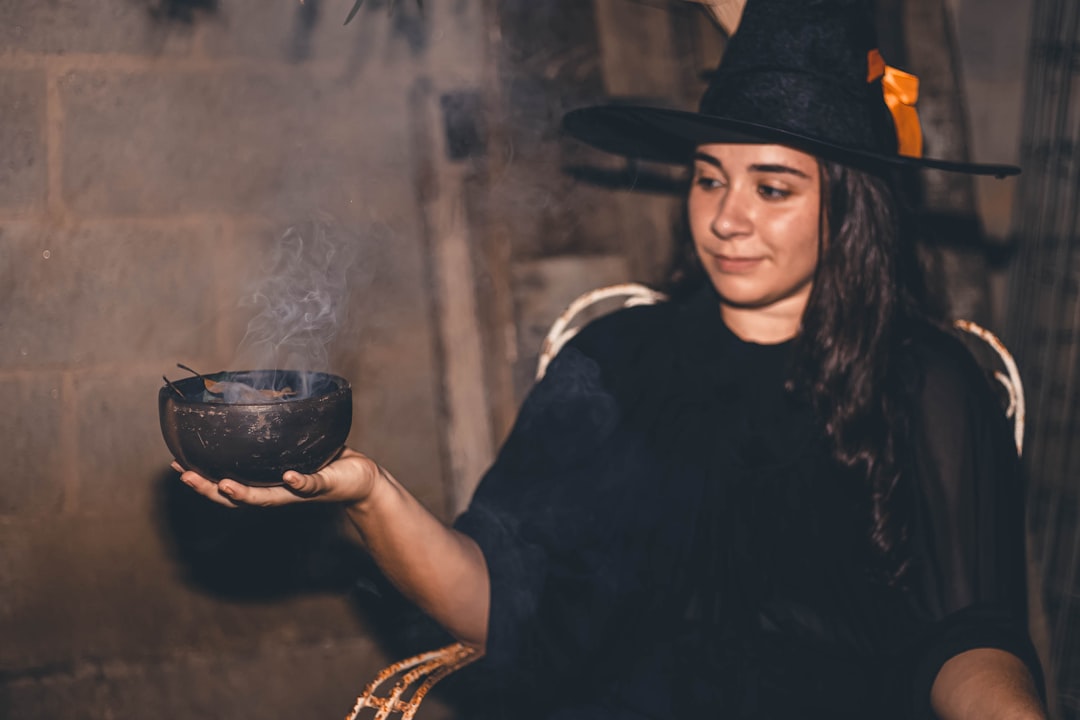
Every March 21st, the mystical town of Catemaco in Veracruz becomes Mexico’s unofficial capital of magic, where shamans, witches, and spiritual seekers gather for rituals that would make Harry Potter jealous. This isn’t some commercialized Halloween knockoff—it’s a deeply rooted spiritual tradition that draws practitioners from across Latin America.
The spring equinox amplifies the town’s already powerful spiritual energy, attracting curanderos (healers) who perform cleansing ceremonies using everything from sacred herbs to live chickens. Visitors line up for hours to receive blessings, have their fortunes told, or participate in rituals designed to remove negative energy from their lives.
As night falls, the real magic begins. Bonfires illuminate Lake Catemaco while practitioners perform ceremonies that blend indigenous traditions with Catholic symbolism and African spiritual practices. The air fills with copal incense and the sound of ancient chants, creating an atmosphere that’s both mysterious and deeply healing.
Up Helly Aa (Shetland Islands, Scotland)
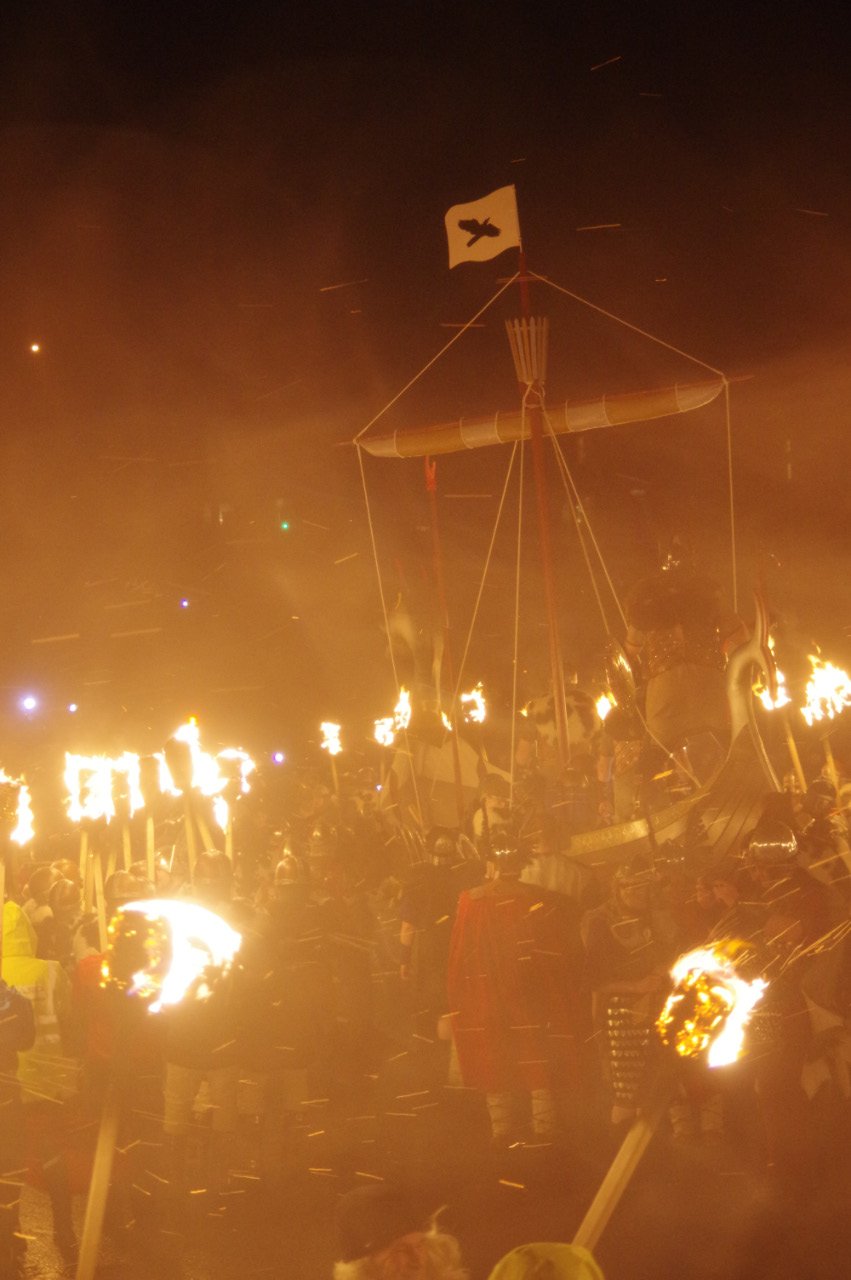
Picture this: 1,000 torch-bearing Vikings marching through the darkness of a Scottish winter night, culminating in the spectacular burning of a 32-foot longship. Up Helly Aa transforms the last Tuesday in January into Europe’s most dramatic fire festival.
The preparation takes months, with Shetlanders crafting an authentic Viking galley complete with shields, oars, and a fearsome dragon head. When night falls, the Guizer Jarl (chief Viking) leads his squad through Lerwick’s streets while hundreds of other participants follow in torchlit procession, their flames creating a river of fire against the winter darkness.
The climax arrives when all torches are hurled into the longship, creating an inferno that can be seen for miles. But the celebration doesn’t end there—participants disappear into community halls across the island for all-night parties featuring traditional music, dancing, and enough whisky to warm the coldest Viking heart. It’s Scotland’s most spectacular tribute to its Norse heritage.
Holi (India & Nepal)
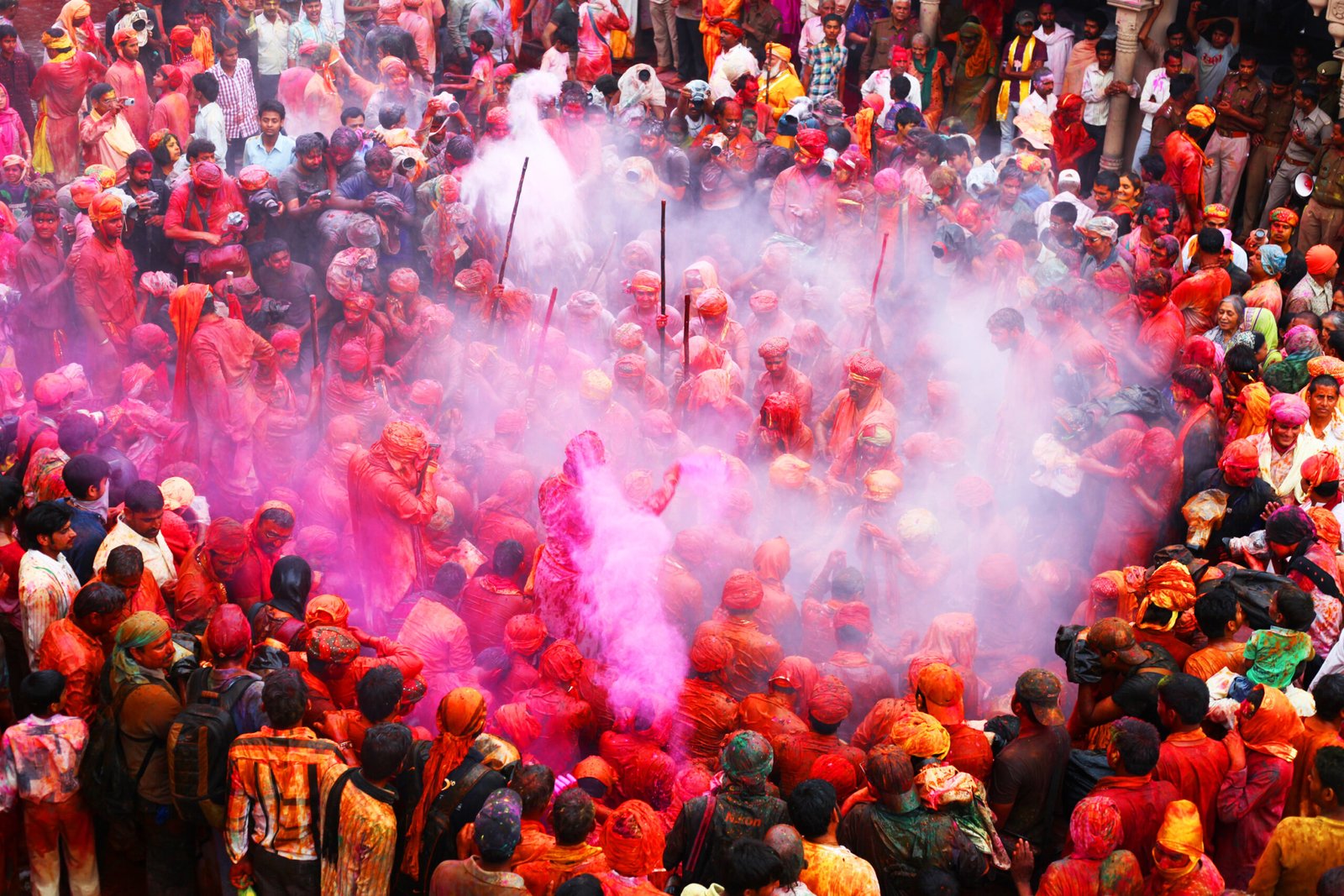
When the full moon rises in March, millions across India and Nepal prepare for what might be the world’s most joyful chaos. That day 90% shop and store are closed in Kathmandu. The whole Kathmandu valley is immersed in the festival atmosphere, transforming cities into rainbow battlefields where strangers become friends through flying colors.
The night before the colorful madness, communities gather around bonfires for Holika Dahan, burning effigies to symbolize the victory of good over evil. The night before Holi, dung cakes and wood are burned, and people offer prayers and a wish for health. These vigils often continue until dawn, with families sharing stories and traditional sweets.
All the enthusiasts get involved in this festival. On this festival of color, schools, stores, business hubs, government offices, and small offices, all remain closed. What makes Holi extraordinary is its complete breakdown of social barriers—during these celebrations, age, class, and status disappear under clouds of colored powder, creating a brief utopia where joy is the only currency that matters.
Summer Solstice at Stonehenge (UK)
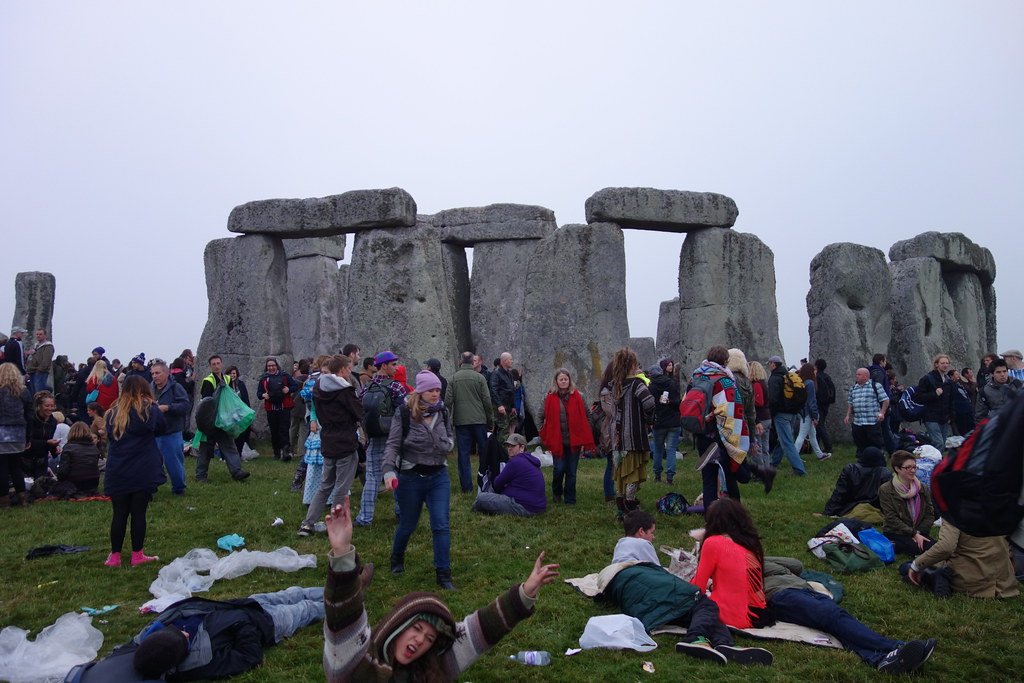
As dawn approaches on June 21st, something magical happens at one of humanity’s greatest mysteries. Thousands gather at Stonehenge to witness a celestial alignment that has fascinated humans for over 4,000 years, making it one of the world’s most spiritual all-night vigils.
The ancient stones seem to come alive during the summer solstice, with druids in white robes, new-age spiritualists, curious tourists, and archaeologists all sharing the same sacred space. The atmosphere builds throughout the night with drumming circles, meditation sessions, and spontaneous celebrations that create an almost festival-like environment.
What makes this experience truly special is witnessing the exact moment when the rising sun aligns perfectly with the Heel Stone and floods the monument’s center. That single ray of sunlight represents humanity’s eternal quest to understand our place in the cosmos, connecting modern visitors to their Neolithic ancestors in the most profound way possible.
Fête de Saint-Jean (Quebec, Canada & France)
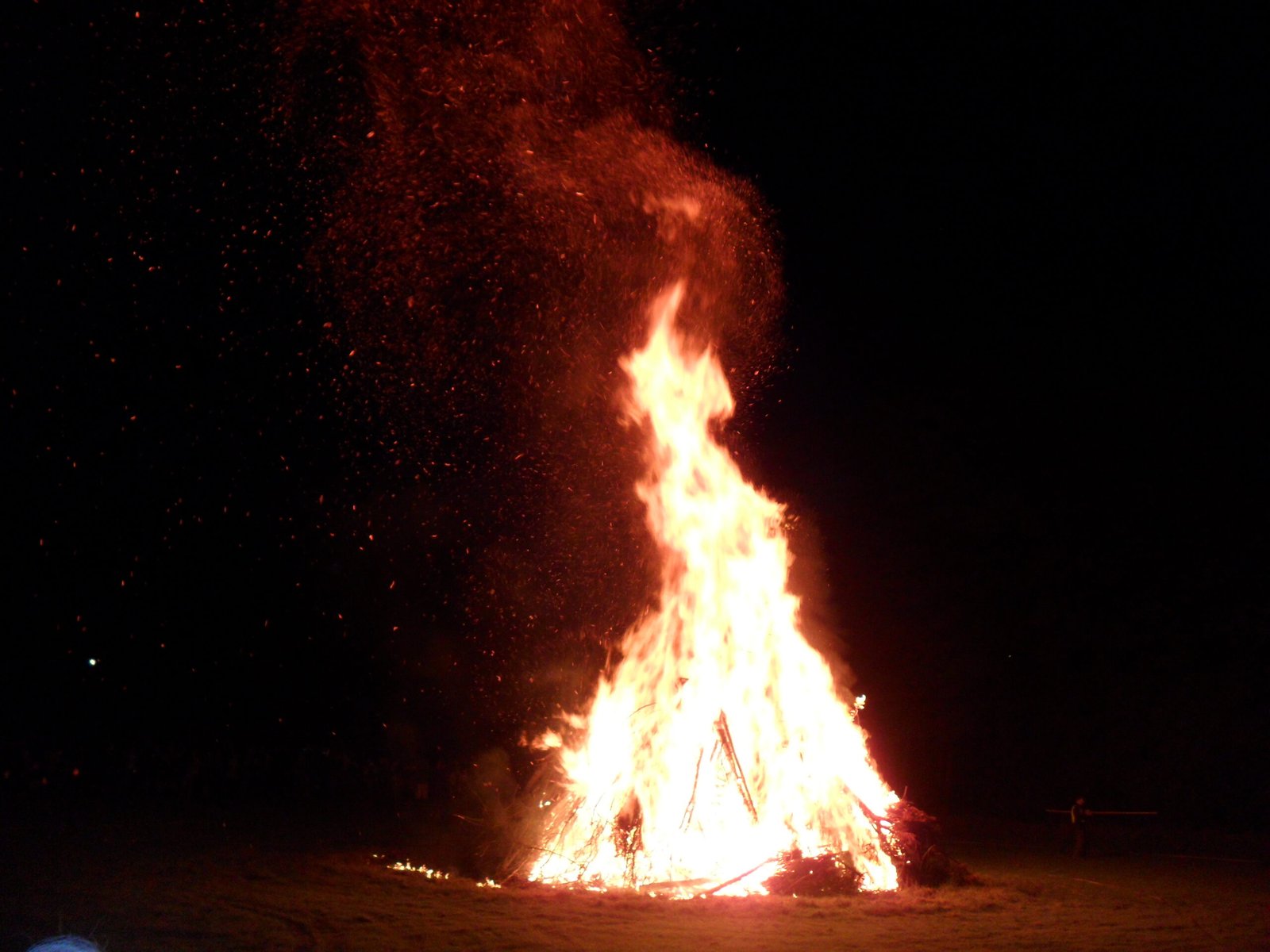
Every June 23rd, Quebec transforms into one giant celebration that perfectly captures the joie de vivre of French-Canadian culture. What began as a Catholic feast day has evolved into a massive cultural festival where bonfires burn all night and the party atmosphere rivals Mardi Gras.
In Montreal alone, over 500,000 people participate in festivities that include massive outdoor concerts, traditional folk dancing, and enough maple syrup-inspired treats to satisfy any sweet tooth. The Saint-Jean-Baptiste parades feature elaborate floats celebrating Quebec’s unique cultural heritage, while neighborhood parties spring up spontaneously across the province.
The tradition of lighting bonfires connects modern Quebec to its ancient Celtic roots, with some communities maintaining fires that burn for days. Live music venues stay open until dawn, featuring everything from traditional folk songs to contemporary Quebec rock bands, creating a soundtrack that perfectly captures the province’s cultural evolution.
Night of San Juan (Spain & Latin America)
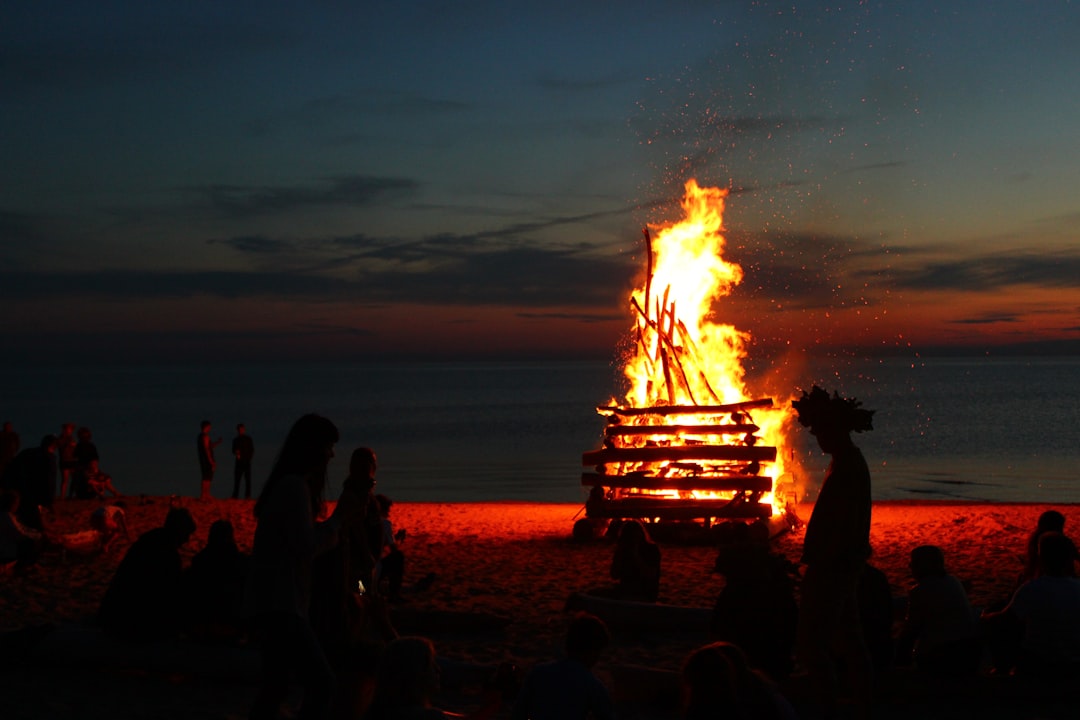
When June 23rd arrives in Spain, beaches become magical realms where fire meets water in celebrations that feel like ancient pagan rituals disguised as Christian festivals. The Night of San Juan combines the summer solstice with Catholic tradition, creating one of Europe’s most enchanting midsummer celebrations.
Along Spain’s Mediterranean coast, millions gather on beaches to light bonfires and leap over flames—a ritual believed to purify the soul and bring good luck. The tradition of writing wishes on paper and burning them in the fires creates moments of profound personal reflection amidst the party atmosphere.
The most magical moment comes at midnight, when thousands run into the ocean for their first swim of summer. According to tradition, bathing in the sea during San Juan brings health and fertility for the coming year. From Barcelona’s Barceloneta to the Canary Islands, the combination of fire, water, and celebration creates an atmosphere that’s both mystical and utterly joyful.
Obon Festival (Japan)
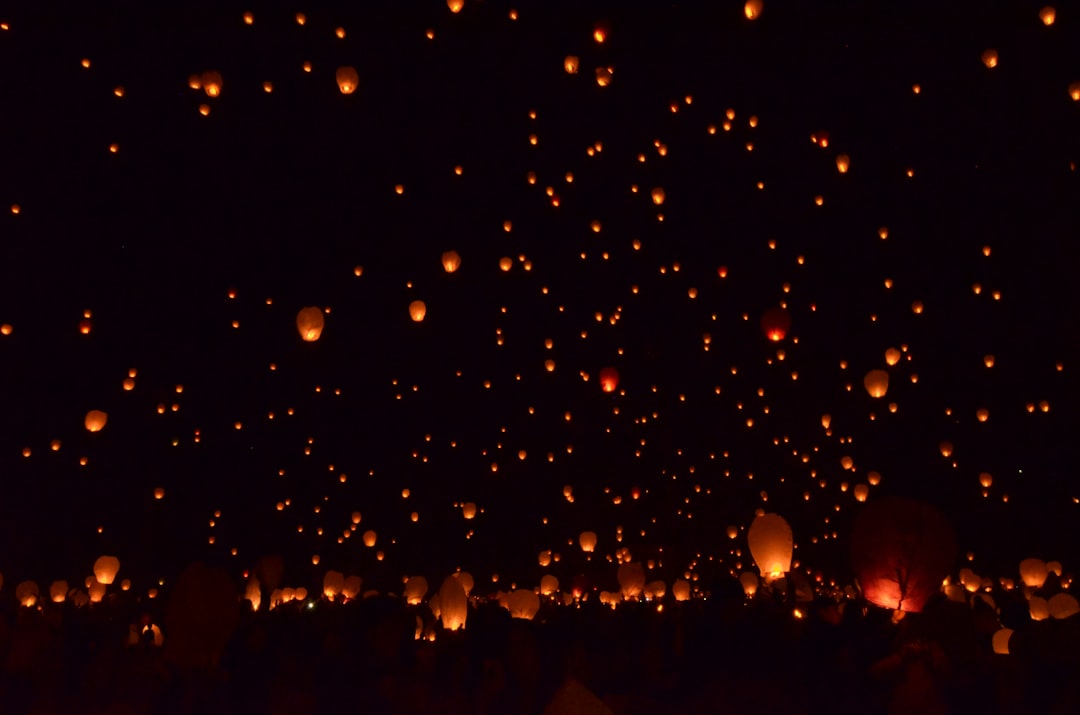
In August, Japan’s rivers transform into pathways of light as thousands of floating lanterns guide ancestral spirits home in one of the world’s most beautiful spiritual ceremonies. Obon represents death not as an ending, but as a continuation of family bonds that transcend physical existence.
The Tōrō Nagashi (floating lanterns) ceremony creates scenes of breathtaking beauty as rivers fill with glowing messages to deceased relatives. Families write prayers and memories on paper lanterns before setting them adrift, creating flowing galaxies of light that drift slowly toward the sea.
Throughout the night, communities gather for Bon Odori dancing, where traditional circle dances connect the living and the dead in celebration. The rhythmic drumming and gentle melodies create an atmosphere of peaceful reverence that continues until dawn, when the spirits are believed to return to their eternal rest.
Burning Man (Black Rock Desert, USA)
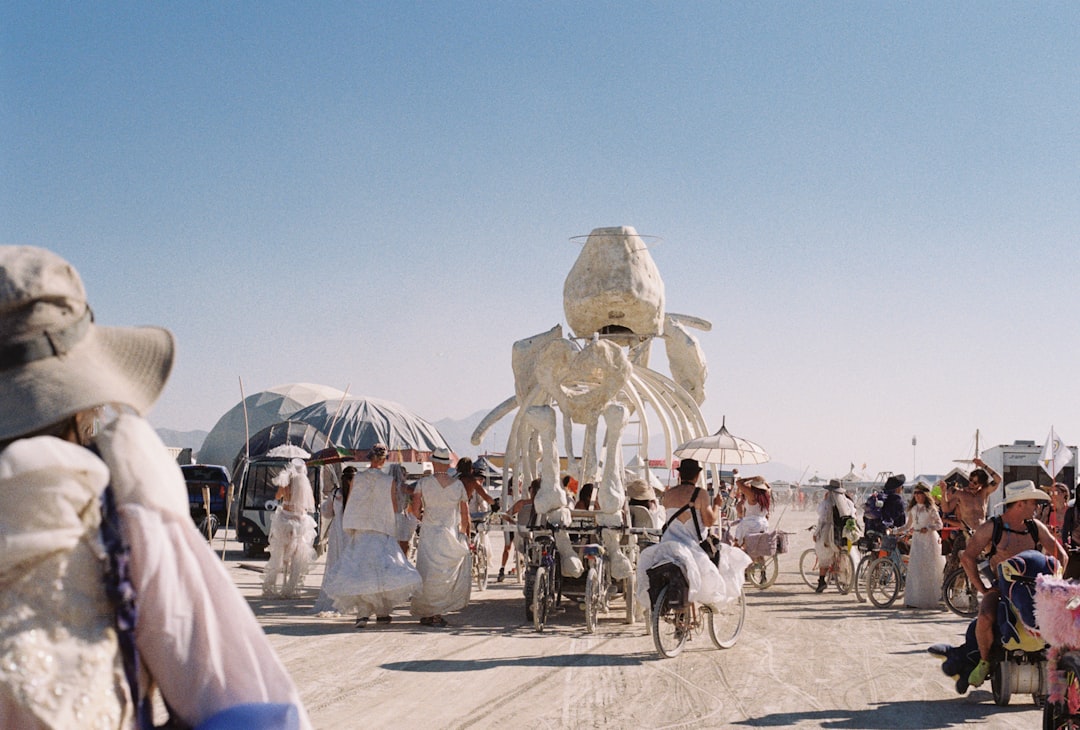
What happens when 70,000 creative souls gather in the Nevada desert to build a temporary city dedicated to radical self-expression? In 2019, 78,850 people participated in what has become America’s most transformative cultural experiment, though on August 26, it was reported that tickets remained unsold for the event for the first time since 2011 in 2024.
Black Rock City operates by principles that would seem impossible in the default world—no money changes hands, elaborate art installations appear and disappear like mirages, and for the first time ever, Census data indicate that there was an almost equal proportion of males and females on playa in 2023. Interestingly, our adjusted data suggest that females (49.1%) may have even surpassed the percentage of males (47.9%).
The climax arrives when the Man burns at midnight, creating a massive bonfire visible across the desert while tens of thousands dance around the flames until sunrise. On August 25, 2024, the first day of the 2024 Burning Man event, a female participant died… An epic dust storm was reported on the final day of the event, snarling departure traffic and causing lines to last more than four hours. Yet despite challenges, Burning Man remains a powerful testament to human creativity and community.
New Year’s Eve (Global)
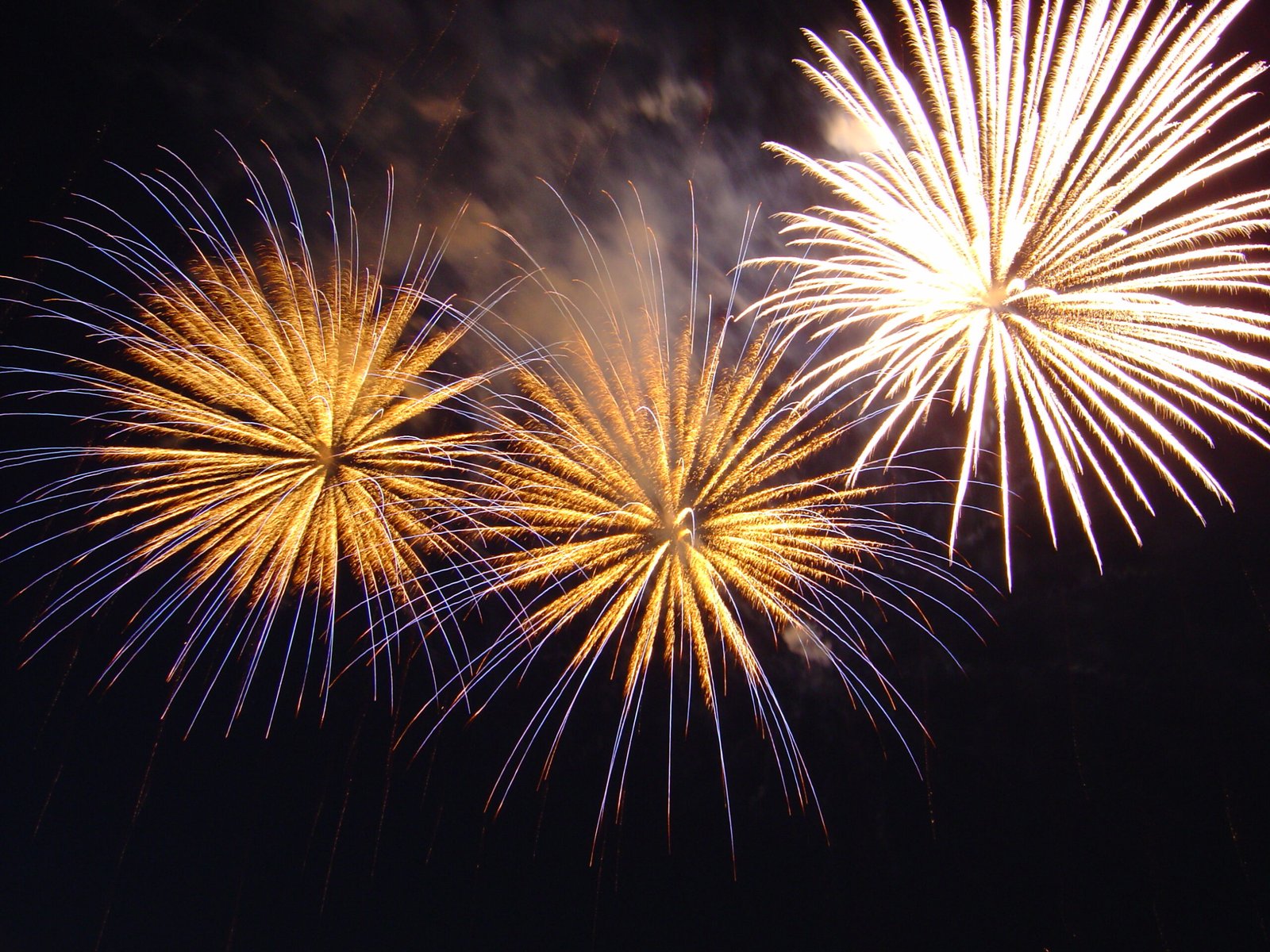
As December 31st unfolds across time zones, our planet experiences the world’s most synchronized celebration, creating a wave of fireworks and festivities that literally circles the globe. From Sydney’s harbor to Times Square, humanity comes together to mark time’s passage in the most spectacular way possible.
The celebration begins in the Pacific islands and moves westward like a glowing sunrise of human joy. In Sydney, over one million people gather around the harbor to witness fireworks reflected in the water, while London’s Thames becomes a river of light during their midnight spectacular.
Times Square hosts the most famous countdown, with over one million people cramming into Manhattan’s streets despite freezing temperatures and limited bathroom access. The ball drop has become humanity’s most watched moment, broadcast to over one billion viewers worldwide who join in counting down those final ten seconds that separate one year from the next. It’s the ultimate proof that despite our differences, we all share the same desire to celebrate hope, renewal, and the endless possibility of tomorrow.
Conclusion
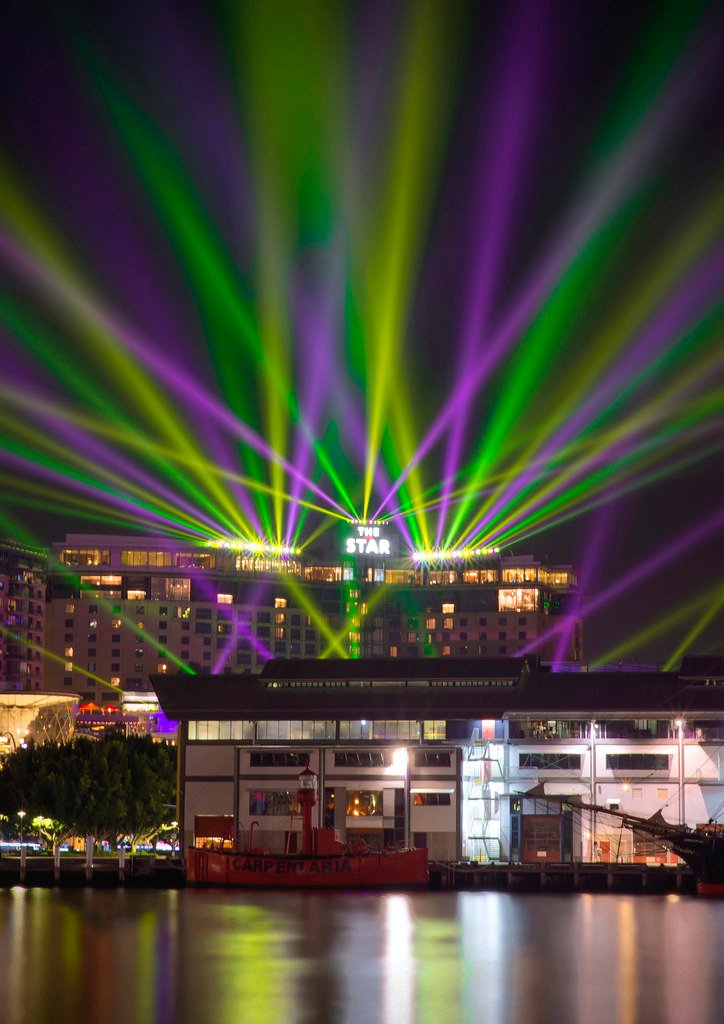
These all-night festivals prove that some of humanity’s most profound experiences happen when the sun goes down and our inhibitions follow suit. From the arctic brightness of St. Petersburg’s White Nights to the desert fires of Burning Man, these celebrations remind us that darkness isn’t something to fear—it’s a canvas for creating magic.
Whether you’re dancing until dawn at a French music festival or floating lanterns down a Japanese river, these nocturnal celebrations tap into something primal in the human spirit. They’re our way of saying that time is precious, community matters, and sometimes the most important moments happen when the rest of the world is sleeping.
So next time you’re planning an adventure, consider timing it around one of these incredible all-night festivals. After all, the best stories always seem to happen between midnight and sunrise. Which one will you experience first?

Christian Wiedeck, all the way from Germany, loves music festivals, especially in the USA. His articles bring the excitement of these events to readers worldwide.
For any feedback please reach out to info@festivalinside.com
