
Air Travel Faces Unprecedented Gridlock (Image Credits: Upload.wikimedia.org)
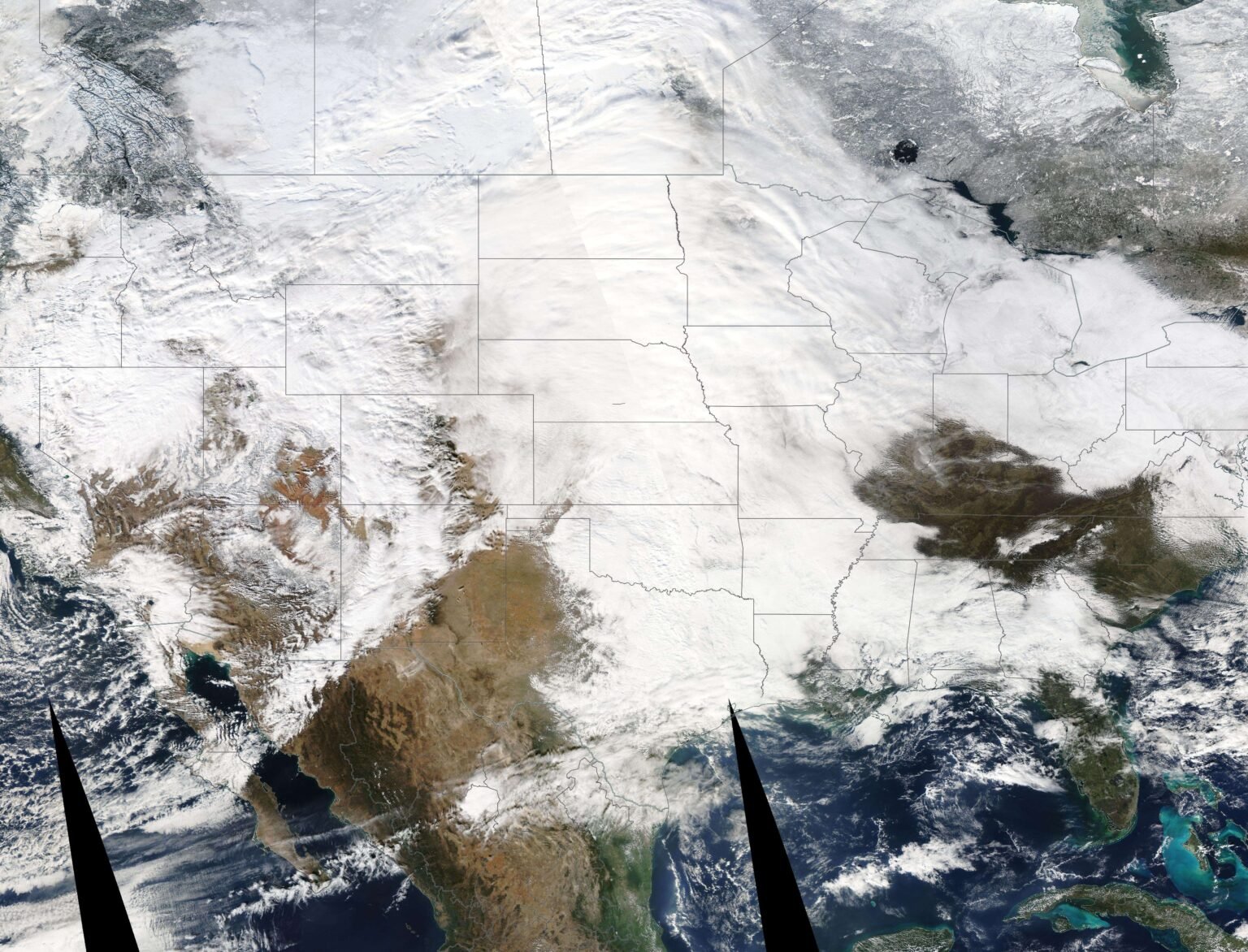
United States – A powerful winter storm swept across much of the country over the weekend, unleashing heavy snow, sleet, and freezing rain that triggered massive power outages and grounded thousands of flights.[1][2]
Air Travel Faces Unprecedented Gridlock
Airlines canceled more than 11,000 flights nationwide by Sunday evening, with over 4,700 others delayed, marking one of the worst disruptions since the pandemic.[1] Airports from Charlotte Douglas International to Dulles and Reagan National saw piles of cancellations as ice coated runways and extreme weather halted operations.[1]
Boston Logan shut down entirely, while Newark experienced 87% cancellations. Total cancellations topped 17,000 as the storm raged on.[2] Travelers faced long waits and stranded plans, with major carriers pulling aircraft to avoid further stranding.
Power Failures Hit Hard in the South
Nearly a million customers lost electricity across the South, where freezing rain built up to an inch thick on trees and power lines.[1] Tennessee reported over 316,000 outages, including a sharp rise in Nashville, while Kentucky saw at least 75,000 affected and numbers climbing.[1]
In Alabama’s Lauderdale County, up to 2,000 residents sat in the dark amid downed trees and icy limbs. Restoration efforts slowed under ongoing ice buildup, with forecasts warning of more accumulation.[1] Officials noted that tree limbs snapping under ice weight posed ongoing risks to homes and roads.
States Mobilize Amid Declarations of Emergency
Over 20 states issued emergency declarations as the storm, dubbed Fern in some areas, pummeled 34 states from New Mexico to New England.[2] North Carolina Gov. Josh Stein urged residents to “stay put” as Charlotte braced for ice.[1]
- Alabama activated 350 National Guard members for northern counties.
- Connecticut banned commercial trucks and opened cold shelters.
- Delaware restricted non-essential driving in key counties.
- D.C. closed federal offices Monday while mandating telework.
- Indiana called for energy conservation to ease grid strain.
West Virginia opened warming centers, with shelter director Crystal Neff vowing, “We won’t turn anybody away.”[1] At least 11 deaths linked to the storm, including from hypothermia and crashes.
| Hardest-Hit Areas | Key Impacts |
|---|---|
| Tennessee | 316,000+ outages; Nashville spike |
| Kentucky | 75,000+ outages; ice buildup |
| Northeast | 17″+ snow; airport shutdowns |
Recovery Challenges and Safety Warnings
Monday brought lingering black ice and extreme cold, with wind chills plunging below zero in spots. Transportation departments pleaded for drivers to stay off slick roads, citing crashes into plows and slide-offs.[1]
Schools closed across major cities, and hazardous conditions threatened commutes. Meteorologists highlighted bridges, overpasses, and falling branches as prime dangers.[1]
Key Takeaways
- Prepare emergency kits with blankets, food, and chargers for outages.
- Check flight status early and have backup travel plans.
- Monitor local alerts for warming centers and road closures.
As crews race to restore power and clear runways, the storm underscored winter’s unpredictability in testing infrastructure and resolve. Communities rallied with mutual aid, but questions linger on resilience against fiercer weather patterns. What steps will you take next time? Tell us in the comments.